


The calendar is about to get loud again. Classes start, work ramps back up, the kids' schedules explode, and suddenly the open summer days that made training easy are gone. The lifters who survive the fall are not the ones with superhuman willpower. They are the ones who make training the easy choice, not the heroic one.
Here is the pattern that plays out every September. Life gets busy, and training is the first thing to fall off the schedule. A missed session becomes a missed week, the missed week becomes a lost habit, and by October the momentum you built all summer is gone. The mistake is treating training as something that requires a big block of time and a heroic effort. When your schedule tightens, that model breaks instantly. The solution is not more willpower. It is less friction.
How Do You Keep Training When Life Gets Busy?
You keep training when life gets busy by shrinking the friction around it: shorter, focused sessions that fit real gaps in your day, a simple plan that survives a chaotic week, and grab-and-go tools that remove every excuse. Consistency, not any perfect program, drives long-term results, and consistency comes from making training easy to start. When the barrier to a workout is low, you keep showing up even when life is loud. Here is how to build that resilient system before the schedule hits.
Why Consistency Beats the Perfect Program
The single most important truth about training is one most people underestimate: showing up consistently matters far more than the details of your program. A perfectly optimized routine you abandon in three weeks loses to a simple one you actually keep doing for months.
Adherence Is the Real Driver
Long-term results come from accumulated consistent training, not from any single brilliant session or program. This is why building training into a durable habit matters so much. Research on behavior change shows that interventions which turn exercise into an automatic, cue-triggered habit produce measurable improvements in how consistently people stay active, working through a different mechanism than fragile motivation [1]. In other words, the goal is to make training something you do on autopilot, not something you have to summon willpower for each time.
The enemy of that habit is friction: every barrier between you and the start of your workout is a chance to skip it. A packed schedule multiplies those barriers. So, the winning strategy in a busy season is to systematically remove friction wherever you can, making the healthy choice the path of least resistance.
Shorter Sessions Still Work
The belief that a workout only counts if it is long and complete is one of the most damaging myths for busy people. The research says otherwise. An overview of minimal-dose resistance training strategies found that even substantially reduced training, with shorter sessions and lower volume than standard guidelines recommend, still produces meaningful increases in muscle strength [2]. Something is dramatically better than nothing, and "something" can be surprisingly small and still work.
This reframes the entire problem. On your busiest days, you do not face a choice between a full session and nothing. A focused 20 or 30 minutes hitting a few hard sets of the big movements maintains and even builds your strength. Once you accept that shorter sessions genuinely work, the excuse of "I do not have time for a full workout" disappears.
Building a Busy-Season Training System
The strategy is simple: reduce friction, shorten sessions, and remove decisions. Here is how.
Shrink the Session
Build a short, efficient template you can execute in 30 to 45 minutes. Anchor it around compound movements that train the most muscle in the least time: a squat or hinge, a press, a pull. Skip the endless accessory work when time is tight and focus your energy on a few hard, productive sets of the lifts that matter most. Progress the load over time, and you will maintain and build strength on a fraction of the time commitment. Effective training does not require a wide variety of exercises; consistent hard work on the basics delivers results [3].
Remove the Decisions
Every decision is friction. Decide in advance when you will train, what you will do, and where, so that when the time comes there is nothing to deliberate. Put your sessions in your calendar like any other appointment. Lay out your gear the night before. The less you have to think when a workout window opens, the more likely you are to use it. A plan made in a calm moment protects you from a busy moment's temptation to skip.
Make Fueling Grab-and-Go
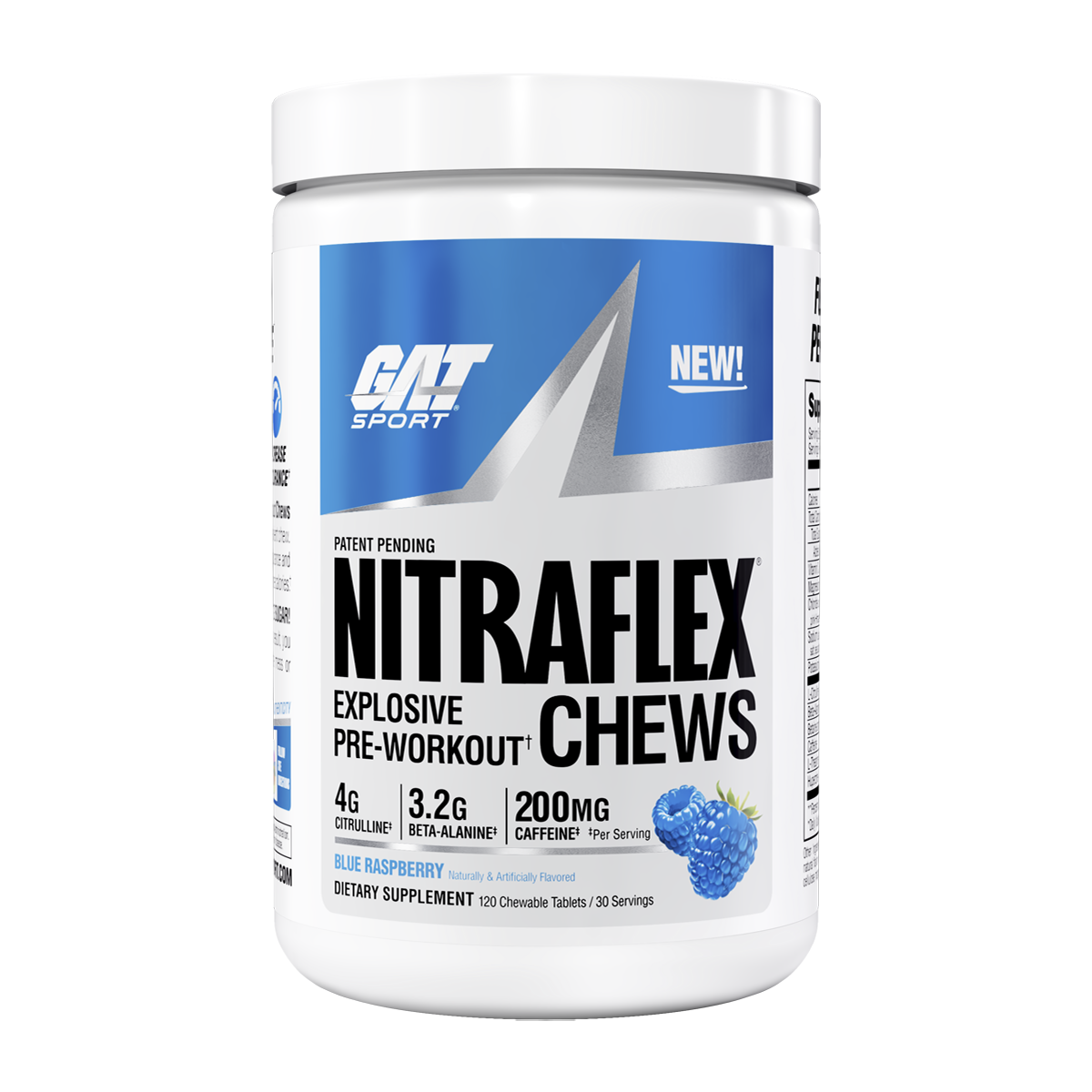
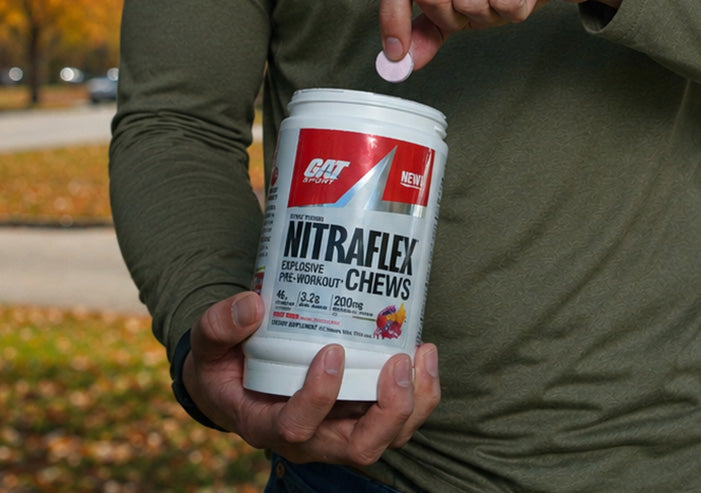
Preparation friction extends to your pre-workout routine, and this is where the right tool makes training a grab-and-go decision. Nitraflex Chews are built for exactly this. There is no scooping, no shaker, no water, and no mixing. You grab them and go, whether you are heading to the gym between classes, squeezing in a session before work, or training on the road. The ISSN position stand on caffeine confirms that pre-workout supplements containing caffeine enhance both anaerobic and aerobic performance at doses of 3 to 6 milligrams per kilogram of body mass [4], so you get real, studied pre-workout support in a format that removes every ounce of preparation friction. When your pre-workout lives in your bag and requires zero setup, one more barrier to training disappears.
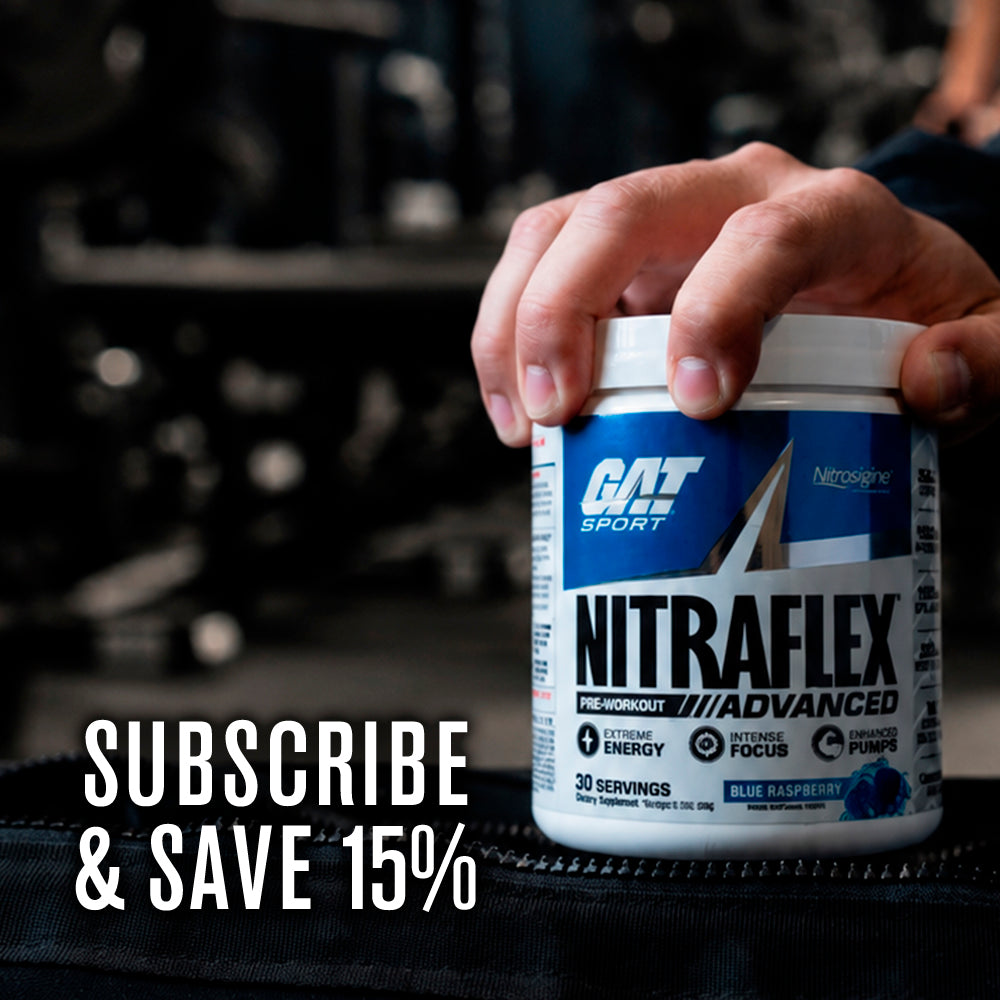
For days when you are training at home or have time for your full routine, Nitraflex Advanced delivers the complete pre-workout experience. The two work together: Advanced for your unhurried sessions, Chews for the busy, on-the-go days that define a hectic fall.

Make Training the Easy Choice
The lifters who keep their progress through a busy fall are not tougher or more disciplined than everyone else. They have simply engineered their training so that staying consistent does not require heroics. They shrank their sessions, removed their decisions, and eliminated the friction that causes skipped workouts. When training is easy to start, you keep starting, and that consistency is what carries your results through the busiest months of the year.
Do not wait for the schedule to hit and then try to muscle through on willpower. Build the low-friction system now, while things are still calm, so that when life gets loud, your training simply keeps running in the background.
Set up your busy-season training plan before the schedule hits. Then keep showing up, and compete harder all fall long, with GAT Sport at gatsport.com.
Key Takeaways
- When life gets busy, training falls off because of friction, not lack of willpower; the fix is to make training easy to start.
- Consistency and adherence drive long-term results far more than the details of any single program.
- Building exercise into an automatic, cue-triggered habit keeps you training when motivation runs low.
- Shorter, focused sessions still build and maintain strength, so something is always better than nothing.
- Remove decisions and preparation friction, including with grab-and-go fueling, to protect your training through a hectic schedule.
Frequently Asked Questions
How do you keep training when life gets busy?
You keep training by reducing the friction around it: shorter focused sessions that fit real gaps in your day, a plan decided in advance so there is nothing to deliberate, and grab-and-go tools that remove excuses. Consistency drives long-term results more than any perfect program, and consistency comes from making training easy to start. Build this low-friction system before your schedule tightens so training keeps running even when life is loud.
Is a short workout still worth it?
Yes. Research on minimal-dose resistance training shows that even shorter, lower-volume sessions than standard guidelines recommend still produce meaningful gains in strength. On busy days, a focused 20 to 30 minutes on a few hard sets of compound movements maintains and builds strength. The choice is never between a full workout and nothing; a short, quality session is genuinely effective and far better than skipping.
How often should you train with a busy schedule?
Aim for what you can sustain consistently, even if that is just two or three short sessions per week. Consistency over months matters more than hitting an ideal frequency for a week and then burning out. Focusing on sufficient weekly work through compound movements, rather than a high number of long sessions, is the most practical approach when time is limited.
How do you stay consistent with working out?
Turn training into a habit by reducing friction and removing decisions. Schedule sessions like appointments, prepare your gear and fueling in advance, and keep a simple template so there is nothing to figure out in the moment. Research shows habit-based approaches that make exercise automatic improve consistency more than relying on motivation, which is unreliable when life gets hectic.
What is the best pre-workout for a busy schedule?
The best option is one that requires no preparation. A portable, no-mix format like a chewable pre-workout removes the scooping, shaker, and water that add friction to getting started. It delivers studied pre-workout ingredients like caffeine in a grab-and-go form you can keep in your bag, making it easy to fuel a session between classes, before work, or on the road.
References
- Feng, Yiyang, et al. "Effects of Habit Formation Interventions on Physical Activity Habit Strength: Meta-Analysis and Meta-Regression." International Journal of Behavioral Nutrition and Physical Activity, vol. 20, no. 1, 2023, article 109, doi:10.1186/s12966-023-01493-3.
- Nuzzo, James L., et al. "Resistance Exercise Minimal Dose Strategies for Increasing Muscle Strength in the General Population: An Overview." Sports Medicine, vol. 54, no. 5, 2024, pp. 1139-1162, doi:10.1007/s40279-024-02009-0.
- Currier, Brad S., et al. "Resistance Training Prescription for Muscle Strength and Hypertrophy in Healthy Adults: A Systematic Review and Bayesian Network Meta-Analysis." British Journal of Sports Medicine, vol. 57, no. 18, 2023, pp. 1211-1220, doi:10.1136/bjsports-2023-106807.
- Guest, Nanci S., et al. "International Society of Sports Nutrition Position Stand: Caffeine and Exercise Performance." Journal of the International Society of Sports Nutrition, vol. 18, no. 1, 2021, article 1, doi:10.1186/s12970-020-00383-4.