
You can out-train a lot of things. A stubborn diet, a bad night of sleep, a rough week at work; grit will carry you through most of it. A two-percent fluid deficit is not one of them. Once you cross that line, your body simply cannot produce the output you are asking of it, no matter how motivated you are walking into the session.
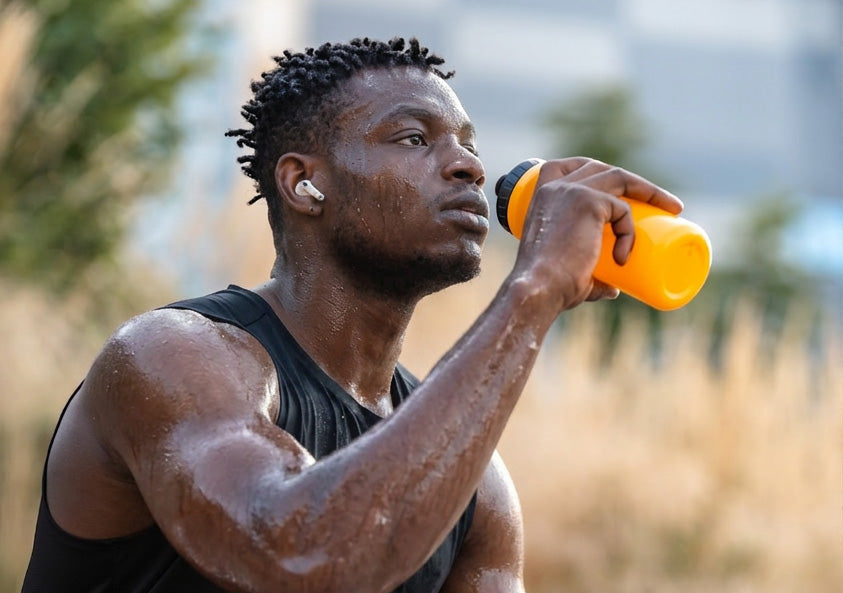
This is the trap that catches so many lifters in summer. Stack a calorie deficit on top of high heat on top of the heavy sweat rates that come with hard training, and you end up chronically under-hydrated without ever realizing it. Your strength dips, your endurance fades early, your focus scatters, and you blame your programming or your diet when the real culprit is fluid. The fix is not complicated, but it does require a plan built on more than just drinking water.
How Should You Hydrate for Hot-Weather Training?
Here is the direct answer: hydrate before, during, and after training using electrolytes, not water alone, and aim to keep your fluid losses under about two percent of your body weight. Start each session already topped off, sip an electrolyte drink through your workout to keep pace with your sweat, and for long or especially hot sessions, pre-load your fluid stores in advance. Sodium and other electrolytes are what actually hold that fluid in your body, which is why water by itself falls short in the heat.
The rest of this guide explains the science and lays out the exact protocol to run for the rest of summer.
Why Two Percent Is the Line That Matters
The two-percent figure is not arbitrary. It is the threshold, repeatedly identified in the research, where dehydration begins to measurably degrade what you can do in the gym.
The Performance Cost
A comprehensive review of dehydration and performance concluded that losing more than about two percent of your body mass in fluid impairs aerobic performance, with the effect most pronounced in warm and hot environments [1]. The American College of Sports Medicine position stand on exercise, and fluid replacement reaches the same conclusion: dehydration beyond roughly two percent of body mass degrades performance and increases the risk of heat illness [2].
For a 185-pound lifter, two percent is under four pounds of sweat, a volume you can lose in one hard, hot session without noticing. And the damage is not limited to endurance. The cost also shows up in your head. A meta-analysis found that dehydration beyond two percent of body mass impairs cognitive performance, particularly attention, executive function, and motor coordination [3]. In practical terms, that means lost focus between sets, sloppier technique, and worse decisions under the bar, exactly when you need to be sharp.
Why Water Alone Falls Short
Here is the part most lifters miss. When you sweat, you do not just lose water; you lose electrolytes, especially sodium. Sodium is the primary driver of fluid balance in the body, and it is what allows you to actually retain the fluid you drink rather than pass it straight through. The ACSM position stand emphasizes that for prolonged or heavy sweating, fluid replacement should include sodium to maintain electrolyte balance and reduce the risk of hyponatremia, the dangerous dilution of blood sodium that can occur from drinking large volumes of plain water [2]. Chugging water alone in the heat can leave you both under-fueled on electrolytes and, in extreme cases, genuinely at risk.
This matters more in summer because sweat rate climbs with both heat and effort. A review of sweating in athletes confirms that sweat rate rises directly with exercise intensity, so your hardest hot-weather sessions are precisely the ones draining your fluid and electrolytes the fastest [4].
The Hydration Protocol
Here is the plan. It has three phases: daily baseline, pre-session loading, and intra-session replacement. Run all three and you keep yourself on the right side of that two-percent line.
Phase 1: Daily Baseline
Hydration is not something you fix in the hour before training; it is a daily state. Drink consistently across the day rather than trying to catch up right before a session. During a cut, pay particular attention here, because changes in how you are eating can quietly reduce your fluid and sodium intake. Salt your food reasonably and do not fear sodium, especially if you are training hard and sweating heavily in the heat. Starting every session already well-hydrated is the foundation everything else builds on.
Phase 2: Pre-Session Loading With Nitraflex Glycerol
For long or especially hot sessions, showing up merely hydrated may not be enough. This is where pre-loading your fluid stores pays off, and where Nitraflex Glycerol earns its place. Glycerol helps your body pull in and hold onto water, and the research supports the mechanism: a meta-analysis of glycerol-induced hyperhydration found that adding glycerol significantly increased fluid retention, holding roughly 7.7 additional milliliters of fluid per kilogram of body weight compared to water alone, and was associated with about a 2.6 percent improvement in endurance performance [5]. Taken ahead of a demanding session, Nitraflex Glycerol gives you a genuine fluid buffer, delaying the point at which you hit that performance-killing two-percent deficit.
Phase 3: Intra-Session Replacement With Nitraflex Hydration
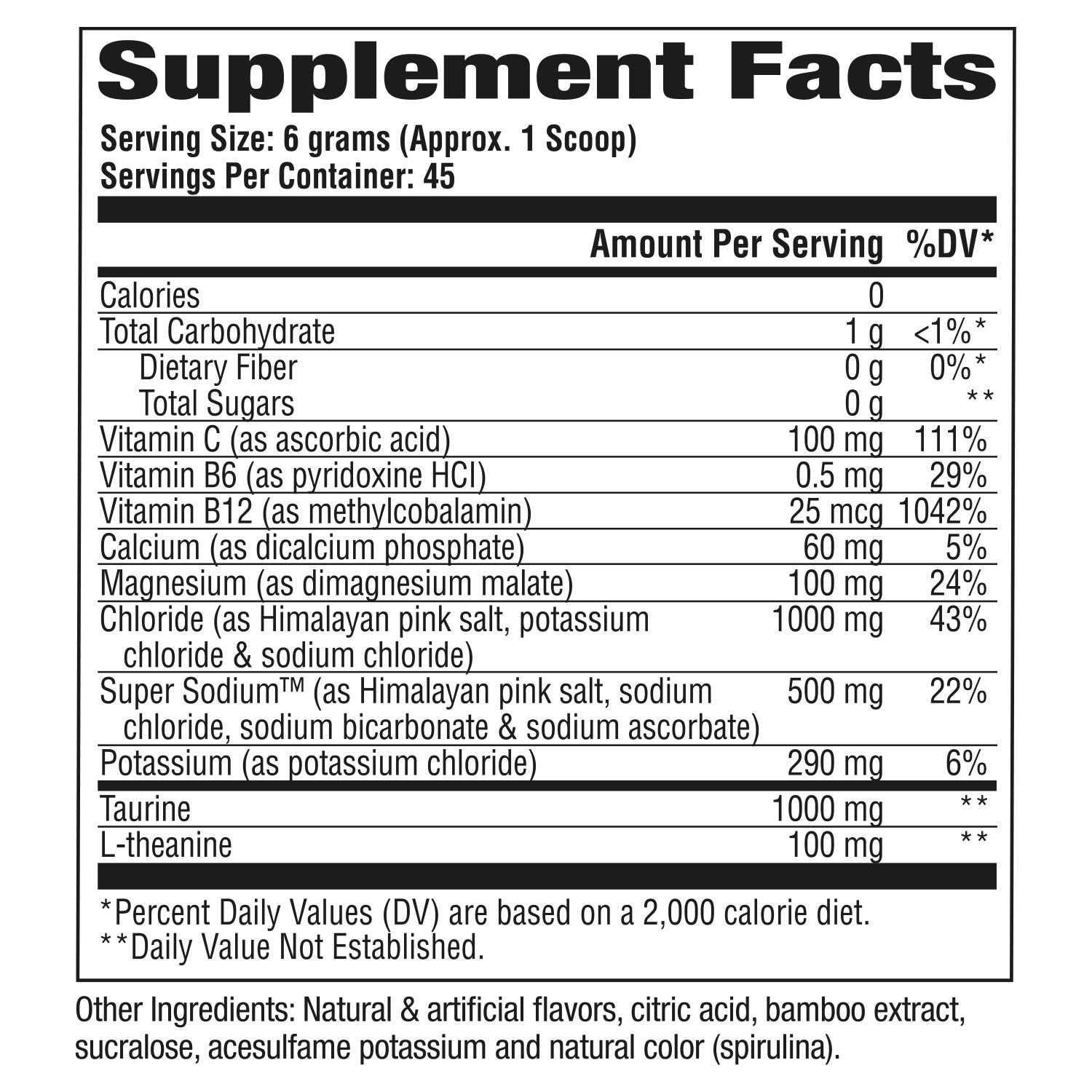
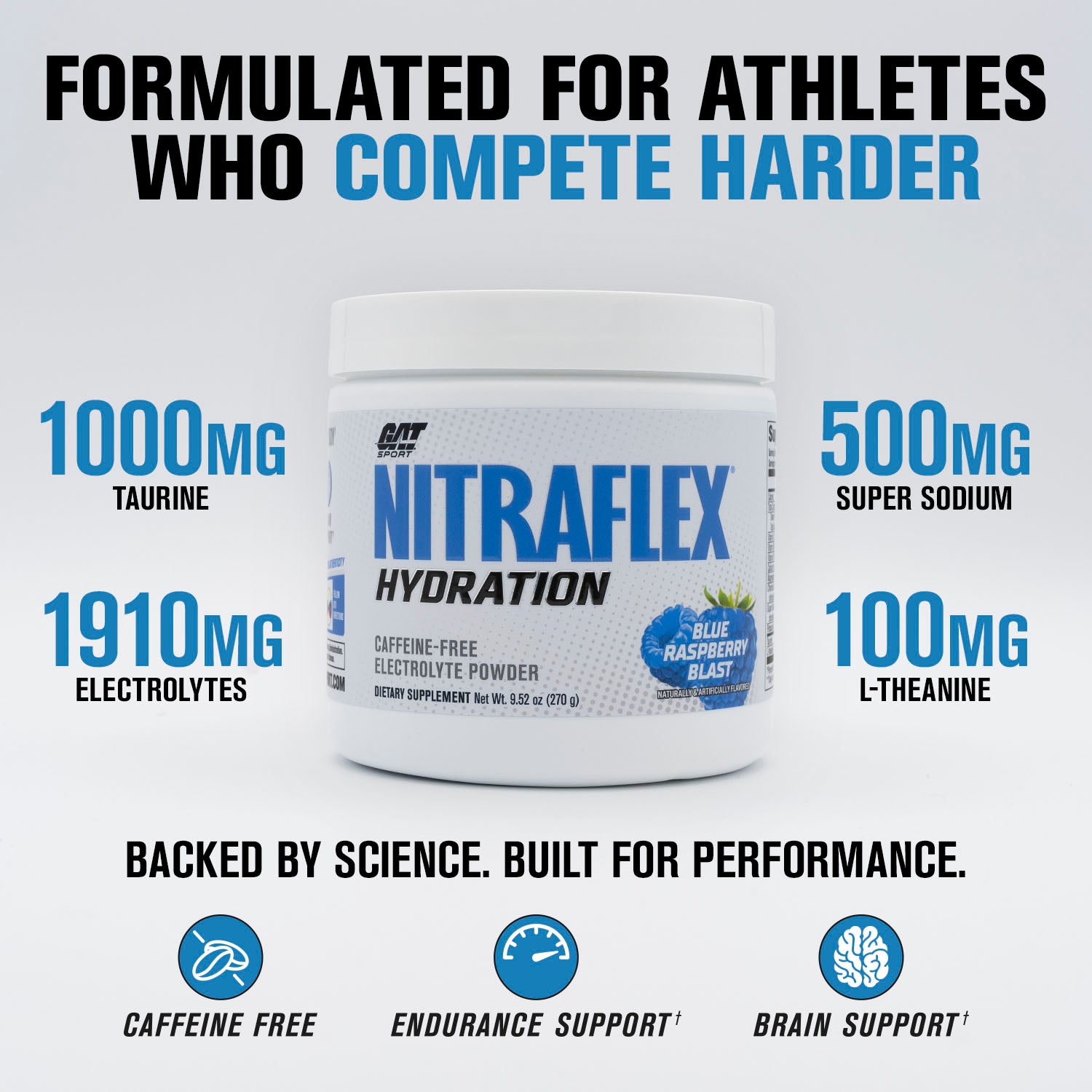
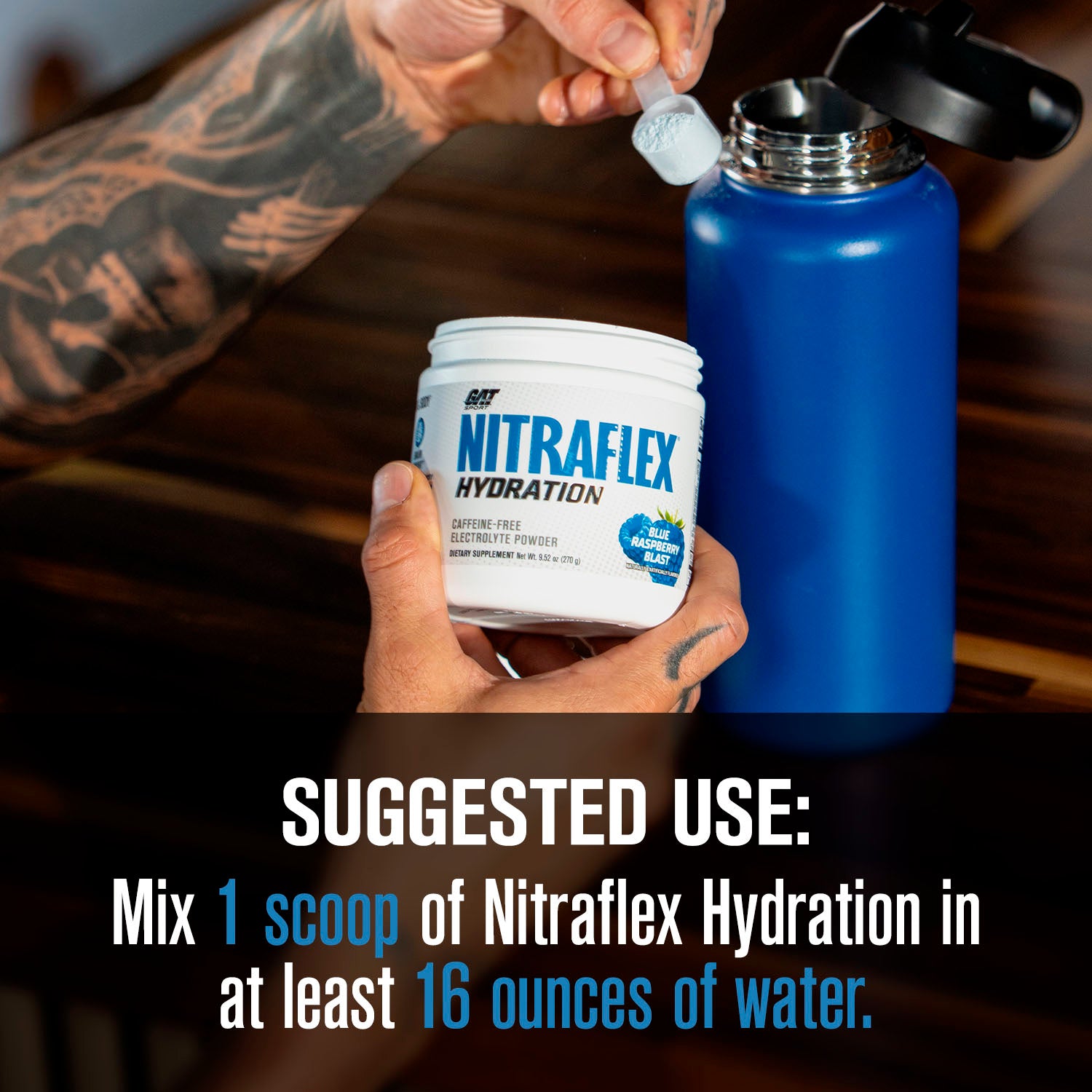
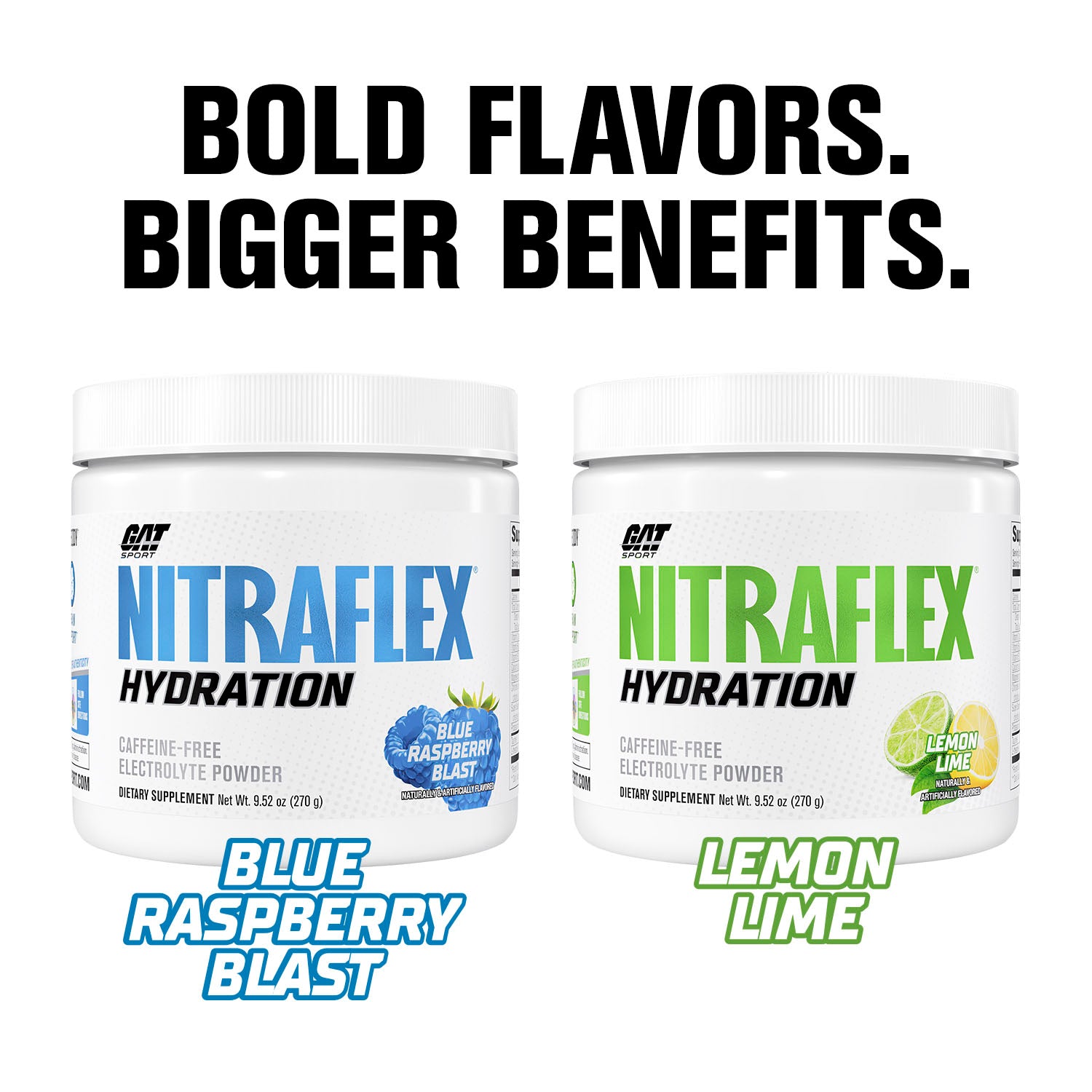
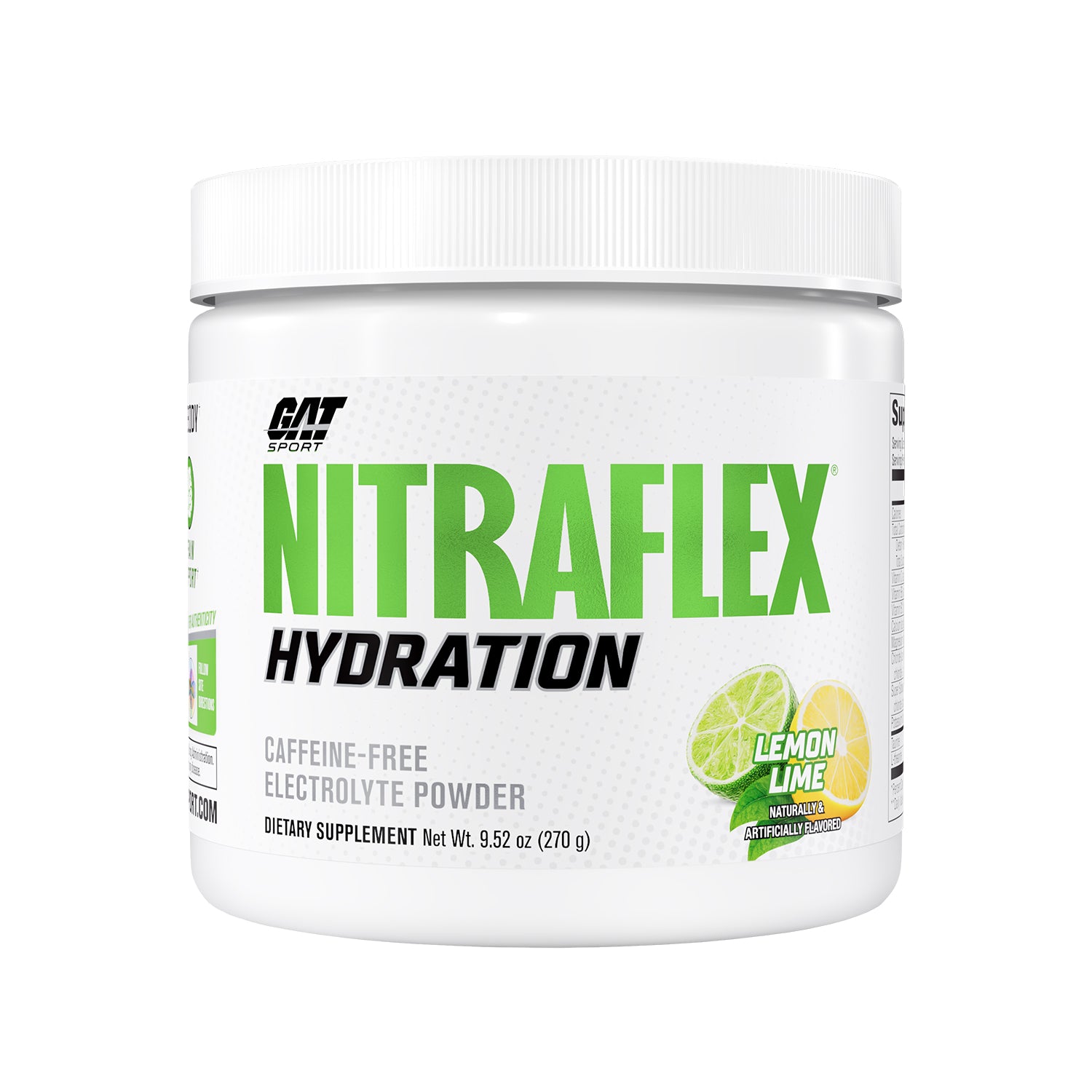
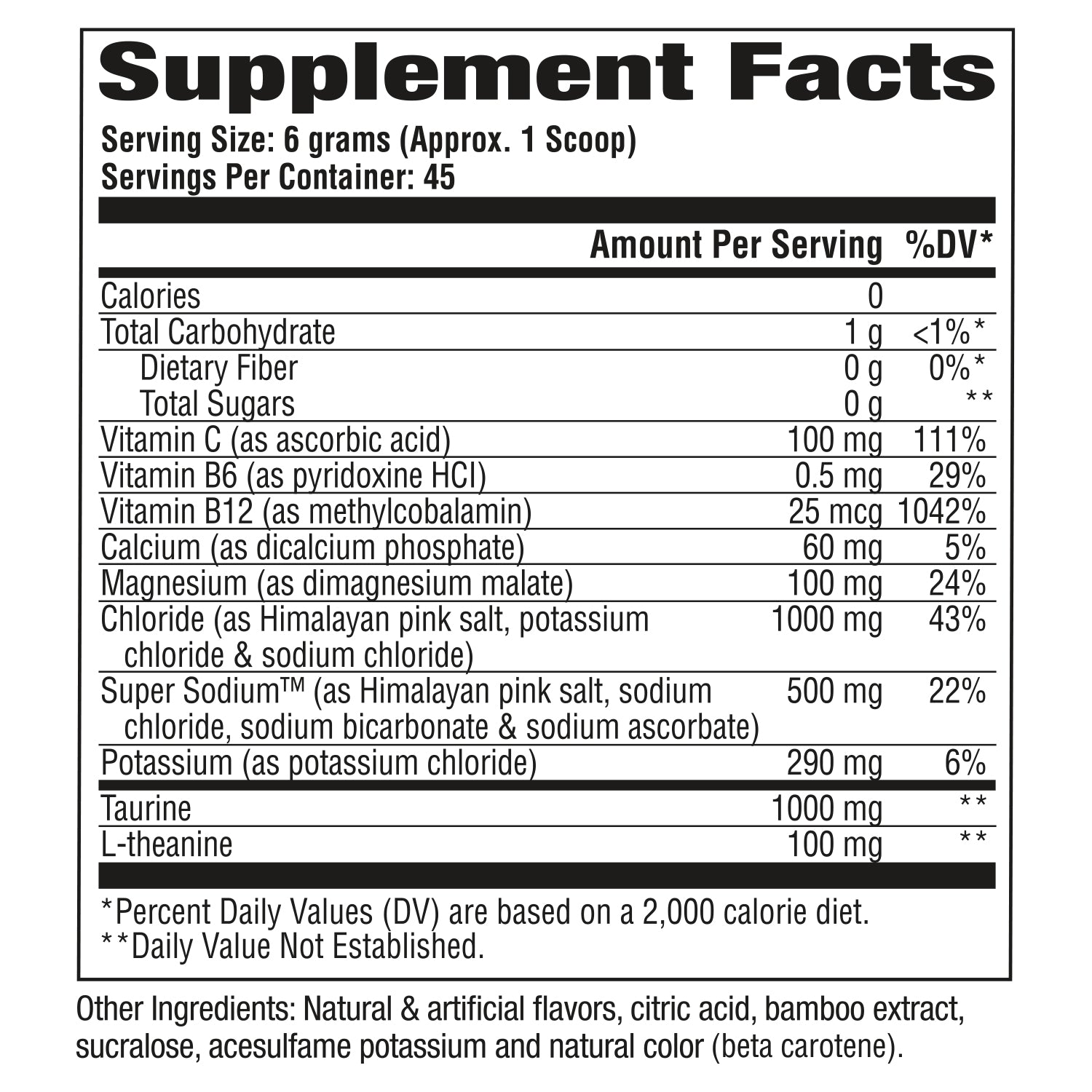
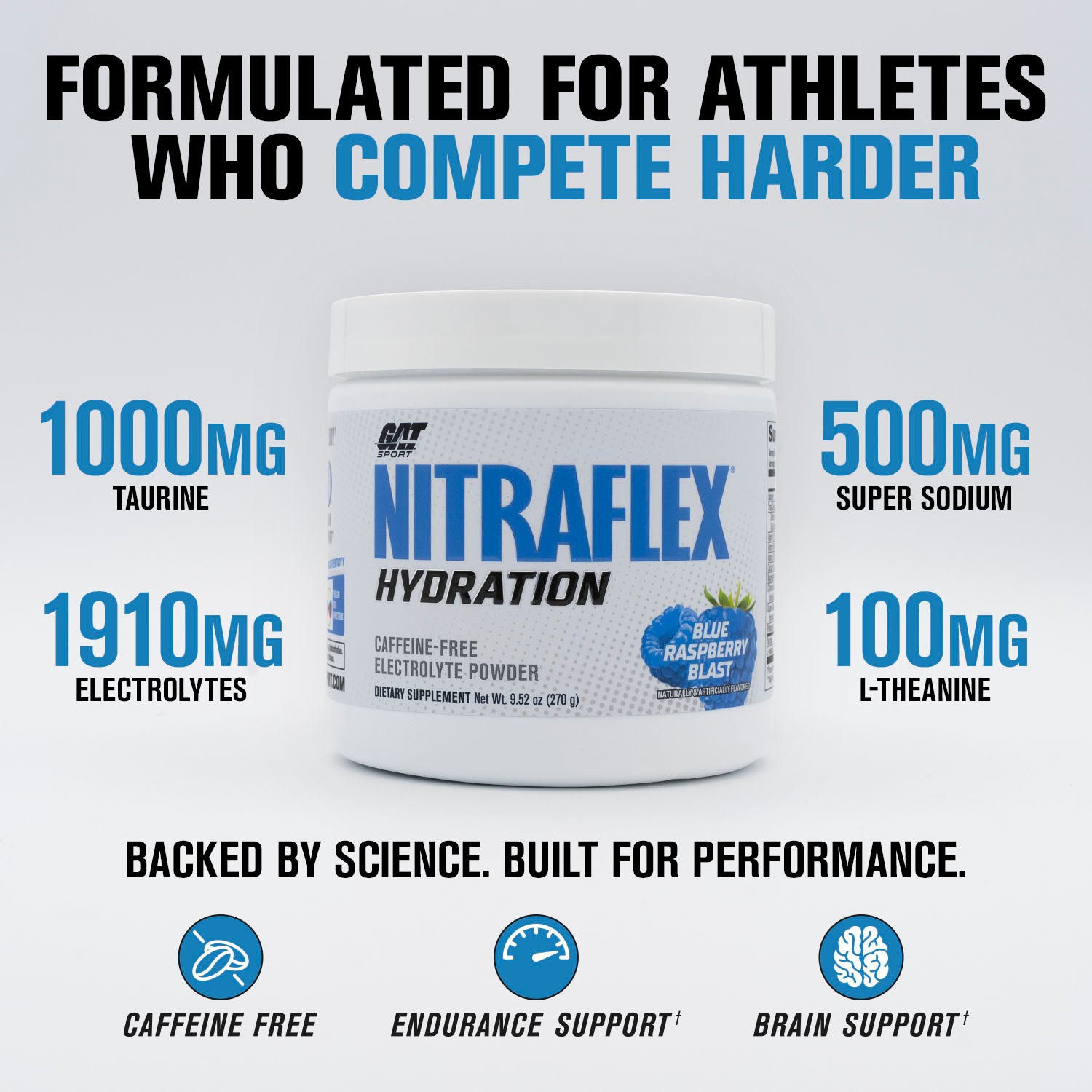
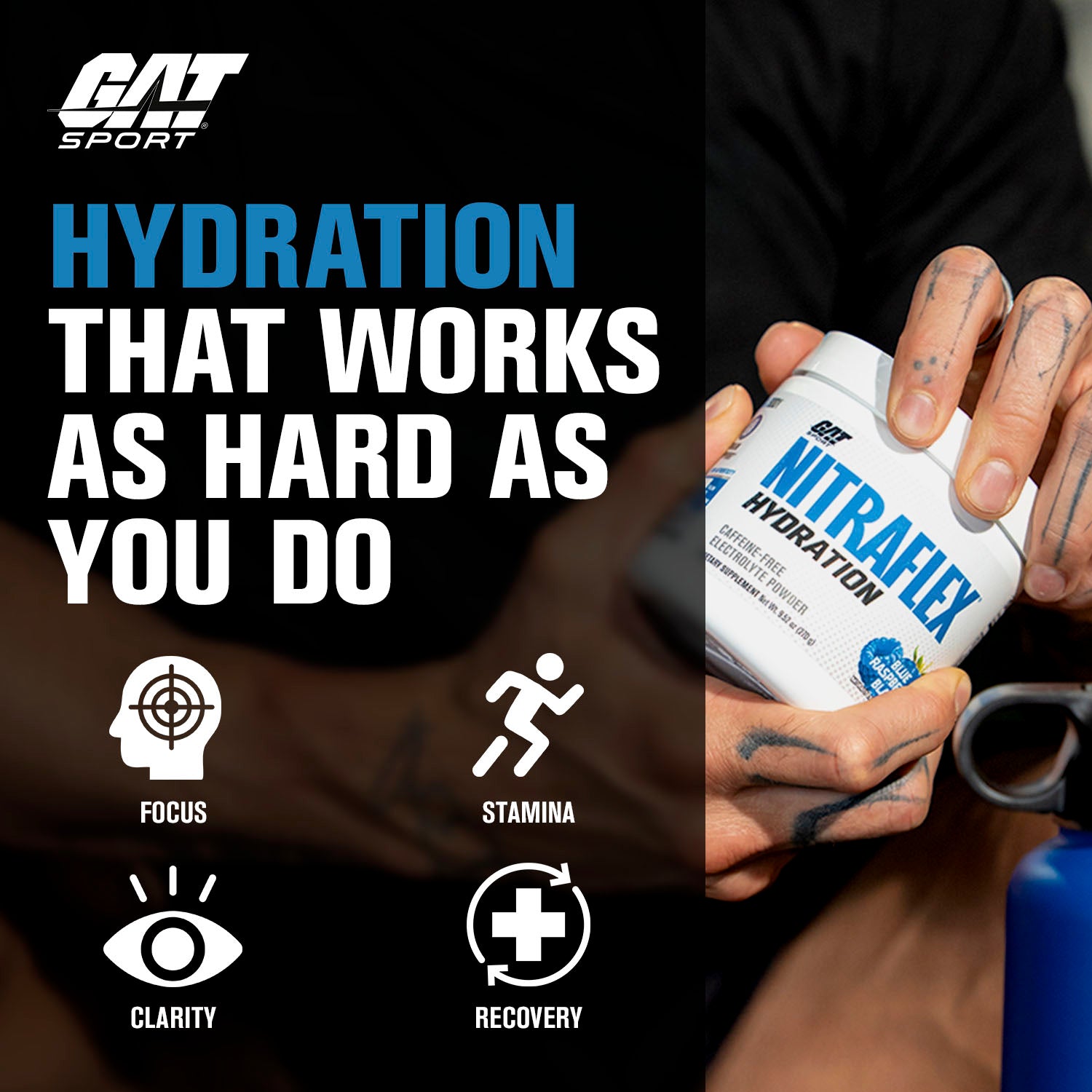
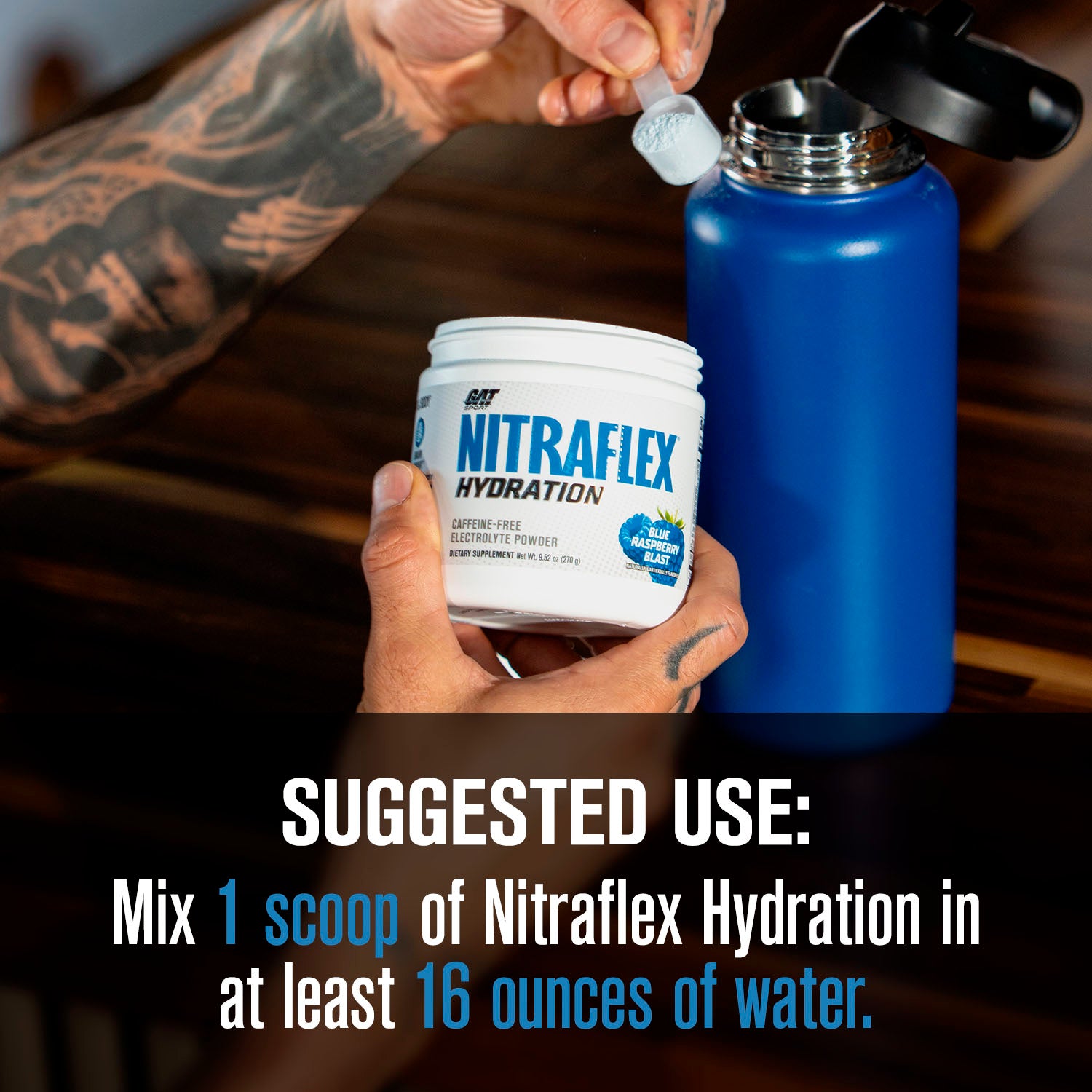
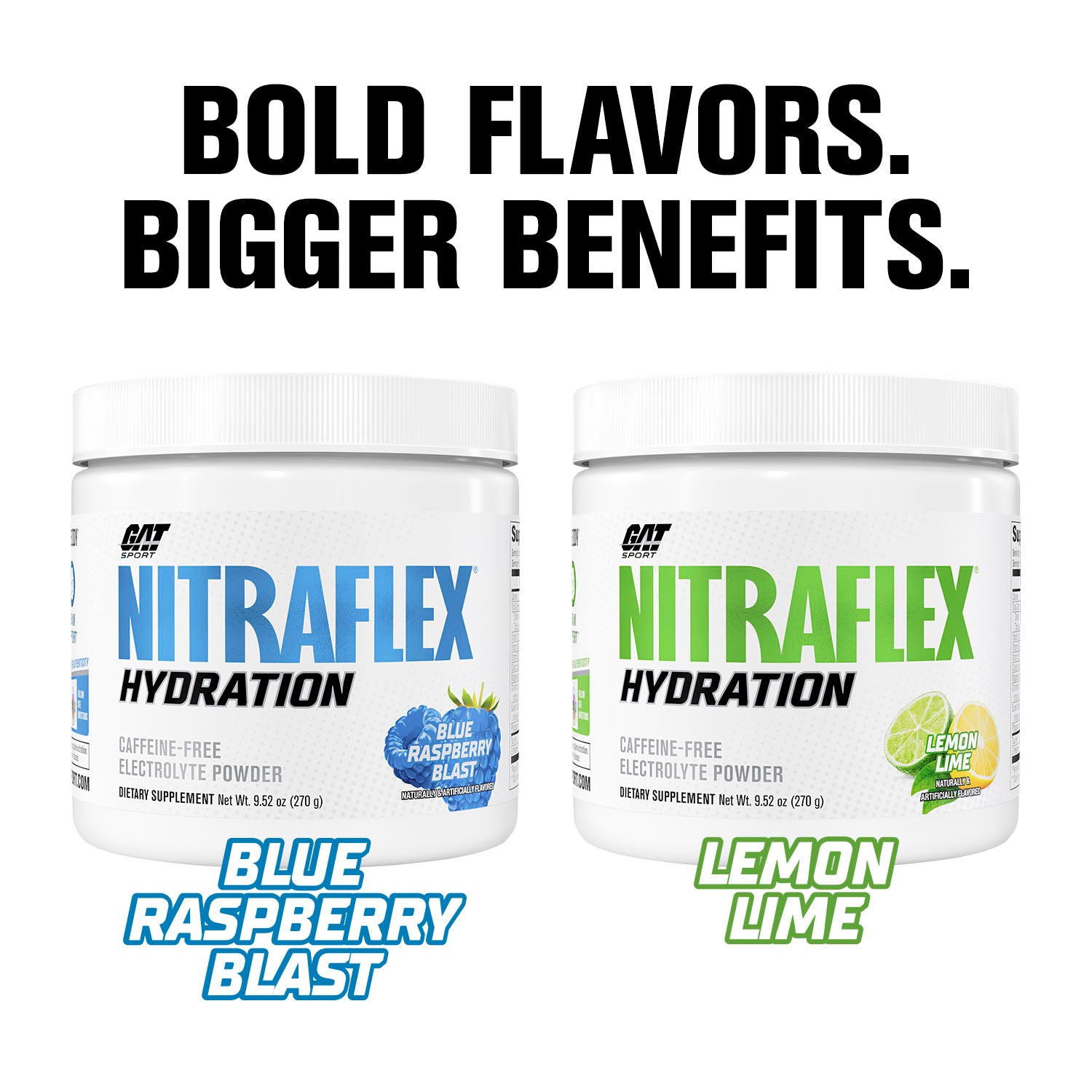
Once you are training and sweating, the job is to keep pace with your losses rather than fall behind and try to recover later. This is the core of the protocol and where Nitraflex Hydration does its work. Sip it steadily throughout your session to replace the fluid and electrolytes you are sweating out in real time. Because it delivers sodium and other electrolytes rather than just water, it supports the fluid balance that keeps your strength, endurance, and focus intact deep into a hot session. Do not wait until you feel thirsty; by then you are already behind. Steady sipping from the start is what keeps you ahead of your sweat rate.
After training, continue drinking with electrolytes to replace whatever deficit you accumulated, so you begin your next session topped off rather than in a hole.
Run It All Summer
None of this is complicated, and that is the point. A hydration strategy that actually works in summer heat is not about heroically chugging gallons of water; it is about staying consistently hydrated day to day, loading your fluid stores before the hard sessions, and replacing electrolytes, not just water, as you sweat. Do that and you protect the strength, endurance, and mental sharpness that the heat and your cut are constantly trying to erode.
The lifters who keep performing through the hottest weeks of the year are not tougher than everyone else. They just refuse to let a fluid deficit quietly rob them of the work they put in. Two percent is the line. Stay on the right side of it.
Save the hydration protocol and run it for the rest of summer. Hydrate with Nitraflex Hydration, pre-load with Nitraflex Glycerol, and compete harder, all summer long, with GAT Sport at gatsport.com.
References
- Cheuvront, Samuel N., and Robert W. Kenefick. "Dehydration: Physiology, Assessment, and Performance Effects." Comprehensive Physiology, vol. 4, no. 1, 2014, pp. 257-285, doi:10.1002/cphy.c130017.
- Sawka, Michael N., et al. "American College of Sports Medicine Position Stand: Exercise and Fluid Replacement." Medicine and Science in Sports and Exercise, vol. 39, no. 2, 2007, pp. 377-390, doi:10.1249/mss.0b013e31802ca597.
- Wittbrodt, Matthew T., and Melinda Millard-Stafford. "Dehydration Impairs Cognitive Performance: A Meta-Analysis." Medicine and Science in Sports and Exercise, vol. 50, no. 11, 2018, pp. 2360-2368, doi:10.1249/MSS.0000000000001682.
- Baker, Lindsay B. "Sweating Rate and Sweat Sodium Concentration in Athletes: A Review of Methodology and Intra/Interindividual Variability." Sports Medicine, vol. 47, supplement 1, 2017, pp. 111-128, doi:10.1007/s40279-017-0691-5.
- Goulet, Eric D. B., et al. "A Meta-Analysis of the Effects of Glycerol-Induced Hyperhydration on Fluid Retention and Endurance Performance." International Journal of Sport Nutrition and Exercise Metabolism, vol. 17, no. 4, 2007, pp. 391-410, doi:10.1123/ijsnem.17.4.391.