
Opening Day brings America's pastime back. Behind every 450-foot home run is a power development protocol.
Tomorrow, March 25, 2026, baseball returns with Opening Day matchups that will light up ballparks from coast to coast. Fans will cheer 100-mph fastballs, rifle throws from the outfield, and moonshot home runs that clear the fences by 50 feet or more. What the casual viewer rarely sees is the year-round power development system that makes those explosive moments possible. Baseball players don't rely on genetics alone. They follow precise protocols built around rotational strength, explosive hip drive, and rapid force production: training that turns average athletes into game-changers. This Opening Day, discover what baseball players know about building real power and how you can apply the same principles with GAT Sport's targeted strength stack.
Why Most Training Misses the Mark: Rotational Power Neglect and One-Dimensional Lifts
Walk into almost any commercial gym and you'll see the same pattern: endless bench presses, back squats, and deadlifts. These sagittal-plane movements build a solid base of strength, but they do little to develop the transverse-plane explosiveness baseball demands. Swinging a bat or delivering a throw requires coordinated rotation from the ground up: force generated in the hips, transferred through a stable core, and released at high velocity. Without specific rotational training, even strong athletes plateau in bat speed and throwing velocity while increasing injury risk from movement imbalances.
This is the core problem for most recreational players and weekend warriors. They get stronger in straight-line lifts yet see minimal carryover to the diamond. Studies on collegiate athletes confirm the gap: those who neglect rotational power show weaker correlations between gym strength and on-field performance metrics like exit velocity and pitch speed [5]. The result? Frustrating plateaus, nagging lower-back tightness, and the feeling that no matter how hard you train, your power never quite translates.
The Science of Rotational Power, Bat Speed, and Explosive Strength
Baseball is a rotational power sport. Every swing and throw begins with ground reaction forces traveling through the lower body, creating hip-shoulder separation, and culminating in rapid trunk rotation. Research consistently shows that rotational medicine ball throw velocity strongly predicts bat speed and batted-ball velocity. In one study of NCAA Division I players, significant relationships emerged between rotational strength/power measures and both bat speed and batted-ball exit velocity, proving that transverse-plane training transfers directly to the skills that win games [5].
A 2023 investigation into collegiate baseball players found that performing medicine ball wall throws combined with whole-body vibration produced significant acute improvements in bat speed and exit velocity. Bat speed increased meaningfully post-intervention, demonstrating how specific rotational drills can prime the nervous system for higher-velocity swings [1].
Explosive strength relies heavily on the phosphagen (ATP-CP) system: the same energy pathway used in repeated high-intensity efforts like sprinting the bases or throwing multiple innings. This is where creatine becomes the foundation. The International Society of Sports Nutrition position stand on creatine supplementation (2017) concludes that creatine monohydrate consistently increases high-intensity intermittent exercise capacity, muscle power output, and lean body mass when combined with training [3]. In a controlled study on highly trained athletes, short-term creatine loading improved maximal strength in the half-squat by 11%, repetitive power output in bench press and squat by 17–33%, and repeated sprint performance, exactly the repeated-bout explosiveness baseball requires [2].
Essential amino acids further support this power development by protecting muscle during high-volume training blocks. The ISSN position stand on essential amino acids (2023) confirms that full-spectrum EAAs stimulate muscle protein synthesis during energy-demanding periods and attenuate breakdown, allowing athletes to train harder with faster recovery [4].
Together, these mechanisms: rotational specificity, phosphocreatine saturation, and amino acid support, explain why elite baseball programs emphasize this exact combination.
Baseball-Inspired Power Development: Train Like the Pros with GAT Sport
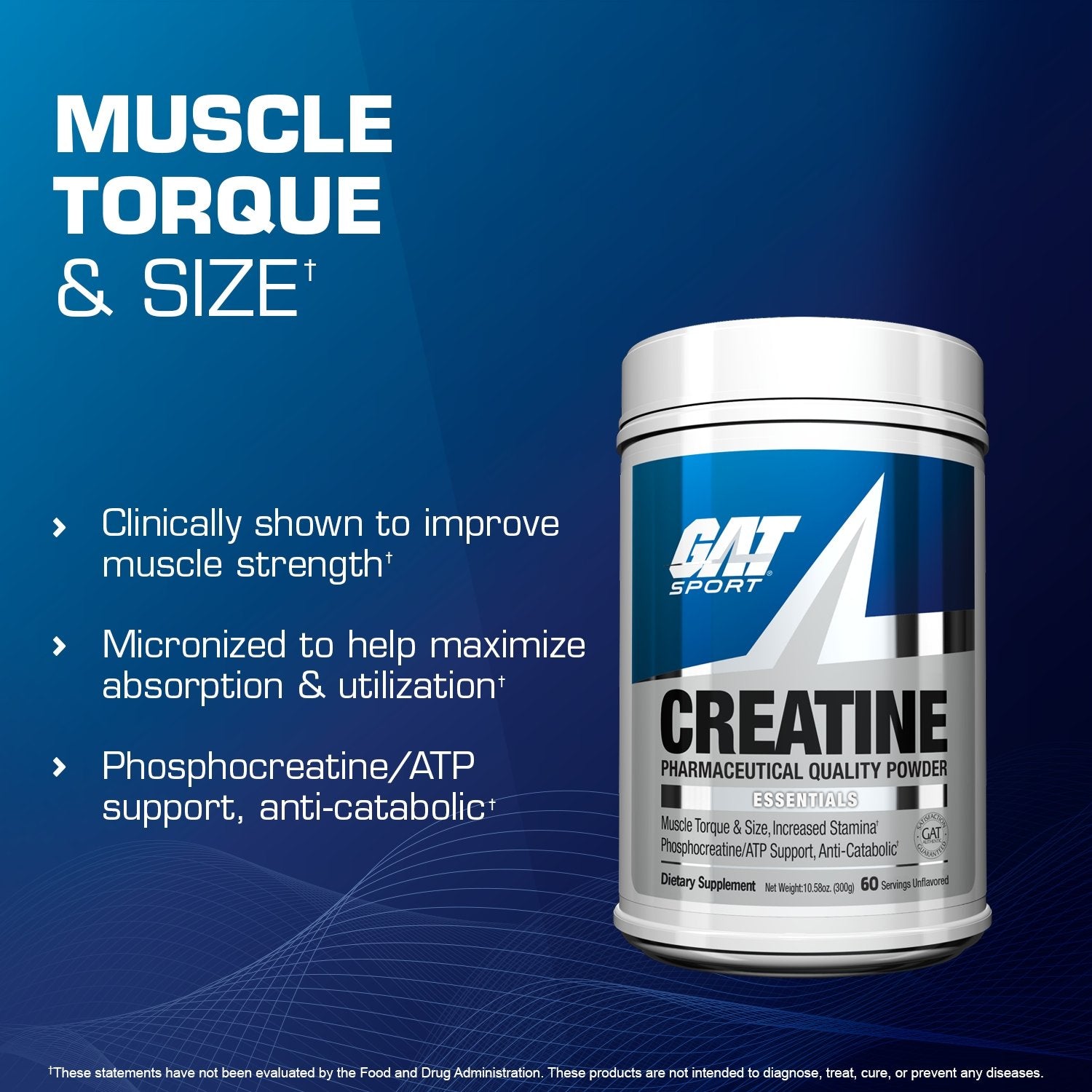
The solution is straightforward: integrate proven rotational drills with a supplement foundation centered on GAT Sport Creatine Powder as the hero product.
Hero Product: GAT Sport Creatine Powder
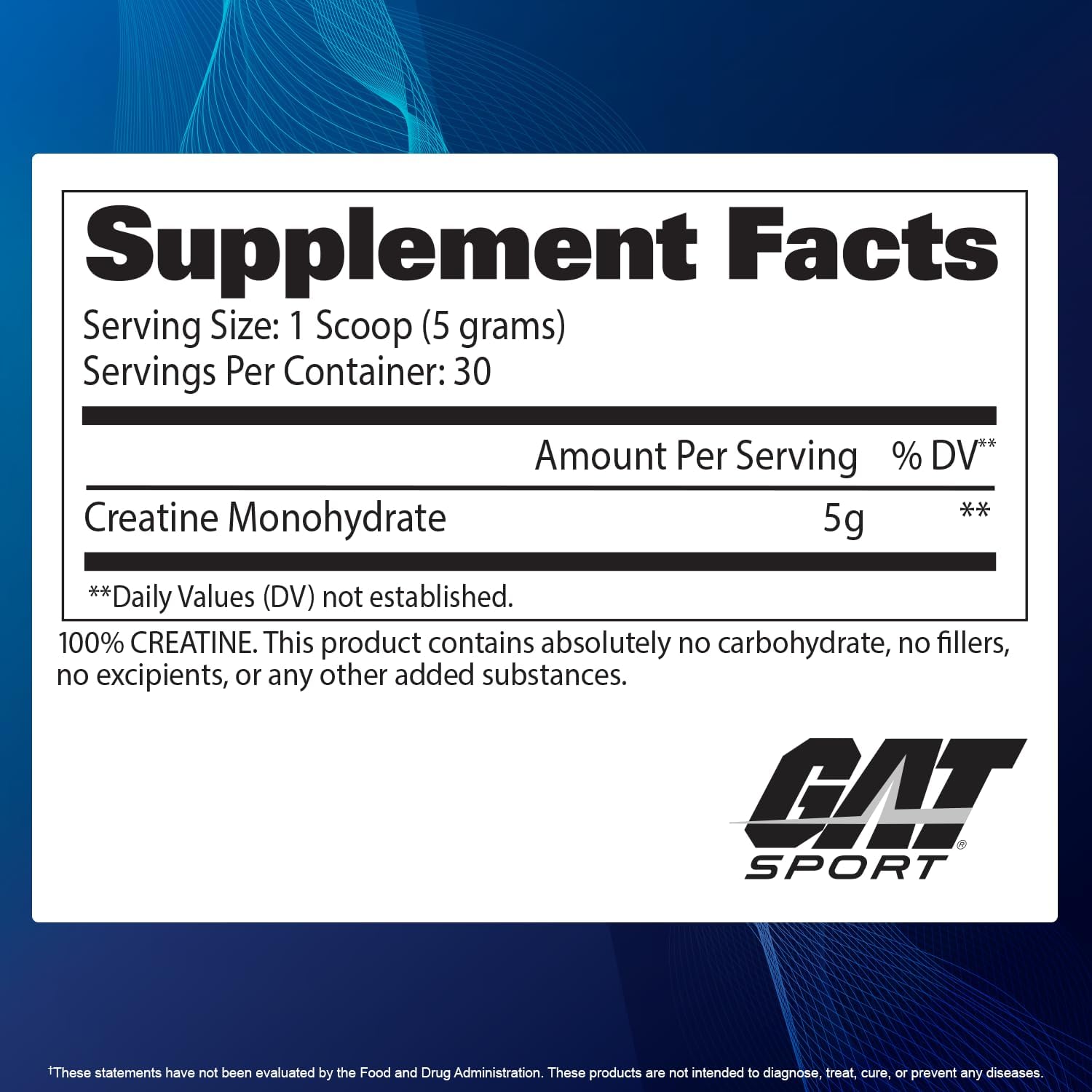
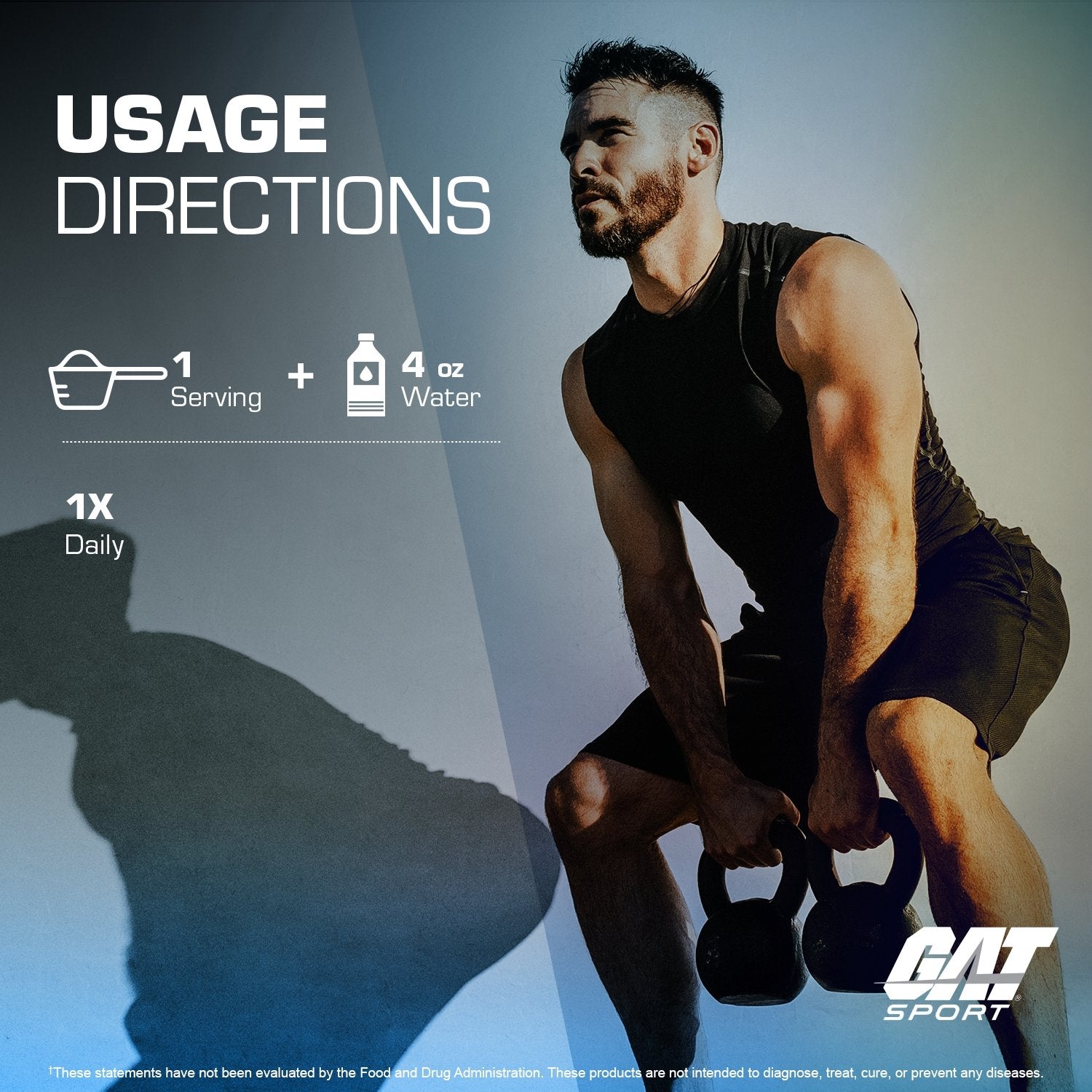
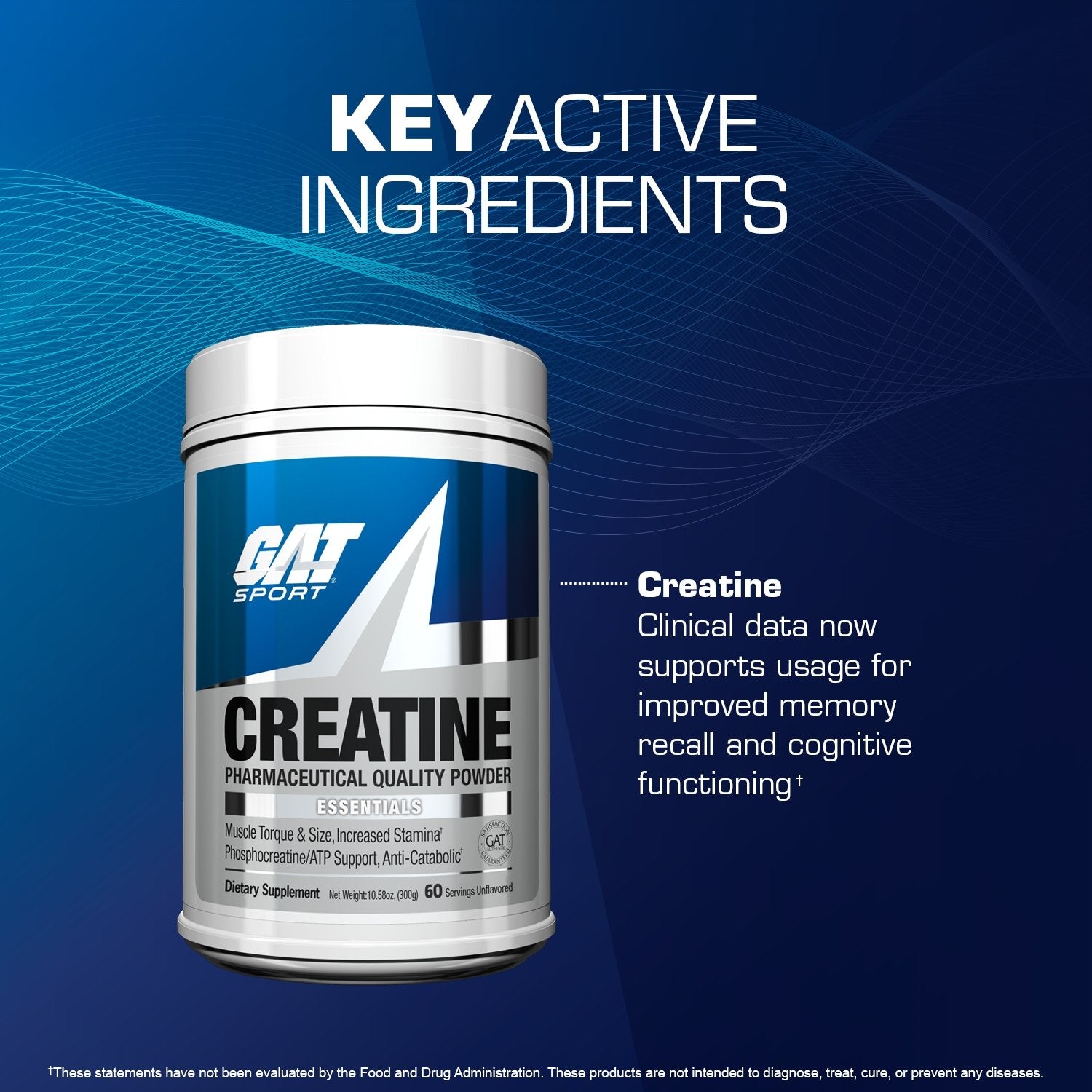
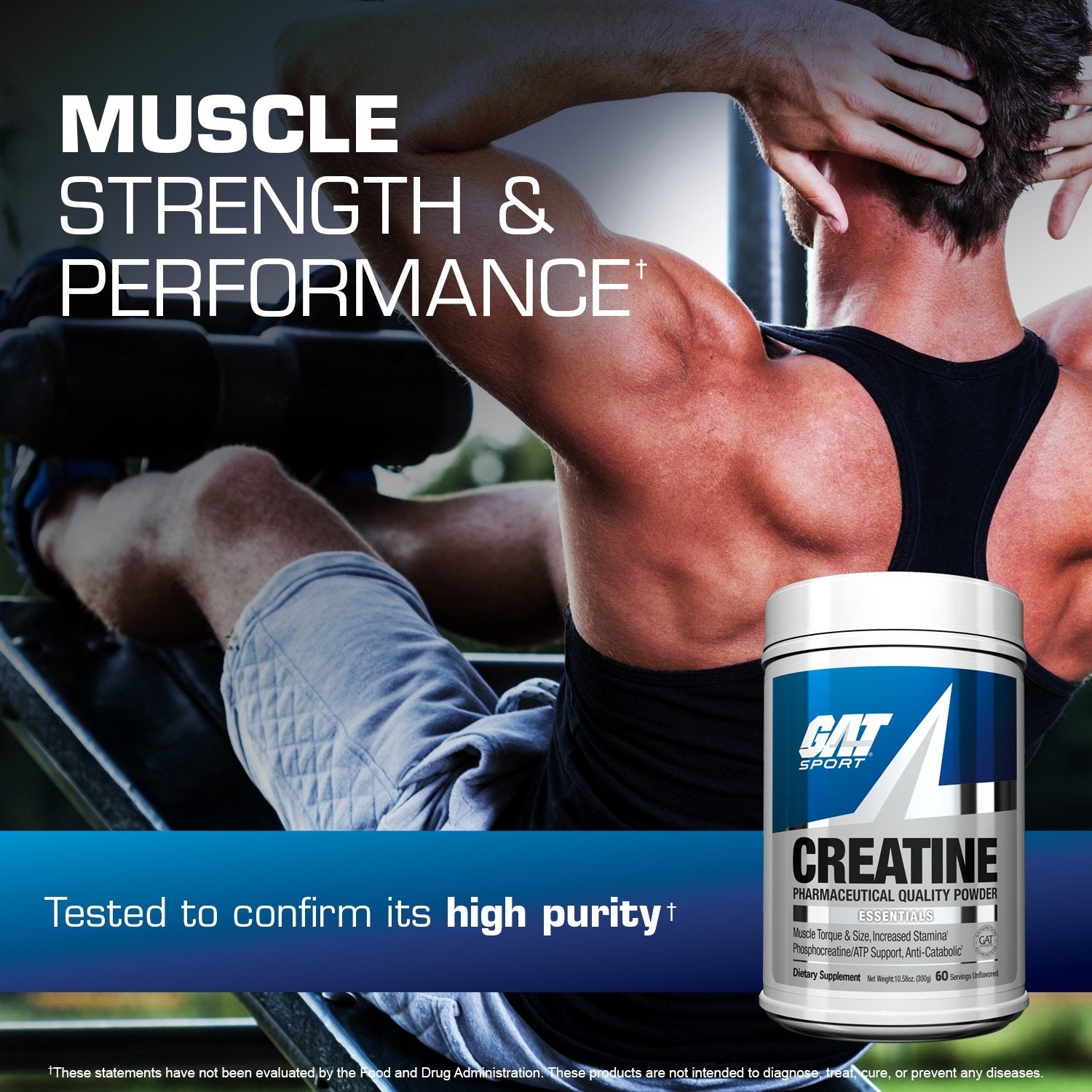
Pure micronized creatine monohydrate (5 g daily) saturates muscle phosphocreatine stores, enabling faster ATP regeneration for every explosive movement. Players using consistent creatine report greater bat speed maintenance late in games, stronger throws, and quicker recovery between sprints. Take it every day; mix in water or your post-workout shake for measurable gains in power output without cycling.
Sub-Hero Products:
Nitraflex Advanced: The perfect pre-workout on heavy rotational or power days. Its 325 mg caffeine blend plus Nitrosigine delivers laser focus, enhanced blood flow, and skin-splitting pumps so every med-ball throw and lift feels explosive.
FLEXX EAAs V2.0: Sip 1 scoop intra- or post-session. The full 7 g spectrum of all nine essential amino acids (with 5 g BCAAs in 2:1:1 ratio) plus Sensoril Ashwagandha keeps protein synthesis elevated and cortisol in check during demanding power blocks.
Your 4-Week Baseball Power Protocol
Perform this 3x/week alongside 2 traditional strength days. Warm up thoroughly and focus on explosive intent.
Rotational Power Circuit (3–4 rounds):
- Rotational Medicine Ball Throws (6–8 lb) – 5 reps/side
- Landmine Rotational Press – 6 reps/side
- Cable Woodchop High-to-Low – 8 reps/side
- Pallof Press Anti-Rotation Hold – 20 sec/side
Explosive Lower Body
- Trap Bar Jumps or Box Jumps – 4 x 4
- Single-Leg Romanian Deadlift – 3 x 6/leg (stability)
Finisher
- Heavy Bat Speed Swings (overspeed/underload) or Medicine Ball Slam-to-Rotational Throw – 3 x 6
Progress by increasing med-ball weight or decreasing rest periods. Track bat speed or throwing velocity weekly to measure real-world gains.

Power Development Assessment + GAT Sport Strength Stack CTA
Not sure where your rotational power stands? Visit gatsport.com/tools and take our free 60-second Power Development Assessment. Enter your age, training history, and current metrics for a personalized score and custom plan.
Build the complete GAT Sport Strength Stack today: Creatine Powder as your daily power foundation, Nitraflex Advanced for training dominance, and FLEXX EAAs V2.0 for recovery. Use code OPENINGDAY26 at checkout for exclusive Opening Week savings through April 1.
Answering the Big Questions on Baseball Power
How do baseball players train? Elite players combine heavy compound lifts with sport-specific rotational power work using medicine balls, landmine tools, and velocity training. They train explosively 3–4 days per week, emphasize recovery, and use targeted supplementation to maximize every session.
Does creatine really help baseball performance? Yes, backed by the ISSN position stand and multiple controlled trials, creatine improves power output, strength, and repeated sprint ability, allowing players to maintain explosive actions longer throughout games and seasons.
What about rotational strength; can anyone build it? Absolutely. Consistent medicine ball and cable rotational drills, paired with proper supplementation, produce measurable increases in bat speed and throwing velocity in as little as 4–6 weeks.
References
[1] Buso, D., et al. "Effects of Medicine Wall Ball Throws With Whole-Body Vibration on Bat Swing Performance in Collegiate Baseball Players." Journal of Strength and Conditioning Research, vol. 37, no. 10, 2023, pp. 2071–75.
[2] Izquierdo, Mikel, et al. "Effects of Creatine Supplementation on Muscle Power, Endurance, and Sprint Performance." Medicine & Science in Sports & Exercise, vol. 34, no. 2, 2002, pp. 332–43.
[3] Kreider, Richard B., et al. "International Society of Sports Nutrition Position Stand: Safety and Efficacy of Creatine Supplementation in Exercise, Sport, and Medicine." Journal of the International Society of Sports Nutrition, vol. 14, 2017, p. 18.
[4] Ferrando, Arny A., et al. "International Society of Sports Nutrition Position Stand: Essential Amino Acids." Journal of the International Society of Sports Nutrition, vol. 20, no. 1, 2023.
[5] Spaniol, Frank J. "The Relationship Between Static Strength, Rotational Strength, Rotational Power, Bat Speed, and Batted-Ball Velocity of NCAA Division I Baseball Players." Journal of Strength and Conditioning Research, vol. 24, 2010 (supplement).