

The athletes who arrive at summer with a system already running outperform those who treat June as a starting line. The system is simple. The execution is daily.
Summer training without structure defaults to recreational activity. Recreational effort produces recreational results. A structured supplement timing protocol tied to a consistent training schedule is a competitive advantage that separates serious athletes from weekend warriors. The difference isn't in the complexity of the approach: it's in the consistency of the execution.
Research on periodized nutrition and supplementation protocols consistently outperforms intuitive or ad hoc approaches in body composition and performance outcomes over eight-to-twelve-week periods. Athletes who establish systematic approaches to supplementation timing, dosing, and integration with training cycles achieve measurably better results than those who rely on sporadic or reactive supplementation strategies.
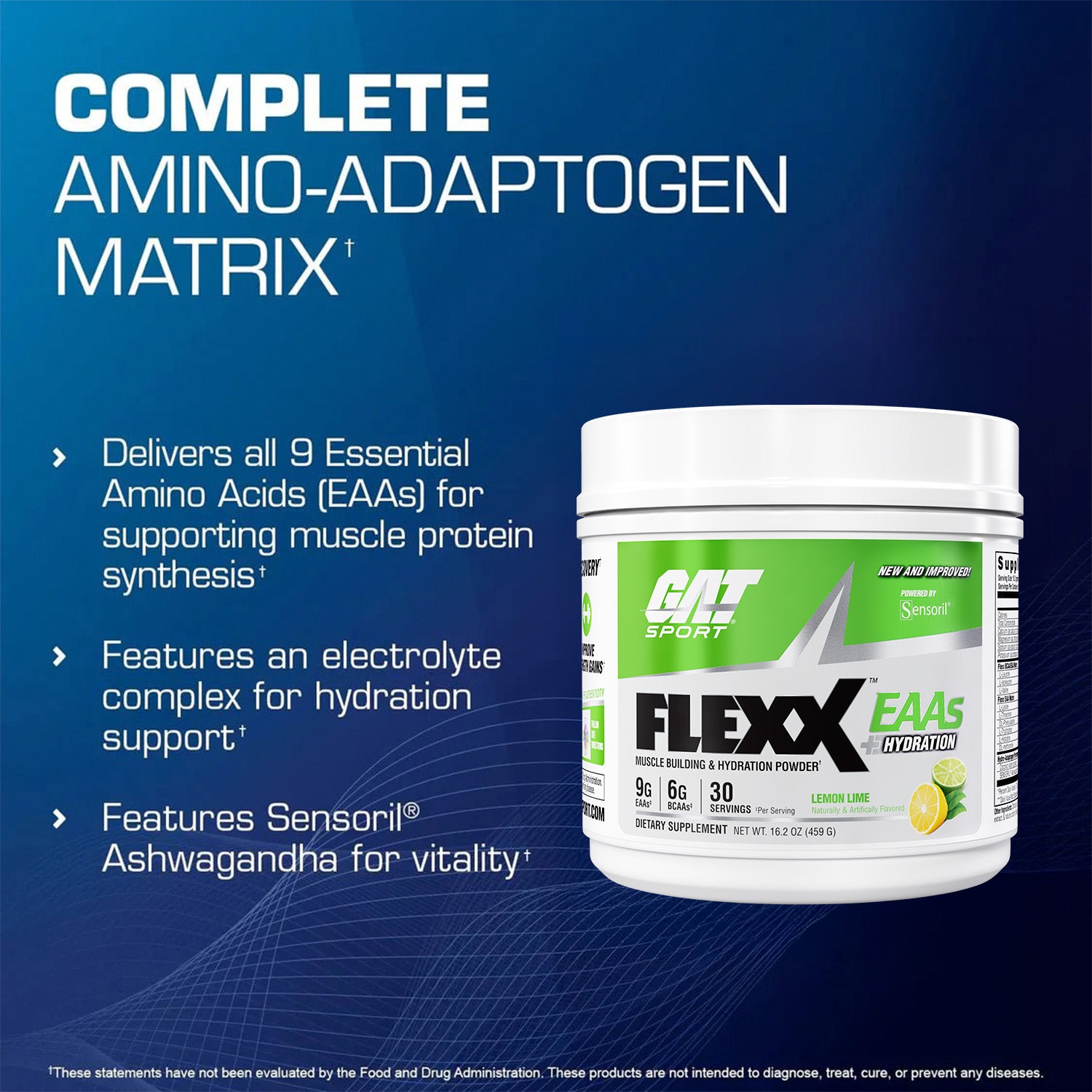
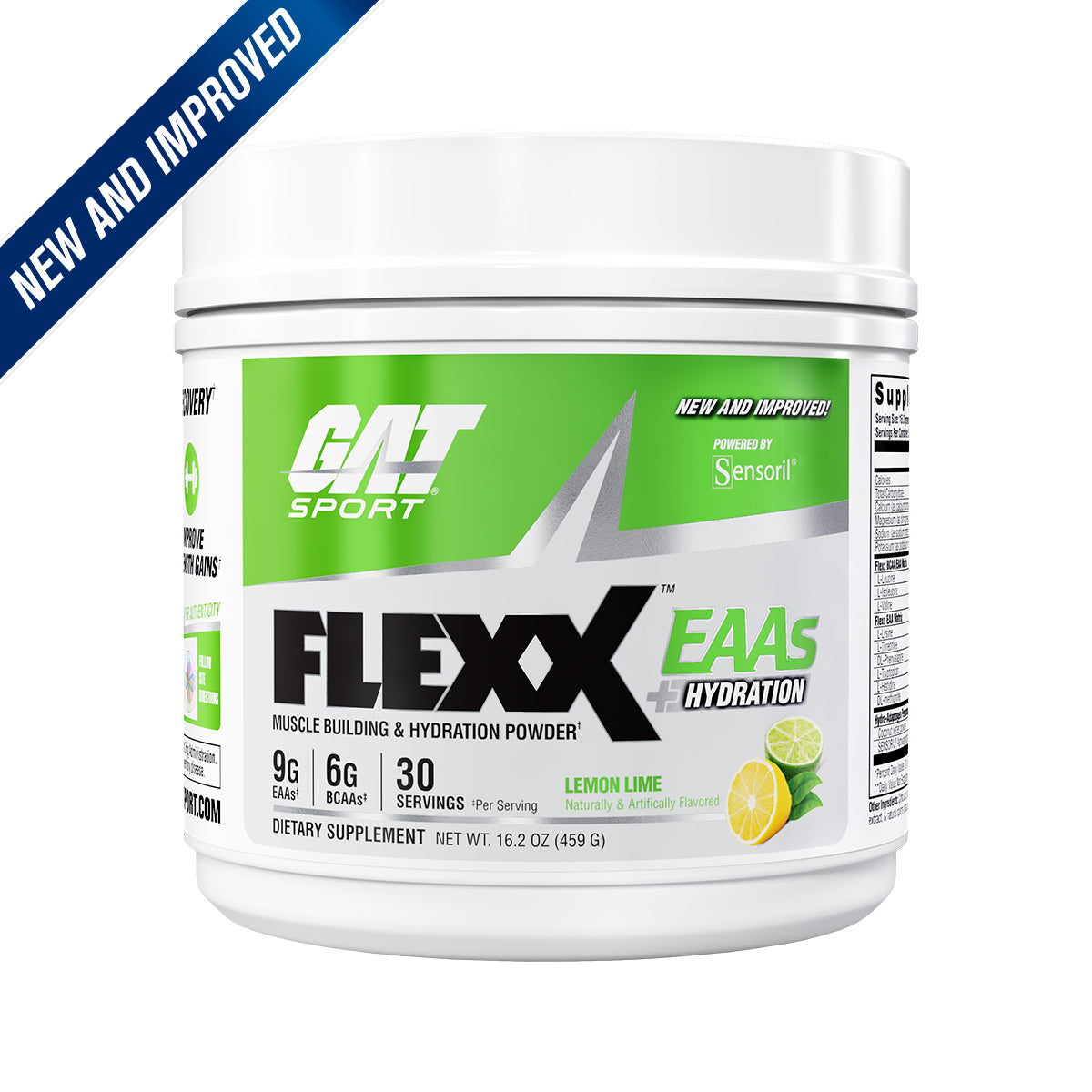
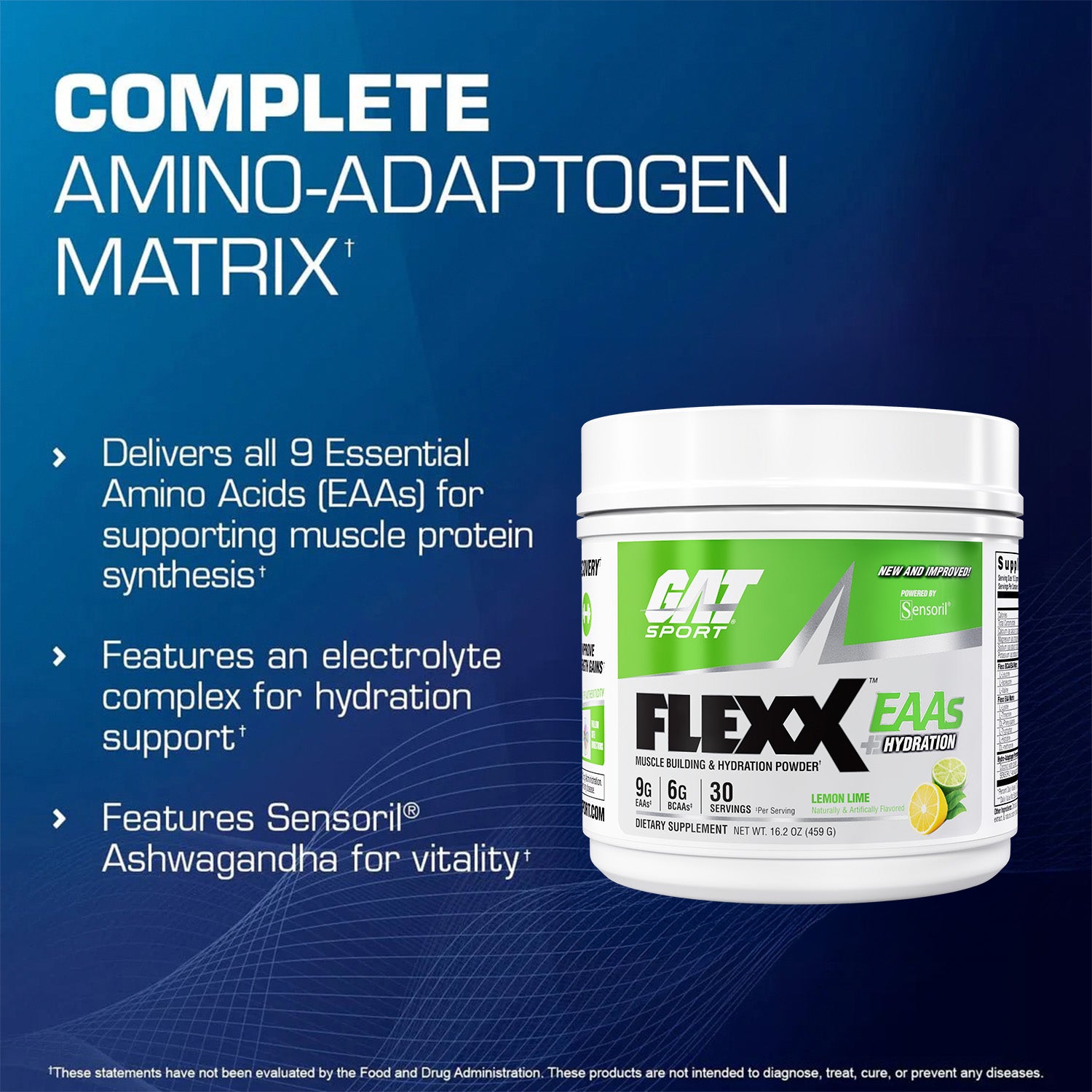
The GAT Sport summer routine eliminates guesswork through a three-product protocol with defined roles: Nitraflex Pre-Workout Chews 30 minutes pre-training, Creatine Chews daily, FLEXX EAAs post-workout. Three products, three defined roles, one consistent daily protocol that builds the foundation for sustained summer performance.
The Science of Systematic Supplementation
The emergence of periodized nutrition represents one of the most significant advances in sports performance strategy over the past decade. Research demonstrates that strategic temporal nutrition interventions can support and enhance training prescription and adaptation, as well as acute event-specific performance [1].
The International Journal of Sport Nutrition and Exercise Metabolism has established that nutritional periodization: the systematic planning of nutritional strategies to align with training phases and performance goals creates superior outcomes compared to static or intuitive approaches [2]. This principle applies directly to supplementation protocols, where timing, consistency, and integration with training cycles determine effectiveness.
Beyond Intuitive Approaches
Studies examining the effectiveness of structured versus unstructured supplementation protocols reveal consistent patterns. Athletes following predetermined supplementation schedules aligned with training periodization show superior adaptations in strength, power, and body composition compared to those using reactive or inconsistent approaches [3].
The research indicates that supplement effectiveness depends not only on the compounds themselves but on their strategic application within organized training and nutrition frameworks. This finding challenges the common approach of adding supplements without considering their integration into broader performance systems.
A comprehensive review of empirical research on training and nutrition periodization emphasizes that confounding factors such as medication, nutrition, and supplementation protocols significantly impact training outcomes when not properly controlled and systematized [4]. This reinforces the importance of establishing consistent supplement routines rather than relying on ad hoc decision-making.
The Three-Pillar Protocol
The GAT Sport summer routine addresses the three critical windows for supplement intervention: pre-training optimization, daily foundation building, and post-training recovery. Each component serves a distinct physiological purpose while supporting the others through complementary mechanisms.
Pillar 1: Pre-Training Optimization with Nitraflex Chews
The first pillar focuses on acute performance enhancement through strategic pre-workout supplementation. Nitraflex Pre-Workout Chews provide a portable, precisely dosed solution that eliminates the preparation barriers often associated with powder-based pre-workouts.
The 30-minute pre-training timing protocol aligns with research on caffeine pharmacokinetics, which shows peak blood levels occurring 30-45 minutes after oral consumption. This timing ensures that energy, focus, and performance-enhancing compounds reach optimal concentrations as training intensity peaks.
The convenience factor proves crucial for summer training consistency. Athletes training in varied locations, during travel, or in outdoor settings benefit from the grab-and-go format that eliminates mixing requirements while delivering full clinical doses of key performance ingredients.
Research supports the effectiveness of multi-ingredient pre-workout formulations over single-compound approaches, particularly for athletes engaging in varied training modalities throughout summer training cycles. The combination of caffeine, L-citrulline, beta-alanine, and betaine in precisely measured doses ensures consistent pre-training support regardless of training location or schedule variations.

Pillar 2: Daily Foundation with Creatine Chews
The second pillar establishes the metabolic foundation through daily creatine supplementation. Unlike acute interventions that provide immediate effects, creatine works through chronic muscle saturation that requires consistent daily intake to maintain elevated phosphocreatine stores.
Research examining creatine supplementation timing demonstrates that daily consistency proves more important than specific workout-related timing [5]. Studies show that muscle creatine stores reach saturation within 3-4 weeks of consistent daily supplementation and maintain these levels as long as regular intake continues [6].
The evidence strongly supports daily creatine supplementation even on non-training days. Clinical trials examining creatine timing and resistance training adaptations confirm that maintaining consistent daily intake produces superior results compared to workout-only supplementation patterns [7].
Creatine Chews address the primary barrier to consistent creatine supplementation: convenience and taste preferences. Research indicates that supplement adherence improves significantly when preparation requirements are minimized and palatability is enhanced. The chewable format eliminates mixing while providing the same 5g dose used across decades of performance research.
The daily habit formation aspect proves particularly crucial during summer months when training schedules often vary due to travel, outdoor activities, and schedule changes. Athletes who establish consistent daily creatine intake regardless of training days show superior maintenance of strength and power compared to those who use creatine sporadically.

Pillar 3: Post-Training Recovery with FLEXX EAAs
The third pillar optimizes post-exercise recovery through strategic essential amino acid supplementation. Research demonstrates that the post-exercise period represents a critical window for supporting muscle protein synthesis and adaptation to training stimuli.
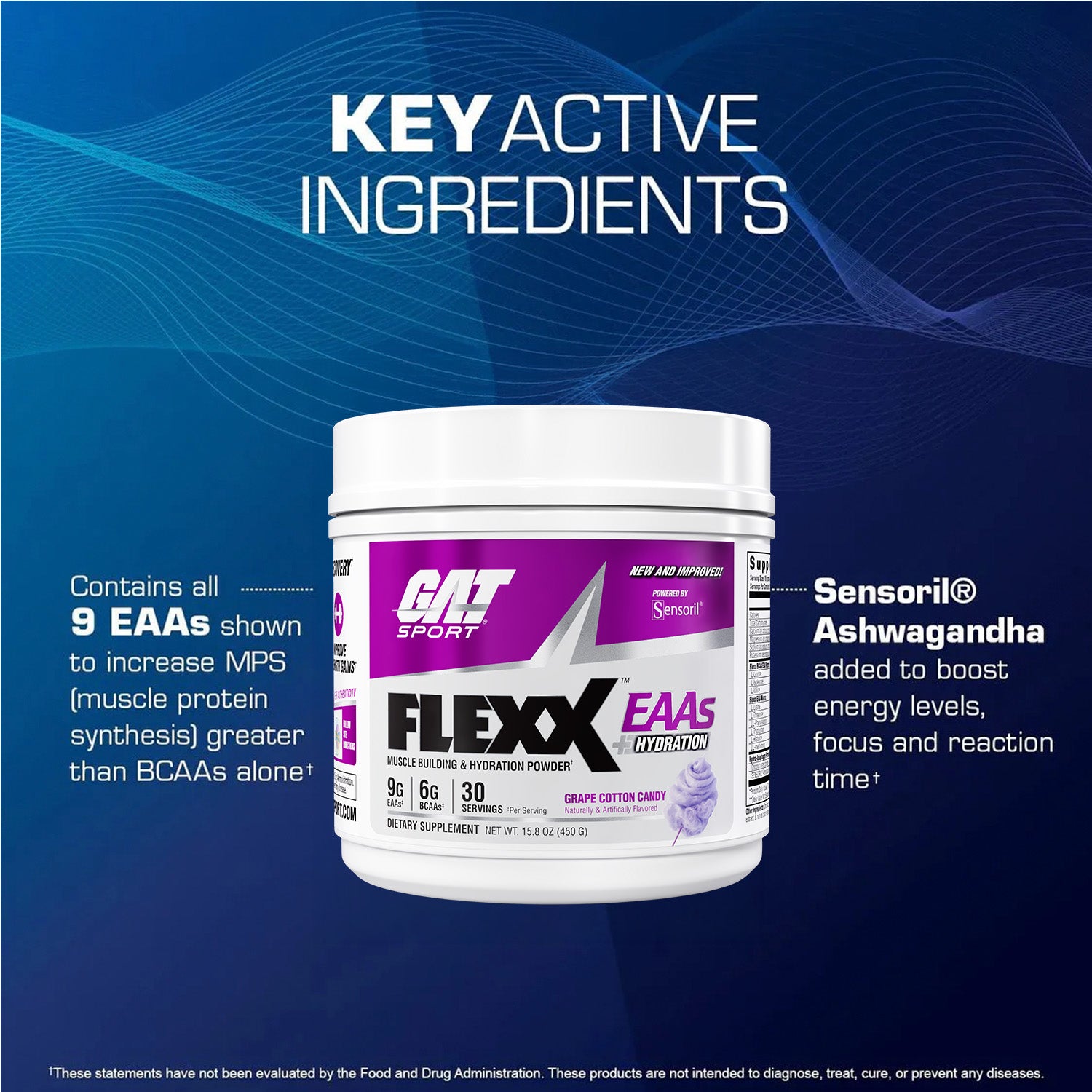
Studies examining essential amino acid supplementation timing show that consuming EAAs within 1-2 hours post-exercise significantly enhances muscle protein synthesis rates [8]. The research indicates that essential amino acids provide the building blocks necessary for muscle repair while stimulating the signaling pathways that control protein synthesis rates.
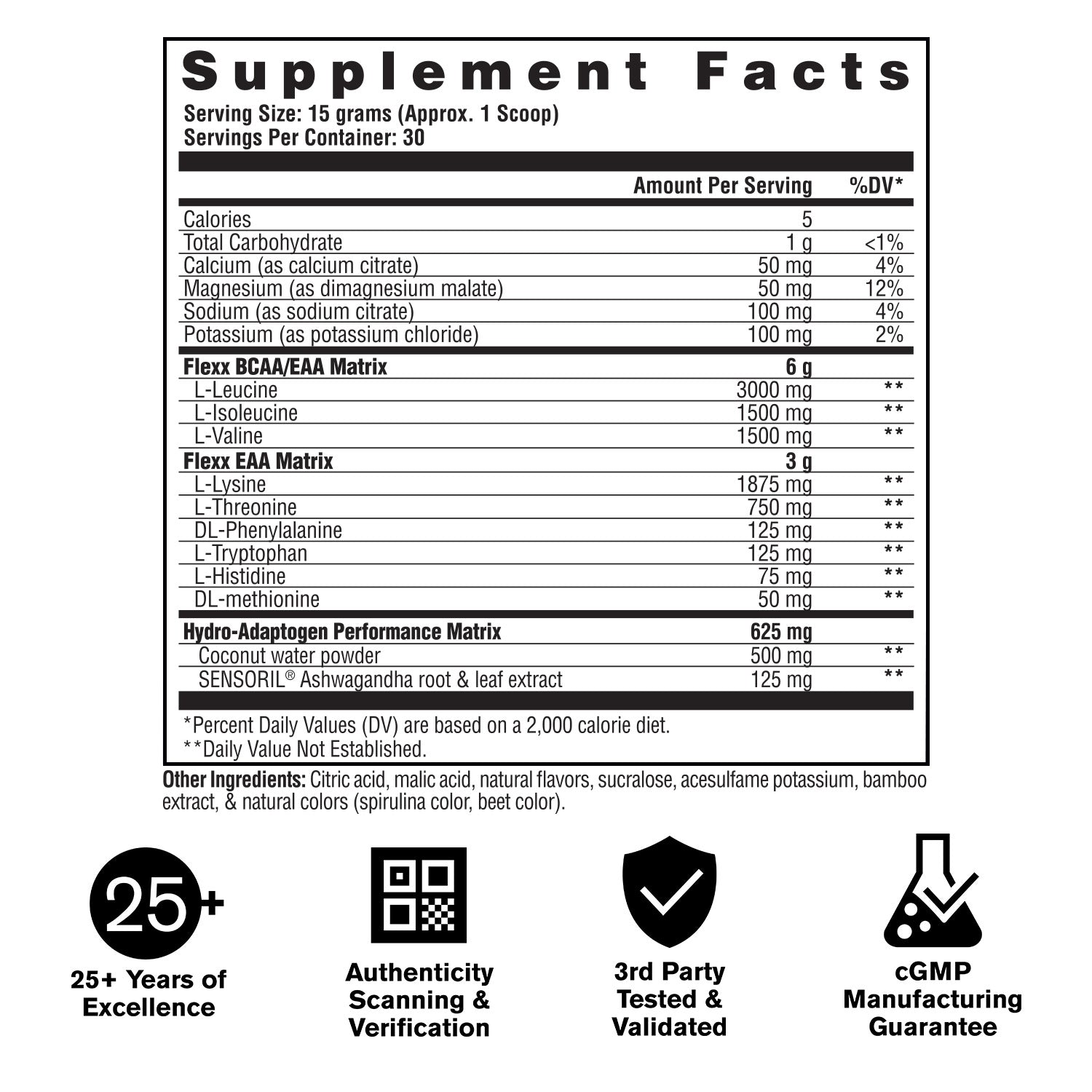
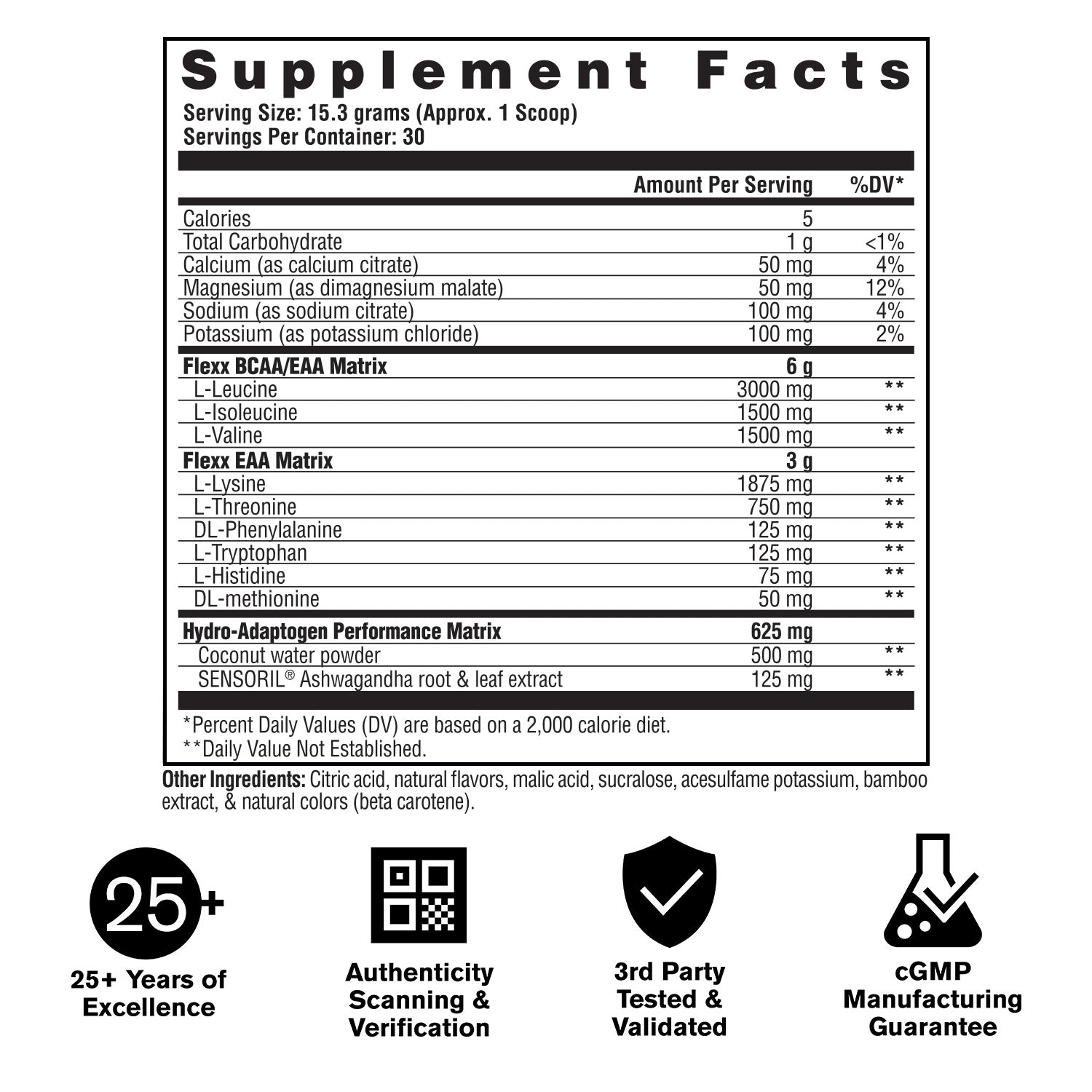
A comprehensive study published in the American Journal of Physiology found that 6g of orally administered essential amino acids consumed 1 and 2 hours after resistance exercise stimulated net muscle protein balance in healthy volunteers [9]. The study showed that arterial EAA concentrations increased several-fold after supplementation, with net muscle protein balance increasing proportionally.
Research on leucine-enriched essential amino acid supplementation demonstrates enhanced muscle protein synthesis responses during recovery from exercise [10]. Studies indicate that EAA supplements containing optimal leucine ratios provide superior muscle protein synthesis stimulation compared to incomplete amino acid profiles.
The timing advantage of post-workout EAA supplementation extends beyond immediate muscle protein synthesis effects. Research shows that EAAs consumed during the post-exercise period can reduce markers of muscle damage and accelerate recovery, leading to improved training capacity in subsequent sessions [11].

The Integration Advantage
The power of the three-pillar protocol lies not in the individual components but in their systematic integration. Each pillar supports and amplifies the effects of the others through complementary mechanisms that address different aspects of training adaptation.
Pre-Training Sets the Stage
Pre-workout supplementation through Nitraflex Chews ensures that each training session begins with optimal energy, focus, and performance capacity. This acute optimization allows athletes to train with higher intensity and volume, creating greater adaptation stimuli that the other pillars support.
The performance enhancement provided by proper pre-workout supplementation increases the training stimulus that drives adaptation. Research shows that athletes who consistently train at higher intensities due to effective pre-workout support demonstrate superior strength, power, and body composition improvements over time.
Daily Creatine Builds the Foundation
Daily creatine supplementation provides the metabolic foundation that supports high-intensity training capacity. Elevated muscle phosphocreatine stores enable faster ATP regeneration during repeated high-intensity efforts, allowing athletes to maintain power output throughout training sessions.
The consistent availability of phosphocreatine energy supports both the acute training capacity enhanced by pre-workout supplementation and provides the energy substrate necessary for optimal muscle protein synthesis supported by post-workout amino acids.
Post-Workout EAAs Drive Adaptation
Post-exercise essential amino acid supplementation provides the building blocks and signaling stimuli necessary to convert training stress into positive adaptations. The enhanced muscle protein synthesis supported by EAAs transforms the high-quality training sessions enabled by the other pillars into measurable improvements in strength, power, and muscle mass.
Research indicates that the combination of enhanced training capacity and optimized recovery creates synergistic effects that exceed the sum of individual interventions. Athletes following complete protocols show superior adaptations compared to those using partial approaches.
Summer-Specific Implementation
The summer training season presents unique challenges and opportunities that make systematic supplementation particularly valuable. Variable schedules, travel, outdoor training, and social commitments can disrupt training consistency unless supported by adaptable systems.
Portable Convenience
The chewable format of all three products in the GAT Sport summer routine addresses the mobility demands of summer training. Athletes can maintain supplementation consistency regardless of training location, travel requirements, or schedule variations.
Research on supplement adherence demonstrates that convenience factors significantly influence long-term consistency. Products that require minimal preparation and storage considerations show superior compliance rates compared to traditional powder formulations that require mixing equipment and measuring.
Heat and Hydration Considerations
Summer training often involves elevated ambient temperatures and increased sweat rates that affect hydration status and electrolyte balance. The FLEXX EAAs formula includes electrolyte support that complements hydration strategies during hot weather training.
Research shows that amino acid absorption can be affected by hydration status, making the timing of post-workout EAA supplementation particularly important during summer months. The inclusion of electrolytes in the recovery formula supports both amino acid utilization and hydration restoration.
Schedule Flexibility
The three-pillar protocol accommodates varying training schedules common during summer months. Whether training occurs early morning, midday, or evening, the system provides appropriate support for each training window while maintaining daily consistency through creatine supplementation.
Studies examining shift work and varying training schedules demonstrate that athletes who maintain consistent supplementation protocols despite schedule variations show superior performance maintenance compared to those who abandon systematic approaches during periods of schedule disruption.
Building Consistency Through Simplicity
The effectiveness of any supplementation system ultimately depends on consistent execution over time. The three-pillar protocol succeeds because it balances comprehensiveness with simplicity, providing complete support through an easily sustainable routine.
Habit Formation Science
Research on habit formation indicates that successful behavior change requires linking new behaviors to established routines and minimizing decision-making requirements. The three-pillar protocol achieves both by connecting supplementation to existing training habits and eliminating complex timing calculations.
Studies show that habits formed through consistent daily practice become automatic within 2-4 weeks. Athletes who establish the three-pillar routine at the beginning of summer training season develop automatic supplementation habits that persist throughout the training period and beyond.
System Sustainability
The portability and convenience of the chewable format system ensures that the routine can be maintained regardless of external circumstances. Research demonstrates that sustainable behavior change requires systems that accommodate real-world constraints rather than requiring perfect conditions.
Athletes who successfully maintain supplementation consistency during challenging periods: travel, schedule changes, and social commitments: show superior long-term performance outcomes compared to those whose systems fail under pressure.
The Competitive Advantage
Athletes who arrive at summer with systematic approaches already in place consistently outperform those who treat the season as a starting point. The difference lies not in superior genetics or training methods but in the cumulative advantage of consistent, systematic preparation.
Research supports the principle that small, consistent advantages compound over time to create significant performance gaps. The three-pillar supplementation protocol represents exactly this type of systematic advantage: simple to execute, difficult to replicate without commitment, and powerful in its cumulative effects.
The GAT Sport summer routine provides the systematic foundation that allows athletes to focus on training quality rather than supplementation logistics. By establishing clear protocols for pre-training optimization, daily foundation building, and post-training recovery, athletes create the conditions for sustained summer performance improvement.
The system works because it respects the realities of summer training while providing comprehensive support for performance and adaptation. Three products, three defined roles, one consistent daily protocol that builds the foundation for a stronger, more successful summer training season.
Lock in your summer routine. Shop the full GAT Sport performance lineup at gatsport.com.
References
- Stellingwerff, Trent. "A Framework for Periodized Nutrition for Athletics." International Journal of Sport Nutrition and Exercise Metabolism, vol. 29, no. 2, 1 Mar. 2019, pp. 141-151, journals.humankinetics.com/view/journals/ijsnem/29/2/article-p141.xml.
- Stellingwerff, Trent. "A Framework for Periodized Nutrition for Athletics." World Athletics, 2019, worldathletics.org/download/download?filename=7306a4e3-7227-4016-8d25-c34110751292.pdf.
- Pantelis, T. Nikolaidis, et al. "Optimizing a Periodized Diet and Supplementation for Sprinters and Jumpers: Case Studies and Practical Application." Just Fly Sports, 18 Aug. 2018, www.just-fly-sports.com/optimizing-a-periodized-diet-and-supplementation-for-sprinters-and-jumpers/.
- Nikolaidis, Pantelis T., et al. "Is Empirical Research on Periodization Trustworthy? A Comprehensive Review of Conceptual and Methodological Issues." PMC, www.ncbi.nlm.nih.gov/pmc/articles/PMC5358028/.
- Antonio, Jose, and Victoria Ciccone. "The effects of pre versus post workout supplementation of creatine monohydrate on body composition and strength." Journal of the International Society of Sports Nutrition, vol. 10, no. 36, 2013, www.ncbi.nlm.nih.gov/pmc/articles/PMC3750511/.
- Hultman, Eric, et al. "Muscle creatine loading in men." Journal of Applied Physiology, vol. 81, no. 1, 1996, pp. 232-237.
- "Creatine Timing on Resistance Training Adaptations in College Athletes." ClinicalTrials.gov, NCT05451498, clinicaltrials.gov/study/NCT05451498.
- Tipton, Kevin D., et al. "Timing of amino acid-carbohydrate ingestion alters anabolic response of muscle to resistance exercise." American Journal of Physiology-Endocrinology and Metabolism, vol. 281, no. 2, 2001, pp. E197-E206.
- Rasmussen, Blake B., et al. "Essential amino acids and muscle protein recovery from resistance exercise." American Journal of Physiology-Endocrinology and Metabolism, vol. 283, no. 4, 2002, pp. E648-E657, journals.physiology.org/doi/full/10.1152/ajpendo.00466.2001.
- Pasiakos, Stefan M., et al. "Leucine-enriched essential amino acid supplementation during moderate steady state exercise enhances postexercise muscle protein synthesis." American Journal of Clinical Nutrition, vol. 94, no. 3, 2011, pp. 809-818, www.sciencedirect.com/science/article/pii/S0002916523024577.
- VanDusseldorp, Trisha A., et al. "Leucine-Enriched Essential Amino Acids Improve Recovery from Post-Exercise Muscle Damage Independent of Increases in Integrated Myofibrillar Protein Synthesis in Young Men." Nutrients, vol. 12, no. 4, 2020, www.ncbi.nlm.nih.gov/pmc/articles/PMC7231404/.