

Summer training is not the same as winter gym training. Heat, humidity, and sun change everything about how your body performs and how your supplements need to support it.
Walk outside on a July morning at 7AM and you'll already feel the difference. The air is thick, your body starts sweating before you finish your warm-up, and that bench press weight that felt manageable in February suddenly feels 20% heavier. This isn't just discomfort; it's physiology. Heat fundamentally alters how your cardiovascular system, nervous system, and metabolic pathways respond to training stress.
Most athletes underestimate these changes and continue using their winter supplement protocols when summer arrives. They train in 85-degree heat with 70% humidity using the same pre-workout designed for 70-degree air conditioning. The result? Suboptimal performance, excessive fatigue, and missed opportunities during the season when motivation peaks and beach goals matter most.
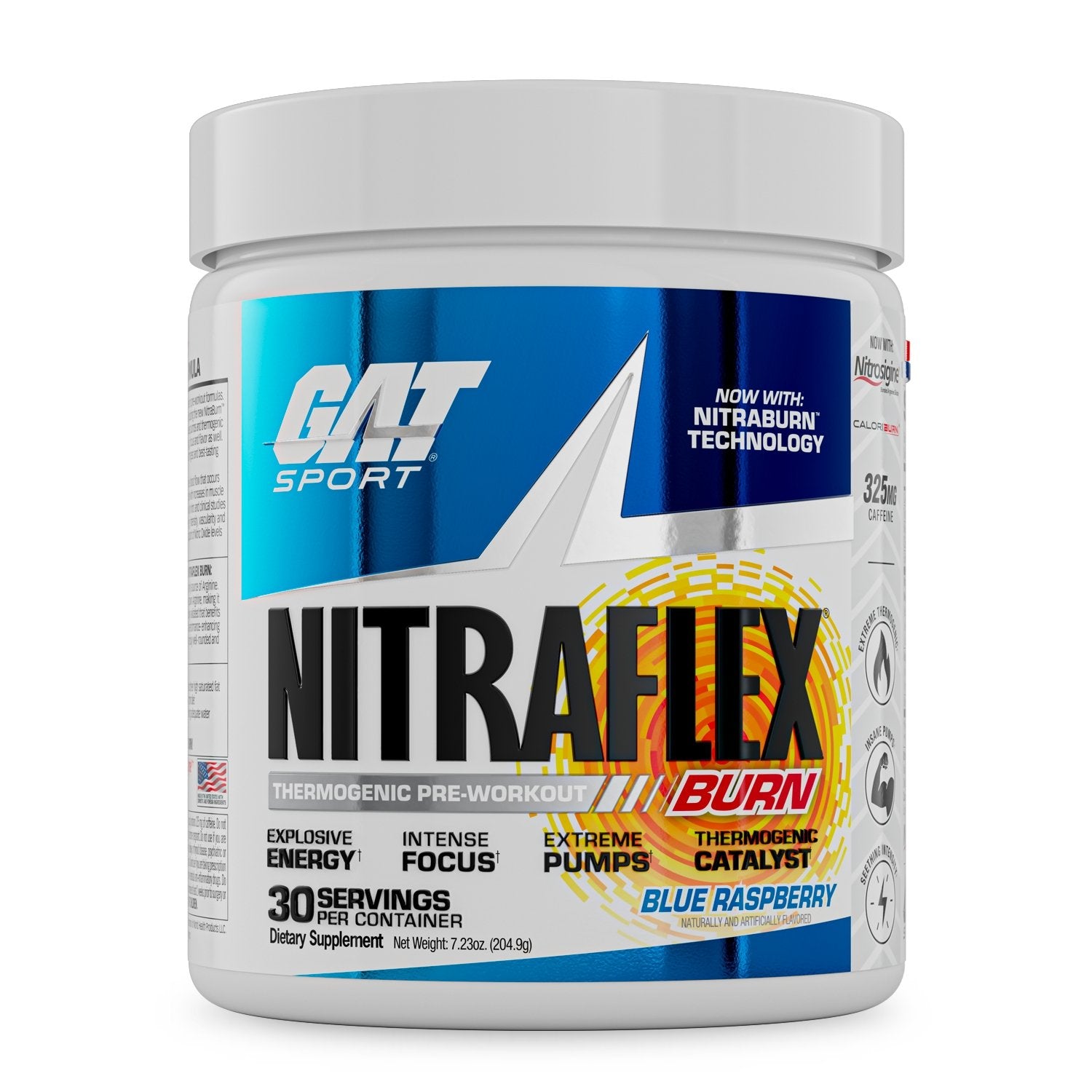
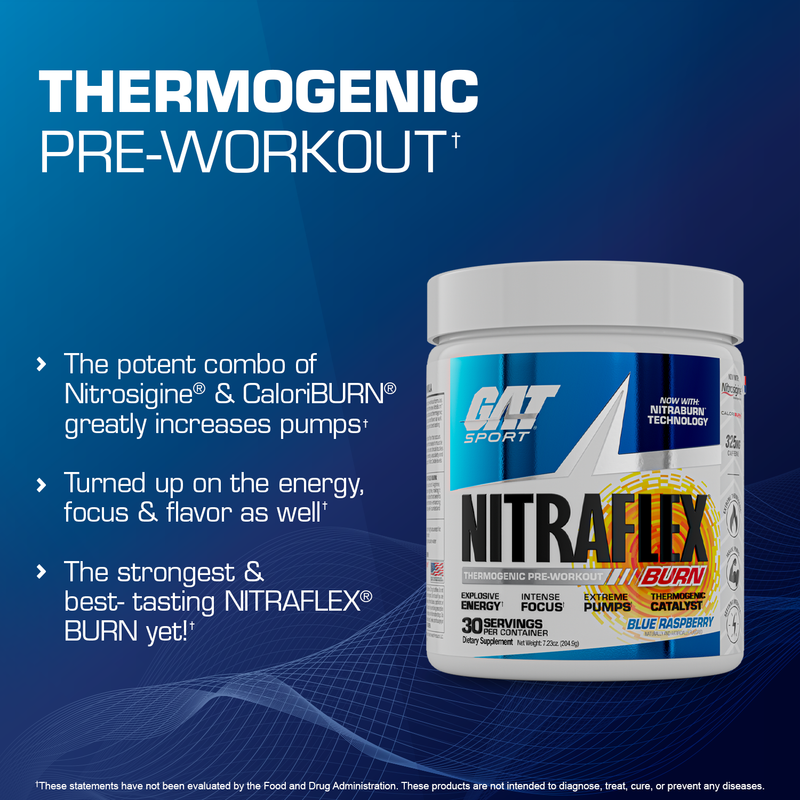
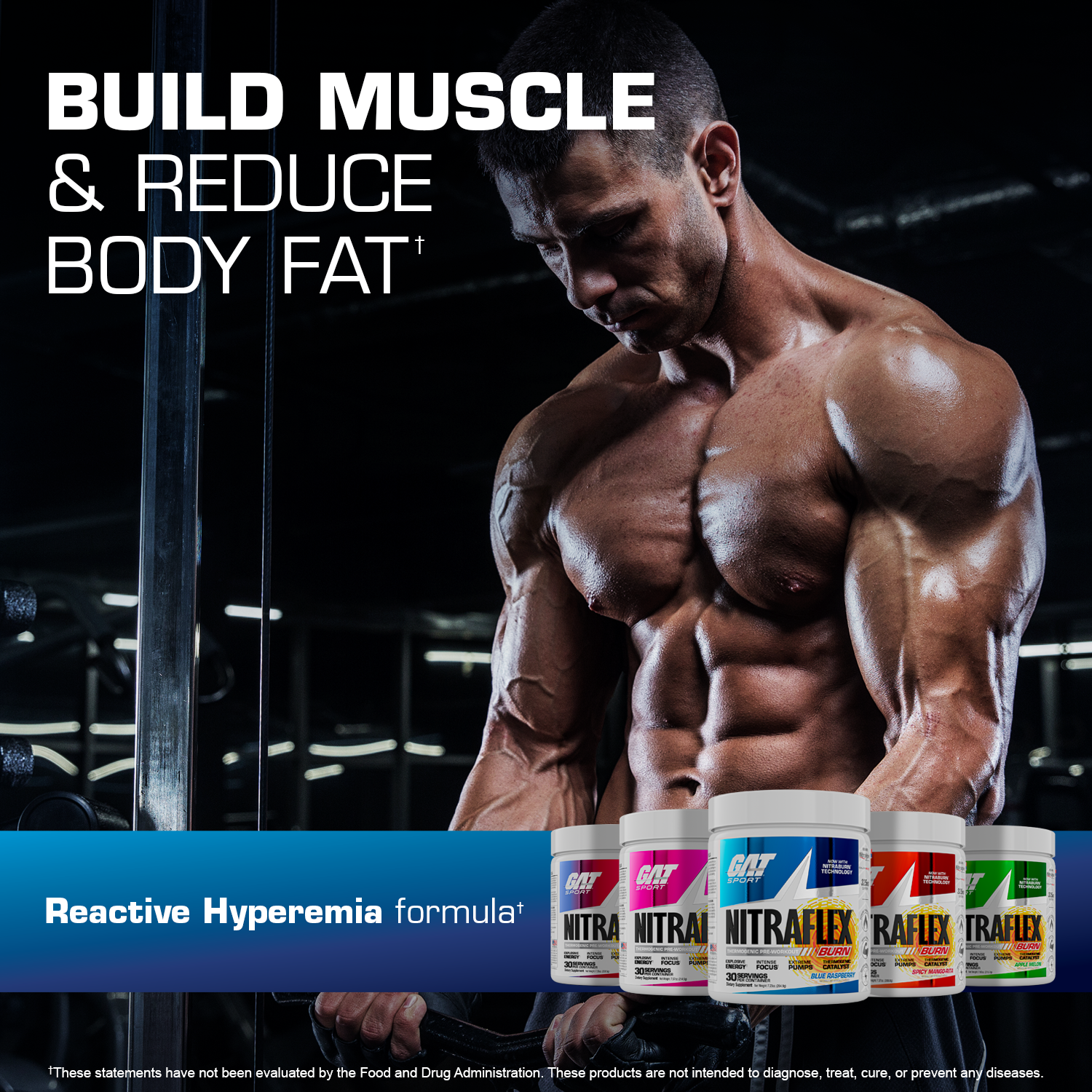
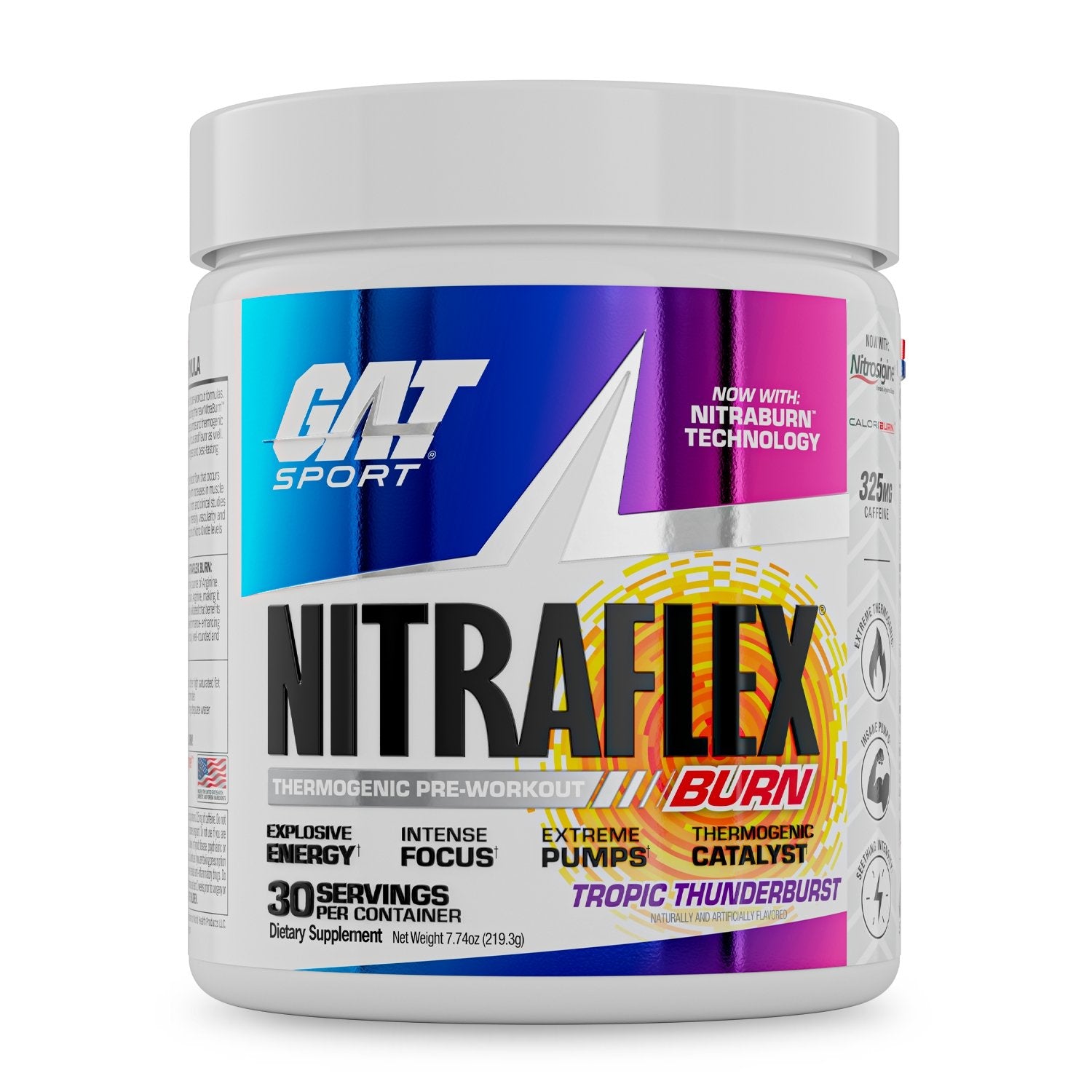
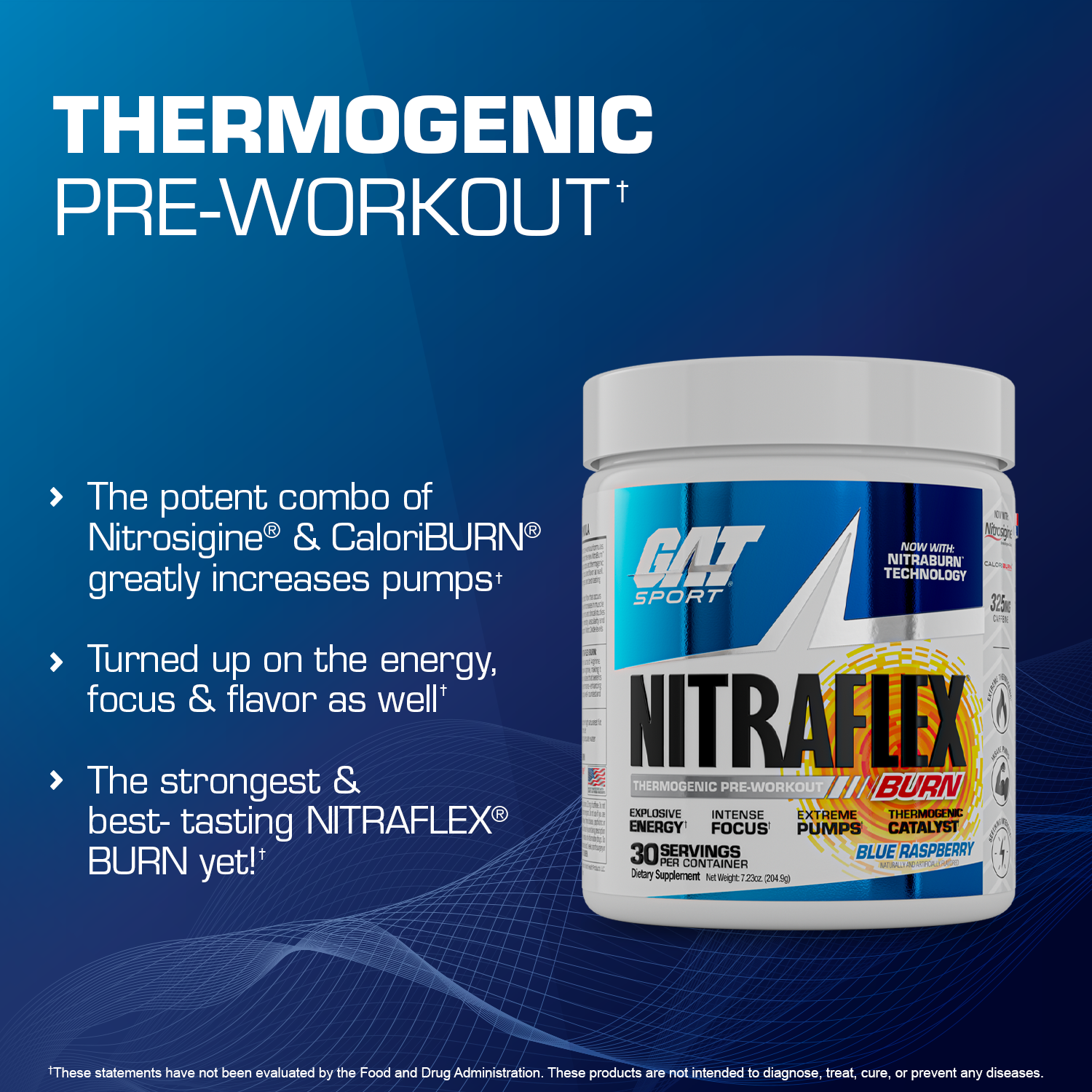
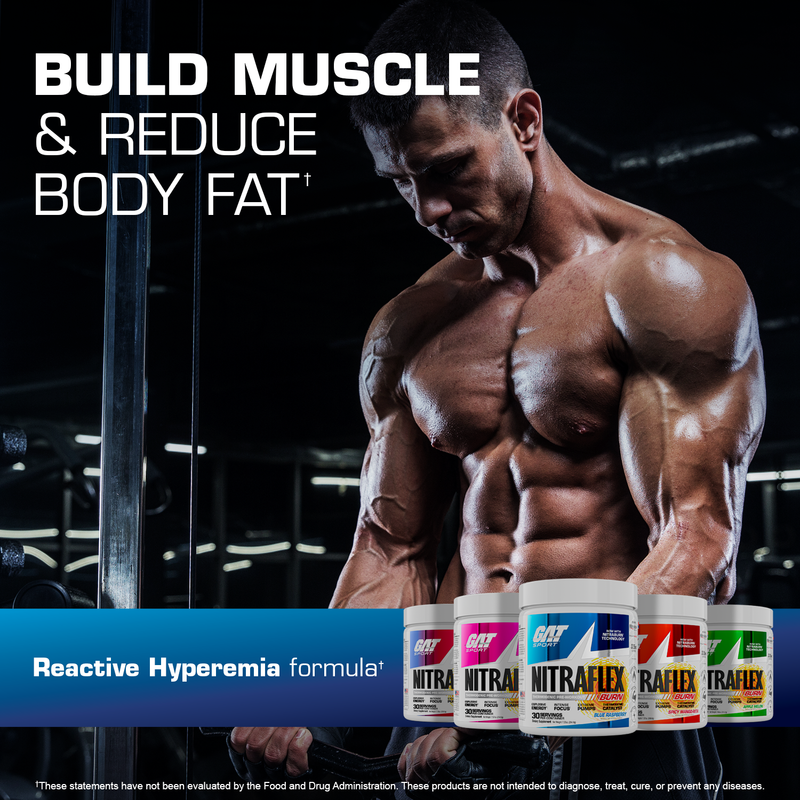
Summer training demands a different approach to supplementation, one that accounts for elevated core temperatures, accelerated fluid loss, and the unique metabolic demands of training in heat. Nitraflex Burn represents this evolution: a thermogenic pre-workout engineered specifically for athletes who refuse to compromise their training when the temperature rises.
How Heat Changes the Training Equation
Understanding summer supplementation requires examining how environmental heat affects exercise physiology. These changes are significant and predictable, making them manageable with the right preparation.
Cardiovascular Strain
Heat stress forces your cardiovascular system to serve two competing demands: supplying blood to working muscles for performance and directing blood to the skin for cooling. This cardiac load can reduce exercise capacity by 10-15% even in moderately warm conditions, with greater decrements as heat and humidity increase [1].
The practical result is that your usual training loads feel harder, your heart rate elevates more quickly, and your perceived exertion increases for the same objective workload. Athletes often interpret this as declining fitness when it's actually normal physiological adaptation to environmental stress.
Accelerated Dehydration
Sweat rates can reach 1-3 liters per hour during intense exercise in heat, far exceeding typical fluid intake during training. Even mild dehydration (2% body weight loss) significantly impairs exercise performance, with greater effects on strength, power, and cognitive function as fluid deficits increase [2].
Most athletes chronically under-replace fluid losses during summer training, creating cumulative dehydration that affects multiple training sessions. This becomes particularly problematic for body composition goals, as dehydration can reduce metabolic rate and interfere with fat oxidation.
Electrolyte Imbalances
Sweat contains significant amounts of sodium and smaller amounts of potassium, magnesium, and other electrolytes. Large fluid losses without adequate electrolyte replacement can cause hyponatremia, muscle cramps, and impaired cellular function even when total fluid intake appears adequate [3].
Standard sports drinks often provide insufficient electrolyte concentrations for heavy sweaters, while water alone can actually worsen electrolyte imbalances during prolonged exercise in heat.
The Thermogenic Advantage in Summer Training
Conventional wisdom suggests avoiding thermogenic supplements during hot weather due to additional heat production. This thinking oversimplifies the relationship between thermogenesis and exercise performance in heat.
Quality thermogenic formulas can actually support summer training through several mechanisms:
Enhanced Fat Oxidation
Heat stress naturally shifts metabolism toward carbohydrate utilization as the body prioritizes rapid energy production. Thermogenic compounds that promote fat oxidation help maintain metabolic flexibility even under thermal stress, supporting body composition goals during the prime physique season [4].
Improved Focus and Drive
High temperatures and humidity can reduce motivation and mental focus during training. Appropriate stimulation from thermogenic ingredients helps maintain training intensity despite environmental challenges that would otherwise reduce effort.
Metabolic Efficiency
Some thermogenic compounds may improve cellular energy efficiency and heat tolerance adaptations, allowing for better performance maintenance as you acclimate to summer training conditions.
The key is choosing formulations designed for these conditions rather than generic high-stimulant products that create additional stress without targeted benefits.
Nitraflex Burn: Engineered for Summer Performance
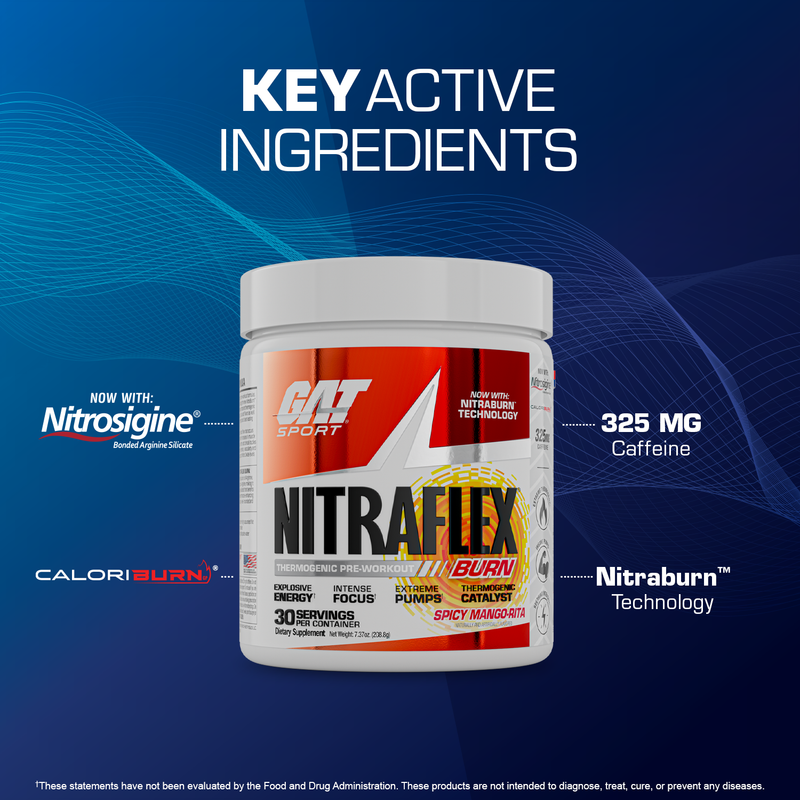
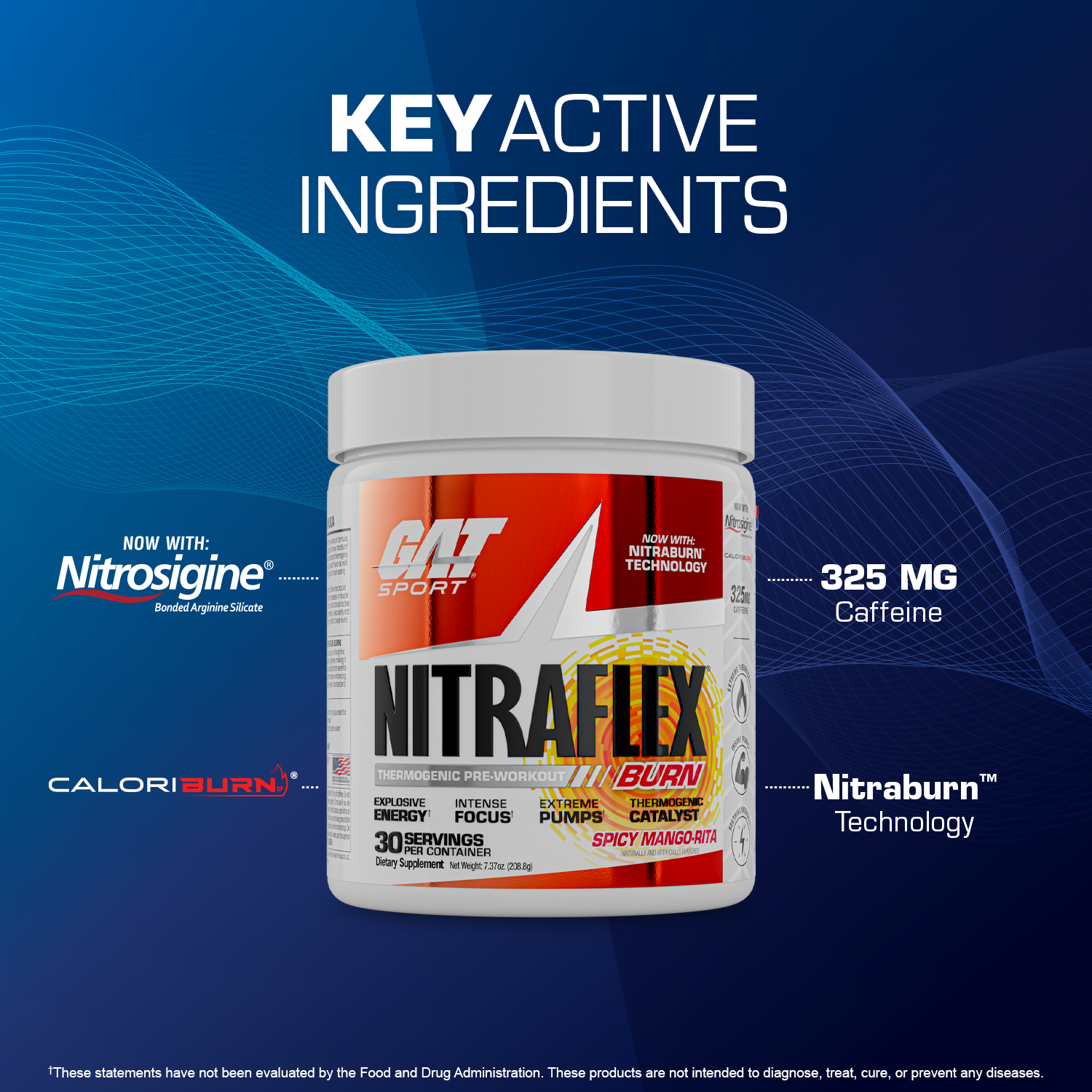
Nitraflex Burn addresses the unique demands of summer training through a comprehensive formula that supports performance, fat loss, and heat tolerance simultaneously.
|
Component |
Dose |
Summer Training Benefit |
|
Caffeine |
350mg |
Sustained energy despite heat-induced fatigue |
|
L-Citrulline |
4g |
Enhanced blood flow for dual cardiovascular demands |
|
Beta-Alanine |
3.2g |
Improved buffering capacity under thermal stress |
|
InnoSlim® |
250mg |
Metabolic support for fat oxidation in heat |
|
VitaCholine® |
250mg |
Cognitive support and lipotropic activity |
Citrulline for Cardiovascular Support
The 4g of L-citrulline in Nitraflex Burn becomes particularly valuable during summer training. Research shows that citrulline supplementation enhances nitric oxide production and improves blood flow, which can help manage the competing cardiovascular demands of exercise and thermoregulation [5].
Enhanced circulation supports both performance and cooling efficiency, allowing for better heat dissipation while maintaining adequate muscle perfusion for training intensity.
Strategic Stimulation
At 350mg, the caffeine content provides substantial energy support without excessive thermogenesis that could impair heat tolerance. This dose typically enhances focus, reduces perceived exertion, and maintains training motivation despite environmental challenges.
Thermogenic Matrix
The inclusion of InnoSlim® and VitaCholine® targets fat metabolism specifically, supporting body composition goals during the season when they matter most. These compounds work synergistically with training stress to enhance fat oxidation without adding unnecessary heat load.

Building the Complete Summer Stack
Nitraflex Burn serves as the foundation for summer training, but optimal results require supporting supplements that address hydration and recovery in heat:
FLEXX EAAs for Recovery
Essential amino acids become particularly important during summer training when heat stress increases protein breakdown and recovery demands. The 7g of EAAs in FLEXX EAAs supports muscle protein synthesis even under the catabolic stress of training in heat.
The addition of Sensoril® Ashwagandha helps manage the additional cortisol response from environmental stress, supporting both performance and recovery in challenging conditions.
Nitraflex Pre-Workout Chews for Convenience
Summer training often involves outdoor locations where mixing powders becomes impractical. Nitraflex Pre-Workout Chews provide complete pre-workout nutrition in a portable format that works whether you're training at the beach, park, or traveling to outdoor venues.
Hydration Protocol
While not a supplement per se, strategic hydration becomes crucial for summer supplement effectiveness. Pre-hydration with electrolyte solutions 2-3 hours before training, continued intake during exercise, and post-exercise rehydration with measured fluid replacement optimize the benefits of all other supplements.
Summer Training Periodization
The seasonal nature of summer training creates opportunities for targeted supplementation strategies:
Pre-Summer Phase (April-May)
Focus on building heat tolerance while maintaining supplement consistency. Begin transitioning to summer-specific formulations gradually to assess tolerance and optimize dosing.
Peak Summer Phase (June-August)
Emphasize thermogenic support and hydration optimization. This period offers maximum motivation and social reinforcement for physique goals, making it ideal for more aggressive supplement protocols.
Late Summer Transition (September)
Begin transitioning back to indoor training supplements while maintaining heat adaptation gains. Use this period to assess summer protocol effectiveness and plan adjustments for the following year.
Practical Implementation
Successful summer supplementation requires adapting protocols to real-world outdoor training conditions:
Timing Adjustments
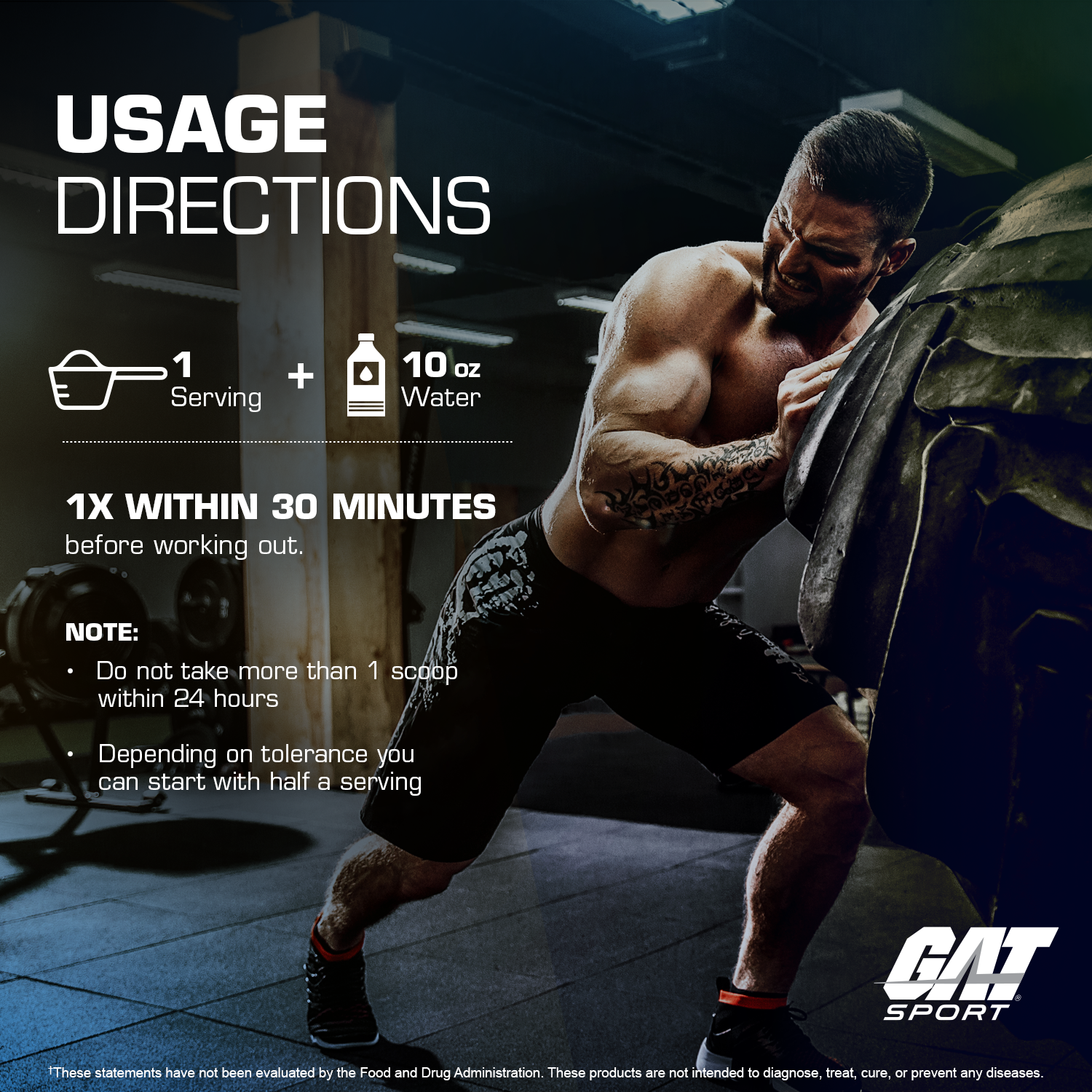
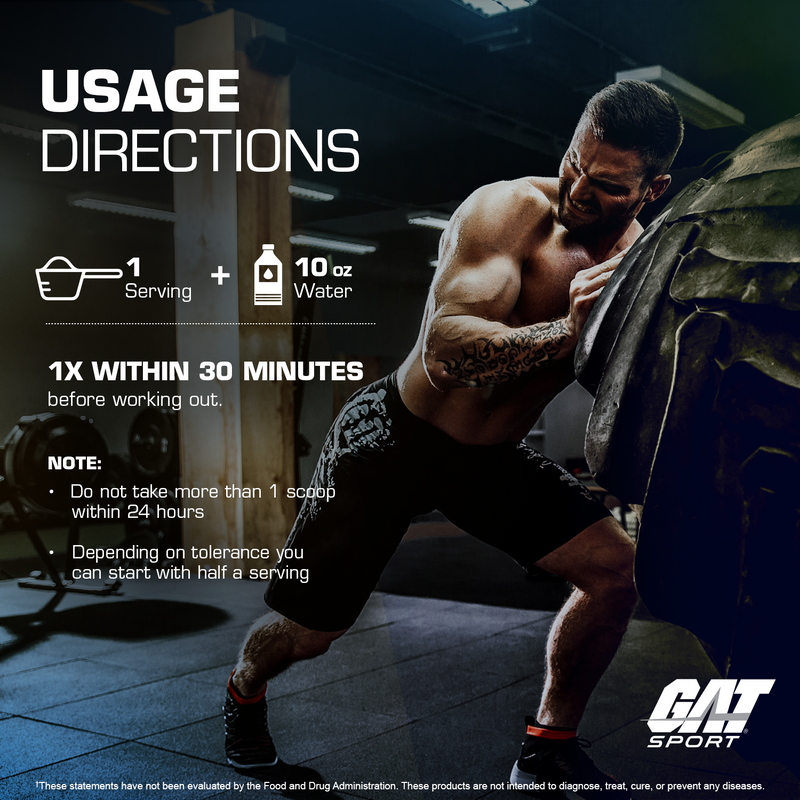
Take Nitraflex Burn 30-45 minutes before training to allow for peak effects during the most challenging portion of your session. In extreme heat, consider slightly longer lead times to establish energy support before thermal stress peaks.
Dosage Considerations
Start with half servings when transitioning to Summer protocols, especially if you're heat-sensitive or new to thermogenic supplements. Individual tolerance varies significantly, and outdoor training provides less environmental control than indoor sessions.
Environmental Awareness
Monitor heat index readings and adjust training intensity accordingly. Even the best supplements cannot overcome dangerous environmental conditions, and safety must remain the priority.
The Bottom Line
Summer training presents unique physiological challenges that require targeted nutritional support. Generic supplement protocols designed for climate-controlled environments often fall short when temperatures rise and training moves outdoors.
Nitraflex Burn represents a more sophisticated approach: thermogenic support engineered for athletes who train hard regardless of weather conditions. The combination of performance enhancement, fat loss support, and heat tolerance makes it the ideal foundation for summer training protocols.
Your Summer body goals deserve supplements designed for summer training conditions. Don't let heat derail your progress when targeted nutrition can help you thrive in challenging environments.
Train outside without compromise. Shop Nitraflex Burn and experience thermogenic support built for real-world summer training.
References
[1] Périard, J. D., et al. "Exercise under Heat Stress: Thermoregulation, Hydration, Performance Implications, and Mitigation Strategies." Physiological Reviews, vol. 101, no. 4, 2021, pp. 1907–1989.
[2] Ganio, M. S., et al. "Mild Dehydration Impairs Cognitive Performance and Mood of Men." British Journal of Nutrition, vol. 106, no. 10, 2011, pp. 1535–1543.
[3] Casa, D. J., et al. "National Athletic Trainers' Association Position Statement: Fluid Replacement for Athletes." Journal of Athletic Training, vol. 35, no. 2, 2000, pp. 212–224.
[4] Brooks, G. A., and J. Mercier. "Balance of Carbohydrate and Lipid Utilization during Exercise: The Crossover Concept." Journal of Applied Physiology, vol. 76, no. 6, 1994, pp. 2253–2261.
[5] Pérez-Guisado, J., and P. M. Jakeman. "Citrulline Malate Enhances Athletic Anaerobic Performance and Relieves Muscle Soreness." Journal of Strength and Conditioning Research, vol. 24, no. 5, 2010, pp. 1215–1222.
Daniel Pierce, MS
Daniel Pierce brings over a decade of specialized expertise in active nutrition innovation, omni-channel deployment strategy, and performance-driven digital marketing. With a Master of Science degree focused on natural language processing using large language models, Pierce has established himself as a leading authority at the intersection of AI-driven consumer insights and nutrition brand strategy. His active nutrition innovation experience spans formulation consulting for emerging brands and global brands, ingredient efficacy research, and regulatory compliance for functional food products. Pierce has architected successful omni-channel deployment strategies that seamlessly integrate direct-to-consumer platforms, social commerce, and traditional retail channels, enabling nutrition brands to scale rapidly across multiple touchpoints. As a digital marketing strategist specializing in the active nutrition space, Pierce leverages his natural language processing background to develop AI-enhanced consumer targeting and content optimization strategies. His data-driven approach combines advanced analytics with creator partnerships and viral content creation, enabling startups to compete effectively against established category leaders through authentic storytelling and measurable performance marketing initiatives.