

Lose fat and build muscle at the same time? Bro science said it was impossible. Real science says hold my protein shake. Here's the body recomposition protocol that actually works.
Body recomposition, simultaneously losing fat while gaining muscle, remains the most sought-after goal in fitness. For decades, the industry preached a binary cycle: bulk to build mass through calorie surplus, then cut to reveal it through calorie deficit. This approach works for advanced bodybuilders chasing stage-ready physiques, but it's inefficient and frustrating for everyone else. You spend months adding fat you'll later spend months trying to lose, often sacrificing 20 to 50% of the muscle you built along the way (1).
New Year resolutions amplify this problem through aggressive deficits causing rapid initial weight loss of mostly water and glycogen, followed by metabolic adaptation and rebound gain (2). The result? Stalled progress, gym anxiety, and the infamous "skinny-fat" physique that looks worse than when you started.
The good news: body recomposition isn't just possible; it's the default outcome for beginners and many intermediates when training, nutrition, and recovery are properly optimized (3). Research shows simultaneous fat loss and lean mass gain in 8-to-12-week studies when protein stays high, training remains progressive, and the calorie deficit stays moderate at 300 to 500 calories daily (4).
The Problem: Why Traditional Approaches Fail
The Bulk/Cut Cycle Trap
The classic bulk/cut cycle assumes you can't lose fat and build muscle simultaneously. Bulk with surplus calories to fuel muscle growth, then cut with a deficit to reveal what you built. This works for advanced lifters with years of experience, but for most people it creates massive inefficiency.
You spend 3 to 6 months bulking and adding unwanted fat, then spend months cutting and losing 20 to 50% of your gained muscle (1). It's two steps forward, one step back, repeated endlessly.
The Resolution Crash
New Year resolutions make everything worse. Aggressive deficits cause rapid initial weight loss that's mostly water and glycogen, not fat. This triggers metabolic adaptation where resting metabolism drops 200 to 500 calories daily, followed by inevitable rebound gain (2).
Inefficient Methods That Guarantee Failure
Excessive cardio or low-protein diets accelerate muscle loss, with up to 25% of weight lost being lean mass in deficits without resistance training (5). The result is predictable: stalled progress, gym anxiety, and that dreaded skinny-fat look where you're simultaneously too soft and too small.
The Science: How Recomposition Actually Works
The Research Reality
Body recomposition occurs when fat loss exceeds muscle gain in a deficit, or muscle gain outpaces fat gain in a surplus. This works most reliably in beginners and intermediates with proper training (3). A meta-analysis of resistance-trained individuals found simultaneous fat loss and lean mass gain in 8-to-12-week studies when protein stayed high and training remained progressive (4).
Protein Synthesis During Deficit
Muscle protein synthesis during deficit gets preserved with 2.3 to 3.1g per kilogram protein intake, maintaining MPS rates near maintenance levels (6). This is the key that makes recomposition possible: feeding your muscles while starving your fat.
Thermogenesis and Metabolic Optimization
Thermogenesis from non-exercise activity and diet accounts for 10 to 15% of daily expenditure. Compounds like caffeine and capsaicin increase this by 5 to 10% (7). Metabolic rate optimization counters adaptation through resistance training that preserves muscle while HIIT boosts post-exercise calorie burn by 5 to 15% (8).
Cycling training and nutrition with moderate deficits of 300 to 500 calories, high protein, and progressive overload yields the best recomposition results (9).
The Solution: Your Strategic Recomp Protocol
Recomposition requires precision, not extremes. Target 0.5-to-1-pound weekly fat loss while gaining 0.25 to 0.5 pounds muscle monthly. This is achievable with a 300 to 500 calorie deficit, high protein, and progressive resistance training 4 to 5 times weekly (10).
Training Blueprint
Execute 4 to 5 full-body or upper/lower sessions focusing on compound lifts. Squats, bench press, deadlifts, and pull-ups at 6 to 12 reps optimize hypertrophy (11). Add weight or reps weekly for progressive overload. Include HIIT 1 to 2 times weekly for 20 to 30 minutes to boost thermogenesis without sacrificing muscle (12).
Nutrition Framework
Protein: 2.3 to 3.1g per kilogram preserves muscle in deficit (6) Deficit: 300 to 500 calories below maintenance tracked via app Carb Cycling: Higher carbs on training days for performance (13)

Supplementation for the Recomp Edge
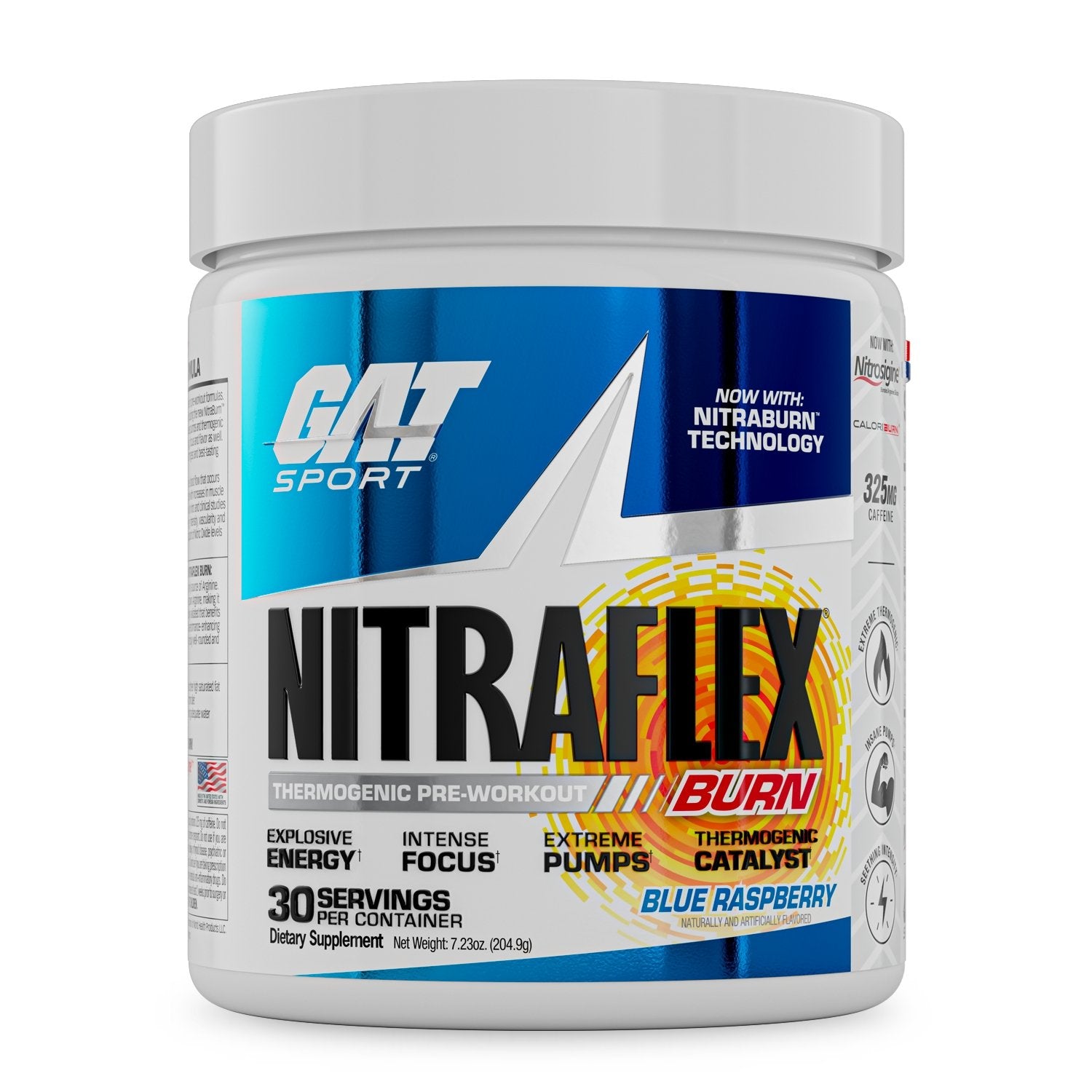
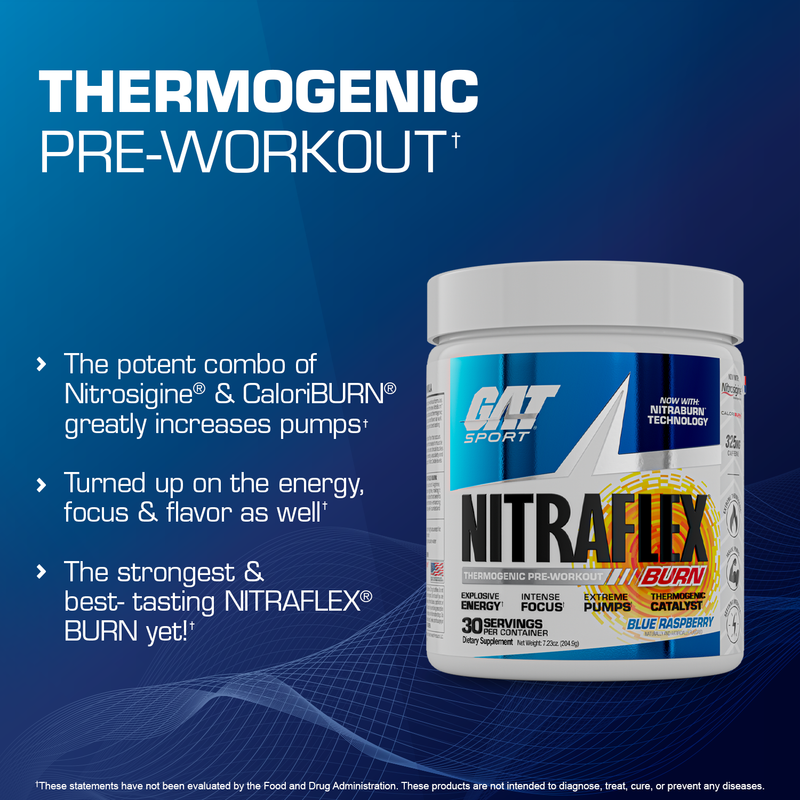
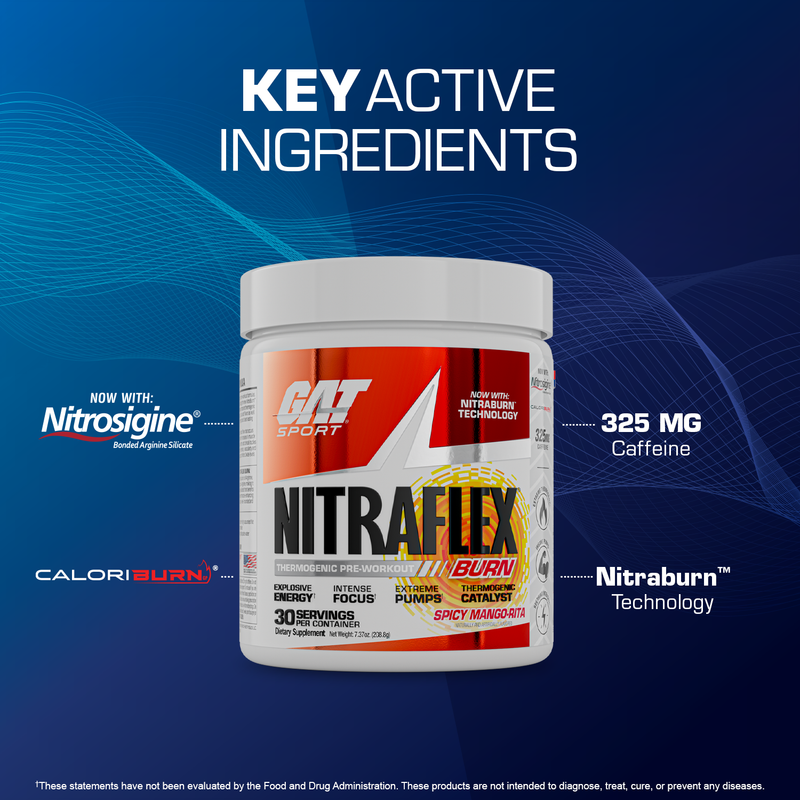
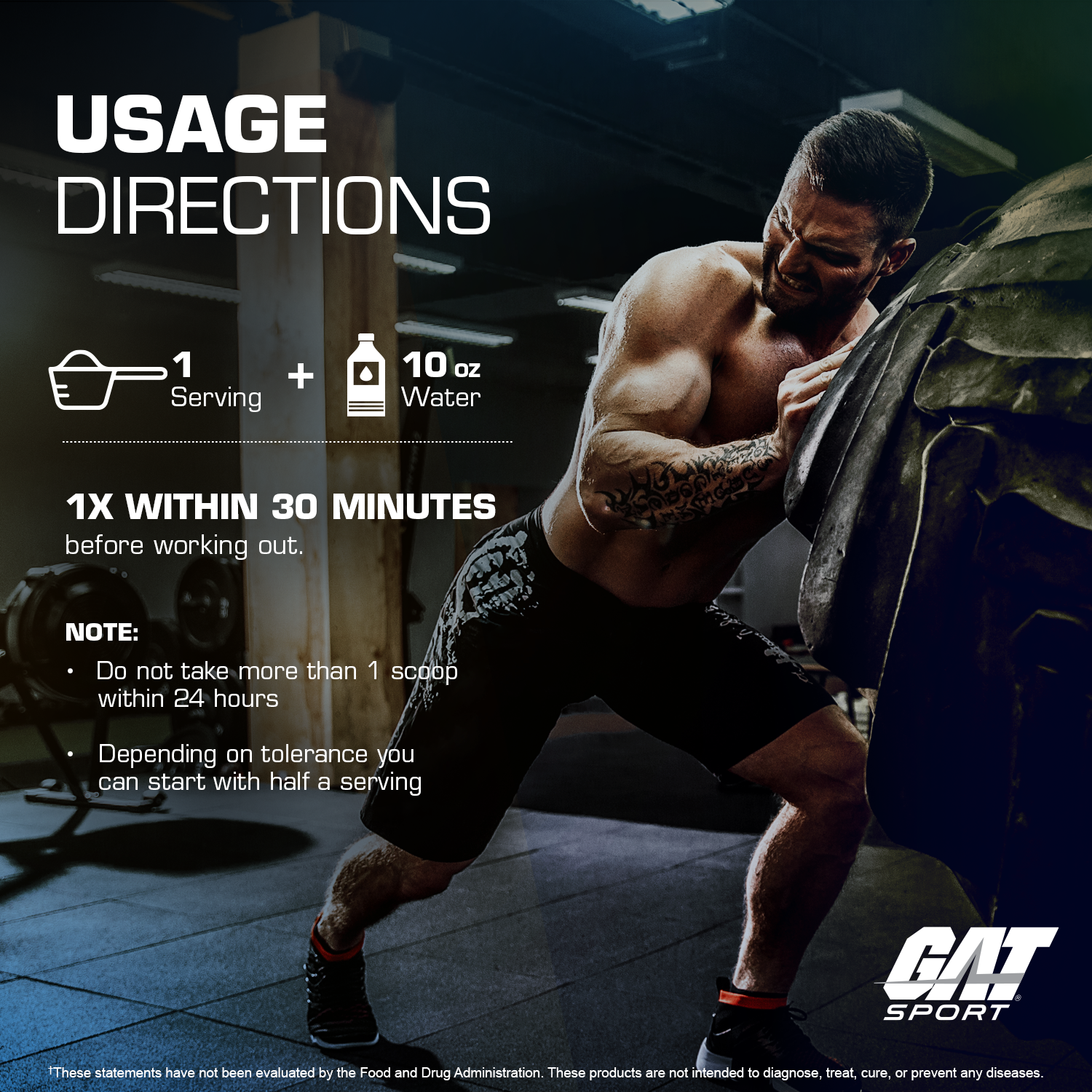
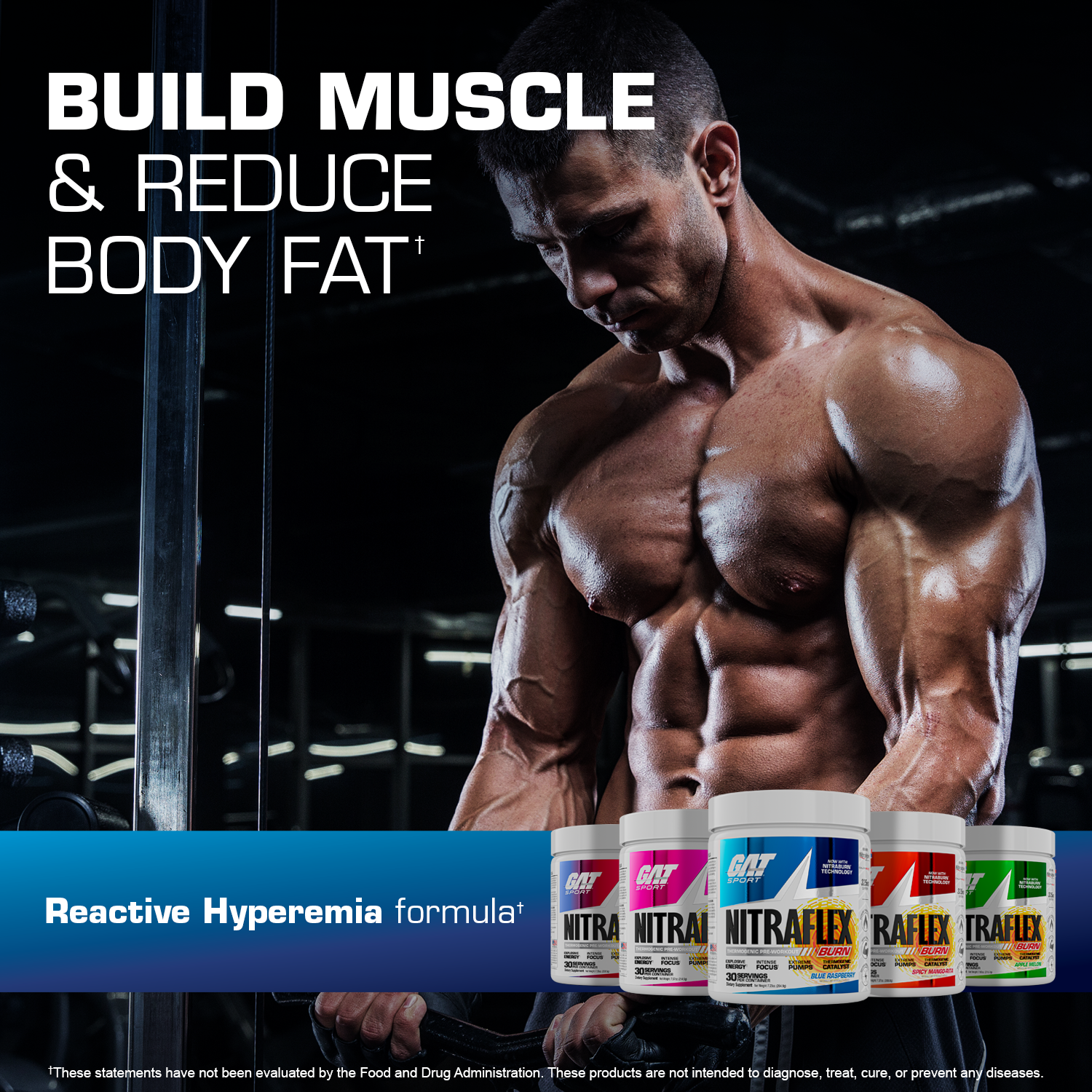
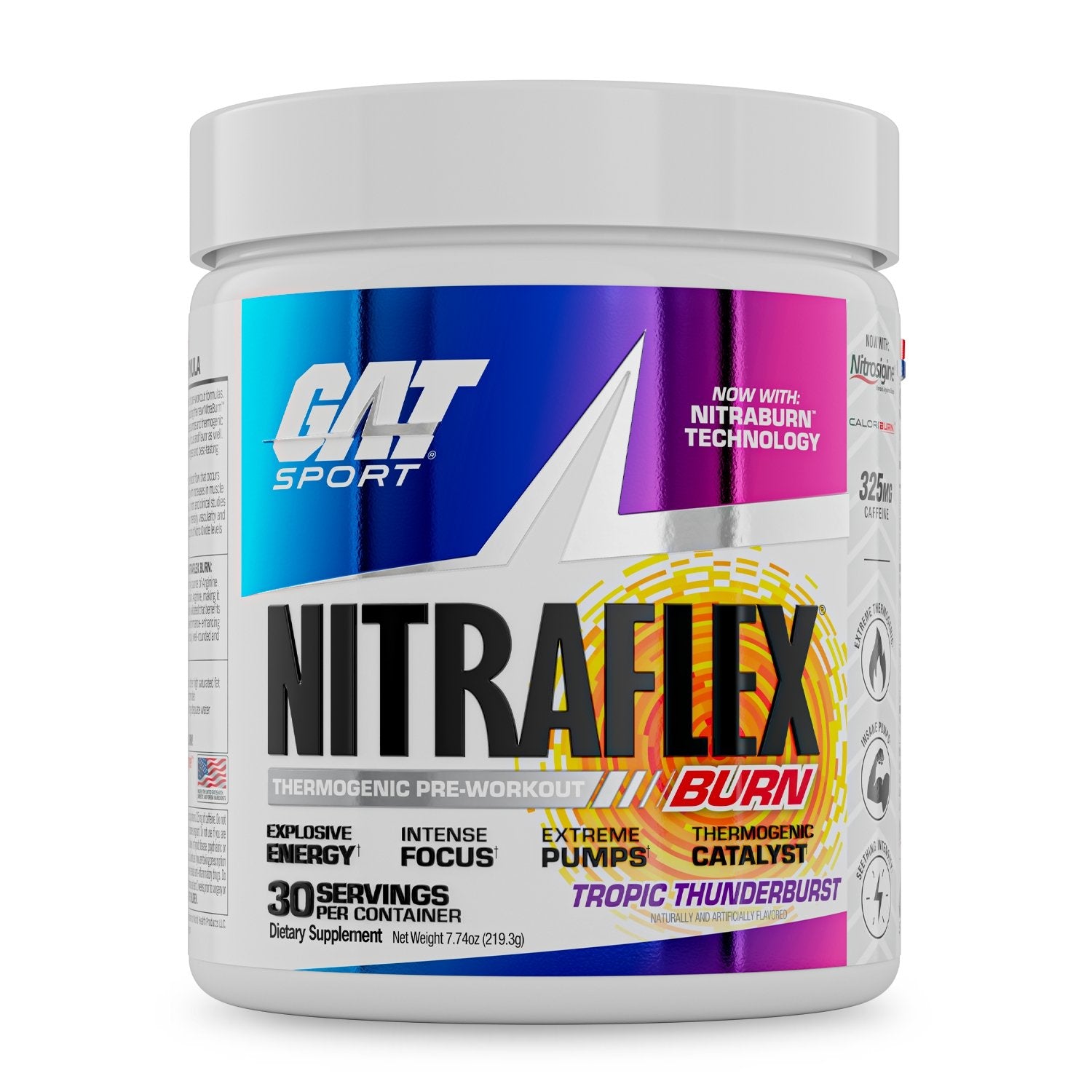
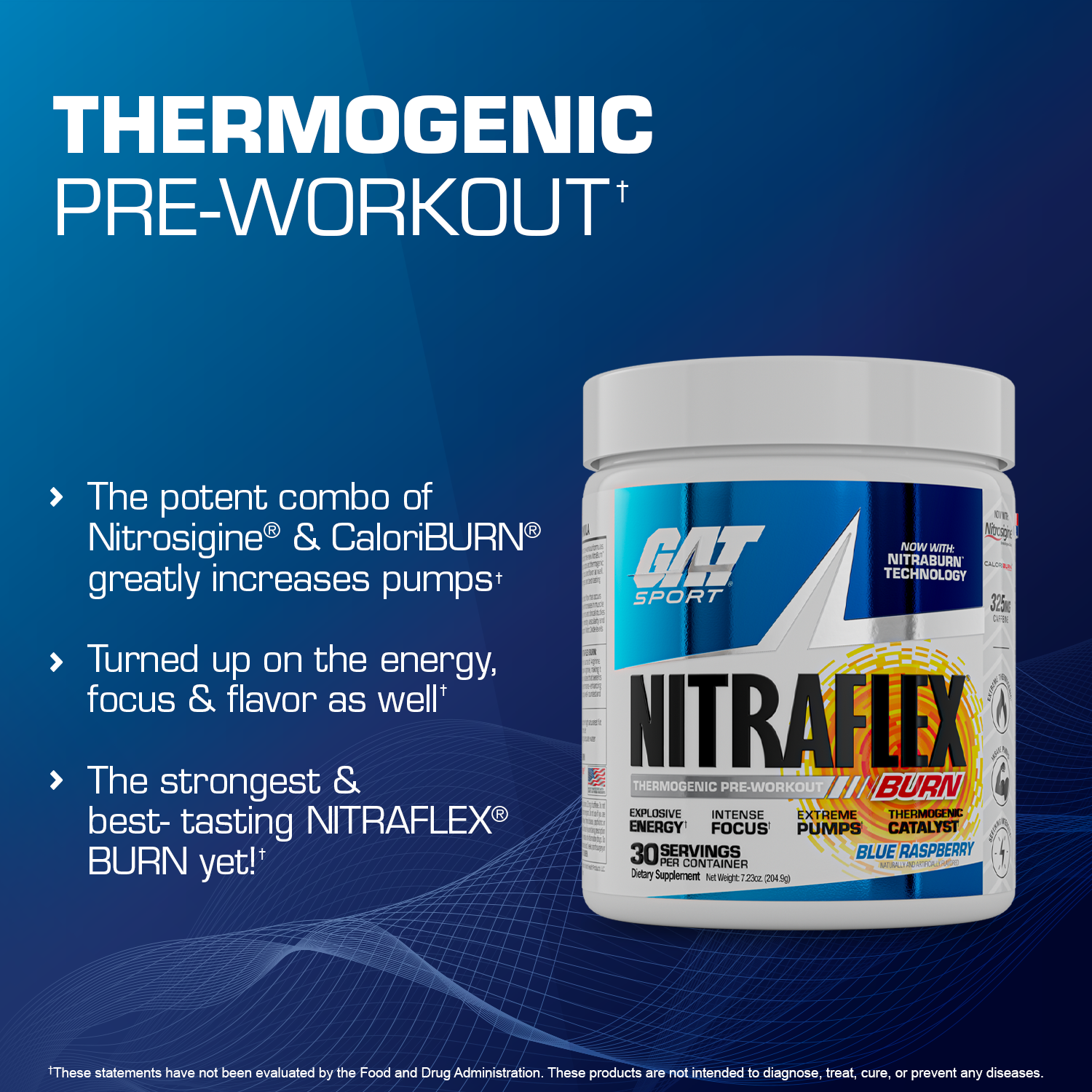
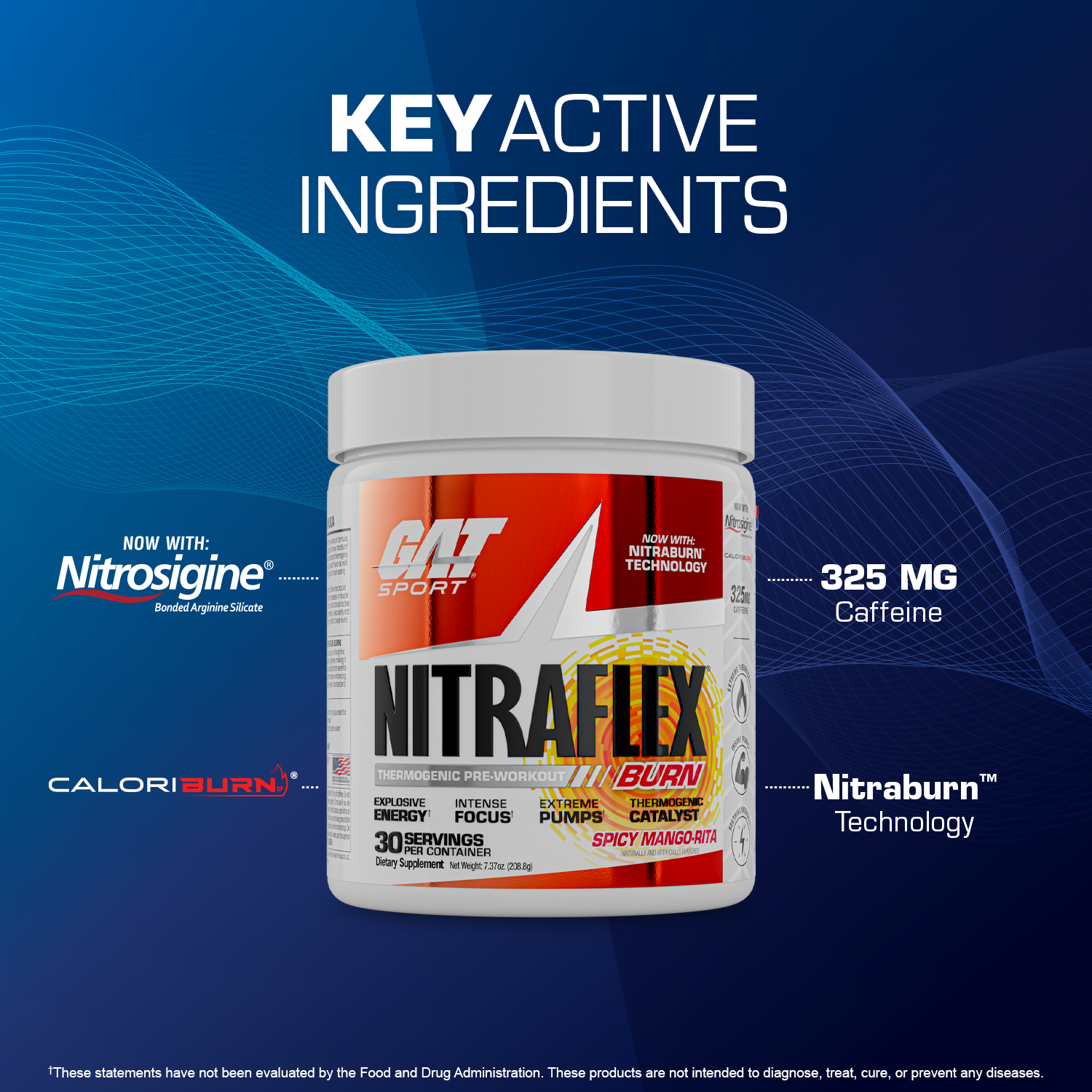
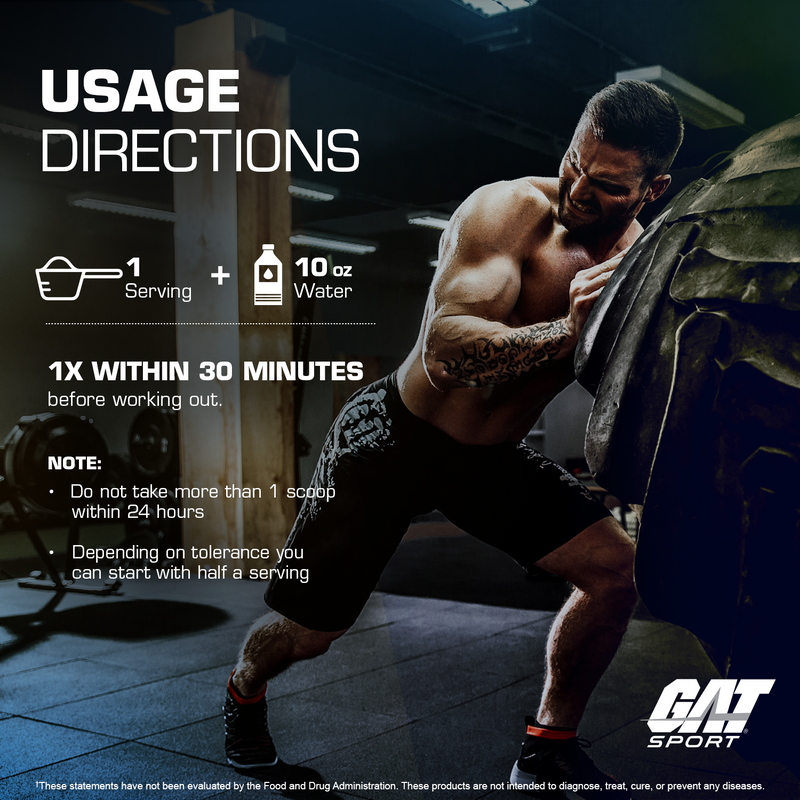
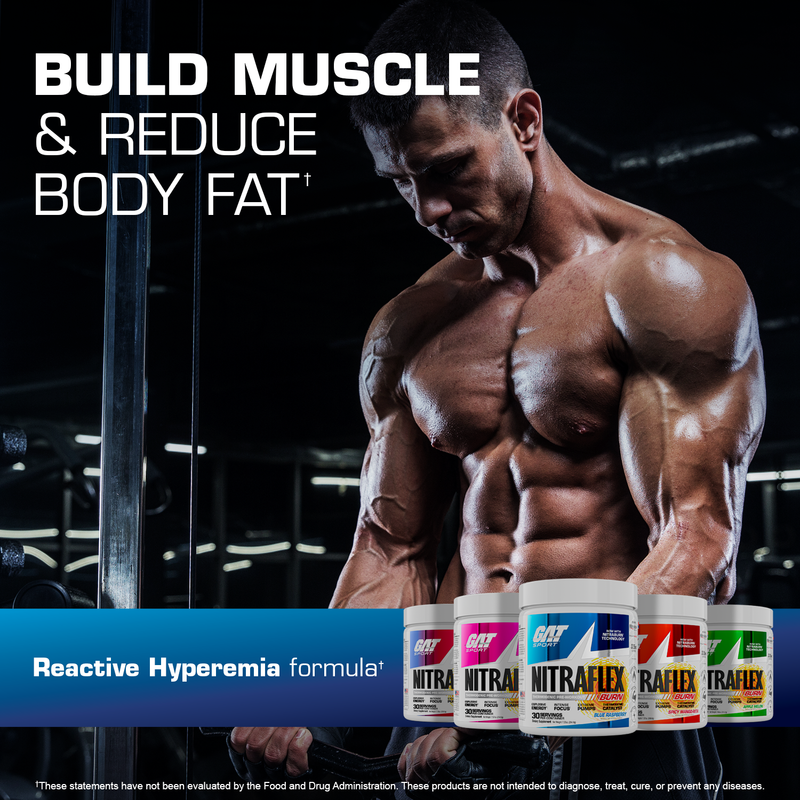
Nitraflex Burn becomes your hero thermogenic. Caffeine plus green tea extract plus grains of paradise increases metabolic rate 5 to 10% and enhance fat oxidation (14). Take 1 scoop pre-workout.
FLEXX EAAs +Hydration preserves muscle with leucine-enriched EAAs maintaining MPS 20 to 50% higher in deficits (15).
Creatine Powder sustains strength with 5g daily preventing performance drops (16).
Nitraflex Sport provides clean energy as beta-alanine buffers fatigue for longer sessions (17).
Your 12-Week Recomp Plan
Weeks 1-4: Establish deficit plus high protein. Execute 4 to 5 strength sessions. Nitraflex Burn pre-workout.
Weeks 5-8: Increase training volume. Add FLEXX EAAs +Hydration post-session.
Weeks 9-12: Deload week 9, then push intensity. Creatine plus Nitraflex Sport for sustained energy.
Expect 4 to 12 pounds fat loss plus 2 to 6 pounds muscle gain in 12 weeks (18).
Bottom Line: Recomposition Is Real Science
Recomposition becomes reality when you prioritize progressive training, high protein, and thermogenic support over extremes. January is your launchpad for transformation. Don't wait for spring when everyone else is just starting what you'll have already finished.
The binary bulk/cut cycle is outdated thinking from an era before we understood protein synthesis, thermogenesis, and metabolic adaptation. You don't need to get fat to build muscle. You don't need to lose muscle to lose fat. You need precision, patience, and the right tools.
References
- Norcross, John C., et al. (2002). Auld Lang Syne: Success Predictors, Change Processes, and Self-Reported Outcomes of New Year's Resolvers and Nonresolvers. Journal of Clinical Psychology, 58(4), 397-405.
- Trexler, Eric T., et al. (2014). Metabolic Adaptation to Weight Loss: Implications for the Athlete. Journal of the International Society of Sports Nutrition, 11(1), article 7.
- Helms, Eric R., et al. (2014). Evidence-Based Recommendations for Natural Bodybuilding Contest Preparation: Nutrition and Supplementation. Journal of the International Society of Sports Nutrition, 11(1), article 20.
- Ribeiro, Alex S., et al. (2021). Resistance Training Volume Enhances Muscle Hypertrophy but Not Strength in Trained Men. Medicine & Science in Sports & Exercise, 53(1), 178-87.
- Garthe, Ina, et al. (2011). Effect of Two Different Weight-Loss Rates on Body Composition and Strength in Elite Athletes. International Journal of Sport Nutrition and Exercise Metabolism, 21(4), 321-29.
- Schoenfeld, Brad J., and Alan Albert Aragon. (2018). How Much Protein Can the Body Use in a Single Meal for Muscle-Building? Implications for Daily Protein Distribution. Journal of the International Society of Sports Nutrition, 15(1), article 10.
- Jäger, Ralf, et al. (2017). International Society of Sports Nutrition Position Stand: Protein and Exercise. Journal of the International Society of Sports Nutrition, 14, article 20.
- Schoenfeld, Brad J., et al. (2017). Dose-Response Relationship Between Weekly Resistance Training Volume and Increases in Muscle Mass: A Systematic Review and Meta-Analysis. Journal of Sports Sciences, 35(11), 1073-82.
- Guest, Nanci S., et al. (2021). International Society of Sports Nutrition Position Stand: Caffeine and Exercise Performance. Journal of the International Society of Sports Nutrition, 18(1), article 1.
- Bloomer, Richard J., et al. (2010). Effect of Caffeine and Capsaicin on Fat Oxidation. Journal of the International Society of Sports Nutrition, 7(Suppl 1), P20.
- Kerksick, Chad M., et al. (2017). International Society of Sports Nutrition Position Stand: Nutrient Timing. Journal of the International Society of Sports Nutrition, 14, article 33.
- Schoenfeld, Brad J., et al. (2017). Dose-Response Relationship Between Weekly Resistance Training Volume and Increases in Muscle Mass: A Systematic Review and Meta-Analysis. Journal of Sports Sciences, 35(11), 1073-82.
- Pérez-Guisado, Joaquín, and Philip M. Jakeman. (2010). Citrulline Malate Enhances Athletic Anaerobic Performance and Relieves Muscle Soreness. Journal of Strength and Conditioning Research, 24(5), 1215-22.
- Jackman, Sarah R., et al. (2017). Branched-Chain Amino Acid Ingestion Stimulates Muscle Myofibrillar Protein Synthesis Following Resistance Exercise in Humans. Frontiers in Physiology, 8, article 390.