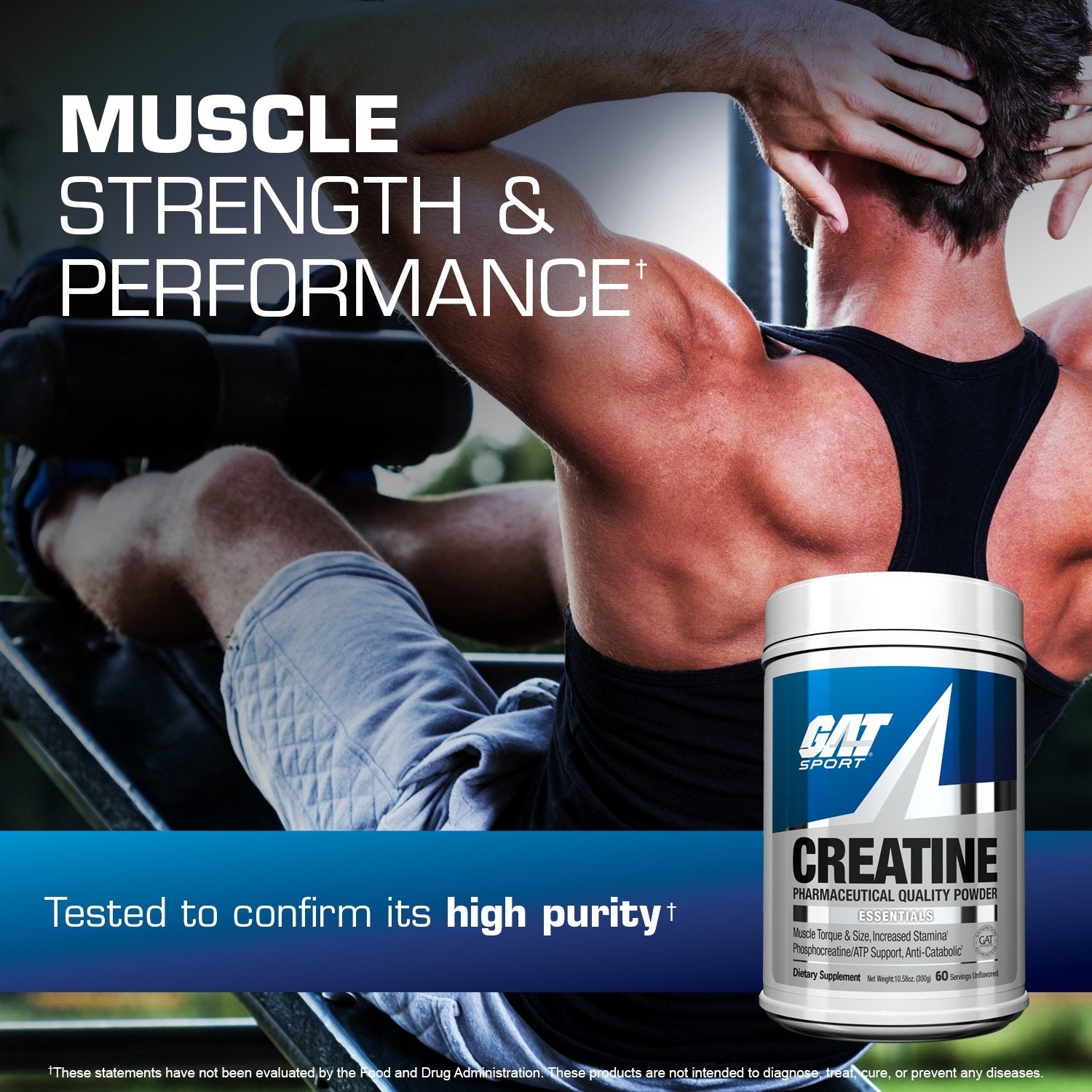

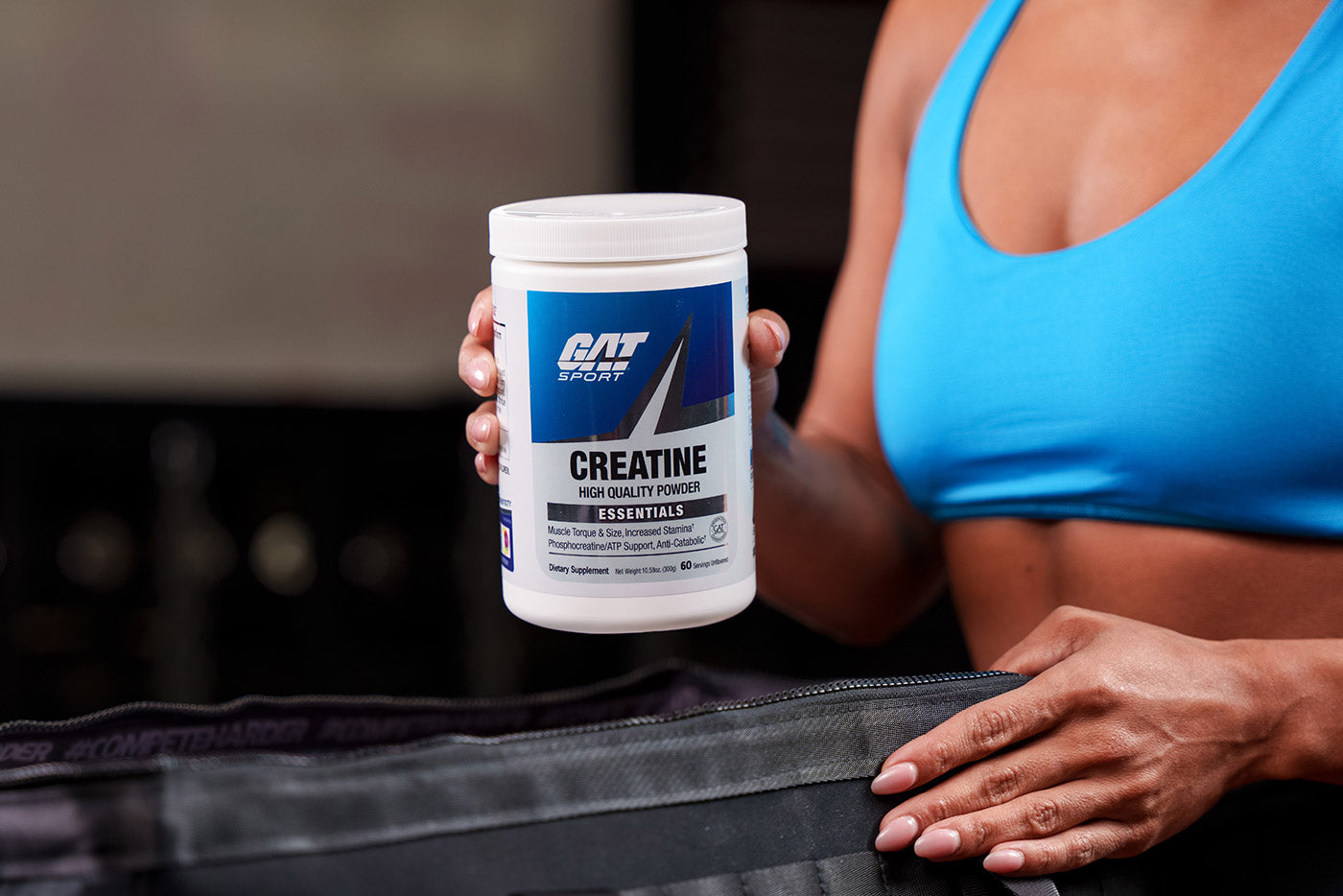
Everyone in the gym has an opinion on creatine. Load for a week. Take it pre-workout. Cycle it. Avoid it if you play sports. Almost all of it is wrong. Here is what the research actually says.
If you are new to supplementation or have been lifting for a while but never tried creatine, the noise can feel overwhelming. Forums, social media, and even some trainers offer conflicting advice that makes creatine seem complicated, risky, or only for advanced bodybuilders. The reality is much simpler and far more encouraging. Creatine monohydrate is one of the safest, most researched, and most effective supplements for improving strength, power, muscle mass, and training performance. You do not need to overcomplicate it.
Beginners are especially vulnerable to bad information because they lack a reference point. They hear myths about hair loss, kidney damage, or mandatory loading phases and decide to skip it entirely. Or they follow overly complex protocols that lead to frustration and abandonment. The good news? The evidence is clear and beginner-friendly. Consistent daily intake of 3–5 grams is all most people need for meaningful results. No loading is required, timing is flexible, and cycling is unnecessary.
Why Beginners Should Consider Creatine
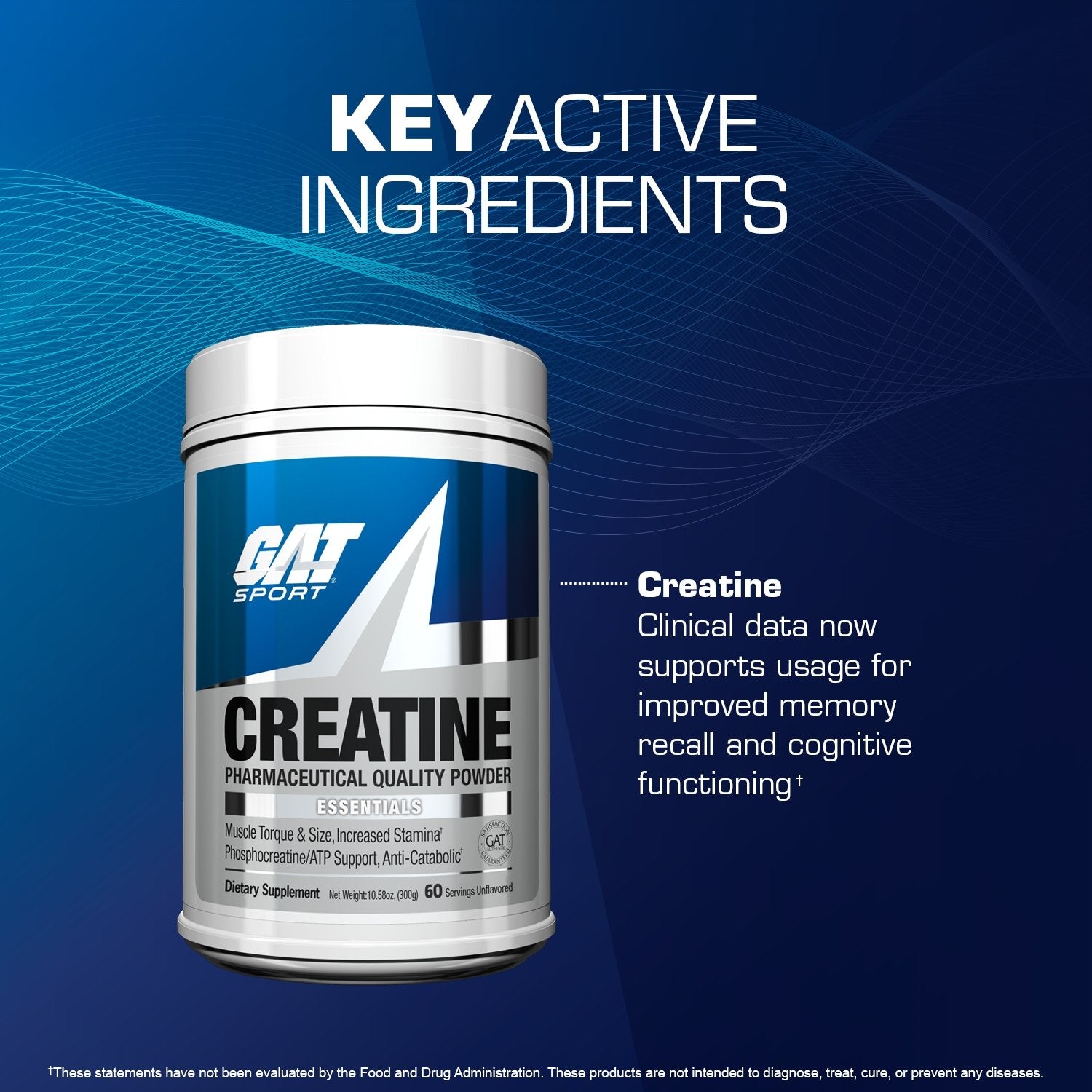
Creatine is not a steroid or a miracle drug. It is a naturally occurring compound made from three amino acids (arginine, glycine, and methionine) that your body already produces and obtains from food (primarily meat and fish). About 95% of the body's creatine is stored in skeletal muscle as phosphocreatine, which helps rapidly regenerate ATP: the energy currency for short, intense efforts like heavy lifts, sprints, or high-rep sets.
When muscle creatine stores increase, you can perform more work in the gym: more repetitions, heavier weights, faster recovery between sets, and ultimately greater gains in strength and lean mass over time when combined with resistance training. The International Society of Sports Nutrition (ISSN) position stand concludes that creatine monohydrate is the most effective ergogenic nutritional supplement currently available for increasing high-intensity exercise capacity and lean body mass during training [1].
For beginners, the benefits are particularly noticeable because they often have lower baseline creatine levels (especially vegetarians or those with low meat intake). Studies show consistent supplementation leads to measurable improvements in strength, power output, and body composition within 4–8 weeks when paired with proper training [2][3].
Busting the Most Common Beginner Myths
Myth: You must load with 20 g/day for a week. Loading (20 g/day split into 4–5 doses for 5–7 days) speeds up saturation, but it is optional. A simple 3–5 g daily maintenance dose achieves similar muscle creatine levels after 3–4 weeks [1][4]. Hultman et al. (1996) showed that 3 g/day for 28 days raised muscle creatine effectively, though more slowly than loading [3]. Most beginners do fine without loading to avoid potential mild stomach discomfort.
Myth: You have to take it at a specific time (e.g., post-workout with carbs). Timing is flexible. Post-workout with protein and carbs is convenient for many, but any consistent daily time works. Research on timing around exercise shows mixed but generally small differences; chronic daily consistency matters far more than the exact hour [5][6].
Myth: You need to cycle on and off. No evidence supports cycling for healthy individuals. Long-term studies (up to 5 years) show continued benefits and safety with uninterrupted daily use at standard doses [1][7]. Stopping supplementation causes stores to gradually return to baseline over weeks.
Myth: Creatine is only for bodybuilders or causes bloating/hair loss/kidney issues. Creatine benefits anyone doing resistance or high-intensity training. Initial water weight gain (1–3 lbs) is intracellular (inside muscle cells) and contributes to fuller muscles and better performance: not unwanted bloating. Hair loss claims stem from one small, unreplicated study; larger reviews find no consistent link [2]. In healthy people, creatine does not impair kidney function; slight rises in serum creatinine reflect increased muscle metabolism, not damage [1][8].

The Simple Beginner Protocol That Actually Works
Here is the no-nonsense starting guide backed by the ISSN and extensive research:
Choose your format
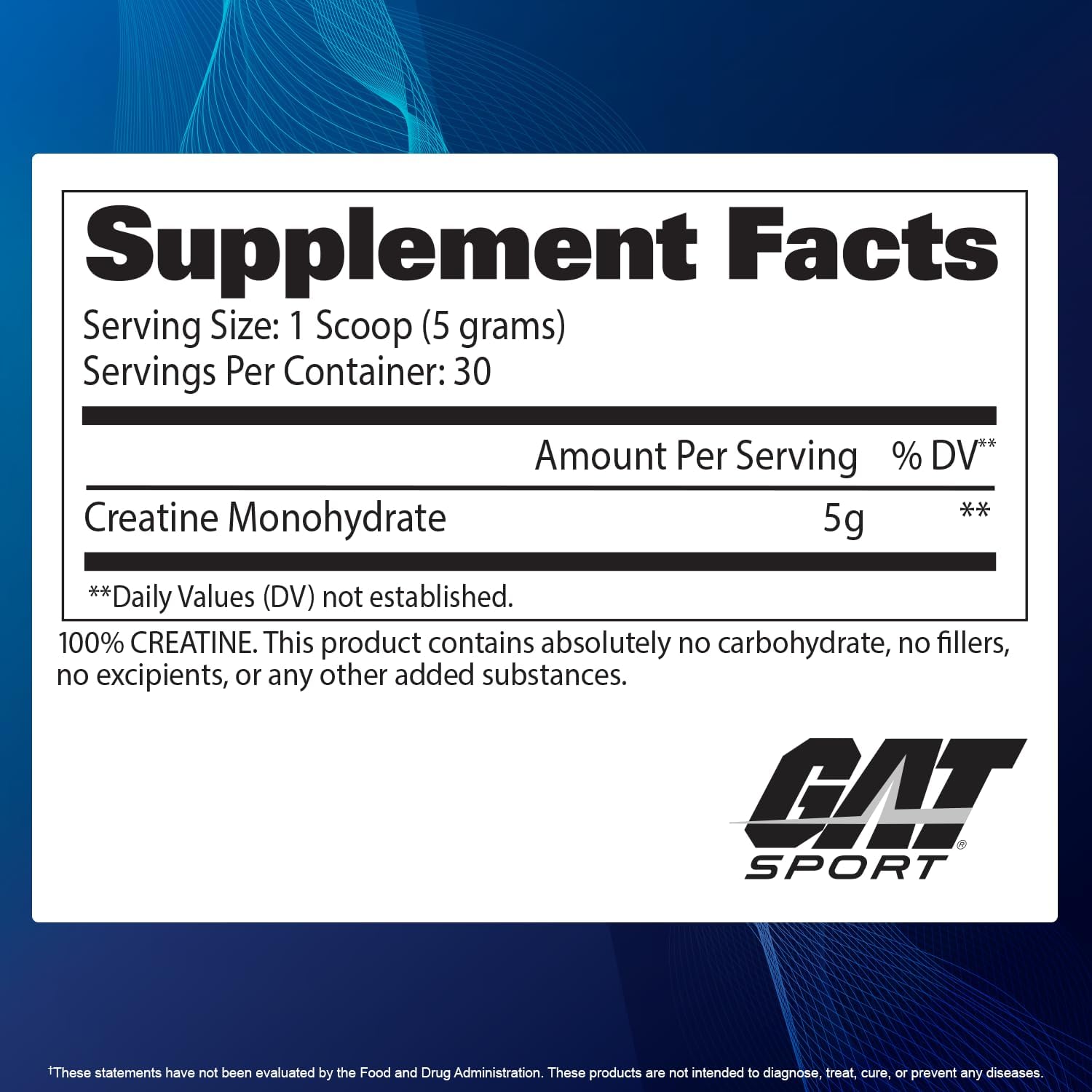
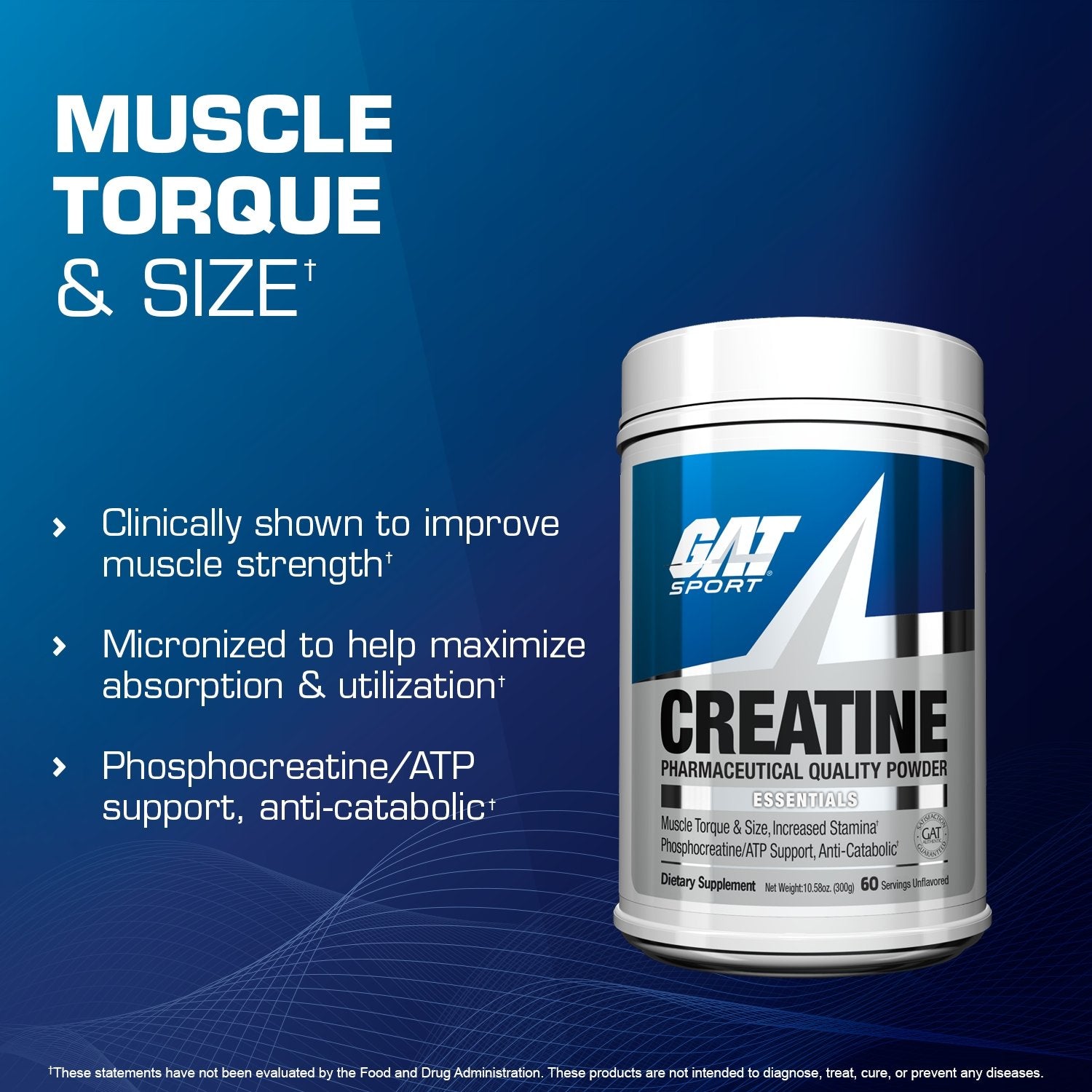
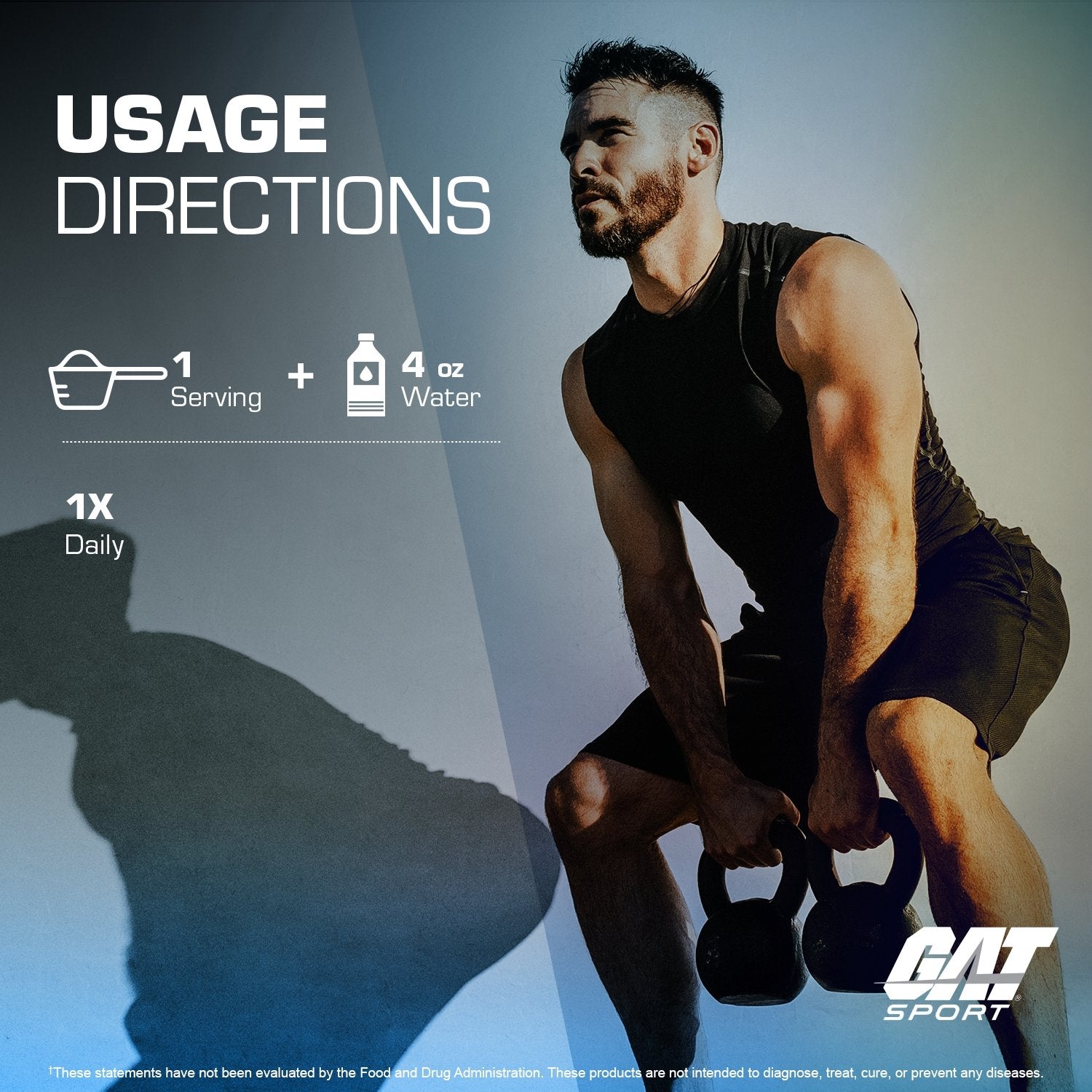
- Creatine Powder: Classic, affordable, and flexible. Mix 5 g into water, a shake, or your pre/post-workout drink. Ideal for home or gym routines.
- Creatine Chews: Convenient for travel, commuting, or busy days. Precise 5 g servings with no mixing required.
Daily dose
- Maintenance: 3–5 g per day (most people do well with 5 g).
- Optional loading: 20 g/day (split into 4 doses) for 5–7 days if you want faster results, then drop to 5 g.
- Take it every day: training or rest days. Consistency is key.
Timing
Any time that fits your schedule works. Many prefer post-workout with protein and carbs for convenience, but morning, afternoon, or evening all produce similar long-term results when taken daily.
Duration
Use continuously. Benefits build over weeks and continue with ongoing use. No need to cycle off.
Stacking for beginners
Pair with progressive resistance training and adequate protein (1.6–2.2 g/kg body weight). GAT Sport Creatine Powder or Creatine Chews deliver clean creatine monohydrate with no unnecessary additives. For added muscle protection during early training phases, consider FLEXX EAAs V2.0 around workouts.
Expected timeline:
- Week 1–2: Subtle improvements in recovery or workout feel as stores begin rising.
- Week 3–4: Noticeable gains in strength, power, and repetitions as saturation approaches.
- Week 4+: Stabilized benefits with continued consistent use and training.
Safety and Who Should Be Cautious
Creatine monohydrate is one of the safest supplements when used at recommended doses. The ISSN states it is safe for healthy individuals, including adolescents and older adults, with no adverse effects on kidney function in those without pre-existing conditions [1]. Stay hydrated, as creatine increases intracellular water retention (a positive effect for muscle performance). Consult a physician if you have kidney disease or other medical conditions.
Getting Started the Right Way
Pick one format and commit to 5 g daily. Use Creatine Powder for home routines or Creatine Chews when convenience matters most. Track your workouts: many beginners see their first real strength jumps within 4 weeks. Combine with smart training and nutrition, and creatine becomes a simple foundation that supports everything else you do in the gym.
Creatine for beginners does not need to be complicated. The research points to one clear path: consistent daily intake of 3–5 g of creatine monohydrate. GAT Sport makes it easy with clean, effective options in powder or chewable form.

References
[1] Kreider, R. B., et al. "International Society of Sports Nutrition Position Stand: Safety and Efficacy of Creatine Supplementation in Exercise, Sport, and Medicine." Journal of the International Society of Sports Nutrition, vol. 14, 2017, article 18.
[2] Antonio, J., et al. "Common Questions and Misconceptions about Creatine Supplementation: What Does the Scientific Evidence Really Show?" Journal of the International Society of Sports Nutrition, vol. 18, no. 1, 2021, article 13.
[3] Hultman, E., et al. "Muscle Creatine Loading in Men." Journal of Applied Physiology, vol. 81, no. 1, 1996, pp. 232–237.
[4] Forbes, S. C., et al. "Meta-Analysis Examining the Importance of Creatine Ingestion Strategies on Lean Tissue Mass and Strength in Older Adults." Nutrients, vol. 13, no. 6, 2021, article 1912.
[5] Ribeiro, F., et al. "Timing of Creatine Supplementation around Exercise: A Real Concern?" Nutrients, vol. 13, no. 8, 2021, article 2844.
[6] Candow, D. G., et al. "Creatine O'Clock: Does Timing of Ingestion Really Influence Muscle Mass and Performance?" Frontiers in Sports and Active Living, vol. 4, 2022, article 893714.
[7] Wax, B., et al. "Creatine for Exercise and Sports Performance, with Recovery Considerations for Healthy Populations." Nutrients, vol. 13, no. 6, 2021, article 1915.
[8] Vega, J., et al. "Effects of Creatine Supplementation on Renal Function." Revista Medica de Chile, vol. 147, no. 5, 2019, pp. 628–35.
Daniel Pierce, MS
Daniel Pierce brings over a decade of specialized expertise in active nutrition innovation, omni-channel deployment strategy, and performance-driven digital marketing. With a Master of Science degree focused on natural language processing using large language models, Pierce has established himself as a leading authority at the intersection of AI-driven consumer insights and nutrition brand strategy. His active nutrition innovation experience spans formulation consulting for emerging brands and global brands, ingredient efficacy research, and regulatory compliance for functional food products. Pierce has architected successful omni-channel deployment strategies that seamlessly integrate direct-to-consumer platforms, social commerce, and traditional retail channels, enabling nutrition brands to scale rapidly across multiple touchpoints. As a digital marketing strategist specializing in the active nutrition space, Pierce leverages his natural language processing background to develop AI-enhanced consumer targeting and content optimization strategies. His data-driven approach combines advanced analytics with creator partnerships and viral content creation, enabling startups to compete effectively against established category leaders through authentic storytelling and measurable performance marketing initiatives.