

Somewhere right now, a lifter is skipping every run to protect gains that a 20-minute walk would never have touched. He has heard that cardio kills muscle, so he avoids it entirely, and in the process, he trades away conditioning, work capacity, and heart health for a fear that the research simply does not support.
That fear has a cost. The belief that any cardio erases your hard-won muscle keeps lifters from building the conditioning that real performance and real health require. It is one of the most persistent myths in the gym, and it stops people from training in a way that would make them more capable, not less. Let us clear it up.
Does Cardio Kill Your Muscle Gains?
No. For the vast majority of lifters, cardio does not kill muscle gains. The research shows that combining aerobic and strength training, known as concurrent training, does not meaningfully compromise your gains in muscle size or maximal strength when it is programmed sensibly. The so-called interference effect is real but modest, and it is easily managed with smart programming, separation, and recovery. Here are the five myths keeping you from a body that lifts and lasts.
1. Myth: Any Cardio Erases Muscle
This is the big one, and the evidence dismantles it directly. A large 2022 systematic review and meta-analysis of 43 studies by Schumann and colleagues found that concurrent aerobic and strength training did not compromise gains in muscle hypertrophy or maximal strength compared to lifting alone [1]. That finding held across different ages, training backgrounds, and types of endurance work, whether running or cycling.
In other words, adding cardio to your program does not doom your muscle or your strength. The lifter avoiding all cardio to protect his gains is protecting against a threat that, for building size and strength, largely does not exist. What cardio adds is conditioning, cardiovascular health, and work capacity, all on top of the muscle you keep building.
2. Myth: The Interference Effect Means You Have to Choose
The interference effect is real, but it has been badly exaggerated into an all-or-nothing choice. The truth is more useful. A meta-analysis by Wilson and colleagues found that the interference between endurance and strength training scales with the frequency and duration of the endurance work: small or moderate amounts of cardio cause little to no interference, while very high volumes are where problems start to appear [2].
This means you are not choosing between strength and conditioning. You are managing a dial, not flipping a switch. A few sensible cardio sessions per week sit comfortably in the range where interference is negligible. You only run into trouble when you pile on excessive, high-volume endurance work on top of hard lifting. For a normal lifter with normal goals, that threshold is far higher than the myth suggests.
3. Myth: Cardio and Lifting Must Never Mix
The nuance the myth misses is that how you program cardio matters far more than whether you do it. The same Schumann analysis found one specific caveat worth knowing: while strength and hypertrophy were preserved, gains in explosive strength like jumping and sprinting were somewhat reduced, particularly when aerobic and strength work were performed in the same session [1]. The Wilson meta-analysis adds that running produced more interference than cycling, likely due to the greater muscle damage running causes [2].
The practical takeaways write themselves. Separate your hardest cardio from your heaviest lifting, ideally onto different days or at least different times of day. Choose lower-impact modalities like cycling or the rower when you want conditioning with minimal interference. Program cardio with intent rather than bolting it randomly onto leg day, and the tiny interference that exists becomes a non-issue.
4. Myth: Cardio on a Cut Will Strip Your Muscle
Lifters worry most about cardio during a cut, but here the real culprit is usually the diet, not the treadmill. A meta-analysis and meta-regression by Murphy and Koehler found that training in an energy deficit impaired lean mass gains, but strength gains were largely preserved [3]. The deficit itself is the primary pressure on your muscle, not the presence of cardio.
The solution is to protect muscle through the cut rather than blame conditioning for what the deficit is doing. Keep lifting heavy to signal your body to hold its muscle, keep protein high, and keep the deficit moderate. Cardio remains a useful tool for nudging your energy balance and supporting your heart during a cut. It is not the thing stripping your muscle; an aggressive diet without enough protein or heavy lifting is.

5. Myth: Supplements Cannot Help You Do Both
Recovery is where concurrent training is won or lost, and this is where smart supplementation earns its place, supporting your body's ability to adapt to both types of training at once.
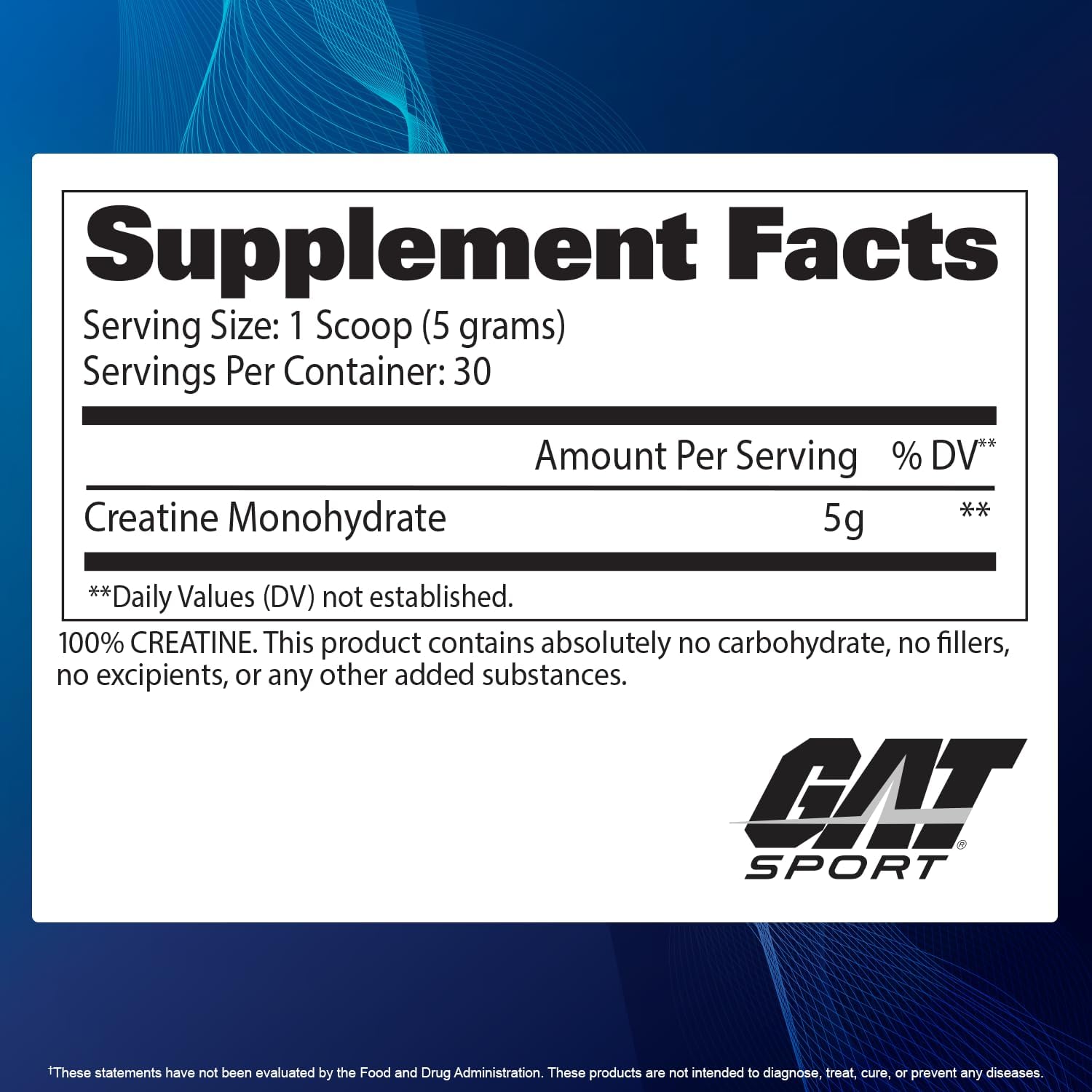
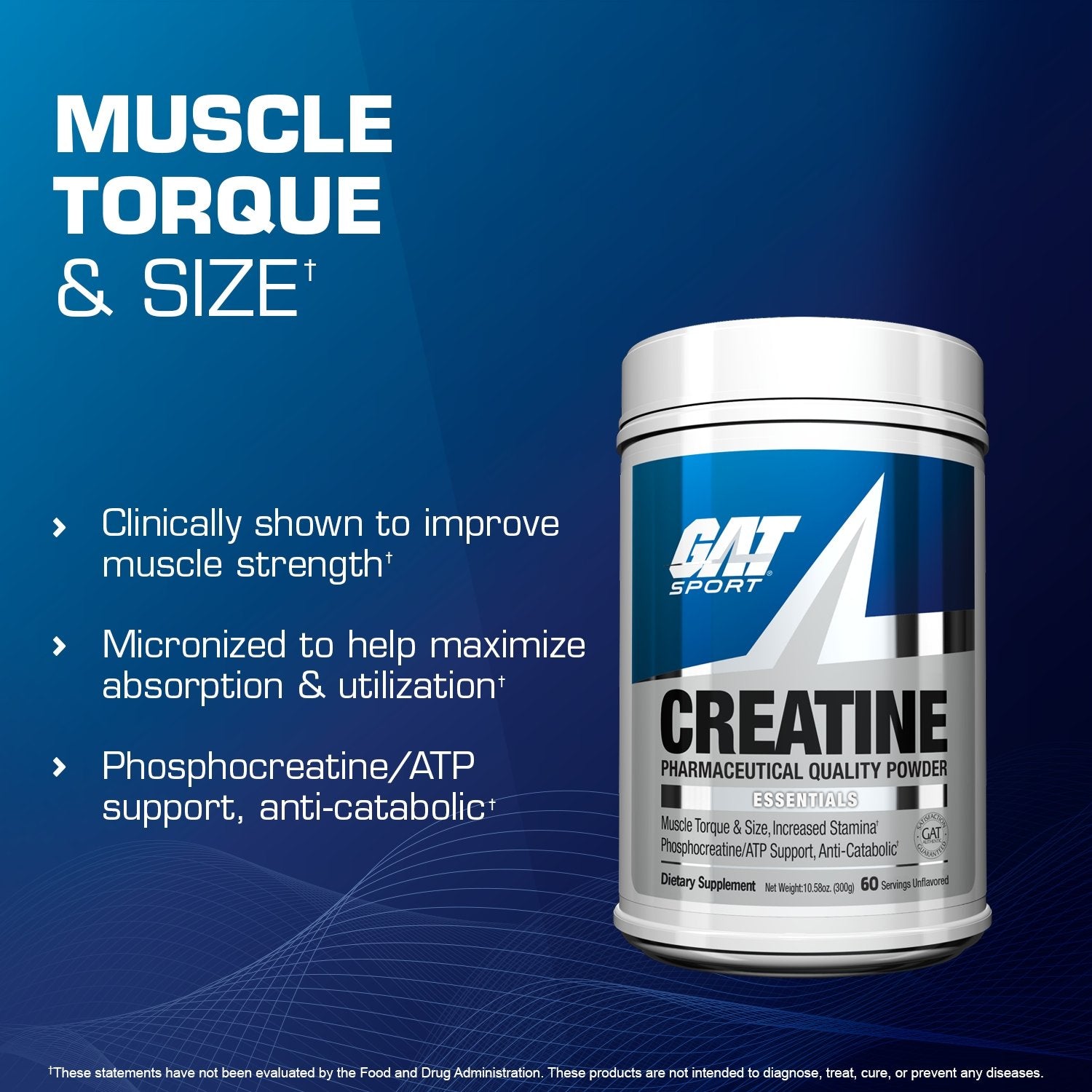
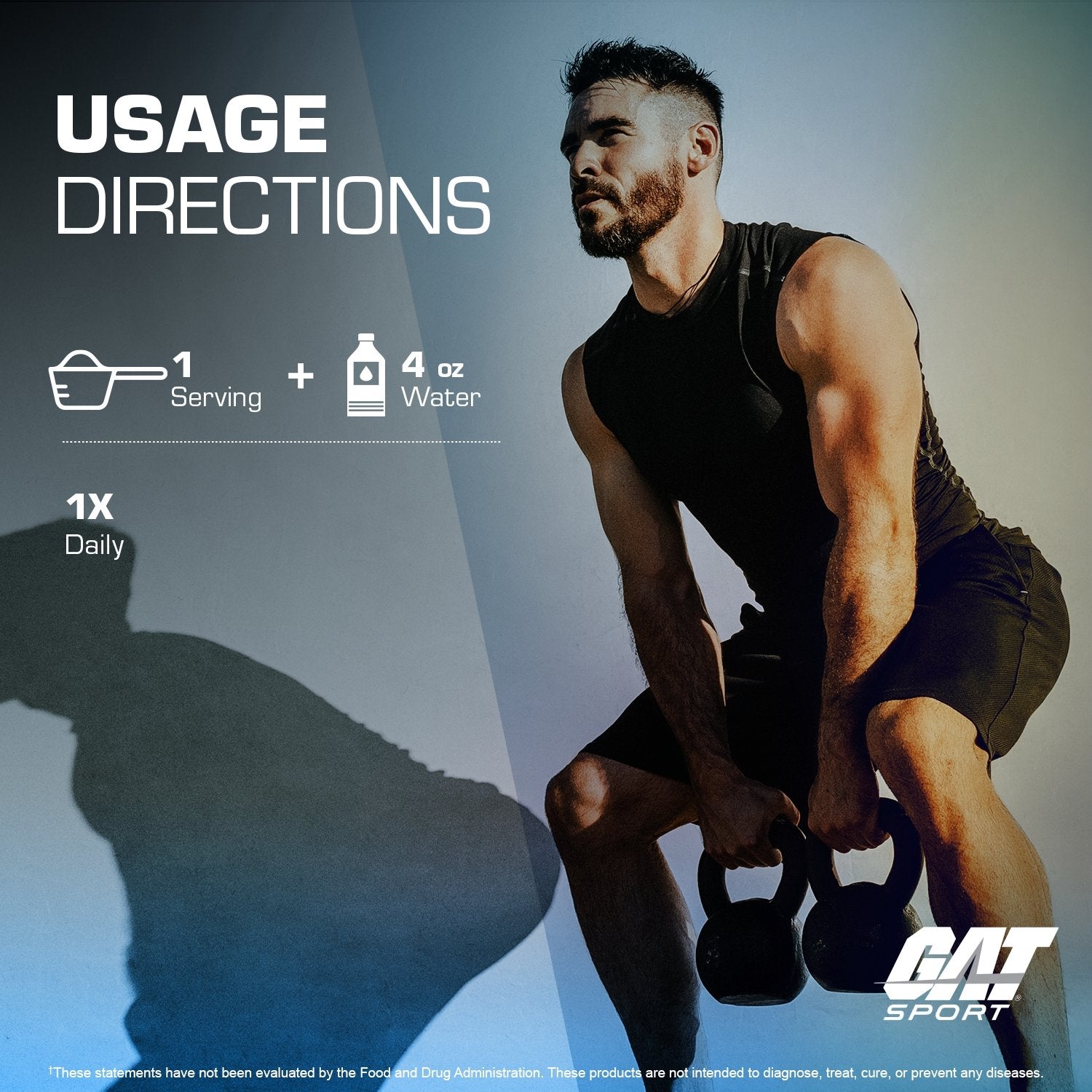
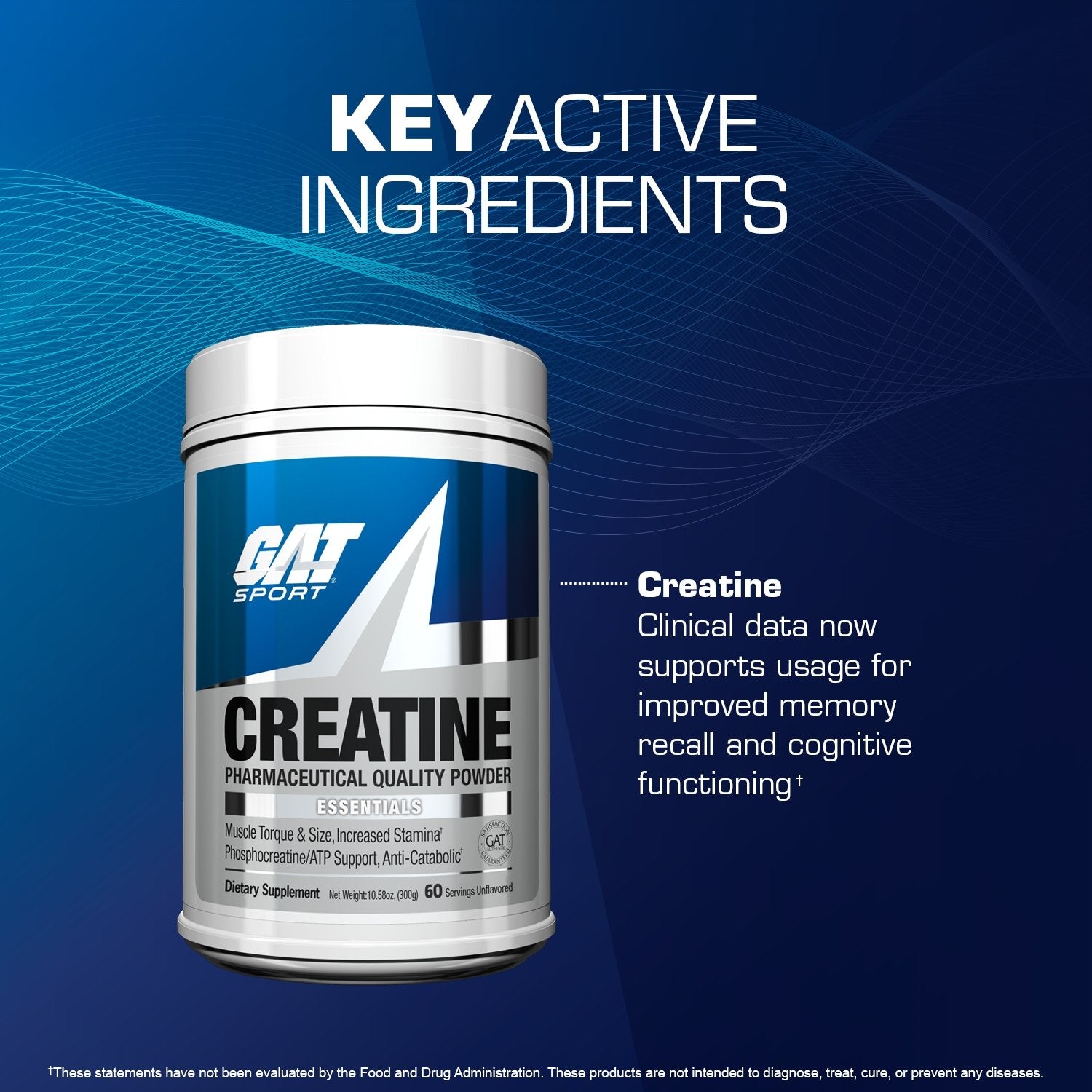
Start with creatine. The ISSN position stand on creatine concludes that creatine monohydrate is the most effective ergogenic nutritional supplement available for increasing high-intensity exercise capacity and lean body mass during training [4]. That capacity helps you perform quality work across both your lifting and your intervals. Creatine Monohydrate is the form the research is built on, and because it works through daily saturation, consistency is everything: take a daily dose and never skip it.
Recovery also depends on giving your muscles what they need to rebuild. The ISSN position stand on protein confirms that adequate protein intake combined with training drives the muscle protein synthesis that builds and preserves muscle [5]. Whole-food protein should anchor your intake, and Flexx EAAs offer a convenient way to deliver essential amino acids around your training sessions when a full meal is not practical, supporting the recovery that lets you train hard across both disciplines without falling behind.
Build a Body That Lifts and Lasts
Step back and the picture is clear. The fear that cardio erases muscle is mostly myth, built on an interference effect that is real but modest and entirely manageable. Concurrent training, programmed with a little intention, lets you build strength and conditioning together rather than sacrificing one for the other. Separate your hard cardio from your heavy lifting, favor lower-impact modalities, keep your diet and protein dialed in, and support recovery with creatine and adequate amino acids.
The lifter skipping every run to protect his gains has it backward. A body that can lift heavy and go the distance is more capable, more athletic, and healthier than one built on avoiding half of fitness out of fear. The myth is the only thing killing your gains.
Bust all five myths and build a body that lifts and lasts. Compete harder, all summer long, with GAT Sport at gatsport.com.

References
- Schumann, Moritz, et al. "Compatibility of Concurrent Aerobic and Strength Training for Skeletal Muscle Size and Function: An Updated Systematic Review and Meta-Analysis." Sports Medicine, vol. 52, no. 3, 2022, pp. 601-612, doi:10.1007/s40279-021-01587-7.
- Wilson, Jacob M., et al. "Concurrent Training: A Meta-Analysis Examining Interference of Aerobic and Resistance Exercises." Journal of Strength and Conditioning Research, vol. 26, no. 8, 2012, pp. 2293-2307, doi:10.1519/JSC.0b013e31823a3e2d.
- Murphy, Chaise, and Karsten Koehler. "Energy Deficiency Impairs Resistance Training Gains in Lean Mass but Not Strength: A Meta-Analysis and Meta-Regression." Scandinavian Journal of Medicine & Science in Sports, vol. 32, no. 1, 2022, pp. 125-137, doi:10.1111/sms.14075.
- Kreider, Richard B., et al. "International Society of Sports Nutrition Position Stand: Safety and Efficacy of Creatine Supplementation in Exercise, Sport, and Medicine." Journal of the International Society of Sports Nutrition, vol. 14, no. 18, 2017, doi:10.1186/s12970-017-0173-z.
- Jäger, Ralf, et al. "International Society of Sports Nutrition Position Stand: Protein and Exercise." Journal of the International Society of Sports Nutrition, vol. 14, no. 20, 2017, doi:10.1186/s12970-017-0177-8.