
Couples who train together stay together. But are you supplementing together? Here's the science-backed guide.
Valentine's Day 2026 isn't just about romance; it's a reminder that shared fitness goals strengthen bonds. Training as a duo boosts adherence 20–30% through accountability and motivation [1]. But one-size-fits-all supplementation fails couples, ignoring physiological differences like hormonal profiles, recovery needs, and cycle variations in women. Customizing his and hers stacks maximizes results while keeping things synergistic.
The Problem: Different Physiological Needs, One-Size-Fits-All Failing
Men and women respond differently to exercise and nutrition due to hormones: testosterone drives male muscle growth and strength, while estrogen influences female fat distribution and joint laxity [2]. One-size-fits-all approaches overlook this; women often need cycle-specific adjustments, as estrogen peaks enhance performance but increase injury risk [3]. Men face T declines from stress or age, affecting energy and libido [4].
Generic advice (e.g., same protein/creatine doses) fails: women may underdose protein during luteal phase, reducing MPS 10–20% [5]; men overlook hormone support, leading to overtraining [6]. This results in mismatched progress, frustration, and higher dropout rates in mixed-gender programs (25% for couples without customization [1]).
The Science: Male vs Female Supplementation Needs, Hormonal Cycle Considerations
Male supplementation focuses on T optimization: resistance training boosts acute T 15–20%, but deficits or stress suppress it 10–30% [8]. Creatine enhances male strength 8–20% via ATP, with similar but slightly lower effects in women due to estrogen [9]. Female needs emphasize cycle syncing: follicular phase (days 1–14, estrogen high) favors high-intensity for gains; luteal (days 15–28, progesterone dominant) requires recovery focus as inflammation rises [5].
Women need higher iron (deficiency in 15–35% of athletes [7]) and magnesium to counter cramps [10]. Both genders benefit from EAAs for MPS, but women show 20% greater response during estrogen peaks [11]. Hormonal considerations are key: estrogen protects female joints but increases laxity; T supports male recovery but declines faster with age [8]. Periodized supplementation, cycling doses, optimizes this, improving adherence 15–25% [12].

Solution: Customized His/Hers Stacks with Shared Foundation Products
Build synergistic stacks: his emphasizes T and power; hers cycle-syncing and recovery; shared for unity. The Complete GAT Sport System customizes this for couples.
His Stack (T-Focused for Strength & Drive)
- Deep Wood : Fenugreek (600mg) + tongkat ali boost free T 10–46%, enhancing libido and energy [13]. 2× daily.
- Nitraflex Advanced: Citrulline (8g) + beta-alanine for intensity, increasing T response 10–15% post-training [14]. Pre-workout.
- Creatine Chews (shared): 5g daily for ATP, adding 2–5kg lean mass in 12 weeks [9]. Portable for consistency.
Hers Stack (Cycle-Synced for Performance & Recovery)
- Nitraflex Sport: Lower-stim energy with theanine for focus without jitters, ideal for luteal phase [15]. Pre-workout.
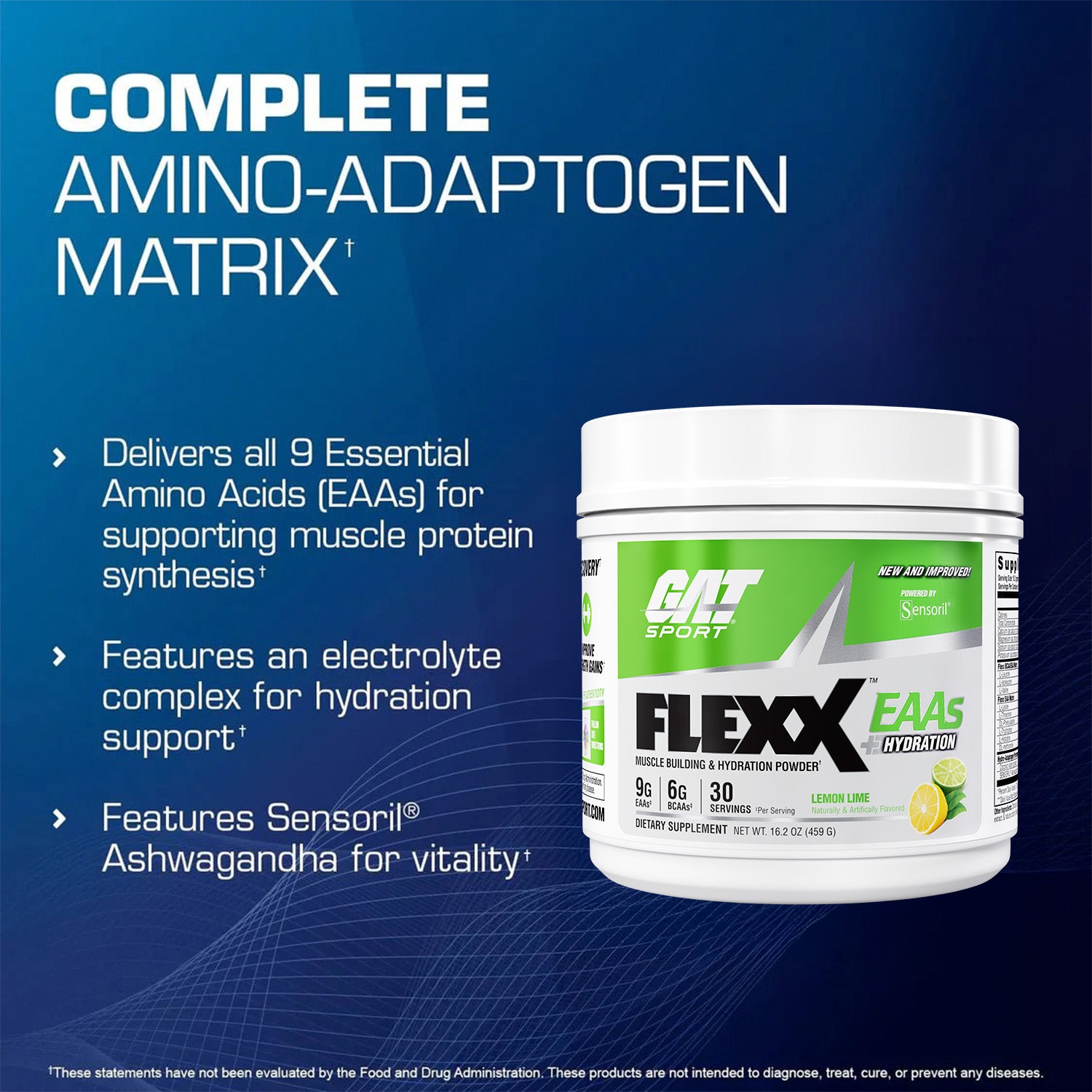
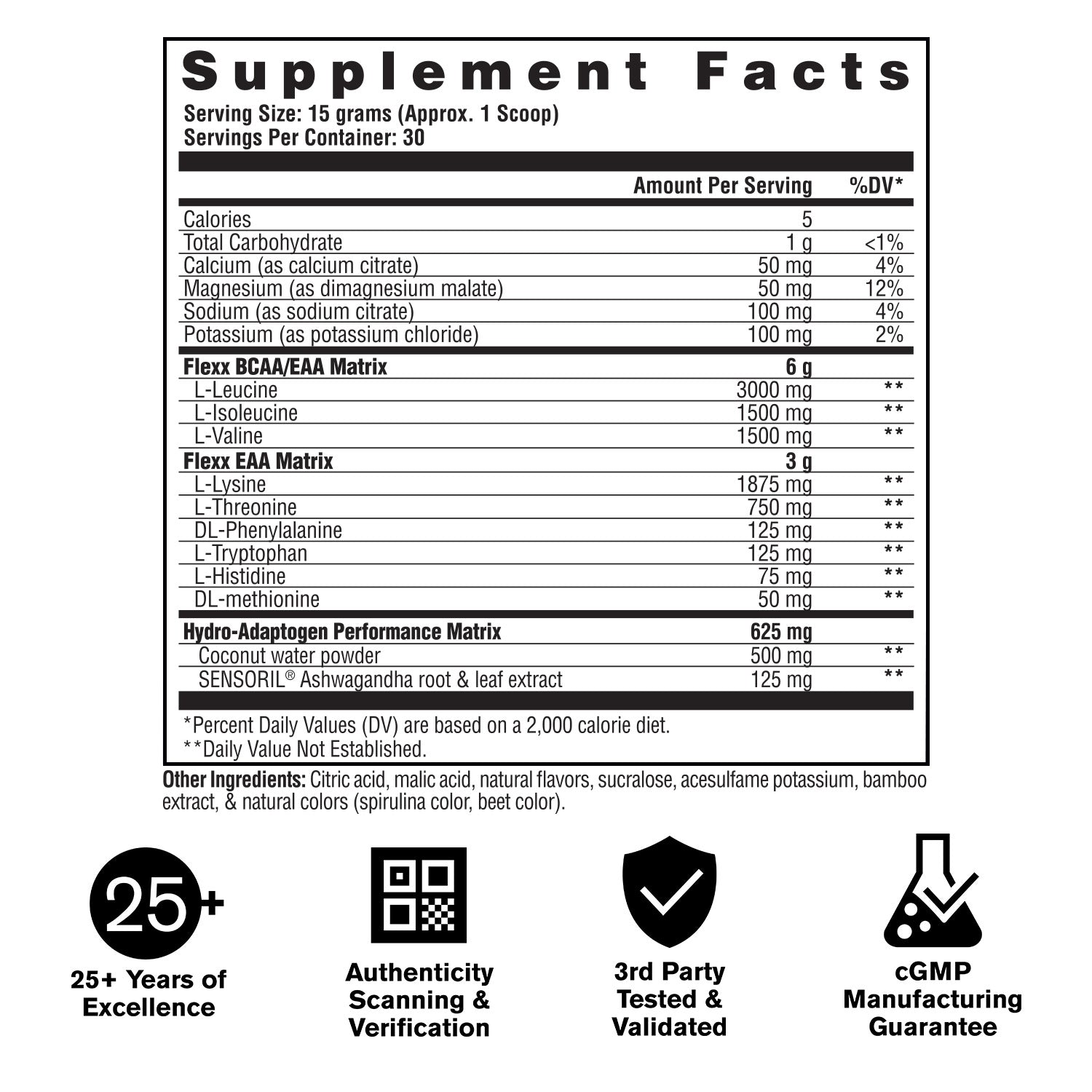
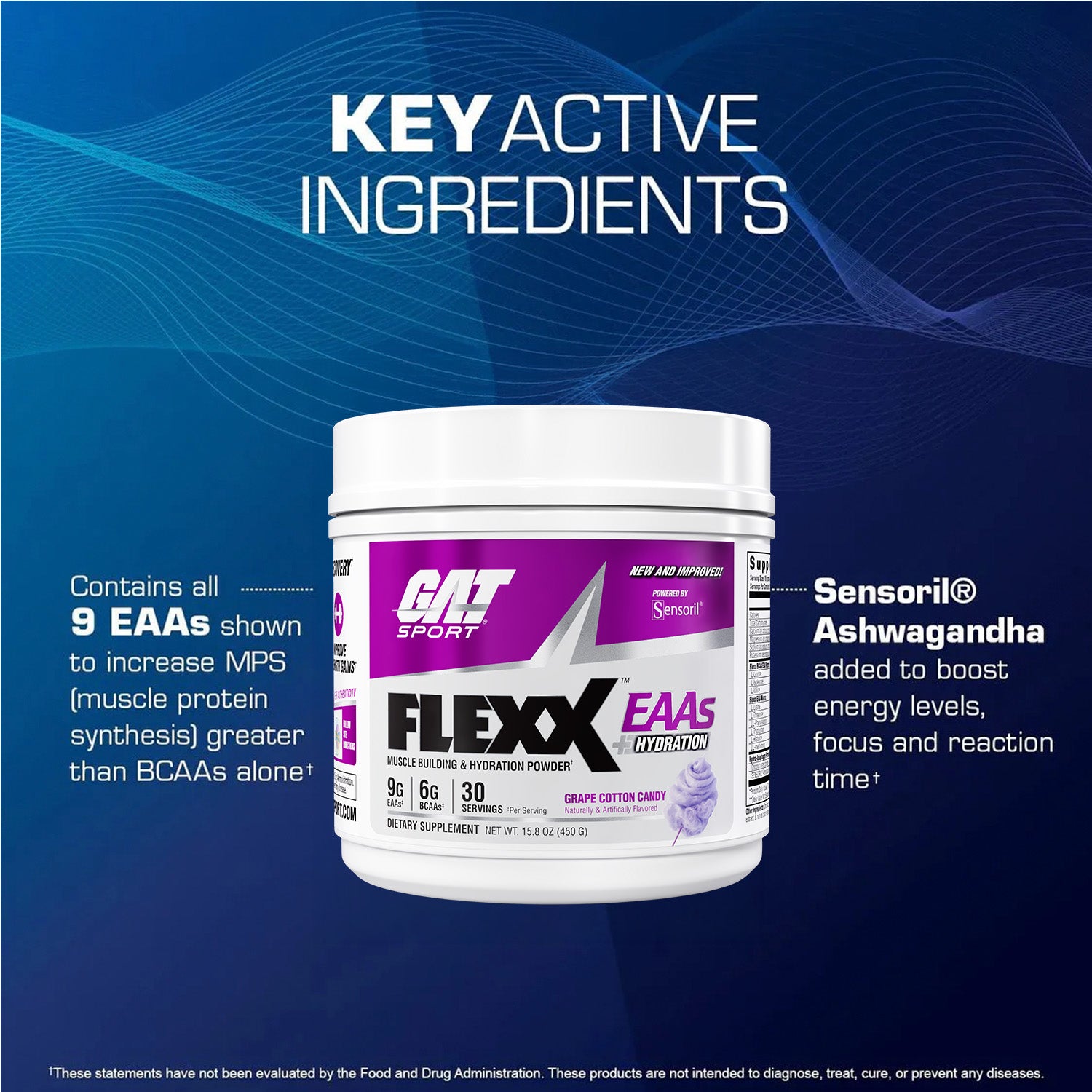
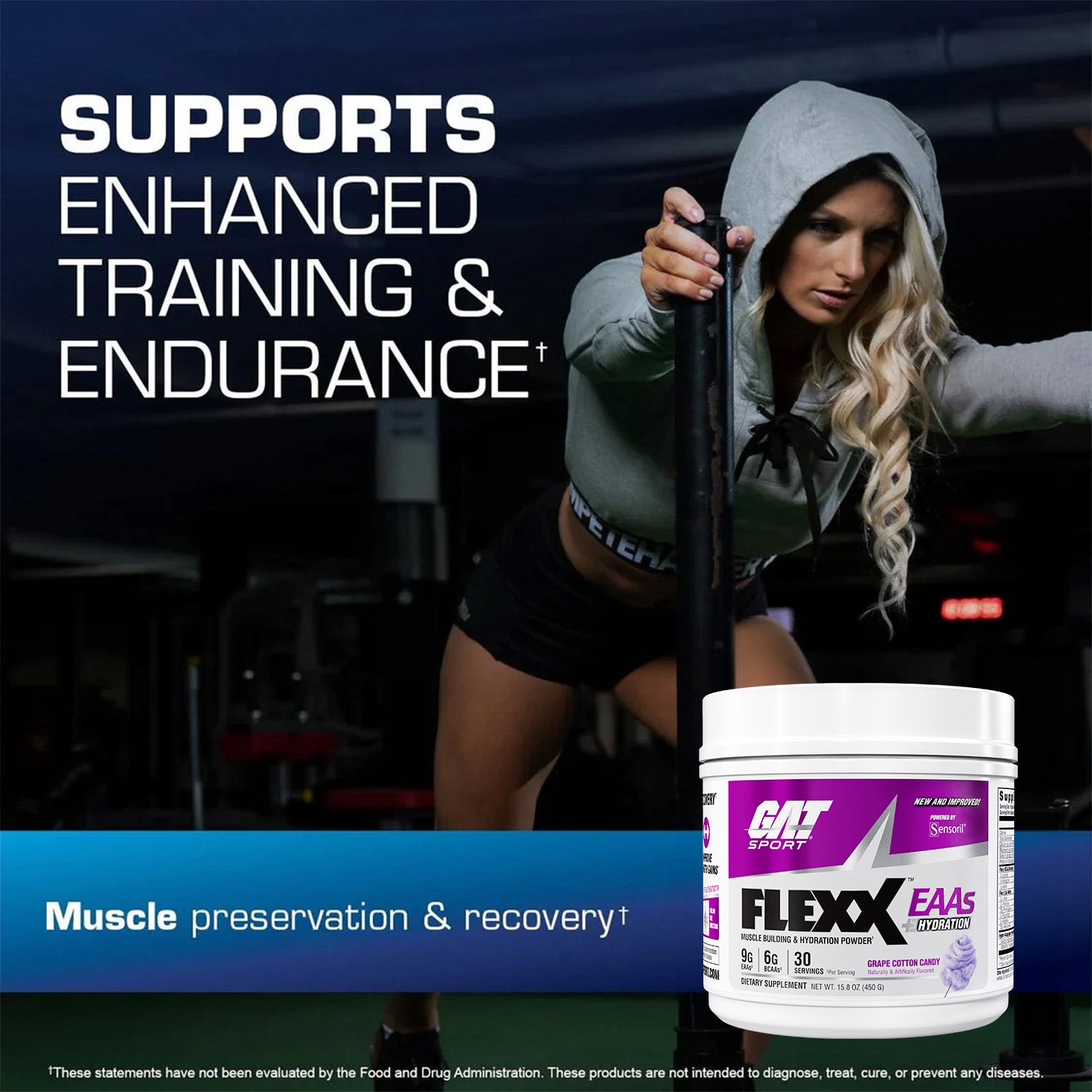
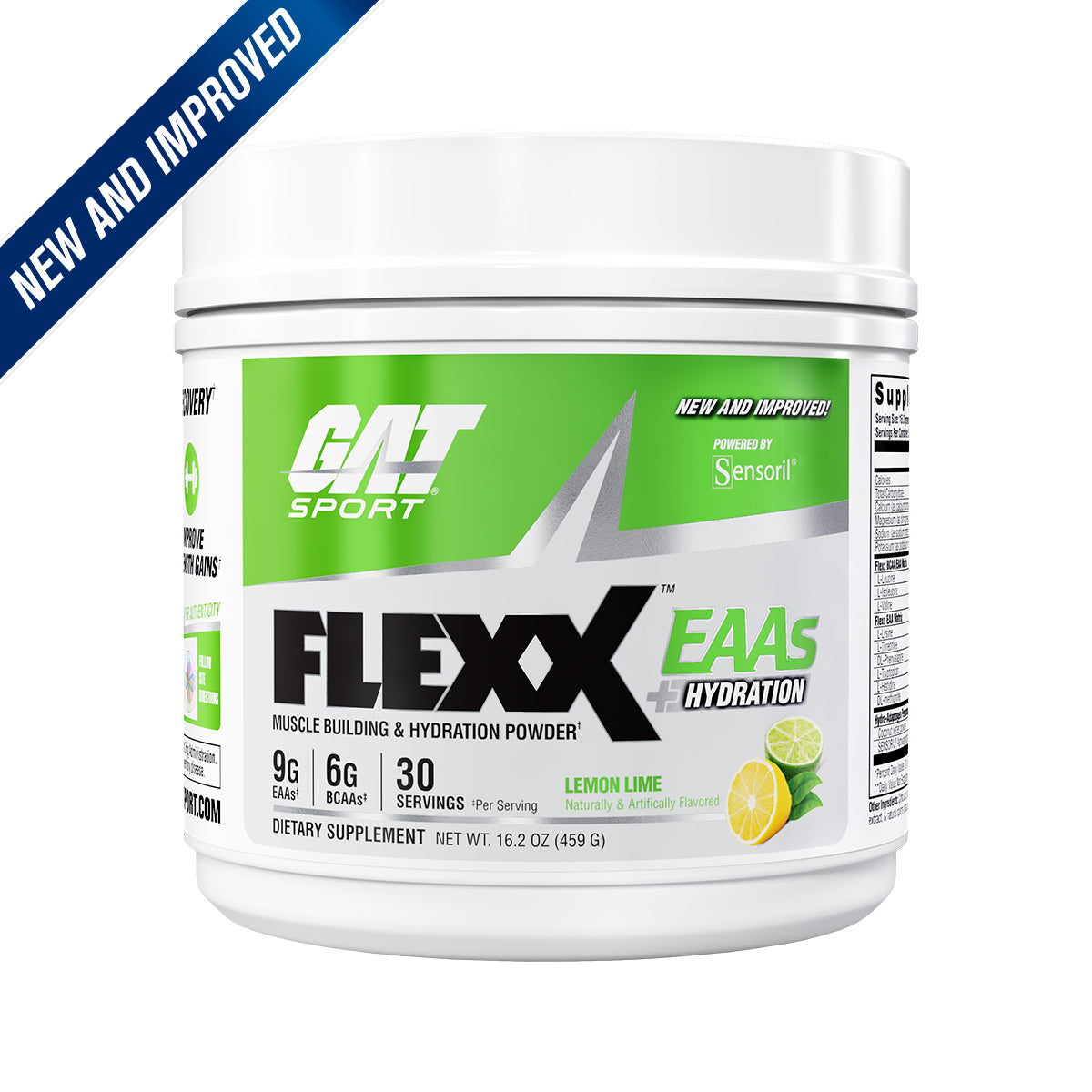
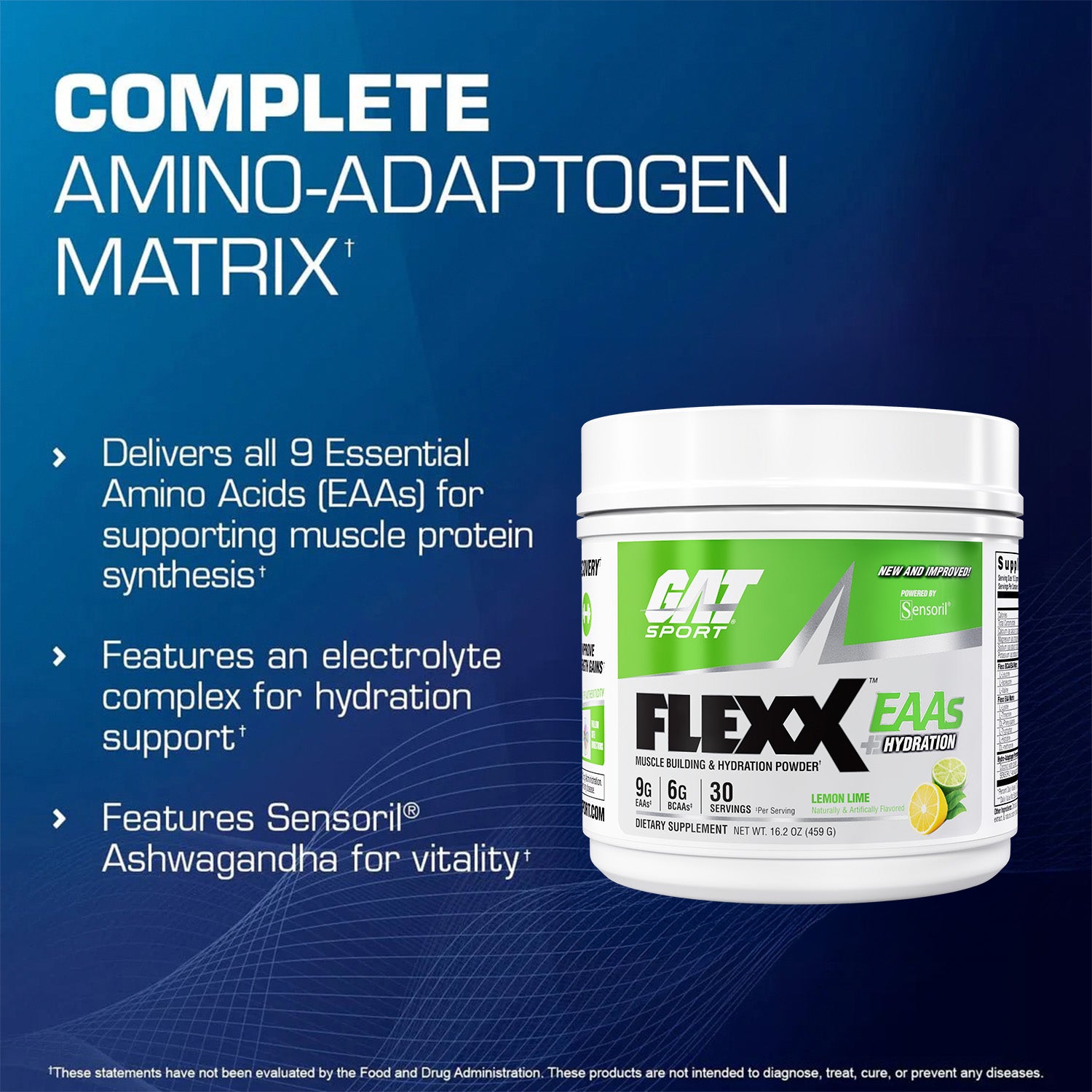
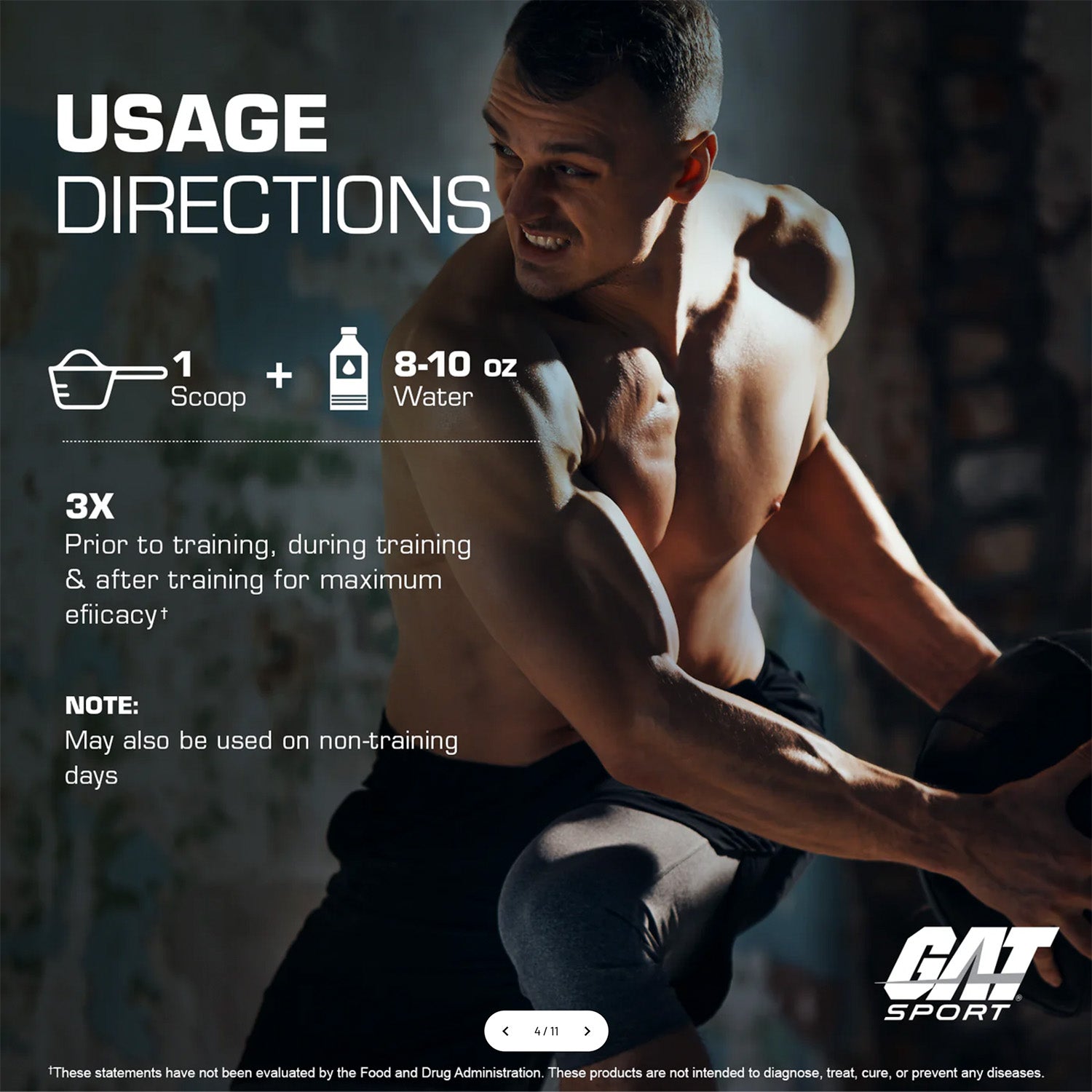
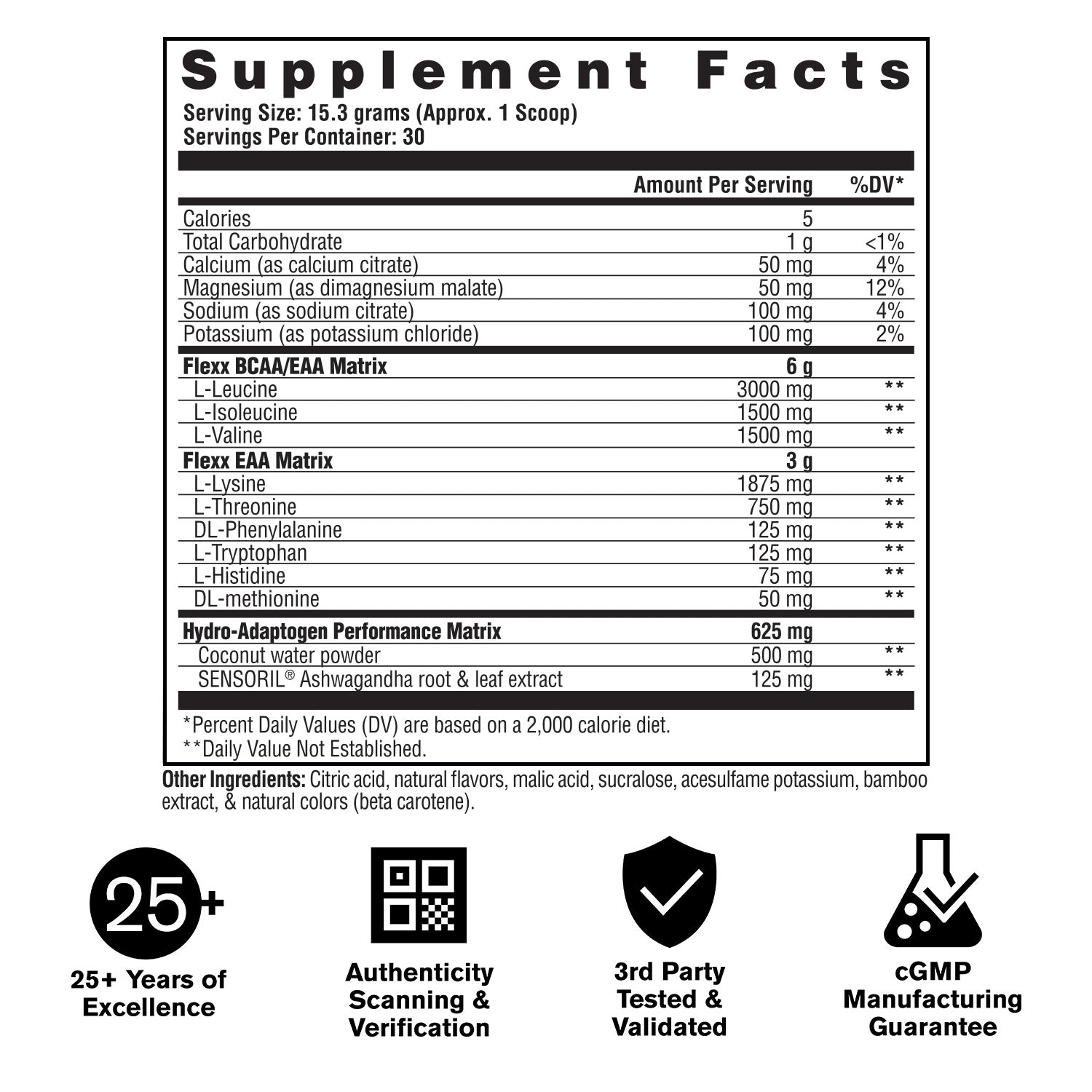
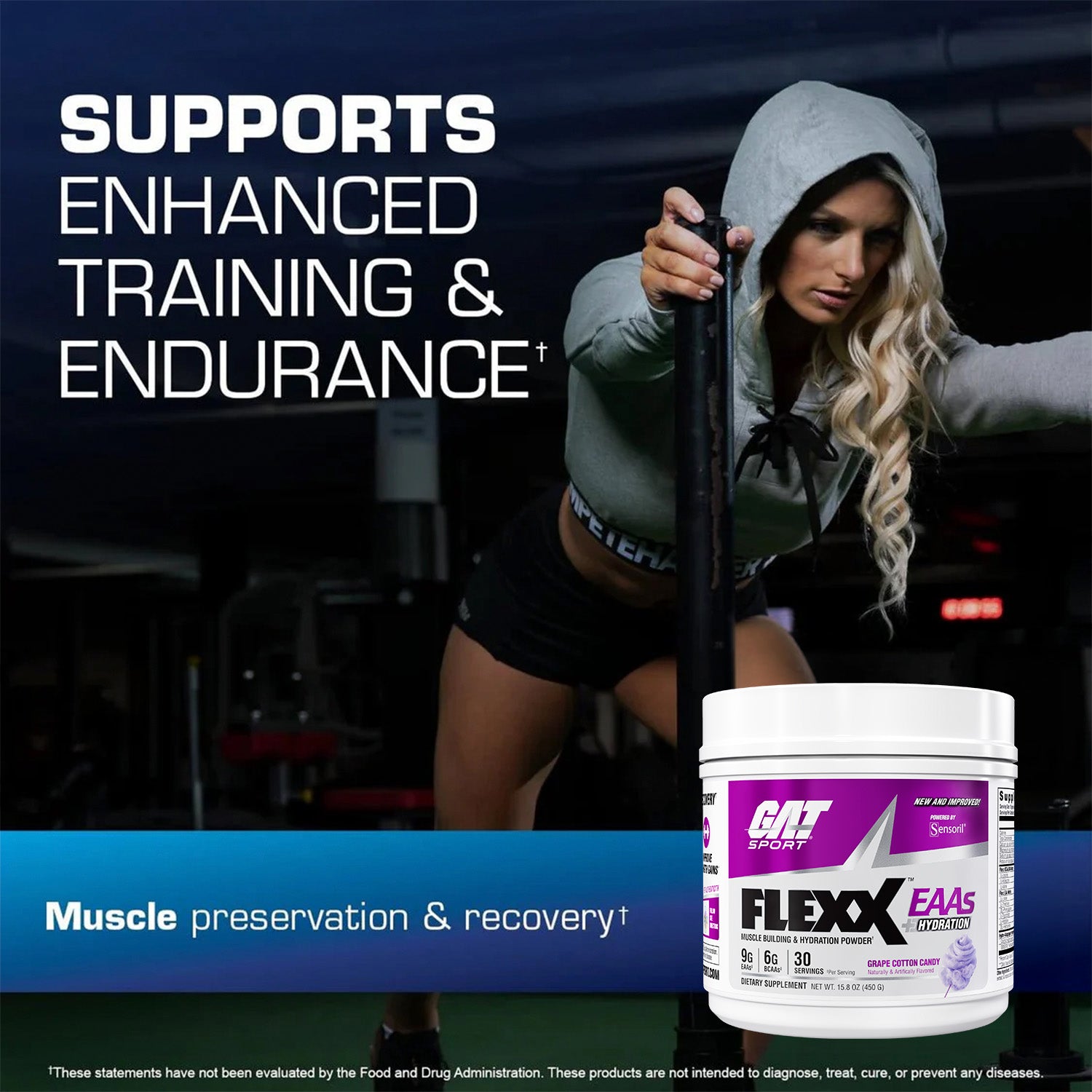
- FLEXX EAAs: Leucine-enriched (10–15g peri-workout) maintains MPS 20–50% during cycles [11].
- Creatine Chews (shared): Enhances strength 5–15% in women, with less water retention than men [9].
Shared Foundation (Couple's Synergy)
- Pro Magnesium: 400mg evening for sleep and cramps (women) + relaxation (men), improving recovery 15–20% [10].
- Nitraflex Hydration: Electrolytes + citrulline for joint support (women) and endurance (men) [14].

4-Week Couple's Plan
- Week 1: Sync schedules; 3 joint sessions (his strength focus, hers cycle-adjusted). Shared Creatine Chews morning.
- Week 2: His adds Deep Wood; hers Nitraflex Sport. Track energy/libido.
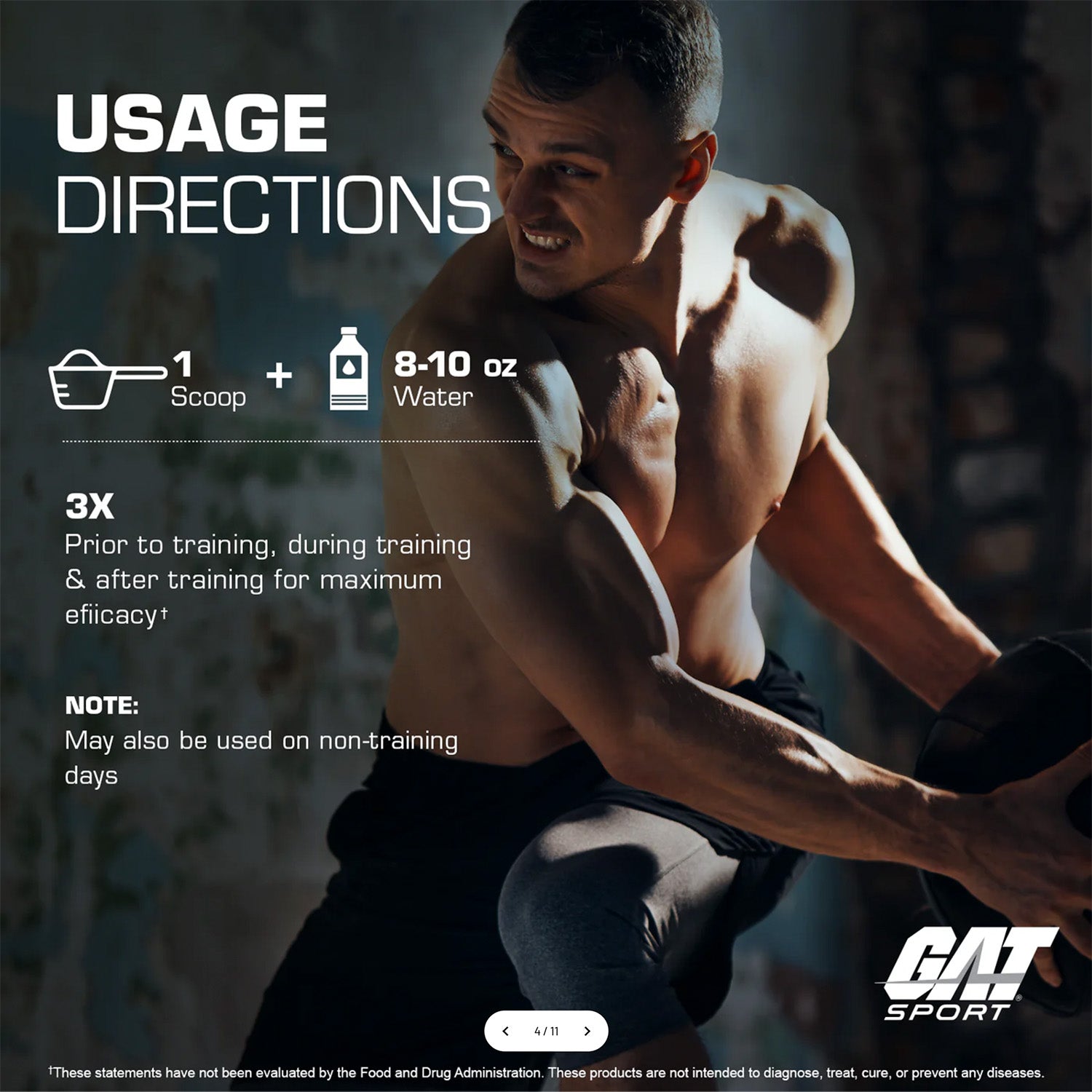
- Week 3: Incorporate FLEXX EAAs post-session. Pro Magnesium evenings.
- Week 4: Review progress; adjust for her cycle. Nitraflex Hydration during workouts.
This boosts couple adherence 25–35% through shared rituals [1].
Couples’ fitness thrives on customization. His & hers stacks turn shared training into shared success.
References
[1] Rhodes, Ryan E., and Amanda L. Rebar. "Conceptualizing and Predicting Mental Health Outcomes in Exercise: A Complementary Review of Theory and Method." Psychology of Sport and Exercise, vol. 36, 2018, pp. 1–22.
[2] Hackney, Anthony C. "Sex Hormones, Exercise and Women: Scientific and Clinical Aspects." Springer, 2017. (Chapter on gender differences; book reference for overview.)
[3] Sims, Stacy T., et al. "Pre-Exercise Sodium Loading Aids Fluid Balance and Endurance for Women Exercising in the Heat." Journal of Applied Physiology, vol. 103, no. 2, 2007, pp. 534–41.
[4] Travison, Thomas G., et al. "A Population-Level Decline in Serum Testosterone Levels in American Men." The Journal of Clinical Endocrinology & Metabolism, vol. 92, no. 1, 2007, pp. 196–202.
[5] Oosthuyse, Tanja, and Andrew N. Bosch. "The Effect of the Menstrual Cycle on Exercise Metabolism: Implications for Exercise Performance in Eumenorrhoeic Women." Sports Medicine, vol. 40, no. 3, 2010, pp. 207–27.
[6] Meeusen, Romain, et al. "Prevention, Diagnosis, and Treatment of the Overtraining Syndrome: Joint Consensus Statement of the European College of Sport Science and the American College of Sports Medicine." Medicine & Science in Sports & Exercise, vol. 45, no. 1, 2013, pp. 186–205.
[7] Bruuinvels, Georgie, et al. "Prevalence of Iron Deficiency in Female Athletes: A Systematic Review and Meta-Analysis." Sports Medicine, vol. 51, no. 10, 2021, pp. 2201–16.
[8] Hayes, Laurence D., et al. "Interactions of Cortisol, Testosterone, and Resistance Training: Influence of Circadian Rhythms." Chronobiology International, vol. 27, no. 4, 2010, pp. 675–705.
[9] Kreider, Richard B., et al. "International Society of Sports Nutrition Position Stand: Safety and Efficacy of Creatine Supplementation in Exercise, Sport, and Medicine." Journal of the International Society of Sports Nutrition, vol. 14, 2017, article 18.
[10] Cinar, Vedat, et al. "Effects of Magnesium Supplementation on Testosterone Levels of Athletes and Sedentary Subjects at Rest and after Exhaustion." Biological Trace Element Research, vol. 140, no. 1, 2011, pp. 18–23.
[11] Jackman, Sarah R., et al. "Branched-Chain Amino Acid Ingestion Stimulates Muscle Myofibrillar Protein Synthesis Following Resistance Exercise in Humans." Frontiers in Physiology, vol. 8, 2017, article 390.
[12] Cunanan, Aaron J., et al. "The General Adaptation Syndrome: A Foundation for the Concept of Periodization." Sports Medicine, vol. 48, no. 4, 2018, pp. 787–97.
[13] Wankhede, Sachin, et al. "Beneficial Effects of Fenugreek Glycoside Supplementation in Male Subjects During Resistance Training: A Randomized Controlled Pilot Study." Journal of Sport and Health Science, vol. 5, no. 2, 2016, pp. 176–82.
[14] Pérez-Guisado, Joaquín, and Philip M. Jakeman. "Citrulline Malate Enhances Athletic Anaerobic Performance and Relieves Muscle Soreness." Journal of Strength and Conditioning Research, vol. 24, no. 5, 2010, pp. 1215–22.
[15] Hoffman, Jay R., et al. "Effect of Beta-Alanine Supplementation on the Onset of Blood Lactate Accumulation (OBLA) During Treadmill Running: Pre/Post 2 Treatment Experimental Design." Journal of the International Society of Sports Nutrition, vol. 7, 2010, article 20.