

Most lifters spend June building and July apologizing for it. The cut is where strength quietly goes to die, unless you treat it like the main event.
You know the pattern. The weather warms up, the shirts come off, and suddenly every lifter who spent winter chasing a bigger squat is chasing a leaner waistline instead. The plan looks simple enough: slash the calories, pile on the cardio, watch the fat melt. Then August arrives and the numbers on the bar have quietly collapsed. The strength you spent months building feels like it belongs to someone else.
It does not have to go that way. A summer cut is not a sentence handed down to your strength. Done right, it is a phase you train through with intention, holding onto nearly everything you built while the body fat comes off.
How Do You Keep Your Strength While Cutting for Summer?
Here is the short answer, high up where you need it: you keep your strength during a summer cut by continuing to lift heavy, keeping protein intake high, and supporting recovery with creatine. Resistance training with adequate protein preserves lean mass even in a calorie deficit, and creatine helps maintain high-intensity performance while you diet. The deficit strips fat. The heavy work and the protein tell your body to hold onto muscle.
Everything that follows is the longer version: why this works, what the research actually says, and how to build the week so you arrive in August lean and still strong.
The Real Reason Strength Disappears on a Cut
The default Summer cut is a recipe for losing exactly what you worked for. Calories get cut to the bone. Cardio expands to fill every spare hour. And the one thing that actually protects your strength, heavy resistance training, gets quietly demoted because lifting hard on low fuel is uncomfortable.
The result is predictable. When the training stimulus that built your muscle disappears, the muscle has no reason to stick around during an energy shortage. Your body is efficient. In a deficit, it sheds what it does not believe it needs. If you stop demonstrating that you need your strength, the deficit becomes a negotiation you lose.
This is the part most lifters get backward. They treat the cut as a cardio problem when it is really a muscle-retention problem. Fat loss is driven by the energy deficit. Muscle retention is driven by what you do inside that deficit. Get the second part right and the first part takes care of the aesthetics.
What the Research Actually Says
This is not bro-science or gym-floor folklore. The science on preserving muscle during a deficit is clear and well documented in the position stands of the International Society of Sports Nutrition.
Protein Is the Non-Negotiable
The ISSN position stand on protein and exercise states that for building and maintaining muscle mass, a daily protein intake of 1.4 to 2.0 grams per kilogram of body weight is sufficient for most exercising individuals [1]. But cutting is not a maintenance situation. It is a hypocaloric one, and the recommendations climb accordingly.
The same body of work notes that higher protein intakes of 2.3 to 3.1 grams per kilogram of body weight may be needed to maximize the retention of lean body mass in resistance-trained individuals during hypocaloric periods [1]. In plain terms: the leaner you are and the harder you diet, the more protein you need to defend your muscle. The ISSN position stand on diets and body composition reinforces this directly, concluding that when an elevated daily intake of protein is combined with resistance training and a reduced-calorie diet, it can promote greater losses of fat mass and greater overall improvements in body composition [2].
There is a pacing lesson buried in that same document worth heeding. The position stand notes that slower rates of weight loss can better preserve lean mass in leaner subjects [2]. Crash diets are not just miserable; they are counterproductive for anyone trying to stay strong.
Keep the Heavy Work In
Protein gives your body the raw material to hold muscle. Heavy training gives it the reason. The research on reduced-training scenarios shows that when training intensity and volume are maintained, the majority of strength and muscle adaptations are preserved [3]. Intensity is the variable that protects your hard-won strength, even when other factors are scaled back.
The application during a cut is straightforward. This is not the time to abandon your working weights and chase the burn with endless light, high-rep circuits. The load on the bar is the signal that tells your body to keep the strength it has. Volume can flex down to manage fatigue on lower fuel, but the intensity needs to stay.
Let Creatine Do Its Job
Creatine is the most researched performance supplement available, and its value during a cut is specific and meaningful. The ISSN position stand on creatine concludes that creatine monohydrate is the most effective ergogenic nutritional supplement currently available to athletes in terms of increasing high-intensity exercise capacity and lean body mass during training [4].
That phrase, high-intensity exercise capacity, is the whole point during a cut. When calories are low and energy is scarce, your ability to keep moving heavy loads is exactly what is under threat. Creatine supports the phosphocreatine energy system that powers your heaviest sets, helping you maintain training quality when your fuel tank is running lower than usual. It is the difference between grinding out your working sets and watching them slip.

Building the No Off-Season Cut
Knowing the science is one thing. Living it through July is another. Here is how the framework comes together into a week you can actually run.
1. Anchor Every Session
Training hard in a deficit demands focus that low energy availability tends to erode. A dialed-in pre-workout bridges that gap, sharpening focus and supporting output so your heavy sessions stay heavy.
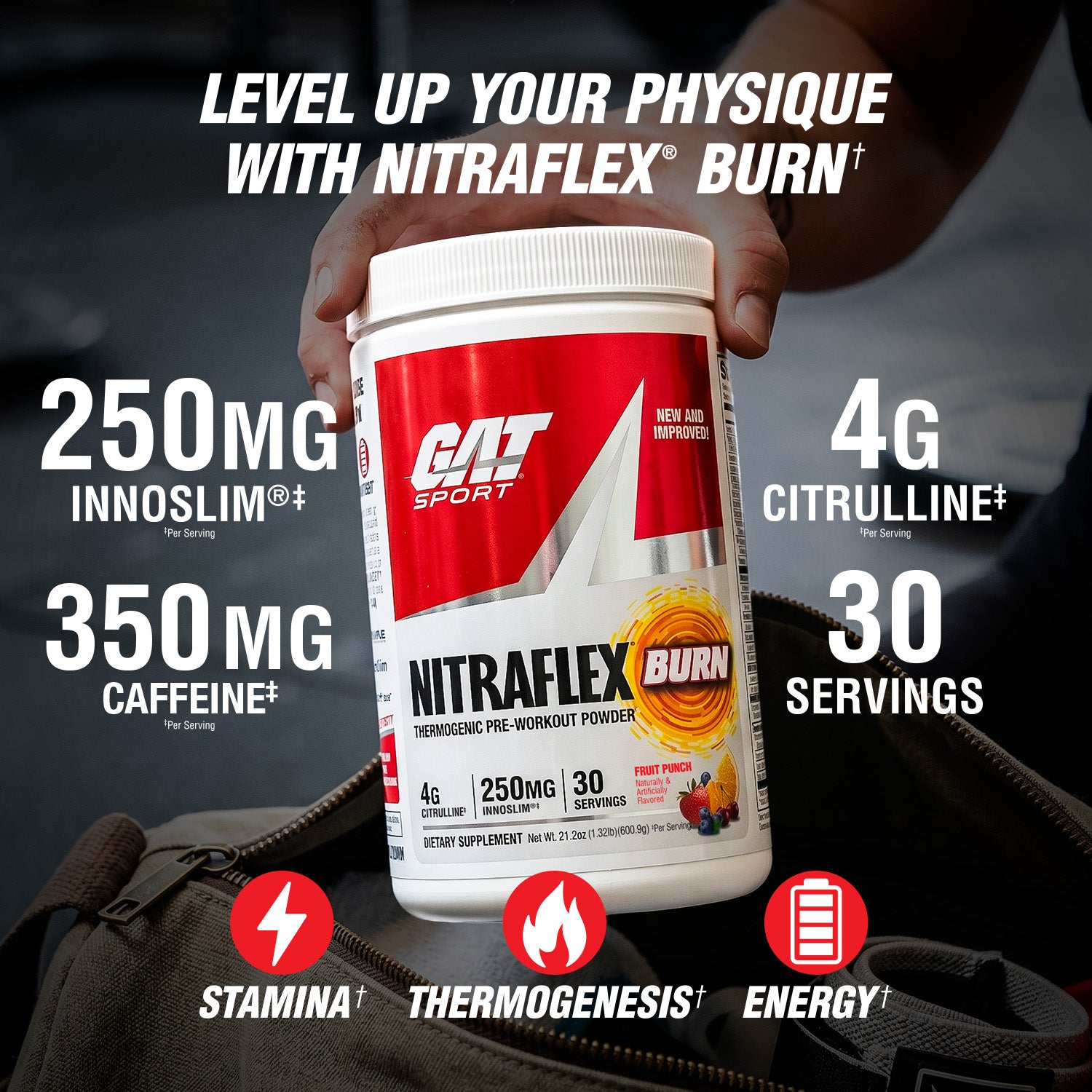
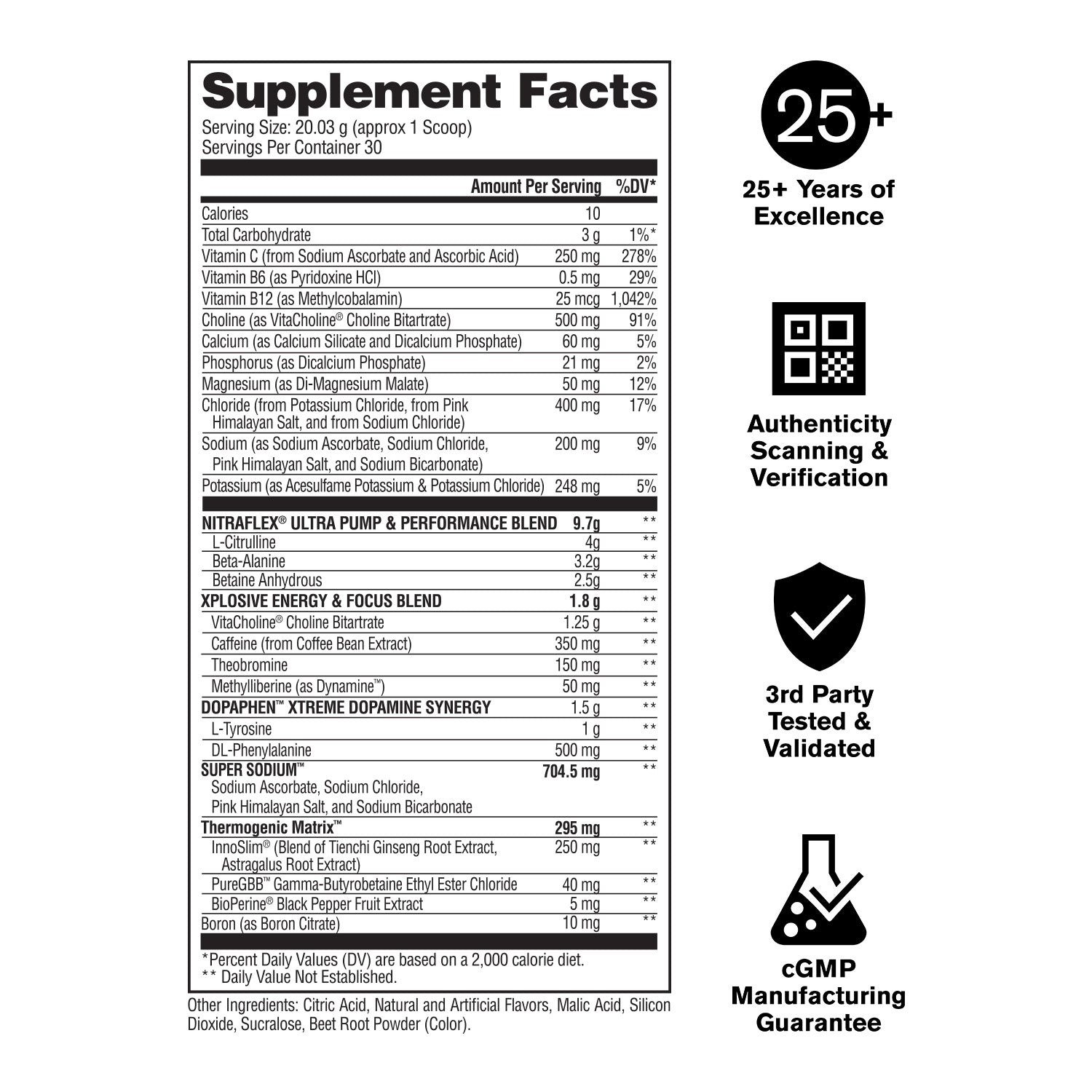
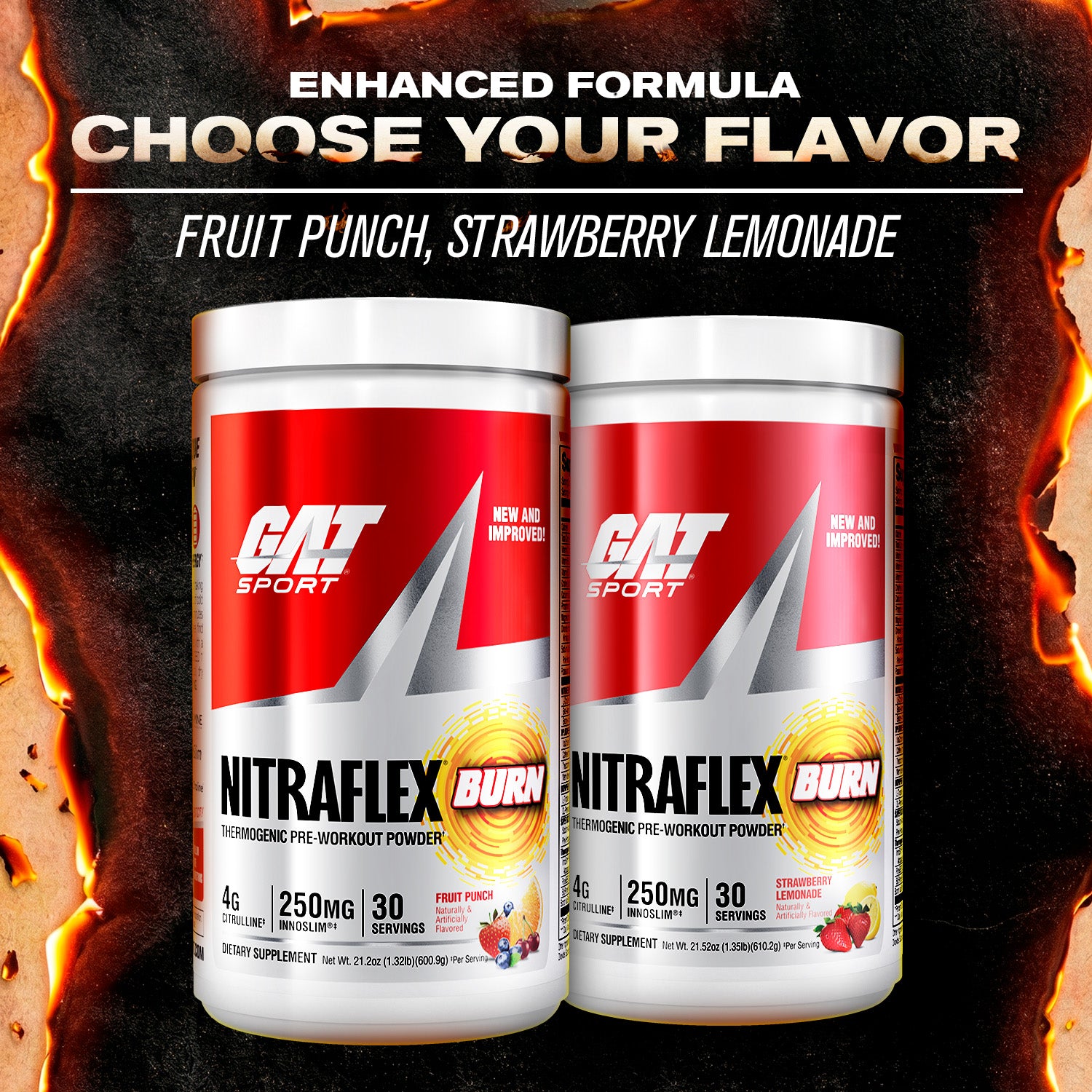
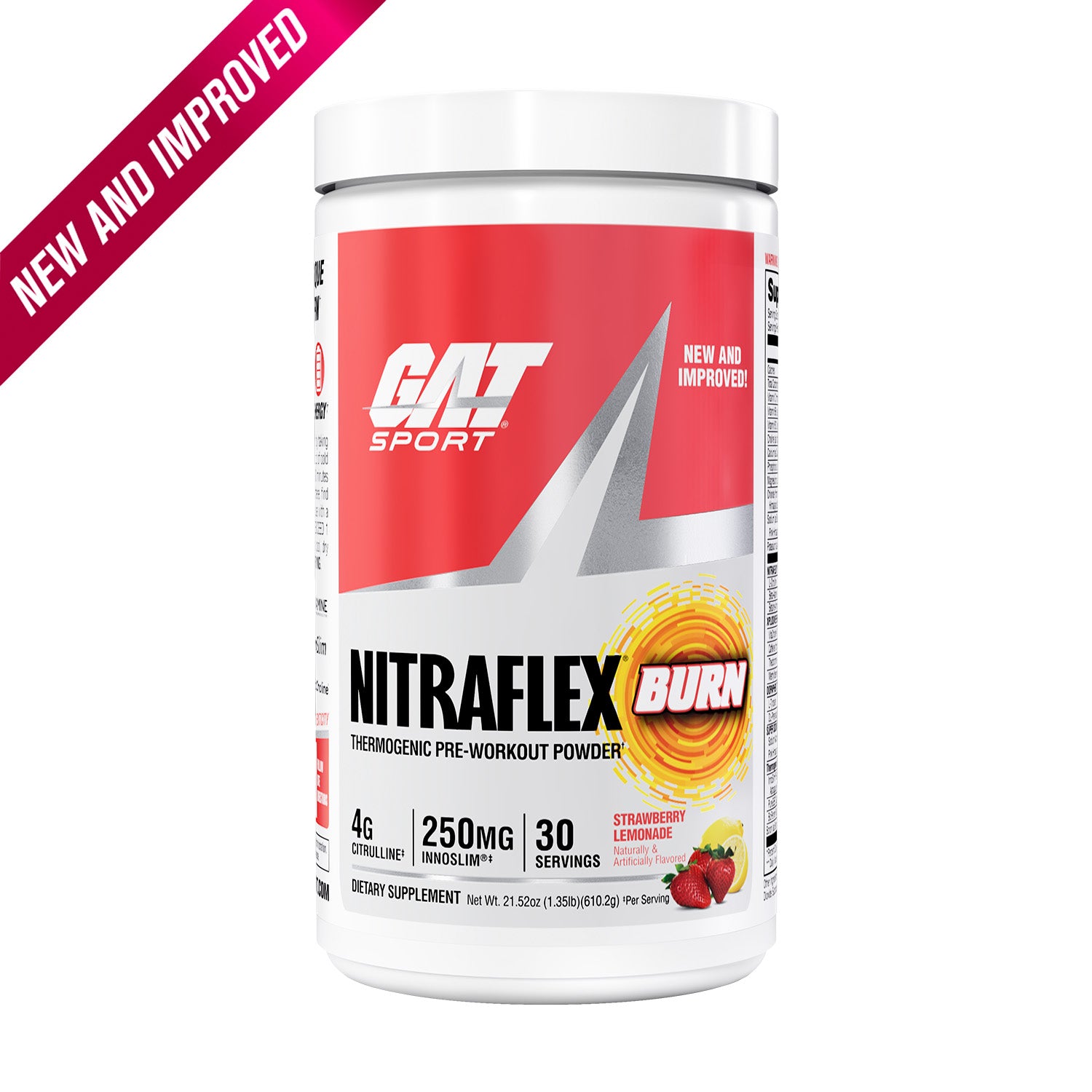
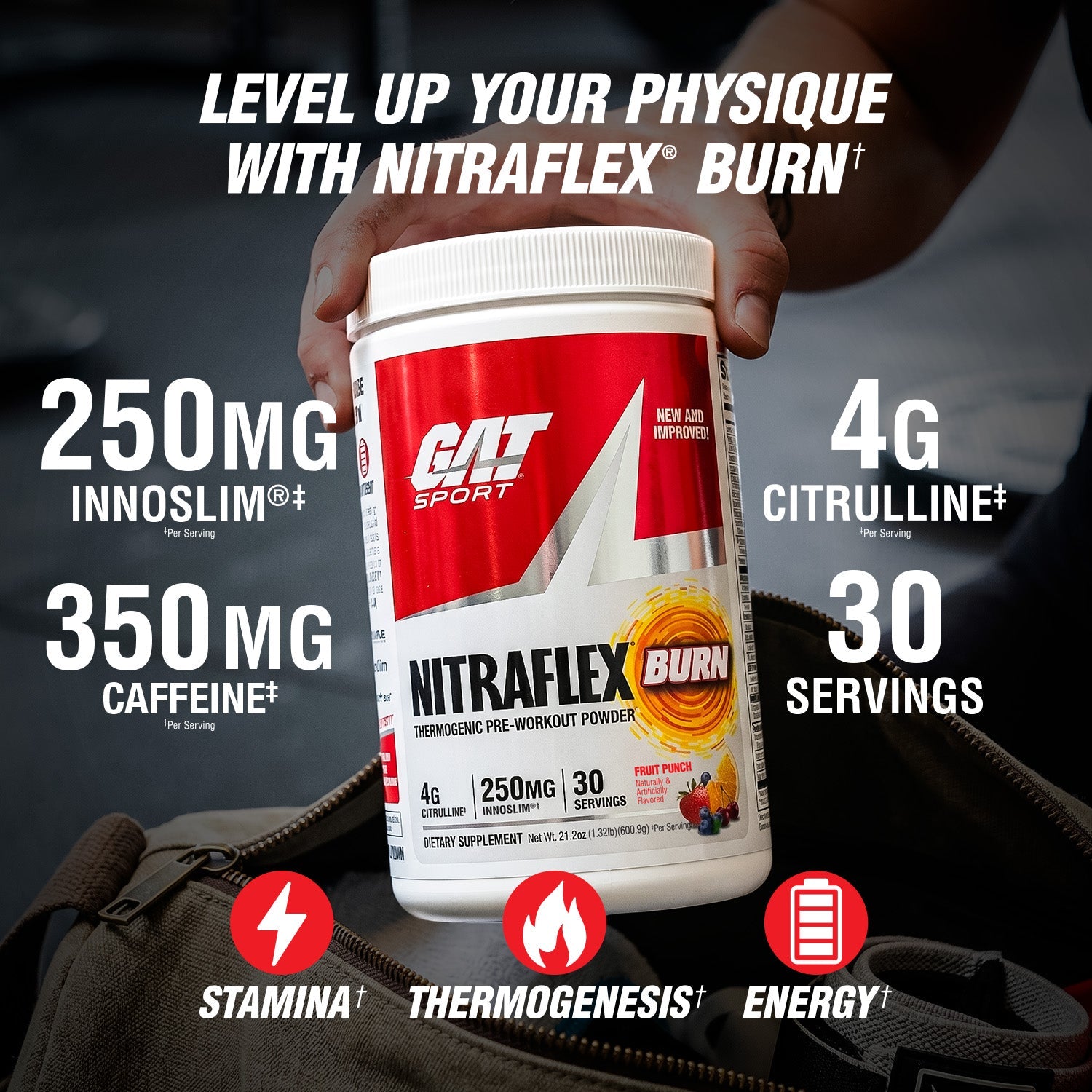
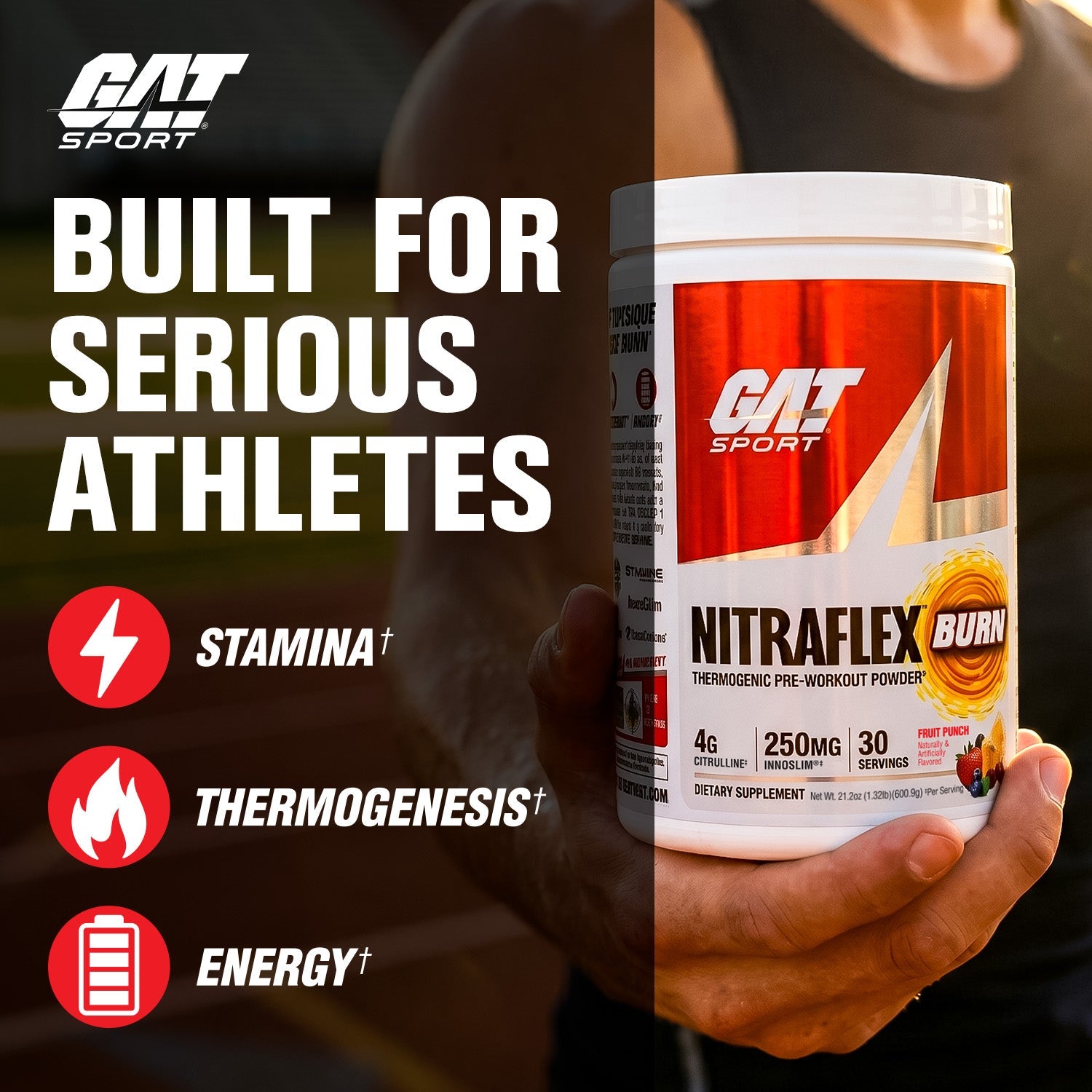
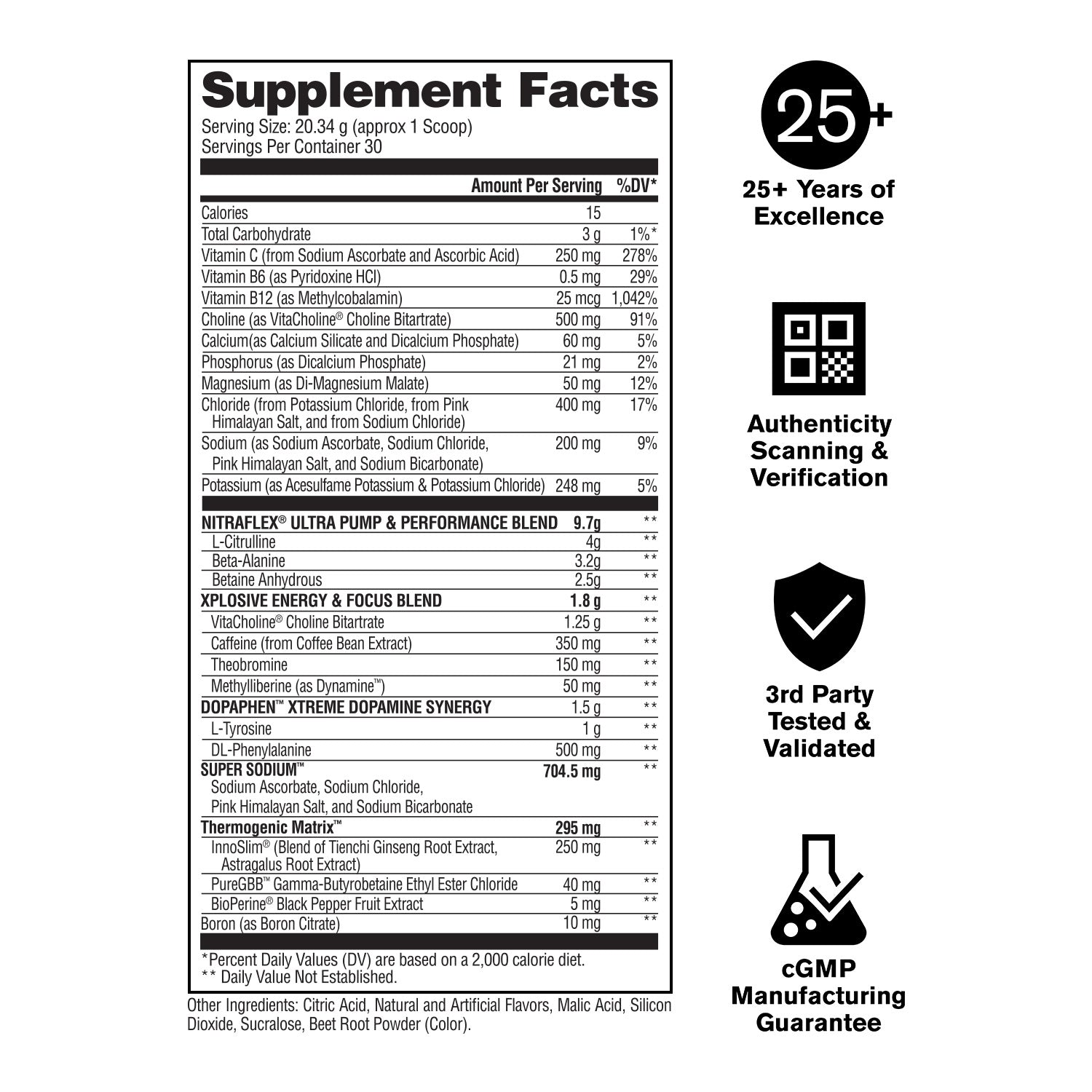
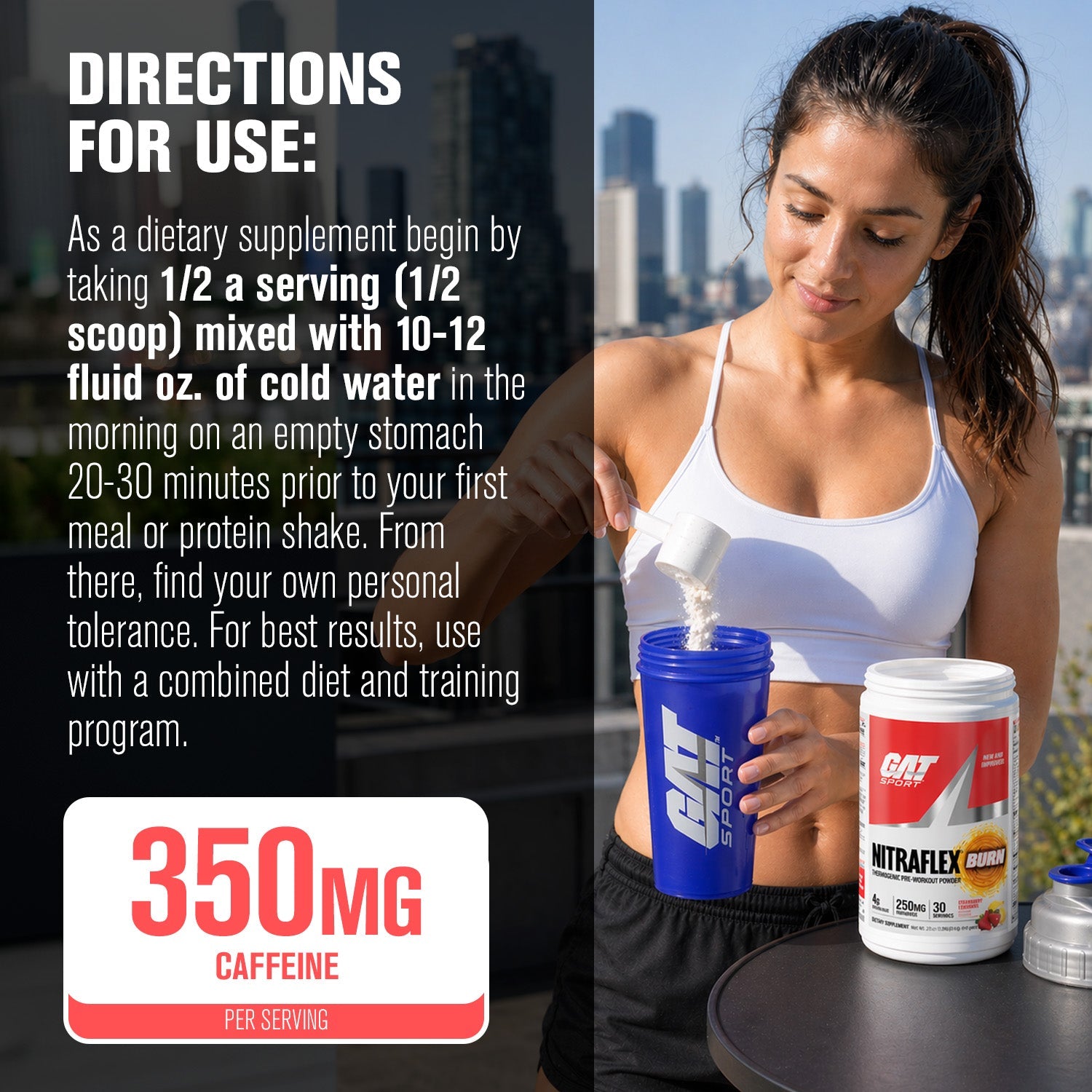
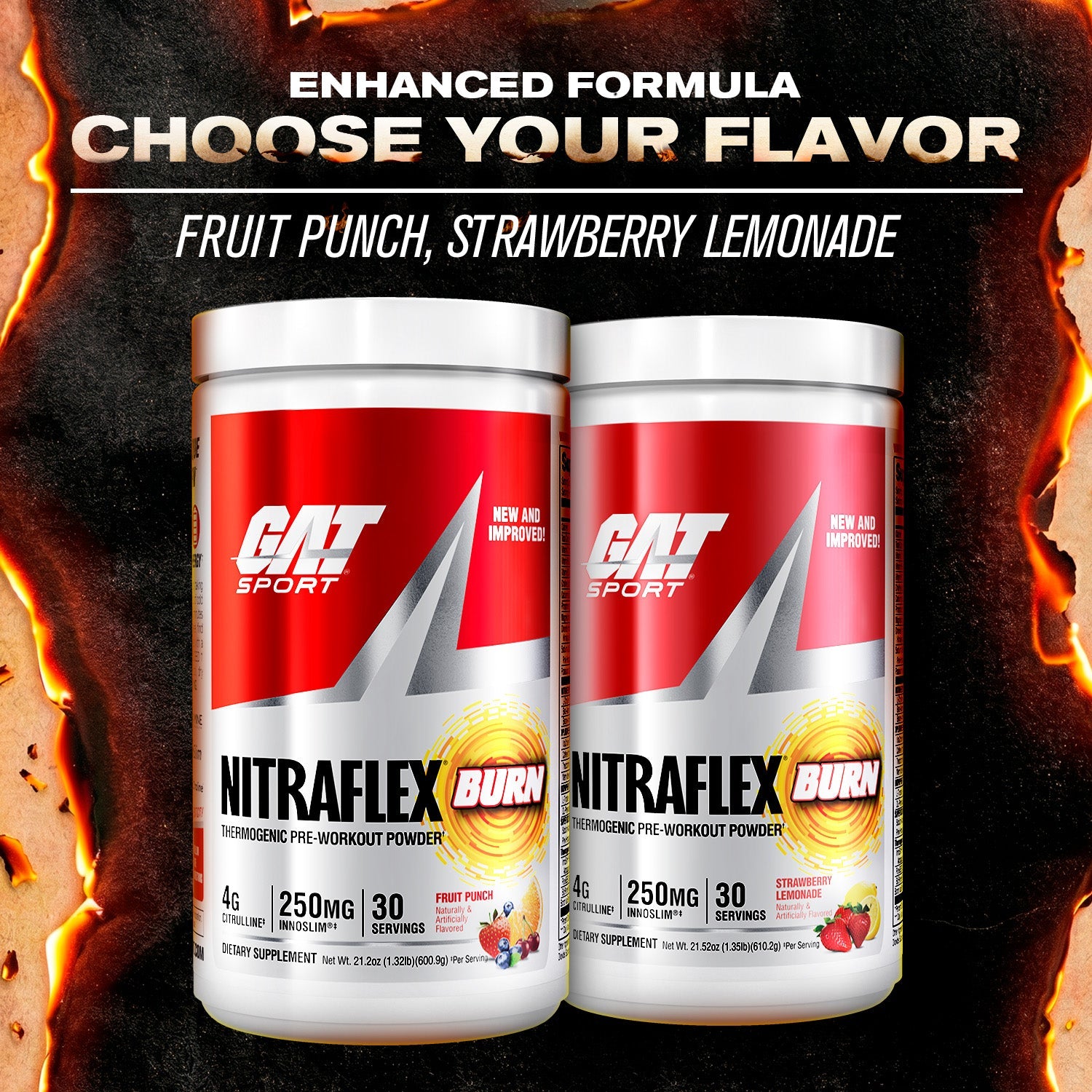
This is where Nitraflex Burn earns its place as the foundation of the No Off-Season cut. It is built for the full training session, the days you are under the bar with real weight and need to bring genuine intensity. The ISSN position stand on caffeine confirms that pre-workout supplements containing caffeine enhance both anaerobic and aerobic performance, with caffeine consistently improving exercise performance at doses of 3 to 6 milligrams per kilogram of body mass [5]. When the cut is trying to take your edge, Nitraflex Burn helps you keep it.
For the days Summer pulls you away from your home gym, when you are training outdoors, traveling, or squeezing in a session on the move, Nitraflex Chews deliver that same focused pre-workout support in a format that goes where you go. No shaker, no water, no excuses for a flat session.
2. Hold Protein High, Every Day
Make protein the constant your diet is built around. Anchor each meal with a substantial protein source and aim toward the upper end of the research-backed range as your deficit deepens and you lean out. This single habit does more to protect your strength than any other dietary choice during a cut.
3. Keep Creatine Simple and Consistent
Creatine works through saturation, not timing, so the only thing that matters is taking it every day. Creatine Monohydrate remains the gold standard the research is built on, the same form the ISSN identifies as the most effective. A daily dose keeps your muscles saturated and your high-intensity capacity supported through every week of the cut. Take it whenever it fits your routine and never skip it.
4. Let the Deficit Be the Only Aggressive Variable
The energy deficit is doing the fat-loss work. It does not need reinforcements in the form of brutal calorie restriction and punishing cardio volume that only accelerate muscle loss. Keep the deficit moderate, keep the protein high, keep the iron heavy, and let time do the rest. Patience here is not weakness; it is the strategy that keeps your strength intact.
The Bottom Line
A Summer cut and your strength are not enemies. The lifters who lose their numbers every July are not unlucky; they are running a flawed plan that treats the cut as a cardio sprint instead of a training phase. The evidence points to a better way: train heavy, eat protein like it is your job, supplement smart, and let a moderate deficit reveal the physique underneath.
There is no off-season. There is only the next phase, run with intention. Cut for Summer, keep your strength, and walk into fall leaner and just as powerful as the day you started.
Read the full No Off-Season cut framework and start week one today. Train hard, eat with purpose, and compete harder all summer long with GAT Sport.

- Jäger, Ralf, et al. "International Society of Sports Nutrition Position Stand: Protein and Exercise." Journal of the International Society of Sports Nutrition, vol. 14, no. 20, 2017, doi:10.1186/s12970-017-0177-8.
- Aragon, Alan A., et al. "International Society of Sports Nutrition Position Stand: Diets and Body Composition." Journal of the International Society of Sports Nutrition, vol. 14, no. 16, 2017, doi:10.1186/s12970-017-0174-y.
- Mpampoulis, Thomas, et al. "Effect of Different Reduced Training Frequencies after 12 Weeks of Concurrent Resistance and Aerobic Training on Muscle Strength and Morphology." Sports, vol. 12, no. 7, 2024, article 198, doi:10.3390/sports12070198.
- Kreider, Richard B., et al. "International Society of Sports Nutrition Position Stand: Safety and Efficacy of Creatine Supplementation in Exercise, Sport, and Medicine." Journal of the International Society of Sports Nutrition, vol. 14, no. 18, 2017, doi:10.1186/s12970-017-0173-z.
- Guest, Nanci S., et al. "International Society of Sports Nutrition Position Stand: Caffeine and Exercise Performance." Journal of the International Society of Sports Nutrition, vol. 18, no. 1, 2021, article 1, doi:10.1186/s12970-020-00383-4.