
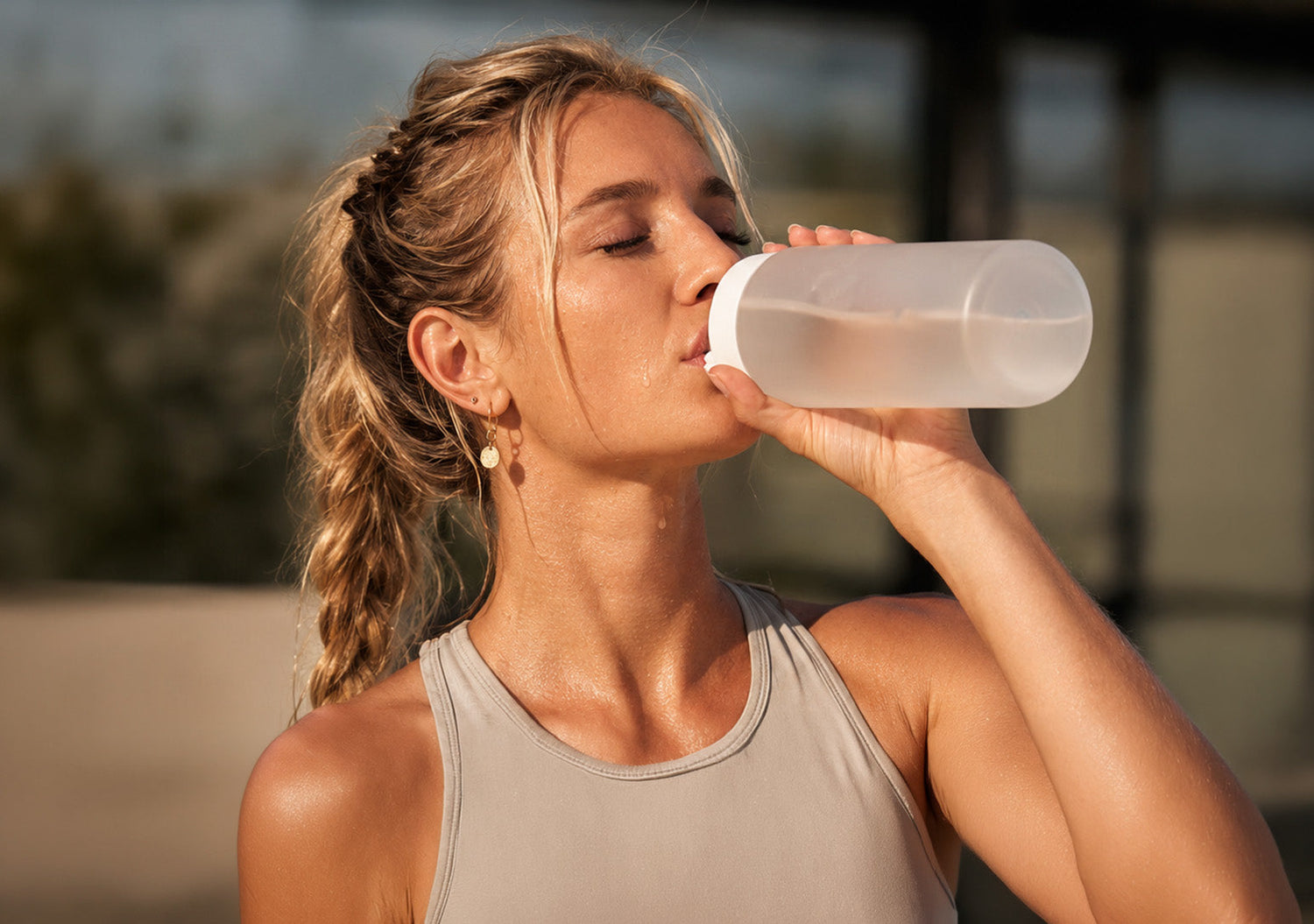
Heat does not care how motivated you are. It will gut your work capacity rep by rep until the big session you planned becomes little more than an extended warm-up. You show up ready to attack a high-volume day, and by the third set you are gassed, dizzy, and watching your numbers fall off a cliff. The motivation was there. The heat just did not care.
This is the summer reality for anyone who trains outdoors or in a gym without serious air conditioning. The temperature climbs, your endurance tanks, your output drops, and high-volume training quietly turns into a survival exercise. The good news is that this is a solvable problem, and the solution is not just "drink more water." It is a deliberate hydration strategy built around how your body actually loses and holds fluid in the heat.
How Do You Train Hard in Hot Weather?
Here is the direct answer, up front: you train hard in hot weather by hyperhydrating before long or hot sessions, then replacing the water and electrolytes you lose as you sweat. Starting a session already topped off with fluid, and staying ahead of your sweat losses, protects the endurance and output that heat would otherwise strip away. Get hydration right and you keep your work capacity. Get it wrong and the heat wins every time.
The rest of this article explains why that works, what the research says, and how to put it into practice, starting with a concrete example of the kind of session that demands this strategy.
An Example Hot-Weather Session You Can Run Outside
Before the science, here is the kind of workout this whole strategy is built to support: a short, intense outdoor conditioning session that pairs Russian kettlebell swings with sprints. It is a perfect summer choice for two reasons. First, this style of high-intensity interval work is genuinely effective for body composition. A meta-analysis of 39 studies found that high-intensity interval training significantly reduced total, abdominal, and visceral fat mass, with running-based intervals proving more effective than cycling for cutting total and visceral fat [1]. Second, it is exactly the type of session that the summer heat will punish hardest if you are not hydrated, which is the whole point.
Run it as follows.
Warm-Up (10 to 12 minutes)
- Raise your core temperature gradually rather than slamming into max effort in the heat:
- Five minutes of easy movement: a relaxed jog, brisk walk, or light row to get blood moving.
- Dynamic mobility: 10 leg swings per side, 10 walking lunges, 10 bodyweight squats, 10 arm circles each direction, and 10 hip openers.
- Two graded build-up runs at about 60 percent effort over 100 yards to prime your stride and breathing.
- Ten light, technique-focused kettlebell swings with a lighter bell to groove the hip hinge before loading up.
The Main Session
Perform 6 rounds:
- Russian kettlebell swings: 15 reps, swinging to chest height with a hard hip snap and a tight, braced core. Choose a weight that is challenging but lets you keep crisp form.
- 200-yard sprint: Run at a strong, controlled pace. In serious heat, treat this as roughly 85 to 90 percent rather than an absolute maximal effort, to manage your core temperature.
- Rest: 90 seconds to 2 minutes between rounds. Sip your electrolyte drink during these rest periods. Do not skip the rest; in the heat, the recovery between efforts is what lets you maintain output across all six rounds.
If six rounds at full intensity is too much in extreme heat, scale back to four or five. Quality of movement and safety come first. The goal is hard, productive work, not heat-induced collapse.
Cool-Down (8 to 10 minutes)
Bring your system back down deliberately:
- Three to five minutes of easy walking to let your heart rate and core temperature drift down.
- Static stretching for the muscles you just hammered: hip flexors, hamstrings, quads, glutes, and shoulders, holding each for 30 seconds.
- Continue sipping fluid and electrolytes as you cool down to begin replacing what you lost.
Now, here is why that session will empty your tank faster in July than in any other month, and what to do about it.
The Real Reason Heat Wrecks Your Training
When you train in the heat, your body faces competing demands. Your muscles need blood flow to keep working. Your skin needs blood flow to shed heat and keep your core temperature from climbing. As you sweat to cool down, you lose fluid, your blood volume drops, and those competing demands collide. The result is rising cardiovascular strain, a faster climb toward the core temperature where fatigue sets in, and a steady erosion of your capacity to keep training hard.
A session like the six-round swing-and-sprint workout above makes this especially acute, because sweat loss scales directly with how hard you are working. A comprehensive review of sweating in athletes confirms that sweat rate is directly related to exercise intensity, since harder work produces more metabolic heat that the body must shed through sweat [2]. Stack that high-intensity sweat rate on top of a 95-degree day and you can lose fluid alarmingly fast. A review of fluid balance in high-intensity intermittent sports notes that the repeated bursts of intense activity characteristic of this kind of training, combined with environmental heat, can drive significant sweat losses [3].
The numbers on what those losses cost you are sobering. A comprehensive review of the research on dehydration and performance concluded that losing more than about 2 percent of your body mass in fluid impairs aerobic performance, with the effect most pronounced in warm and hot environments [4]. For a 180-pound lifter, that is less than four pounds of sweat, an amount you can lose in a single hot, high-intensity session without realizing it. The American College of Sports Medicine position stand on exercise and fluid replacement reaches the same conclusion: dehydration beyond roughly 2 percent of body mass degrades performance and raises the risk of heat illness [5].
Worse, heat and dehydration compound each other. The research shows that dehydration begins to impair aerobic performance once skin temperature climbs, and each additional degree of skin temperature adds further impairment [4]. The hotter it gets, the more every drop of lost fluid costs you. This is why the same workout that felt strong in May feels brutal in July.
What the Evidence Says About Fixing It
If losing 2 percent of your body mass is the problem, the fix is to not let yourself get there. The research points to two strategies that work together: start the session over-hydrated and replace what you lose as you go.
Hyperhydration: Starting With a Buffer
Standard advice says to show up hydrated. In serious heat, the more advanced strategy is to show up hyperhydrated, carrying a deliberate fluid buffer that delays the point at which you cross into performance-impairing dehydration. The challenge is that if you just drink a large volume of plain water, much of it passes straight through and you urinate it away before your session even begins.
This is where glycerol changes the equation. Glycerol is a compound that helps your body hold onto the water you drink, pulling fluid into your tissues and bloodstream and keeping it there. A meta-analysis of glycerol-induced hyperhydration found that compared to drinking water alone, adding glycerol significantly increased fluid retention, holding roughly 7.7 additional milliliters of fluid per kilogram of body weight, and was associated with an improvement in endurance performance of about 2.6 percent [6]. That retained fluid is exactly the buffer you want when the temperature is climbing and the sweat is pouring out of you, round after round.
Replacing What You Lose
Hyperhydration buys you a head start, but in a hot, high-intensity session you will still sweat out significant fluid and electrolytes. Sweat is not just water; it carries sodium and other electrolytes that your muscles and nerves depend on. The ACSM position stand emphasizes that for prolonged sweating, fluid replacement should include sodium to maintain electrolyte balance and reduce the risk of hyponatremia, the dangerous dilution of blood sodium that can occur from drinking large volumes of plain water [5]. Replacing fluid and electrolytes together, in line with your sweat rate, is what keeps you strong through the back half of those six rounds.

The Hot-Weather Hydration Setup
Here is how the science translates into a setup you can run before and during the example session above, or any hot, demanding workout.
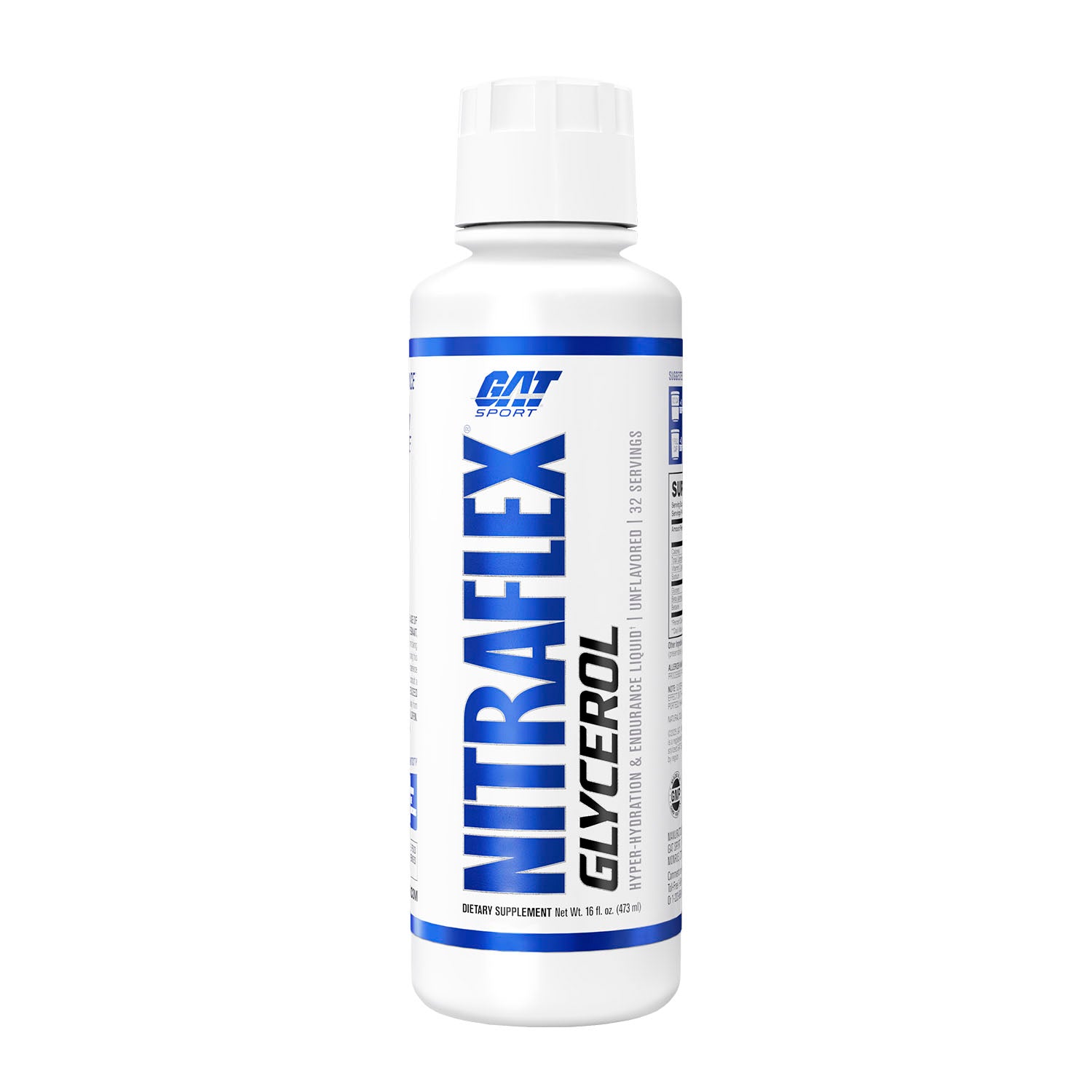
Lead With Nitraflex Glycerol
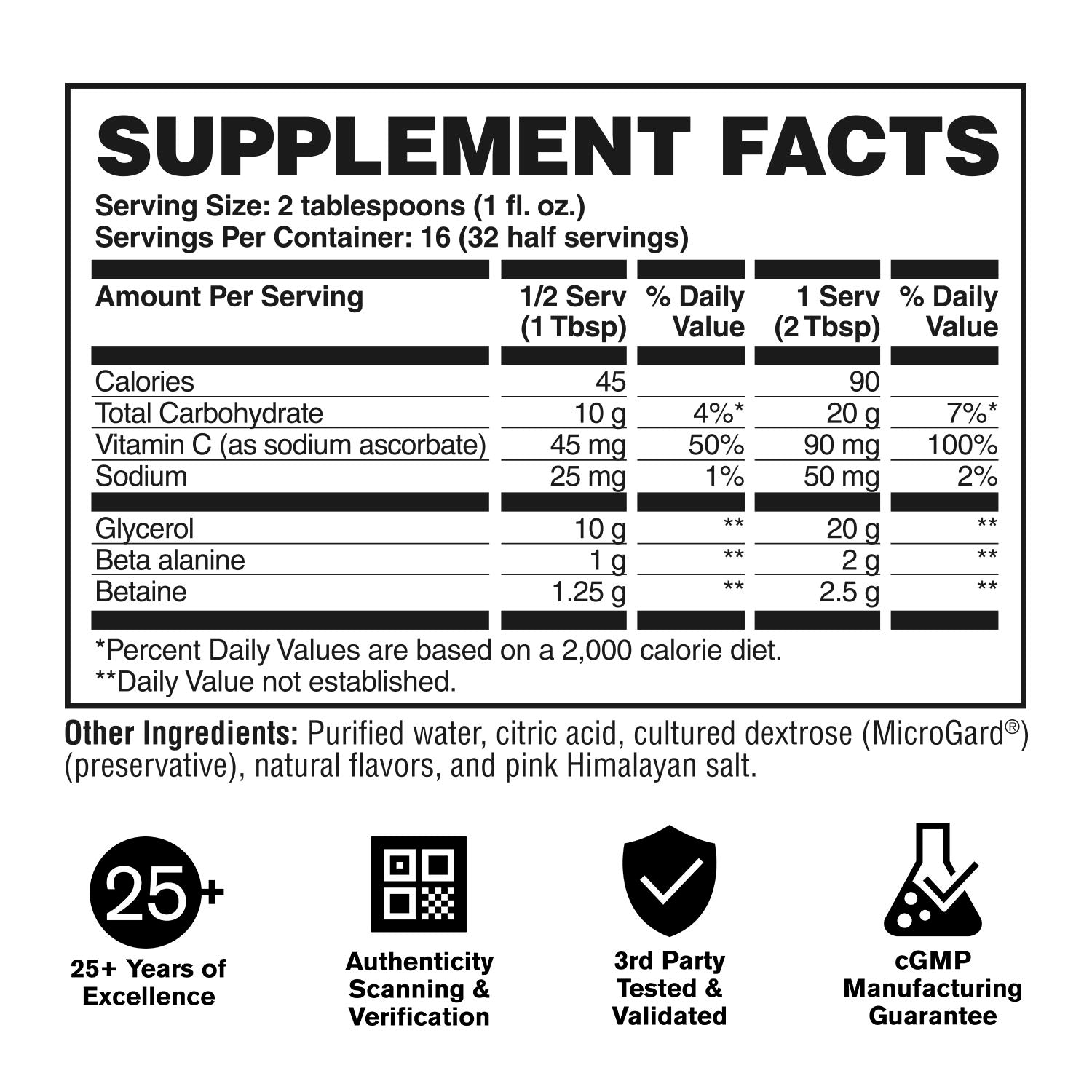
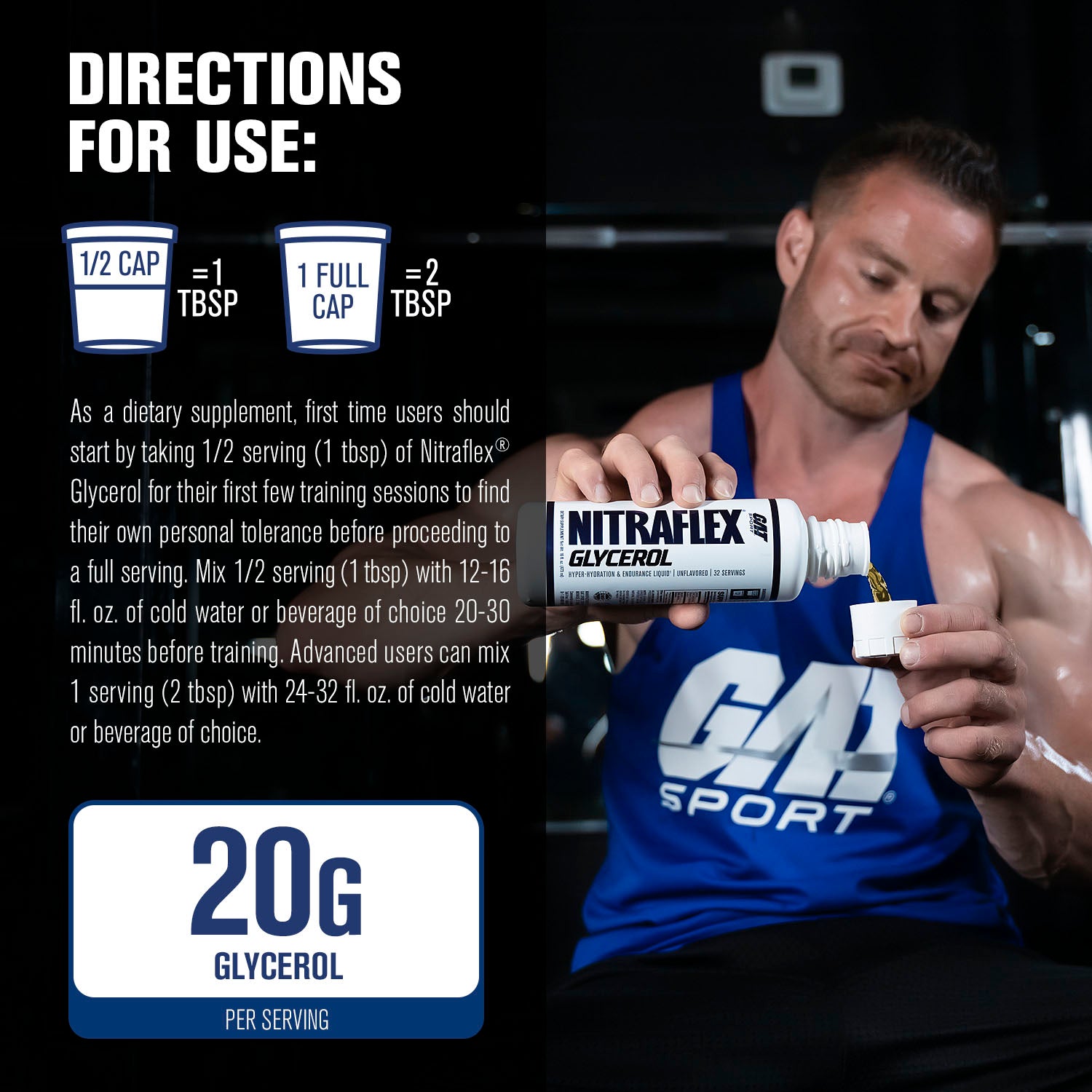
Before a long or hot session, this is where Nitraflex Glycerol earns its place as the foundation of your hot-weather strategy. It is built on exactly the mechanism the research supports: glycerol pulls water into the muscle and helps your body retain it, giving you that fluid buffer for better endurance and fuller pumps when the heat would otherwise leave you flat and gassed by round three. Take it ahead of your session so you start already topped off, carrying the reserve that delays dehydration's hit to your performance.
The fuller-pump benefit is not just aesthetic. Pulling more water into the muscle supports the blood flow and cell volume that help you grind through high-volume work, the precise kind of training that suffers most when heat and dehydration set in.
Replace With Nitraflex Hydration
Once you are sweating through those sprints, the job shifts to replacing what you lose. Nitraflex Hydration covers the second half of the strategy, replenishing the fluid and electrolytes that pour out of you during a hot session. Since sweat loss climbs with intensity, a workout like the swing-and-sprint circuit is exactly the scenario where sipping Nitraflex Hydration through your rest periods keeps your sodium and fluid topped up, so you stay ahead of your sweat losses rather than chasing them after the damage is done. Together, the two products mirror the research: hyperhydrate first, replace as you go.
Train With the Heat, Not Against It
Heat will always be a factor in summer training, but it does not have to dictate the quality of your work. The lifters who keep making progress through July and August are not tougher than everyone else; they have a smarter hydration strategy. They start hyperhydrated, they replace what they sweat out, and they structure their hardest sessions, like the six-round swing-and-sprint circuit, to respect the conditions while still pushing real intensity.
Try the hot-weather hydration setup before your next outdoor or high-volume session. Hyperhydrate with Nitraflex Glycerol, replace what you lose with Nitraflex Hydration, and go compete harder all summer long with GAT Sport at gatsport.com.

References
- Maillard, Florie, et al. "Effect of High-Intensity Interval Training on Total, Abdominal and Visceral Fat Mass: A Meta-Analysis." Sports Medicine, vol. 48, no. 2, 2018, pp. 269-288, doi:10.1007/s40279-017-0807-y.
- Baker, Lindsay B. "Sweating Rate and Sweat Sodium Concentration in Athletes: A Review of Methodology and Intra/Interindividual Variability." Sports Medicine, vol. 47, supplement 1, 2017, pp. 111-128, doi:10.1007/s40279-017-0691-5.
- Nuccio, Ryan P., et al. "Fluid Balance in Team Sport Athletes and the Effect of Hypohydration on Cognitive, Technical, and Physical Performance." Sports Medicine, vol. 47, no. 10, 2017, pp. 1951-1982, doi:10.1007/s40279-017-0738-7.
- Cheuvront, Samuel N., and Robert W. Kenefick. "Dehydration: Physiology, Assessment, and Performance Effects." Comprehensive Physiology, vol. 4, no. 1, 2014, pp. 257-285, doi:10.1002/cphy.c130017.
- Sawka, Michael N., et al. "American College of Sports Medicine Position Stand: Exercise and Fluid Replacement." Medicine and Science in Sports and Exercise, vol. 39, no. 2, 2007, pp. 377-390, doi:10.1249/mss.0b013e31802ca597.
- Goulet, Eric D. B., et al. "A Meta-Analysis of the Effects of Glycerol-Induced Hyperhydration on Fluid Retention and Endurance Performance." International Journal of Sport Nutrition and Exercise Metabolism, vol. 17, no. 4, 2007, pp. 391-410, doi:10.1123/ijsnem.17.4.391.