
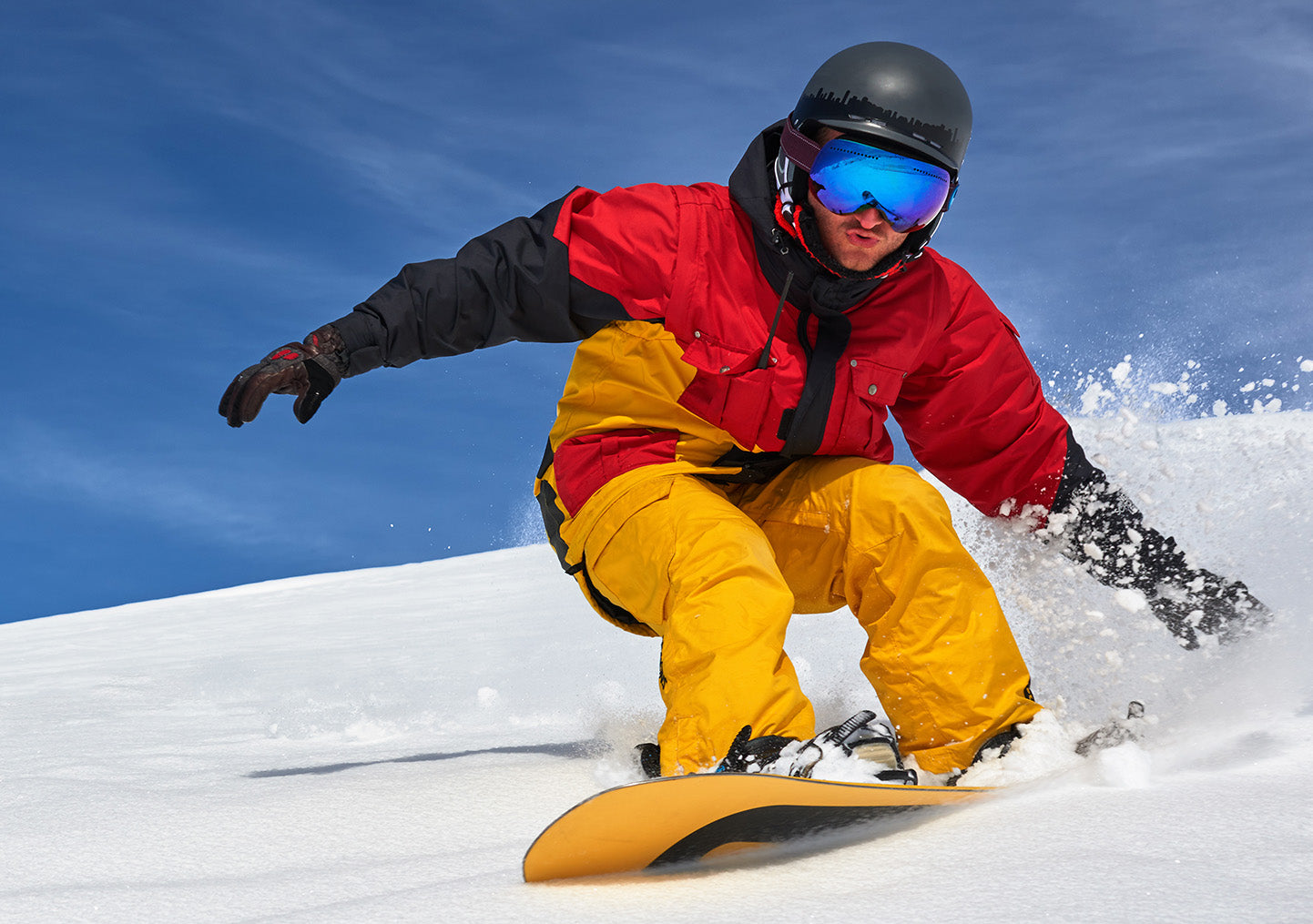
Picture a snowboarder dropping into fresh powder at 8,000 feet, temperature hovering at 15°F, wind chill making it feel like negative five. Their muscles should be seizing up. Their energy should be crashing. Their performance should be suffering. Instead, they're ripping down the mountain for hours, recovering faster than gym bros in climate-controlled environments, and building a type of fitness that indoor athletes can't touch. National Snowboard Day isn't just about celebrating sick tricks and face shots. It's about recognizing that these cold-weather warriors have unlocked biological adaptations that transform human performance, and their secrets could revolutionize your winter training if you're brave enough to apply them.
The Superhuman Adaptation Nobody Talks About
Snowboarders train in conditions that would send most people straight to the couch with hot chocolate. Yet they don't just survive; they thrive in ways that defy conventional fitness wisdom. Gen Z adventurers chasing fresh tracks battle numbing temperatures that should stiffen muscles and spike injury risks but instead develop resilience that carries into every aspect of their fitness. Millennials squeezing slope sessions around work face energy drains from wind chill that should destroy consistency yet maintain training momentum that indoor athletes lose by December. Late Gen X outdoor enthusiasts contending with slower warm-ups and heightened fatigue discover that cold adaptation actually enhances longevity rather than threatening it.
The searches flooding Google tell the story: "best supplements for cold weather training" and "how snowboarders stay fit" surge every winter because people recognize these athletes possess something special but can't identify what. Without understanding the science of cold adaptation, winter fitness becomes a frozen fiasco of stiff muscles, prolonged soreness, and crushing demotivation.

The Science of Cold-Weather Supremacy
Cold acclimation creates biological changes that sound like science fiction but are documented fact. A 2021 comprehensive review reveals that repeated cold exposure boosts non-shivering thermogenesis via brown adipose tissue (BAT), increasing calorie burn by 10-20% without the metabolic stress of shivering (1). You're literally becoming a more efficient furnace, burning energy for heat while sparing muscle glycogen for performance.
Thermogenesis in cold conditions transforms your entire metabolic system. Studies show exercising at 4-10°C elevates metabolism 5-15% over temperate conditions, enhancing fat oxidation and VO2 max simultaneously (2). This isn't just burning more calories; it's teaching your body to preferentially use fat for fuel while preserving carbohydrates for explosive efforts.
Performance adaptations from cold training create advantages that persist even in warm conditions. Research on athletes indicates 4-6 weeks of training at sub-zero temperatures improves aerobic capacity by 5-7% with reduced perceived exertion (3). Initial challenges like vasoconstriction that slow nutrient delivery are overcome through adaptation, ultimately enhancing recovery beyond baseline (4). A 2015 study even demonstrated that cold acclimation via immersion or air exposure improved exercise capacity by 10-15% in low temperatures (5).
The Cold Warrior Supplement Strategy
Transforming winter challenges into performance advantages requires strategic supplementation that addresses cold-specific demands:
Nitraflex Advanced becomes your extreme condition energy hero, with its stimulant-vasodilator blend specifically countering cold-induced fatigue. The vasodilation component is critical here, fighting the natural vasoconstriction that cold causes, ensuring nutrients reach working muscles despite freezing temperatures. Take it 30 minutes before cold exposure to maximize both the thermogenic and performance benefits.
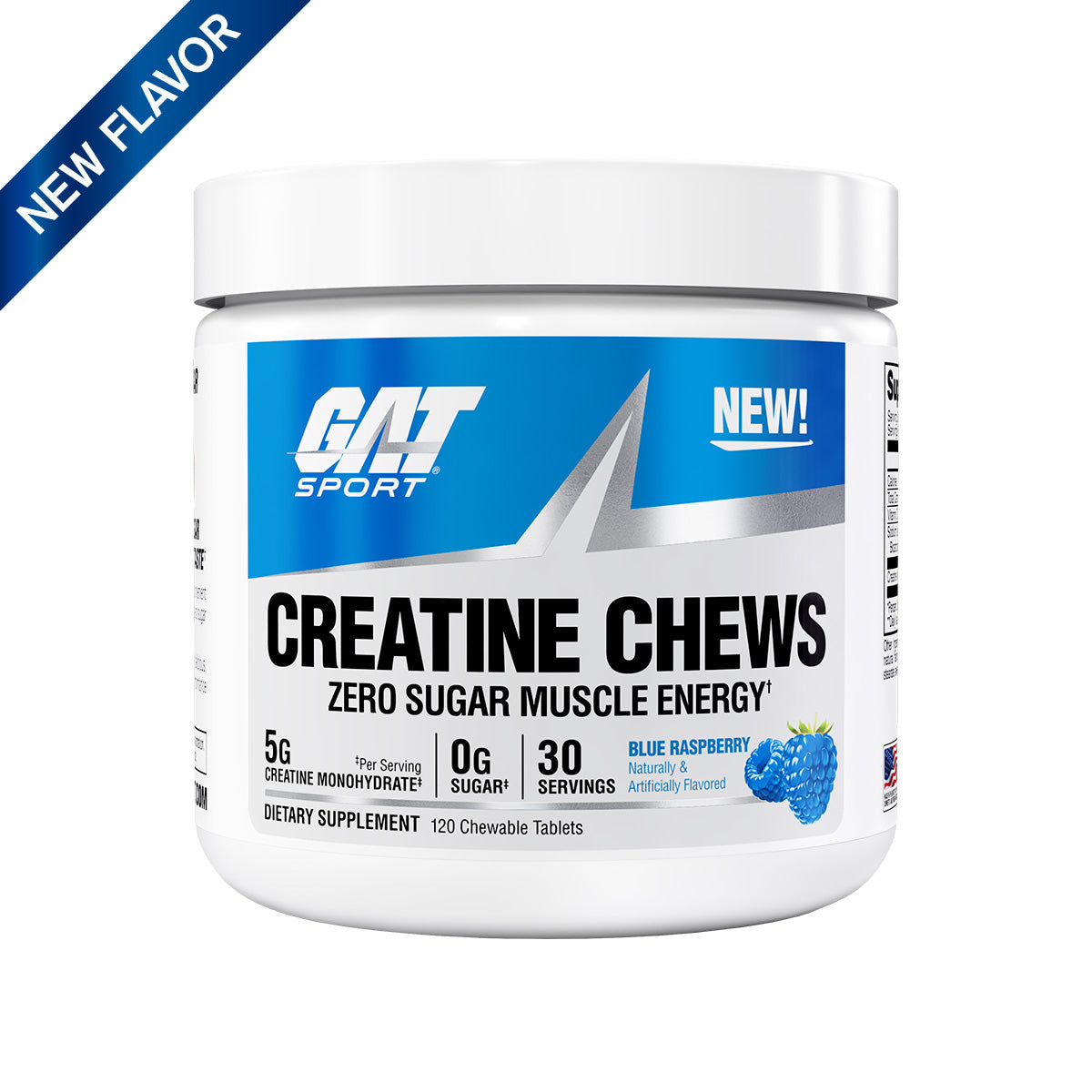
Creatine Chews solve the portable cold-weather fuel problem that powder can't address. Four chews deliver 5g of creatine in a format that doesn't freeze, doesn't require mixing with rapidly cooling water, and can be consumed with gloves on. The ATP support becomes even more critical in cold when your muscles are working harder just to maintain temperature while performing.
Deep Wood provides temperature adaptation support by optimizing hormones that enhance thermogenesis and recovery. The hormonal balance it maintains becomes crucial when cold stress could otherwise suppress testosterone and elevate cortisol beyond beneficial adaptation ranges.

Your 4-Week Cold Domination Protocol
Progressive cold exposure builds adaptation without shock. Start with 20-minute outdoor sessions and build to 60 minutes over four weeks. This isn't about suffering; it's about systematic adaptation that research shows create lasting metabolic improvements.
Training combines 4-5 weekly sessions mixing cardio (30–45-minute runs or rides) with resistance work (3x10-15 reps) to maximize thermogenic benefits. The combination triggers both immediate calorie burn and long-term metabolic adaptations that indoor training can't match.
The Daily Cold-Weather Stack
|
Time |
Supplement & Dose |
Purpose |
Cold-Specific Benefit |
|
Pre-Workout |
Nitraflex Advanced: 1 scoop |
Energy against cold fatigue |
Vasodilation counters constriction |
|
During (Portable) |
Creatine Chews: 4 chews (5g) |
Sustained output fuel |
Maintains ATP in cold stress |
|
Evening |
Deep Wood: 1 dose |
Hormone support for adaptation |
Optimizes recovery from cold exposure |
Your Weekly Winter Warrior Plan
|
Day |
Training |
Nutrition Focus |
Supplements |
Adaptation Tip |
|
Monday |
Cardio (30min run) |
Carbs high |
Advanced pre, Chews during |
Layer clothing wisely |
|
Tuesday |
Strength (3x12 squats) |
Protein spike |
Deep Wood evening |
Post-session warm-up |
|
Wednesday |
Rest |
Balanced, hydrate |
Chews for maintenance |
Light exposure |
|
Thursday |
Mixed (20min ski sim) |
Omega-3s |
Full stack |
Monitor core temp |
|
Friday |
Endurance (45min hike) |
Veggie up |
Advanced pre |
Journal energy |
|
Saturday |
Active Recovery |
Maintenance |
Deep Wood |
Outdoor mobility |
|
Sunday |
Plan/Reset |
Macro review |
Full stack |
Adjust for weather |
Athletes following this protocol report 10-15% better endurance, matching the improvements seen in cold acclimation studies (3). The combination of strategic supplementation with progressive cold exposure creates adaptations that persist long after winter ends.
The Bottom Line: Embrace the Cold
Snowboarders aren't superhuman because they're genetically different. They're superhuman because they've learned to use cold as a tool rather than viewing it as an enemy. Every freezing morning, they strap in, every icy wind they face, every numb finger they endure is building adaptations that indoor athletes will never achieve.
The GAT Sport cold weather system gives you the tools to join their ranks. Nitraflex Advanced combats cold-specific fatigue, Creatine Chews provide portable power, and Deep Wood ensures hormonal optimization despite environmental stress. Together, they transform winter from your weakness into your secret weapon.
References
- Castellani, J. W., & Tipton, M. J. (2015). Cold stress and cold adaptation. In Comprehensive Physiology (pp. 1883-1910).
- Doubt, T. J. (1991). Physiology of exercise in the cold. Sports Medicine, 11(6), 367-381.
- Brazaitis, M., et al. (2014). Two strategies for response to 14 °C cold-water immersion: is there a heterodynamism for metabolism? European Journal of Applied Physiology, 114(1), 1-10.
- Stocks, J. M., et al. (2004). Human physiological responses to cold exposure. Aviation, Space, and Environmental Medicine, 75(5), 444-457.
- Seeley, R. J., & MacDougald, O. A. (2021). Adaptive thermogenesis: a hub of weight homeostasis. Cell Metabolism, 33(11), 2125-2136.
- Kreider, R. B., et al. (2017). International Society of Sports Nutrition position stand: safety and efficacy of creatine supplementation in exercise, sport, and medicine. Journal of the International Society of Sports Nutrition, 14, 18.
- Wilborn, C. D., et al. (2010). Effects of a purported aromatase and 5α-reductase inhibitor on hormone profiles in college-age men. International Journal of Sport Nutrition and Exercise Metabolism, 20(6), 457-465.