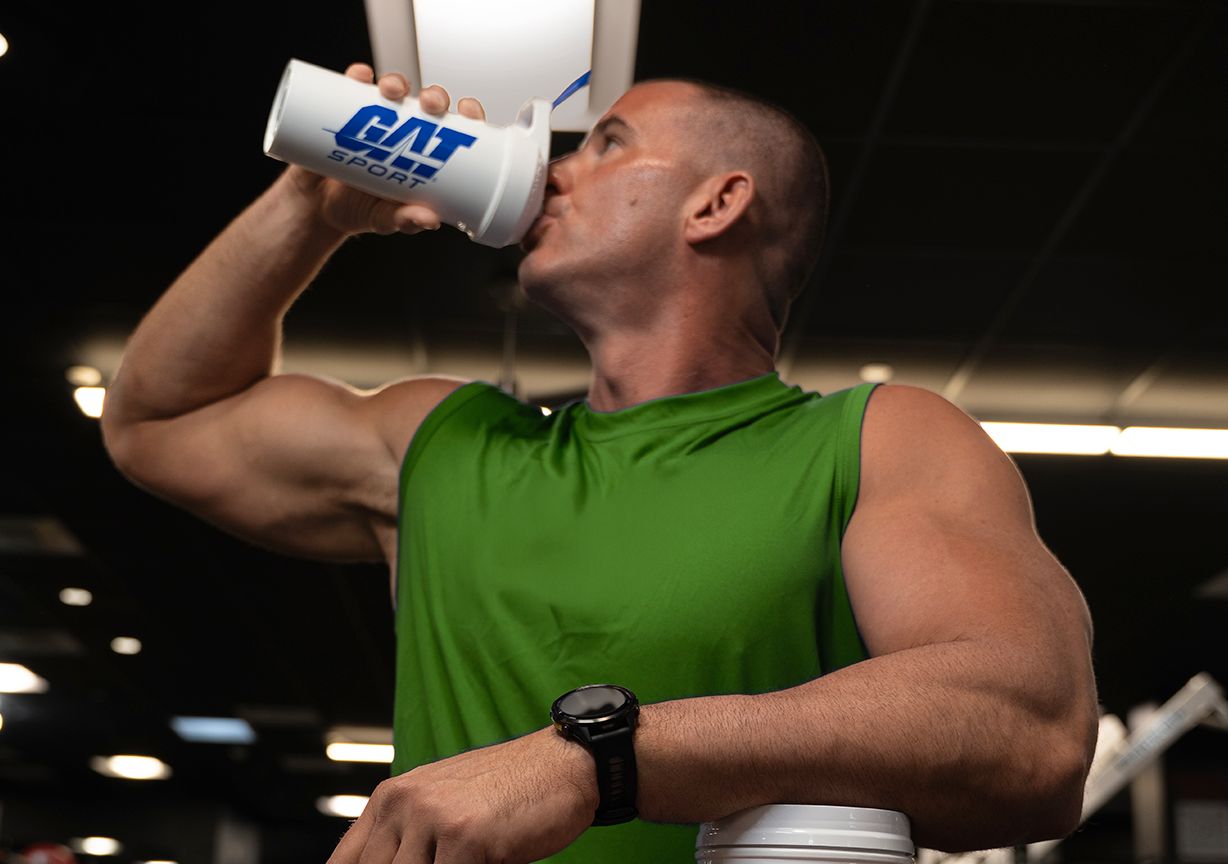
St. Patrick's Day: everyone's Irish and everyone's gains take a beating. Damage control protocol incoming.
You've been crushing it in the gym all winter: consistent lifts, solid nutrition, visible progress. Then March 17 rolls around with shamrock shakes, green beer, and whiskey shots. Suddenly your carefully built muscle feels like it's slipping away overnight. The next-day bloat, sluggish lifts, and that nagging sense that one "fun" night erased a week of hard work? That's not just in your head. Alcohol and fitness don't mix well, especially when you're in a building or cutting phase. But you don't have to choose between celebrating and protecting your progress. This year, arm yourself with a proven before-during-after protocol plus GAT Sport's targeted recovery stack centered on Nitraflex Hydration. You'll wake up ready to train instead of wrecked.
The Real Cost of "Just One More Round" on Your Physique
Let's cut through the green-tinted denial. Even moderate drinking derails recovery faster than most lifters admit. Alcohol acts as a powerful diuretic, flushing out fluids and electrolytes at a rate that turns a night of pints into a dehydration nightmare. Muscles are roughly 75% water; lose even 2% of body weight in fluids and strength drops 10-20%, endurance tanks, and cramps become inevitable. The morning after, your pumps are flat, joints ache, and motivation is zero.
Worse, alcohol directly sabotages the muscle-building process. Heavy sessions followed by drinks mean your body prioritizes metabolizing ethanol over repairing tissue. Protein synthesis slows dramatically, cortisol spikes, and testosterone takes a hit. One night of excess can blunt your anabolic window for up to 24-48 hours, turning what should be growth time into maintenance (or worse, breakdown). If you're chasing how to minimize drinking impact on gains, the truth is simple: unchecked alcohol turns St. Patrick's Day into a gains assassin.
Decoding Alcohol's Assault: From Metabolism to Muscle Breakdown
Science paints a clear picture of why drinking affects muscle so harshly. Ethanol is metabolized primarily in the liver, but its byproducts (acetaldehyde and acetate) disrupt multiple systems. Key mechanisms include:
Impaired Muscle Protein Synthesis (MPS): A landmark 2014 study in PLOS ONE showed that consuming 1.5 g/kg body weight of alcohol after concurrent training reduced post-exercise myofibrillar protein synthesis rates by 37% compared to protein alone and still by 24% even when 25 g of protein was co-ingested [1]. That's the equivalent of 8-10 standard drinks for a 180 lb. athlete. The mTOR pathway, critical for muscle growth, gets suppressed.
Hormonal Chaos: High ethanol intake elevates cortisol (the stress hormone that promotes muscle breakdown) while lowering the testosterone-to-cortisol ratio. Research published in Medicine & Science in Sports & Exercise found that post-exercise high-dose ethanol increased cortisol and dropped the T/C ratio significantly, creating a catabolic environment that lingers into the next day [2].
Dehydration and Electrolyte Imbalance: Alcohol inhibits vasopressin, spiking urine output. This depletes sodium, potassium, magnesium, and calcium; minerals essential for muscle contraction, nerve signaling, and recovery.
Inflammation and Recovery Delay: Systematic reviews confirm alcohol elevates systemic inflammation and reduces plasma amino acid availability, further hindering repair [3].
Does alcohol destroy gains? Not in tiny amounts, but binge patterns absolutely blunt them, especially post-workout or during a deficit. The good news? Strategic intervention can neutralize most of the damage.

Your 3-Phase St. Patrick's Day Damage Control Protocol
Forget vague advice. Here's the exact timeline that works for real lifters who still want to enjoy the day.
Phase 1: Before the Party (Morning to Early Afternoon)
Prime your system 4–6 hours ahead.
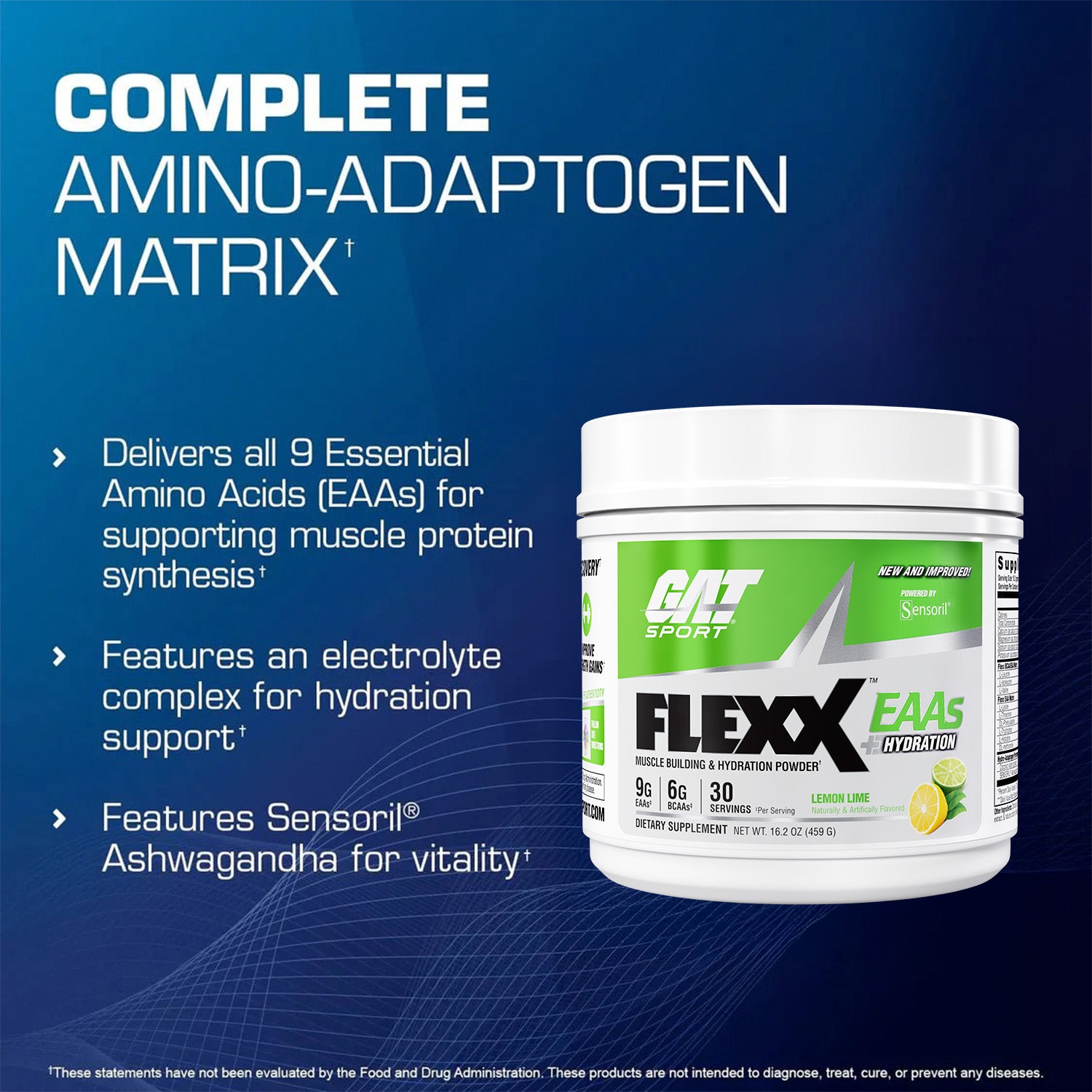
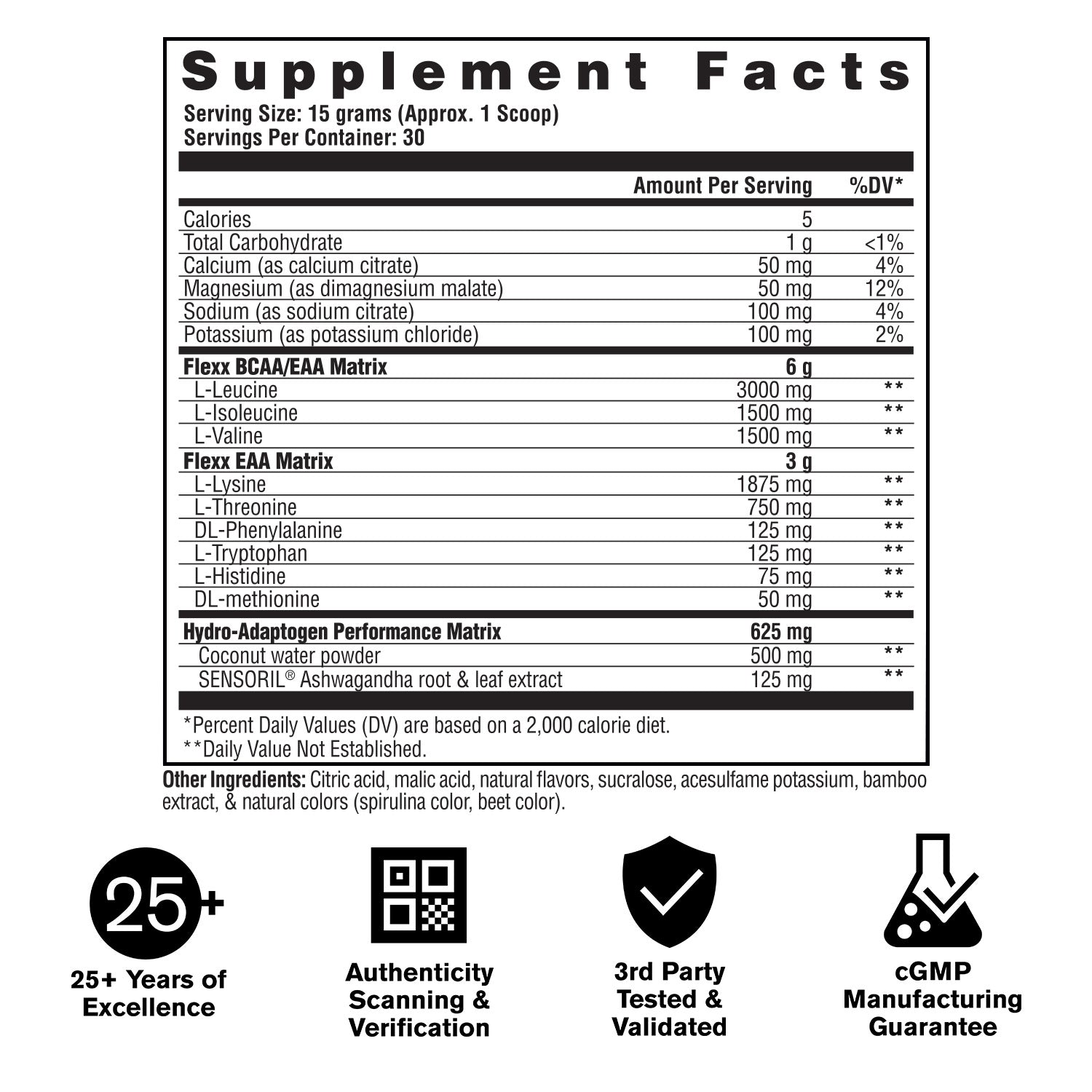
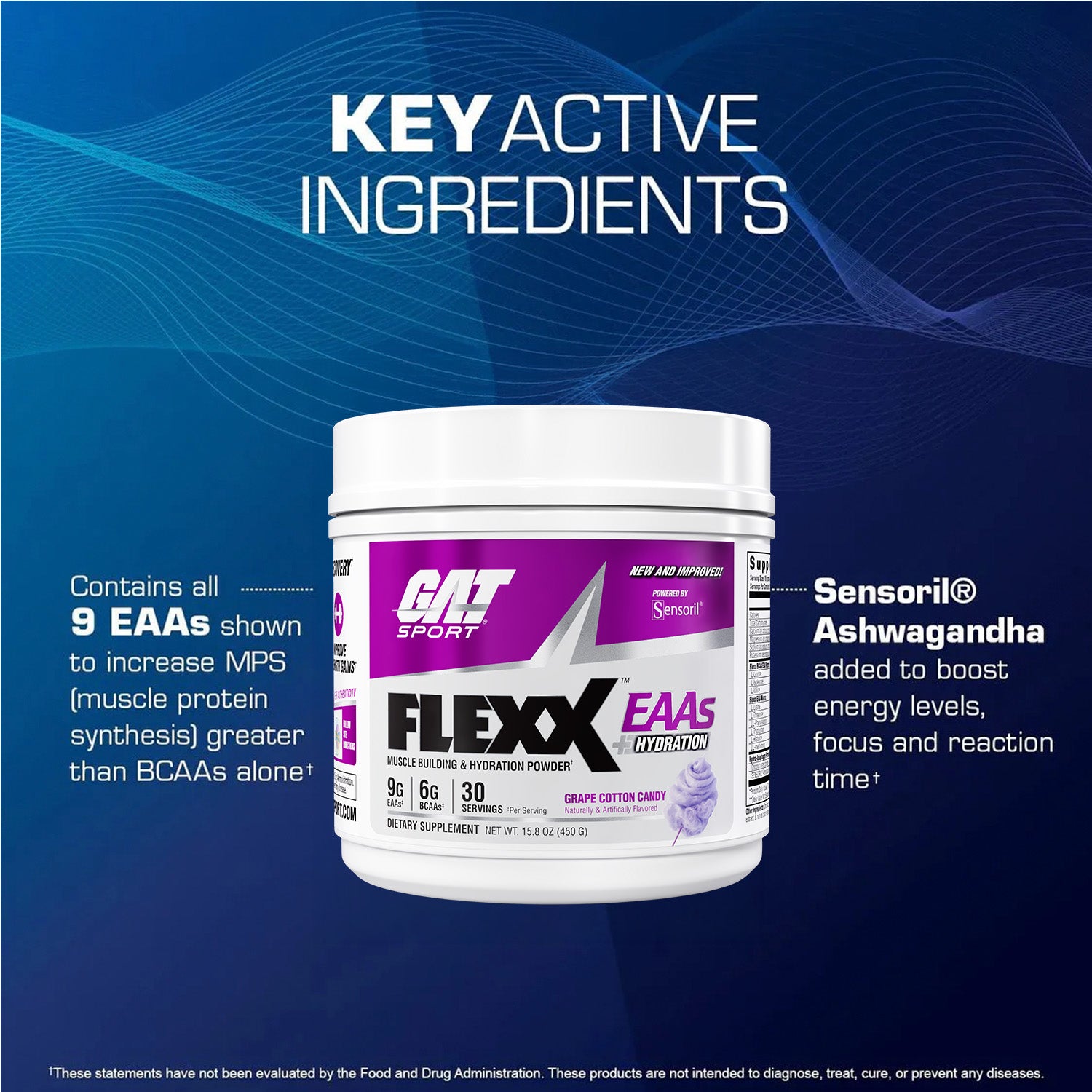
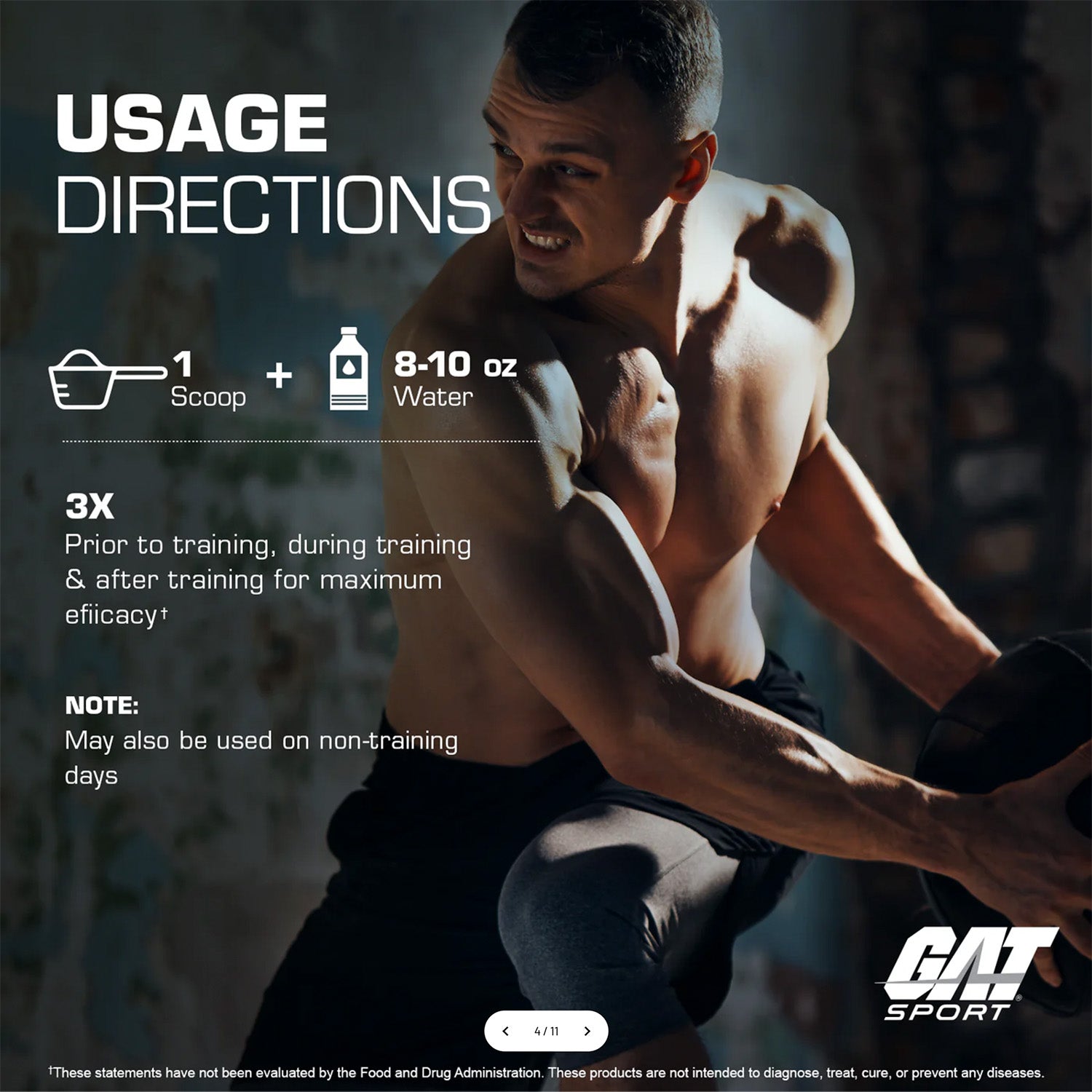
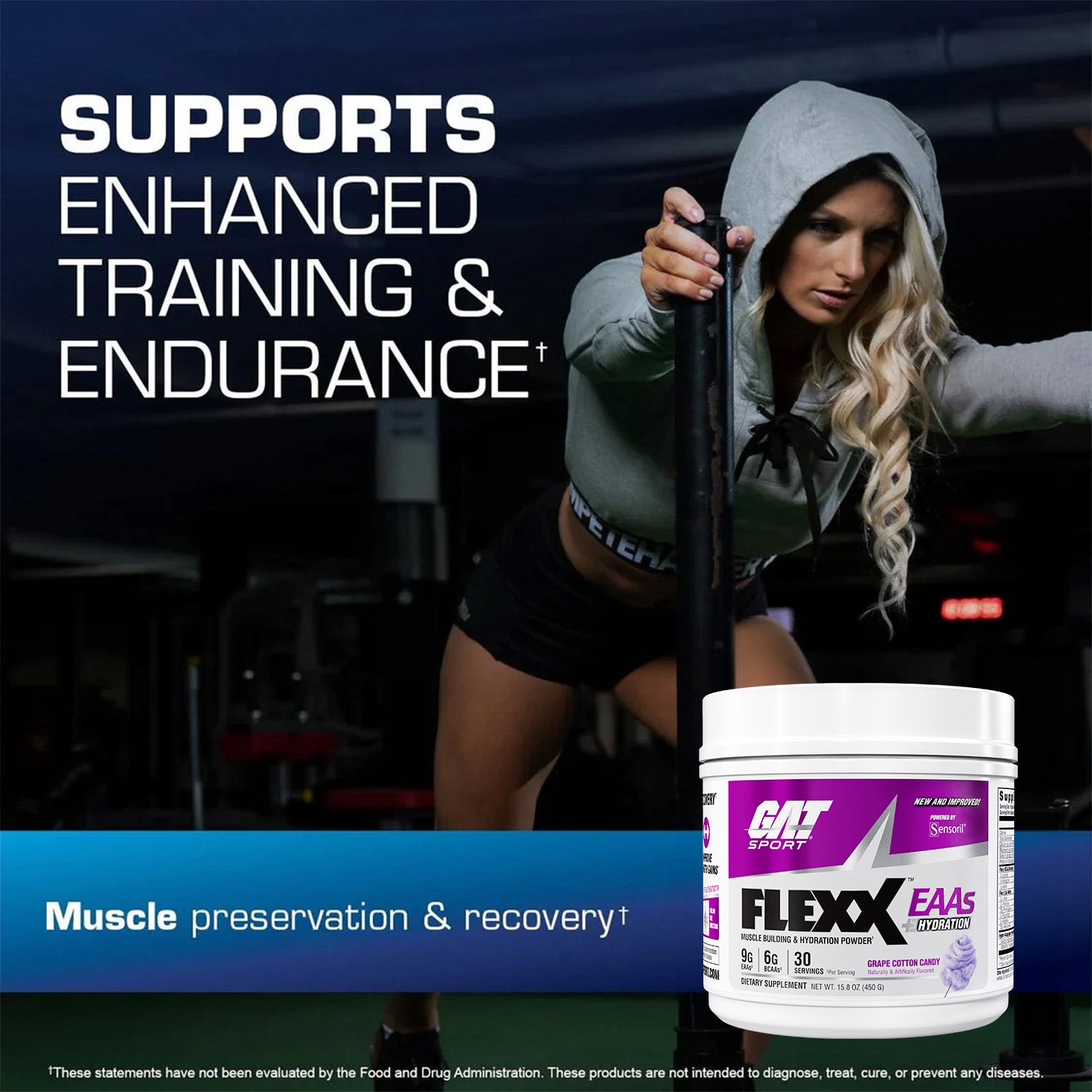
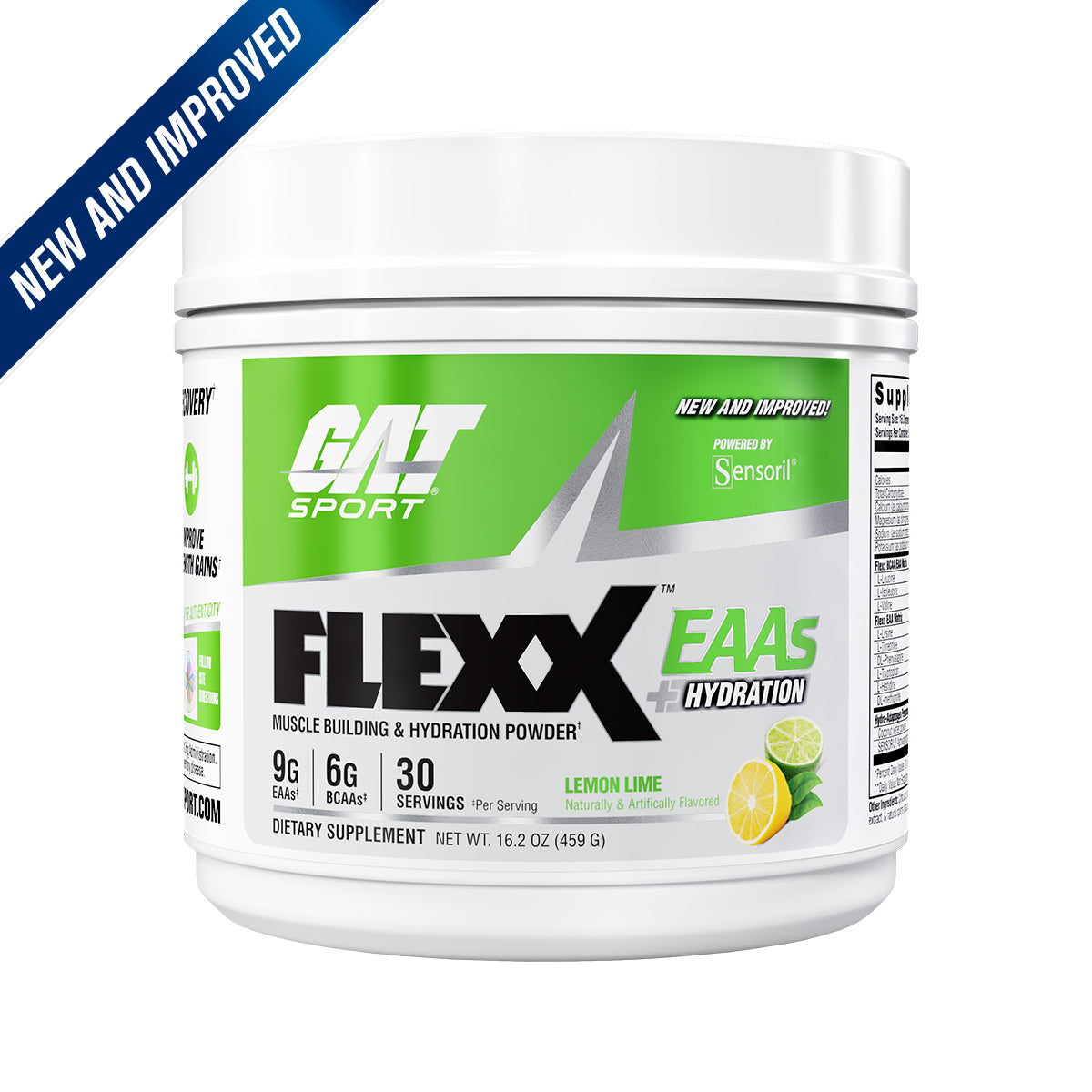
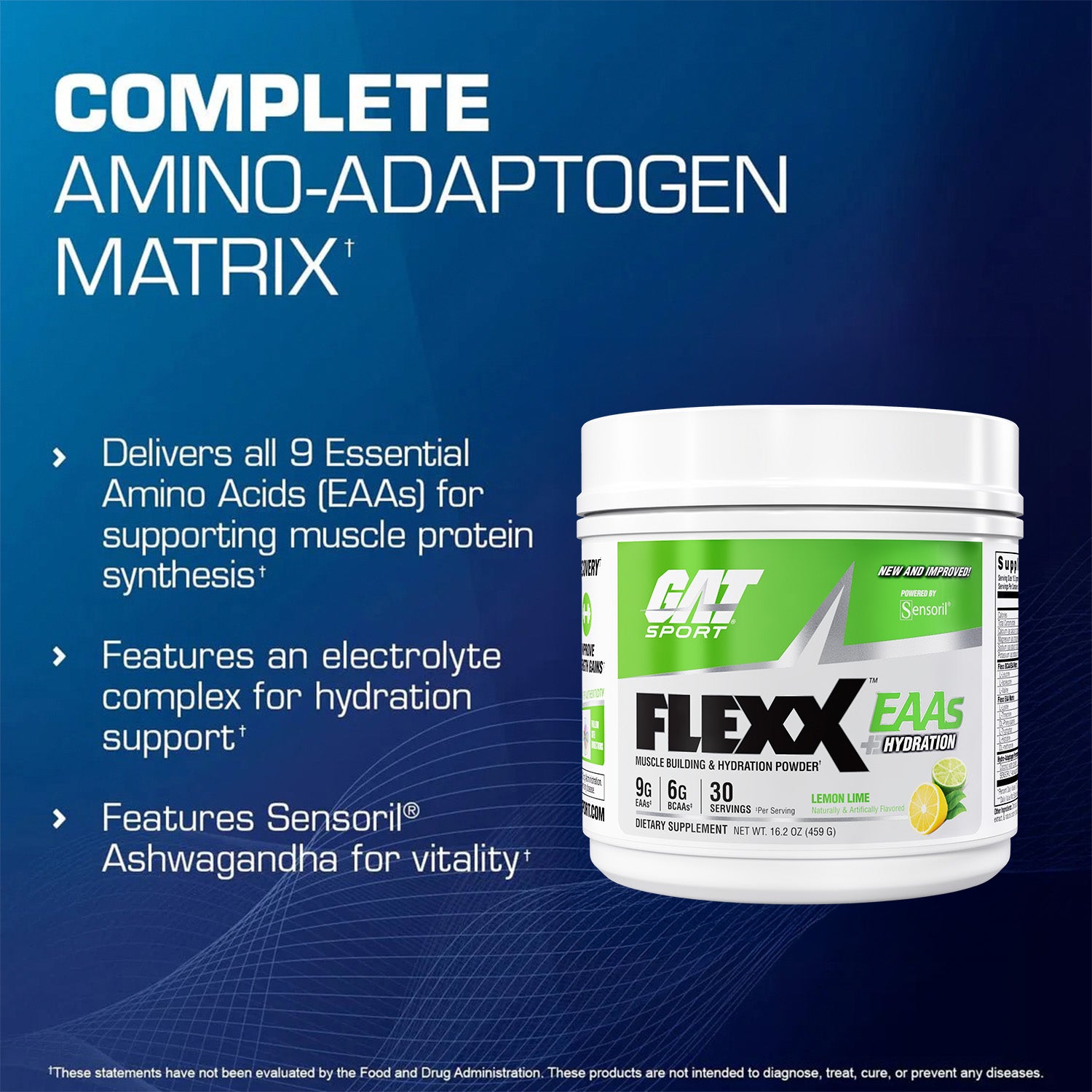
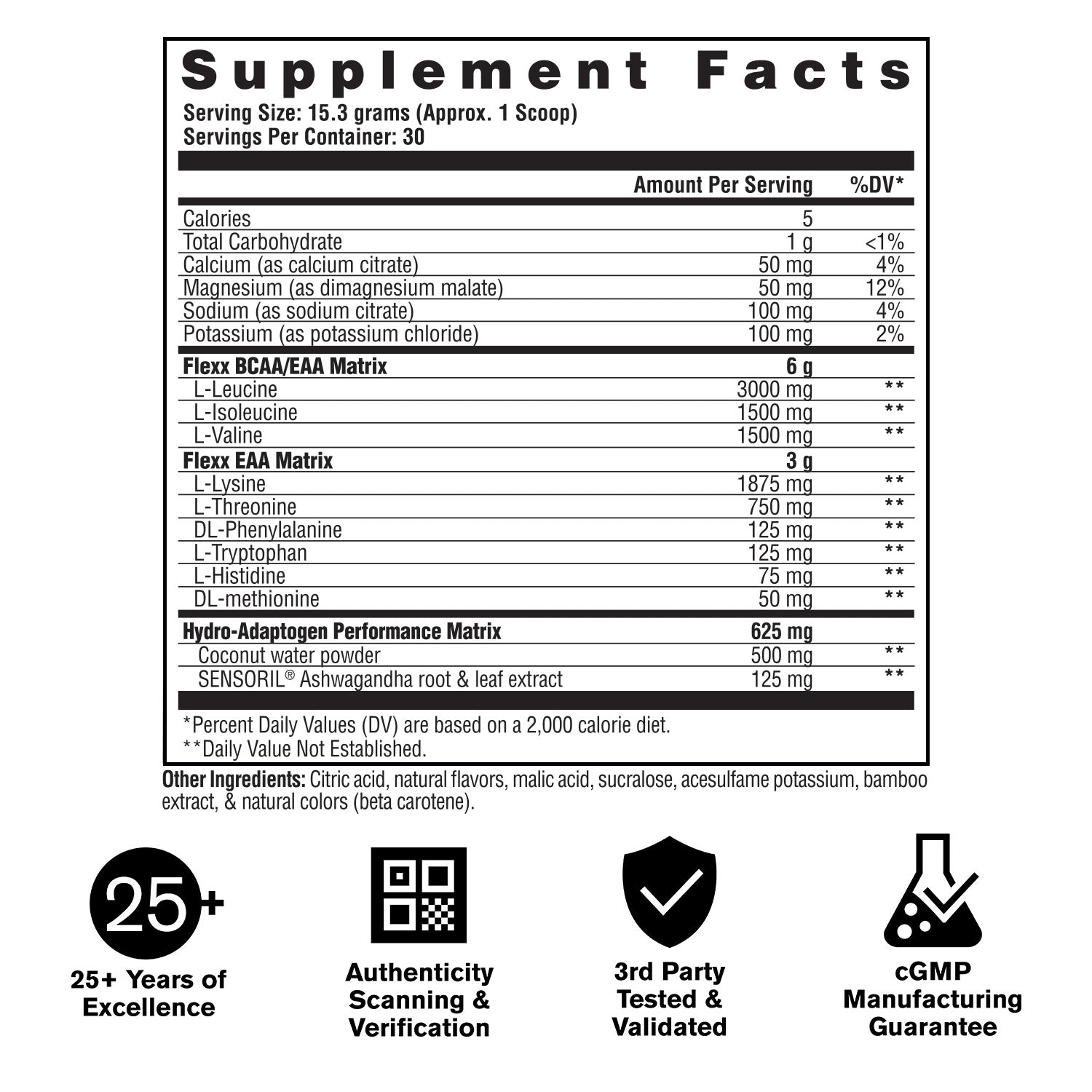
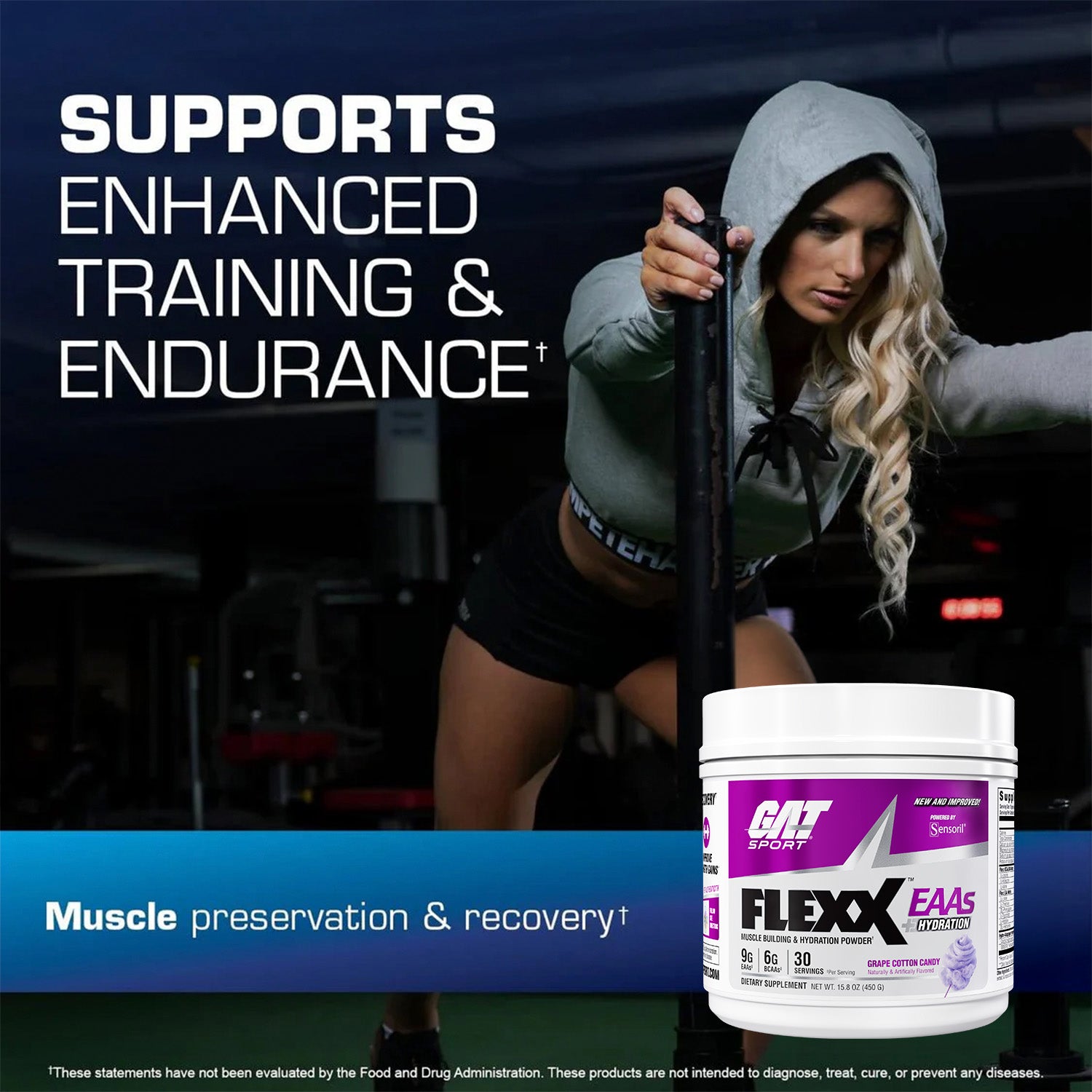
- Take 1 serving of FLEXX EAAs mixed in water upon waking; delivers all 9 essential amino acids (including 5 g BCAAs in 2:1:1 ratio) to flood muscles with building blocks before alcohol arrives.
- Supplement with 2 capsules of Pro Magnesium (200 mg high-absorption blend of malate, aspartate, and glycinate plus B6 and D3) to preload depleted stores [5]. Magnesium supports GABA production, reducing anxiety and helping you pace yourself.
- Hydrate aggressively: 16–20 oz water with electrolytes.
Phase 2: During the Celebration (The Party Window)
Damage limitation in real time.
- Alternate every alcoholic drink with 8–12 oz of Nitraflex Hydration mixed in water (lemon lime flavor mixes perfectly with light beer or cocktails). Its full-spectrum electrolyte blend (sodium from sea salt, potassium, 100 mg magnesium, calcium, plus taurine and L-theanine) combats dehydration on the spot without sugar crash. Taurine helps with muscle performance; theanine promotes calm focus so you avoid overdoing it.
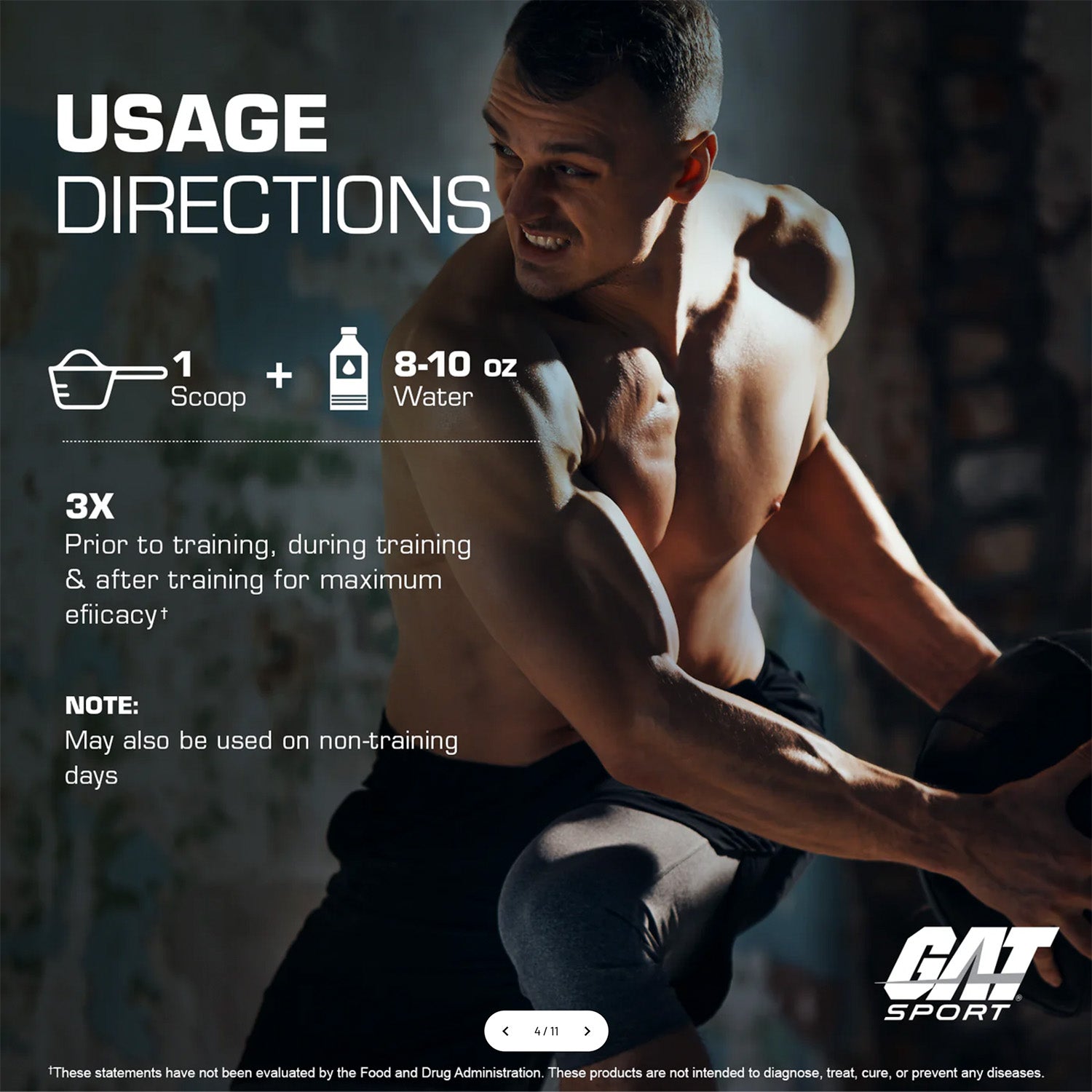
- Sip FLEXX EAAs intra-party (½ serving every 2–3 hours) to maintain amino acid levels and blunt alcohol's interference with protein synthesis.
- Eat protein-rich food every hour; chicken, salmon, or Greek yogurt to slow alcohol absorption.
- Set a cap: maximum 4–5 drinks spread over 4+ hours.
Phase 3: After the Party (Nightcap to Next Morning)
Aggressive rebound.
- Within 30 minutes of your last drink: full serving Nitraflex Hydration + 1 scoop FLEXX EAAs. This combo rehydrates, replenishes electrolytes, and kickstarts MPS recovery.
- Take another 2 capsules Pro Magnesium before bed; promotes deep sleep, muscle relaxation, and counters alcohol-induced cramps or restlessness [5].
- Morning after: another serving of Nitraflex Hydration upon waking, followed by a high-protein breakfast and light mobility work. Most users report 70–80% less soreness and fatigue.
GAT Sport's Party-Proof Recovery Stack: Your Secret Weapon
The hero of this protocol is Nitraflex Hydration: a zero-sugar electrolyte powerhouse designed specifically for situations like this. With clinical doses of magnesium, taurine, and L-theanine plus SuperSodium™ and coconut water elements, it replaces what alcohol and sweat steal faster than plain water ever could. Users call it the ultimate Nitraflex Hydration hangover fix because it restores intracellular hydration and muscle fullness overnight.
Stack it with FLEXX EAAs for continuous amino acid support and Pro Magnesium for neuromuscular recovery and better sleep. Together they form GAT Sport's targeted recovery stack: the smartest way to minimize drinking impact on gains without skipping the celebration.
St. Patrick's Day Survival Checklist
□ Pre-load EAAs + Magnesium
□ Alternate drinks with Nitraflex Hydration
□ Protein every 60–90 min
□ Hydration bottle always in hand
□ Post-party recovery serving before bed
□ Morning rehydrate + light training
Answering the Tough Questions on Alcohol and Fitness
Does alcohol destroy gains? Not one drink, but repeated or heavy sessions absolutely blunt muscle protein synthesis (up to 37% reduction per studies) and shift hormones catabolic [1]. One strategic night with this protocol? Minimal impact.
How to minimize drinking impact on gains the day after? Immediate rehydration with electrolytes, amino acids, and magnesium; exactly what the GAT Sport stack delivers.
Can I still train the day after St. Patrick's? Yes, keep it light (60–70% intensity) and you'll actually feel better than if you skipped recovery supps.
References
[1] Parr EB, et al. Alcohol ingestion impairs maximal post-exercise rates of myofibrillar protein synthesis following a single bout of concurrent training. PLoS One. 2014;9(2): e88384. doi: 10.1371/journal.pone.0088384.
[2] Haugvad A, et al. Ethanol does not delay muscle recovery but decreases testosterone/cortisol ratio. Med Sci Sports Exerc. 2014;46(11):2175-2183. doi:10.1249/MSS.0000000000000339.
[3] Lakićević N, et al. The Effects of Alcohol Consumption on Recovery Following Resistance Exercise: A Systematic Review. J Funct Morphol Kinesiol. 2020;5(3):64. doi:10.3390/jfmk5030064.
[4] Steiner JL, Lang CH. Dysregulation of skeletal muscle protein metabolism by alcohol. Am J Physiol Endocrinol Metab. 2015;308(9): E699-E712. doi:10.1152/ajpendo.00006.2015.
[5] Poikolainen K, et al. Magnesium treatment in alcoholics: a randomized clinical trial. Alcohol Clin Exp Res. 2008;32(2):226-233. (PMC2265283)
[6] Vella LD, Cameron-Smith D. Alcohol, athletic performance and recovery. Nutrients. 2010;2(8):781-794. doi:10.3390/nu2080781.