

Elite athletes do not wing it in summer. They periodize it. Off-season, in-season, competitive season: every phase has a protocol. Your summer should too.
The difference between elite and recreational athletic performance often comes down to this single factor: systematic approach versus reactive training. While recreational athletes treat summer as a high-effort, low-structure period, elite performers understand that consistent results require consistent protocols. Without defined training and supplement protocols, effort produces inconsistent results and leaves performance gains on the table.
Research on structured supplementation timing, including pre-workout compound dosing windows and post-exercise amino acid intake, demonstrates meaningful improvements in training adaptation compared to unstructured use of the same compounds [1]. The science is clear: organization beats intensity when it comes to long-term performance development.
Summer training presents unique challenges that demand systematic solutions. The elevated temperatures, extended daylight hours, and increased training volumes that characterize peak summer months create conditions where random supplementation approaches fail to support optimal adaptation. Elite athletes respond to these challenges through periodized protocols that address seasonal demands with scientific precision.
The Periodization Principle
Periodization represents the foundation of elite athletic development: the strategic organization of training and supplementation to optimize performance at critical times [2]. Developed in the 1960s by Russian physiologist Leo Matveyev, periodization incorporates insights from stress research to prevent overtraining while maximizing athletic development through systematic phases.
Structured Variability
Sports periodization is founded on the principle of varying training intensity and focus over time to break performance plateaus and enhance abilities [3]. This structured variability extends beyond training to encompass nutrition, supplementation, and recovery protocols that align with training demands.
Research examining periodization effectiveness demonstrates that athletes following structured protocols show superior performance outcomes compared to those using random or reactive approaches [4]. The training regimen is structured around interconnected cycles: macrocycles spanning entire seasons, mesocycles lasting 3-4 weeks focused on specific goals, and microcycles concentrating on particular aspects of weekly training.
Studies examining structured versus unstructured training protocols reveal that organized approaches produce more consistent improvements across strength, power, and endurance measures [5]. The systematic application of stress and recovery creates predictable adaptations that accumulate over time into meaningful performance gains.
Summer as a Distinct Phase
Summer training requires recognition as a distinct periodization phase with unique physiological demands and adaptation opportunities. Environmental heat stress increased sweat rates, and elevated energy expenditure create training conditions that differ fundamentally from temperate climate protocols.
Research on athletic training in heat demonstrates that successful summer programs require specific adaptations in training volume, intensity distribution, and recovery support [6]. Athletes who fail to adjust their protocols for summer conditions experience performance plateaus or declines despite increased training effort.
The systematic approach treats summer training as an opportunity for specific adaptations: heat tolerance, improved cardiovascular efficiency, and enhanced mental resilience that benefit performance under all conditions. These adaptations occur only when training stress is properly supported by systematic supplementation and recovery protocols.

The Three-Component Summer System
Elite summer performance requires a systematically organized supplementation protocol that addresses the three critical windows for adaptation support: pre-training optimization, daily foundation maintenance, and post-training recovery enhancement.
Component 1: Nitraflex Burn for Thermogenic Sessions
Pre-workout supplementation timing represents one of the most researched aspects of performance supplementation, with consistent evidence supporting consumption 20-30 minutes before exercise for optimal effectiveness [7]. Thermogenic pre-workout formulations provide additional benefits during summer training through enhanced heat production and metabolic efficiency.
Research examining thermogenic compounds demonstrates that structured pre-workout supplementation increases oxygen uptake, carbon dioxide production, and resting energy expenditure compared to placebo conditions [8]. Studies show significant improvements in metabolic parameters when thermogenic ingredients are consumed in organized dosing protocols.
The 20–30-minute timing window allows thermogenic compounds to reach peak blood concentrations as training intensity increases, maximizing the synergistic effects of exercise and supplementation [9]. This timing becomes particularly important during summer sessions where environmental heat stress enhances the thermogenic response.
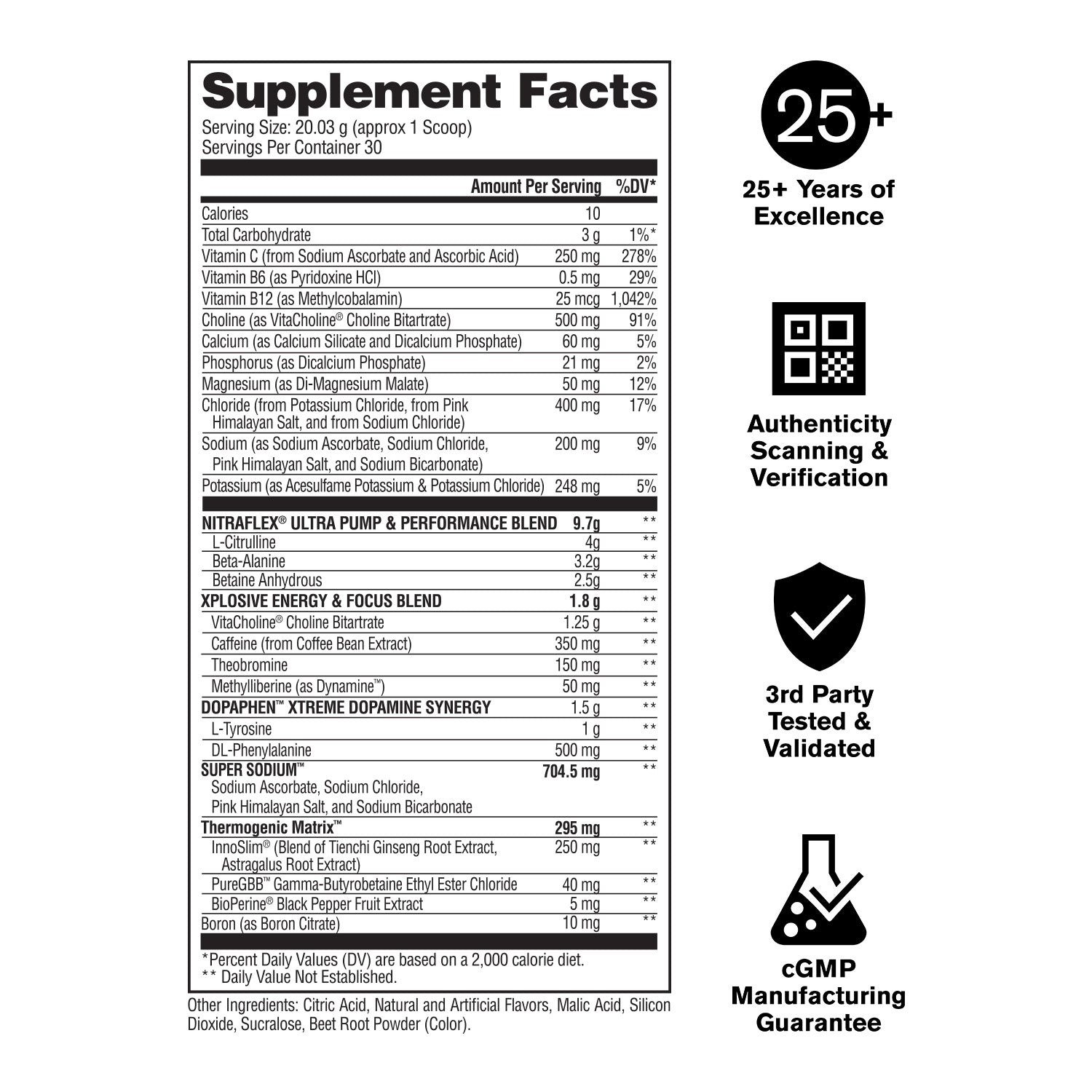
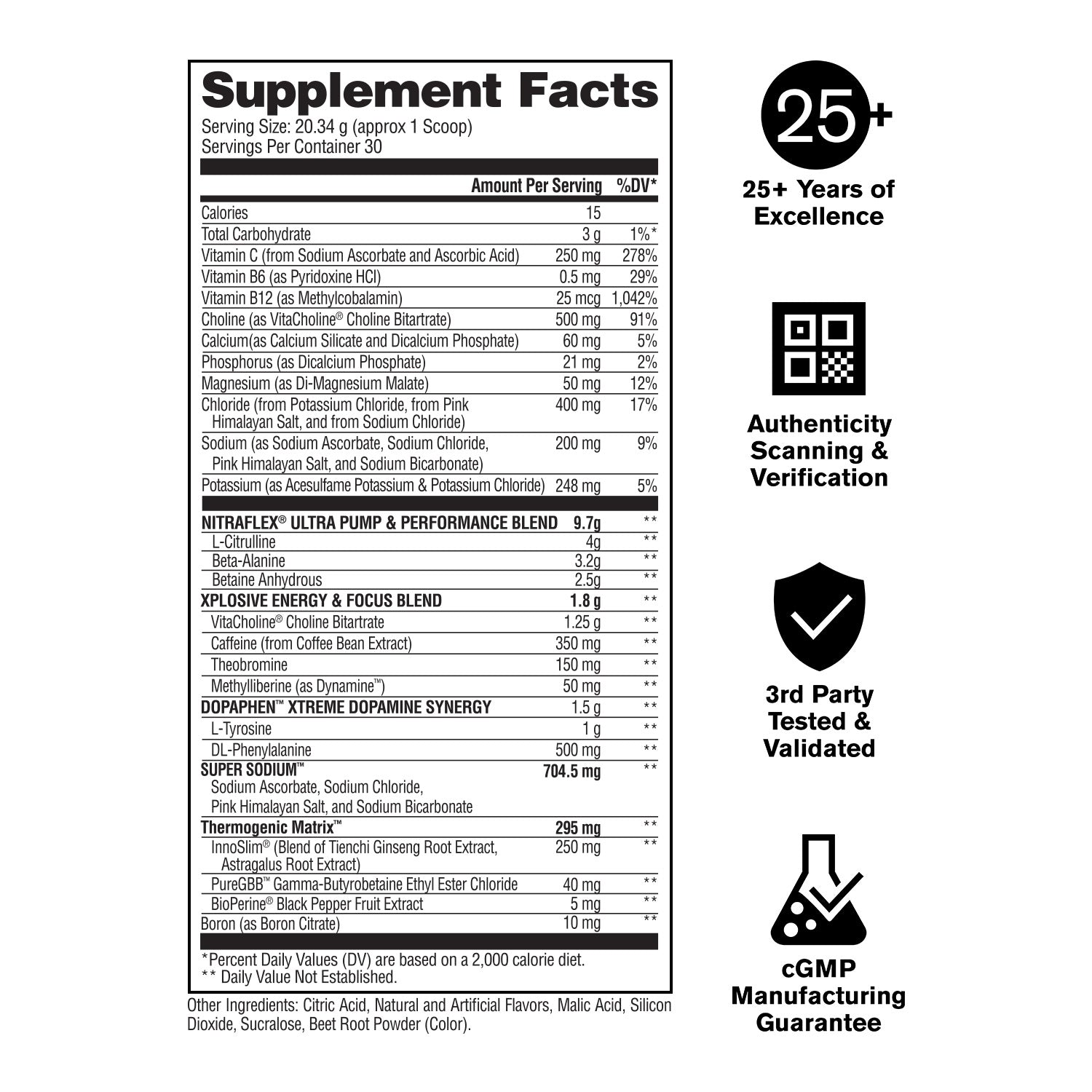
Nitraflex Burn provides the thermogenic matrix necessary for enhanced summer training output while maintaining the performance ingredients required for high-intensity sessions. The structured approach uses thermogenic support strategically during outdoor and high-heat sessions where metabolic demands are highest.

Component 2: Creatine Chews as Daily Foundation
Daily creatine supplementation represents the most consistently effective strategy for maintaining muscle energy stores and supporting training adaptation [10]. Unlike acute interventions, creatine effectiveness depends on achieving and maintaining muscle saturation through consistent daily intake regardless of training schedule.
Research demonstrates that systematic creatine supplementation provides superior outcomes compared to sporadic or workout-only approaches [11]. Studies examining different creatine protocols show that daily consistency produces better strength and power improvements than irregular supplementation patterns.
The convenience factor proves crucial for summer training when schedules often vary due to environmental conditions, travel, and extended training windows. GAT Sport Creatine Chews eliminate preparation barriers while providing precise 1.25g doses per chew, allowing flexible daily dosing through 4 chews for optimal 5g total intake.
Clinical studies examining supplement adherence demonstrate that convenience factors significantly influence long-term compliance, with products requiring minimal preparation showing superior consistency rates [12]. This consistency translates directly to better performance outcomes through sustained implementation.

Component 3: FLEXX EAAs Post-Workout Recovery
Post-exercise amino acid supplementation provides the building blocks necessary for converting training stress into positive adaptations [13]. Research demonstrates that essential amino acid consumption within 1-2 hours post-exercise significantly enhances muscle protein synthesis rates compared to delayed or missed supplementation windows.
Studies examining structured versus unstructured amino acid supplementation reveal that organized timing protocols produce superior adaptation responses [14]. The post-exercise period creates unique conditions for enhanced protein synthesis stimulation when amino acid availability is optimized through systematic supplementation.
Summer training increases protein turnover rates due to heat stress effects on cellular metabolism and inflammatory responses [15]. These elevated demands make systematic post-workout amino acid supplementation even more critical for maintaining positive protein balance during challenging environmental conditions.
The structured approach ensures that enhanced training stimuli created by thermogenic pre-workout support and consistent energy availability from daily creatine convert into measurable strength and performance adaptations through optimized recovery nutrition.
Elite vs. Recreational Approaches
The fundamental difference between elite and recreational athletic outcomes lies in systematic implementation rather than individual supplement effectiveness. Elite athletes treat supplementation as an integrated component of periodized training rather than random additions to existing routines.
Systematic Implementation
Research examining elite athlete development demonstrates that systematic approaches to supplementation timing and dosing produce superior results compared to intuitive or reactive methods [16]. Elite protocols integrate nutrition periodization, supplementation timing, and recovery support as equally important components of training programs.
Studies show that athletes following structured supplementation protocols demonstrate more consistent performance improvements and fewer plateau periods compared to those using sporadic approaches [17]. The systematic application eliminates guesswork while ensuring optimal support for all phases of training adaptation.
Elite summer protocols recognize that environmental challenges require enhanced rather than reduced systematic support. The additional stresses of heat, humidity, and extended training windows demand more precise rather than less organized supplementation approaches.
Long-Term Perspective
Periodization research emphasizes that performance development occurs through accumulated adaptations over extended periods rather than single training sessions [18]. Elite athletes design summer protocols that contribute to annual performance goals rather than treating summer as an isolated training period.
Studies examining long-term athletic development show that systematic approaches create more sustainable performance improvements [19]. The habits and protocols developed during summer training often determine success throughout subsequent training phases.
The systematic summer approach creates benefits that extend beyond the immediate training period: improved heat tolerance, enhanced work capacity, and established routine habits that support performance development year-round.
Implementation Strategy
Successful implementation requires treating the three-component system as an integrated protocol rather than separate interventions. Each component supports and amplifies the effects of the others through complementary mechanisms that address different aspects of summer training demands.
Timing Coordination
The systematic approach coordinates supplementation timing with daily training schedules and environmental conditions. Pre-workout thermogenic support 20-30 minutes before high-heat sessions, daily creatine at consistent times regardless of training, and post-workout amino acids within the 1–2-hour recovery window.
Research supports this coordinated approach over isolated supplementation strategies [20]. Studies show that integrated protocols produce synergistic effects that exceed the sum of individual interventions.
Consistency Over Intensity
The elite approach prioritizes consistency over sporadic high-dose interventions. Daily implementation of systematic protocols produces better outcomes than perfect execution on occasional training days [21]. This principle becomes particularly important during summer when schedule variations and environmental challenges can disrupt routine supplementation.
Athletes who establish consistent summer protocols show superior adaptation rates and fewer performance plateaus compared to those who adjust supplementation based on daily training intensity or motivation levels.
The Summer Advantage
Athletes who implement systematic summer protocols often emerge stronger than those who maintain winter training approaches. The additional environmental stress, when properly supported, drives adaptations that improve performance capacity under all conditions.
Research examining heat adaptation benefits shows that successful summer training with adequate systematic support promotes physiological adaptations that enhance performance even under moderate conditions [22]. These adaptations include improved cardiovascular efficiency, enhanced thermoregulation, and greater mental resilience.
The systematic approach transforms summer challenges into competitive advantages through organized support of adaptation processes. Rather than surviving summer training, elite protocols use systematic supplementation to thrive during the most demanding training conditions of the year.
Build the routine that produces results. Shop GAT Sport at gatsport.com.
References
- Burke, Louise M., et al. "Methodologies for Investigating Performance Changes With Supplement Use." International Journal of Sport Nutrition and Exercise Metabolism, vol. 28, no. 2, 1 Mar. 2018, pp. 159-169, journals.humankinetics.com/view/journals/ijsnem/28/2/article-p159.xml.
- "Sports periodization." EBSCO Research Starters, www.ebsco.com/research-starters/sports-and-leisure/sports-periodization.
- Fisher, James P., and Robert Csapo. "Periodization and Programming in Sports." Sports, vol. 9, no. 2, 20 Jan. 2021, www.ncbi.nlm.nih.gov/pmc/articles/PMC7909405/.
- Lorenz, Daniel S., and Michael P. Reiman. "Periodization: Current Review and Suggested Implementation for Athletic Rehabilitation." PMC, www.ncbi.nlm.nih.gov/pmc/articles/PMC3438871/.
- "Effects of different dietary supplements combined with conditioning training on muscle strength, jump performance, sprint speed, and muscle mass in athletes: a systematic review and network meta-analysis." Frontiers in Nutrition, vol. 12, 17 June 2025, www.frontiersin.org/journals/nutrition/articles/10.3389/fnut.2025.1636970/full.
- "Periodization Models for Elite Athletes." TraintoAdapt, 2 Feb. 2026, www.traintoadapt.co.uk/traintoadapt-tips/advanced-periodization-models-for-elite-athletic-development/.
- "Best Time to Take a Thermogenic Pre-Workout." Athleisure Magazine, 10 Oct. 2024, www.athleisuremag.com/the-latest/2024/10/9/best-time-to-take-a-thermogenic-pre-workout.
- Jitomir, Jen, and Jacob R. Willoughby. "Thermogenic and hemodynamic effects of ingesting a pre-workout supplement with and without synephrine." PMC, www.ncbi.nlm.nih.gov/pmc/articles/PMC4271628/.
- "Thermogenic Pre Workout: Top 8 Choices for Maximum Fat Loss." Strong Supplement Shop, 5 May 2025, www.strongsupplementshop.com/blog/thermogenic-pre-workout.
- "Dietary Supplement Strategies During Conditioning Training in Athletes: A Network Meta‐Analysis of Peak and Mean Anaerobic Power, VO₂max, and Endurance Performance." PMC, www.ncbi.nlm.nih.gov/pmc/articles/PMC12663695/.
- Kreider, Richard B., et al. "International Society of Sports Nutrition position stand: safety and efficacy of creatine supplementation in exercise, sport, and medicine." Journal of the International Society of Sports Nutrition, vol. 14, no. 18, 2017.
- "Efficacy of dietary supplements on sports performance outcomes: a systematic review of evidence in elite athletes." PMC, www.ncbi.nlm.nih.gov/pmc/articles/PMC12498230/.
- Rasmussen, Blake B., et al. "Essential amino acids and muscle protein recovery from resistance exercise." American Journal of Physiology-Endocrinology and Metabolism, vol. 283, no. 4, 2002, pp. E648-E657.
- Areta, José L., et al. "Timing and distribution of protein ingestion during prolonged recovery from resistance exercise alters myofibrillar protein synthesis." Journal of Physiology, vol. 591, no. 9, 2013, pp. 2319-2331.
- Cheung, Stephen S., and Tom M. McLellan. "Heat acclimation, aerobic fitness, and hydration effects on tolerance during uncompensable heat stress." Journal of Applied Physiology, vol. 84, no. 5, 1998, pp. 1731-1739.
- "Periodization strategies in resistance training: a structured framework for program design and development - a systematic review." Health, Sport, Rehabilitation, 19 Dec. 2025, hsr-journal.com/index.php/journal/article/view/1262.
- Mujika, Iñigo, et al. "An Integrated, Multifactorial Approach to Periodization for Optimal Performance in Individual and Team Sports." International Journal of Sports Physiology and Performance, vol. 13, no. 5, 2018, pp. 538-561.
- "Concept of sports training periodization for better performance: A critical discussion." ResearchGate, 30 Sep. 2022, www.researchgate.net/publication/363829967.
- Kiely, John. "Periodization paradigms in the 21st century: evidence-led or tradition-driven?" International Journal of Sports Physiology and Performance, vol. 7, no. 3, 2012, pp. 242-250.
- "Ergogenic effects of supplement combinations on endurance performance: a systematic review and meta-analysis of randomized controlled trials." Journal of the International Society of Sports Nutrition, www.tandfonline.com/doi/full/10.1080/15502783.2025.2524033.
- Phillips, Stuart M. "A brief review of critical processes in exercise-induced muscular hypertrophy." Sports Medicine, vol. 44, no. S1, 2014, pp. S71-S77.
- Tyler, Christopher J., et al. "The effects of heat adaptation on physiology, perception and exercise-heat stress." Sports Medicine, vol. 46, no. 11, 2016, pp. 1699-1723.