

Super Bowl Sunday: while you're destroying wings and beer, the players on the field are following precise fueling protocols. Here's what it takes to perform when 100 million people are watching.
Super Bowl LX (February 8, 2026) pits elite athletes against extreme physical demands: linemen generate 800–1,200 watts of power per play, quarterbacks make split-second decisions under 300-lb pressure, and running backs cover 100–200 yards at top speed. Game day isn't chaos; it's calculated nutrition and supplementation to sustain 3–4 hours of high-intensity effort. For recreational athletes prepping for "big days" (marathons, competitions, or heavy lifts), NFL protocols offer proven blueprints to avoid crashes and maximize output.
The Problem: Game Day Nutrition Confusion, Performance Anxiety, Big Event Preparation
Nutrition confusion plagues big events: what to eat pre-game, during halftime, or post? Wrong choices lead to GI distress (affecting 30–50% of athletes [1]), energy crashes, or suboptimal recovery. Performance anxiety amplifies this; stress elevates cortisol, impairing focus and power output by 10–20% [2]. Big event preparation often fails from last-minute cramming: athletes overload carbs too late or skip hydration, risking dehydration that drops performance 2–8% per 1% body weight lost [3]. For everyday trainees, this translates to botched "peak weeks" or training plateaus from poor fueling, turning motivation into frustration.
The Science: Game Day Fueling, NFL Supplement Protocols, High-Stakes Performance
NFL fueling is evidence-based: pre-game carbs (6–12 g/kg over 24–48 hours) maximize glycogen stores, improving endurance 10–20% in intermittent sports [4]. During games, 30–60 g/hour carbs + electrolytes sustain blood glucose and delay fatigue [5]. Post-game, 1.2–1.6 g/kg carbs + 0.4 g/kg protein within 30 minutes accelerates glycogen resynthesis 30–50% [6].
Supplement protocols are strategic: creatine (5 g/day) boosts explosive power 5–15% for short bursts like tackles [7]; caffeine (3–6 mg/kg) enhances alertness and strength 3–5% without jitters when timed [8]. High-stakes performance science emphasizes recovery: sleep post-event restores cognitive function 20–30% faster with proper nutrition [9]. Hydration is critical; dehydration >2% impairs decision-making and speed [3]. NFL teams use blood markers and HRV to individualize, reducing injury risk 15–25% [10].

Solution: NFL-Inspired Game Day Protocols for Big Training Days
Adapt pro protocols for your "big days”, heavy lifts, races, or events. Focus on pre, during, and post fueling with portable, effective support.
Pre-Game (24–48 Hours Out)
- Carb load: 6–8 g/kg from complex sources (rice, pasta) to top glycogen [4]. Avoid fiber overload to prevent GI issues.
- Hydrate: 5–7 ml/kg 4 hours pre-event [3].
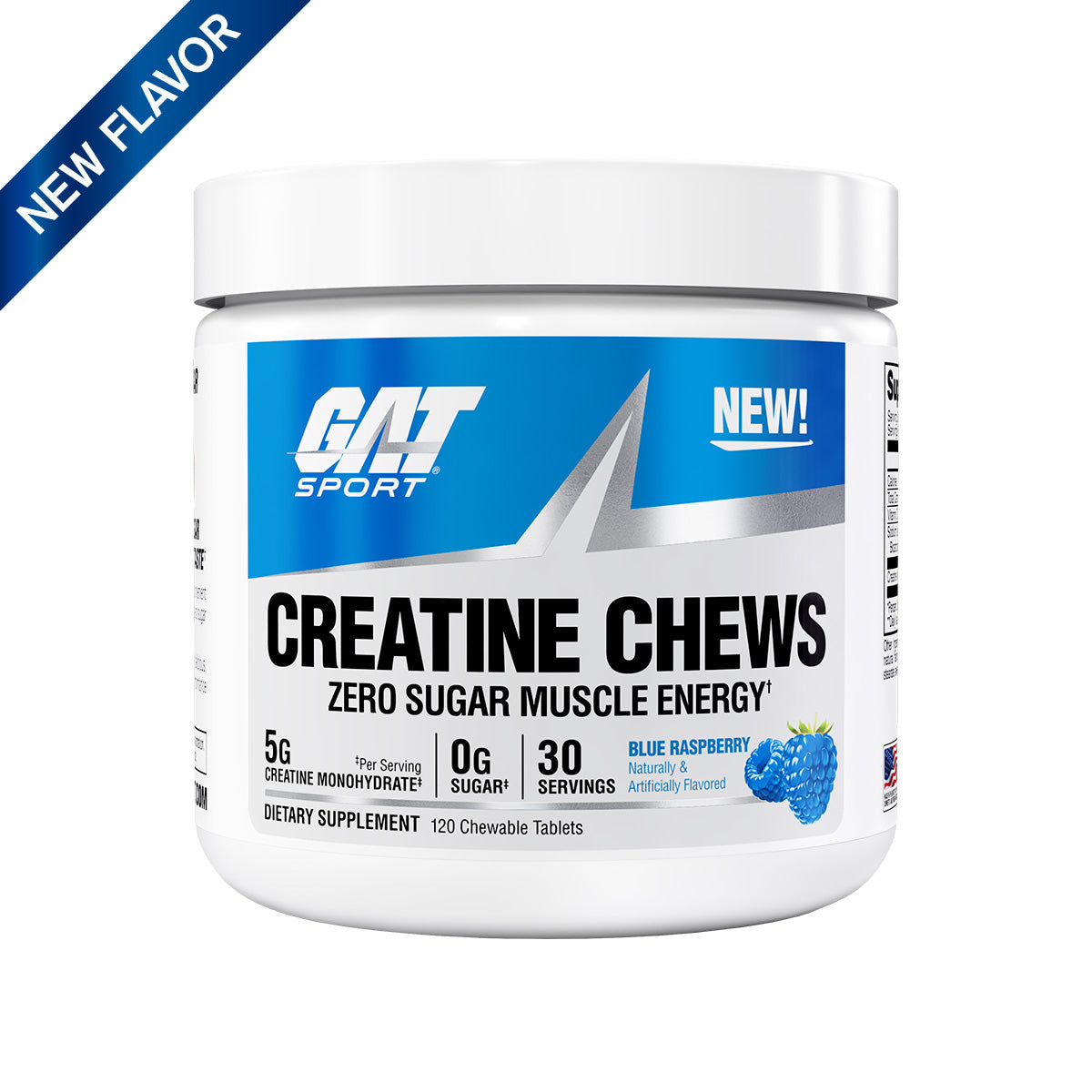
- Supplementation: Creatine Chews (5 g) for power saturation [7]; Deep Wood morning dose to optimize T and reduce anxiety [11].
Game Time (During Event)
- Every 15–30 min: 30–60 g carbs + electrolytes to maintain energy [5]. For training, sip during sets.
- Nitraflex Hydration: for all-game hydration support; citrulline + electrolytes enhance blood flow and endurance 10–15% [12].
- Creatine Chews: Convenient halftime energy; pop mid-session for ATP top-up without bulk [7].
Post-Game (0–4 Hours After)
- Immediate: 1.2 g/kg carbs + 0.4 g/kg protein for resynthesis [6].
- FLEXX EAAs: Post-game recovery acceleration; 10–15 g leucine-enriched aminos spike MPS 20–50% [13].
- Nitraflex Advanced: If training again soon, use for intensity without overstimulation [12].
Weekly Adaptation for Big Training Days
- Monday–Wednesday: Build volume with Nitraflex Advanced pre-workout.
- Thursday: Light/recovery with FLEXX EAAs.
- Friday: "Game simulation"; high intensity with full protocol.
- Weekend: Active rest + Creatine Chews/Deep Wood for hormone balance.
Track HRV or perceived exertion to adjust; prevent overtraining [10]. This system sustains performance: carb timing prevents crashes, hydration counters dehydration, supplements bridge gaps.
For "big days," prep 48 hours ahead: sleep 8–9 hours, load carbs, hydrate. During: fuel every 30 min. Post: recover immediately. NFL players use this to peak under pressure; you can too for PRs or events.
Super Bowl fuel isn't luck; it's science. Adapt NFL protocols for your big days and turn pressure into performance.
Works Cited
[1] Parr, Evelyn B., et al. "Alcohol Ingestion Impairs Maximal Post-Exercise Rates of Myofibrillar Protein Synthesis following a Single Bout of Resistance Exercise." PLoS ONE, vol. 9, no. 2, 2014, article e88384.
[2] Hayes, Laurence D., et al. "Interactions of Cortisol, Testosterone, and Resistance Training: Influence of Circadian Rhythms." Chronobiology International, vol. 27, no. 4, 2010, pp. 675–705.
[3] Sawka, Michael N., et al. "American College of Sports Medicine Position Stand. Exercise and Fluid Replacement." Medicine & Science in Sports & Exercise, vol. 39, no. 2, 2007, pp. 377–90.
[4] Burke, Louise M., et al. "Carbohydrates for Training and Competition." Journal of Sports Sciences, vol. 29, no. suppl 1, 2011, pp. S17–27.
[5] Thomas, D. Travis, et al. "American College of Sports Medicine Joint Position Statement. Nutrition and Athletic Performance." Medicine & Science in Sports & Exercise, vol. 48, no. 3, 2016, pp. 543–68.
[6] Kerksick, Chad M., et al. "International Society of Sports Nutrition Position Stand: Nutrient Timing." Journal of the International Society of Sports Nutrition, vol. 14, 2017, article 33.
[7] Kreider, Richard B., et al. "International Society of Sports Nutrition Position Stand: Safety and Efficacy of Creatine Supplementation in Exercise, Sport, and Medicine." Journal of the International Society of Sports Nutrition, vol. 14, 2017, article 18.
[8] Guest, Nanci S., et al. "International Society of Sports Nutrition Position Stand: Caffeine and Exercise Performance." Journal of the International Society of Sports Nutrition, vol. 18, no. 1, 2021, article 1.
[9] Fullagar, Hugh H. K., et al. "Sleep and Athletic Performance: The Effects of Sleep Loss on Exercise Performance, and Physiological and Cognitive Responses to Exercise." Sports Medicine, vol. 45, no. 2, 2015, pp. 161–86.
[10] Meeusen, Romain, et al. "Prevention, Diagnosis, and Treatment of the Overtraining Syndrome: Joint Consensus Statement of the European College of Sport Science and the American College of Sports Medicine." Medicine & Science in Sports & Exercise, vol. 45, no. 1, 2013, pp. 186–205.
[11] Wankhede, Sachin, et al. "Beneficial Effects of Fenugreek Glycoside Supplementation in Male Subjects During Resistance Training: A Randomized Controlled Pilot Study." Journal of Sport and Health Science, vol. 5, no. 2, 2016, pp. 176–82.
[12] Pérez-Guisado, Joaquín, and Philip M. Jakeman. "Citrulline Malate Enhances Athletic Anaerobic Performance and Relieves Muscle Soreness." Journal of Strength and Conditioning Research, vol. 24, no. 5, 2010, pp. 1215–22.
[13] Jackman, Sarah R., et al. "Branched-Chain Amino Acid Ingestion Stimulates Muscle Myofibrillar Protein Synthesis Following Resistance Exercise in Humans." Frontiers in Physiology, vol. 8, 2017, article 390.