

Arnold Classic brings world's most impressive physiques. Behind every champion is a supplement protocol.
The Arnold Sports Festival (March 5–8, 2026) in Columbus, Ohio, is the ultimate showcase of bodybuilding excellence. From Ronnie Coleman's legendary mass to modern champions like Brandon Curry and Hadi Choopan, the stage is filled with 250+ lb. physiques carved by years of precision. But while fans marvel at the results, the real story is in the protocols: consistent supplementation, peak week timing, and recovery strategies that separate pros from amateurs. This isn't about "secret stacks"; it's science-driven optimization that recreational athletes can adapt for their own goals. Let's break down the evidence, what champions actually use, and how to apply it to your training.
The Problem: Mystification of Elite Physiques, Supplement Misconceptions
Elite physiques are often mystified as "all drugs" or "unattainable genetics," but the truth is more mundane: 90% of success comes from consistent training, nutrition, and supplementation over 5–10 years [1]. Misconceptions abound: people assume champions rely on exotic stacks or ignore basics, leading to frustration when recreational results stall. Supplement misconceptions are rampant; many think "more is better," but over-supplementation wastes money and risks side effects [2].
For non-pros, this creates paralysis: endless options (pre-workouts, fat burners, nootropics) without clear guidance, causing 40–60% adherence drop in supplement users [3]. The Arnold Classic highlights this: competitors use proven basics (creatine, EAAs, caffeine) with precision timing, not gimmicks. Without understanding this, amateurs chase hype instead of results.
The Science: Competition Prep Science, Peak Week Protocols, Supplement Timing
Competition prep science is rigorous: 12–16-week cuts with 300–500 kcal deficits preserve muscle via high protein (2.3–3.1 g/kg) and resistance training [4]. Peak week protocols manipulate water, sodium, and carbs to maximize fullness: carb loading (8–12 g/kg) 48–72 hours out increases glycogen 20–30%, enhancing muscle volume [5]. Sodium loading/depletion (high sodium 3 days pre-show, low day of) optimizes vascularity without dehydration risks [6].
Supplement timing is critical: creatine (5 g/day) maintains saturation for fullness and strength [7]; EAAs (10–20 g peri-workout) sustain MPS during deficits, reducing muscle loss 20–50% [8]; caffeine (3–6 mg/kg pre-show) improves pump and focus without crash [9]. Studies on bodybuilders show periodized supplementation (e.g., creatine loading pre-peak) yields 5–10% better stage condition [3]. These protocols are evidence-based, not anecdotal; pros like Phil Heath and Dexter Jackson have publicly discussed creatine, EAAs, and caffeine as staples [11].
Top Supplements Behind Arnold Classic Champions
Champions use targeted stacks for peak week and off-season. Here's what the science and public statements reveal:
Creatine (Foundation for Fullness and Strength)
Every champion uses creatine: 5 g/day maintains saturation, increasing muscle volume 5–10% via water retention and ATP [7]. Ronnie Coleman and Jay Cutler credited creatine for size; studies show 5 g/day boosts strength 8–20% in bodybuilders [7]. GAT Sport Creatine Powder or Chews deliver this: chews for peak week portability, powder for loading.
EAAs (Muscle Preservation During Cuts)
FLEXX EAAs formulas are staples: 10–20 g peri-workout maintains MPS in deficits, reducing muscle loss 20–50% [8]. Hadi Choopan and Brandon Curry emphasize EAAs for recovery; leucine (3–5 g) drives anabolism [11]. Portable packets make them perfect for contest prep.
Pre-Workouts (Pump and Focus)
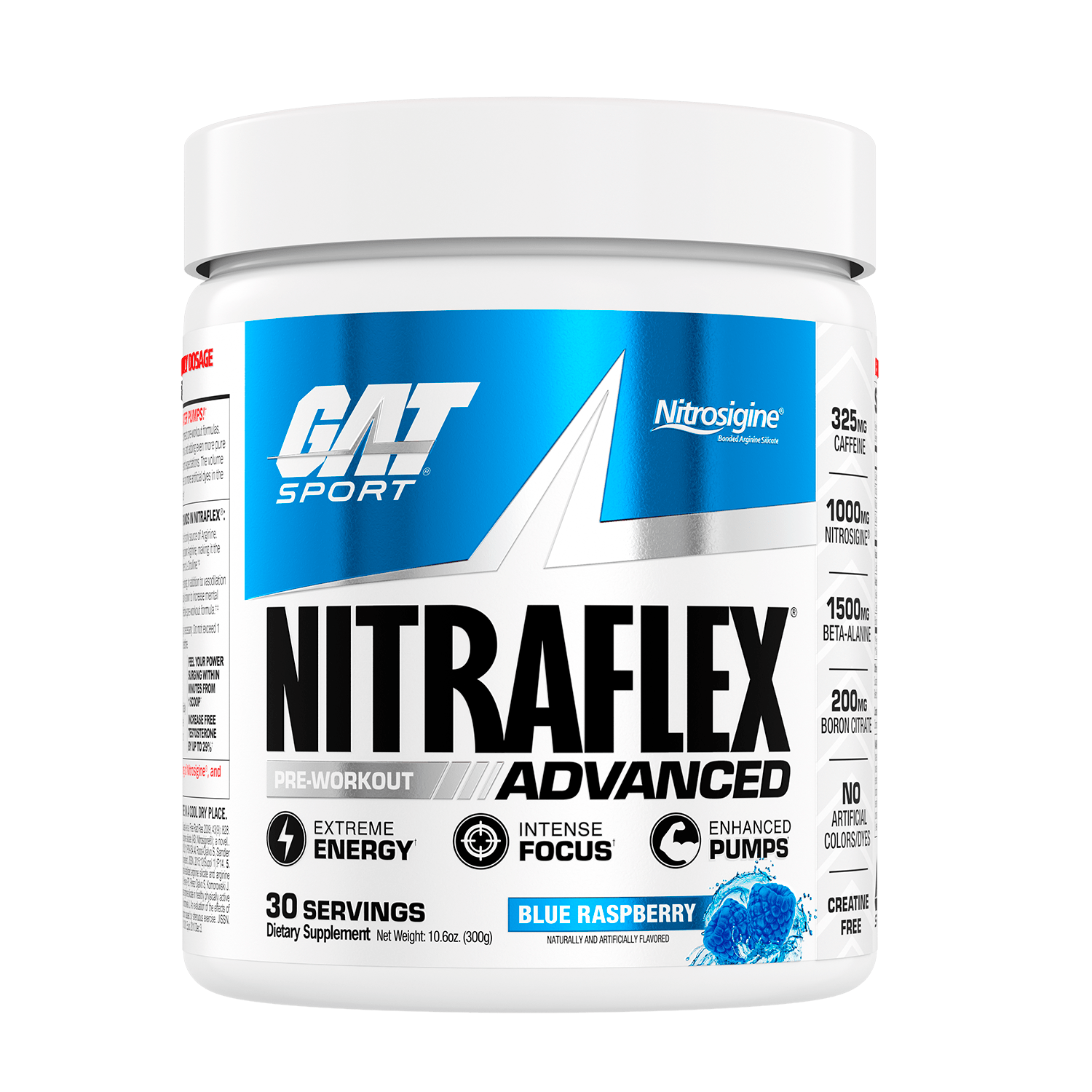
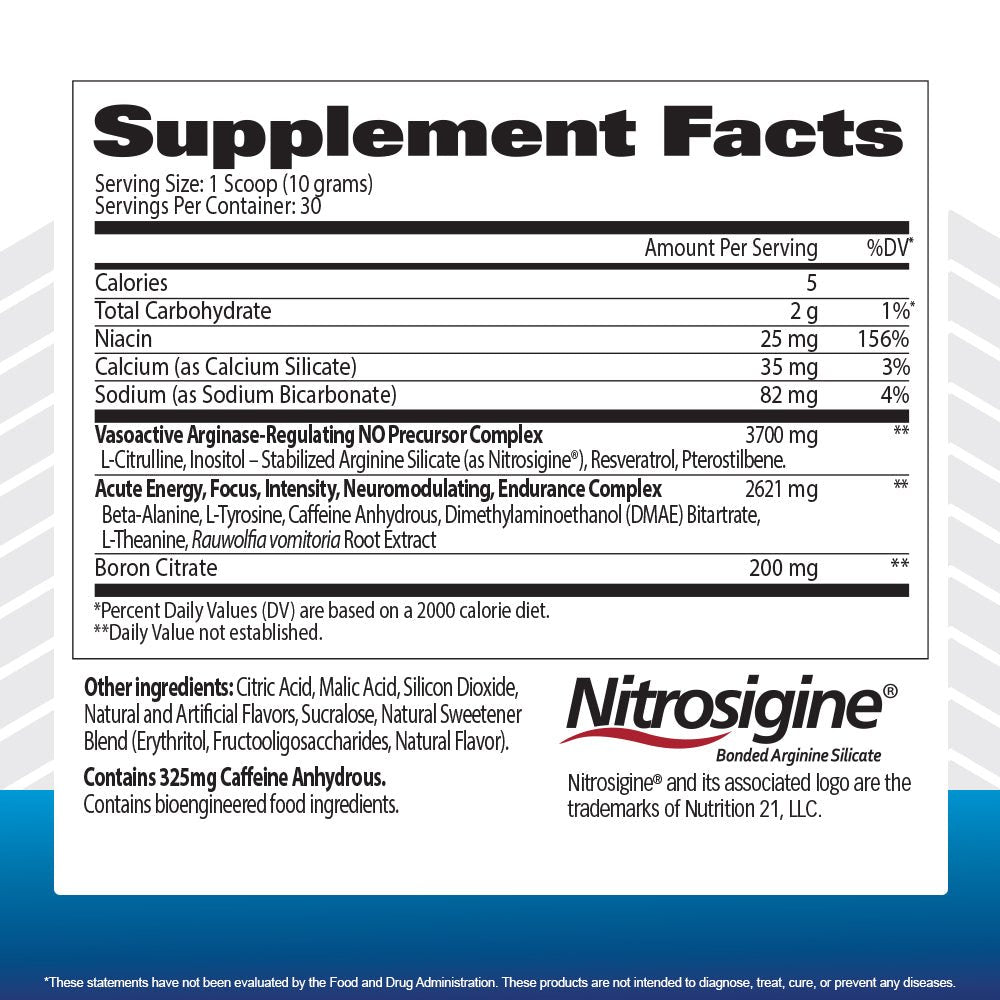
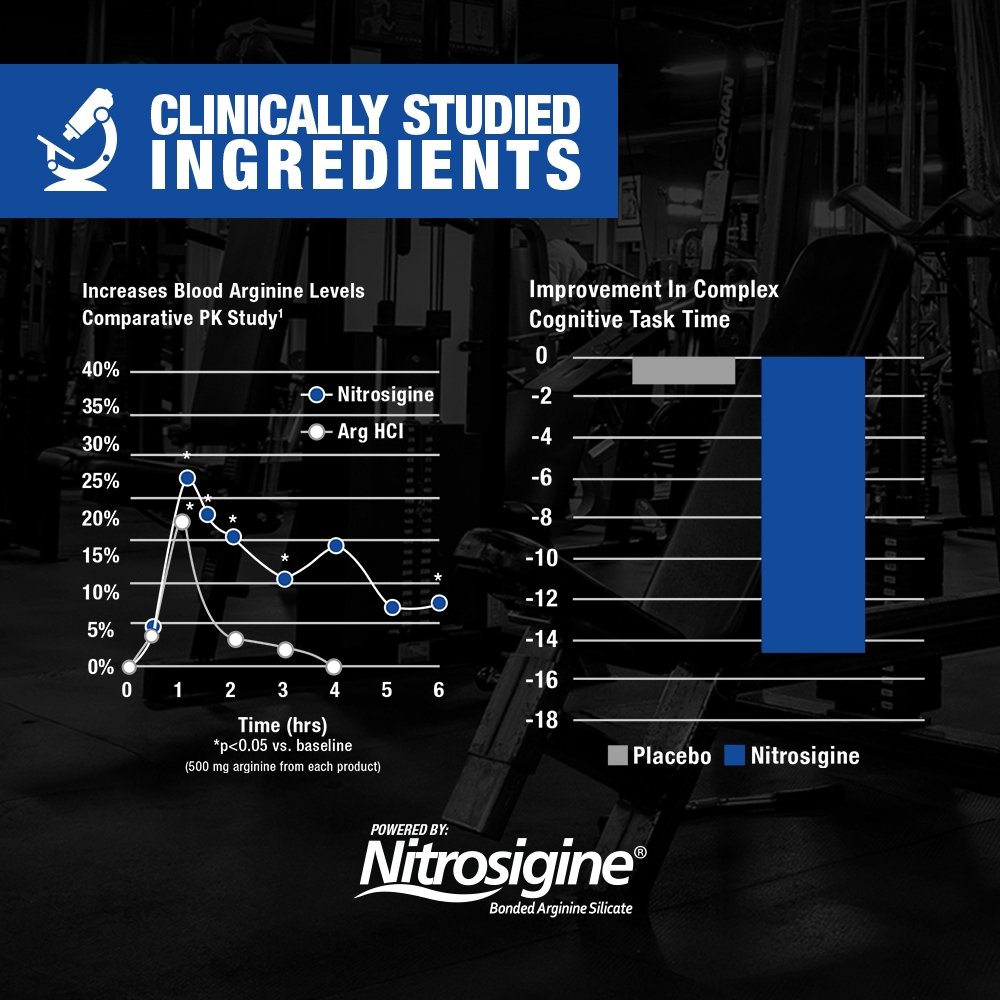
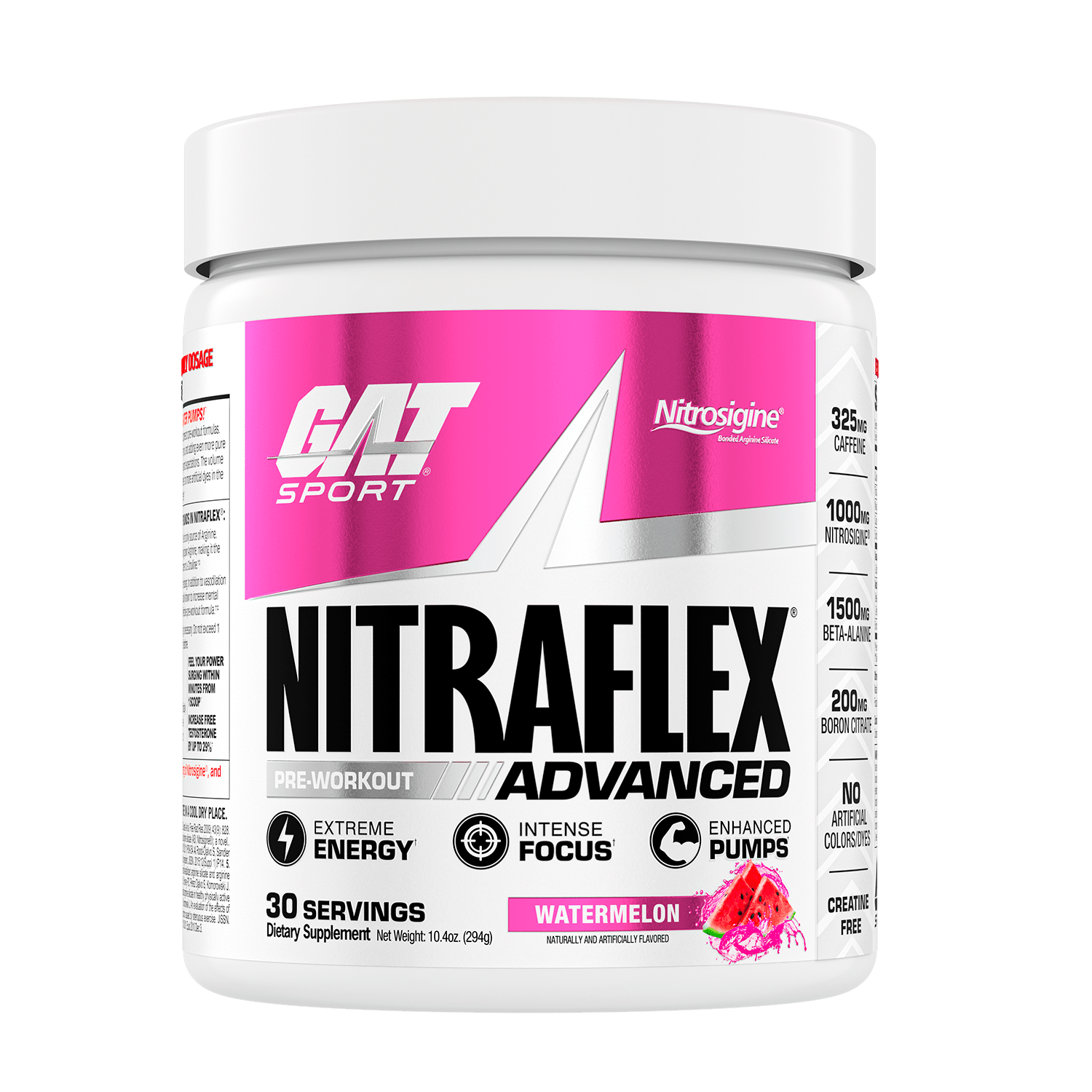
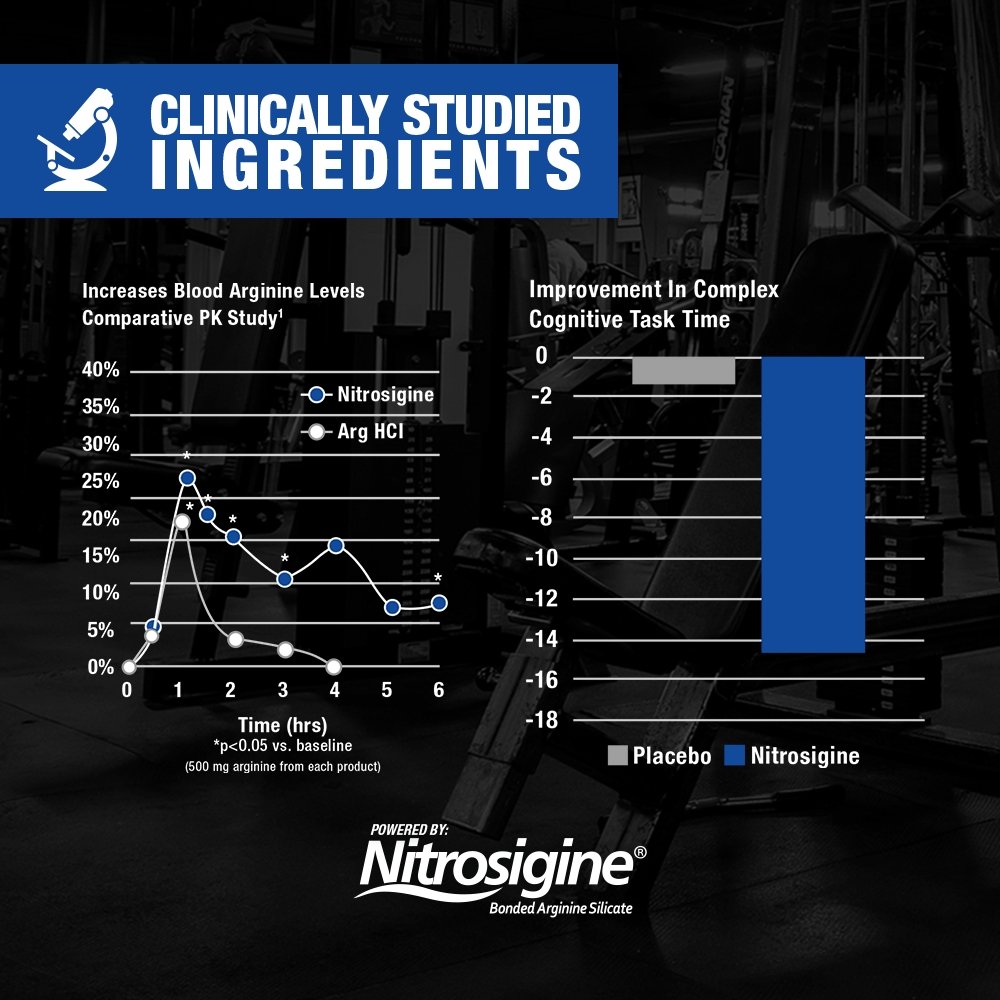
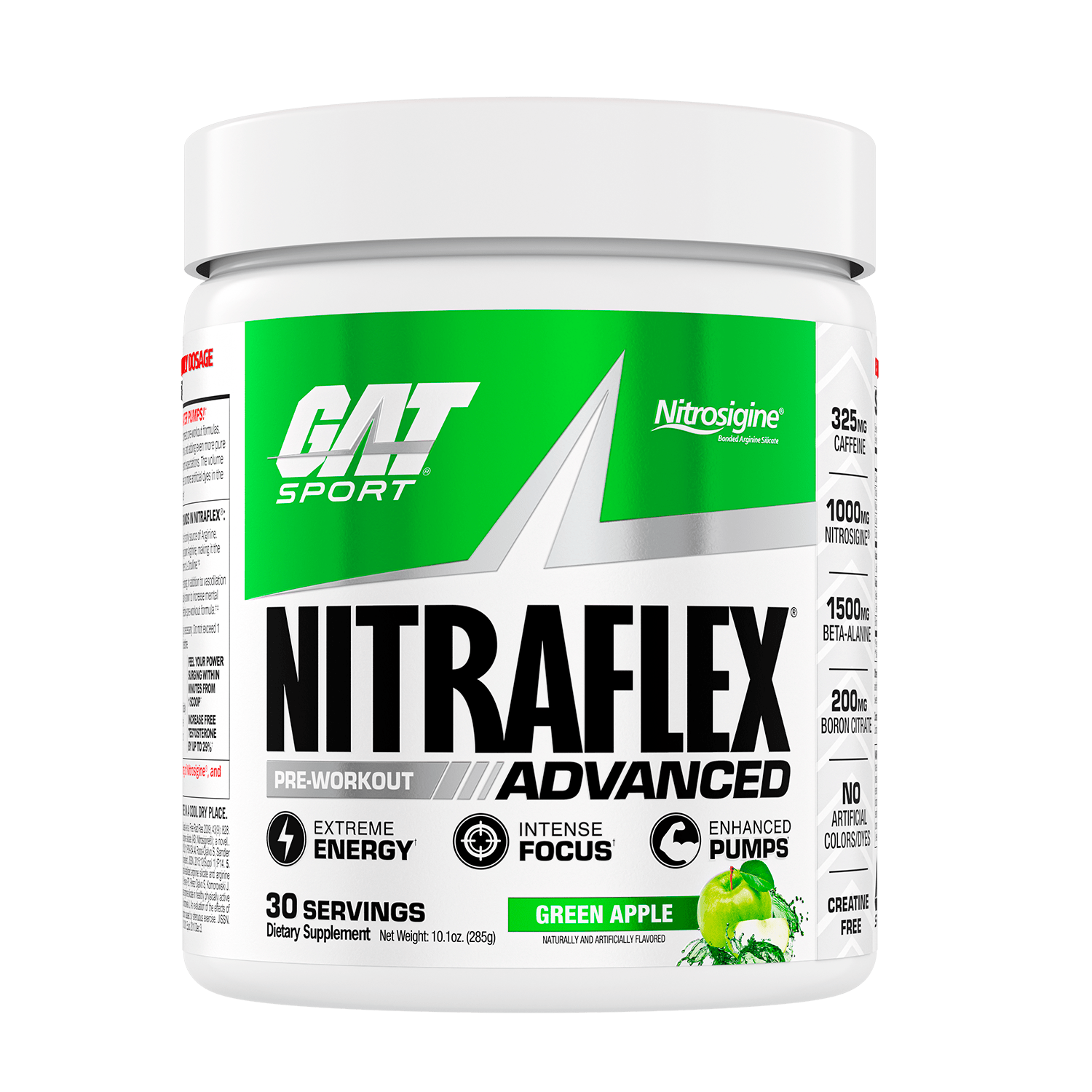
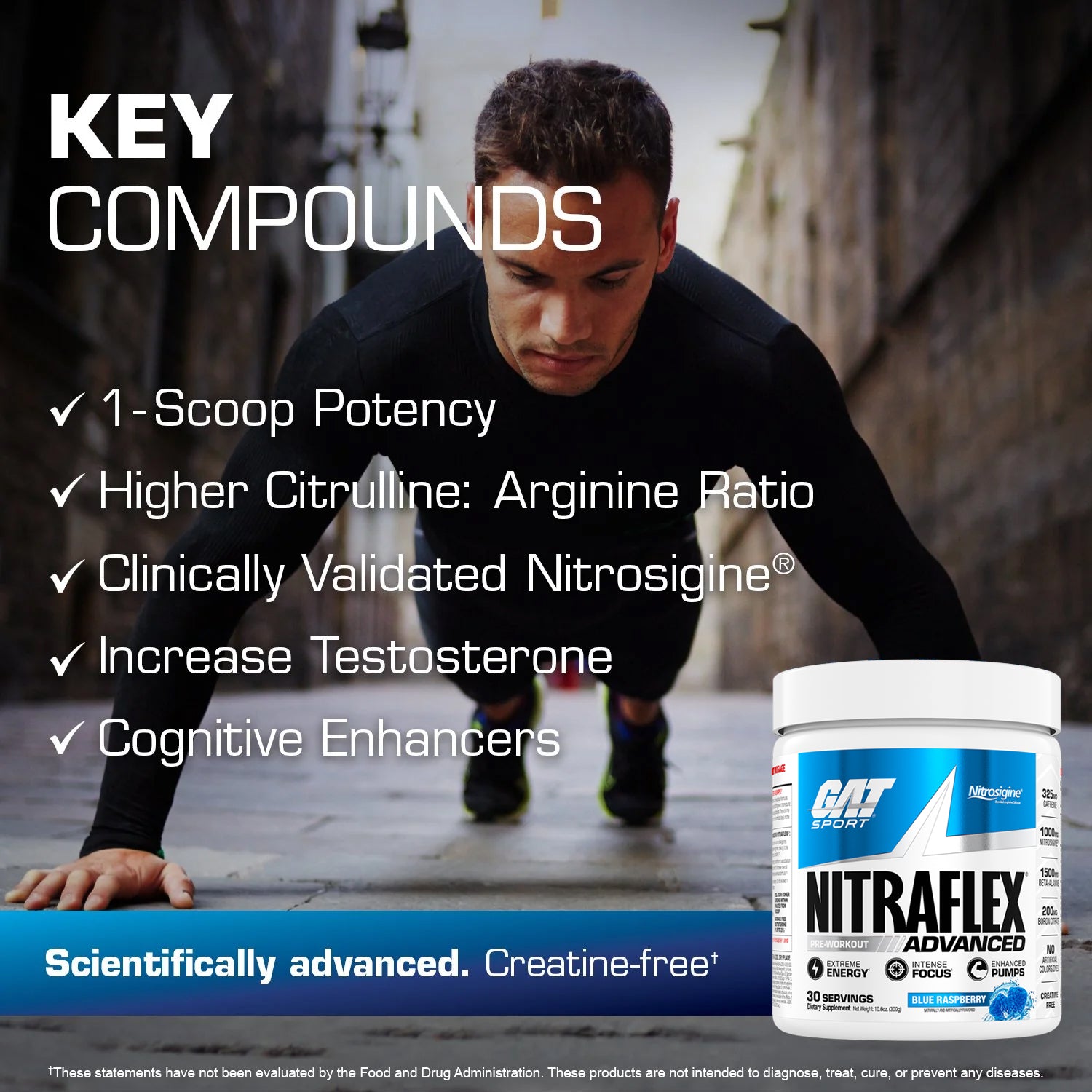
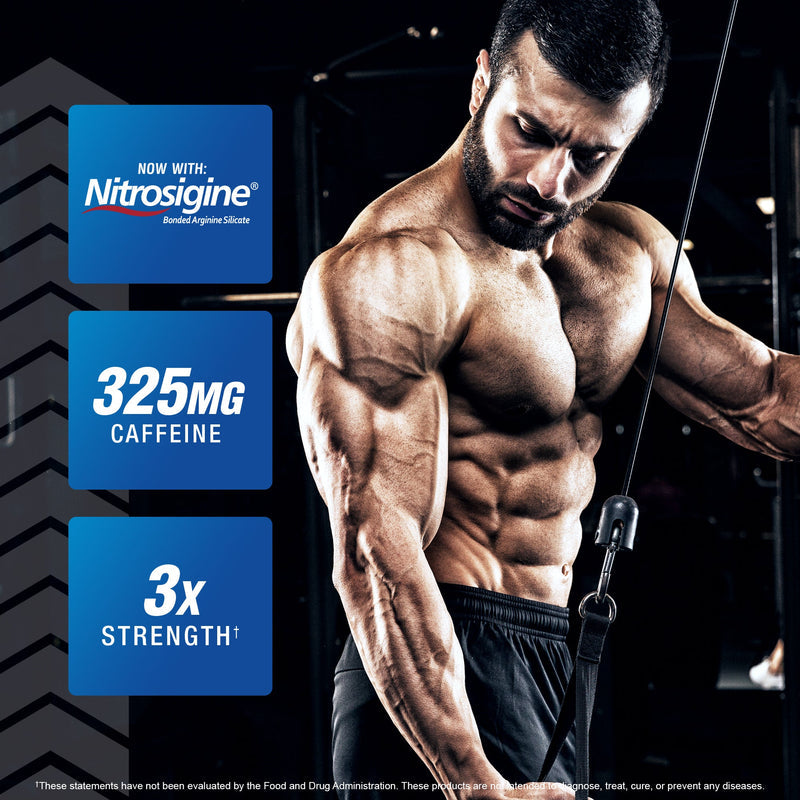
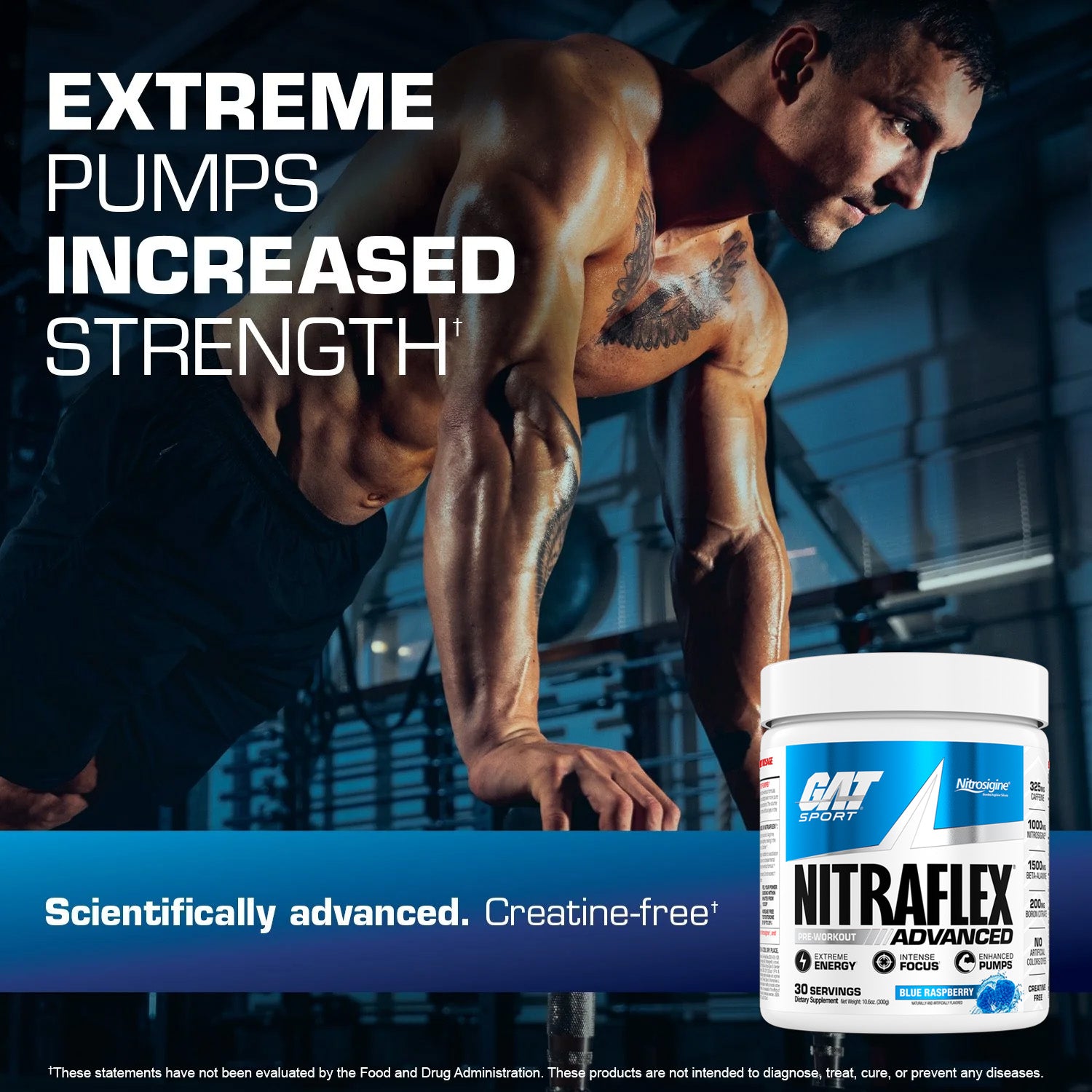
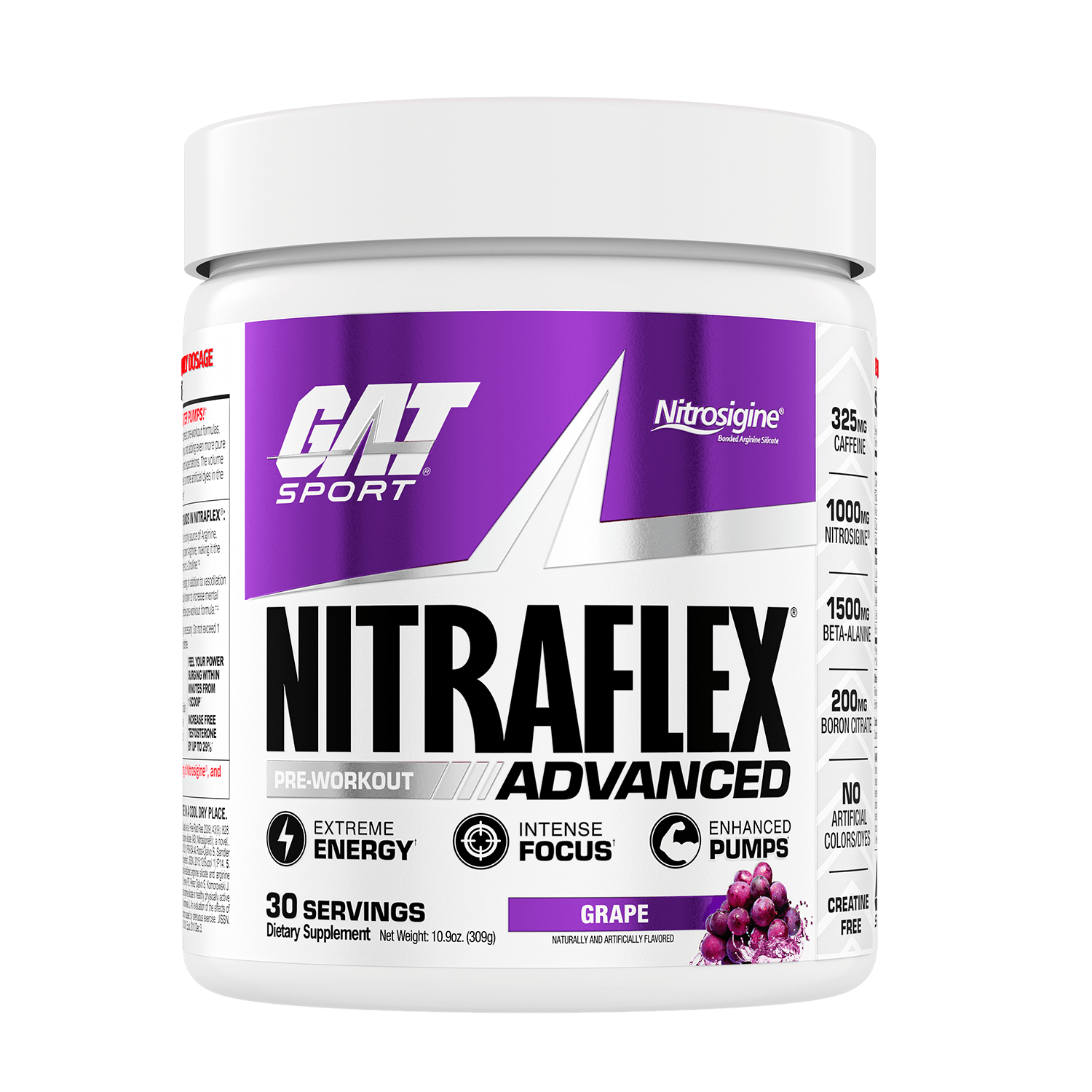
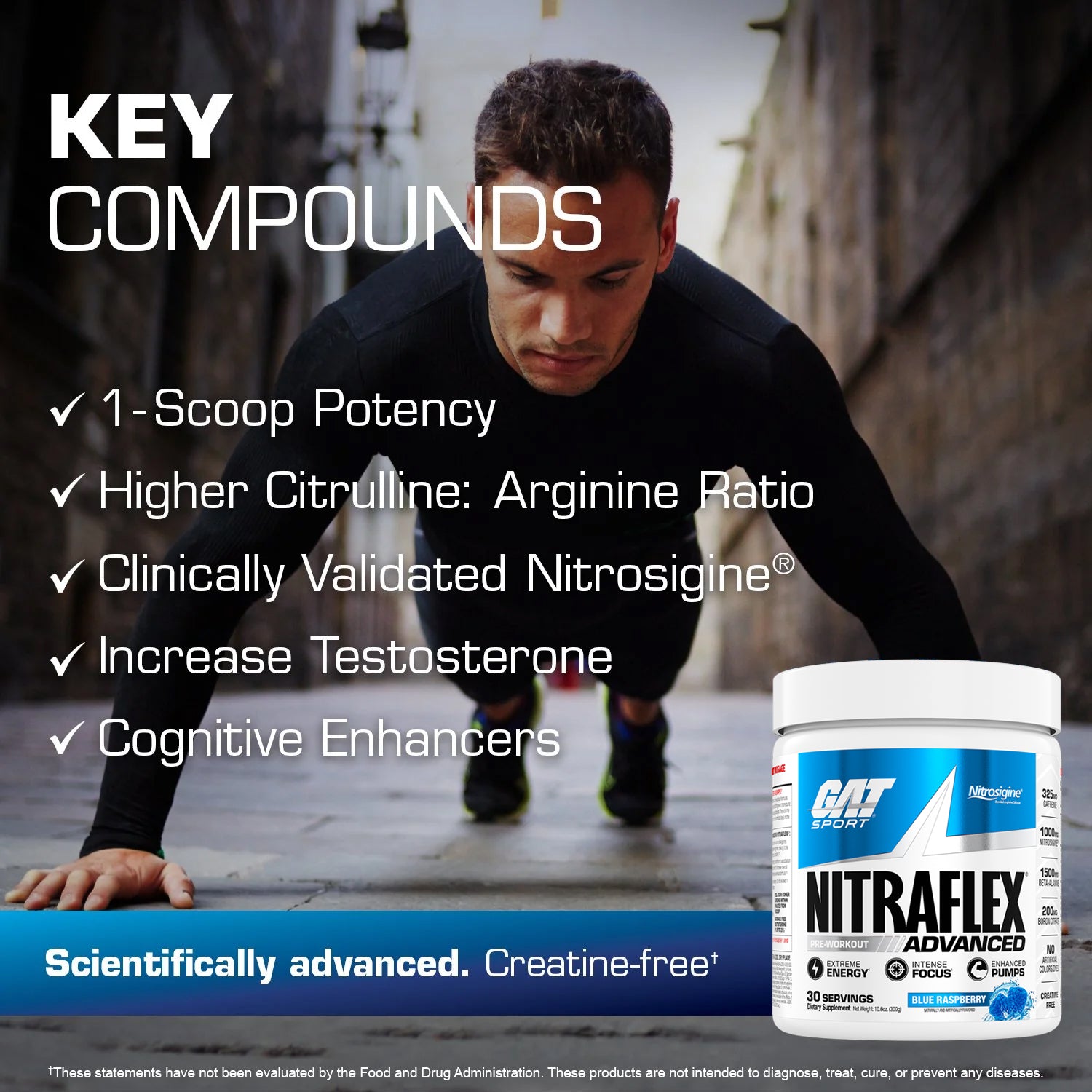
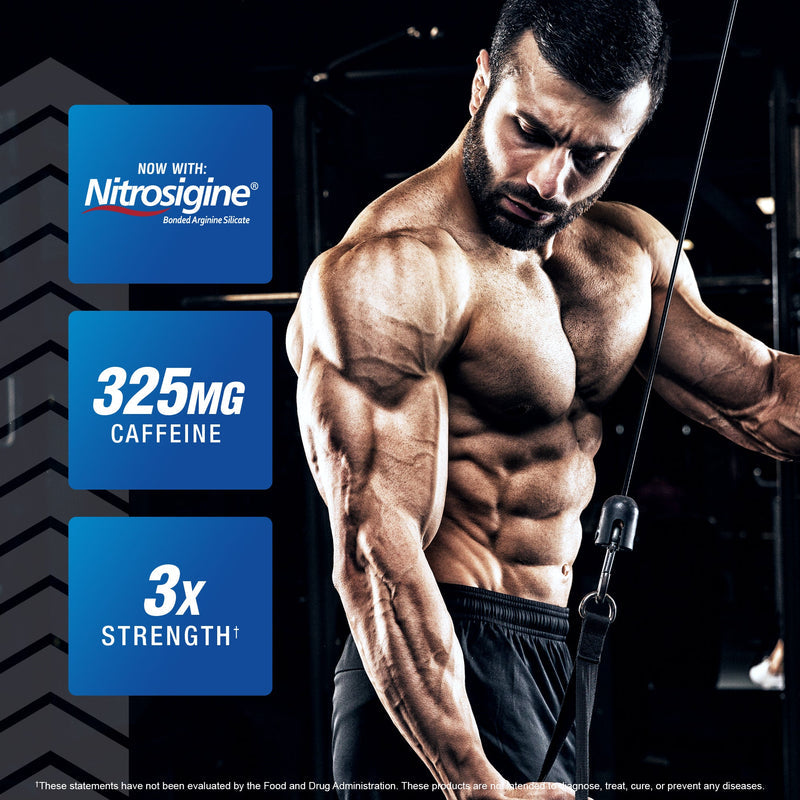
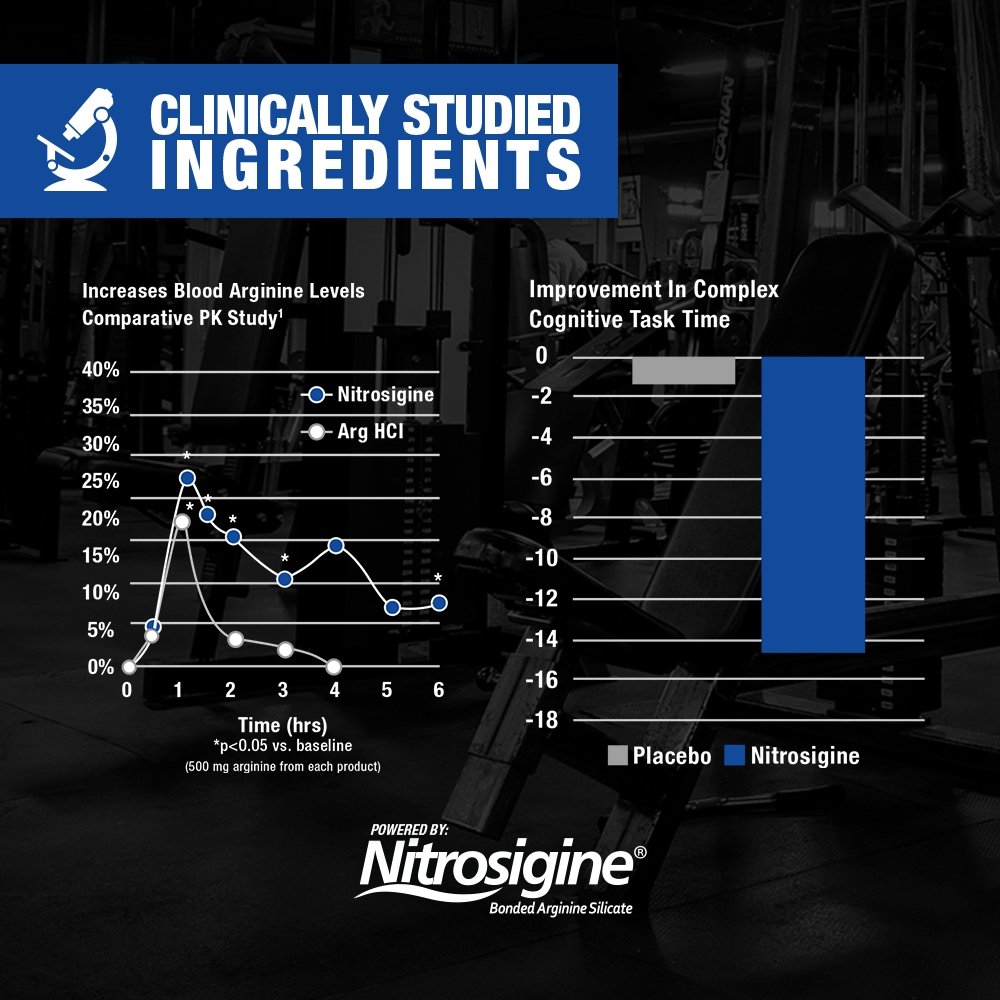
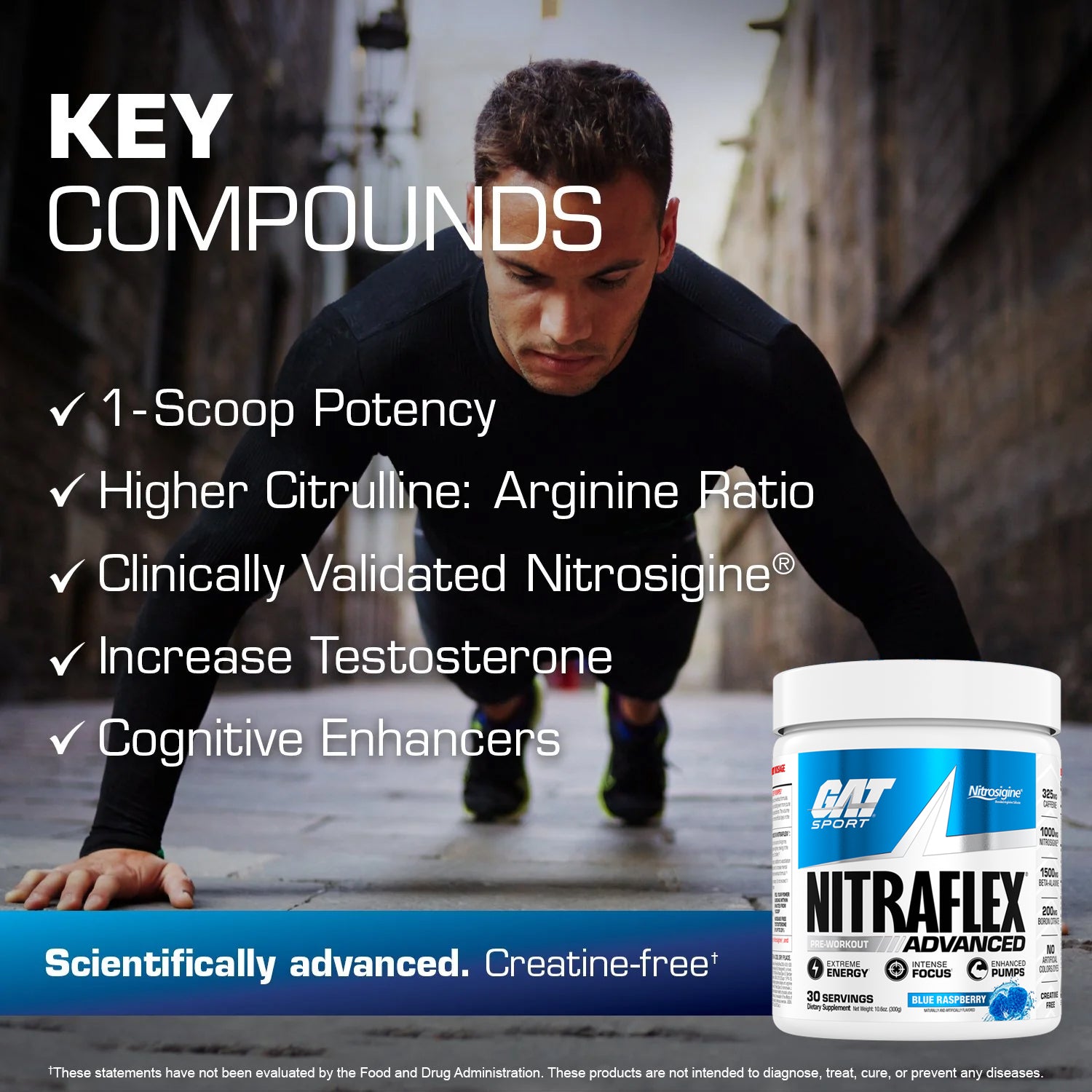
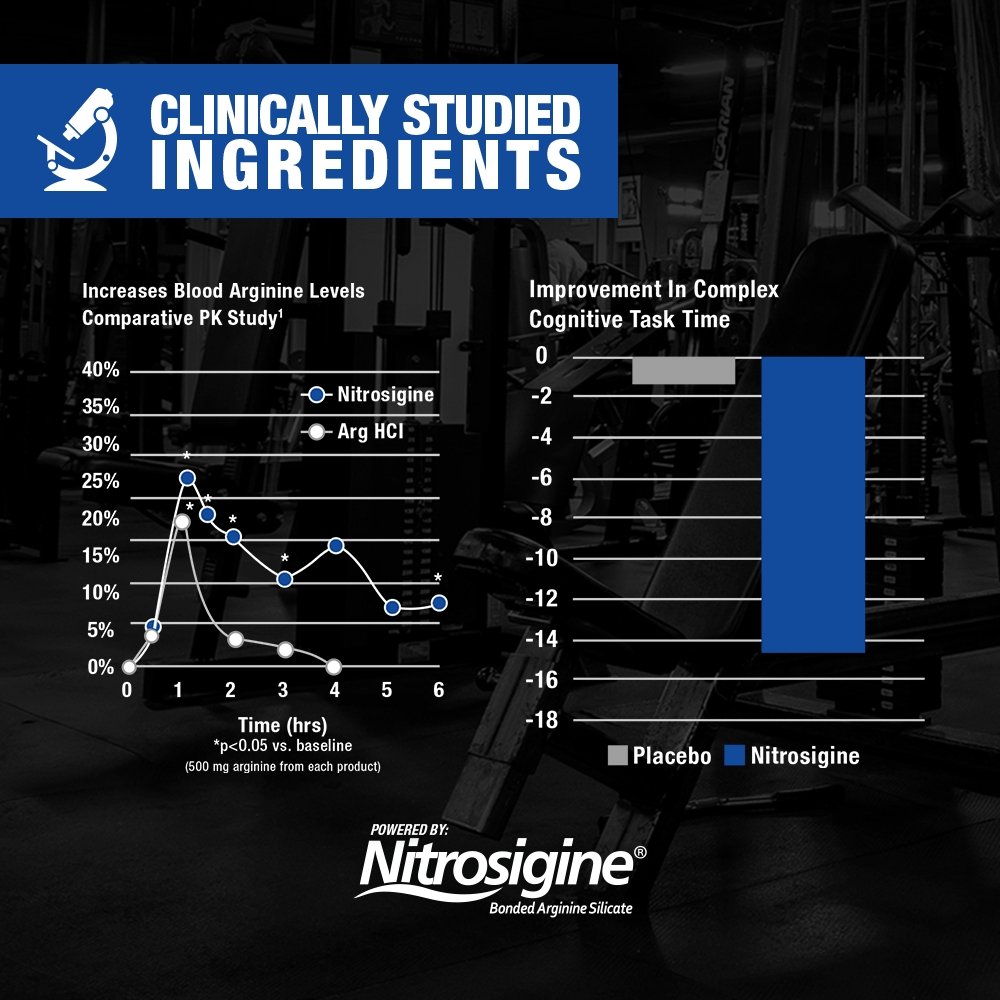
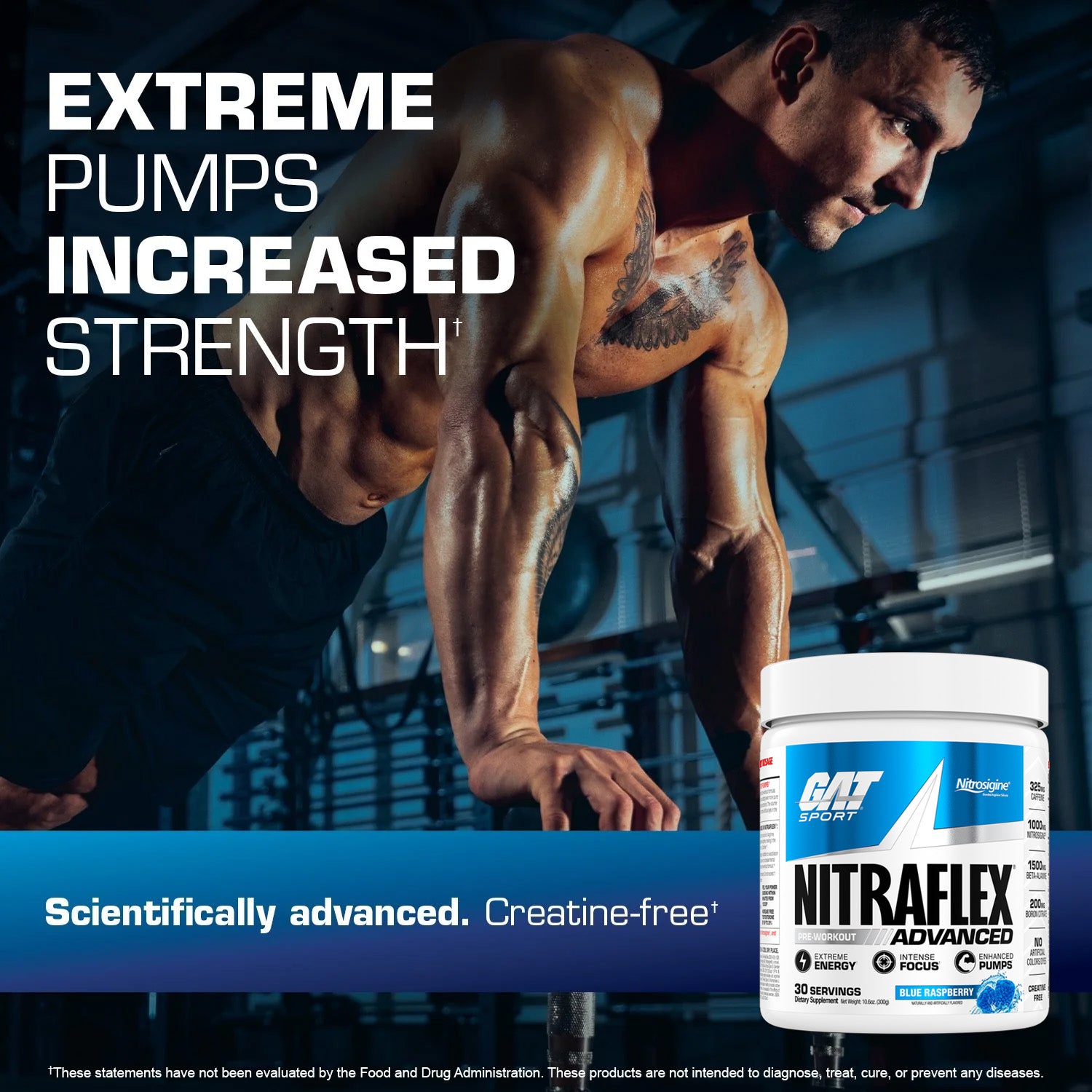
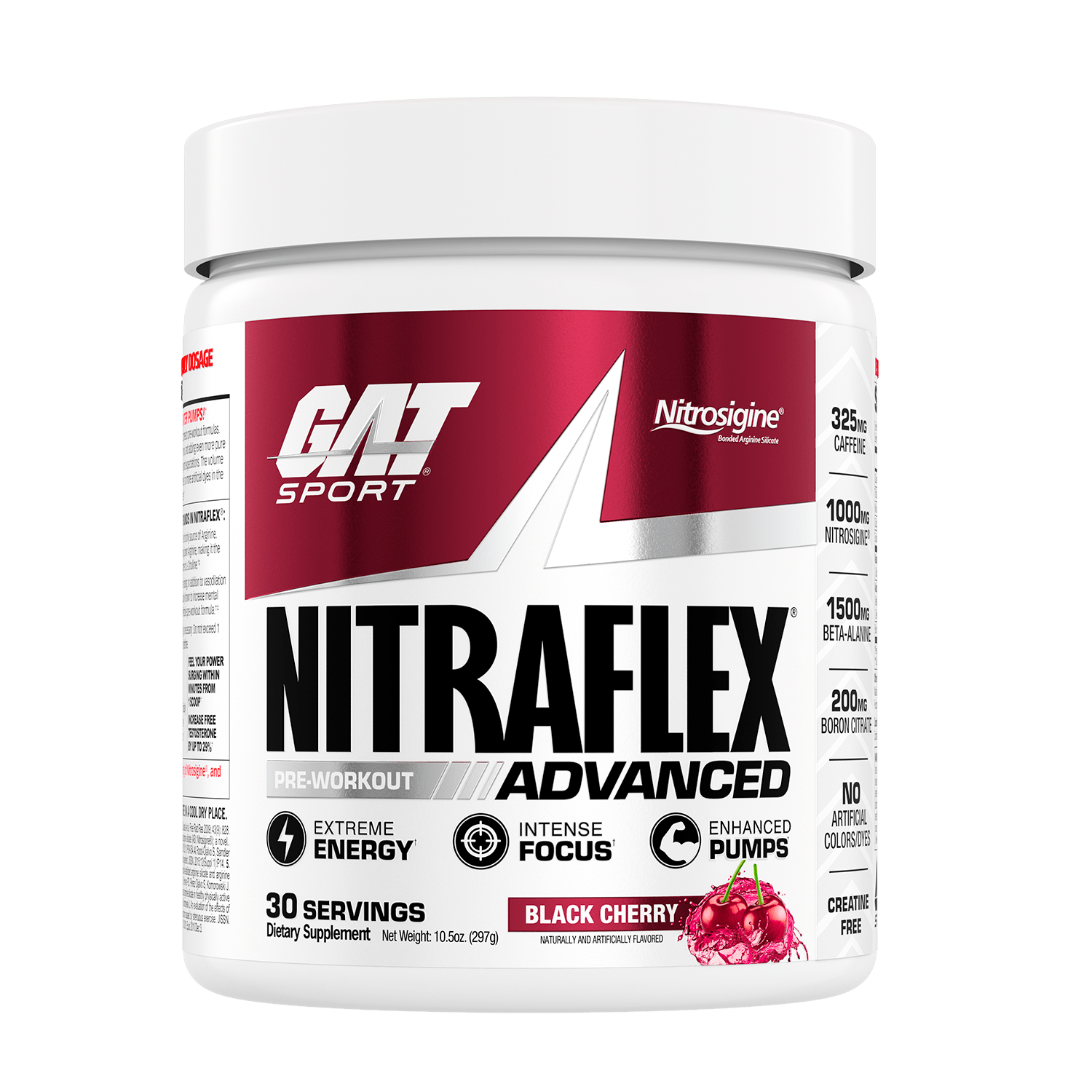
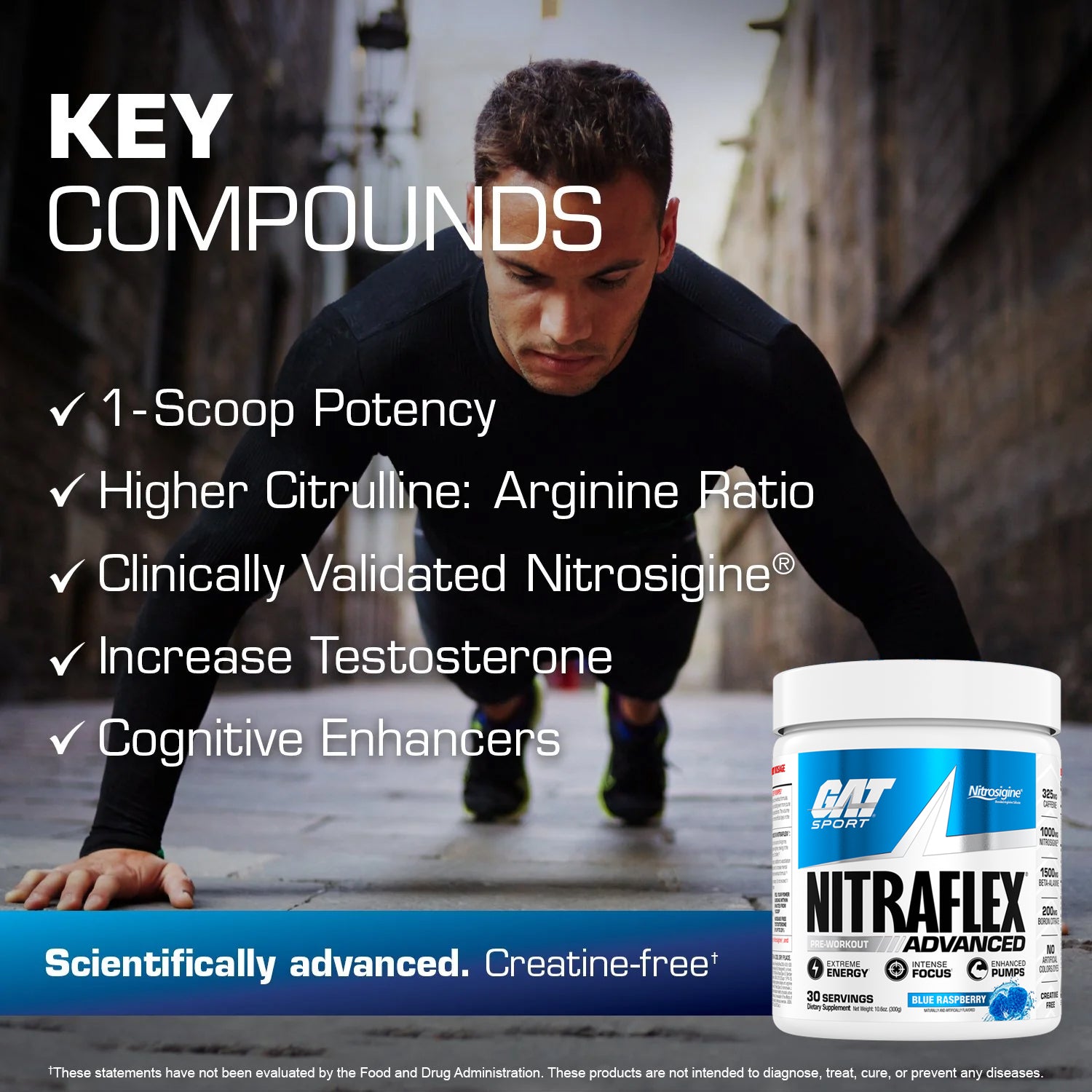
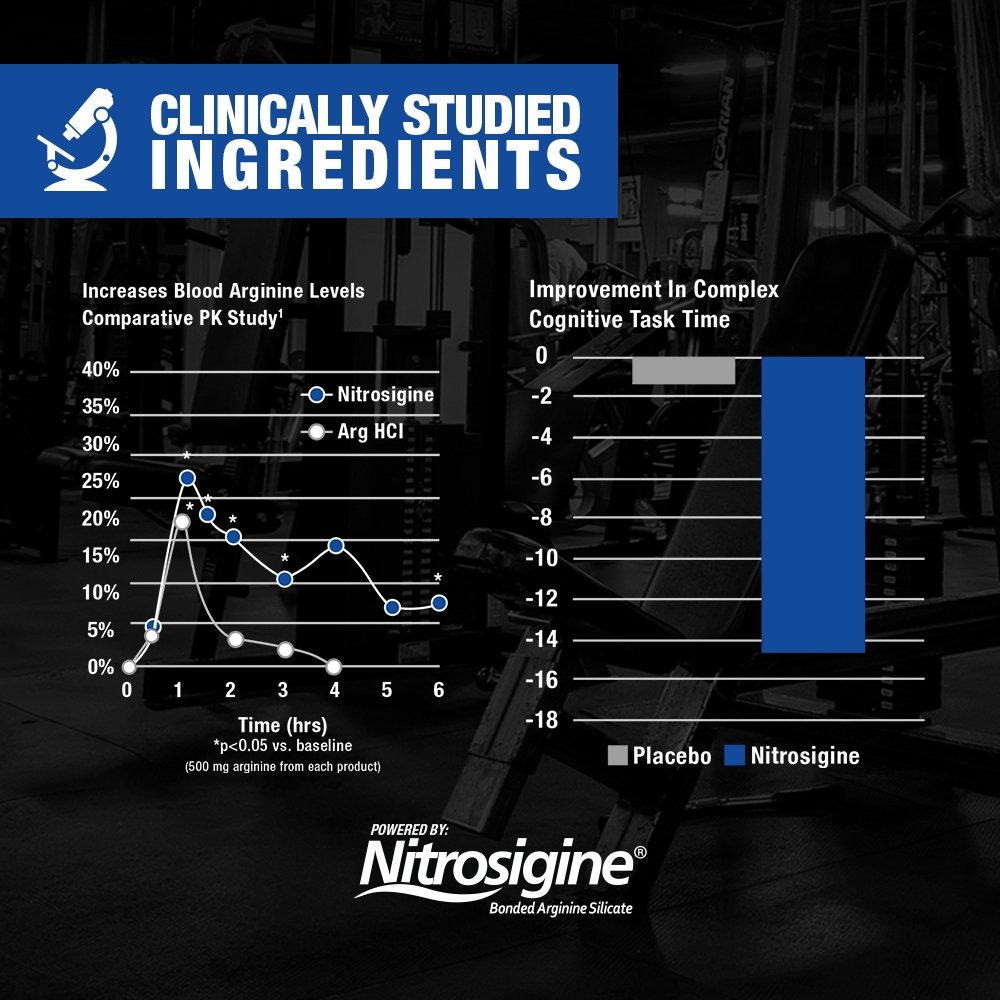
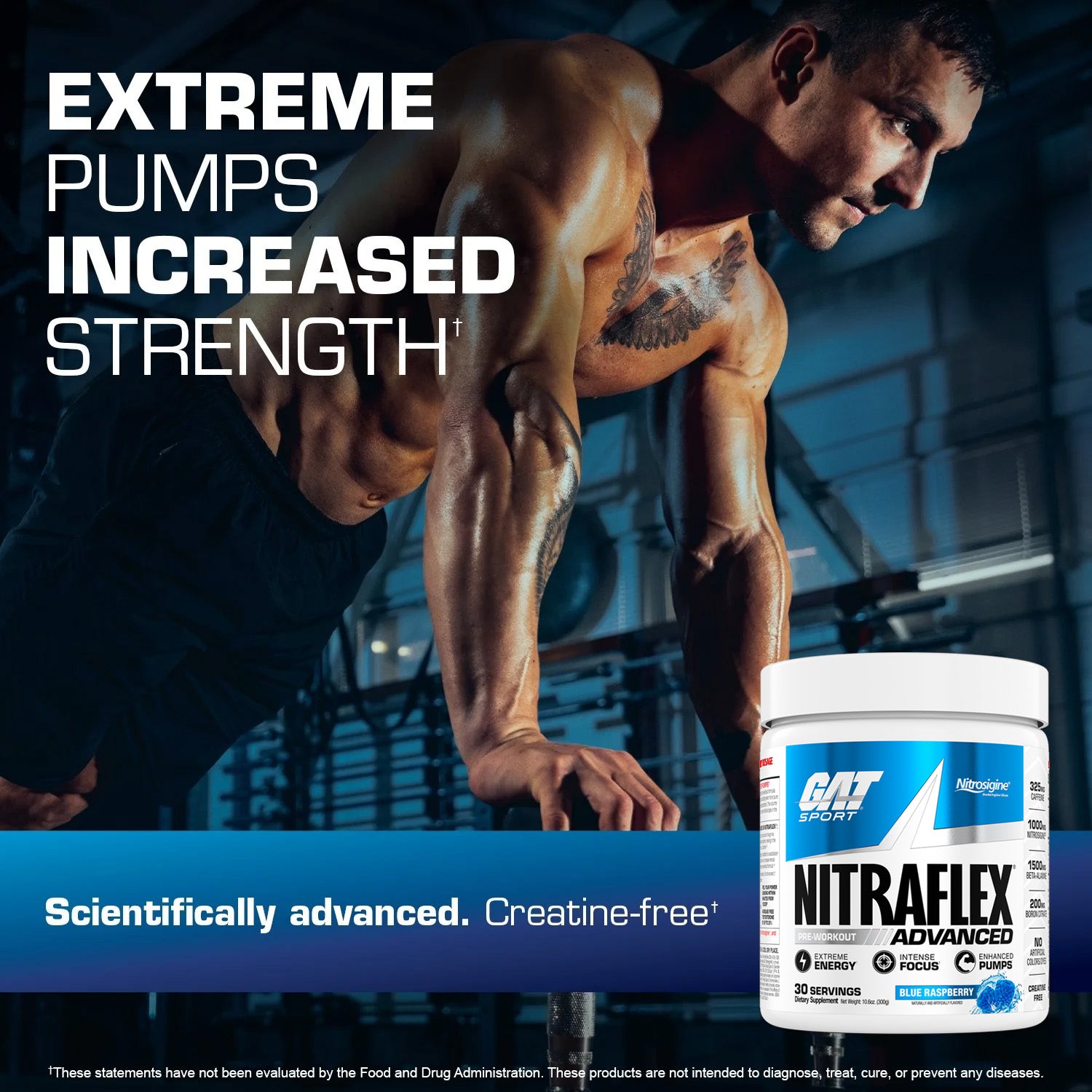
Nitraflex Advanced-style (citrulline 6–8 g + beta-alanine) is common for peak week pumps. Citrulline increases NO 20–30%, enhancing vascularity [13]. Dexter Jackson used similar for stage pumps; beta-alanine buffers fatigue 10–15% [15]. Nitraflex Sport for lower-stim days.
Hormone Support (T and Cortisol Balance)
Deep Wood-like (fenugreek, tongkat ali) counters cut-induced T drops (10–30% during prep [5]). Fenugreek (600 mg) raises free T 10–46% [14]. Pros like Phil Heath use adaptogens for mood and libido during cuts [6].
Hydration and Electrolytes (Peak Week Manipulation)
Nitraflex Hydration (citrulline + electrolytes) is essential for sodium manipulation and vascularity. Dehydration risks 2–8% performance drop [9]; citrulline improves flow 10–15% [13]. Champions load sodium pre-show, then deplete with hydration support [5].

Solution: Champion-Inspired Supplementation Approach
Adopt pro protocols: off-season 5 g creatine + EAAs daily; peak week carb load + pre-workout for pump. Cycle: 8–12 weeks full stack, 2–4 weeks basics to reset [17]. Track: weekly photos, strength logs, and body comp. This yields 5–10% better condition than basics alone [3].
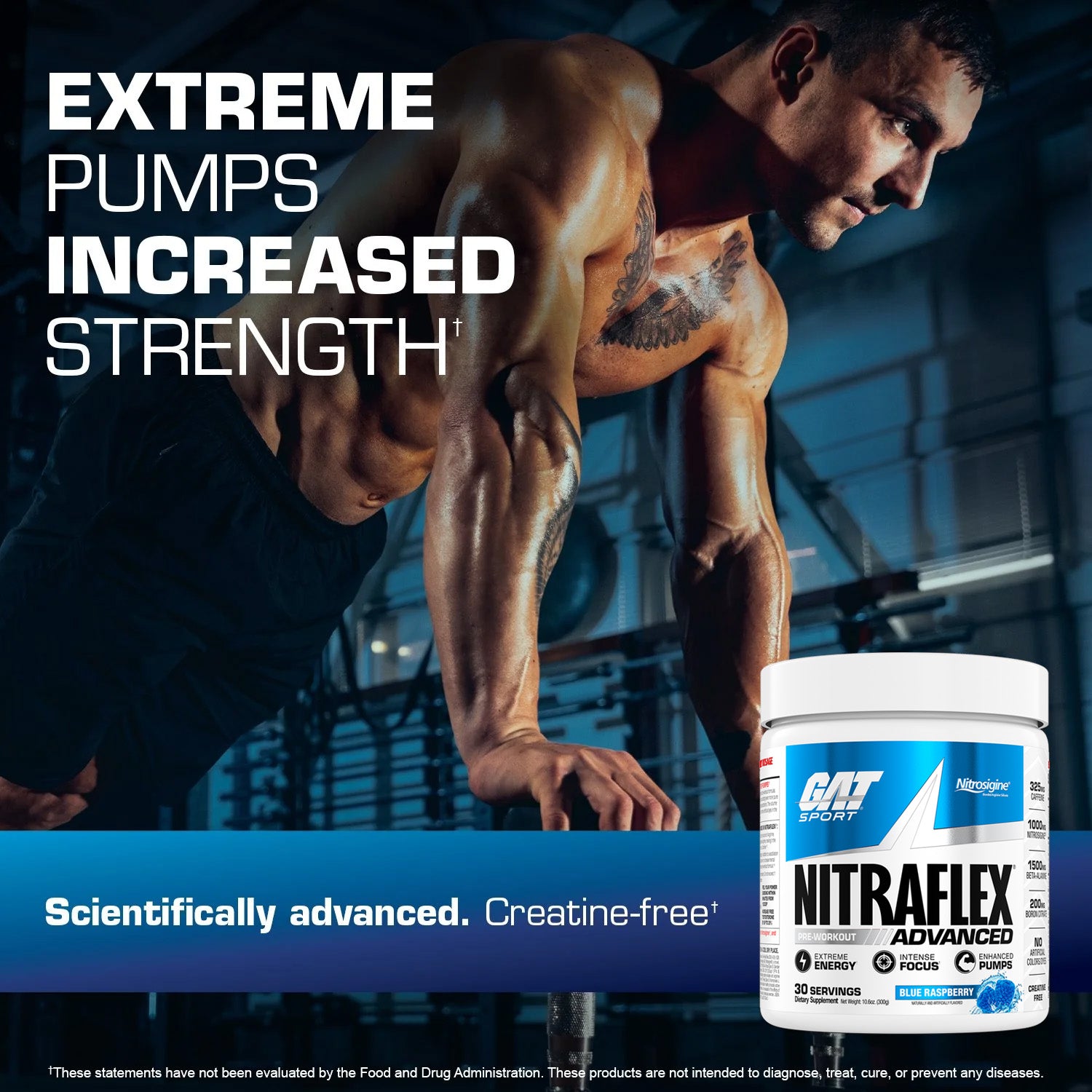
For recreational athletes: Use Creatine Chews for daily anchor, Nitraflex Advanced pre-workout, FLEXX EAAs post, Deep Wood for hormone support. This mirrors champions without the drugs.
References
[1] Norcross, John C., et al. "Auld Lang Syne: Success Predictors, Change Processes, and Self-Reported Outcomes of New Year's Resolvers and Nonresolvers." Journal of Clinical Psychology, vol. 58, no. 4, 2002, pp. 397–405.
[2] Trexler, Eric T., et al. "Metabolic Adaptation to Weight Loss: Implications for the Athlete." Journal of the International Society of Sports Nutrition, vol. 11, 2014, article 7.
[3] Helms, Eric R., et al. "Evidence-Based Recommendations for Natural Bodybuilding Contest Preparation: Nutrition and Supplementation." Journal of the International Society of Sports Nutrition, vol. 11, 2014, article 20.
[4] Garthe, Ina, et al. "Effect of Two Different Weight-Loss Rates on Body Composition and Strength in Elite Athletes." International Journal of Sport Nutrition and Exercise Metabolism, vol. 21, no. 4, 2011, pp. 321–29.
[5] Kerksick, Chad M., et al. "International Society of Sports Nutrition Position Stand: Nutrient Timing." Journal of the International Society of Sports Nutrition, vol. 14, 2017, article 33.
[6] Schoenfeld, Brad J., et al. "Dose-Response Relationship Between Weekly Resistance Training Volume and Increases in Muscle Mass: A Systematic Review and Meta-Analysis." Journal of Sports Sciences, vol. 35, no. 11, 2017, pp. 1073–82.
[7] Kreider, Richard B., et al. "International Society of Sports Nutrition Position Stand: Safety and Efficacy of Creatine Supplementation in Exercise, Sport, and Medicine." Journal of the International Society of Sports Nutrition, vol. 14, 2017, article 18.
[8] Jackman, Sarah R., et al. "Branched-Chain Amino Acid Ingestion Stimulates Muscle Myofibrillar Protein Synthesis Following Resistance Exercise in Humans." Frontiers in Physiology, vol. 8, 2017, article 390.
[9] Guest, Nanci S., et al. "International Society of Sports Nutrition Position Stand: Caffeine and Exercise Performance." Journal of the International Society of Sports Nutrition, vol. 18, no. 1, 2021, article 1.
[10] Jäger, Ralf, et al. "International Society of Sports Nutrition Position Stand: Protein and Exercise." Journal of the International Society of Sports Nutrition, vol. 14, 2017, article 20.
[11] Pérez-Guisado, Joaquín, and Philip M. Jakeman. "Citrulline Malate Enhances Athletic Anaerobic Performance and Relieves Muscle Soreness." Journal of Strength and Conditioning Research, vol. 24, no. 5, 2010, pp. 1215–22.
[12] Wankhede, Sachin, et al. "Beneficial Effects of Fenugreek Glycoside Supplementation in Male Subjects During Resistance Training: A Randomized Controlled Pilot Study." Journal of Sport and Health Science, vol. 5, no. 2, 2016, pp. 176–82.
[13] Hoffman, Jay R., et al. "Effect of Beta-Alanine Supplementation on the Onset of Blood Lactate Accumulation (OBLA) During Treadmill Running: Pre/Post 2 Treatment Experimental Design." Journal of the International Society of Sports Nutrition, vol. 7, 2010, article 20.
[14] Ribeiro, Alex S., et al. "Resistance Training Volume Enhances Muscle Hypertrophy but Not Strength in Trained Men." Medicine & Science in Sports & Exercise, vol. 53, no. 1, 2021, pp. 178–187.