

There is a way to build serious work capacity without leaving every session in a puddle of regret. It is older and smarter than the burnout culture currently selling you exhaustion as if it were progress. You have been told that a workout only counts if it wrecks you, if you finish gasping on the floor, soaked and shaking. But that constant, all-out approach has a cost, and by late summer, a lot of lifters are paying it.
The problem is a training culture built entirely around high-glycolytic, max-effort conditioning. Every session is a sprint to failure, every finisher designed to bury you. It feels productive because it feels hard. But relentless maximal conditioning leaves you smoked, chronically sore, and unable to recover session to session. Progress stalls not because you are not working hard enough, but because you never give your body the chance to adapt. There is a better model, and it starts with understanding how your body actually produces power.
What Is Anti-Glycolytic Training?
Anti-glycolytic training, a term popularized by strength coach Pavel Tsatsouline and the StrongFirst organization, is an approach built around short, powerful efforts followed by full recovery, deliberately structured to avoid the deep fatigue and metabolic byproducts of glycolytic, burnout-style conditioning. Instead of training to exhaustion, you perform brief bursts of high-quality work, rest long enough to recover almost completely, and repeat. The result is real power and conditioning you can build consistently, without the wreckage that makes recovery impossible.
To understand why it works, you have to look at how your muscles fuel intense effort.
The Science of Powering Short, Hard Efforts
Your body has multiple energy systems, and they contribute to fatigue very differently. Understanding this is the key to training hard without burning out.
Three Systems, Different Costs
Research describes three systems that replenish the ATP your muscles run on: the phosphagen system, the glycolytic system, and mitochondrial respiration, each differing in how fast it produces energy and how much it contributes to fatigue [1]. The phosphagen system, powered by stored ATP and phosphocreatine, is the fastest and most powerful. It fuels the first several seconds of any all-out effort, a heavy swing, a short sprint, an explosive jump, and it does so without producing the fatiguing byproducts that come with heavily tapping glycolysis [1].
The catch is that the phosphagen system has a small tank. Research shows phosphocreatine can drop to less than 30 percent of resting levels during intense exercise, and that this drop impairs power output in any subsequent effort [2]. Push past those few seconds repeatedly without adequate rest, and you shift heavily onto glycolysis, accumulating the fatigue and metabolic disturbance that leave you smoked.
Recovery Is the Whole Trick
Here is the insight that anti-glycolytic training is built on: phosphocreatine replenishes quickly if you let it. Research on phosphocreatine resynthesis shows that maximizing recovery during brief rest periods is exactly what allows an athlete to sustain high power output across repeated bouts of intermittent exercise [2]. Give the system enough rest between efforts and it refills, letting your next effort be just as powerful as the last.
This is the entire logic of the approach. By keeping each effort short enough to stay primarily in the phosphagen system, and resting long enough for phosphocreatine to substantially replenish, you can accumulate a large volume of high-quality, powerful work while generating far less fatigue than a burnout-style session. You are training the powerful, repeatable end of your capacity rather than digging a metabolic hole you cannot climb out of.

Three Anti-Glycolytic Workouts to Try
Here are three sessions built on the same principle: short, powerful efforts with full recovery. Notice how much rest is built in. That rest is not laziness; it is the mechanism. Resist the urge to cut it short or chase a burn.
Workout 1: Kettlebell Swing Ladders
The kettlebell swing is the classic anti-glycolytic tool: explosive, brief, and easy to keep powerful.
● Perform 10 hard, explosive swings, focusing on maximum power on every single rep.
● Rest 60 to 90 seconds, fully, until your breathing settles.
● Repeat for 8 to 10 total sets.
Every swing should be as powerful as your first. The moment your power output visibly drops, either extend your rest or end the session. You should leave feeling worked but not destroyed.
Workout 2: Short Hill or Track Sprints
Sprinting is pure phosphagen-system training when the efforts are kept short and the rest kept long.
- Sprint hard for 10 to 15 seconds, at roughly 90 to 95 percent rather than a maximal all-out effort, to protect your hamstrings.
- Rest fully for 2 to 3 minutes by walking back to the start.
- Repeat for 6 to 8 sprints.
The long rest is deliberate and non-negotiable. It lets phosphocreatine replenish so each sprint stays fast and powerful, which is the entire point. If your sprint times fall off a cliff, you are resting too little or doing too many.
Workout 3: Explosive Medicine Ball or Jump Circuit
This session trains lower-body and total-body power with minimal soreness.
- Perform 5 explosive box jumps or broad jumps, or 5 hard medicine ball slams or throws, with full intent on each rep.
- Rest 60 to 90 seconds.
- Alternate between a jump exercise and a throw across 8 to 10 total sets.
Keep the reps low and the quality sky-high. This is about expressing power, not accumulating fatigue, so never let a set turn into a grinding, sloppy burnout effort.
Fueling and Hydrating the Work
An approach built on high-quality, powerful efforts deserves support that keeps that quality high, especially on your heavier or more demanding days.
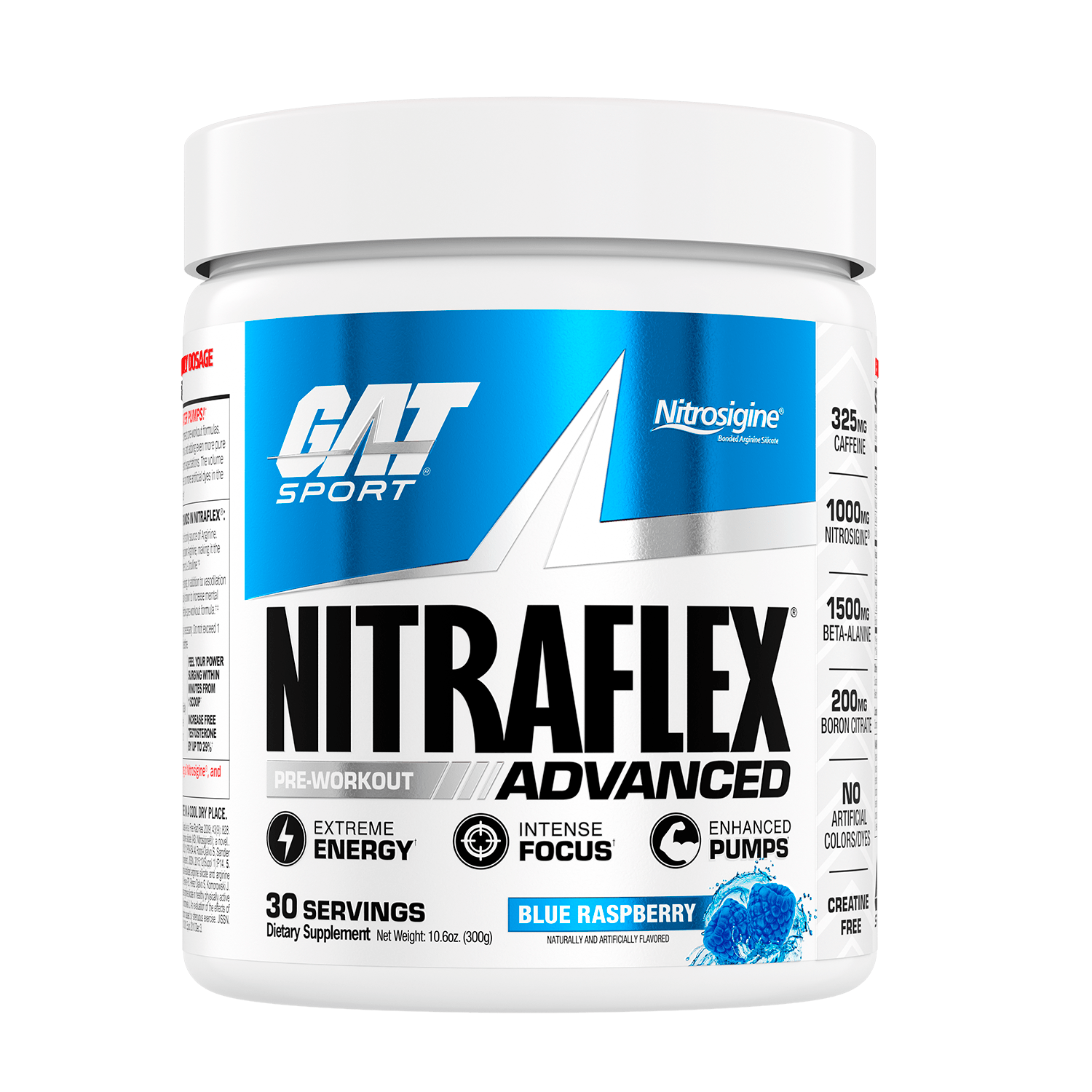
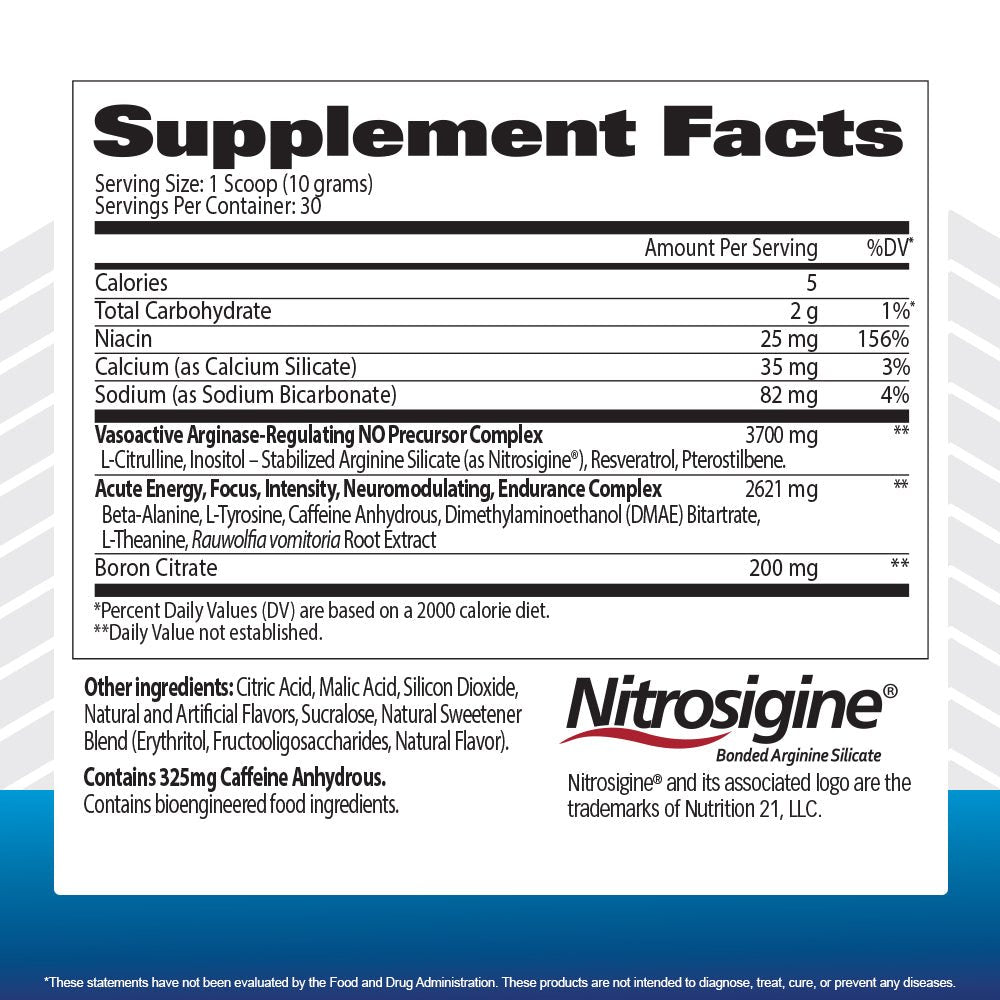
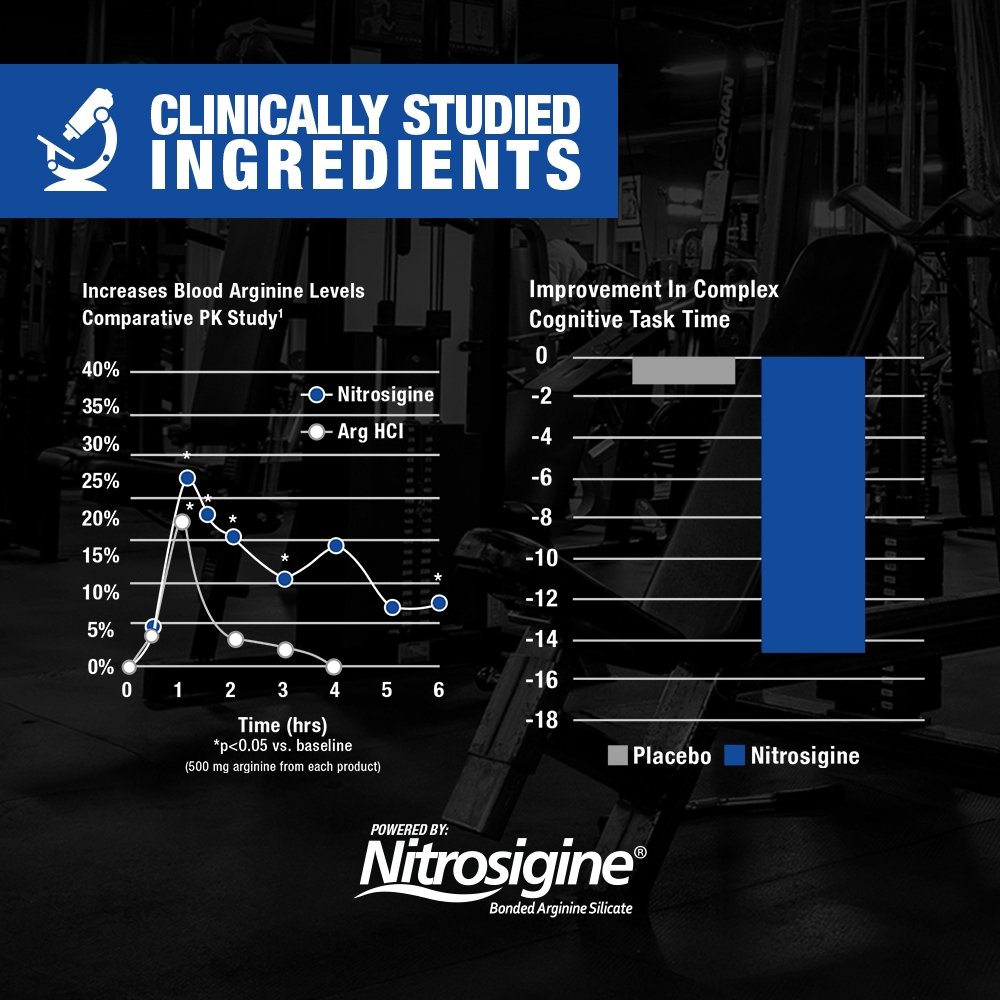
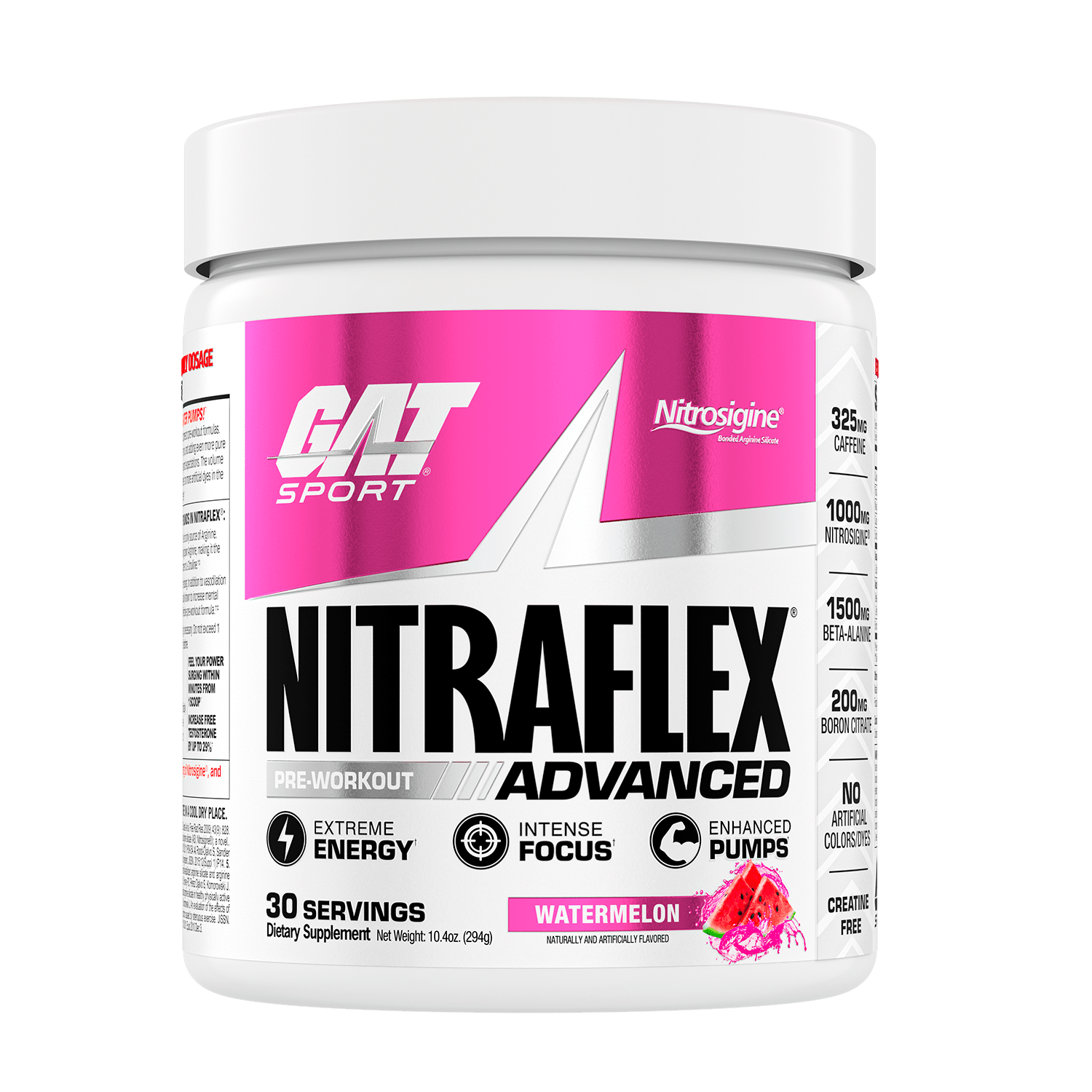
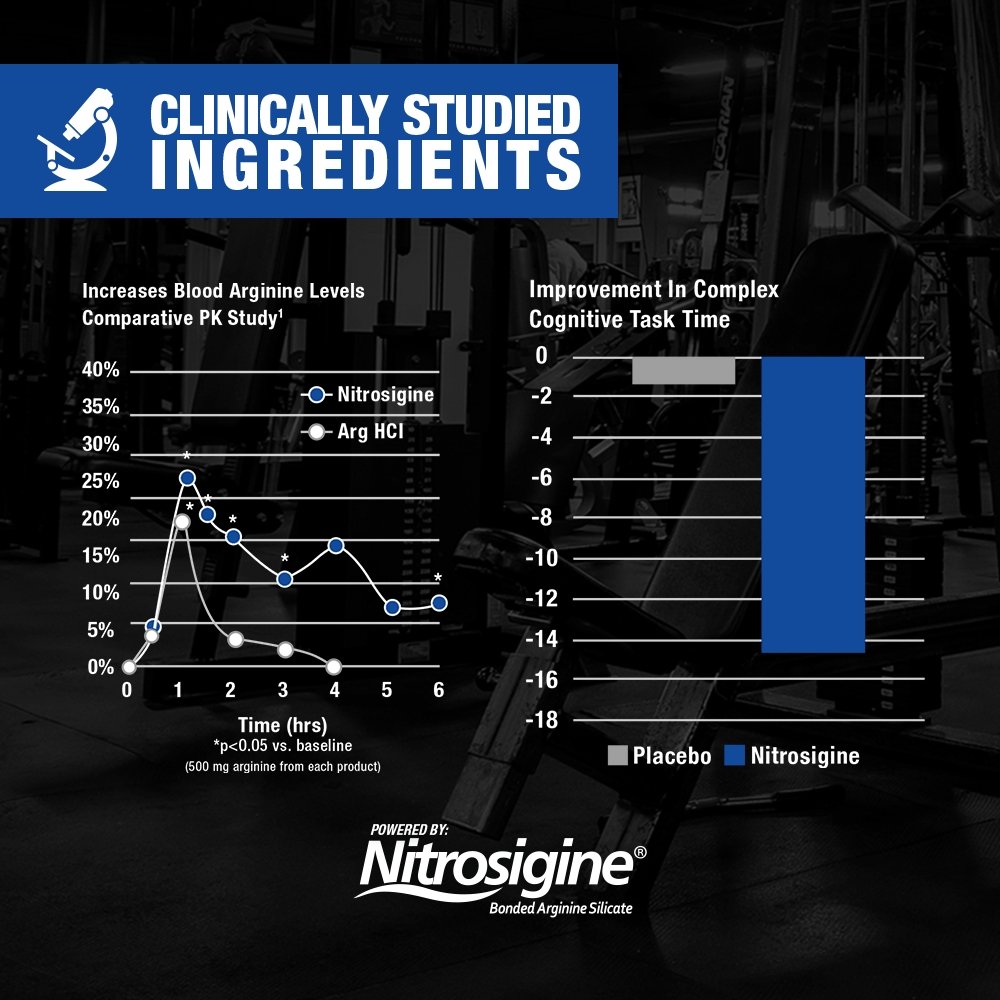
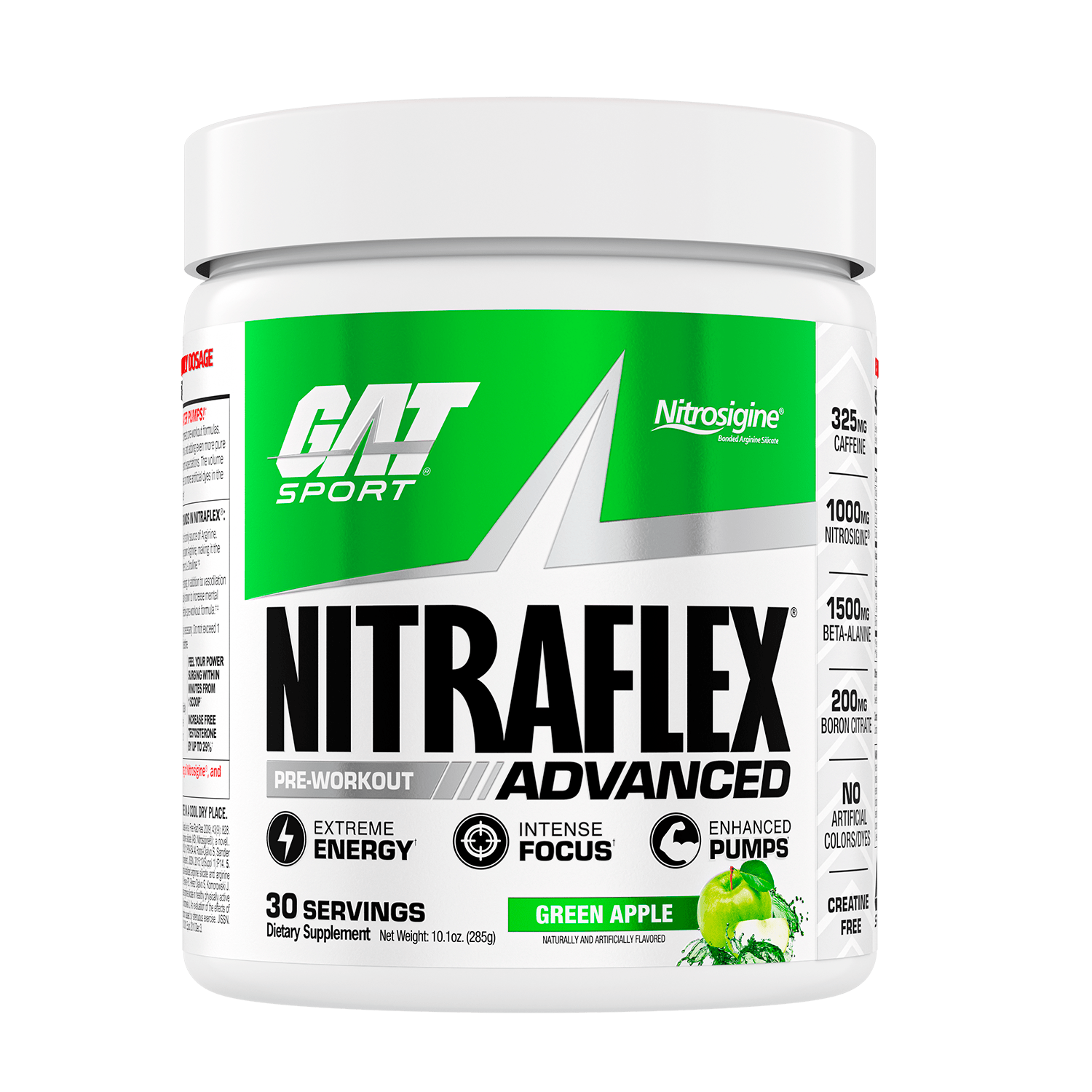
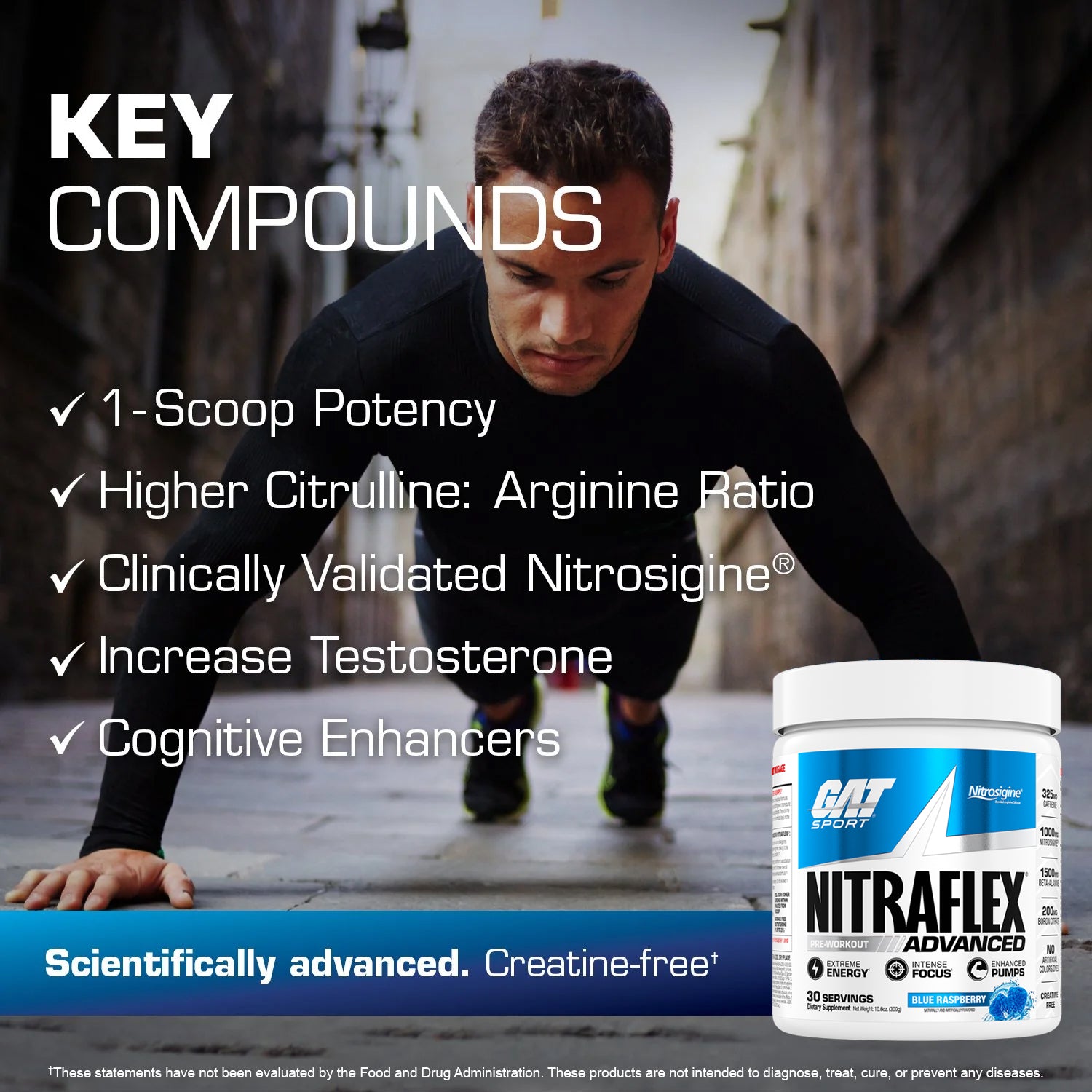
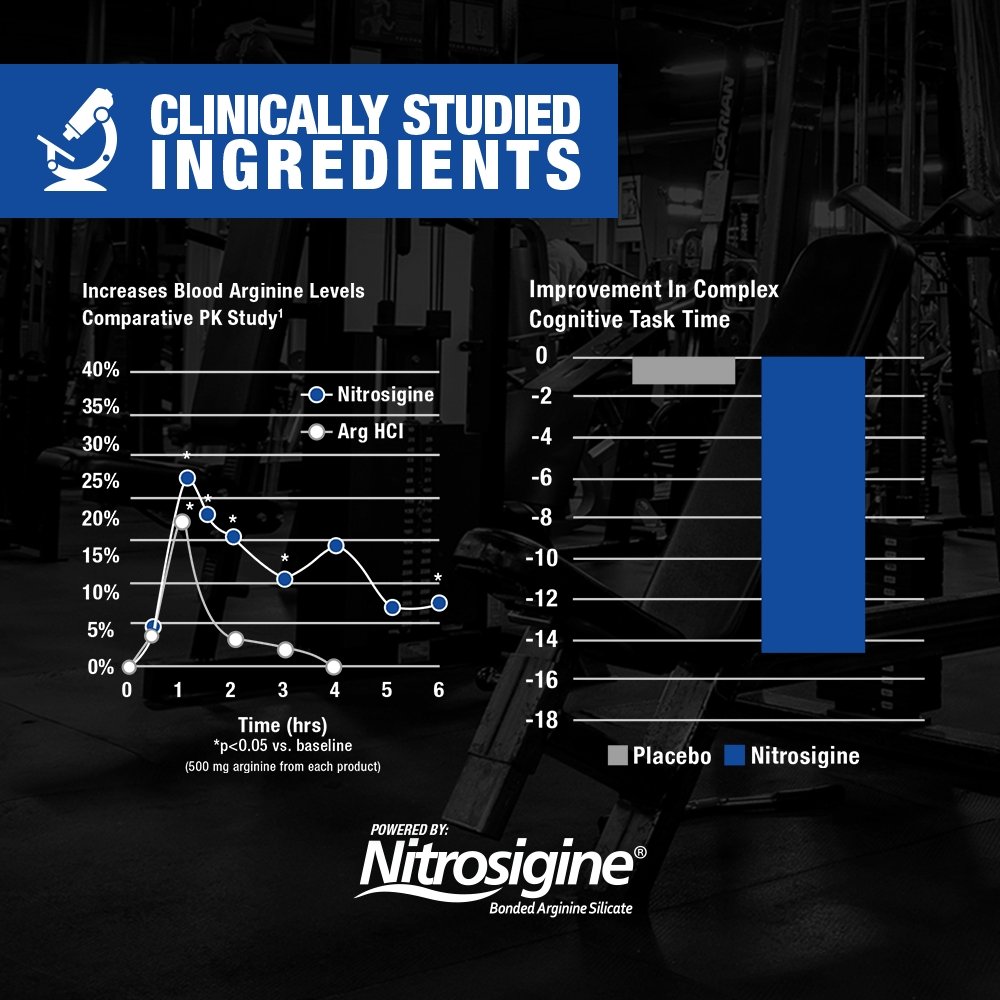
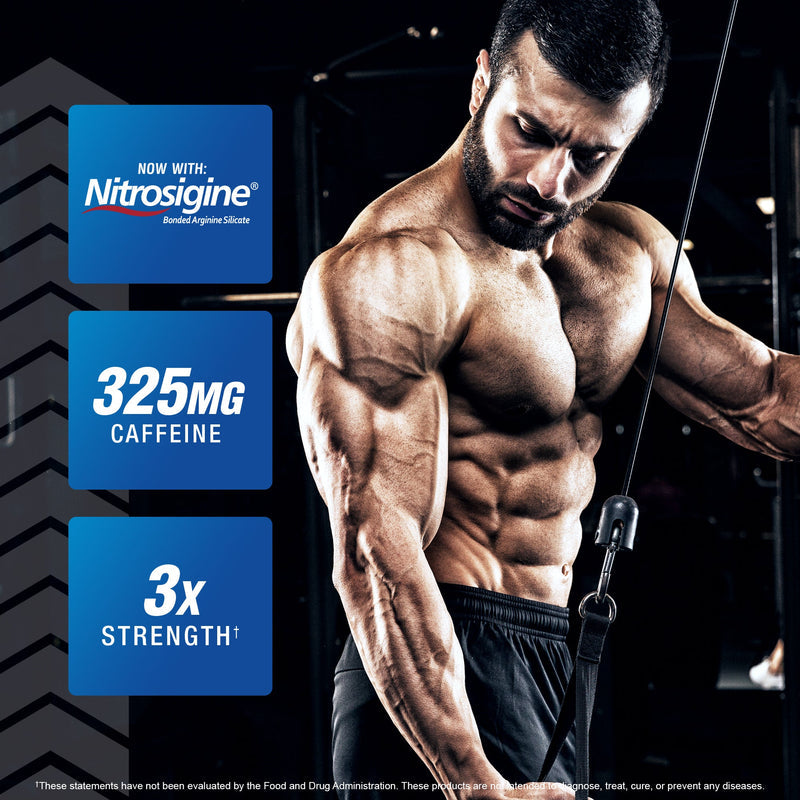
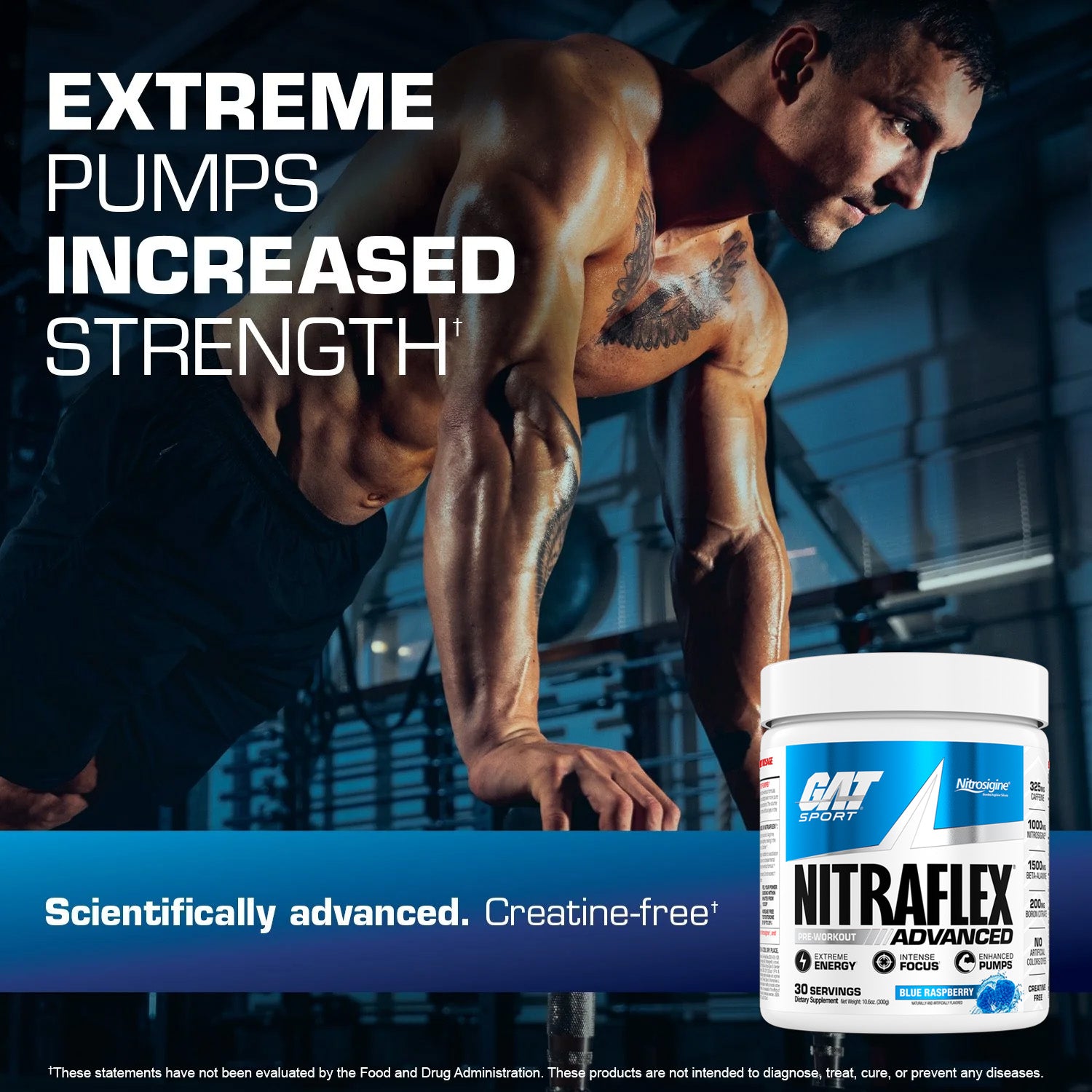
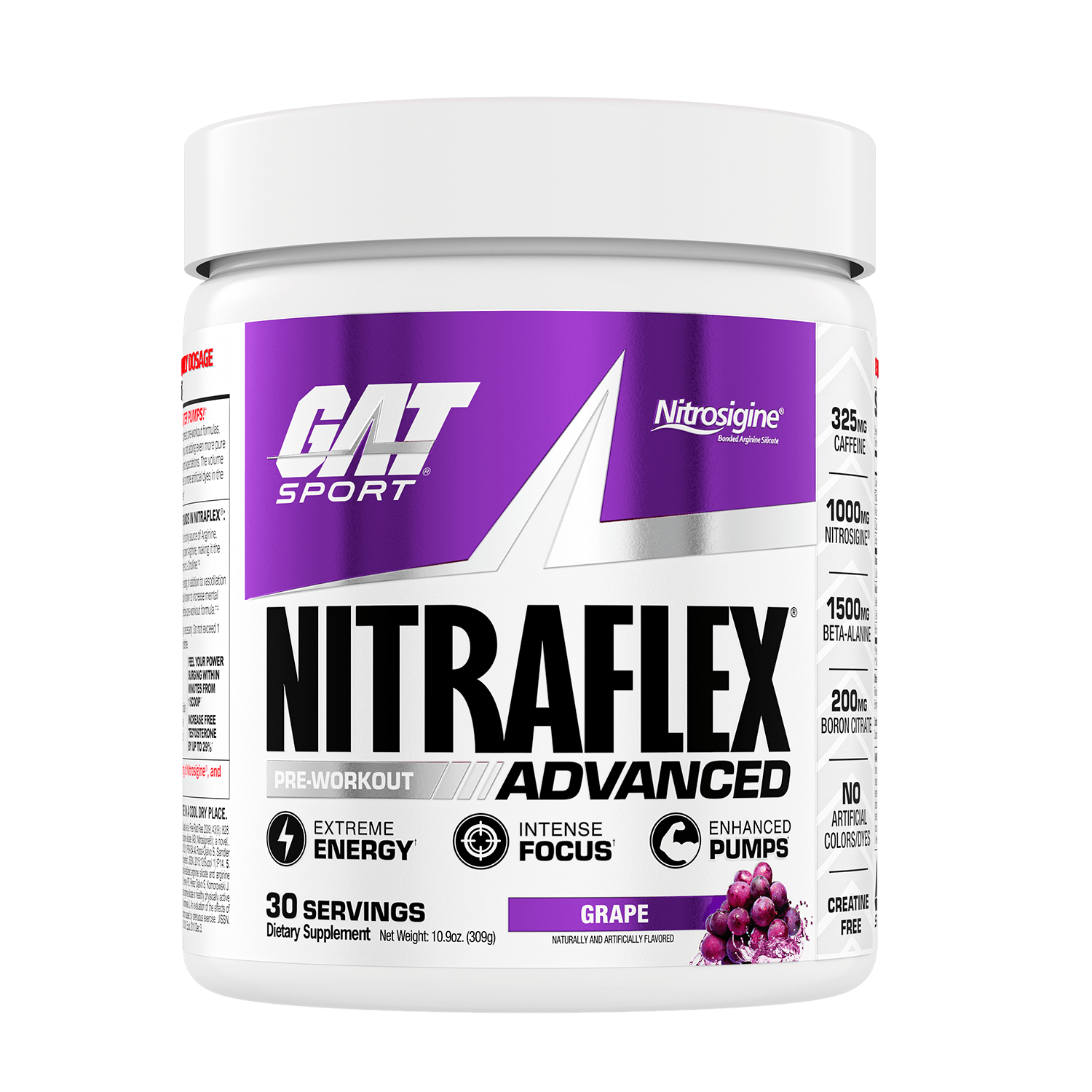
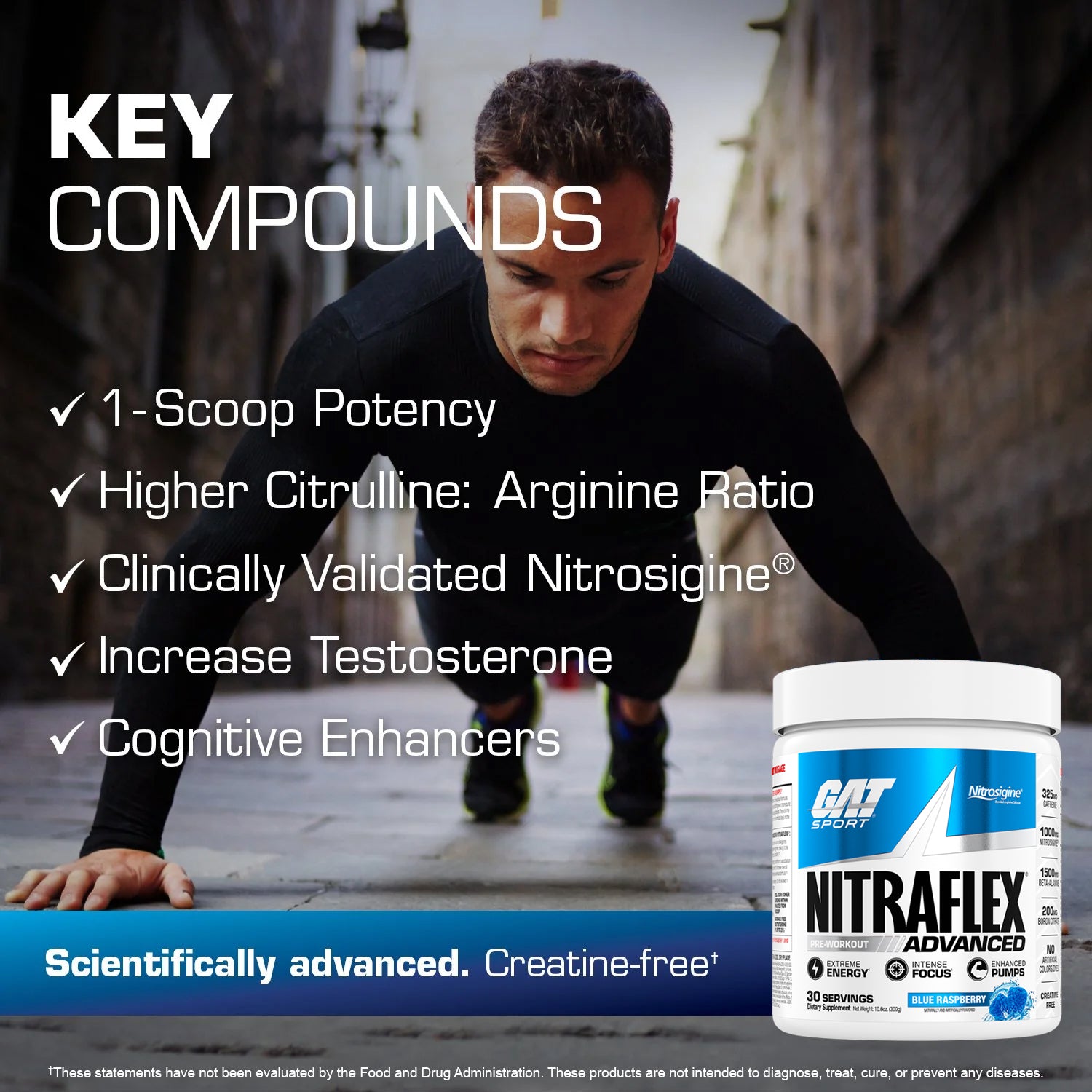
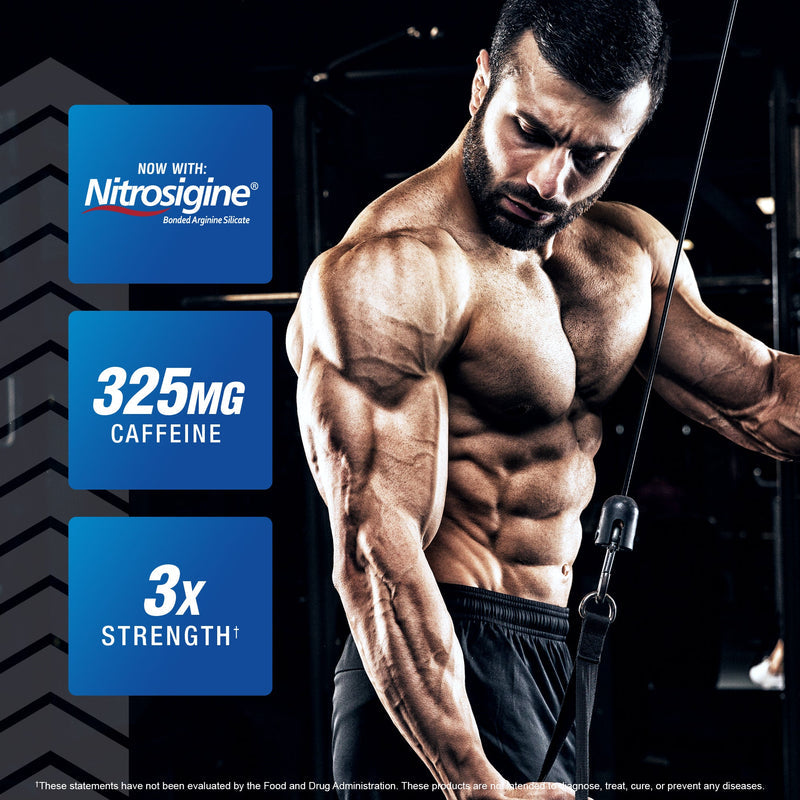
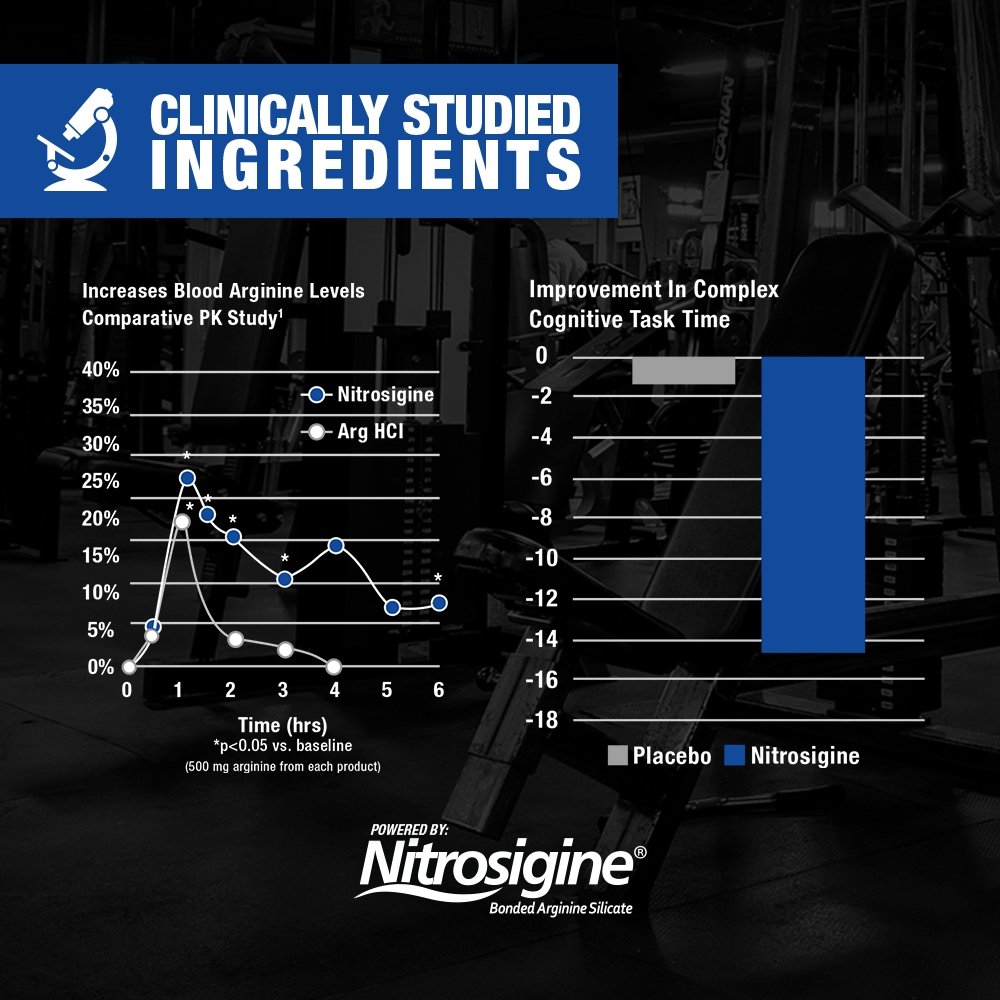
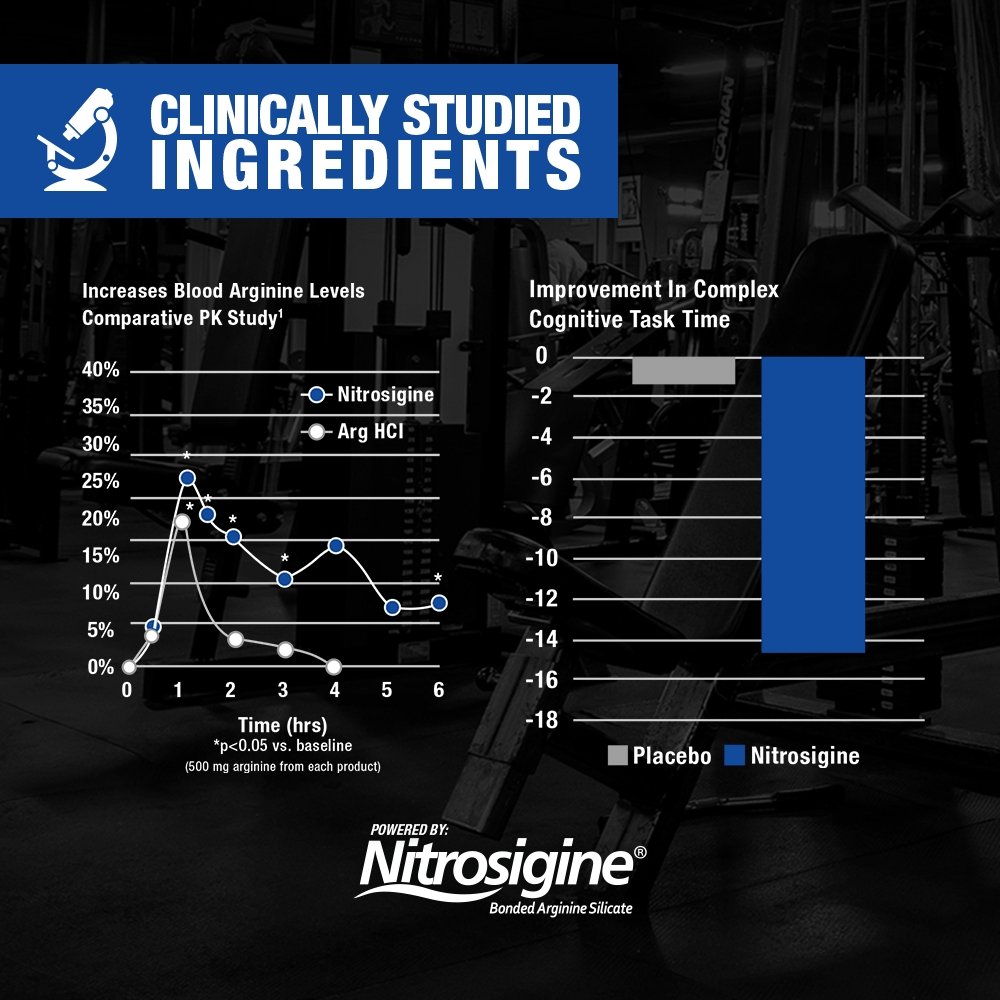
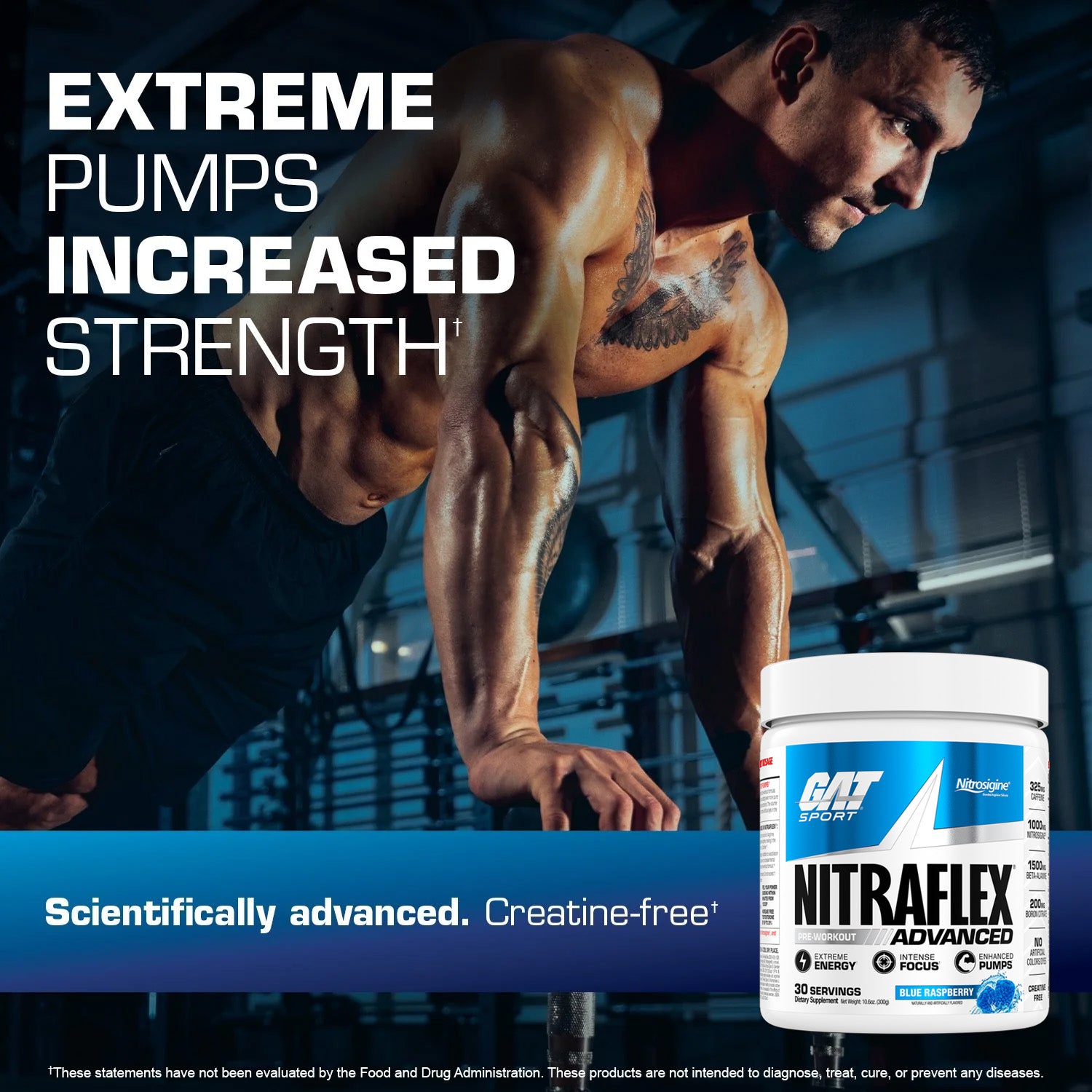
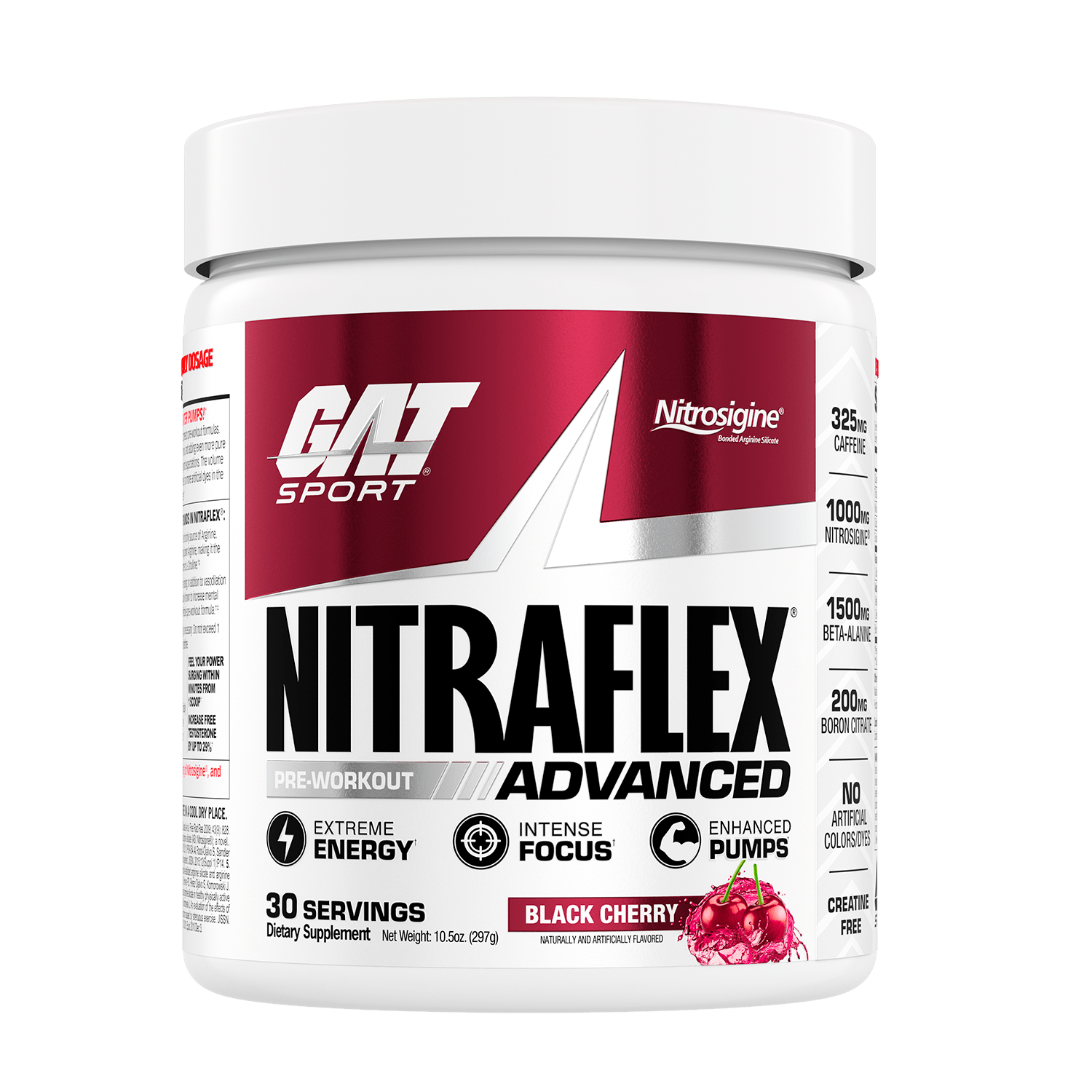
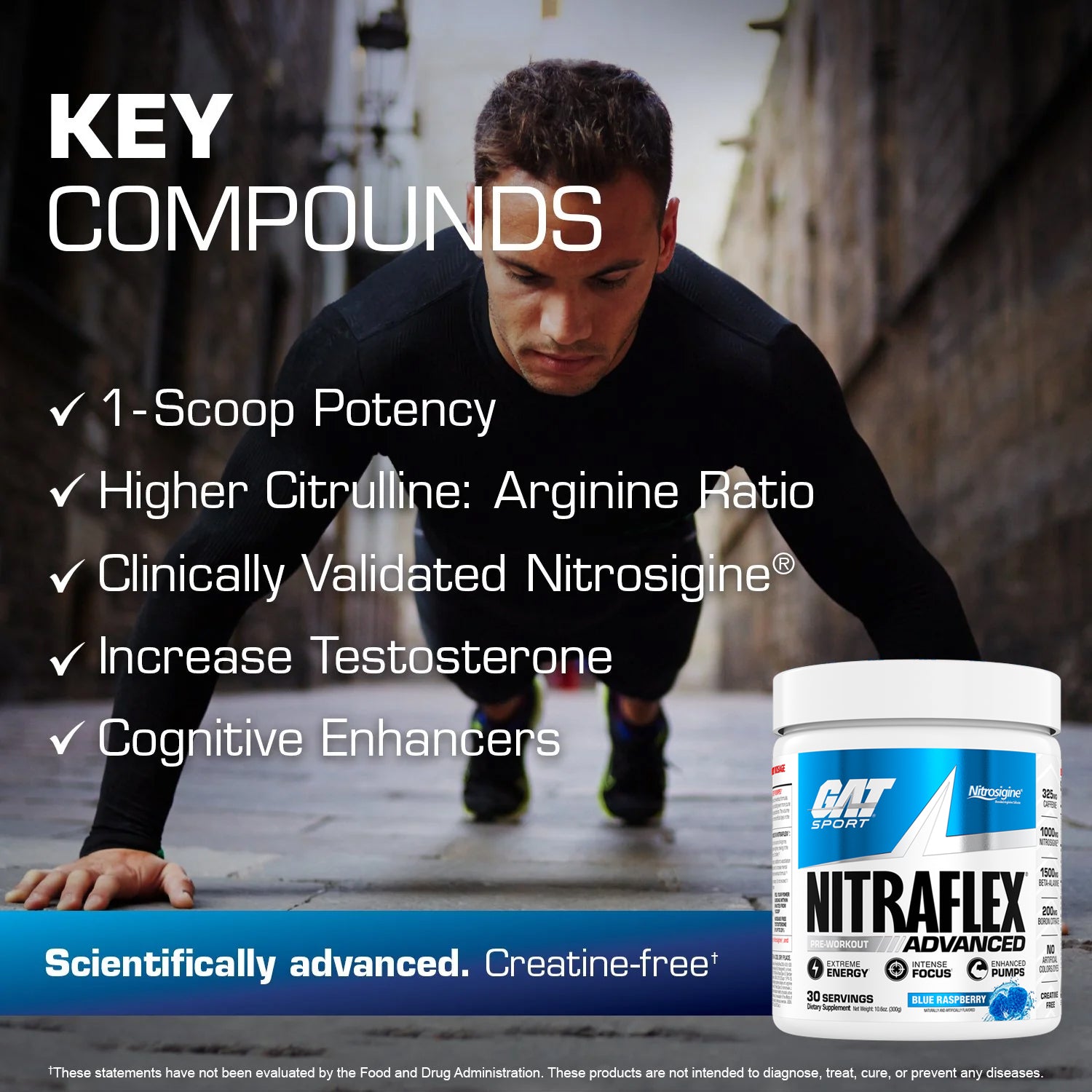
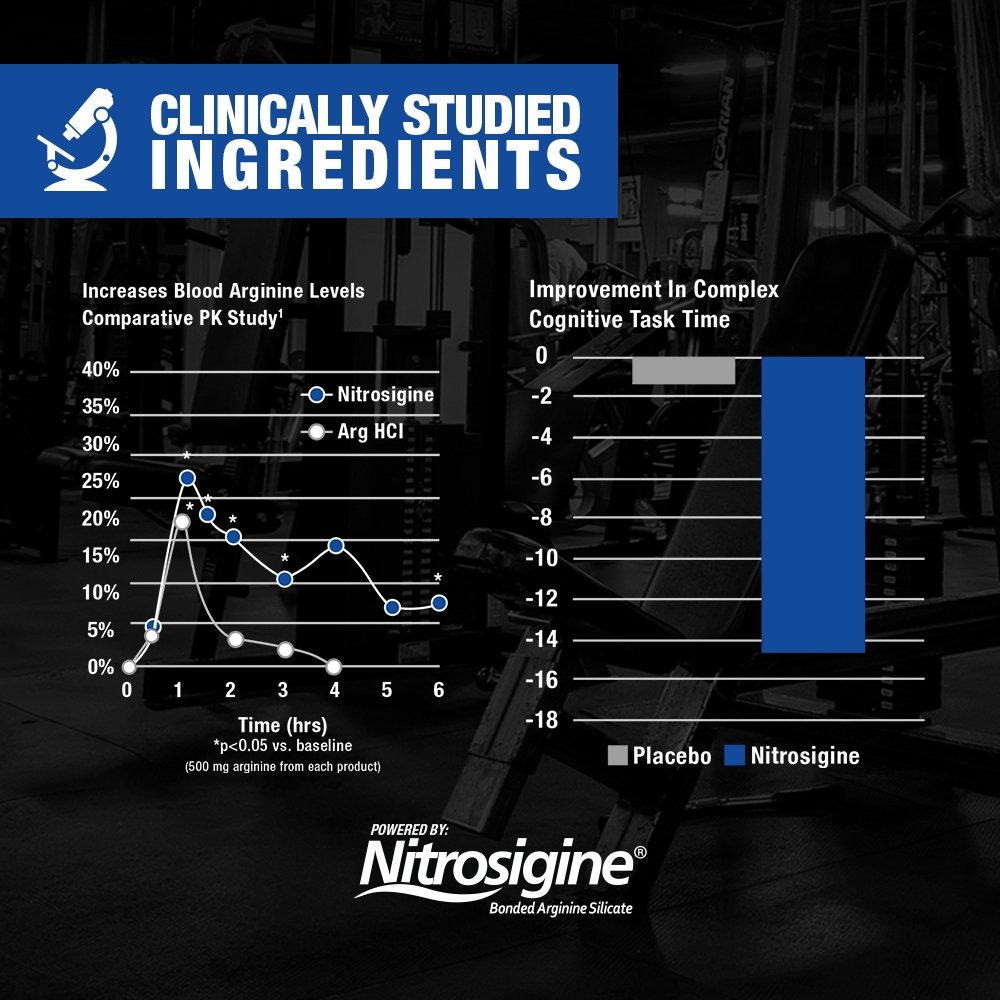
On days when you want maximum focus and drive for powerful work, Nitraflex Advanced delivers the energy and mental sharpness to attack each effort with genuine intent. The ISSN position stand on caffeine confirms that pre-workout supplements containing caffeine enhance both anaerobic and aerobic performance at doses of 3 to 6 milligrams per kilogram of body mass [3]. Since anti-glycolytic training lives or dies on the quality of each powerful effort, that focus and output support fits the method perfectly, helping you make every rep count rather than dragging through them.
Even though this style generates less overall fatigue than burnout conditioning, the efforts are still intense and, in Summer heat, still produce meaningful sweat and fluid loss. Sweat rate rises directly with exercise intensity, and losing more than about two percent of your body mass in fluid impairs performance [4]. Nitraflex Hydration covers that need, replenishing the fluid and electrolytes you lose so your power output and focus hold up across the full session. Sip it through your rest periods to stay ahead of your losses.
Train for Repeatable Power, Not Regret
The burnout model treats exhaustion as the goal and progress as an afterthought. The anti-glycolytic approach flips that. It treats quality, power, and repeatability as the goal, and lets low fatigue be the happy result. You build genuine work capacity, the kind you can express again tomorrow, instead of accumulating a fatigue debt that stalls your progress and leaves you sore for days.
This is not about training easy. Every effort in these sessions is hard and powerful. It is about being strategic with how you spend and recover your energy, so you can train hard often rather than train to failure and then spend days digging out. That is a smarter, more sustainable path to conditioning, and it fits perfectly with a late-summer stretch when accumulated fatigue is already a real threat.
Try a two-week anti-glycolytic block and notice how fresh you feel. Then keep building power that lasts, and compete harder, with GAT Sport at gatsport.com.

Key Takeaways
- Anti-glycolytic training, associated with Pavel Tsatsouline and StrongFirst, uses short powerful efforts with full recovery to build capacity without burnout.
- The phosphagen (ATP-PCr) system fuels brief, explosive efforts with minimal fatiguing byproducts, unlike heavy glycolytic work.
- Phosphocreatine drops sharply during intense effort but replenishes with adequate rest, which is why full recovery between efforts is the key mechanism.
- Keep efforts short and powerful, rest fully between them, and stop when power output drops rather than chasing a burn.
- Support the quality of each effort with a focused pre-workout and stay hydrated, since intensity still drives real fluid loss.
Frequently Asked Questions
What is anti-glycolytic training?
Anti-glycolytic training is an approach, popularized by Pavel Tsatsouline and StrongFirst, built around short, powerful efforts followed by full recovery to avoid the deep fatigue of burnout-style conditioning. Instead of training to exhaustion, you perform brief high-quality bursts, rest until nearly recovered, and repeat. This builds power and work capacity you can develop consistently, without the soreness and recovery cost of constant maximal conditioning.
Does anti-glycolytic training actually work?
The underlying physiology is well established. Short, powerful efforts are fueled primarily by the phosphagen system, which produces energy rapidly with minimal fatiguing byproducts. Phosphocreatine replenishes during adequate rest, allowing repeated high-quality efforts. By structuring training around this, you accumulate meaningful volume of powerful work while generating far less fatigue than glycolytic burnout sessions, which supports better recovery and consistency.
How is anti-glycolytic training different from HIIT?
Traditional HIIT often pushes you deep into the glycolytic system with short rest periods, deliberately accumulating fatigue and metabolic stress. Anti-glycolytic training does the opposite: it keeps efforts short and rest periods long enough for near-full recovery, so you stay primarily in the powerful phosphagen system and avoid the deep fatigue. One chases the burn; the other deliberately avoids it while still building capacity.
How much rest should you take between efforts?
Enough to recover almost fully, which typically means 60 to 90 seconds for brief efforts like kettlebell swings and 2 to 3 minutes for short sprints. The rest is the mechanism, not wasted time: it lets phosphocreatine replenish so each effort stays powerful. A simple rule is to watch your power output and rest longer, or end the session, once it visibly drops.
Will anti-glycolytic training help me lose fat or get conditioned?
It builds genuine work capacity and repeatable power with much less fatigue than burnout training, which makes it easier to train frequently and stay consistent. Consistency, combined with a sensible diet, is what drives conditioning and body composition over time. It is best viewed as a sustainable way to build and express power, complementing rather than replacing your overall training and nutrition plan.
References
- Baker, Julien S., et al. "Interaction among Skeletal Muscle Metabolic Energy Systems during Intense Exercise." Journal of Nutrition and Metabolism, vol. 2010, 2010, article 905612, doi:10.1155/2010/905612.
- McMahon, Shaun, and David Jenkins. "Factors Affecting the Rate of Phosphocreatine Resynthesis Following Intense Exercise." Sports Medicine, vol. 32, no. 12, 2002, pp. 761-784, doi:10.2165/00007256-200232120-00002.
- Guest, Nanci S., et al. "International Society of Sports Nutrition Position Stand: Caffeine and Exercise Performance." Journal of the International Society of Sports Nutrition, vol. 18, no. 1, 2021, article 1, doi:10.1186/s12970-020-00383-4.
- Cheuvront, Samuel N., and Robert W. Kenefick. "Dehydration: Physiology, Assessment, and Performance Effects." Comprehensive Physiology, vol. 4, no. 1, 2014, pp. 257-285, doi:10.1002/cphy.c130017.