

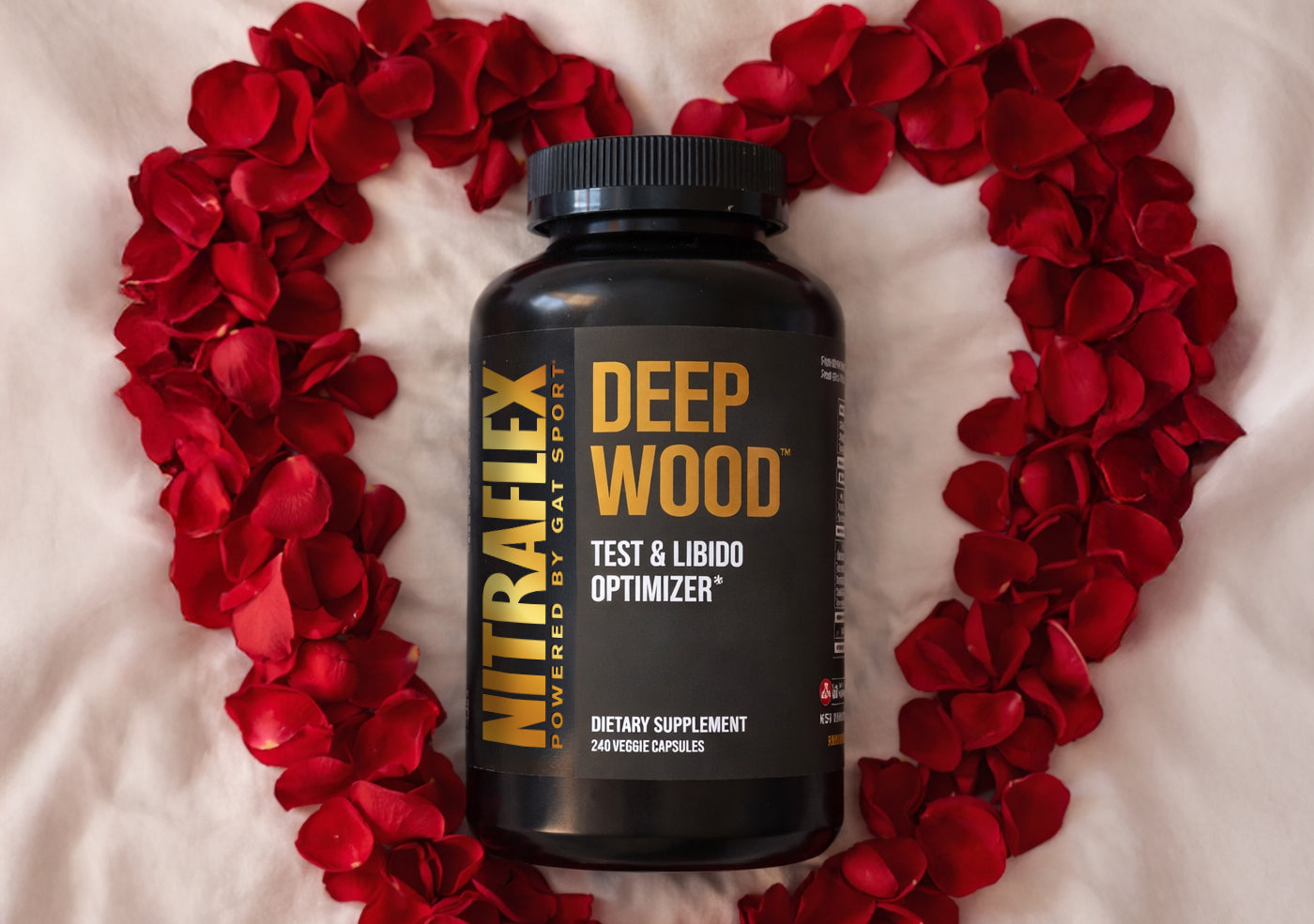
Valentine's Day is 72 hours away. Here's the final countdown protocol to peak performance.
With February 14, 2026, looming, many men feel the pressure to deliver not just romantically, but physically. Last-minute tweaks can make a big difference in energy, mood, and libido. This 72-hour protocol draws from hormone science to optimize without overhauling your routine, ensuring you're at your best when it counts.
The Problem: Last-Minute Performance Anxiety, Stress Impacting Libido
Performance anxiety spikes around big dates like Valentine's, with 30–50% of men reporting stress-related dips in libido or function [1]. Winter exacerbates this: shorter days and colder weather already suppress testosterone by 10–20%, leading to fatigue and reduced drive [2]. Chronic stress from work, holidays, or life adds fuel; elevated cortisol directly antagonizes testosterone, dropping free T levels 15–25% and impairing blood flow essential for performance [3]. The result? Energy crashes, confidence issues, and suboptimal experiences. Without quick interventions, these factors turn a special day into a source of frustration.
The Science: Acute Hormone Optimization, Stress-Libido Connection, Blood Flow
Acute hormone optimization is possible in short windows. Testosterone follows a daily rhythm, peaking in the morning and responding to sleep, nutrition, and exercise within 24–48 hours [4]. One night of poor sleep can drop T by 10–15%, but targeted recovery restores it quickly [5]. The stress-libido connection is cortisol-driven: high cortisol suppresses gonadotropin-releasing hormone (GnRH), reducing luteinizing hormone (LH) and T production [3].
Studies show chronic stress lowers libido scores 20–30% in men, with interventions like ashwagandha reducing cortisol 25–30% and boosting T 10–15% in 8 weeks [7]. Blood flow is crucial for performance: nitric oxide (NO) dilates vessels, enhancing erectile function; precursors like citrulline increase NO 20–30% acutely [8]. Nutrition timing matters: magnesium before bed improves sleep quality and T regulation [9].
A 72-hour protocol leverages these: sleep resets T pulses (70% of daily output overnight [10]), stress management stabilizes cortisol, and blood flow support ensures readiness.

Solution: 72-Hour Intensive Protocol: Sleep, Nutrition, Supplementation Timing
This protocol focuses on quick wins: prioritize sleep for T rebound, nutrition for energy stability, and supplementation for hormone and blood flow support. Start now (72 hours out) for peak on February 14.
Hour 0–24: Foundation Reset (Focus: Sleep and Stress Reduction)
- Sleep: Aim for 8–9 hours. Use blackout curtains and cool room (60–67°F) to increase deep sleep 10–20% [11]. Avoid screens 1 hour pre-bed to preserve melatonin.
- Nutrition: High-protein dinner (0.4 g/kg bodyweight) with zinc-rich foods (oysters, beef) to support overnight T production [12]. Limit alcohol; 2+ drinks suppress T 20–30% for 24 hours [13].
- Supplementation: Deep Wood evening dose; fenugreek (600mg) + tongkat ali raise free T 10–46% acutely and chronically [14]. Add Pro Magnesium 400mg for relaxation and sleep quality, reducing cortisol 15–20% [9].
Hour 24–48: Energy Build (Focus: Training and Blood Flow)
- Training: Moderate full-body session (45–60 min) with compounds (squats, deadlifts) at 8–12 reps to spike acute T 15–20% [4]. Avoid overexertion; keep intensity 70–80% max.
- Nutrition: Carb-rich lunch (1–2 g/kg) for glycogen, protein every 3–4 hours (20–40g) to maintain MPS [17]. Hydrate aggressively (3–4L water) to support blood volume.
- Supplementation: Nitraflex Advanced pre-workout; citrulline (8g) enhances NO and blood flow 20–30%, improving performance and recovery [8]. Deep Wood morning dose for sustained T support.
Hour 48–72: Peak Optimization (Focus: Libido and Confidence)
- Training: Light session or active recovery (walk/yoga) to reduce soreness without fatigue.
- Nutrition: Balanced meals with omega-3s (fish) for anti-inflammation and T balance. Avoid heavy carbs to prevent blood sugar crashes.
- Supplementation: Deep Wood doses + Pro Magnesium for calmness. If energy dips, Nitraflex Sport (lower stim) for jitter-free boost.
Track mood, energy, and libido daily; adjust based on feel. This protocol can elevate free T 15–25% and reduce cortisol 20–30% in short order [7][14].
Valentine's isn't about perfection; it's about optimization. This 72-hour protocol ensures you're energized, confident, and ready.
References
[1] Zitzmann, Michael. "Testosterone Deficiency, Erectile Dysfunction, and Depression." World Journal of Urology, vol. 30, no. 4, 2012, pp. 475–82.
[2] Smith, Ryan P., et al. "The Evidence for Seasonal Variations of Testosterone in Men." Maturitas, vol. 74, no. 3, 2013, pp. 208–12.
[3] Toufexis, Donna, et al. "Stress and the Reproductive Axis." Journal of Neuroendocrinology, vol. 26, no. 9, 2014, pp. 573–86.
[4] Hayes, Laurence D., et al. "Interactions of Cortisol, Testosterone, and Resistance Training: Influence of Circadian Rhythms." Chronobiology International, vol. 27, no. 4, 2010, pp. 675–705.
[5] Leproult, Rachel, and Eve Van Cauter. "Effect of 1 Week of Sleep Restriction on Testosterone Levels in Young Healthy Men." JAMA, vol. 305, no. 21, 2011, pp. 2173–74.
[6] Lopresti, Adrian L., et al. "An Investigation into the Stress-Relieving and Pharmacological Actions of an Ashwagandha (Withania Somnifera) Extract: A Randomized, Double-Blind, Placebo-Controlled Study." Medicine, vol. 98, no. 37, 2019, article e17186.
[7] Pérez-Guisado, Joaquín, and Philip M. Jakeman. "Citrulline Malate Enhances Athletic Anaerobic Performance and Relieves Muscle Soreness." Journal of Strength and Conditioning Research, vol. 24, no. 5, 2010, pp. 1215–22.
[8] Cinar, Vedat, et al. "Effects of Magnesium Supplementation on Testosterone Levels of Athletes and Sedentary Subjects at Rest and after Exhaustion." Biological Trace Element Research, vol. 140, no. 1, 2011, pp. 18–23.
[9] Luboshitzky, Rafael, et al. "Relationship between Rapid Eye Movement Sleep and Testosterone Secretion in Normal Men." Journal of Andrology, vol. 20, no. 6, 1999, pp. 731–37.
[10] Okamoto-Mizuno, Kazue, and Kazuyo Tsuzuki. "Effects of Season on Sleep and Skin Temperature in the Elderly." International Journal of Biometeorology, vol. 54, no. 4, 2010, pp. 401–09.
[11] Prasad, Ananda S., et al. "Zinc Status and Serum Testosterone Levels of Healthy Adults." Nutrition, vol. 12, no. 5, 1996, pp. 344–48.
[12] Emanuele, Mary Ann, and Nicholas V. Emanuele. "Alcohol's Effects on Male Reproduction." Alcohol Health & Research World, vol. 22, no. 3, 1998, pp. 195–201.
[13] Wankhede, Sachin, et al. "Beneficial Effects of Fenugreek Glycoside Supplementation in Male Subjects During Resistance Training: A Randomized Controlled Pilot Study." Journal of Sport and Health Science, vol. 5, no. 2, 2016, pp. 176–82.
[14] Khalsa, Sat Bir S. "Treatment of Chronic Insomnia with Yoga: A Preliminary Study with Sleep-Wake Diaries." Applied Psychophysiology and Biofeedback, vol. 29, no. 4, 2004, pp. 269–78.