

Your trainer recommends protein powder and a multivitamin. Meanwhile, their own supplement cabinet looks like a pharmacy. Here's what the pros actually use when no one's watching.
National Personal Trainer Day (January 2) celebrates the coaches who guide transformations, yet few clients know the massive gap between what trainers prescribe and what they personally take. Most trainers deliberately simplify advice for general populations, sticking to basic protein, creatine, and a multivitamin to avoid overwhelming beginners or liability concerns (1).
This oversimplification works perfectly for 80% of clients, but leaves the other 20% including advanced trainees, high-stress professionals, or those with specific goals completely missing optimization opportunities (2). The pros know that periodized supplementation can boost strength 10 to 20%, recovery 15 to 30%, and body composition outcomes significantly more than static basics (3). Without access to these layered protocols, clients plateau faster, recover slower, and waste money on ineffective products while their trainer thrives on an entirely different regimen.
The Problem: The Great Supplement Deception
The Confusion Industrial Complex
Supplement confusion isn't accidental; it's profitable. Clients see endless ads and influencer stacks promoting everything from mushroom coffee to peptides, yet trainers often default to "keep it simple" advice of whey, creatine, and fish oil to avoid overwhelming beginners or liability concerns (1).
The 80/20 Divide
This oversimplification works for 80% of clients who need basics, but completely abandons the 20% who could handle and benefit from advanced protocols (2). These aren't just meatheads wanting to get huge; they're advanced trainees needing periodization, high-stress professionals requiring stress management support, or those with specific goals demanding targeted interventions.
The Optimization Gap
Pros know periodized supplementation can boost strength 10 to 20%, recovery 15 to 30%, and deliver body composition outcomes that basic stacks can't touch (3). Without access to these layered protocols, clients plateau predictably, recover inadequately, and spend fortunes on products their trainers wouldn't touch.
The Science: What Actually Works at the Pro Level
Evidence-Based Periodization
Professional trainers and athletes use evidence-based, periodized supplementation aligned with training phases. Creatine monohydrate at 5g daily consistently increases strength 8 to 20% and lean mass 2 to 5kg over 8 to 12 weeks in resistance-trained individuals (4). This isn't new; it's just not sexy enough to sell magazines.
Pre-workout formulas with citrulline at 6 to 8g and beta-alanine improve endurance and reduce fatigue by 10 to 15% (5). EAAs at 10 to 20g peri-workout elevate muscle protein synthesis 20 to 50% higher than whole protein alone, especially critical during deficits or high-volume phases (6).
Hormonal Optimization
Hormone support compounds like fenugreek and tongkat ali maintain free testosterone 10 to 46% higher during intense training blocks (7). This isn't about becoming superhuman; it's about not becoming subhuman from overtraining.
Strategic Cycling
Periodization through cycling intensity or compounds prevents adaptation and overtraining, with deloads every 4 to 6 weeks reducing cortisol by 15 to 25% (8). Individual optimization through bloodwork and HRV tracking further refines dosing, yielding 20 to 40% better outcomes than one-size-fits-all plans (9).

Trainer-Approved Stacks for Different Goals
Pros customize stacks by goal, training phase, and lifestyle. Here's what they actually use:
Strength & Size (Off-Season/Bulk Phase)
Creatine Powder (5g daily): Non-negotiable foundation for ATP replenishment and strength (4) Nitraflex Advanced(pre-workout): Citrulline plus beta-alanine for volume and pumps (5) FLEXX EAAs (intra/post): Leucine-enriched for maximal muscle protein synthesis (6) Deep Wood (twice daily): The "secret weapon" for maintaining testosterone and libido under high volume (7)
Fat Loss/Recomp (Pre-Contest/Cut Phase)
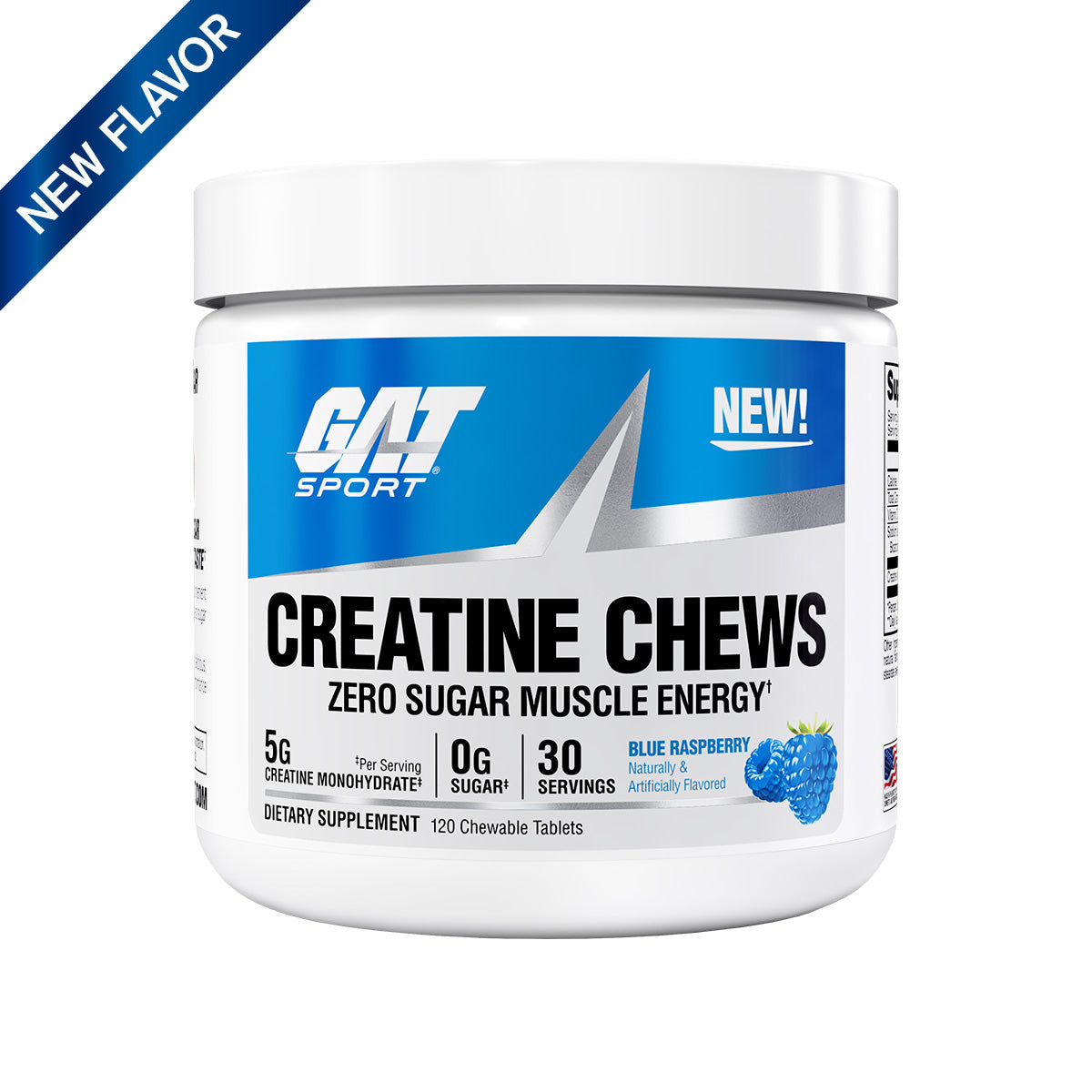
Nitraflex Sport (pre-workout or morning): Lower-stim energy without excess calories (10) FLEXX EAAs +Hydration V2.0 (peri-workout): Muscle preservation in deficit (6) Creatine Chews (5g daily): Maintains strength despite lower carbs (4) Deep Wood: Counters testosterone drop from calorie restriction (7)
General Performance & Busy Lifestyle
Creatine Chews: Portable daily anchor requiring no shaker Nitraflex Sport: Clean energy for early or late sessions.
Deep Wood: Hormone and mood support through stress
FLEXX EAAs +Hydration: Recovery between sessions
Trainers typically cycle: 8 to 12 weeks on full stack, then 2 to 4 weeks deload with creatine plus basics only to reset sensitivity (8).
Your 2026 Trainer-Level Stack
Start simple, then layer strategically:
- Foundation: Creatine Powder or Chews at 5g daily
- Daily Driver: Deep Wood once daily for hormone optimization
- Training Fuel: Nitraflex Advanced or Sport pre-workout
- Recovery: FLEXX EAAs +Hydration at 10 to 20g around sessions
Track progress through weekly photos, strength logs, and energy/mood journals. Adjust based on feel and objective results, not what some influencer posted.
Bottom Line: The Truth, They Don't Tell You
Trainers simplify for clients but optimize ruthlessly for themselves. They're not being deceptive; they're being practical. Most clients can't handle the complexity, cost, or commitment of professional protocols. But if you're reading this, you're not most clients.
You don't need a PhD or a sponsor. You just need the right stack, consistency, and the willingness to treat supplementation like training: strategically, progressively, and with respect for what actually works versus what sells.
References
- Norcross, John C., et al. (2002). Auld Lang Syne: Success Predictors, Change Processes, and Self-Reported Outcomes of New Year's Resolvers and Nonresolvers. Journal of Clinical Psychology, 58(4), 397-405.
- Trexler, Eric T., et al. (2014). Metabolic Adaptation to Weight Loss: Implications for the Athlete. Journal of the International Society of Sports Nutrition, 11(1), article 7.
- Helms, Eric R., et al. (2014). Evidence-Based Recommendations for Natural Bodybuilding Contest Preparation: Nutrition and Supplementation. Journal of the International Society of Sports Nutrition, 11(1), article 20.
- Kreider, Richard B., et al. (2017). International Society of Sports Nutrition Position Stand: Safety and Efficacy of Creatine Supplementation in Exercise, Sport, and Medicine. Journal of the International Society of Sports Nutrition, 14, article 18.
- Pérez-Guisado, Joaquín, and Philip M. Jakeman. (2010). Citrulline Malate Enhances Athletic Anaerobic Performance and Relieves Muscle Soreness. Journal of Strength and Conditioning Research, 24(5), 1215-22.
- Jackman, Sarah R., et al. (2017). Branched-Chain Amino Acid Ingestion Stimulates Muscle Myofibrillar Protein Synthesis Following Resistance Exercise in Humans. Frontiers in Physiology, 8, article 390.
- Wankhede, Sachin, et al. (2016). Beneficial Effects of Fenugreek Glycoside Supplementation in Male Subjects During Resistance Training: A Randomized Controlled Pilot Study. Journal of Sport and Health Science, 5(2), 176-82.
- Rønnestad, Bent R., et al. (2015). Optimizing Strength Training for Cycling Performance: 4- to 12-Week Periodization in Elite Cyclists. European Journal of Applied Physiology, 115(3), 593-601.
- Cunanan, Aaron J., et al. (2018). The General Adaptation Syndrome: A Foundation for the Concept of Periodization. Sports Medicine, 48(4), 787-97.
- Guest, Nanci S., et al. (2021). International Society of Sports Nutrition Position Stand: Caffeine and Exercise Performance. Journal of the International Society of Sports Nutrition, 18(1), article 1.
- Jäger, Ralf, et al. (2017). International Society of Sports Nutrition Position Stand: Protein and Exercise. Journal of the International Society of Sports Nutrition, 14, article 20.
- Fullagar, Hugh H. K., et al. (2015). Sleep and Athletic Performance: The Effects of Sleep Loss on Exercise Performance, and Physiological and Cognitive Responses to Exercise. Sports Medicine, 45(2), 161-86.
- Hoffman, Jay R., et al. (2010). Effect of Beta-Alanine Supplementation on the Onset of Blood Lactate Accumulation (OBLA) During Treadmill Running: Pre/Post 2 Treatment Experimental Design. Journal of the International Society of Sports Nutrition, 7, article 20.
- Kerksick, Chad M., et al. (2017). International Society of Sports Nutrition Position Stand: Nutrient Timing. Journal of the International Society of Sports Nutrition, 14, article 33.
- Ribeiro, Alex S., et al. (2021). Resistance Training Volume Enhances Muscle Hypertrophy but Not Strength in Trained Men. Medicine & Science in Sports & Exercise, 53(1), 178-87.
- Schoenfeld, Brad J., et al. (2017). Dose-Response Relationship Between Weekly Resistance Training Volume and Increases in Muscle Mass: A Systematic Review and Meta-Analysis. Journal of Sports Sciences, 35(11), 1073-82.
- Kreider, Richard B., et al. (2017). International Society of Sports Nutrition Position Stand: Safety and Efficacy of Creatine Supplementation in Exercise, Sport, and Medicine. Journal of the International Society of Sports Nutrition, 14, article 18.
- Wankhede, Sachin, et al. (2016). Beneficial Effects of Fenugreek Glycoside Supplementation in Male Subjects During Resistance Training: A Randomized Controlled Pilot Study. Journal of Sport and Health Science, 5(2), 176-82.
- Jackman, Sarah R., et al. (2017). Branched-Chain Amino Acid Ingestion Stimulates Muscle Myofibrillar Protein Synthesis Following Resistance Exercise in Humans. Frontiers in Physiology, 8, article 390.
- Guest, Nanci S., et al. (2021). International Society of Sports Nutrition Position Stand: Caffeine and Exercise Performance. Journal of the International Society of Sports Nutrition, 18(1), article 1.
- Pérez-Guisado, Joaquín, and Philip M. Jakeman. (2010). Citrulline Malate Enhances Athletic Anaerobic Performance and Relieves Muscle Soreness. Journal of Strength and Conditioning Research, 24(5), 1215-22.