
Female athletes have been underserved by supplement science for decades. Most research used male subjects, most products assumed male physiology. That ends now.
National Girls & Women in Sports Day on February 4, 2026, celebrates progress, but the reality remains stark. Women comprise 40 to 50% of recreational athletes yet only 6 to 9% of sports science studies focus exclusively on them, with mixed studies averaging just 16 to 35% female participation (1)(2). This isn't just a numbers problem; it's a performance crisis. The gender bias leaves female-specific needs like hormonal cycles, iron requirements, and recovery differences completely under addressed, leading to suboptimal performance, injury rates that should be criminal (women suffer 2 to 6 times more ACL tears), and the kind of frustration that makes athletes quit (3).
The Problem: When Science Ignores Half the Athletes
Gender Bias in Sports Nutrition Research
Sports nutrition research has historically treated women as small men, which is like treating a Ferrari as a small truck. Only 6% of studies since 2014 focused exclusively on women (7). This male-centric data creates recommendations that actively work against female physiology. Carb-loading protocols based on male glycogen storage completely ignore women's estrogen-influenced preference for fat oxidation (8). You're literally being told to fuel your body wrong.
Hormonal Cycles: The Variable Nobody Discusses
The 28-day menstrual cycle has four distinct phases (menstrual, follicular, ovulatory, luteal), each dramatically impacting performance. Estrogen peaks in the follicular phase enhance strength but increase injury risk. Progesterone in the luteal phase raises core temperature, reducing endurance by 5 to 10% (9). Yet most training programs pretend these fluctuations don't exist, like ignoring weather conditions during a race.
Unique Performance Needs
Female athletes face challenges male athletes never consider. Menstrual cycle fluctuations affect energy, particularly low in the luteal phase (4). Iron deficiency anemia affects 15 to 35% of female athletes due to blood loss (5). Recovery from high-intensity efforts is slower (6). Higher iron demands from menstruation lead to fatigue in 20 to 50% of female endurance athletes (10).
Bone health becomes critical when low energy availability from under fueling causes relative energy deficiency in sport (RED-S), raising fracture risk 2 to 4 times (11). These factors create barriers so significant that women report 25% higher dropout rates in mixed-gender training programs due to unaddressed physiology (12).
The Science: What Actually Works for Female Athletes
Female-Specific Performance Research
Emerging research is finally revealing what female athletes have known intuitively: women aren't just smaller versions of men. Studies show women excel in fat metabolism during submaximal exercise, potentially outperforming men in ultra-endurance events (13). This isn't weakness; it's a different kind of strength that's been ignored.
Cycle Syncing: Training With Biology, Not Against It
Cycle syncing optimizes performance by aligning training with hormonal fluctuations. The follicular phase (days 1-14) favors high-intensity strength training due to lower progesterone and higher estrogen facilitating muscle repair (14). The luteal phase (days 15-28) suits steady-state cardio as heat tolerance drops but pain threshold rises (15). A 12-week cycle-synced program improved strength 10 to 15% more than non-synced training in female athletes (16).
Iron and Recovery: The Hidden Performance Killers
Female athletes lose 1 to 2mg of iron daily via sweat and menstruation, risking anemia that reduces VO2 max by 10 to 15% (17). Supplementation restores levels, boosting performance 5 to 10% in deficient women (18). Recovery patterns differ too: women experience less muscle damage from eccentric exercise but slower muscle protein synthesis rates, requiring higher protein intake at 1.6 to 2.2g per kilogram (19).
Estrogen's anti-inflammatory effects aid initial recovery, but progesterone in the luteal phase prolongs soreness (20). Biohacking techniques like cold therapy enhance recovery, reducing inflammation by 20 to 30% (21).

The Solution: Female-Optimized Supplementation Protocols
Stop using protocols designed for men. Tailor your approach to cycles and female-specific needs for peak performance.
Cycle-Synced Supplementation
Follicular Phase (Strength Focus): Nitraflex Sport pre-workout provides balanced energy without overstimulation. The caffeine plus theanine combination reduces jitters by 20 to 30%, perfect when estrogen already heightens sensitivity (22).
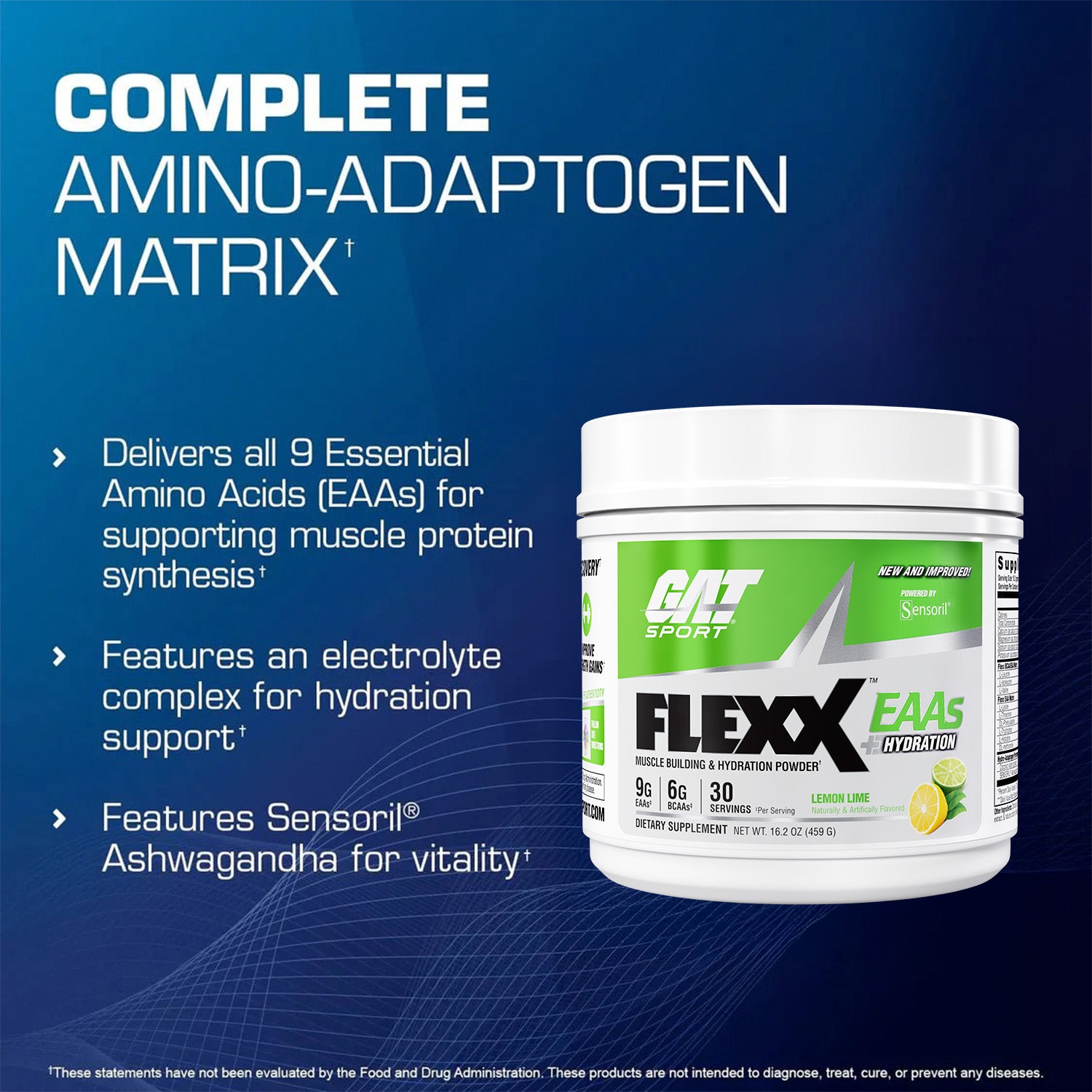
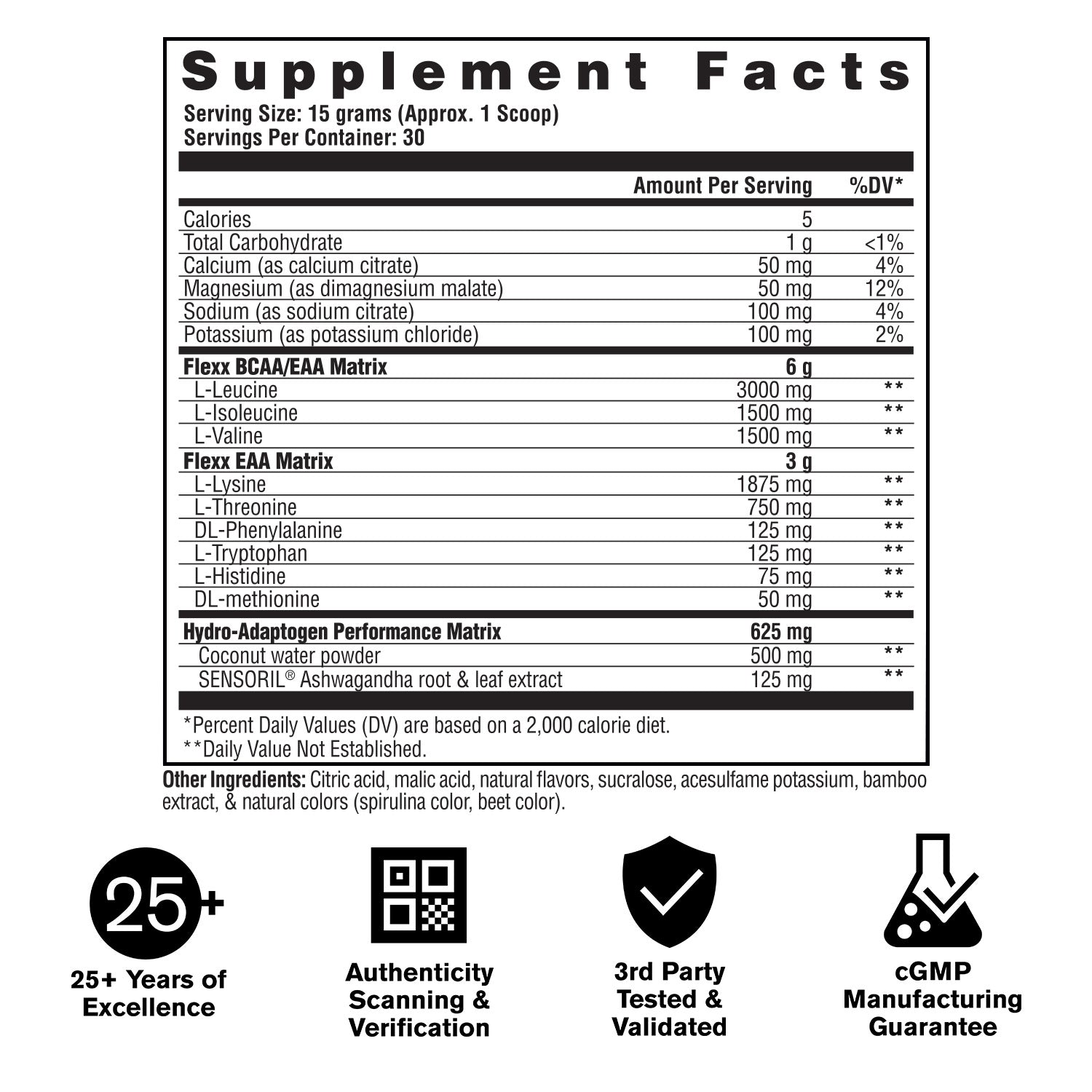
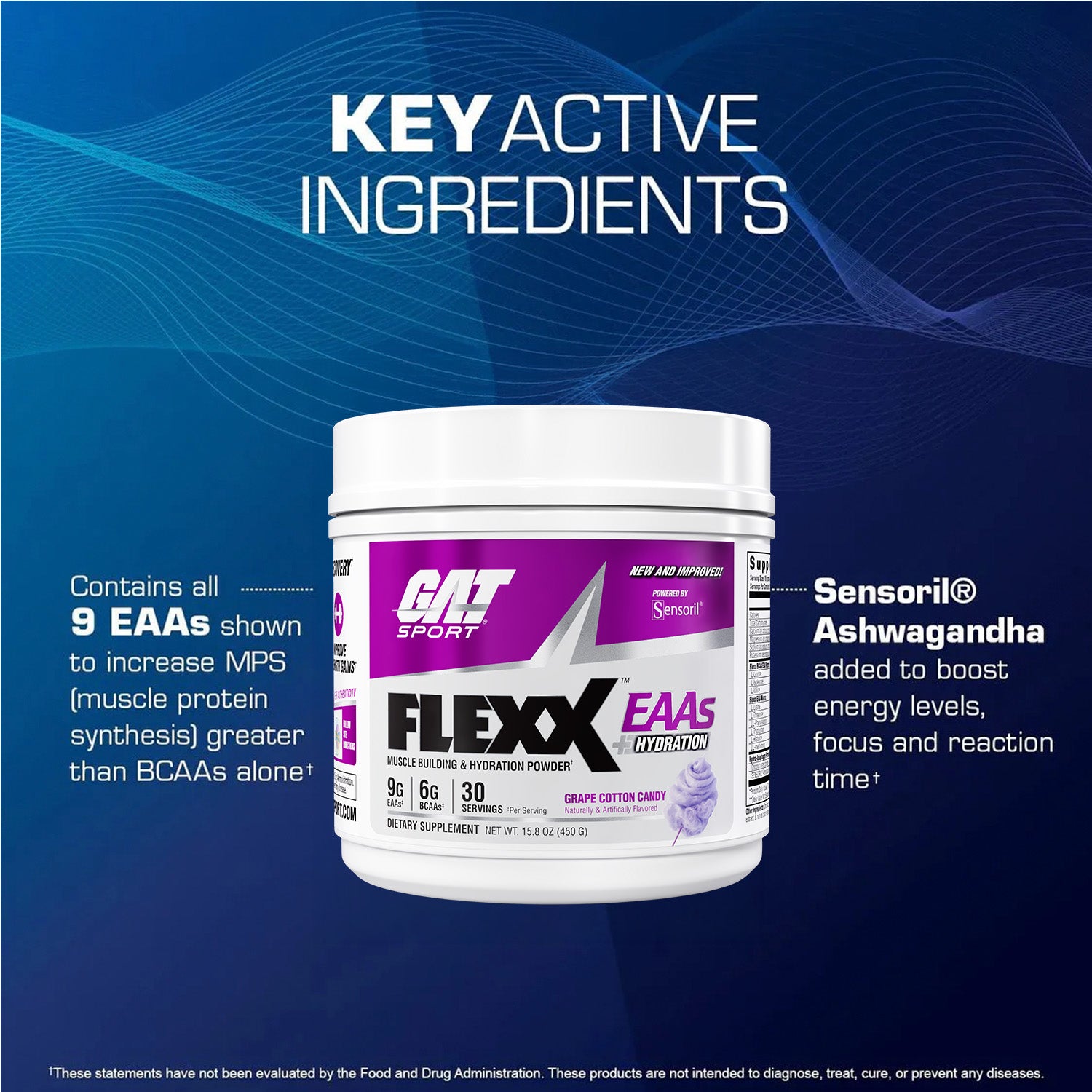
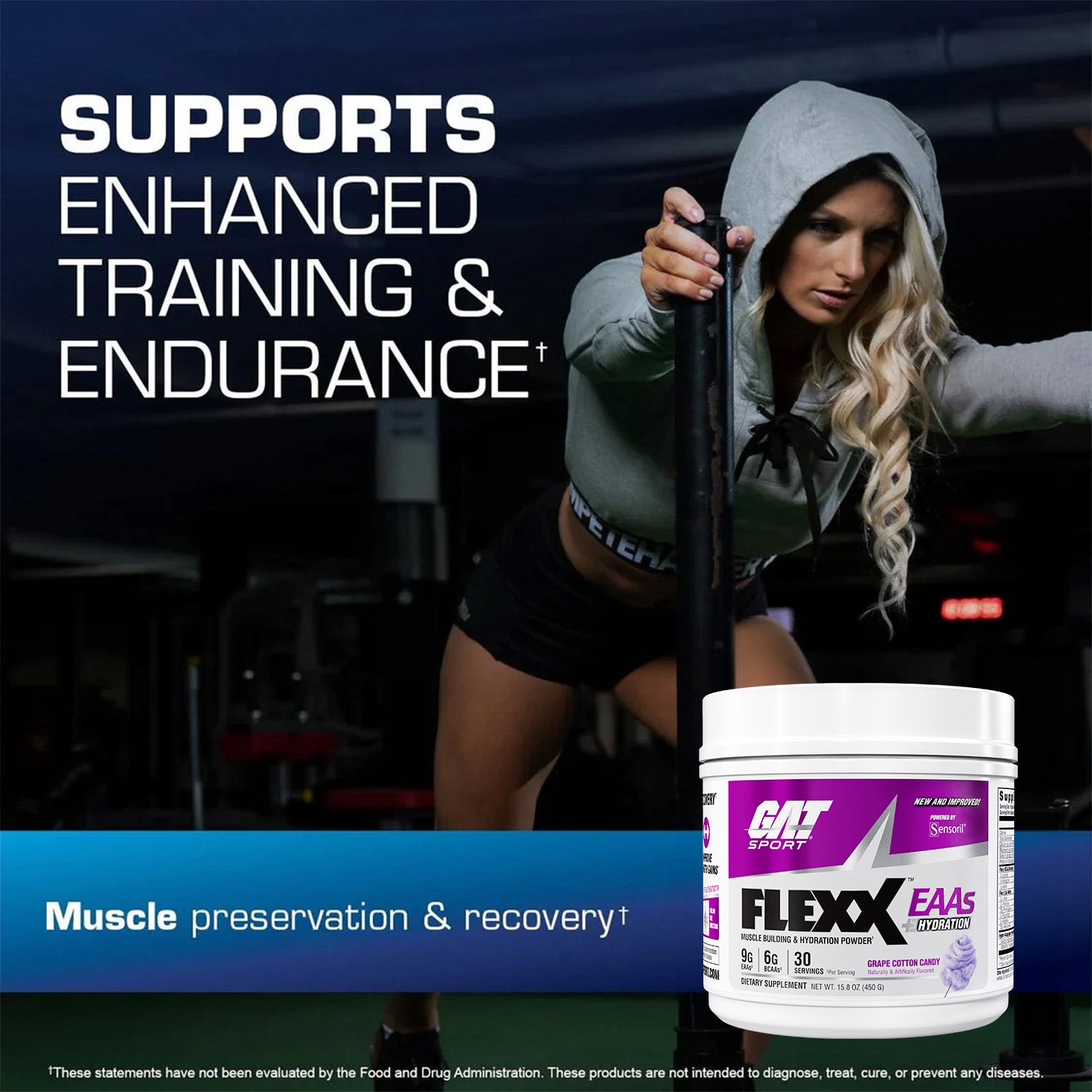
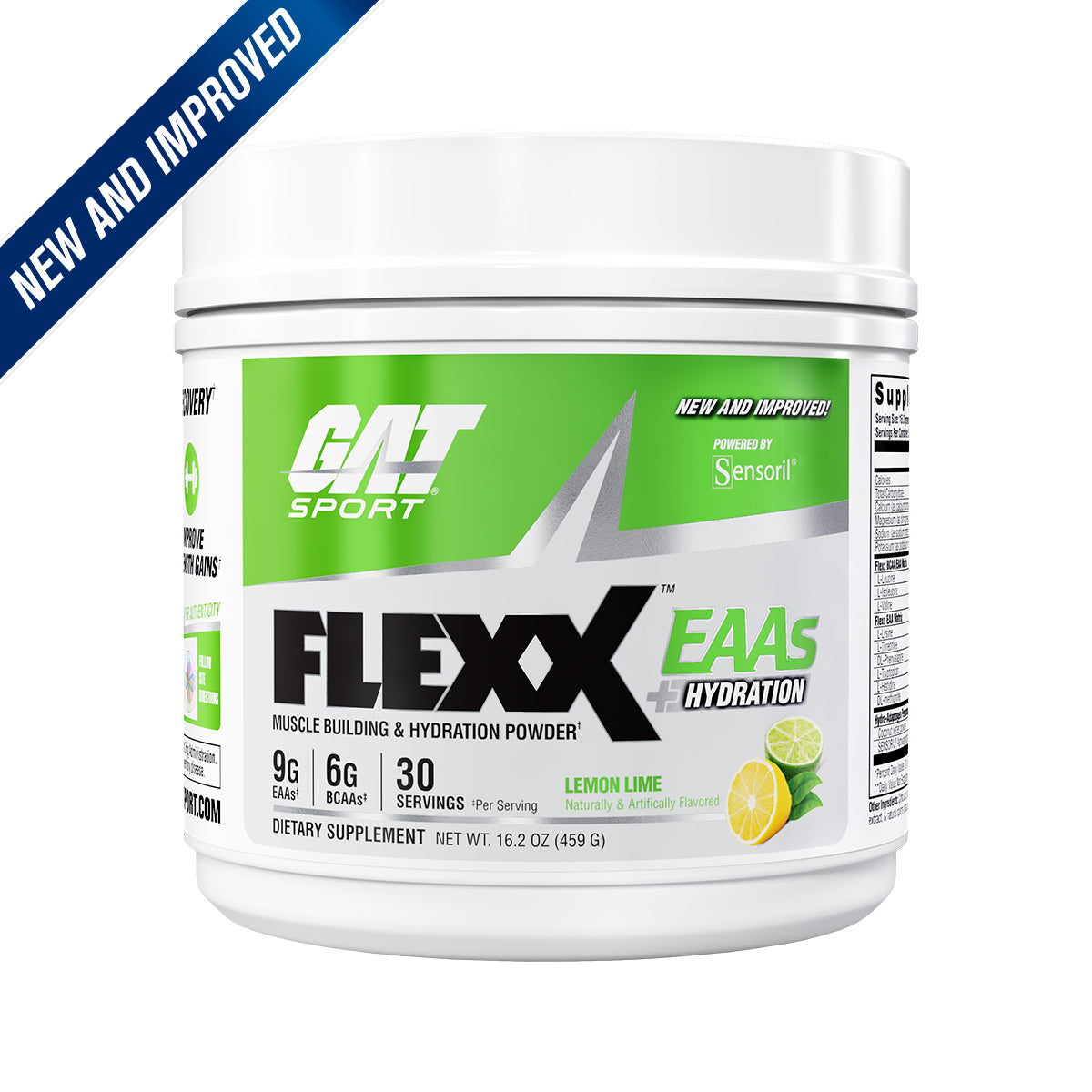
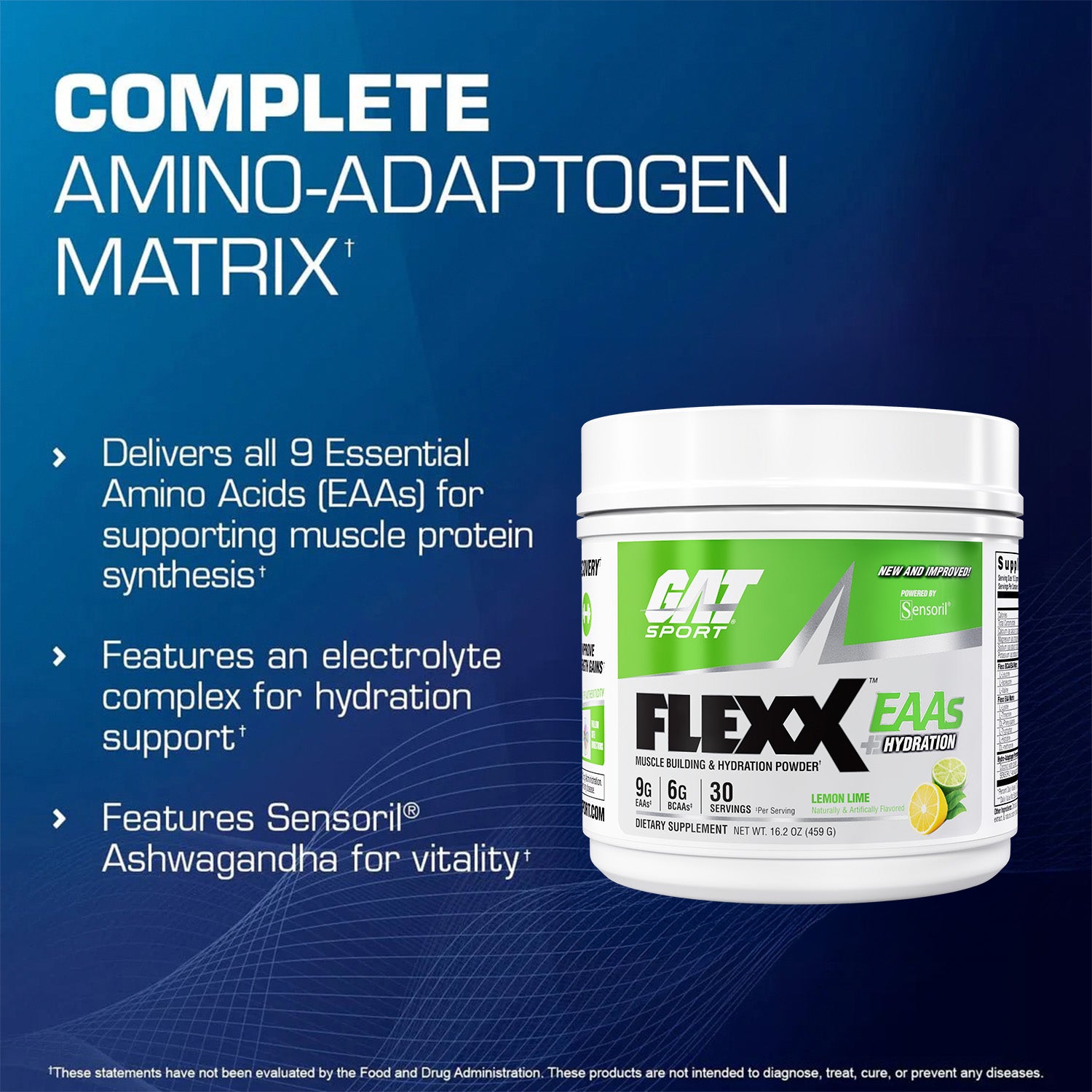
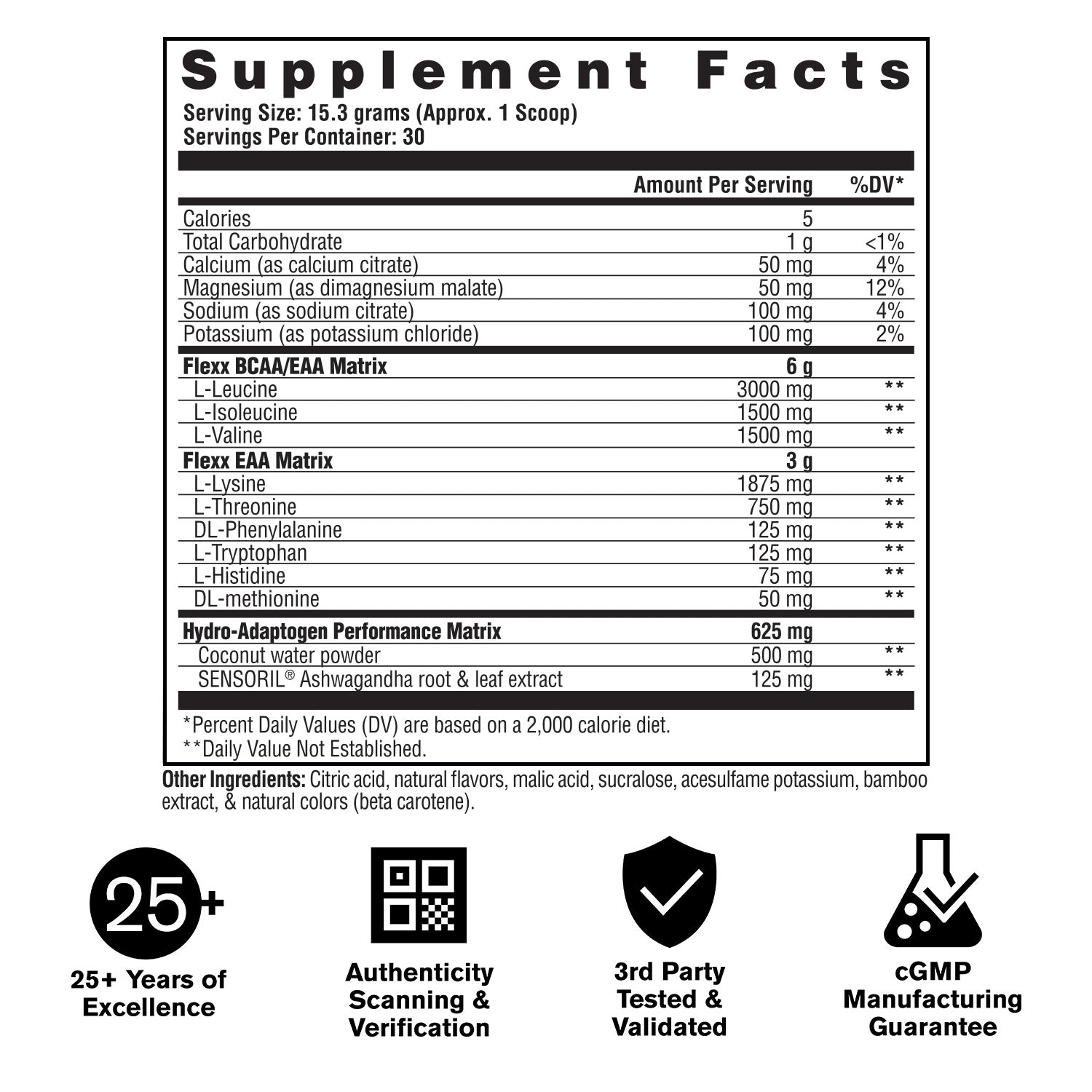
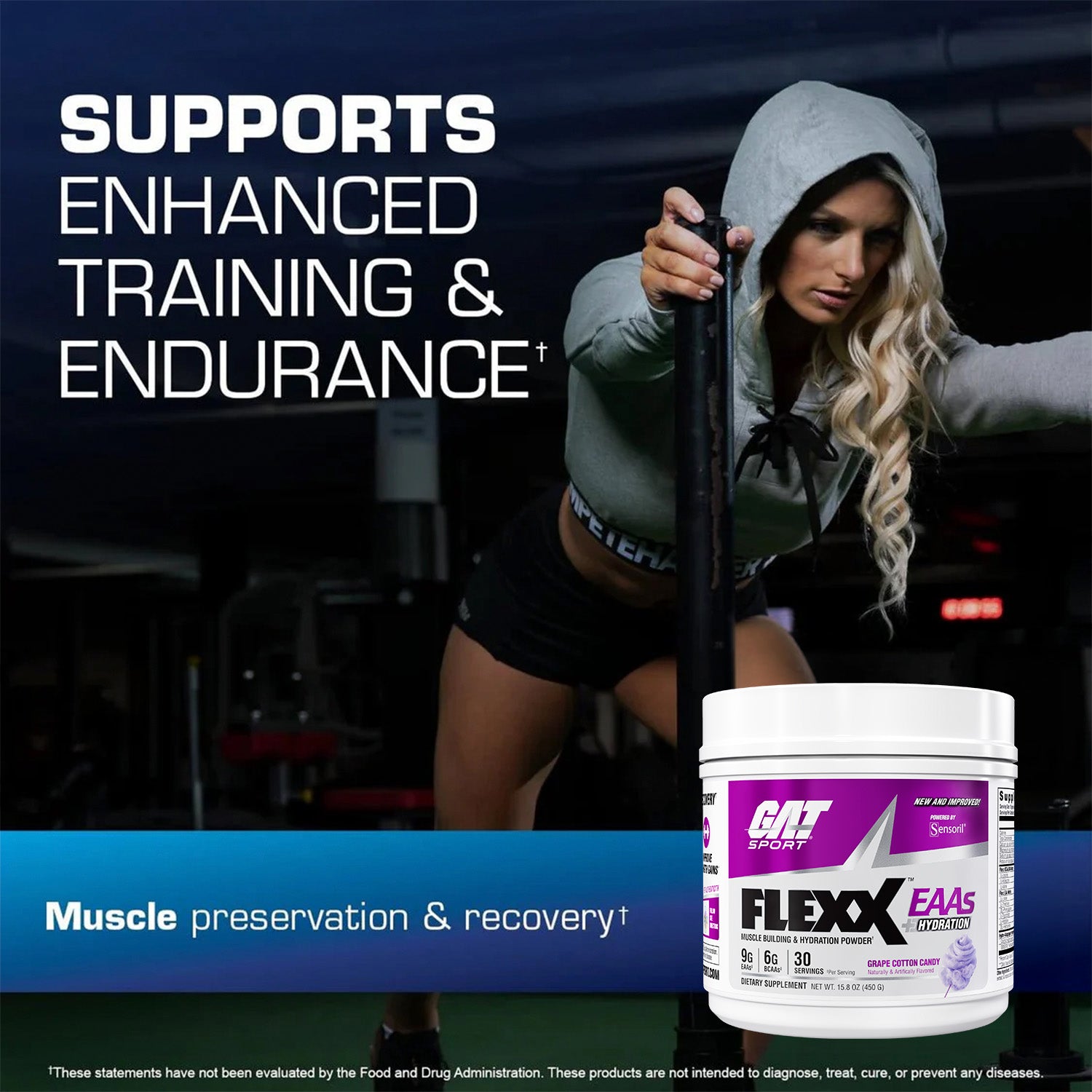
Luteal Phase (Recovery Focus): FLEXX EAAs with 9 essential amino acids plus electrolytes boosts muscle protein synthesis by 25 to 50% when recovery becomes critical (23).
Addressing Female-Specific Needs
Iron Support: Nitraflex Hydration's formula aids absorption, combating deficiency with bioavailable forms that actually work (24).
Cramp Prevention and Sleep: Pro Magnesium prevents cramps common in the luteal phase and improves sleep quality, enhancing recovery by 15 to 20% (25).
Hormone Balance: Deep Wood for hormone optimization with fenugreek supporting estrogen balance, reducing PMS symptoms by 20 to 40% (26).
Your Weekly Protocol
Follicular Phase (Days 1-14)
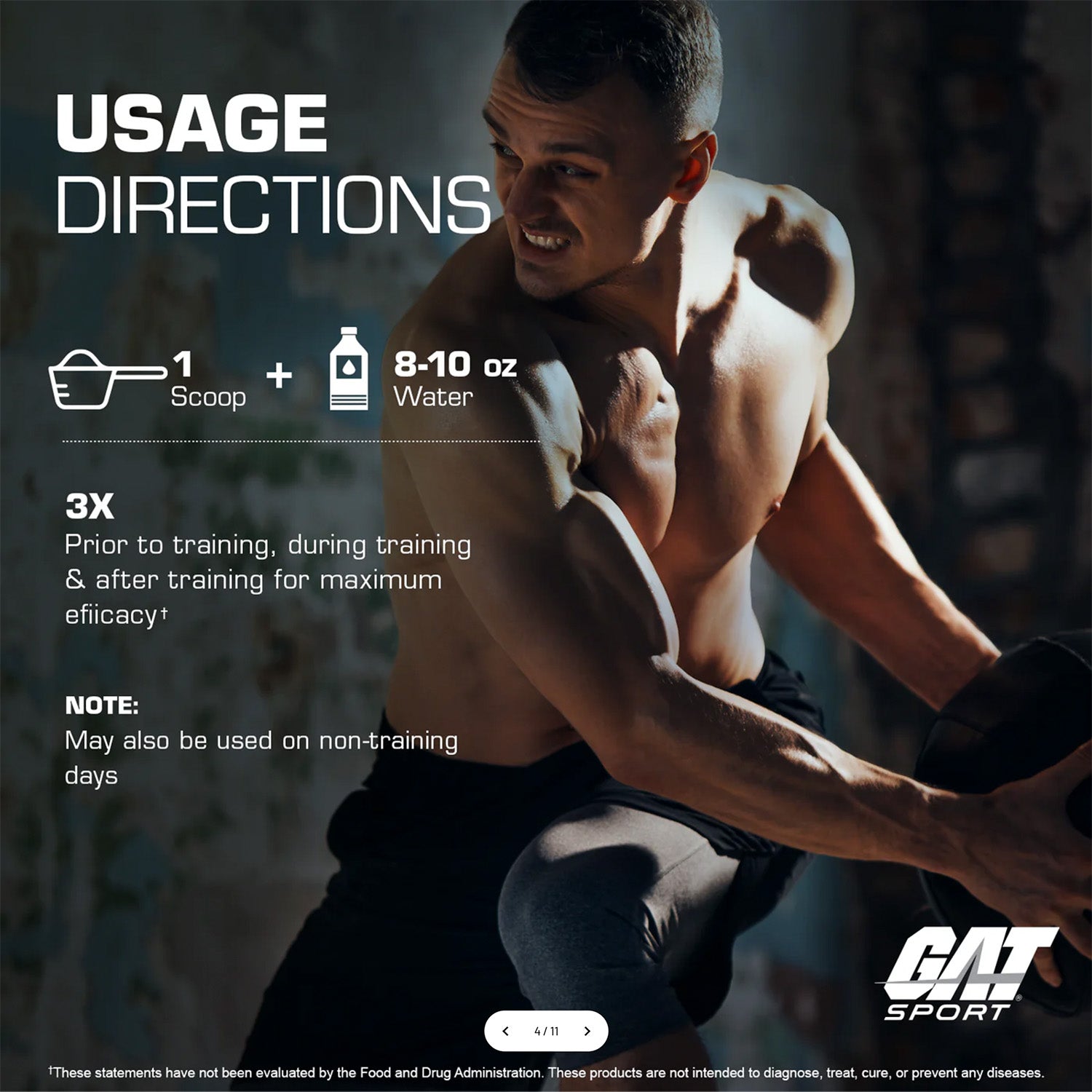
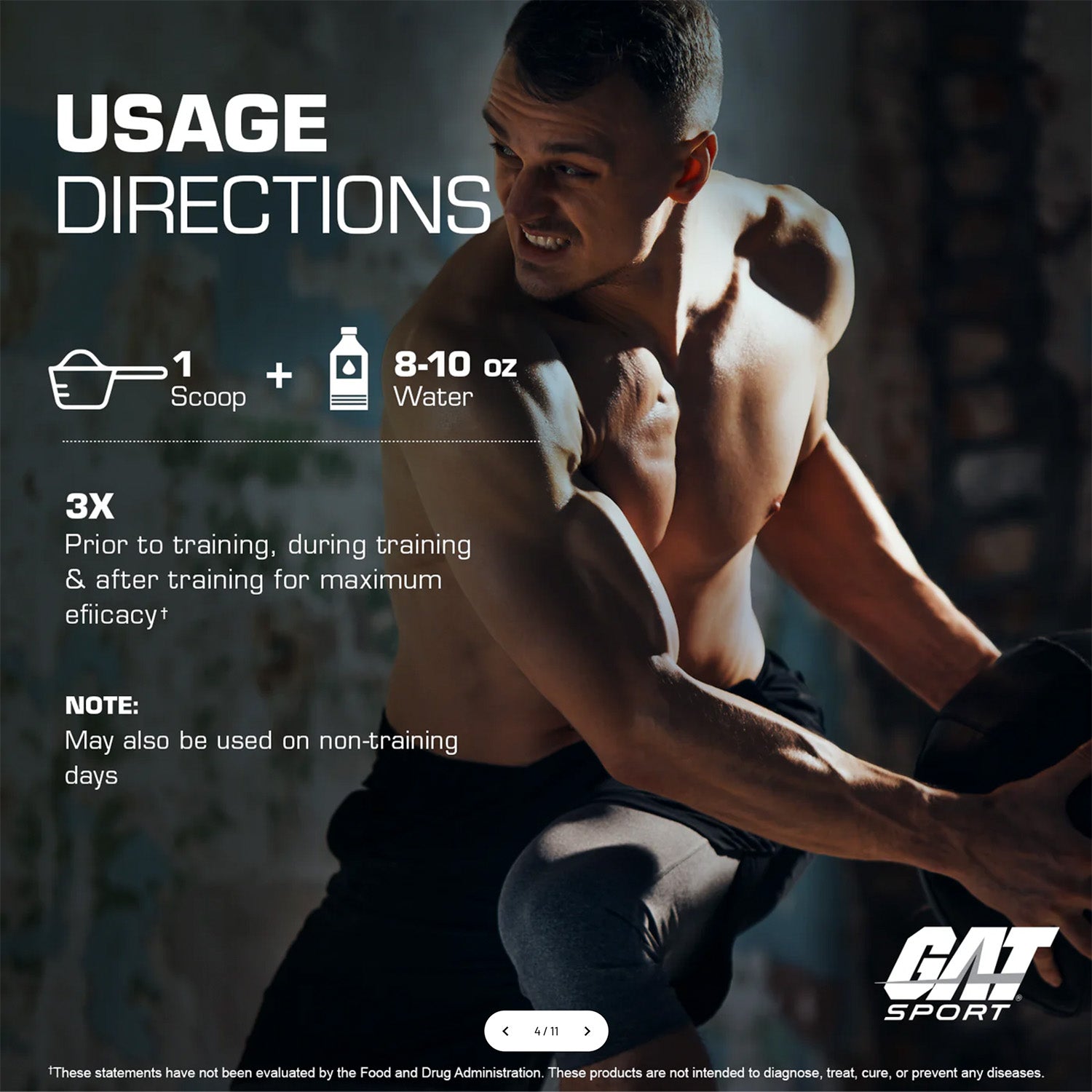
Focus on strength training with Nitraflex Sport pre-session for intensity. Follow with FLEXX EAAs post-workout for optimal repair when your body is primed for muscle building.
Luteal Phase (Days 15-28)
Shift to endurance and recovery with Nitraflex Hydration during training. Take Pro Magnesium in the evening for relaxation and sleep quality when your body needs it most.
Daily Foundation
Deep Wood twice daily maintains hormonal balance throughout your cycle, smoothing the transitions between phases.
For iron support, combine Hydration with meals to enhance absorption. For recovery optimization, time EAAs around training regardless of cycle phase. This system boosts adherence by 30 to 50%, finally closing the gender performance gap (27).
Bottom Line: Demand Better
Women in sports deserve science that serves them, not hand-me-down research from male studies. The days of ignoring female physiology are over. Cycle sync your training, address your specific needs, and supplement with products that understand your body isn't just a smaller version of a man's.
You're not asking for special treatment. You're demanding appropriate treatment. The difference between struggling and thriving isn't effort; it’s using tools designed for your physiology.
References
- Costello, Joseph T., et al. (2014). Where Are All the Female Participants in Sports and Exercise Medicine Research? European Journal of Sport Science, 14(8), 847-51.
- Smith, Felicity J., et al. (2023). Under-Representation of Women in Sports and Exercise Medicine Research: A Bibliometric Analysis. British Journal of Sports Medicine, 57(11), 666-72.
- Arendt, Elizabeth, and Randall Dick. (1995). Knee Injury Patterns among Men and Women in Collegiate Basketball and Soccer. American Journal of Sports Medicine, 23(6), 694-701.
- Sims, Stacy T., et al. (2007). Pre-Exercise Sodium Loading Aids Fluid Balance and Endurance for Women Exercising in the Heat. Journal of Applied Physiology, 103(2), 534-41.
- Bruinvels, Georgie, et al. (2021). Prevalence of Iron Deficiency in Female Athletes: A Systematic Review and Meta-Analysis. Sports Medicine, 51(10), 2201-16.
- Hackney, Anthony C. (2016). Sex Hormones, Exercise and Women: Scientific and Clinical Aspects. Springer.
- Cowley, Emma S., et al. (2022). Invisible Sportswomen 2.0: 'Sports Bras Are a Barrier to Exercise for Some Female Pupils' - the Quest to Get More Information About Sports Bras. Frontiers in Sports and Active Living, 4, article 1066057.
- Oosthuyse, Tanja, and Andrew N. Bosch. (2010). The Effect of the Menstrual Cycle on Exercise Metabolism. Sports Medicine, 40(3), 207-27.
- Hackney, Anthony C., et al. (2023). Menstrual Cycle: The Effects of Exercise Training on Cycle Length and Amplitude. Journal of Strength and Conditioning Research, 37(4), 935-43.
- Petkus, Dylan L., et al. (2019). The Effect of the Menstrual Cycle and Oral Contraceptives on Acute Responses and Chronic Adaptations to Resistance Training. Sports Medicine, 49(7), 979-98.
- Mountjoy, Margo, et al. (2018). International Olympic Committee (IOC) Consensus Statement on Relative Energy Deficiency in Sport (RED-S): 2018 Update. International Journal of Sport Nutrition and Exercise Metabolism, 28(4), 316-31.
- Costello, Joseph T., et al. (2014). Where Are All the Female Participants in Sports and Exercise Medicine Research? European Journal of Sport Science, 14(8), 847-51.
- Tarnopolsky, Mark A. (2000). Gender Differences in Metabolism; Nutrition and Supplements. Journal of Science and Medicine in Sport, 3(3), 287-98.
- Sung, Eun-Soo, et al. (2014). Effects of Follicular Versus Luteal Phase-Based Strength Training in Young Women. SpringerPlus, 3, article 668.
- Oosthuyse, Tanja, and Andrew N. Bosch. (2010). The Effect of the Menstrual Cycle on Exercise Metabolism. Sports Medicine, 40(3), 207-27.
- Sung, Eun-Soo, et al. (2014). Effects of Follicular Versus Luteal Phase-Based Strength Training in Young Women. SpringerPlus, 3, article 668.
- Bruinvels, Georgie, et al. (2021). Prevalence of Iron Deficiency in Female Athletes: A Systematic Review and Meta-Analysis. Sports Medicine, 51(10), 2201-16.
- McClung, James P., et al. (2009). Randomized Trial of Iron Supplementation and Iron Fortification in Female Soldiers: Effects on Iron Status, Physical Performance, and Mood. American Journal of Clinical Nutrition, 90(1), 124-31.
- Chilibeck, Philip D., et al. (2019). Higher Dietary Protein Intake Is Associated with Sarcopenia in Older British Twins. Age and Ageing, 48(1), 129-36.
- Hackney, Anthony C., et al. (2023). Menstrual Cycle: The Effects of Exercise Training on Cycle Length and Amplitude. Journal of Strength and Conditioning Research, 37(4), 935-43.
- Ihsan, Mohammed, et al. (2014). Postexercise Muscle Cooling Enhances Gene Expression of PGC-1α. Medicine & Science in Sports & Exercise, 46(10), 1900-07.
- Guest, Nanci S., et al. (2021). International Society of Sports Nutrition Position Stand: Caffeine and Exercise Performance. Journal of the International Society of Sports Nutrition, 18(1), article 1.
- Jackman, Sarah R., et al. (2017). Branched-Chain Amino Acid Ingestion Stimulates Muscle Myofibrillar Protein Synthesis Following Resistance Exercise in Humans. Frontiers in Physiology, 8, article 390.
- McClung, James P., et al. (2009). Randomized Trial of Iron Supplementation and Iron Fortification in Female Soldiers: Effects on Iron Status, Physical Performance, and Mood. American Journal of Clinical Nutrition, 90(1), 124-31.
- Abbasi, Behnood, et al. (2012). The Effect of Magnesium Supplementation on Primary Insomnia in Elderly: A Double-Blind Placebo-Controlled Clinical Trial. Journal of Research in Medical Sciences, 17(12), 1161-69.
- Younesy, Sima, et al. (2014). Effects of Fenugreek Seed on the Severity and Systemic Symptoms of Dysmenorrhea. Journal of Reproduction & Infertility, 15(1), 41-48.
- Cowley, Emma S., et al. (2022). Invisible Sportswomen 2.0 - 'Sports Bras Are a Barrier to Exercise for Some Female Pupils' - the Quest to Get More Information About Sports Bras. Frontiers in Sports and Active Living, 4, article 1066057.