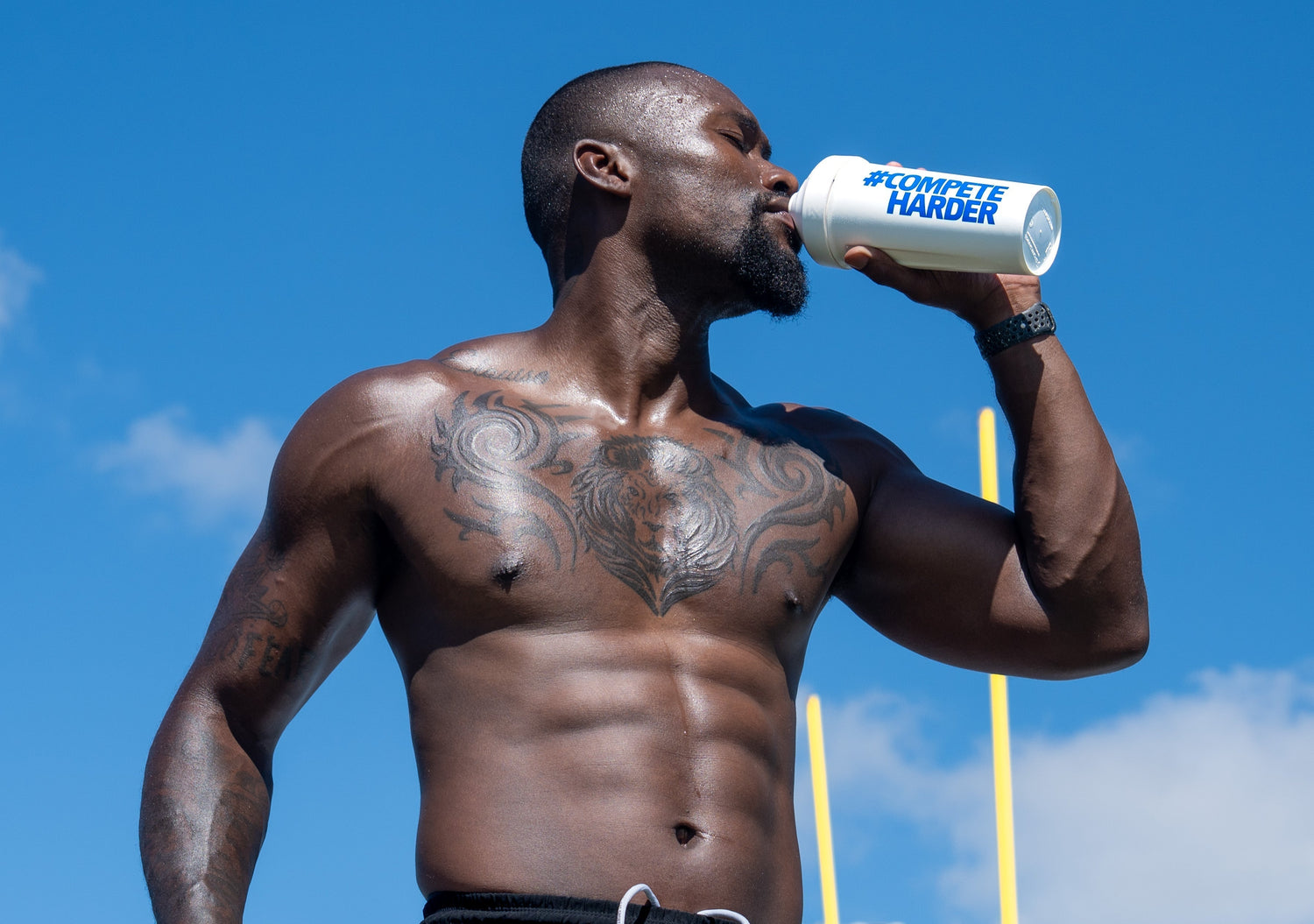
Eight glasses a day. Clear urine. Drink before thirst. All wrong. These hydration myths are tanking your performance.
World Water Day (March 22, 2026) is the perfect time to cut through the noise. Most athletes are unknowingly sabotaging their workouts, races, and recovery with outdated hydration advice. The myths are everywhere, from gym bro lore to influencer reels, and they're costing real performance. Science shows that getting hydration wrong can reduce strength by 10–20%, endurance by 2–8% per 1% body weight loss and increase cramping and heat illness risk dramatically. The fix is simpler than you think: evidence-based strategies plus smart supplementation. Here are the top 5 myths destroying your gains and the truth that actually works.
The Problem: Hydration Misinformation, Overhydration Dangers, Electrolyte Neglect
Hydration advice is stuck in the 1970s. "Drink 8 glasses of water a day" (64 oz) has no scientific basis for athletes and often leads to under- or over-hydration depending on body size and activity [1]. Many chase "clear urine" as the gold standard, but pale straw yellow is optimal; completely clear urine frequently signals overhydration and dangerous dilution of blood sodium (hyponatremia) [2].
The most dangerous myth is "drink before you're thirsty." Thirst is a reliable regulator for most people during exercise, yet forcing fluids ahead of thirst increases hyponatremia risk by 3–5 times in endurance events [3]. Electrolyte neglect is equally widespread: sweat losses of 1–2 grams of sodium per hour in hot conditions are rarely replaced, leading to cramps, premature fatigue, and performance drops of 10–15% [4]. For recreational athletes, these myths mean stalled progress, frequent injuries, and post-workout crashes that feel like "just a bad day" when they're actually preventable hydration errors.
The Science: Optimal Hydration Research, Electrolyte Balance, Performance Hydration
The American College of Sports Medicine (ACSM) position stand is clear: fluid replacement should prevent >2% body-weight loss during exercise, but forcing excess fluid is harmful [4]. A 2% loss (about 3 lbs. for a 150 lb. person) impairs aerobic performance by 2–8% and cognitive function by 10–20% [4]. Electrolytes, especially sodium, maintain plasma volume and nerve function. Sawka et al. (2007) showed that replacing 300–600 mg sodium per hour during prolonged exercise preserves performance and prevents hyponatremia [4].
Citrulline, a key ingredient in targeted hydration formulas, improves blood flow and oxygen delivery by increasing nitric oxide. A randomized trial found 8 g citrulline malate improved endurance by 12% and reduced soreness [6]. During high sweat rates, proper electrolyte + citrulline combinations maintain hydration status better than water alone, reducing perceived effort and extending time-to-exhaustion by 10–15% [7]. These findings are why elite marathoners and CrossFit athletes now prioritize precise electrolyte protocols over simple water intake.

Top 5 Hydration Myths Destroying Your Performance
Myth 1: You Must Drink 8 Glasses (64 oz) of Water Every Day
Completely debunked. Needs vary by body weight, activity, climate, and diet. A 200-pound lifter training in heat may need 150+ oz, while a sedentary 120-pound person needs far less. The "8×8" rule has no supporting randomized trials and was never intended as universal advice [1]. Real target: replace fluids to keep body-weight loss under 2% during exercise.
Myth 2: Clear Urine Means You're Perfectly Hydrated
Pale straw yellow is the sweet spot. Crystal-clear urine often signals overhydration, diluting blood sodium and raising hyponatremia risk, especially dangerous in long sessions [2]. Studies on marathon runners show athletes with consistently clear urine had higher rates of cramps and performance drops.
Myth 3: Drink Before You're Thirsty
Thirst is a sophisticated regulator. Forcing fluids ahead of thirst increases hyponatremia risk 3–5 times in endurance athletes [3]. The ACSM recommends drinking to thirst during most sessions, with strategic electrolyte replacement for events >2 hours.
Myth 4: Water Is Enough for All Workouts
False for anything over 60–90 minutes or in heat. Sweat losses of sodium (500–2,000 mg/L) and other electrolytes must be replaced to prevent cramps and fatigue [4]. Water-only hydration during intense sessions can dilute blood sodium, leading to dangerous swelling in brain cells.
Myth 5: Sports Drinks Are Always Better
Many commercial sports drinks have too much sugar and not enough sodium for serious athletes. Evidence shows targeted formulas with citrulline + balanced electrolytes outperform generic drinks for blood flow and endurance [6][7]. The right combination can extend performance 10–15% without GI distress.
Solution: Science-Based Hydration with Proper Electrolyte Supplementation
Ditch the myths. Follow this practical system:
- Pre-workout: 16–20 oz water + electrolytes 2–4 hours before.
- During: Sip Nitraflex Hydration every 15–20 minutes; citrulline + precise electrolytes maintain blood flow and sodium balance.
- Post-workout: 20–24 oz per pound lost + FLEXX EAAs for muscle repair.
For daily training, aim for pale yellow urine and <2% body-weight loss during sessions. In heat or long efforts (>90 min), add 300–600 mg sodium/hour via Nitraflex Hydration. This protocol, backed by ACSM and ISSN guidelines, reduces fatigue 10–20% and prevents the performance killers most athletes blame on "a bad day."
References
[1] Valtin, H. "'Drink at Least Eight Glasses of Water a Day.' Really? Is There Scientific Evidence for '8 × 8'?" American Journal of Physiology – Regulatory, Integrative and Comparative Physiology, vol. 283, no. 5, 2002, pp. R993–R1004.
[2] Hew-Butler, T., et al. "Statement of the Third International Exercise-Associated Hyponatremia Consensus Development Conference, Carlsbad, California, 2015." Clinical Journal of Sport Medicine, vol. 25, no. 4, 2015, pp. 303–20.
[3] Noakes, T. D. "Hydration in Sport: Myths and Facts." British Journal of Sports Medicine, vol. 41, no. 11, 2007, pp. 679–80.
[4] Sawka, M. N., et al. "American College of Sports Medicine Position Stand. Exercise and Fluid Replacement." Medicine & Science in Sports & Exercise, vol. 39, no. 2, 2007, pp. 377–90.
[5] Thomas, D. T., et al. "American College of Sports Medicine Joint Position Statement. Nutrition and Athletic Performance." Medicine & Science in Sports & Exercise, vol. 48, no. 3, 2016, pp. 543–68.
[6] Pérez-Guisado, J., and P. M. Jakeman. "Citrulline Malate Enhances Athletic Anaerobic Performance and Relieves Muscle Soreness." Journal of Strength and Conditioning Research, vol. 24, no. 5, 2010, pp. 1215–22.
[7] Kerksick, C. M., et al. "International Society of Sports Nutrition Position Stand: Nutrient Timing." Journal of the International Society of Sports Nutrition, vol. 14, 2017, article 33.