
Walk into any supplement shop and most of what you see on the shelves does very little. The industry runs on hype, proprietary blends, and label claims that fall apart the moment you look for the research behind them. For every product that actually works, there are ten built on a clever name and a bold promise.
That noise costs lifters real money. People drop a fortune on the trending powder of the month while ignoring the handful of supplements that decades of research actually support. So let us cut it down to what matters. Here are six supplements that earn their place in your stack, plus a quick word at the end on what you can safely leave on the shelf.
Which Supplements Are Worth the Money?
The supplements worth your money are the ones with real evidence behind them: protein and essential amino acids, creatine, caffeine, omega-3 fatty acids, beta-alanine, and vitamin D if you are low. Spend on these proven foundations and you cover the bases that genuinely affect performance, recovery, and health. Almost everything else in the aisle is optional at best and a waste at worst. Here is the short list that earns the shelf space.
1. Protein and Essential Amino Acids
Nothing you put in your body matters more for building and keeping muscle than adequate protein. Your muscles rebuild from the amino acids protein provides, and the case for it is about as settled as sports nutrition gets. The ISSN position stand on protein confirms that intakes of roughly 1.4 to 2.0 grams per kilogram of body weight support building and maintaining muscle in active people [1]. Whole-food protein should always come first, but essential amino acids are a genuinely useful tool when a full meal is not practical. Flexx EAAs deliver the specific amino acids that drive muscle repair, which makes them handy around training or during a long stretch between meals when you want to keep your recovery on track.
2. Creatine Monohydrate
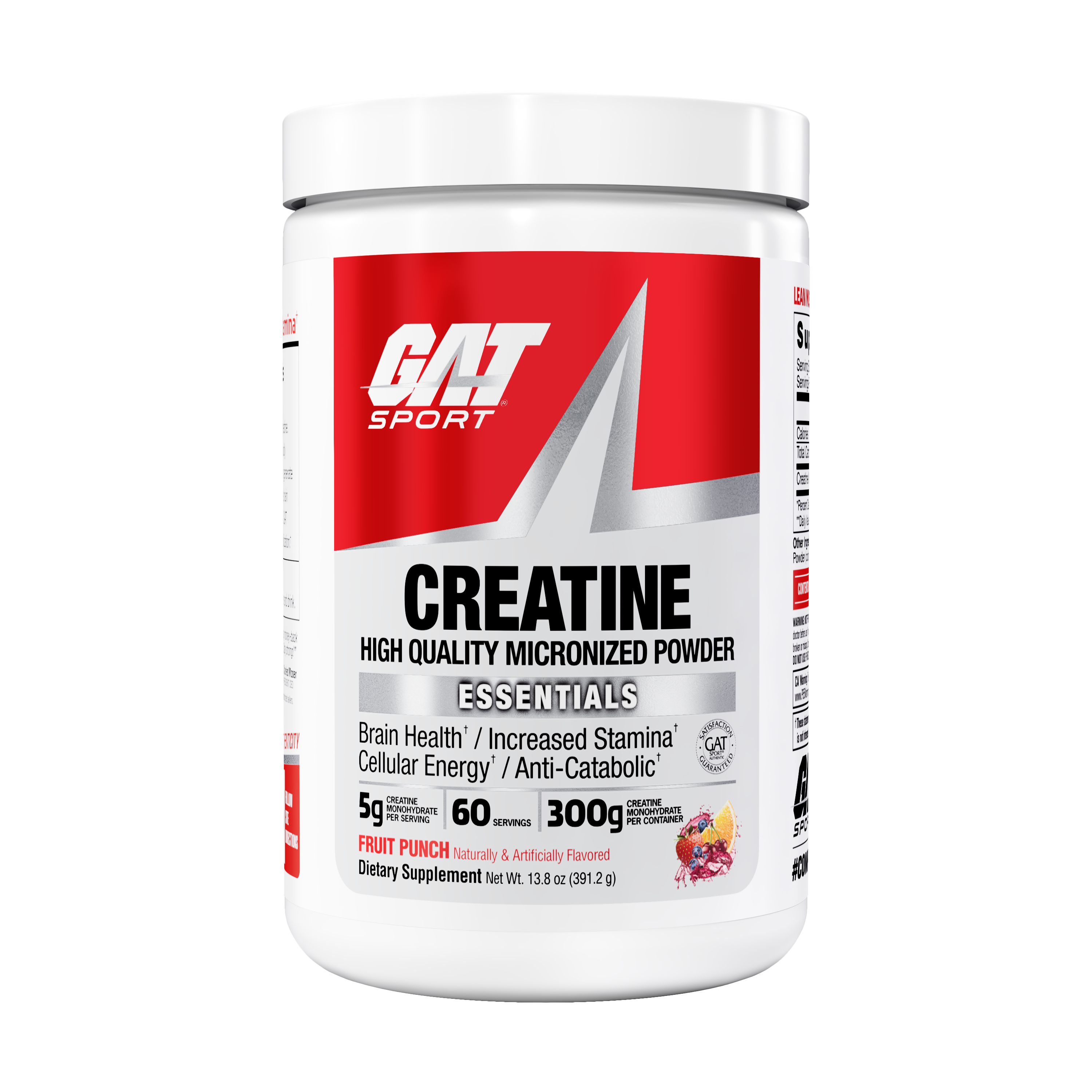
If protein is the foundation, creatine is the single most proven performance supplement you can add on top. It has been studied for decades, and the verdict is remarkably consistent. The ISSN position stand on creatine calls creatine monohydrate the most effective ergogenic nutritional supplement available for increasing high-intensity exercise capacity and lean body mass during training [2]. That is not marketing language; it is the conclusion of an enormous body of research. Creatine Monohydrate works by saturating your muscles over time, so the trick is simply taking it every day rather than timing it around workouts. Few supplements deliver more for less money.
3. Caffeine
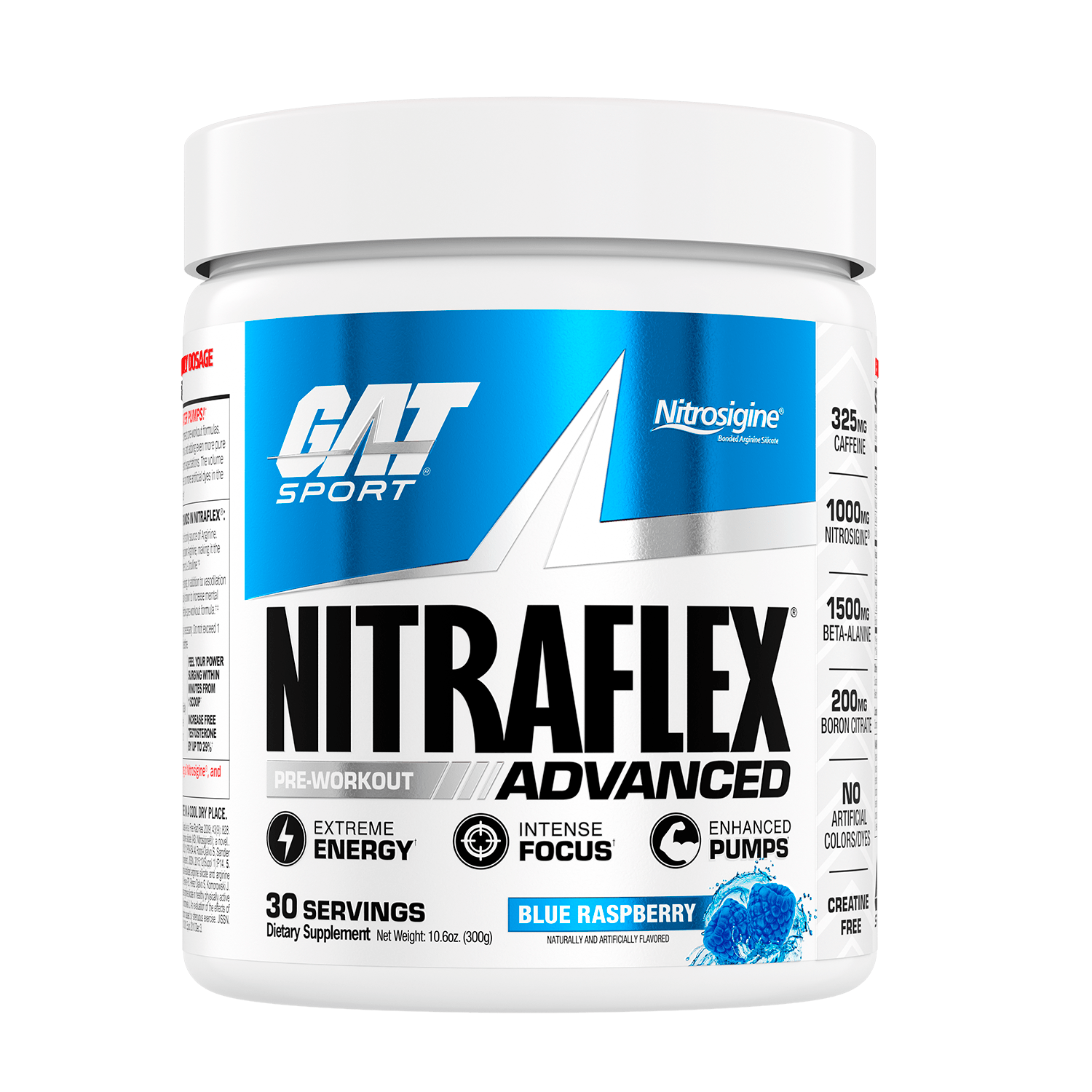
Caffeine earns its spot because it works, cheaply and reliably. As a pre-workout ingredient it sharpens focus and measurably improves training output. The ISSN reviewed the evidence and concluded that caffeine enhances both anaerobic and aerobic performance in the range of 3 to 6 milligrams per kilogram of body weight [3]. The main caveat is dosing to your body and your tolerance rather than mindlessly stacking it with three other stimulants. Used sensibly, timed before a hard session, it is one of the most dependable tools available for training harder.
4. Omega-3 Fatty Acids
This is the supplement most lifters overlook, and the one many need most. Unless you eat fatty fish regularly, you are probably short on the omega-3s EPA and DHA, fats that matter for recovery, heart health, and general wellbeing. The American Heart Association recognizes that omega-3s support cardiovascular health, and most people simply do not get enough through diet [4]. A clean fish oil closes that gap without fuss. GAT Sport Omega-3 Purified Fish Oil supplies those fats in a purified form, supporting the inflammatory balance behind good recovery along with your long-term health. It is one of the few supplements that pays off well beyond the gym.
5. Beta-Alanine
For anyone whose training involves sustained hard efforts, beta-alanine is a proven addition. It works by raising muscle carnosine, which helps buffer the acidity that builds up during intense exercise and forces you to slow down. The ISSN position stand on beta-alanine found that supplementation improves exercise performance, with the clearest benefits in efforts lasting roughly one to four minutes [5]. That covers a lot of hard training, from high-rep sets to conditioning intervals. The harmless tingling some people feel after a dose is just the beta-alanine doing its thing, not a sign of anything wrong.
6. Vitamin D
Vitamin D makes the list not because it is a magic performance booster, but because so many people are quietly deficient in it, and that deficiency has real costs for muscle function and bone health. The scale of the problem is striking. A meta-analysis of over 2,300 athletes found that 56 percent had inadequate vitamin D levels, with the risk climbing in winter and among those who train mostly indoors [6]. Correcting a genuine shortfall supports strength, bone health, and overall function. This is the one worth getting tested for, since the point is to fix a deficiency rather than to megadose. If you are low, it is among the highest-value corrections you can make.
What You Can Skip
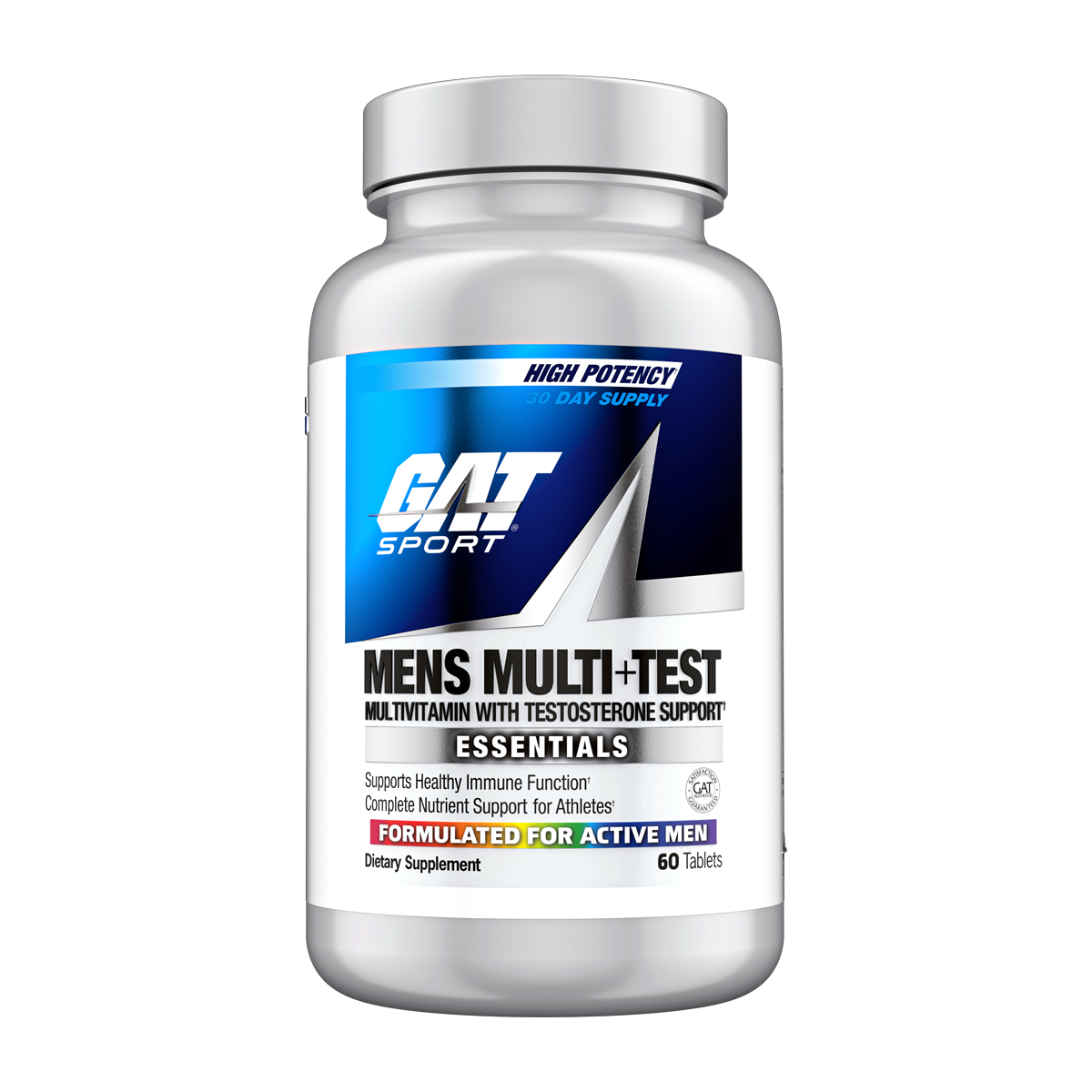
Now the part the industry would rather you ignore. The vast majority of what fills the supplement aisle does not belong in your stack. Most fat burners lean almost entirely on caffeine you could get from a cheap pre-workout or a cup of coffee, dressed up with a proprietary blend of ingredients that do little on their own. Testosterone boosters aimed at healthy young men rarely move the needle in any way you would notice. BCAAs are largely redundant if you already eat enough protein or use a complete EAA product, since they provide only part of what your muscles need. And most exotic, heavily marketed "breakthrough" ingredients vanish as quickly as they arrive, because the research never backed the hype in the first place.
None of this means every trendy product is useless, but the burden of proof sits with the label, and most fail it. When in doubt, ask a simple question: is there real, independent research showing this works at the dose in the product? For the six above, the answer is yes. For most of the aisle, it is no.
Spend Smart, Skip the Hype
A good supplement stack is short, boring, and effective. Protein and EAAs to build and protect muscle, creatine to drive performance, caffeine to power your sessions, omega-3s for recovery and health, beta-alanine for hard efforts, and vitamin D if you are low. That handful outperforms a cabinet full of hyped products, and it costs a great deal less.
The supplement industry wants you chasing the next big thing. Ignore it. Put your money on what the evidence supports, skip the rest without guilt, and you will get better results for less. Your stack should reflect the science, not the marketing.
See the six that earn their place and clean up your stack. Then go compete harder, with GAT Sport at gatsport.com.
Key Takeaways
- Most of the supplement aisle is hype; only a handful of products have real evidence behind them.
- Protein and EAAs, creatine, caffeine, omega-3s, beta-alanine, and vitamin D are the ones worth your money.
- Creatine monohydrate and caffeine are among the most proven and cost-effective supplements available.
- Vitamin D is worth getting tested for, since deficiency is common and correcting it supports strength and bone health.
- Skip most fat burners, testosterone boosters, standalone BCAAs, and exotic trending ingredients; the research does not back them.
Frequently Asked Questions
Which supplements are worth the money?
The supplements with the strongest evidence are protein and essential amino acids, creatine, caffeine, omega-3 fatty acids, beta-alanine, and vitamin D if you are deficient. These affect performance, recovery, and health in ways backed by substantial research. Spending on these foundations covers the bases that matter, while most other products in the aisle offer little benefit for a healthy person who already trains and eats reasonably well.
Is creatine worth taking?
Yes, creatine is one of the most proven and cost-effective supplements available. The ISSN calls creatine monohydrate the most effective supplement for increasing high-intensity exercise capacity and lean body mass during training, based on decades of research. It works by saturating your muscles over time, so daily consistency matters more than timing. For almost anyone doing resistance training, it earns its place in the stack.
Do I need BCAAs if I take protein?
Generally no. BCAAs provide only three of the amino acids your muscles need, whereas complete protein or a full essential amino acid product provides all of them. If you already eat enough protein or use an EAA supplement, standalone BCAAs are largely redundant. Your money is better spent on adequate total protein or a complete EAA product that covers the full spectrum your muscles require.
Should I take vitamin D?
It depends on your levels, which is why testing is worthwhile. Vitamin D deficiency is common, with research finding well over half of athletes inadequate, especially in winter and among indoor trainers. If you are low, correcting it supports muscle function and bone health and is a high-value fix. If your levels are already fine, extra vitamin D offers little added benefit, so the goal is to correct a shortfall, not to megadose.
Are fat burners worth it?
For most people, no. The majority of fat burners rely heavily on caffeine you could get far more cheaply from a pre-workout or coffee, combined with a blend of ingredients that do little on their own. No supplement replaces a sensible diet and training for fat loss. Your money is better spent on the proven basics and on the food and training that actually drive results.
References
- Jäger, Ralf, et al. "International Society of Sports Nutrition Position Stand: Protein and Exercise." Journal of the International Society of Sports Nutrition, vol. 14, no. 20, 2017, doi:10.1186/s12970-017-0177-8.
- Kreider, Richard B., et al. "International Society of Sports Nutrition Position Stand: Safety and Efficacy of Creatine Supplementation in Exercise, Sport, and Medicine." Journal of the International Society of Sports Nutrition, vol. 14, no. 18, 2017, doi:10.1186/s12970-017-0173-z.
- Guest, Nanci S., et al. "International Society of Sports Nutrition Position Stand: Caffeine and Exercise Performance." Journal of the International Society of Sports Nutrition, vol. 18, no. 1, 2021, article 1, doi:10.1186/s12970-020-00383-4.
- Siscovick, David S., et al. "Omega-3 Polyunsaturated Fatty Acid (Fish Oil) Supplementation and the Prevention of Clinical Cardiovascular Disease: A Science Advisory from the American Heart Association." Circulation, vol. 135, no. 15, 2017, pp. e867-e884, doi:10.1161/CIR.0000000000000482.
- Trexler, Eric T., et al. "International Society of Sports Nutrition Position Stand: Beta-Alanine." Journal of the International Society of Sports Nutrition, vol. 12, no. 30, 2015, doi:10.1186/s12970-015-0090-y.
- Farrokhyar, Forough, et al. "Prevalence of Vitamin D Inadequacy in Athletes: A Systematic-Review and Meta-Analysis." Sports Medicine, vol. 45, no. 3, 2015, pp. 365-378, doi:10.1007/s40279-014-0267-6.