



Forget ghosts. Forget the guy in the hockey mask. The scariest thing in fitness is a training log with its last entry dated October 31.
It happens every year, to lifters who swore it would not. And here is what makes it a proper horror story rather than a tragedy: the killer announces itself. Programs do not die from one catastrophic week, some freak injury, or an act of God. They die from six threats so predictable you could circle them on a calendar in September, and every performance lifter has watched them claim a training partner. The difference between the program that survives to January and the one found dead in a notes app is not willpower. It is whether the lifter planned for the monsters they knew were coming.
Here are the six, each with the fix that keeps your log alive.
Why Do People Stop Training in the Fall and Winter?
Because the fourth quarter attacks the routine from every direction at once: compressed schedules, travel, a calorie-dense food environment, disrupted sleep, and shorter days. Each threat is survivable alone. Programs die when one missed stretch triggers all-or-nothing thinking and the plan gets postponed to January, a reset the evidence says you never needed.
1. Death by Compressed Calendar
The first killer does not swing an axe. It just quietly deletes your free hour. Work sprints toward year-end, school events multiply, and the lifter whose program requires 75 uninterrupted minutes finds that those minutes stop existing somewhere around mid-November. Session skipped, then another, and the log goes cold without a single decision ever being made.
The defense is deciding, in advance, what your minimum session looks like, because the maintenance research makes that minimum astonishingly small: strength can be preserved on as little as one session per week, and in some populations even one hard set per exercise, provided the load stays heavy [1]. A 25-minute lunch session with three honest top sets is not a compromise. It is the program, surviving.
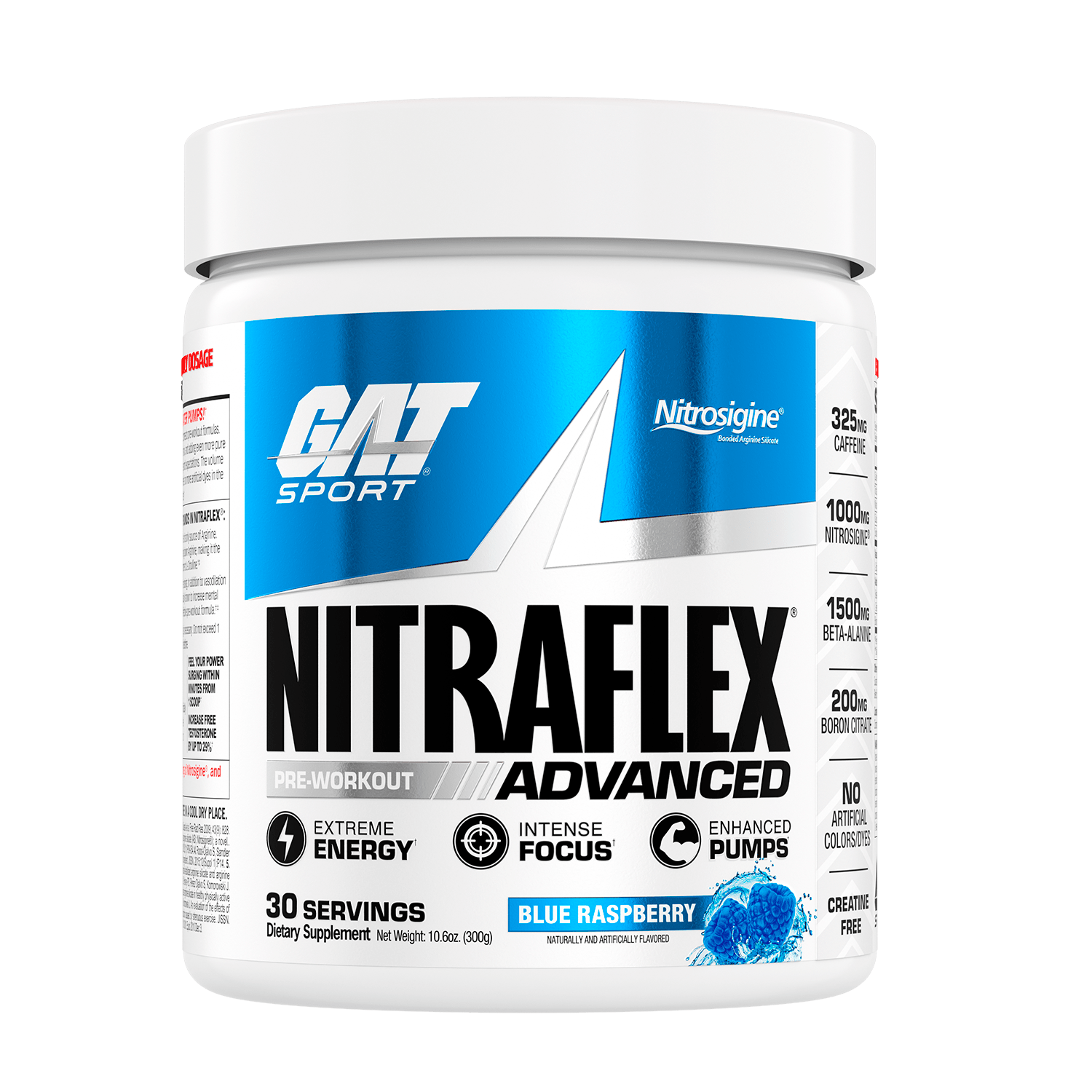
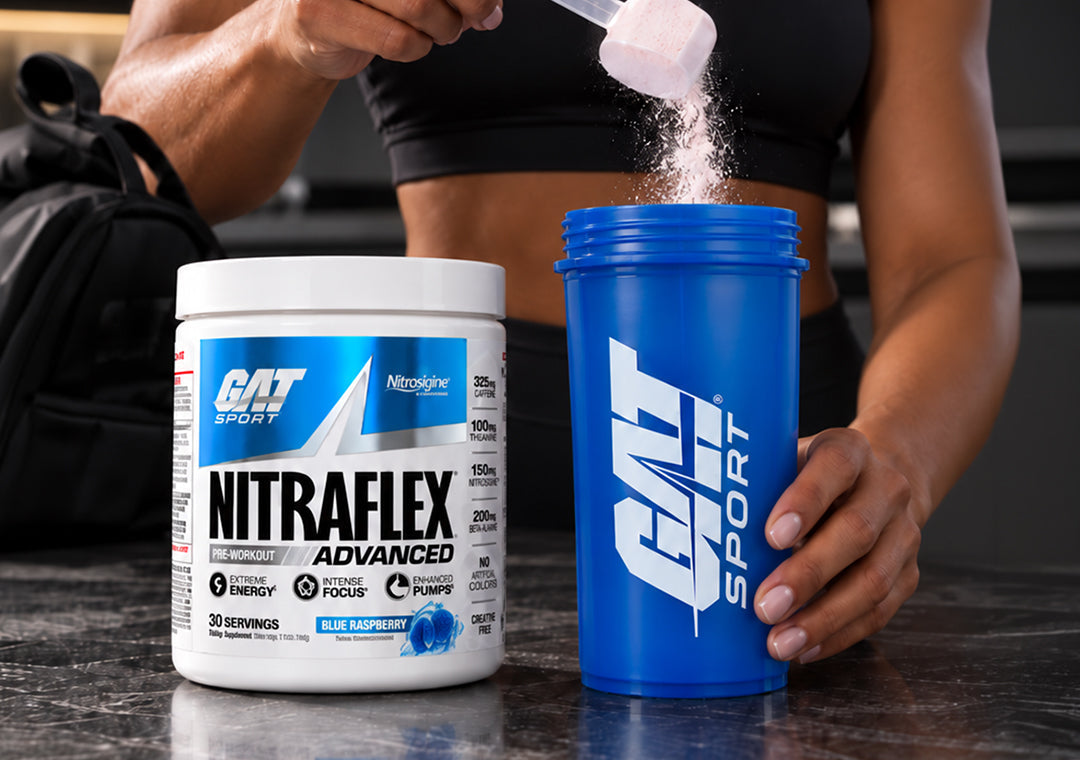
This is also where Nitraflex Chews earn the hero slot for the quarter, because the compressed-calendar session has no time for a shaker ritual. Two minutes before a stolen lunch workout, the chews deliver a full pre-workout with zero mixing: 4 grams of L-Citrulline, 3.2 grams of beta-alanine, 2.5 grams of betaine anhydrous, 200 milligrams of caffeine, 100 milligrams of L-theanine, and 100 micrograms of Huperzine A. The format is the feature. When the session shrinks to fit the day, the preparation shrinks with it, and the intensity does not.
The fix: write your minimum session now, three lifts, heavy, under 30 minutes, and treat it as a complete workout rather than a failure.
2. Death by the Slow Food Drift
From the Halloween candy bowl to the New Year's toast runs a nine-week corridor of parties, leftovers, and desk cookies, and most lifters fear it for the wrong reason. The landmark prospective study on holiday weight gain found adults gained an average of just 0.37 kilograms over the holidays, far less than feared; participants believed they had gained roughly four times that much [2]. So, the binge-panic is overblown. The genuinely scary finding is quieter: that gain was not reversed in the spring and summer, leaving a net fall-winter gain of about half a kilogram that simply becomes part of you [2]. Reviews since have confirmed the pattern, with consistent holiday gains of 0.4 to 0.9 kilograms across adult studies [3], a window that can account for a large share of the whole year's creep.
The lesson is not to diet through December, which mostly produces misery and rebound. It is to hold the two anchors that keep a small drift small: the protein target and the training sessions. A lifter who keeps lifting and keeps protein high can let the party food be party food, because the half-kilogram that never leaves belongs mostly to people who stopped training and called it a season.
The fix: do not fight the feast; protect the protein and the sessions and let the rest average out.
3. Death by Travel
Thanksgiving flights, family visits, the year-end work trip. Travel kills programs through logistics, not temptation: the hotel gym is two dumbbells and a prayer, the schedule belongs to other people, and the supplement routine stayed home on the counter.
Beat it the way you book the travel itself, in advance. Scan the week before you leave, pick the two days a session can realistically happen, and define the hotel version: goblet squats, split squats, push-ups, rows, carries, anything loaded and honest. The maintenance math from threat one travels with you [1]. And the gym bag problem has a flat answer: Nitraflex Chews pack like gum, clear security without a thought, and need no shaker, water, or counter space, so the pre-workout routine arrives wherever the session does.
The fix: before any trip, schedule the two travel sessions by name and pack the chews with your toothbrush.
4. Death by All-or-Nothing Thinking
Here is the quarter's most efficient killer, and it works entirely inside your head. A week gets missed, honestly and unavoidably. The all-or-nothing lifter reads that week as proof the block is ruined, and since ruined blocks are not worth resuming, the one-week gap becomes a two-month one.
The detraining evidence is the antidote, because it shows the cost of stopping is a meter, not a cliff: a meta-analysis of 103 studies found that training cessation erodes muscular performance progressively, with losses growing as the break lengthens [4]. Read that carefully. One missed week sits at the cheap end of the meter. The expensive part is every week you add to it by declaring the program dead. Your squat does not know you feel like a failure; it only knows how long the bar has been quiet.
The fix: adopt a 48-hour rule, and after any missed stretch, the next session happens within two days, scaled down, no makeup math, no penance.
5. Death by Bad Sleep
The holiday season runs on late parties, early flights, year-end stress, and a body that still has to lift on whatever is left. Sleep loss is not a soft variable here: the research shows reduced sport-specific performance and impaired cognitive function in most studies examining it [5], which on the gym floor looks like a top set that buries you and a program that suddenly "is not working."
Defend it with the boring tools. A fixed wake time, defended even after late nights, keeps the rhythm anchored. A caffeine cutoff keeps your pre-workout from billing your pillow. And because hard training raises magnesium losses and requirements by an estimated 10 to 20 percent, with supplementation mattering mainly when intake runs short of needs [6], a nightly Pro Magnesium habit supports normal muscle function and daily magnesium intake through the stretch of the year most likely to leave it short.
The fix: fix the wake time, set the caffeine cutoff, and make the evening routine automatic.
6. Death by the January Reset Mindset
The final killer is the only one lifters invite in. It whispers the most seductive lie of the quarter: stop now, rest up, and come back fresh on January 2 with everyone else. It feels like a plan. It is a planned death with a scheduled resurrection, and the resurrection is the expensive part.
The habit research explains why. In a longitudinal study of new gym members, exercise habits formed through consistent repetition, with roughly four sessions a week sustained over about six weeks required before the behavior became automatic [7]. A lifter who trains through December is sitting on exactly that kind of accumulated habit equity; consistency compounded into something that no longer requires daily willpower. The January reset liquidates it on purpose, then pays six hard weeks to buy it back, in the gym's most crowded month, while the detraining meter from threat four runs the entire time [4]. The campaign position stands because the evidence does: the year is not over, and neither is the work.
The fix: refuse the reset, define the block through December 31, and let January find you mid-program instead of starting one.
The Daily Habit That Travels With You
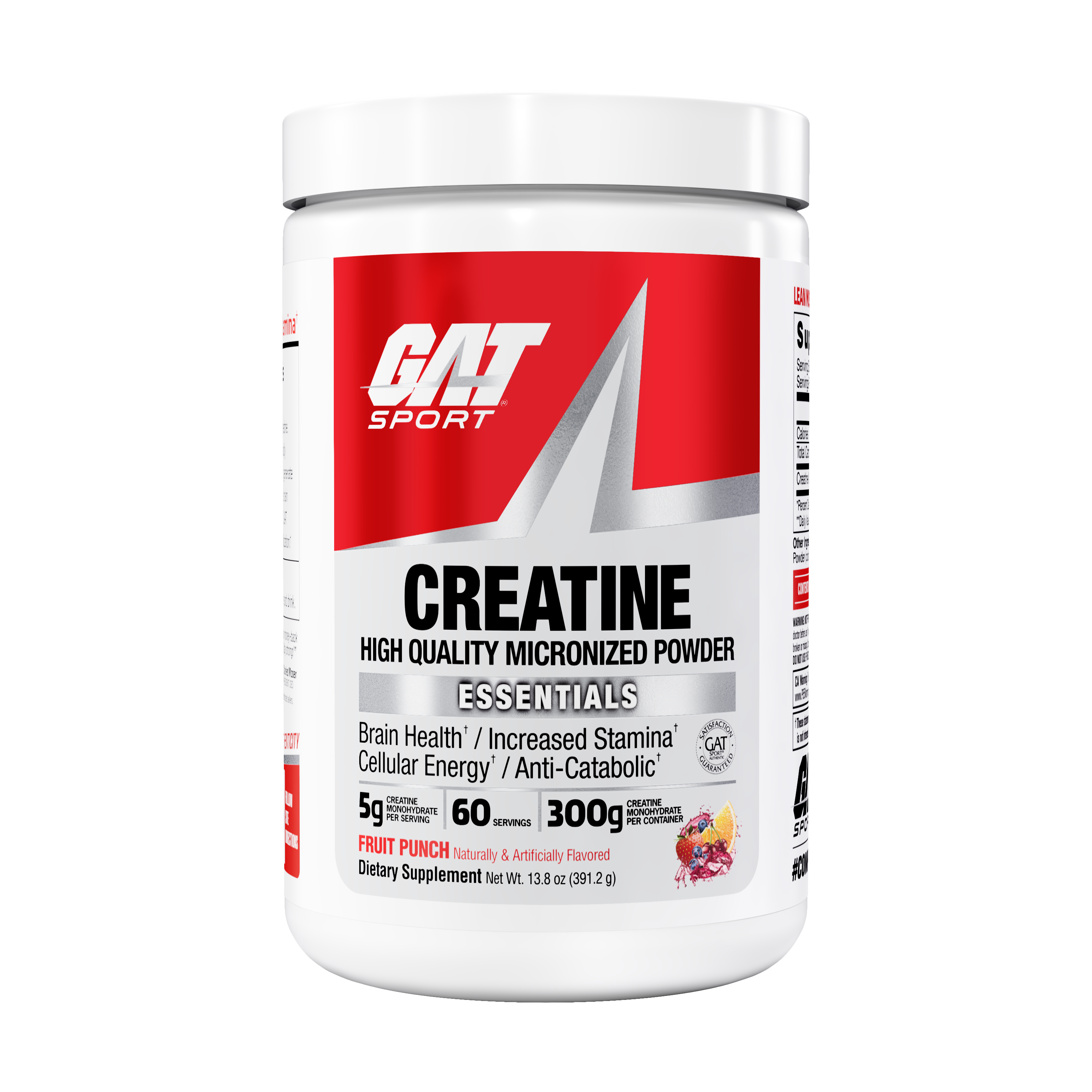
One more piece protects every threat above at once. Creatine Chews keep the single most evidence-backed daily supplement intact precisely when routines break, because creatine's benefit comes from keeping muscle stores saturated through consistent daily intake of 3 to 5 grams, not from timing around sessions [8]. That is also why the two chews in your bag do different jobs and never compete: the creatine is chronic, taken every day including the rest days and travel days, while the Nitraflex Chews are acute, a starter for the sessions that happen. Follow the label serving to cover your daily dose, and the days the program bends are the days the habit holds it together.
Keep the Log Alive
Six killers, all of them announced, all of them survivable with decisions you can make this weekend: a written minimum session, protected protein, pre-booked travel workouts, a 48-hour re-entry rule, a defended wake time, and a flat refusal of the January reset.
Do not let October 31 be your last log entry. Pack GAT Sport Nitraflex Chews and keep the program alive through December, at gatsport.com.
Key Takeaways
- Programs die from six predictable Q4 threats, and each has a pre-plannable fix, not a willpower requirement.
- Strength can be maintained on as little as one weekly session, even one hard set per exercise in some populations, when load stays heavy.
- Average holiday weight gain is only about 0.37 kilograms, but it is not reversed in spring or summer, so protect protein and sessions rather than panic-dieting.
- Detraining losses grow with break length across 103 studies, so one missed week is cheap and quitting after it is what costs.
- Exercise habits are built by consistent repetition over weeks, which makes the January reset a deliberate liquidation of habit equity you already paid for.
Frequently Asked Questions
How do I keep working out during the holidays?
Plan for disruption instead of perfection. Write a minimum session now, three main lifts, heavy, under 30 minutes, and count it as a complete workout. Before any travel, schedule two specific sessions and define a hotel-friendly version. Adopt a 48-hour rule after any missed stretch, keep your daily protein anchored, and refuse the temptation to pause until January, since maintaining takes far less training than rebuilding.
How much weight do people actually gain over the holidays?
Less than feared, but it sticks. A prospective study found adults gained an average of 0.37 kilograms over the holiday period, about a quarter of what participants believed they had gained, and reviews report consistent gains of 0.4 to 0.9 kilograms. The catch is that this gain was not reversed in the spring or summer, which is why holding training and protein through the season matters more than any January diet.
How little training does it take to maintain strength?
Far less than a full program. The maintenance research shows strength can be preserved with as little as one session per week, and in some populations even one hard set per exercise, as long as the load stays heavy. Volume is the flexible variable during a chaotic month; intensity is the one to protect. A short session with real weight on the bar keeps nearly everything you built.
Will taking a week off ruin my progress?
No. The detraining evidence across 103 studies shows muscular performance erodes progressively with the length of the break, which means a single week costs very little while months cost a lot. The real damage comes from reading one missed week as failure and extending it indefinitely. Get back under the bar within 48 hours of returning, start slightly lighter, and the week disappears into the block.
Is it better to just restart my program in January?
The evidence says no. Habit research shows exercise behavior becomes automatic through consistent repetition built over weeks, so stopping in November deliberately dismantles a habit you spent months building, then charges you six or more weeks to rebuild it in the gym's most crowded month, while detraining losses accumulate the whole time. Training at a reduced, planned minimum through December is cheaper in every way than resurrecting from zero.
References
- Spiering, Barry A., et al. "Maintaining Physical Performance: The Minimal Dose of Exercise Needed to Preserve Endurance and Strength over Time." Journal of Strength and Conditioning Research, vol. 35, no. 5, 2021, pp. 1449-1458, doi:10.1519/JSC.0000000000003964.
- Yanovski, Jack A., et al. "A Prospective Study of Holiday Weight Gain." The New England Journal of Medicine, vol. 342, no. 12, 2000, pp. 861-867, doi:10.1056/NEJM200003233421206.
- Díaz-Zavala, Rolando G., et al. "Effect of the Holiday Season on Weight Gain: A Narrative Review." Journal of Obesity, vol. 2017, 2017, article 2085136, doi:10.1155/2017/2085136.
- Bosquet, Laurent, et al. "Effect of Training Cessation on Muscular Performance: A Meta-Analysis." Scandinavian Journal of Medicine and Science in Sports, vol. 23, no. 3, 2013, pp. e140-e149, doi:10.1111/sms.12047.
- Fullagar, Hugh H. K., et al. "Sleep and Athletic Performance: The Effects of Sleep Loss on Exercise Performance, and Physiological and Cognitive Responses to Exercise." Sports Medicine, vol. 45, no. 2, 2015, pp. 161-186, doi:10.1007/s40279-014-0260-0.
- Nielsen, Forrest H., and Henry C. Lukaski. "Update on the Relationship between Magnesium and Exercise." Magnesium Research, vol. 19, no. 3, 2006, pp. 180-189.
- Kaushal, Navin, and Ryan E. Rhodes. "Exercise Habit Formation in New Gym Members: A Longitudinal Study." Journal of Behavioral Medicine, vol. 38, no. 4, 2015, pp. 652-663, doi:10.1007/s10865-015-9640-7.
- Kreider, Richard B., et al. "International Society of Sports Nutrition Position Stand: Safety and Efficacy of Creatine Supplementation in Exercise, Sport, and Medicine." Journal of the International Society of Sports Nutrition, vol. 14, 2017, article 18, doi:10.1186/s12970-017-0173-z.
Frequently asked questions
What is the main takeaway from this article?
“The Scariest Thing in Fitness: 6 Ways Programs Die in Q4” is designed to turn practical training and nutrition guidance into clear actions you can apply to your routine.
How should I put this advice into practice?
Start with one recommendation, apply it consistently, and adjust it to your goals, training experience, and recovery needs.