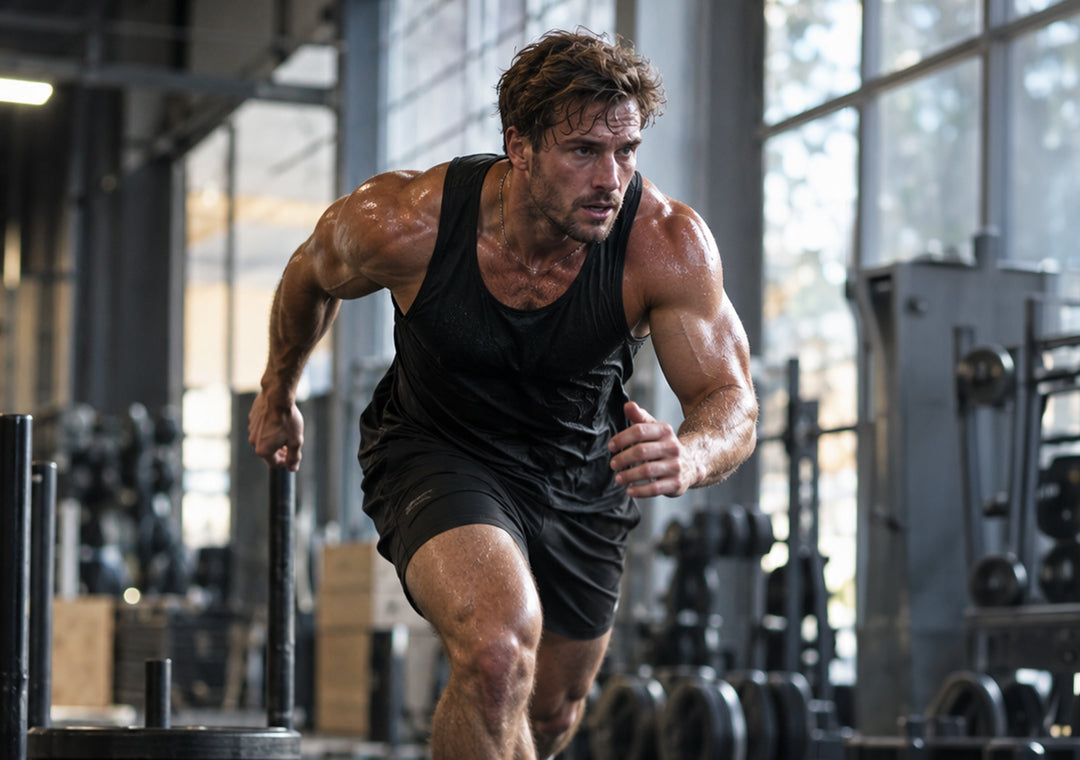


I compete in the Masters divisions at IBJJF and NAGA tournaments, and I can tell you precisely where strength lives in a match. It is not in a gym number. It is in the last minute of a round, when your grips are cooked, someone is working to pass, and the only question that matters is whether you can hold position or give it up. Every miserable rep I have done under a barbell has been for that minute.
Most grapplers get this wrong in one of two directions. Half avoid the weight room entirely, afraid that lifting means soreness that ruins Tuesday's rolls or weight gain that wrecks their division. The other half copy a bodybuilder's five-day split, chase pumps in isolation work, and show up to sparring too wrecked to train the actual sport. Both camps lose the same thing: the strength that decides scrambles, finishes takedowns, and holds mount when everything burns.
The template below is the third way, and it is built on what the combat sports research actually shows.
How Should Grapplers Strength Train?
Two to three short strength sessions per week, scheduled around mat time rather than competing with it. Prioritize maximal strength and power through hinges, squats, pulls, presses, carries, and grip work, using low volume and high intensity, keep heavy sessions away from hard sparring, and drop to one or two maintenance sessions with load kept during competition phases.
What the Mats Actually Demand
The research on grappling athletes reads like a case for the barbell. A systematic review of Brazilian jiu-jitsu athletes found maximal strength associated with competitive success, with higher-level athletes out-lifting lower-level ones, and matches built on intermittent bursts across a competition day that can run four to six matches [1]. Zoom out to combat sports broadly and the pattern sharpens: grappling's high force demands shift an athlete's entire force-velocity profile upward through maximal strength, and longer anaerobic efforts are what define successful grapplers, while aerobic capacity generally fails to separate levels [2]. Strength also travels beyond the sport-specific: greater muscular strength is linked with better athletic performance across the board and with lower injury risk [3], which matters in a sport that eats shoulders and knees.
One honest note, because this template is written for her as much as him: the research base skews heavily male, and the BJJ review states plainly that no maximal strength data exist for female athletes [1], with the combat-sport review including men only [2]. The force demands of a scramble do not care about that gap, so the template below is the same for the woman prepping her first tournament as for anyone else; the science just owes her better data.
The Template
Step 1: Two to three sessions, scheduled around the mats. Mat training is the sport; the weight room serves it. Pick your hardest sparring days first, then place lifting where it will not collide with them.
Step 2: Lift like a grappler, not a bodybuilder. The menu is six patterns: hinge, squat, pull, press, carry, grip. Work in the 2 to 5 rep range at high intensity for a handful of sets, leave the pump work out, and walk out of the gym in under 45 minutes feeling strong rather than destroyed. Low volume at heavy loads builds the maximal strength the research points to [2, 3] without the soreness bill that a hypertrophy split charges.
Step 3: Put distance between heavy barbells and hard sparring. I learned this one the expensive way, squatting heavy the night before a hard sparring day and spending the next morning getting passed by people I usually handle. Give hard rounds fresh legs: heavy lifting lands the morning of or the day after hard sparring, never the day before.
Here is a full off-season week:
|
Day |
Mat Training |
Strength Session |
Key Lifts |
|
Mon |
Evening technique and drilling |
AM: Heavy lower |
Trap-bar deadlift, front squat, farmer carry |
|
Tue |
Hard sparring |
None |
Rest and recover |
|
Wed |
Light drilling or off |
Heavy upper |
Overhead press, weighted pull-up, row, thick-grip hold |
|
Thu |
Hard sparring |
None |
Rest and recover |
|
Fri |
Positional rounds |
Full-body power |
Clean pull or trap-bar jump, push press, sled push, towel pull-up |
|
Sat |
Open mat |
None |
Optional easy movement |
|
Sun |
Off |
Off |
Full rest |
Step 4: In competition phases, maintain instead of build. Six or so weeks out, mat volume climbs and lifting shrinks to one or two short maintenance sessions, but the load on the bar stays heavy. The maintenance research is clear that strength holds on remarkably little work, as little as one weekly session, provided intensity is kept [4]. Cut sets, never plates.
|
Day |
Mat Training |
Strength Session |
Key Lifts |
|
Mon |
Technique and light rounds |
Maintenance A |
Trap-bar deadlift, press, carry, few heavy sets |
|
Tue |
Hard sparring |
None |
Rest and recover |
|
Wed |
Drilling |
Optional short Maintenance B |
Front squat, pull-up, grip work |
|
Thu |
Sparring, tapering by week |
None |
Rest and recover |
|
Fri |
Light drilling |
None |
Nothing new near competition |
|
Sat |
Competition or open mat |
None |
Compete |
|
Sun |
Off |
Off |
Full rest |
The Daily Constant: Creatine
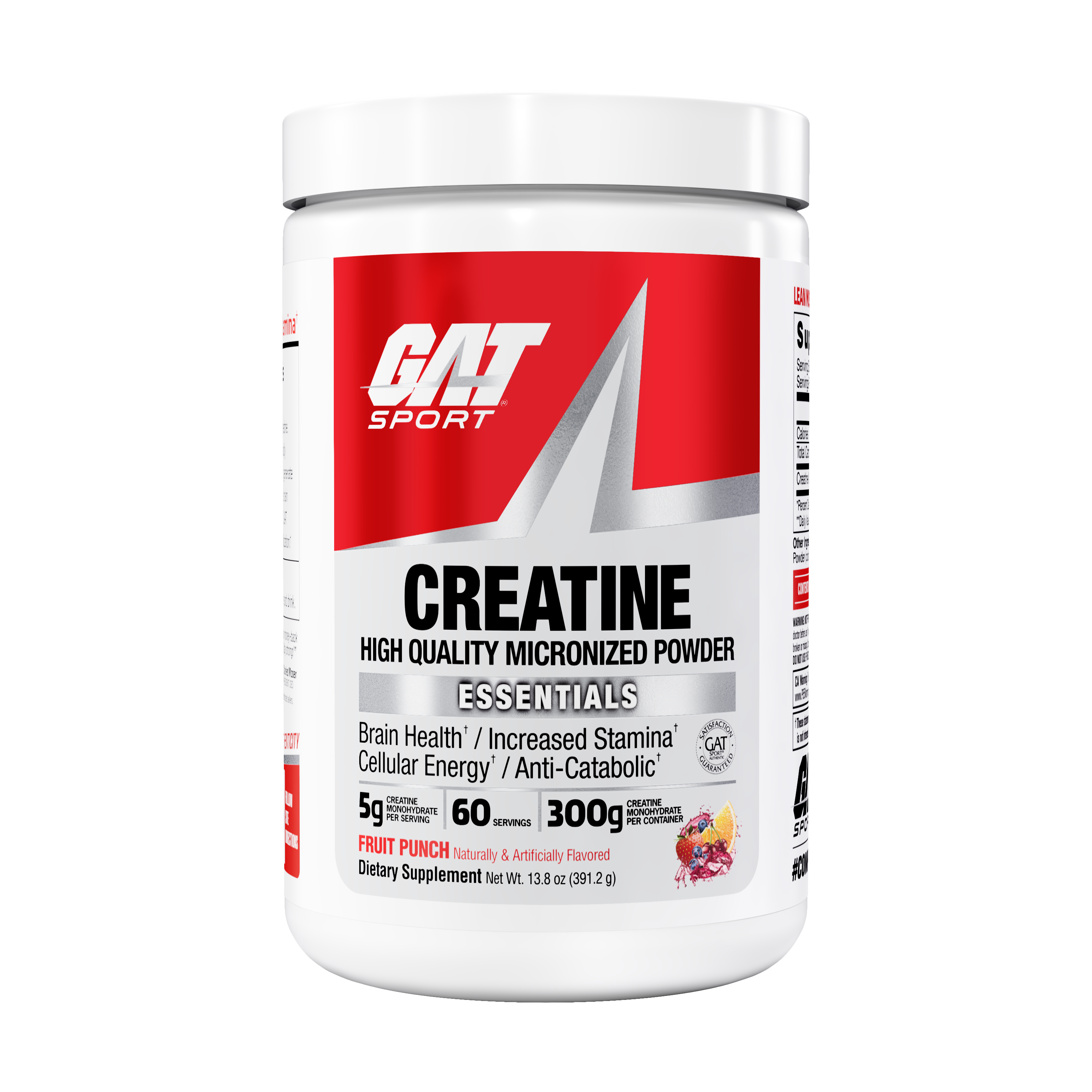
If the research picture above is repeated high-intensity efforts across four to six matches [1] and long anaerobic grinds [2], then the supplement case writes itself. Creatine Monohydrate is the most researched support there is for exactly that quality, improving high-intensity exercise capacity and helping athletes tolerate demanding training [5], at a boring, permanent 3 to 5 grams every day, mat days and rest days alike.
Now the weight-class question, answered honestly, because I stand on scales at weigh-ins too. The evidence review on creatine misconceptions found that meaningful short-term water weight is mainly a feature of high-dose loading protocols, while ongoing retention at the standard 3-to-5-gram daily dose is not supported by the research [6]. The practical translation: skip the loading phase, run the steady daily dose year-round, and creatine is a training ally rather than a weigh-in problem. And to be plain about the boundary: this article gives no weight-cutting advice. How you make your division is a conversation for your coach or a registered dietitian, not a blog.
The Scoop Before the Mats
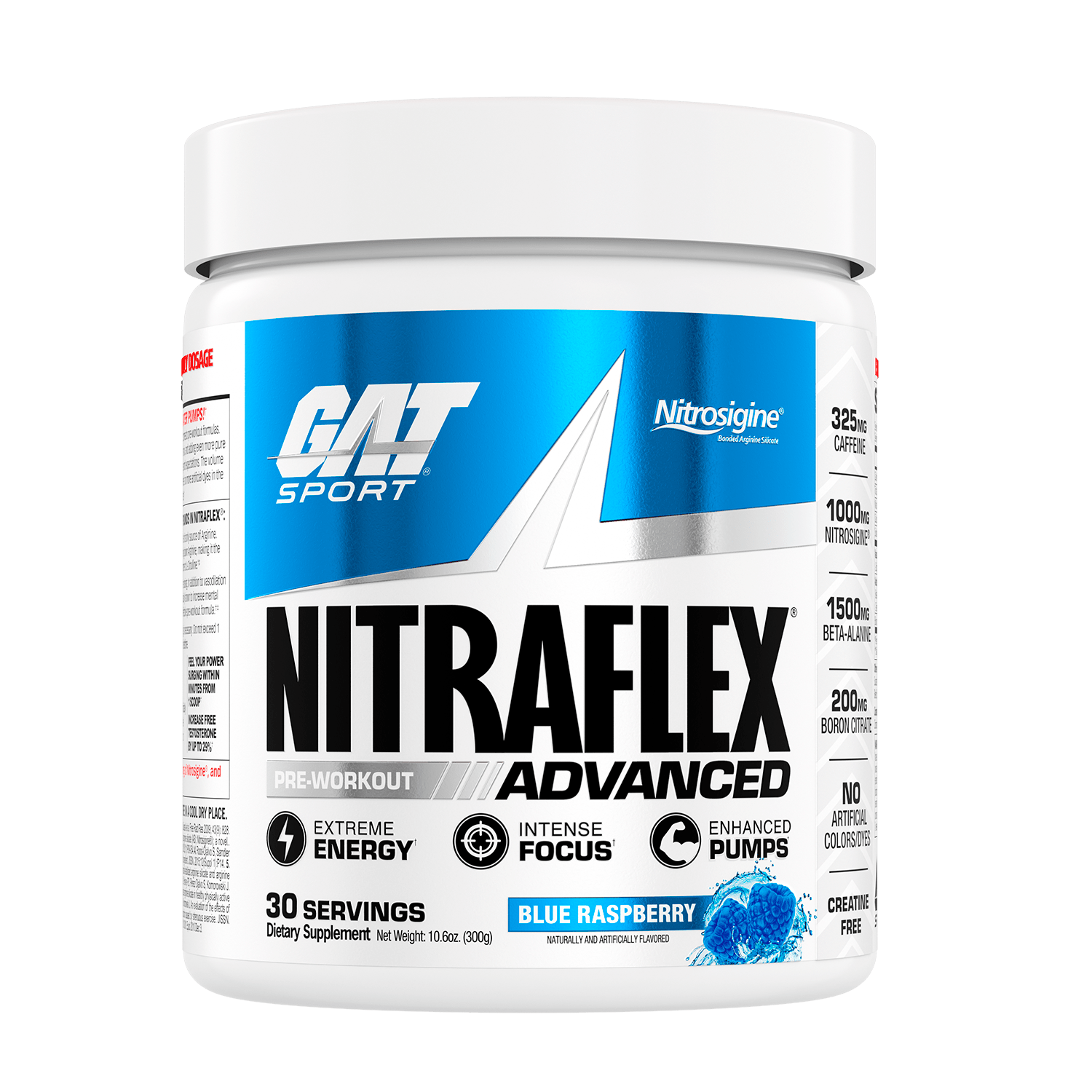
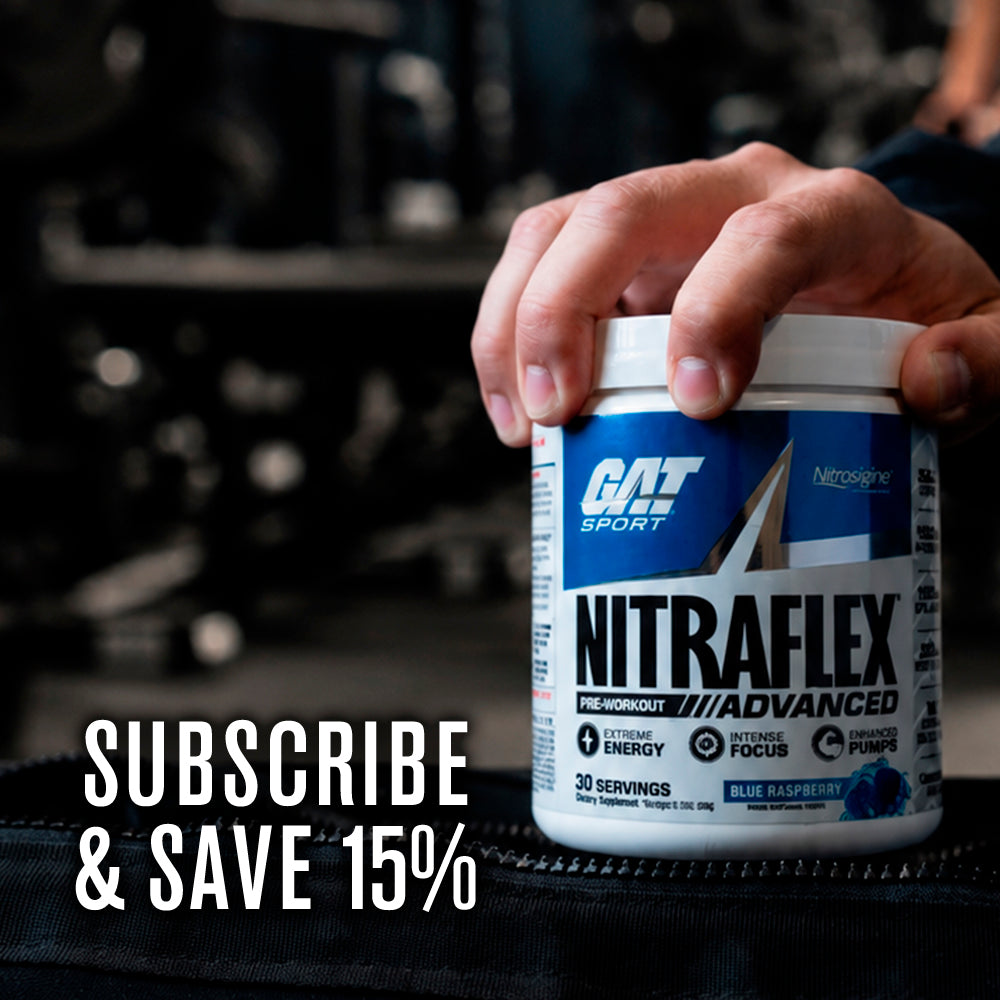
Nitraflex Sport covers a different job than the creatine, which is why they run together rather than instead of each other: creatine is the chronic daily saturation underneath everything, while the pre-workout is acute, showing up for tonight's session. Each scoop carries 200 mg of natural caffeine from coffee bean extract, sized for the long, repeated efforts of a mat session, and it is Informed Sport certified, batch-tested for banned substances, which matters to anyone competing in tested divisions. One timing rule carries extra weight for grapplers, since so many classes run at night: caffeine taken late affects sleep [7], so for evening training keep it to the label's guidance, one scoop 30 minutes before, and consider skipping it entirely for classes that end within five hours of bed. And for the two-a-day stretches of a competition camp, a serving of Flexx EAAs between sessions supplies the essential amino acids that drive muscle protein synthesis at modest doses [8], cheap insurance when training outruns appetite.
Hold the Position
Strength does not win a match by itself; nothing replaces the mats. What it does is make every exchange cheaper, every scramble more survivable, and the last minute of the round yours instead of theirs. Two or three short, heavy sessions a week, placed intelligently, maintained through camp, backed by a daily habit that costs less than a kombucha.
Get strong enough to hold position in the last minute. Start the template Monday with GAT Sport Creatine Monohydrate, at gatsport.com.
Key Takeaways
- Maximal strength is associated with grappling success, and combat-sport research shows grappling's force demands favor maximal strength with long anaerobic efforts defining successful grapplers.
- Lift two to three times weekly around mat time: hinges, squats, pulls, presses, carries, and grip work at low volume and high intensity.
- Keep heavy barbell days away from hard sparring days and drop to one or two maintenance sessions with load kept during competition phases.
- Daily creatine at 3 to 5 grams supports repeated high-intensity efforts, and skipping the loading phase avoids the short-term water weight that concerns weight-class athletes.
- The research base is heavily male and owes women grapplers better data; the template itself is the same for her.
Frequently Asked Questions
How often should grapplers lift weights?
Two to three strength sessions per week in the off-season, scheduled around mat training rather than competing with it, then one to two short maintenance sessions during competition phases. Research shows strength can be maintained with as little as one weekly session when the load stays heavy, so camp is never a reason to abandon the barbell entirely, only a reason to shrink the dose.
Will lifting make me too sore or too heavy for my weight class?
Not the way this template lifts. Low-volume, high-intensity strength work in the 2 to 5 rep range builds maximal strength with far less soreness than bodybuilding-style volume, and meaningful weight gain requires a sustained calorie surplus that a grappler eating for a division simply is not running. Strength gains without significant size are exactly what low-rep, heavy training produces.
What are the best lifts for grappling?
Cover six patterns: a hinge like the trap-bar deadlift, a squat, a heavy pull like weighted pull-ups and rows, an overhead or horizontal press, loaded carries, and dedicated grip work such as thick-bar or towel holds. These build the pulling strength, posture, and grip that decide grip fights and scrambles, and they train the whole body in sessions short enough to protect mat time.
Should you keep lifting during a competition camp?
Yes, at maintenance dose. Cutting lifting entirely surrenders strength exactly when you want it, while the research shows one to two brief weekly sessions preserve strength as long as intensity is kept. Reduce the number of sets, keep the bar heavy, place sessions early in the training week, and add nothing new in the final days before competition.
Does creatine cause water weight before weigh-ins?
The short-term water gain associated with creatine comes mainly from high-dose loading protocols. The evidence review on creatine misconceptions found ongoing water retention at the standard 3-to-5-gram daily dose is not supported, so weight-class athletes can run the steady daily dose year-round and skip loading entirely. For how you manage your specific division and weigh-in, work with your coach or a registered dietitian.
References
- Andreato, Leonardo Vidal, et al. "Physical and Physiological Profiles of Brazilian Jiu-Jitsu Athletes: A Systematic Review." Sports Medicine - Open, vol. 3, no. 1, 2017, article 9, doi:10.1186/s40798-016-0069-5.
- James, Lachlan P., et al. "Towards a Determination of the Physiological Characteristics Distinguishing Successful Mixed Martial Arts Athletes: A Systematic Review of Combat Sport Literature." Sports Medicine, vol. 46, no. 10, 2016, pp. 1525-1551, doi:10.1007/s40279-016-0493-1.
- Suchomel, Timothy J., et al. "The Importance of Muscular Strength in Athletic Performance." Sports Medicine, vol. 46, no. 10, 2016, pp. 1419-1449, doi:10.1007/s40279-016-0486-0.
- Spiering, Barry A., et al. "Maintaining Physical Performance: The Minimal Dose of Exercise Needed to Preserve Endurance and Strength over Time." Journal of Strength and Conditioning Research, vol. 35, no. 5, 2021, pp. 1449-1458, doi:10.1519/JSC.0000000000003964.
- Kreider, Richard B., et al. "International Society of Sports Nutrition Position Stand: Safety and Efficacy of Creatine Supplementation in Exercise, Sport, and Medicine." Journal of the International Society of Sports Nutrition, vol. 14, 2017, article 18, doi:10.1186/s12970-017-0173-z.
- Antonio, Jose, et al. "Common Questions and Misconceptions about Creatine Supplementation: What Does the Scientific Evidence Really Show?" Journal of the International Society of Sports Nutrition, vol. 18, no. 1, 2021, article 13, doi:10.1186/s12970-021-00412-w.
- Guest, Nanci S., et al. "International Society of Sports Nutrition Position Stand: Caffeine and Exercise Performance." Journal of the International Society of Sports Nutrition, vol. 18, no. 1, 2021, article 1, doi:10.1186/s12970-020-00383-4.
- Ferrando, Arny A., et al. "International Society of Sports Nutrition Position Stand: Effects of Essential Amino Acid Supplementation on Exercise and Performance." Journal of the International Society of Sports Nutrition, vol. 20, no. 1, 2023, article 2263409, doi:10.1080/15502783.2023.2263409.
Frequently asked questions
What is the main takeaway from this article?
“The Grappler's Strength Template: Building Power for the Mats” is designed to turn practical training and nutrition guidance into clear actions you can apply to your routine.
How should I put this advice into practice?
Start with one recommendation, apply it consistently, and adjust it to your goals, training experience, and recovery needs.