



Week one of September felt great. Four sessions, meal prep on Sunday, the good playlist. Week three, a work thing landed on Tuesday, and the session moved to Thursday. By month's end, Thursday had quietly become "sometime this weekend." Nobody decided to quit. Nothing dramatic happened at all.
That is exactly how it goes. Programs do not collapse in December; they derail in the first weeks of October, one small slide at a time, while you still think of yourself as someone with a plan. The good news is that the warning signs are visible right now, on your calendar and in your logbook, and every one of them has a fix that takes less than a week to apply. Here are the seven to check for.
How Do You Know Your Training Routine Is Falling Apart?
Look for the early pattern, not the dramatic quit: sessions that keep getting rescheduled instead of done, no clear targets for the week, weights that have not moved in three weeks, training that depends on mood, sessions that start late and shrink, slipping sleep, and random makeup workouts. Three or more of these means your routine is already drifting and needs one deliberate fix this week.
1. Your Sessions Keep Getting Moved Instead of Done
Rescheduling feels responsible. It is usually the first stage of skipping. The habit research is specific about why this matters: in a study of new gym members, training at least four times per week for six weeks was the minimum that established an actual exercise habit, and consistency in when and how you train predicted how strong that habit became [1]. Every move weakens the automatic pull that keeps you showing up.
The fix: give every session a fixed day and time and treat a move as a miss.
2. You Cannot Name This Week's Targets
Quick test. What are you lifting Thursday, for how many sets, at what weight? If the answer is a shrug, you are not running a program; you are visiting a gym. The same habit research found that lower complexity predicted stronger habits [1], and nothing is more complex than deciding your whole workout standing on the gym floor.
The fix: write next week's three sessions, exercises and targets, every Sunday in five minutes.
3. Your Working Weights Have Not Moved in Three Weeks
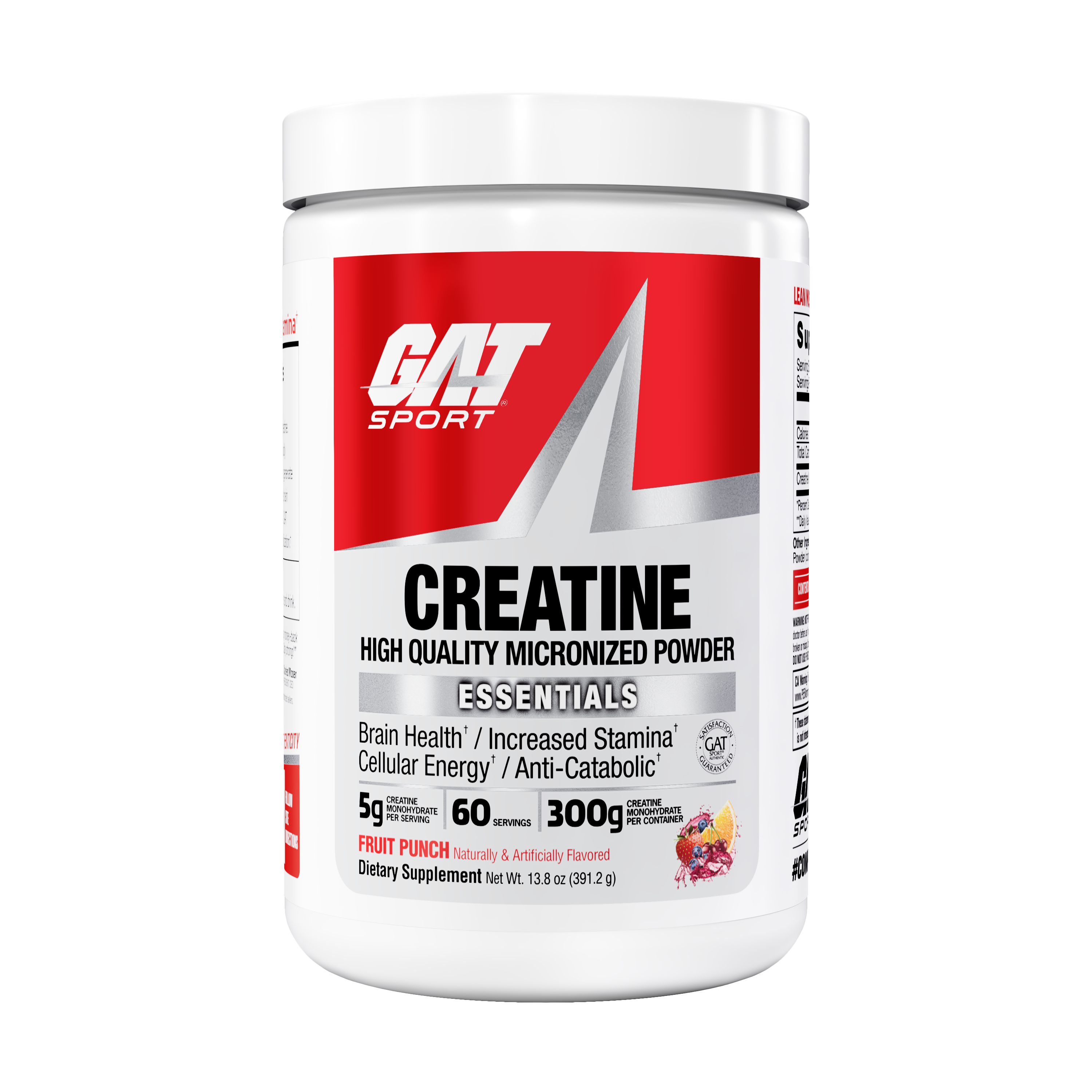
Stalled numbers with honest effort behind them mean something in the system is failing: recovery, consistency, or progression. Sometimes all three. Check the first two signs before blaming the program, then make progression explicit, one more rep or a small load bump each week on your main lifts. And take the cheapest support available while you fix it: a daily 3 to 5 grams of Creatine Monohydrate, which the ISSN identifies as the most effective supplement for high-intensity training capacity and lean mass [2].
The fix: pick one lift, add one rep or 5 pounds next session, and repeat weekly.
4. You Only Train When You Feel Like It
Motivation is a lovely training partner and a terrible scheduler. If your attendance tracks your mood, you have converted a routine back into a series of individual decisions, and decisions lose to busy weeks. Habits form through repetition in a consistent context, not through feeling ready [1]. The lifters still training in December are not more motivated than you; their Tuesday session simply stopped being negotiable in October.
The fix: for two weeks, show up on schedule no matter what, even if you only do half the workout.
5. Your Sessions Start Later and End Shorter
Watch this one closely, because it hides inside "still training." You arrive at 6:40 instead of 6:00, warm up while scrolling, cut the last two exercises. The research answer to shrinking time is not to abandon the session but to redesign it: prioritizing multi-joint lifts and using supersets can roughly halve training time while keeping weekly volume intact [3]. And the pre-workout answer is to remove the setup entirely. Nitraflex Chews live in your bag, no shaker, no mixing, no water: 4 grams of L-Citrulline, 3.2 grams of Beta-Alanine, 2.5 grams of Betaine Anhydrous, 200 milligrams of caffeine, 100 milligrams of L-Theanine, and 100 micrograms of Huperzine A per serving, taken on the walk in. Caffeine at effective doses reliably improves performance [4], and if the beta-alanine brings a tingle, that is a known, harmless sensation, not a problem [5].
The fix: build a 40-minute superset version of each workout and keep the chews where your keys are.
6. Your Sleep Is Slipping
The program does not just live in the gym. Sleep loss reduces sport-specific performance and cognitive function in most of the studies that have examined it [6], which means the tired version of you lifts less, focuses worse, and finds skipping easier to justify. A caffeine note belongs here too: responses to caffeine vary between individuals, and taken late it can affect sleep [4], so front-load your pre-workout use and keep evenings clean.
The fix: set a fixed lights-out time this week and keep caffeine out of the last six hours before it.
7. You Are Adding Random Extra Workouts to Make Up for Missed Ones
The guilt double-session feels virtuous. It is the opposite of a plan. Recovery depends on the balance between training load and everything else in your life [7], and cramming volume into a stressed week tilts that balance the wrong way just when you can least absorb it. Missed sessions are gone. The only session that matters is the next scheduled one.
The fix: never make up a missed workout; just refuse to miss the next one.
Two Pre-Workouts, Two Jobs
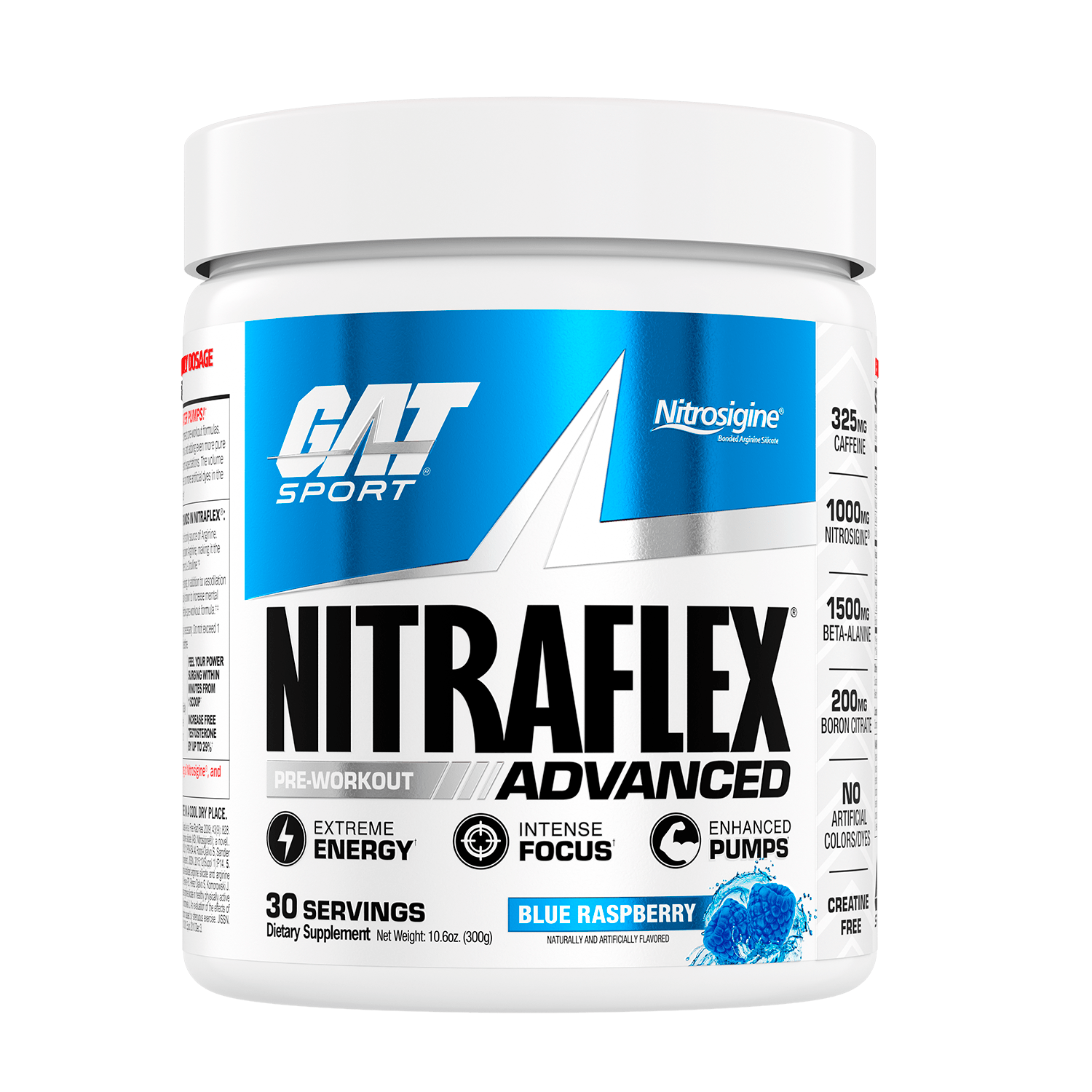
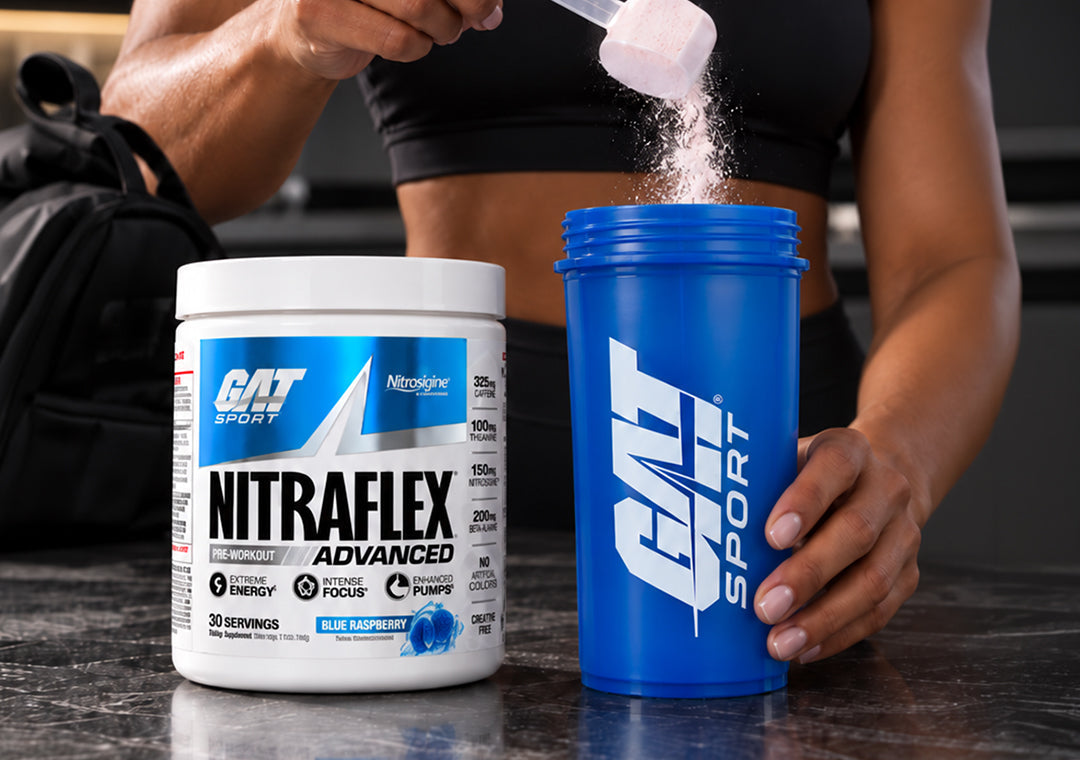
A quick word on setup, because sign 5 kills more fall programs than any other. The chews solve the sessions that move: they travel, they need nothing, and they make the late, squeezed workout happen anyway. Nitraflex Sport covers the other side of your week. It is the planned scoop for the sessions that stay on schedule, and it is Informed Sport certified, meaning every batch is third-party tested for banned substances, which matters if you compete in anything tested or simply want certified assurance about what is in the tub. You keep both because they solve different problems: Sport for the certified, planned session at full strength, Chews for the one the calendar tried to steal.
Count Your Signs
Read back through the seven. Sessions moving, no targets, stalled weights, mood-based attendance, shrinking workouts, slipping sleep, guilt cramming. Score yourself honestly, because early October is when this is still cheap to fix.
Three or more signs means the drift is real, and the answer is not a program overhaul. It is one fix, this week, done consistently. Count your signs. If you hit three or more, fix one this week, and keep Nitraflex Chews in your bag so the next session actually happens. The rest of the quarter is watching, at gatsport.com.
Key Takeaways
- Programs derail in early October through small slides, not dramatic December quits, and the signs are visible on your calendar now.
- Habit research found at least four sessions per week for six weeks was the minimum to form an exercise habit, with consistency and simplicity predicting habit strength.
- Shrinking sessions are fixed by design, since multi-joint lifts and supersets can halve training time while keeping weekly volume.
- Sleep loss reduces sport-specific and cognitive performance, so protect a fixed bedtime and keep caffeine out of the evening.
- Never cram makeup workouts; recovery depends on balancing training with total life stress, and the only session that matters is the next one.
Frequently Asked Questions
How do I know if my workout routine is failing?
Check for the early pattern rather than waiting for a full stop: sessions repeatedly rescheduled, no written targets for the week, working weights stalled for three weeks, attendance that depends on mood, workouts that start late and end short, deteriorating sleep, and random makeup sessions. Three or more of these signs means the routine is drifting and fixing one deliberately this week beats overhauling everything.
Is it bad to keep rescheduling workouts?
Occasionally, no. As a pattern, yes, because rescheduling is usually the first stage of skipping. Research in new gym members found that consistent training, at least four sessions per week across six weeks, was the minimum requirement for an exercise habit to form, and consistency predicted habit strength. Fixed days and times protect the automatic pull that keeps you showing up when motivation dips.
Why have my lifts stopped going up?
With honest effort, a stall usually traces to missed sessions, poor recovery, or progression that was never made explicit. Fix attendance and sleep first, then force progression by adding one rep or a small load increase to a main lift each week. A consistent daily dose of creatine monohydrate supports the high-intensity training capacity behind that progression while you repair the underlying pattern.
Do pre-workout chews actually work?
The format changes the convenience, not the science. Effective doses of proven ingredients work the same in a chew as in a scoop, and caffeine is the most reliable performance ingredient available, though individual responses vary. The advantage of a chewable format is removing the shaker, water, and mixing that make a rushed session easier to skip, so the pre-workout is ready wherever the session happens.
Should I do extra workouts to make up for missed ones?
No. Recovery depends on the balance between your training load and the rest of your life stress, and stacking makeup volume into an already overloaded week tilts that balance against you. A missed session is spent. The productive response is protecting the next scheduled session, because consistency going forward, not repayment of the past, is what rebuilds a routine.
References
- Kaushal, Navin, and Ryan E. Rhodes. "Exercise Habit Formation in New Gym Members: A Longitudinal Study." Journal of Behavioral Medicine, vol. 38, no. 4, 2015, pp. 652-663, doi:10.1007/s10865-015-9640-7.
- Kreider, Richard B., et al. "International Society of Sports Nutrition Position Stand: Safety and Efficacy of Creatine Supplementation in Exercise, Sport, and Medicine." Journal of the International Society of Sports Nutrition, vol. 14, 2017, article 18, doi:10.1186/s12970-017-0173-z.
- Iversen, Vegard M., et al. "No Time to Lift? Designing Time-Efficient Training Programs for Strength and Hypertrophy: A Narrative Review." Sports Medicine, vol. 51, no. 10, 2021, pp. 2079-2095, doi:10.1007/s40279-021-01490-1.
- Guest, Nanci S., et al. "International Society of Sports Nutrition Position Stand: Caffeine and Exercise Performance." Journal of the International Society of Sports Nutrition, vol. 18, no. 1, 2021, article 1, doi:10.1186/s12970-020-00383-4.
- Trexler, Eric T., et al. "International Society of Sports Nutrition Position Stand: Beta-Alanine." Journal of the International Society of Sports Nutrition, vol. 12, 2015, article 30, doi:10.1186/s12970-015-0090-y.
- Fullagar, Hugh H. K., et al. "Sleep and Athletic Performance: The Effects of Sleep Loss on Exercise Performance, and Physiological and Cognitive Responses to Exercise." Sports Medicine, vol. 45, no. 2, 2015, pp. 161-186, doi:10.1007/s40279-014-0260-0.
- Kellmann, Michael, et al. "Recovery and Performance in Sport: Consensus Statement." International Journal of Sports Physiology and Performance, vol. 13, no. 2, 2018, pp. 240-245, doi:10.1123/ijspp.2017-0759.