
Open the drawer. You know the one. Somewhere in your kitchen or gym bag closet sits a layer of half-finished tubs, and if you dig through it like a core sample, you can date every stratum to a sale: the exotic pump formula from two Novembers ago, a third of a thermogenic, a flavor of something you only bought because the timer said 04:59. Nothing in there lasted a full training block. Everything in there was a great deal.
That drawer is a monument to shopping without a plan, and Black Friday weekend is when it grows a new layer, because the sales turn supplement buying into impulse collecting: trendy products in wrong quantities, chosen by countdown clock. The Finish Strong. Save Big. window, running through December 1st with 30% off across the stack, is the moment to do the opposite. Seven rules, in order, and the drawer never grows again.
Which Supplements Are Actually Worth Stocking Up On?
The ones with strong evidence and a role in your actual program: daily creatine monohydrate at 90 servings for the quarter, and your proven pre-workout matched to training days, with everything else earning its place by evidence and realistic use. Buy servings against a plan, not tubs against a timer.
1. Start With the Evidence
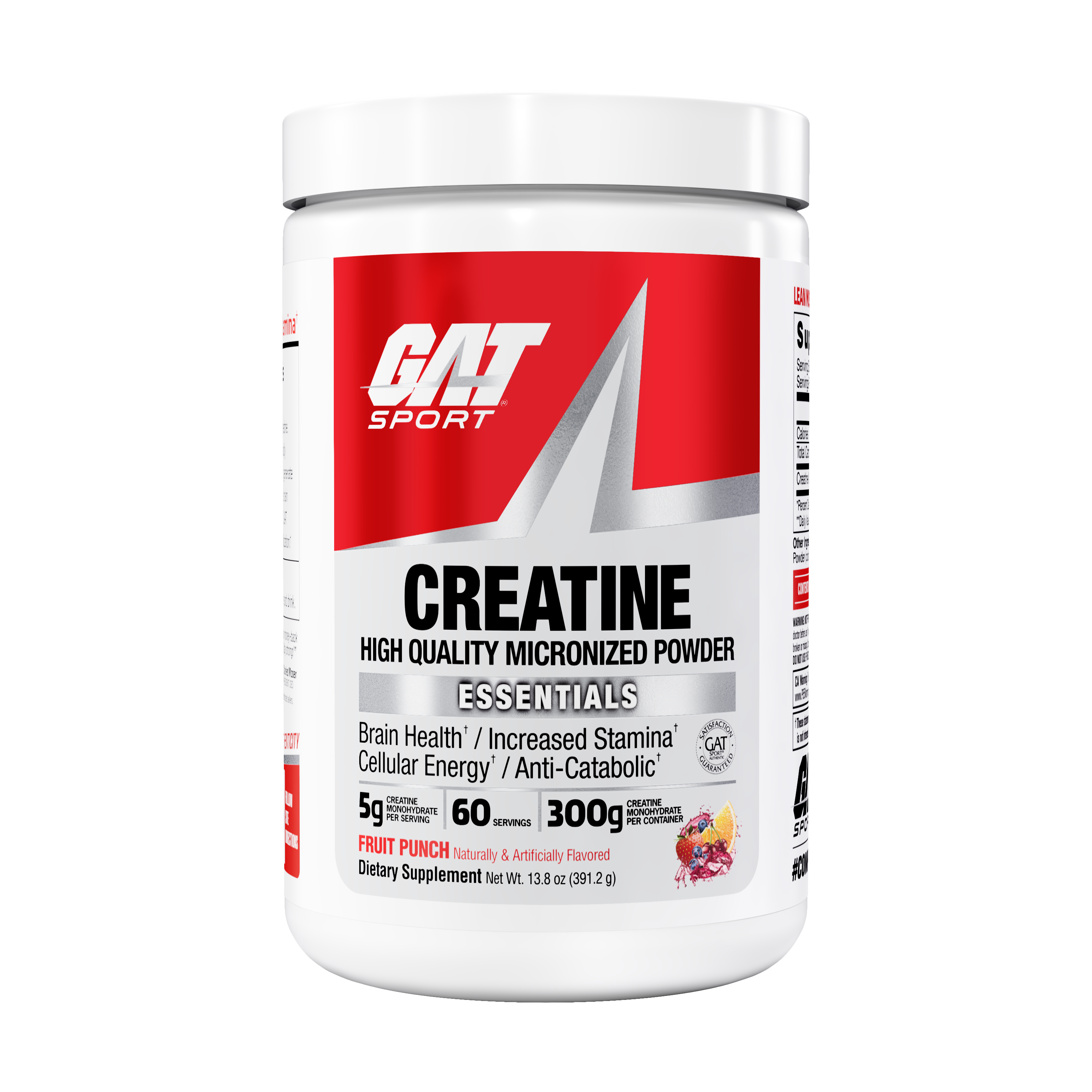
The IOC consensus is blunt about this market: only a small number of performance supplements carry strong evidence, a short list that includes caffeine and creatine [1]. And the ISSN's big review adds the context that explains the drawer's existence: supplements are regulated as a category of food, with no requirement for pre-market approval of effectiveness [2], which means the burden of evaluating evidence sits entirely with the buyer. Read those two together and the first rule writes itself: the deep sale money goes to the proven short list, and everything outside it auditions for spare change. The foundation purchase is daily Creatine Monohydrate, the most deeply evidenced product in the category, supporting high-intensity performance and training adaptations and safe for long-term daily use [3].
2. Match Pre-Workout to Your Training Days
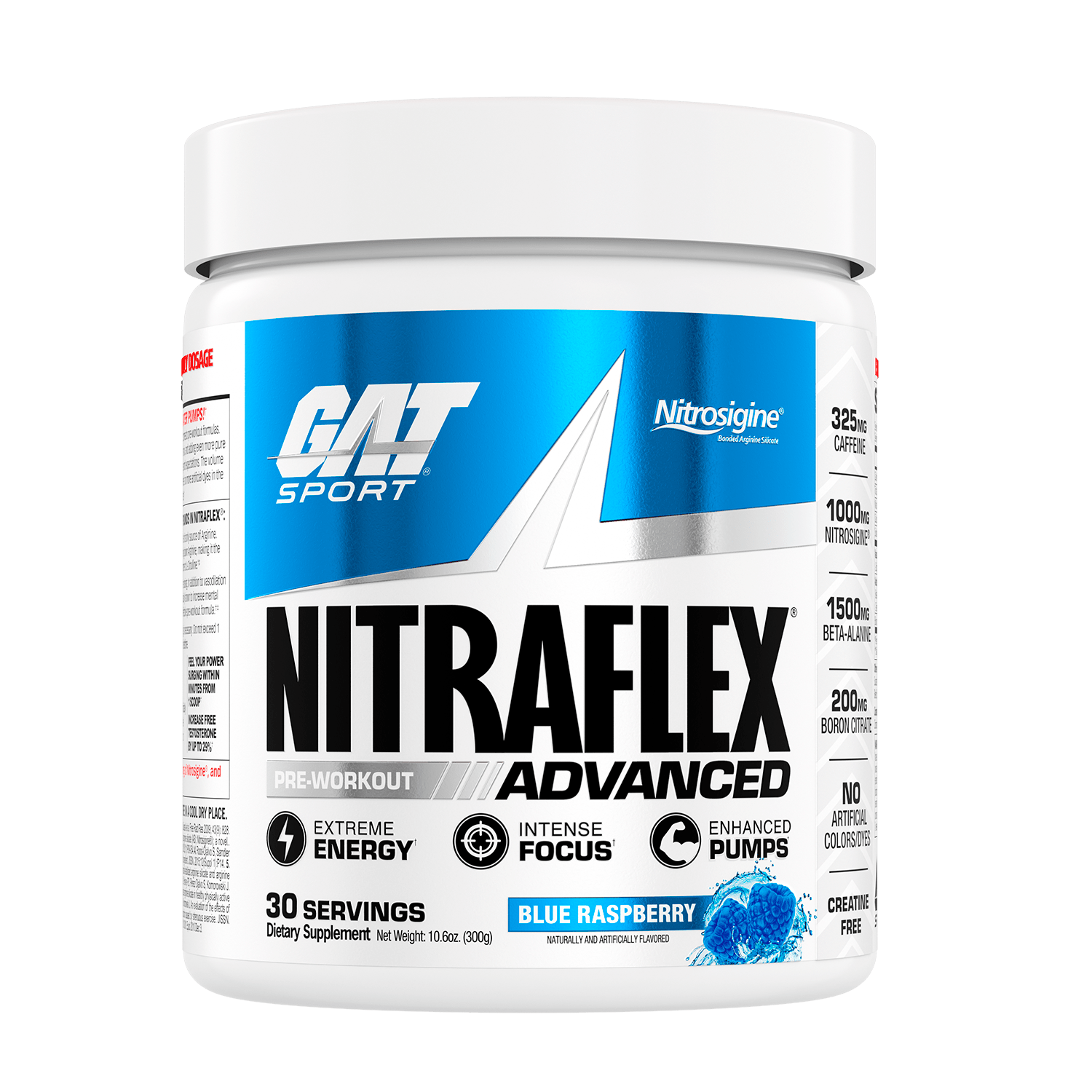
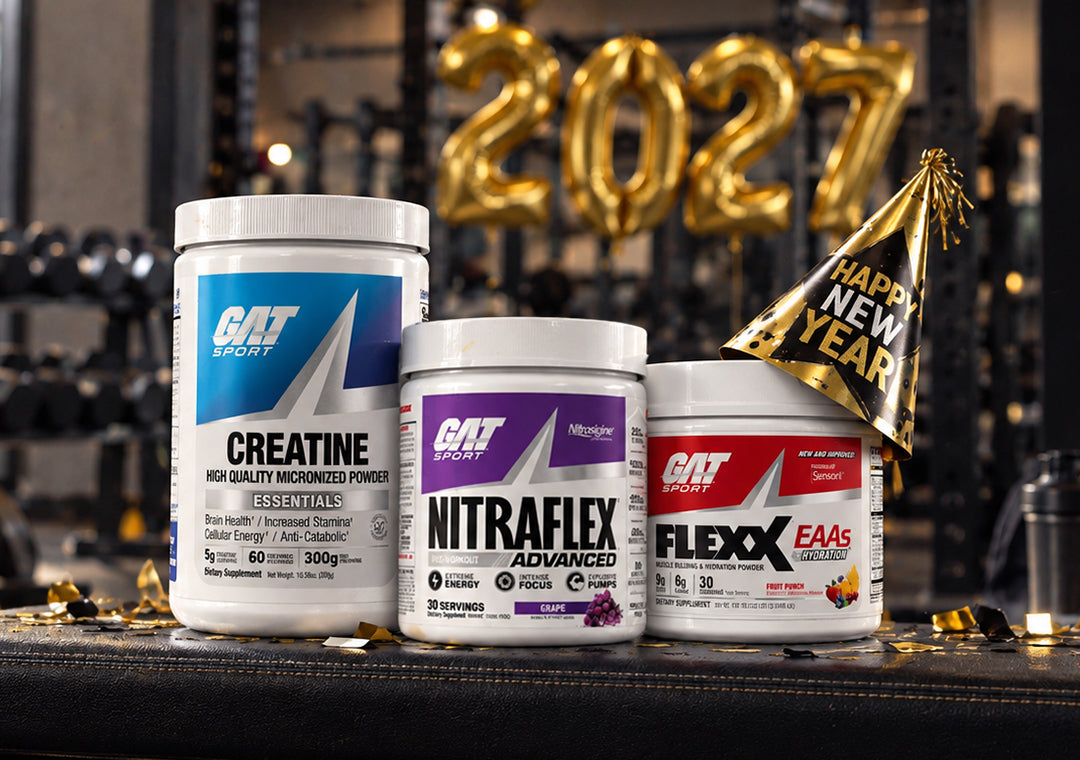
A pre-workout is a training-day product, so its supply math is your real schedule times 13 weeks, nothing more. This is the Nitraflex Advanced rule: 325 mg of caffeine per one-scoop serving, one scoop per 24 hours per the label, a 30-serving tub, so a four-day lifter needs 52 servings and buys two tubs. It sits on top of the creatine rather than replacing it because the two do unrelated jobs: creatine is the chronic daily base that works through saturation [3], while the pre-workout is acute, deployed only when a session starts. One important check before a quarter-sized order: caffeine improves performance at 3 to 6 mg/kg, with responses varying by genetics and habitual intake [4], so bulk-buy the formula your body already knows, not one the timer introduced you to.
3. Buy Servings, Not Tubs
The unit of planning is the serving, because tubs lie by omission. The math, in one chart:
|
Product Type |
Use Pattern |
Servings for 90 Days |
|
Daily (creatine) |
Every day |
90 |
|
Training-day (pre-workout, EAAs) |
3 sessions per week |
39 |
|
Training-day |
4 sessions per week |
52 |
|
Training-day |
5 sessions per week |
65 |
For the foundation, 90 days needs 90 servings of creatine: two standard 60-serving tubs covers it with margin, or a single 100-serving tub does it in one line item. Divide every product in the cart by its servings per container and round up, and February never meets an empty tub.
4. Check the Label and the Testing
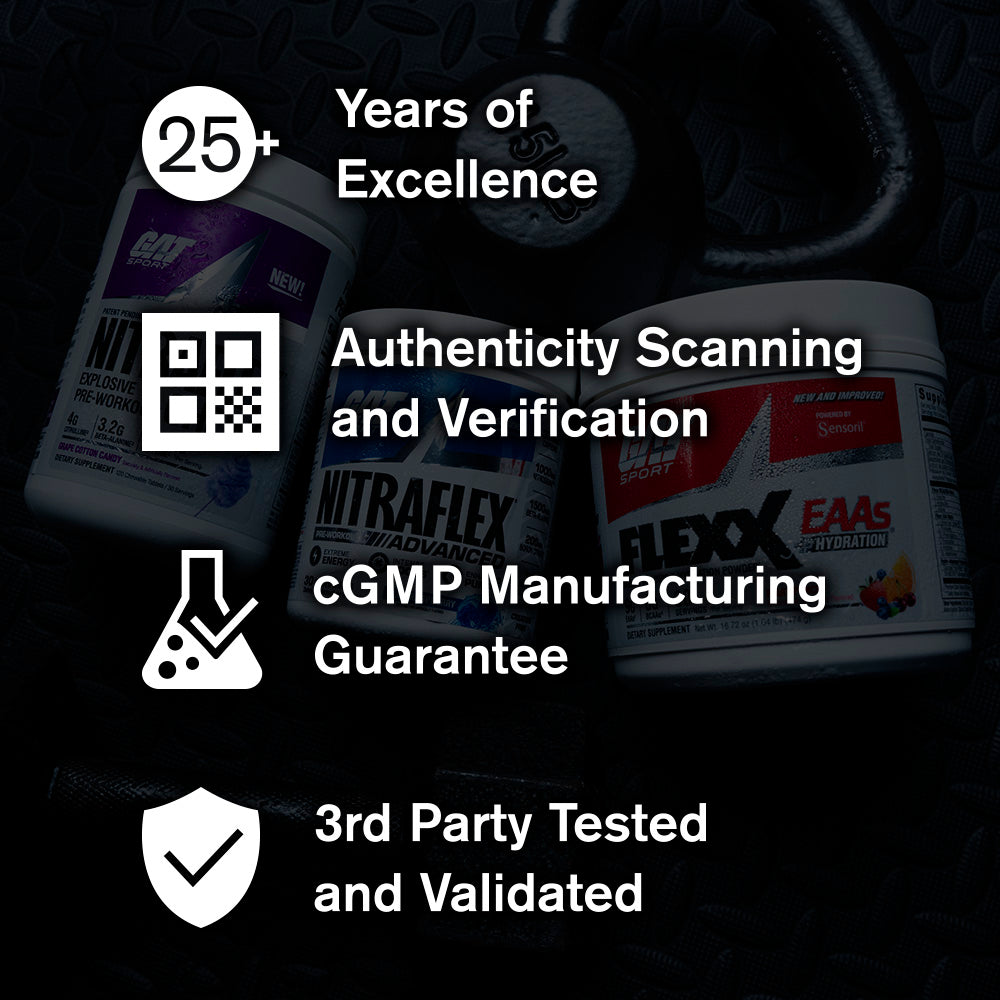
Here is where good deals and good products part ways. The pre-workout research flags proprietary blends as a specific problem, since hidden ingredient amounts make products impossible to compare or evaluate [5], and the regulatory reality from Rule 1 [2] means nobody checked that label before you did. So, check it: full ingredient disclosure, amounts stated, and verification you can confirm. On a GAT Sport tub that means the markers earned over 25+ Years of Excellence: cGMP Certified manufacturing, 3rd Party Tested, and Smart Scan Verified authenticity you can check from the tub itself. A discount on a label you cannot read is not a discount.
5. Skip Anything You Will Not Use Consistently
This rule is the drawer's actual autopsy. Most abandoned tubs were not bad products; they were products whose use pattern never matched their owner's life, and consistency is where supplement value lives or dies, creatine being the purest case since its entire mechanism is daily repetition [3]. So, run the honest test at the cart: will this get used on its intended schedule for 13 straight weeks? A yes earns the purchase. A maybe is the drawer talking.
6. Check Dates and Storage
Ninety days is a real horizon, so two boring checks protect the order. Confirm expiration dates comfortably clear your quarter, especially on anything bought in multiples, and plan storage before the box arrives: powders sealed, cool, and dry, with the desiccant left in the tub where it belongs. Unglamorous, two minutes, and it is the difference between a stocked shelf and a clumped one.
7. Build One Stack Around One Plan
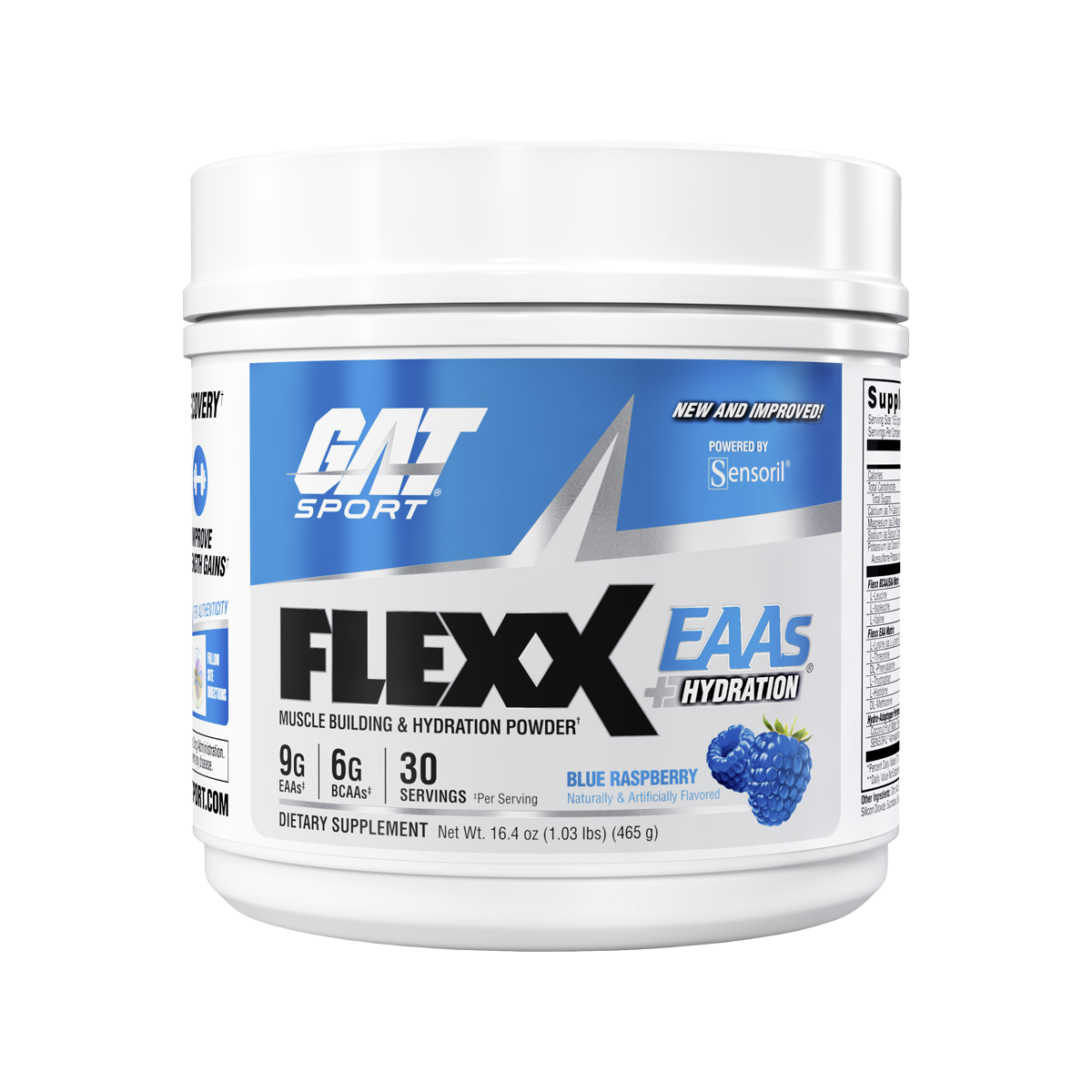
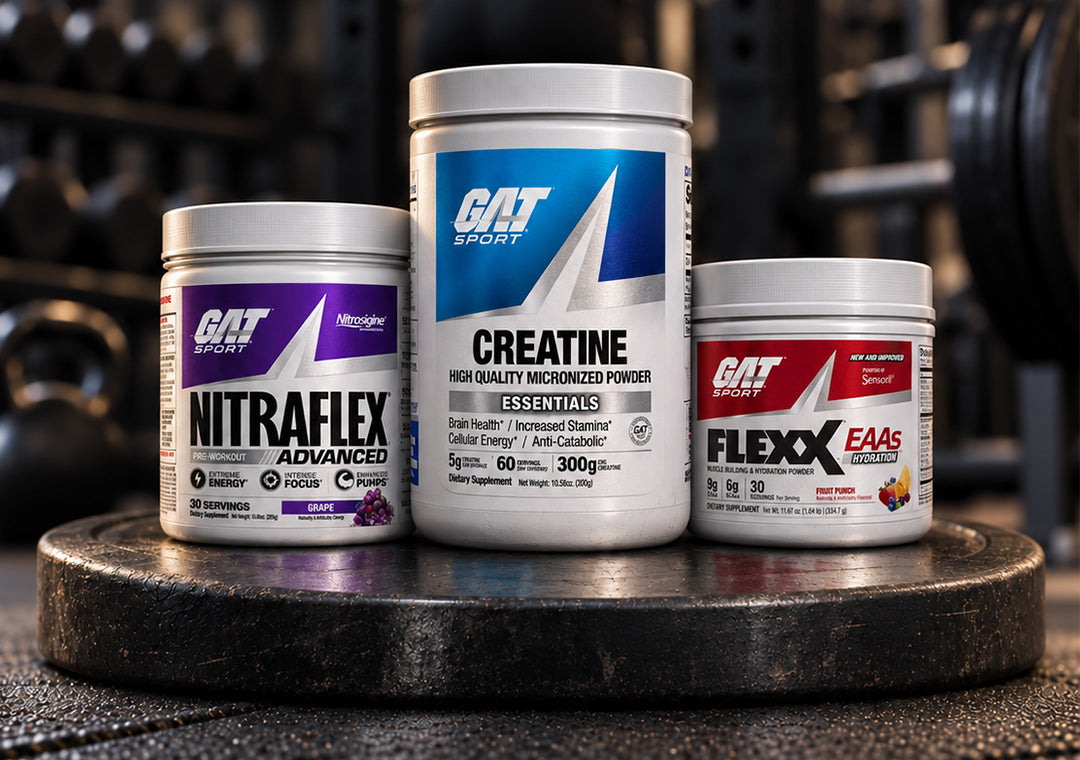
The final rule ties the other six together: a stack is downstream of a program, so the Q1 plan comes first, and the cart simply supplies it. Write the block you are actually running through February, then shop its requirements: the daily creatine base, the pre-workout at your training frequency, Flexx EAAs at the same training-day count if your session-day meals run unpredictable, and nothing that lacks a line in the plan. One program, one stack, zero strata.
The Drawer or the Plan
Every lifter ends this weekend owning one of two things: a new layer in the drawer, or ninety days of a stack that matches a program. The seven rules take fifteen minutes to apply, the sale window handles the price, and the February version of you inherits a shelf where everything gets finished.
Stock the plan, not the drawer. Lock in 90 days of GAT Sport Creatine Monohydrate before December 1st, at gatsport.com.
Key Takeaways
- Only a short list of supplements, including caffeine and creatine, carries strong evidence, and supplements face no pre-market approval, so the buyer does the evaluating, and the evidence gets the budget.
- Creatine monohydrate is the foundation at 90 servings for the quarter, and pre-workout supply is training days times 13 weeks, with caffeine responses varying enough that you bulk-buy only formulas you have already trialed.
- Buy in servings, not tubs, and divide by servings per container before checkout.
- Avoid proprietary blends you cannot evaluate, and look for cGMP Certified, 3rd Party Tested, and Smart Scan Verified markers.
- Skip anything, you will not use consistently for 13 weeks, check expiration dates, and build the whole stack around one written Q1 plan.
Frequently Asked Questions
Which supplements are worth buying in bulk?
The ones the evidence supports, and your program actually schedules. The IOC consensus puts caffeine and creatine on the short list with strong support, making daily creatine monohydrate at 90 servings the clearest bulk buy in the category, followed by your established pre-workout at training-days-times-13 servings. Anything you cannot name a weekly use pattern for belongs in the skip pile, whatever its discount.
Is creatine monohydrate better than other forms of creatine?
Monohydrate is the form to buy, and the research is direct about why: it is the most extensively studied form of creatine, and there is no evidence that other forms offer superior benefits. Newer formats typically cost more per serving on the strength of marketing rather than data, so a sale is the moment to stock the proven version deeply, not to experiment expensively.
How much pre-workout do I need for a full training block?
Your weekly sessions times 13. Three sessions a week needs 39 servings, four needs 52, five needs 65, and against a standard 30-serving tub that means two tubs for most lifters and three for the five-day crowd. Count real sessions, not aspirational ones, and the supply lands with a small, honest buffer instead of a half-finished surplus.
How do I avoid wasting money on supplements during Black Friday?
Write the plan before you open a single email. List your Q1 program, attach a servings number to every product it requires, refuse anything with a proprietary blend you cannot evaluate, confirm third-party testing, and apply the consistency test: thirteen weeks of actual use or no purchase. The sale then becomes a price on a list that already existed, which is the only version of a sale that saves money.
Do supplements expire, and does buying 90 days at once risk waste?
They carry expiration dates, typically far enough out that a 90-day supply is comfortably safe but check the printed date on anything bought in multiples before you buy it. Stored sealed, cool, and dry, powders hold their quality across a quarter without issue. The waste risk in supplement buying has never been expiration anyway; it is the product that stops getting used in week three.
References
- Maughan, Ronald J., et al. "IOC Consensus Statement: Dietary Supplements and the High-Performance Athlete." British Journal of Sports Medicine, vol. 52, no. 7, 2018, pp. 439-455, doi:10.1136/bjsports-2018-099027.
- Kerksick, Chad M., et al. "ISSN Exercise & Sports Nutrition Review Update: Research & Recommendations." Journal of the International Society of Sports Nutrition, vol. 15, no. 1, 2018, article 38, doi:10.1186/s12970-018-0242-y.
- Kreider, Richard B., et al. "International Society of Sports Nutrition Position Stand: Safety and Efficacy of Creatine Supplementation in Exercise, Sport, and Medicine." Journal of the International Society of Sports Nutrition, vol. 14, 2017, article 18, doi:10.1186/s12970-017-0173-z.
- Guest, Nanci S., et al. "International Society of Sports Nutrition Position Stand: Caffeine and Exercise Performance." Journal of the International Society of Sports Nutrition, vol. 18, no. 1, 2021, article 1, doi:10.1186/s12970-020-00383-4.
- Harty, Patrick S., et al. "Multi-Ingredient Pre-Workout Supplements, Safety Implications, and Performance Outcomes: A Brief Review." Journal of the International Society of Sports Nutrition, vol. 15, no. 1, 2018, article 41, doi:10.1186/s12970-018-0247-6.
- Antonio, Jose, et al. "Common Questions and Misconceptions about Creatine Supplementation: What Does the Scientific Evidence Really Show?" Journal of the International Society of Sports Nutrition, vol. 18, no. 1, 2021, article 13, doi:10.1186/s12970-021-00412-w.
Frequently asked questions
What is the main takeaway from this article?
“Black Friday for Lifters: Build a 90-Day Stack, Not a Junk Drawer” is designed to turn practical training and nutrition guidance into clear actions you can apply to your routine.
How should I put this advice into practice?
Start with one recommendation, apply it consistently, and adjust it to your goals, training experience, and recovery needs.