

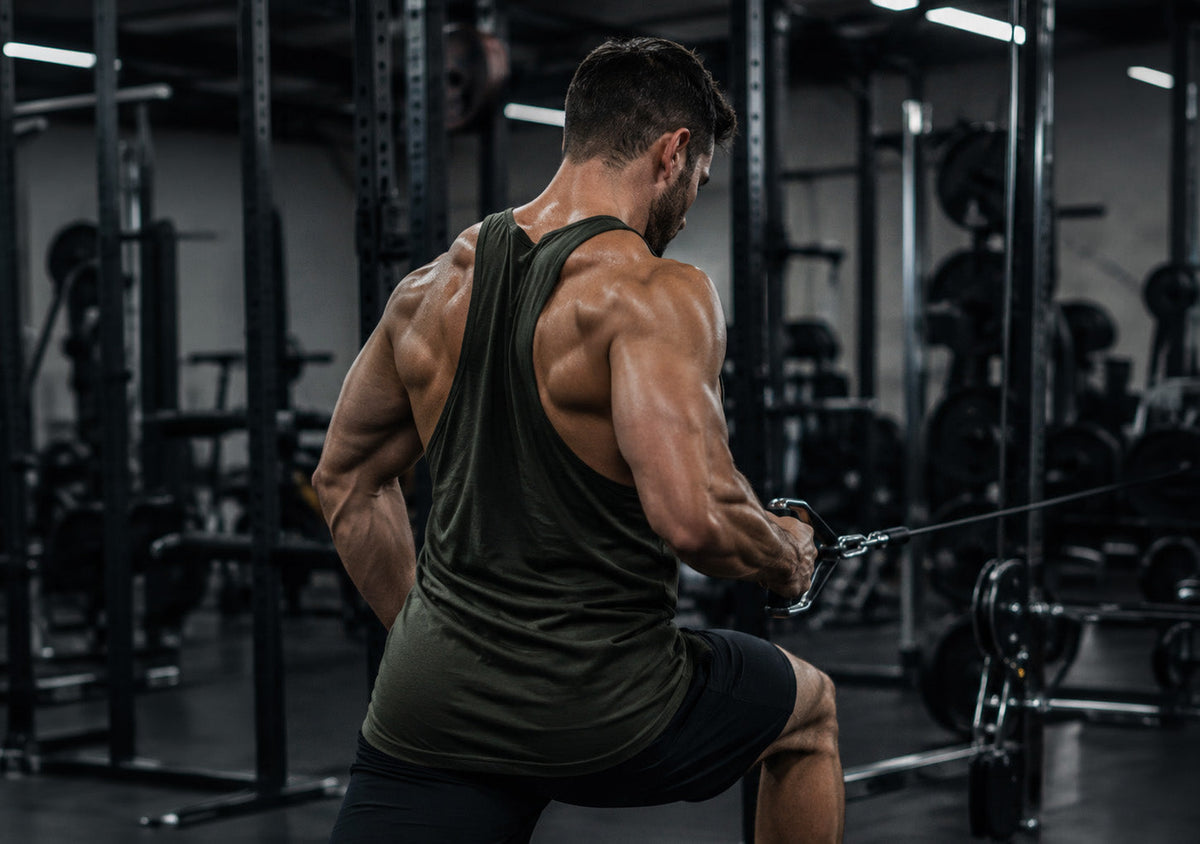
A back that looks strong and a back that stays healthy are not always the same back. Build the one that does both. Plenty of lifters have an impressive looking back, wide lats, thick traps, visible detail, that still nags, tweaks, and lets them down when real life demands something of it. Looks and durability are related, but they are not the same goal, and training only for the mirror can leave you with a back that photographs well and performs poorly.
Here is where lifters go wrong. They train the back for show, chasing the visible muscles with pulldowns and shrugs, while neglecting the positions, patterns, and qualities that actually keep the back durable under load. They build the display without building the foundation. A back that holds up for sport and life needs more than size; it needs strength through the hinge, endurance in the right positions, and the ability to handle load in the ways real life throws at it. Here is how to build that back.
How Do You Build a Resilient Back?
You build a resilient back by training it for strength and durability, not just size, through progressively loaded hinge patterns, rows, and loaded carries. Hinges like deadlifts and Romanian deadlifts build the posterior chain that protects your spine, rows build the mid-back that supports good posture and carries build the bracing endurance that keeps your back stable under real-world load. Progress these patterns over time, support them with adequate protein and creatine, and you build a back that is strong, muscular, and durable. Here is the full approach.
What Actually Builds a Durable Back
A back that holds up is built on specific, trainable qualities. The research points clearly to what matters.
Load the Posterior Chain
The posterior chain, the muscles running along the back of your body from your hamstrings and glutes through your spinal erectors, is what stabilizes and protects your spine under load. Training it directly, with loaded hinge patterns, is one of the most effective things you can do for back strength and resilience. A meta-analysis found that posterior-chain resistance training, focused on the hip and back extensor muscles through movements like the deadlift, was more effective than general exercise at improving muscular strength and at reducing pain and disability in people with chronic low back pain [1]. In other words, loading the hinge does not just build a bigger back; it builds a more resilient, less pain-prone one.
This reframes how you should think about back training. The deadlift and its variations are not just mass builders; they are resilience builders, strengthening the exact musculature that keeps your spine supported when you bend, lift, and carry in sport and daily life.
Progressive Overload Across the Right Patterns
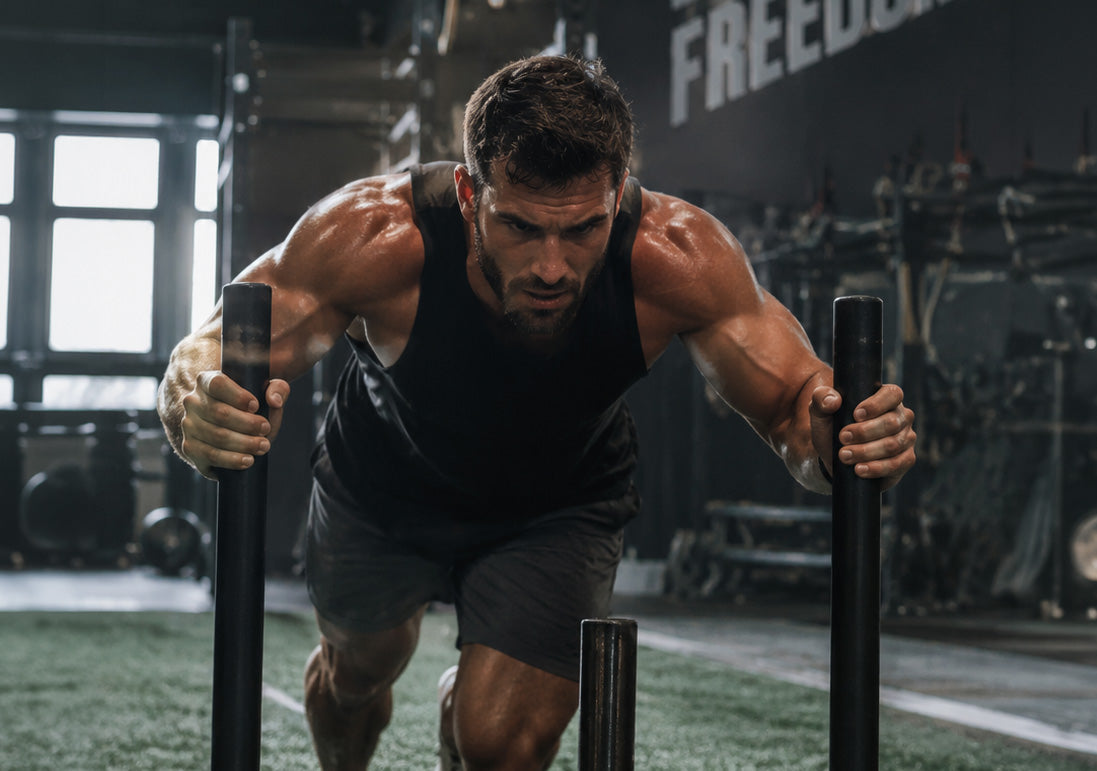
Building a durable back follows the same fundamental principle as building any strength quality: progressive overload applied across the right movement patterns. Research on resistance training confirms that strength is built by progressively challenging the muscles with sufficient, well-applied training [2], and that accumulating enough quality weekly volume across a muscle group is a key driver of developing it [3]. For the back, that means consistently loading three complementary patterns, the hinge, the row, and the carry, and adding weight or reps over time. Each pattern builds a different piece of a back that holds up.
An Example Back-Priority Training Week
Here is how to put this into practice with a week that prioritizes back strength and resilience. It includes two dedicated back-focused sessions built around the three key patterns, spaced to allow recovery. Fit your other training, legs, pressing, and conditioning, around these two anchor sessions.
- Monday: Back Priority Session A (hinge emphasis)
- Tuesday: Lower body or conditioning
- Wednesday: Rest or light activity
- Thursday: Back Priority Session B (row and carry emphasis)
- Friday: Pressing or upper body
- Saturday: Optional conditioning or mobility
- Sunday: Rest
Session A: Hinge Emphasis
This session leads with the loaded hinge to build posterior-chain strength and spinal resilience.
- Deadlift: 4 sets of 4 to 6 reps. Your primary hinge and the cornerstone of a resilient back. Brace hard, keep a neutral spine, and progress the load conservatively over the weeks.
- Romanian deadlift: 3 sets of 8 to 10 reps. Trains the hinge through a bigger stretch, building the hamstrings and erectors.
- Chest-supported row: 3 sets of 10 to 12 reps. Builds the mid-back without adding lower-back fatigue after heavy hinging.
- Suitcase carry: 3 sets of 30 to 40 yards per side. A loaded carry that trains anti-lateral-flexion bracing, building the core and back endurance that keeps your spine stable.
Session B: Row and Carry Emphasis
This session prioritizes horizontal pulling and loaded carries for mid-back strength and bracing endurance.
- Barbell row: 4 sets of 6 to 10 reps. Your primary heavy horizontal pull, building mid-back thickness and strength.
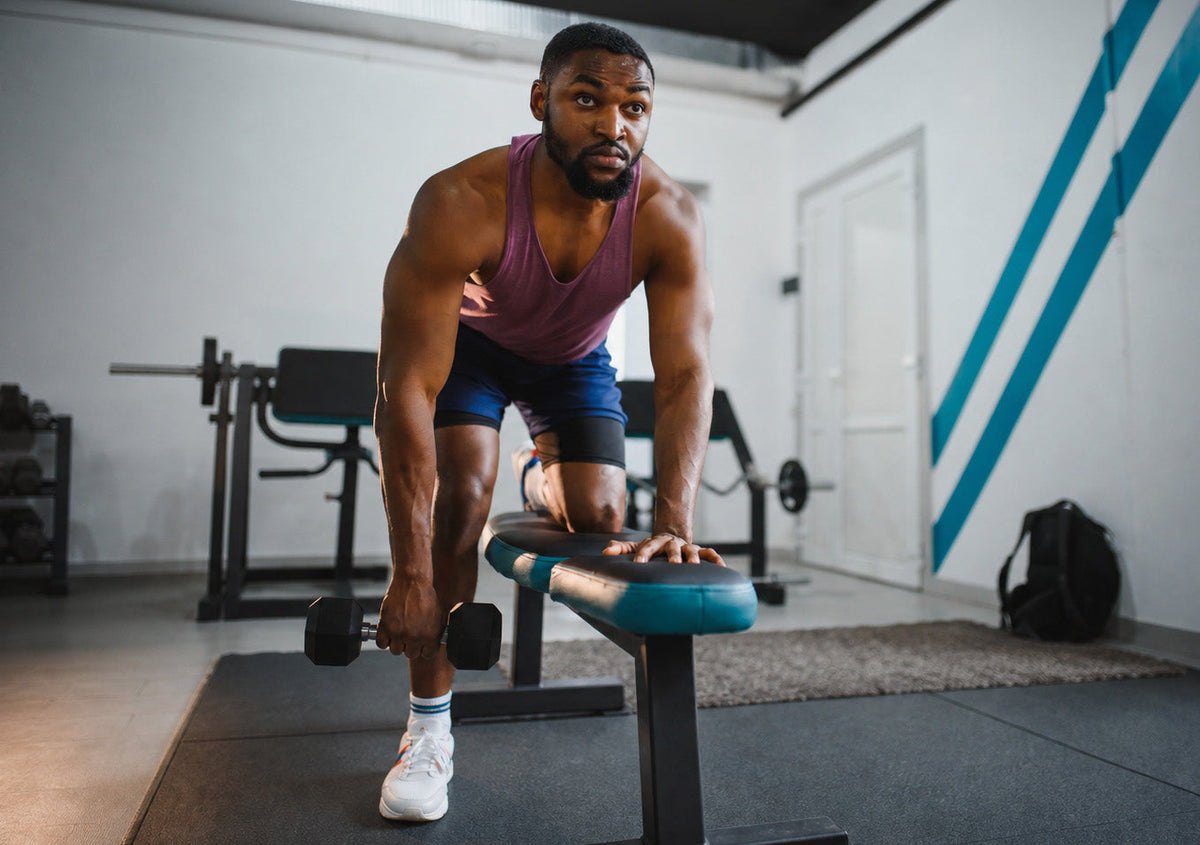
- Single-arm dumbbell row: 3 sets of 10 to 12 reps per side. Trains each side of the back individually for balance.
- Pull-up or lat pulldown: 3 sets of 8 to 12 reps. Adds vertical pulling for complete back development.
- Farmer's carry: 3 sets of 40 yards. A heavy bilateral carry that builds grip, trap, and full-body bracing endurance, the hallmark of a back that holds up under real load.
Keep 1 to 2 reps in reserve on most sets, push the final set of each exercise closer to a challenging effort, and progress the load or reps week over week. That progression is what turns these patterns into a stronger, more durable back over time.
Supporting the Work
Building a resilient back is demanding, and the right nutrition supports both the strength you are building and the recovery that durability depends on.
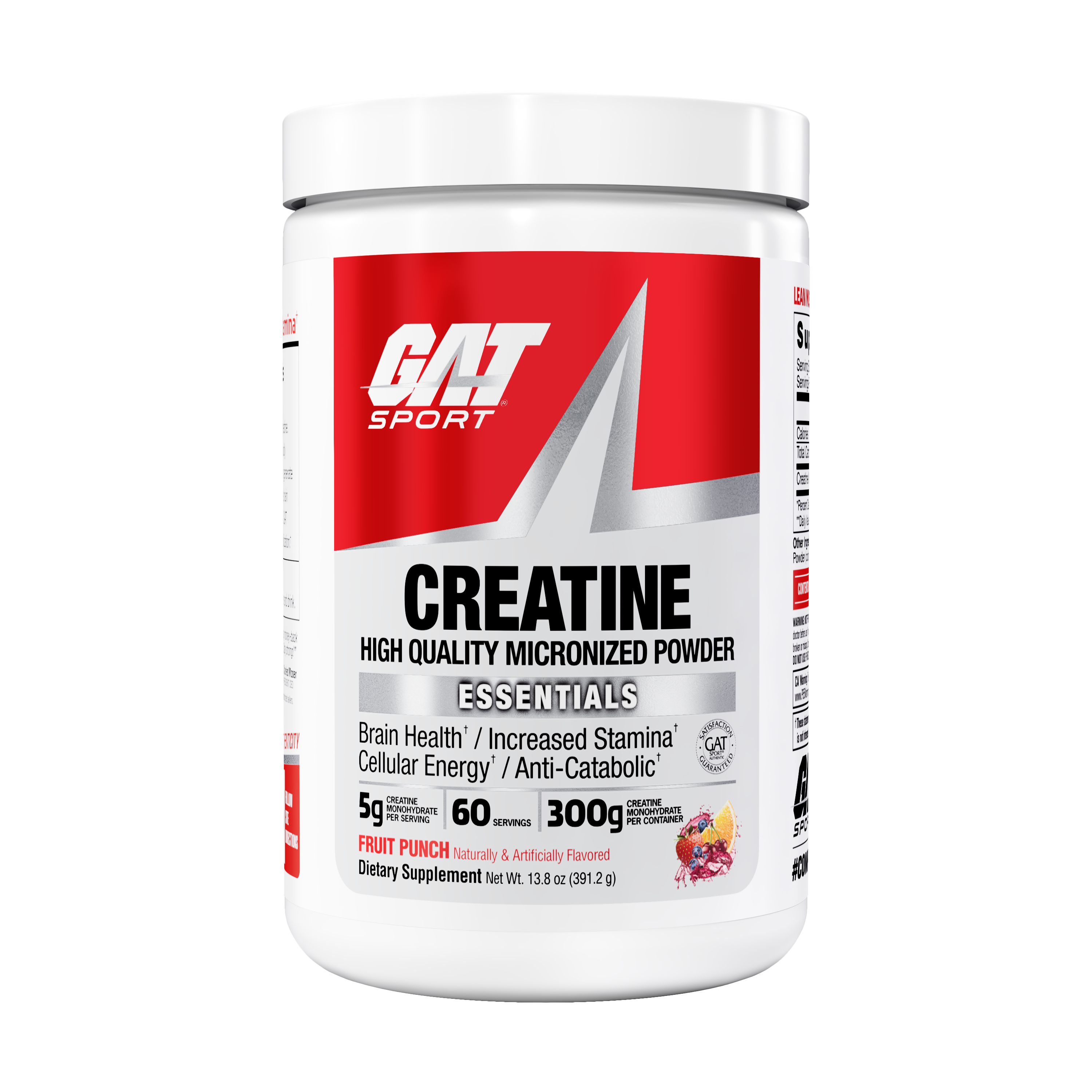
Creatine is a standout for this kind of training. The ISSN position stand on creatine concludes that creatine monohydrate is the most effective ergogenic nutritional supplement available for increasing high-intensity exercise capacity and lean body mass during training [4]. That supported capacity helps you push the heavy hinges, rows, and carries that build a durable back, and the lean mass it supports is exactly what you are developing. Creatine Monohydrate works through daily saturation, so take a consistent daily dose and never skip it.
Your back also rebuilds from adequate protein. The ISSN position stand on protein confirms that sufficient protein intake combined with resistance training drives the muscle protein synthesis that builds and maintains muscle [5]. Anchor your day around whole food protein, and use Flexx EAAs as a convenient way to deliver essential amino acids around your training when a full meal is not practical, supporting the recovery that turns your back work into lasting strength and resilience.
Build the Back That Lasts
The lifters whose backs hold up for decades are not the ones who only chased the look. They are the ones who trained the back for what it actually has to do: hinge under load, pull with strength, and brace against real-world demands. That kind of training builds a back that is both impressive to look at and genuinely durable, strong when sport asks for it and resilient when life does.
Do not settle for a back that only looks the part. Load the hinge, train the pulls, add the carries, and support the work, and you build a back that performs and lasts.
Add the resilience work to your build and protect your back for the long haul. Then go compete harder, with a back that holds up, with GAT Sport at gatsport.com.
Key Takeaways
- A back that looks strong is not always durable; build strength and resilience, not just size.
- Loaded hinge patterns train the posterior chain that protects your spine, and research links them to reduced back pain and greater strength.
- Train three complementary patterns, the hinge, the row, and the loaded carry, with progressive overload over time.
- Loaded carries build the bracing endurance that keeps your spine stable under real-world load.
- Support demanding back work with consistent daily creatine and adequate protein for strength and recovery.
Frequently Asked Questions
How do you build a resilient back?
You build a resilient back by training it for strength and durability through progressively loaded hinge patterns, rows, and loaded carries. Hinges like deadlifts build the posterior chain that protects your spine, rows build the mid-back that supports posture and carries build the bracing endurance that keeps your back stable under load. Progress these patterns over time and support them with adequate protein and creatine to build a back that is strong, muscular, and durable.
Do deadlifts help prevent back pain?
Loaded hinge training can strengthen the muscles that support and protect the spine. A meta-analysis found that posterior-chain resistance training, including deadlift-style movements, was more effective than general exercise at reducing pain and disability and improving strength in people with chronic low back pain. Performed with good technique and progressive loading, hinge patterns build a more resilient back, though anyone with existing back pain should consult a professional first.
What exercises make your back more durable?
The most effective are progressively loaded hinge patterns (deadlifts, Romanian deadlifts), rows (barbell rows, chest-supported rows), and loaded carries (farmer's carries, suitcase carries). Hinges build posterior-chain strength that protects the spine, rows build mid-back strength for posture and carries build the bracing endurance that stabilizes your back under real-world load. Training all three with progression builds a back that is both strong and durable.
Are loaded carries good for your back?
Yes. Loaded carries like farmer's and suitcase carries build the bracing endurance and core stability that keep your spine supported under load. The suitcase carry in particular trains your body to resist bending sideways, strengthening the deep core and back musculature that stabilize your spine. This translates directly to real-world durability, since so much of daily life and sport involves carrying and stabilizing loads.
How often should you train your back for strength and resilience?
Two dedicated back-focused sessions per week works well for most people, spaced with at least 48 hours between them to recover. This lets you train the hinge, row, and carry patterns with enough volume and progression to build strength and resilience while recovering adequately. Because the back is involved in many other lifts, these two anchor sessions integrate well with a full training week.
References
- Tataryn, Nicholas, et al. "Posterior-Chain Resistance Training Compared to General Exercise and Walking Programmes for the Treatment of Chronic Low Back Pain in the General Population: A Systematic Review and Meta-Analysis." Sports Medicine - Open, vol. 7, no. 1, 2021, article 17, doi:10.1186/s40798-021-00306-w.
- Currier, Brad S., et al. "Resistance Training Prescription for Muscle Strength and Hypertrophy in Healthy Adults: A Systematic Review and Bayesian Network Meta-Analysis." British Journal of Sports Medicine, vol. 57, no. 18, 2023, pp. 1211-1220, doi:10.1136/bjsports-2023-106807.
- Schoenfeld, Brad J., et al. "Calculating Set-Volume for the Limb Muscles with the Performance of Multi-Joint Exercises: Implications for Resistance Training Prescription." Sports, vol. 7, no. 7, 2019, article 177, doi:10.3390/sports7070177.
- Kreider, Richard B., et al. "International Society of Sports Nutrition Position Stand: Safety and Efficacy of Creatine Supplementation in Exercise, Sport, and Medicine." Journal of the International Society of Sports Nutrition, vol. 14, no. 18, 2017, doi:10.1186/s12970-017-0173-z.
- Jäger, Ralf, et al. "International Society of Sports Nutrition Position Stand: Protein and Exercise." Journal of the International Society of Sports Nutrition, vol. 14, no. 20, 2017, doi:10.1186/s12970-017-0177-8.