

The quarter is ending, but the work is not. No off-season was never a summer slogan; it is how serious lifters live. Back in June, that phrase meant refusing to coast while everyone else waited for beach season to end. Now, with fall underway and the year's final quarter ahead, it means something bigger: the season changes, the goal changes, but the training never stops.
Here is the trap waiting at every seasonal boundary. Lifters treat the end of a season like a finish line. The summer cut wraps, the fall block ends, the meet passes, and they exhale, ease off, and tell themselves they will pick it back up soon. Weeks slip by. And the momentum they spent months building, the strength, the habits, the daily rhythm, quietly drains away. The calendar gave them permission to stop, and they took it. The lifters who keep separating from the pack simply never accept that permission.
How Do You Train Consistently Year Round?
You train consistently year round by treating training as an ongoing practice rather than a series of seasons with finish lines. Set a new target the moment one ends, keep showing up even when sessions shrink to fit your life, and hold onto the daily basics, like creatine, that only work through consistency. Progress compounds when the streak never breaks, because every stop costs you strength you then have to spend weeks buying back.
Here is why the streak matters so much, and how to carry it into Q4.
The Case Against Stopping
The argument for year-round training is not motivational; it is arithmetic. Stopping has a measurable price, and consistency has a compounding payoff.
Stopping Costs Real Strength
When training stops, the adaptations you paid for start reversing. A meta-analysis of 103 studies found that resistance training cessation has a detrimental effect on every component of muscular performance measured: submaximal strength, maximal force, and maximal power all decline [1]. That is the tax on every "short break" that stretches into a month. The lifter who stops in October and restarts in January is not resuming from where they left off; they are spending the first weeks of the new year buying back strength they already owned. Skip the stop, and those weeks go toward new progress instead.
Consistency Is a Habit, Not a Mood
The lifters who train year round are not more motivated than everyone else; they have simply made training automatic. Research on behavior change bears this out: interventions that build exercise into a cue-triggered habit measurably improve how consistently people stay active, working independently of fragile day-to-day motivation [2]. That is the real meaning of no off-season. It is not grinding at maximum intensity forever; it is keeping the habit alive through every season, even when a session is short, so the streak, and the identity behind it, never breaks.
Carrying the Build Into Q4
Practically, carrying momentum into the fourth quarter comes down to three moves.
Set the next target now. The moment a goal ends, momentum starts looking for a reason to exist. Give it one immediately: a lift total by New Year's, a rep milestone, a body composition target for January. Q4, with its holidays and travel, punishes aimless training, so aim at something specific before the calendar gets loud.
Let sessions flex, never vanish. Busy weeks will come. The rule is that training shrinks before it disappears: a 30-minute session on the fundamental lifts keeps the streak and the strength alive, while a skipped week invites the slide the research warns about [1]. Something always beats nothing.
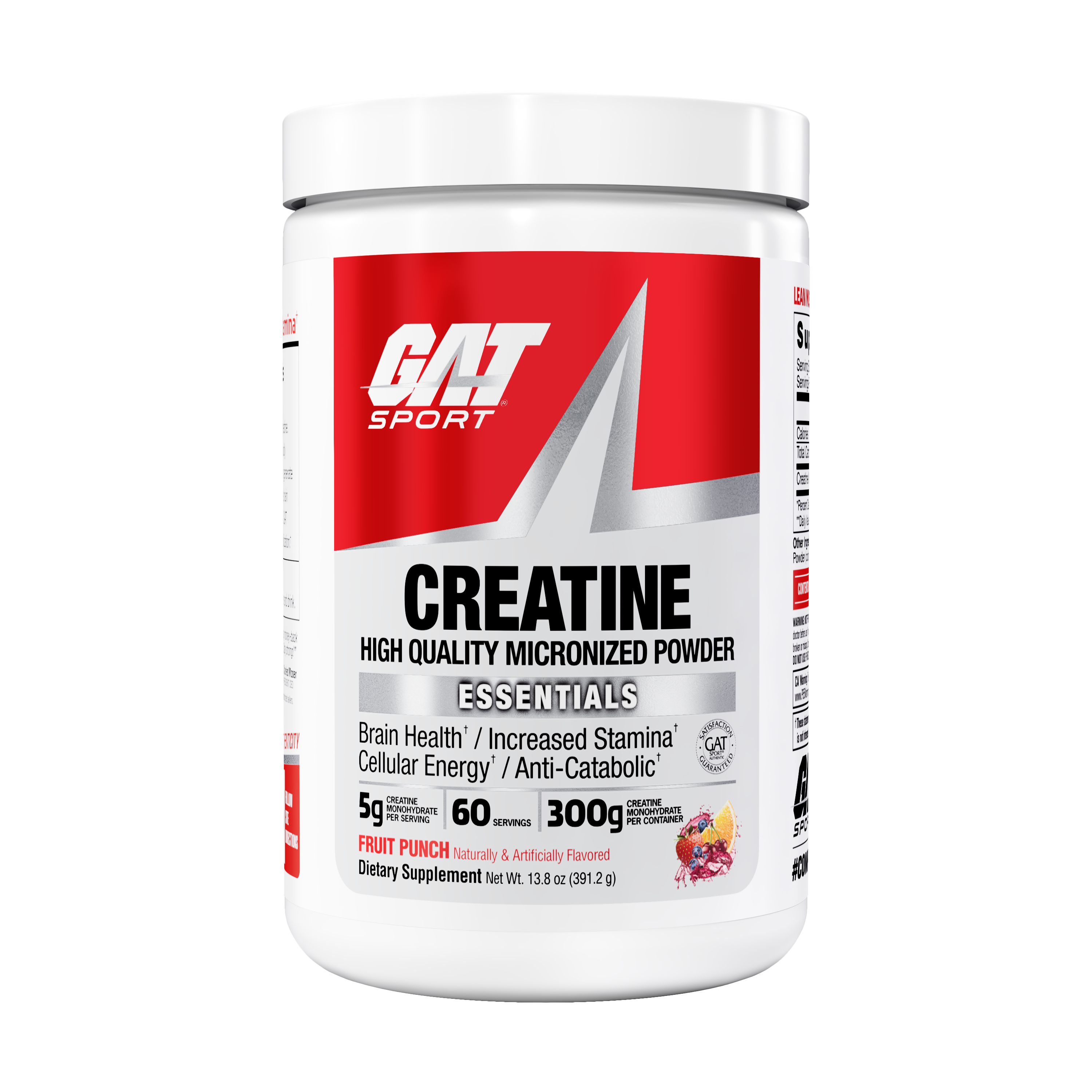
Keep the daily basics running. This is where compounding is most literal, and where creatine leads. The ISSN position stand concludes that creatine monohydrate is the most effective ergogenic nutritional supplement available for increasing high-intensity exercise capacity and lean body mass during training, working by saturating your muscles' stores over time [3]. Saturation is the key word: the benefit exists because the habit is daily, and it fades when the habit stops. Creatine Monohydrate is the definition of a no-off-season supplement. Take it every day, training or not, through every season, and it quietly supports every hard session you stack.
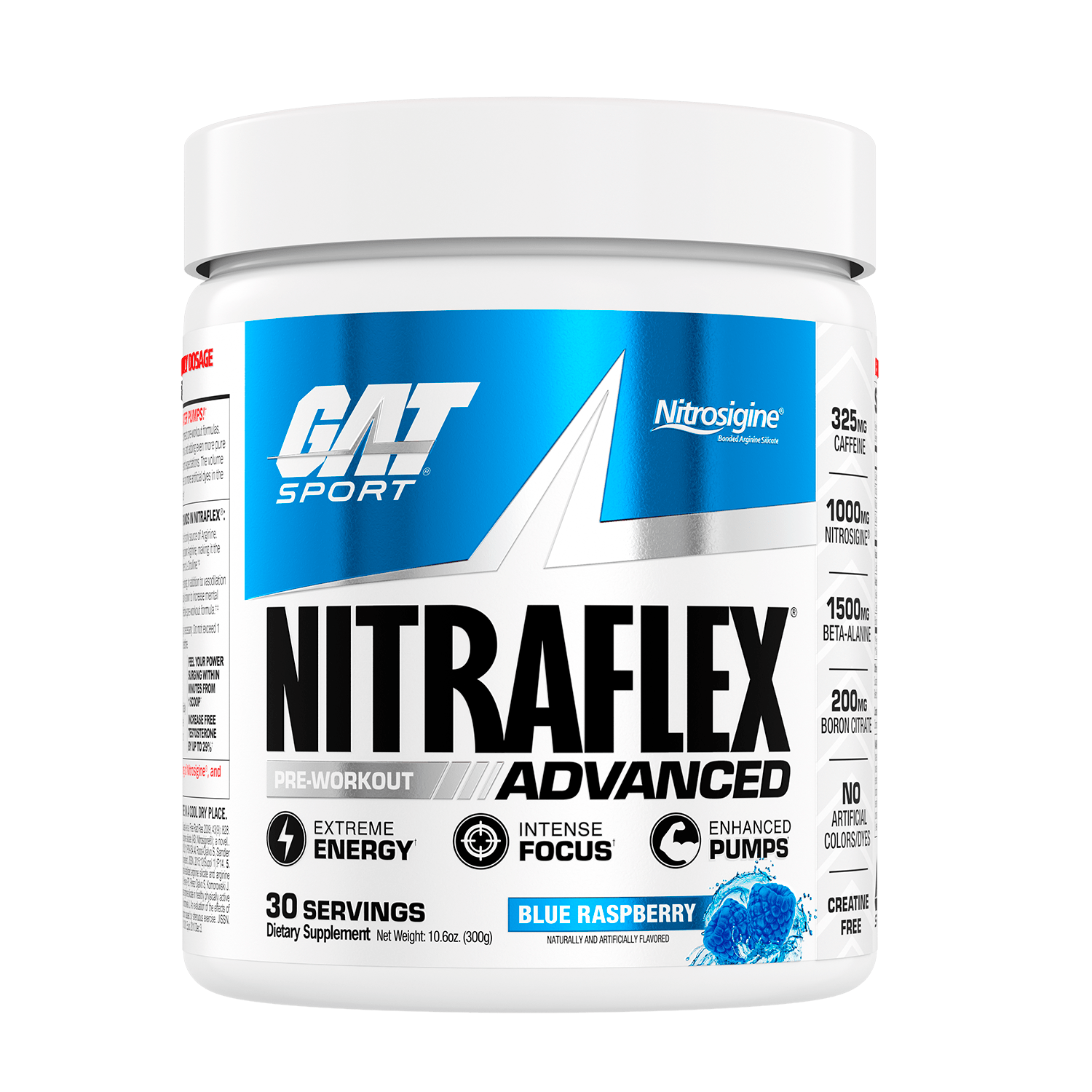
The other two basics slot in around it. For the sessions that anchor your Q4 block, Nitraflex Advanced brings the energy and focus to train with intent, backed by the ISSN's conclusion that caffeine enhances both anaerobic and aerobic performance at 3 to 6 milligrams per kilogram of body mass [4]. And because the long game is ultimately about health, GAT Sport Omega-3 Purified Fish Oil covers a gap most diets leave: the American Heart Association recognizes that omega-3s support cardiovascular health, and most people do not get enough from food alone [5]. Training builds the machine; these protect it.
There Is No Finish Line
Look back at what this year of training actually was: not a summer project or a fall block, but one continuous build, carried through heat, holidays, busy weeks, and every excuse the calendar offered. That is the whole philosophy in one sentence. Seasons end. Quarters end. The build does not.
Q4 is where this year's compounding pays its final installment and next year's begins. The lifters who show up in January stronger than they are today will be the ones who never treated December as a finish line.
Set your Q4 target and keep the streak alive. There is no finish line. Compete harder, all year, every year, with GAT Sport at gatsport.com.
Key Takeaways
- Seasonal boundaries are where momentum dies; serious lifters set the next target the moment one ends.
- Stopping has a measurable cost: training cessation reduces submaximal strength, maximal force, and maximal power.
- Consistency runs on habit, not motivation; sessions should shrink to fit busy weeks, never vanish.
- Creatine only works through daily saturation, making it the definition of a no-off-season habit.
- Anchor Q4 sessions with a focused pre-workout and protect long-term health with omega-3s.
Frequently Asked Questions
How do you train consistently year round?
Treat training as an ongoing practice rather than seasons with finish lines. Set a new goal the moment one ends, keep a habit-based routine that runs on schedule rather than motivation, and let sessions shrink to fit busy weeks instead of disappearing. Maintain the daily basics like creatine that depend on consistency. Year-round consistency compounds, while every stop costs strength you then have to spend weeks regaining.
Do you lose strength if you stop training?
Yes. A meta-analysis of 103 studies found that resistance training cessation detrimentally affects every measured component of muscular performance, including submaximal strength, maximal force, and maximal power. The longer the break, the larger the losses. Muscle memory makes regaining faster than building from scratch, but the weeks spent buying back old strength are weeks not spent making new progress.
Should you take a break from lifting after a training block?
A short, planned deload or an easy week is smart after a hard block, and that is different from stopping. Reduced training lets fatigue clear while keeping the habit and most of your fitness intact. The problem is the open-ended break, where a week off becomes a month. Plan recovery into your training rather than letting the calendar decide when you return.
Should you take creatine year round?
Yes, that is exactly how it is designed to work. Creatine benefits come from keeping your muscles' creatine stores saturated, which requires a consistent daily dose, on training days and rest days alike. Stopping lets those stores gradually deplete, giving back the benefit. A daily habit of creatine monohydrate, held through every season, supports every hard session you train year round.
What are good Q4 fitness goals?
Pick something specific and measurable that survives a busy holiday season: adding a set amount to a main lift by New Year's, hitting a rep milestone like ten strict pull-ups, holding a training-days-per-week streak through December, or a defined body composition target for January. The best Q4 goal is one that keeps you showing up when the calendar gets loud, so momentum carries into the new year.
References
- Bosquet, Laurent, et al. "Effect of Training Cessation on Muscular Performance: A Meta-Analysis." Scandinavian Journal of Medicine & Science in Sports, vol. 23, no. 3, 2013, pp. e140-e149, doi:10.1111/sms.12047.
- Feng, Yiyang, et al. "Effects of Habit Formation Interventions on Physical Activity Habit Strength: Meta-Analysis and Meta-Regression." International Journal of Behavioral Nutrition and Physical Activity, vol. 20, no. 1, 2023, article 109, doi:10.1186/s12966-023-01493-3.
- Kreider, Richard B., et al. "International Society of Sports Nutrition Position Stand: Safety and Efficacy of Creatine Supplementation in Exercise, Sport, and Medicine." Journal of the International Society of Sports Nutrition, vol. 14, no. 18, 2017, doi:10.1186/s12970-017-0173-z.
- Guest, Nanci S., et al. "International Society of Sports Nutrition Position Stand: Caffeine and Exercise Performance." Journal of the International Society of Sports Nutrition, vol. 18, no. 1, 2021, article 1, doi:10.1186/s12970-020-00383-4.
- Siscovick, David S., et al. "Omega-3 Polyunsaturated Fatty Acid (Fish Oil) Supplementation and the Prevention of Clinical Cardiovascular Disease: A Science Advisory from the American Heart Association." Circulation, vol. 135, no. 15, 2017, pp. e867-e884, doi:10.1161/CIR.0000000000000482.