
Strong glutes are not a vanity project. They are the engine behind your squat, your sprint, and a back that does not hurt. The gluteus maximus is the largest and one of the most powerful muscles in your entire body, and it drives nearly every athletic movement that matters: extending your hips to stand up under a heavy bar, exploding off the line in a sprint, and stabilizing your pelvis so your lower back is not left to pick up the slack. Weak glutes do not just look underdeveloped; they cap your performance and set you up for pain.
Yet glute training is where most programs fall apart. It gets skipped entirely in favor of the muscles people can see in the mirror, or it gets reduced to endless sets of light banded kickbacks and clamshells with no meaningful load and no progression. Bands have their place as a warm-up, but you do not build a powerful muscle by never challenging it. Building serious glutes takes the same thing every other muscle needs: progressive loading through the right movement patterns. Here is how to do it.
How Do You Build Stronger Glutes?
You build stronger glutes by training them with heavy, progressively loaded hip extension movements, hinges like Romanian deadlifts, bridges like the hip thrust, and unilateral work like lunges, then adding weight or reps over time. The glutes are the primary movers in hip extension, so exercises that load that pattern hard and get progressively heavier are what build both strength and size. Supporting the work with proper recovery and creatine helps you train hard enough to drive real change. Here is the full protocol.
What the Evidence Says About Building Glutes
Effective glute training is not guesswork. A few well-established principles point directly to how the muscle should be trained.
Load the Hip Extension Pattern
The gluteus maximus is the prime mover of hip extension, the action of driving your thighs backward relative to your torso. This is why hinges and bridges are so effective: they load the glutes precisely in their primary role. Electromyography research comparing exercises found that the barbell hip thrust elicited significantly greater gluteus maximus activation than the back squat, because it loads the muscle heavily at the top of hip extension where it is strongest [1]. That does not make the squat useless; it means directly loaded hip extension deserves a central place in your program.
Crucially, this activation translates into real growth when you train with load over time. A training study using MRI to measure actual muscle growth found that both hip thrust and back squat training, performed with progressive load, produced significant and similar increases in gluteus maximus muscle size [2]. The lesson is clear: loaded hip extension builds glutes, and more than one exercise can get you there as long as the load is real and progressed.
Progressive Overload and Sufficient Volume
Like any muscle, the glutes grow in response to progressive overload and adequate training volume. Total weekly volume, the number of hard-working sets, is one of the strongest drivers of hypertrophy [3]. And those sets need to be genuinely challenging: research on training proximity to failure shows that taking sets reasonably close to failure is what maximizes the growth stimulus [4]. This is exactly why endless light bands fall short. They never challenge the muscle enough to force it to adapt.
The Glute-Building Protocol
Here are three progressive, loaded workouts that build the glutes through the movement patterns the evidence supports: heavy hinges, bridges, and unilateral work. Rotate through them across your training week and add weight or reps whenever you can. Keep 1 to 2 reps in reserve on most sets, pushing the last set of each exercise closer to failure.
Workout 1: Bridge Emphasis
This session centers on the hip thrust, the premier directly-loaded hip-extension movement.
- Barbell hip thrust: 4 sets of 6 to 10 reps. Drive through your heels, squeeze hard at the top, and control the descent. This is your primary heavy glute builder.
- Romanian deadlift: 3 sets of 8 to 12 reps. A loaded hinge that trains the glutes in a stretched position. Push your hips back and feel the stretch before driving forward.
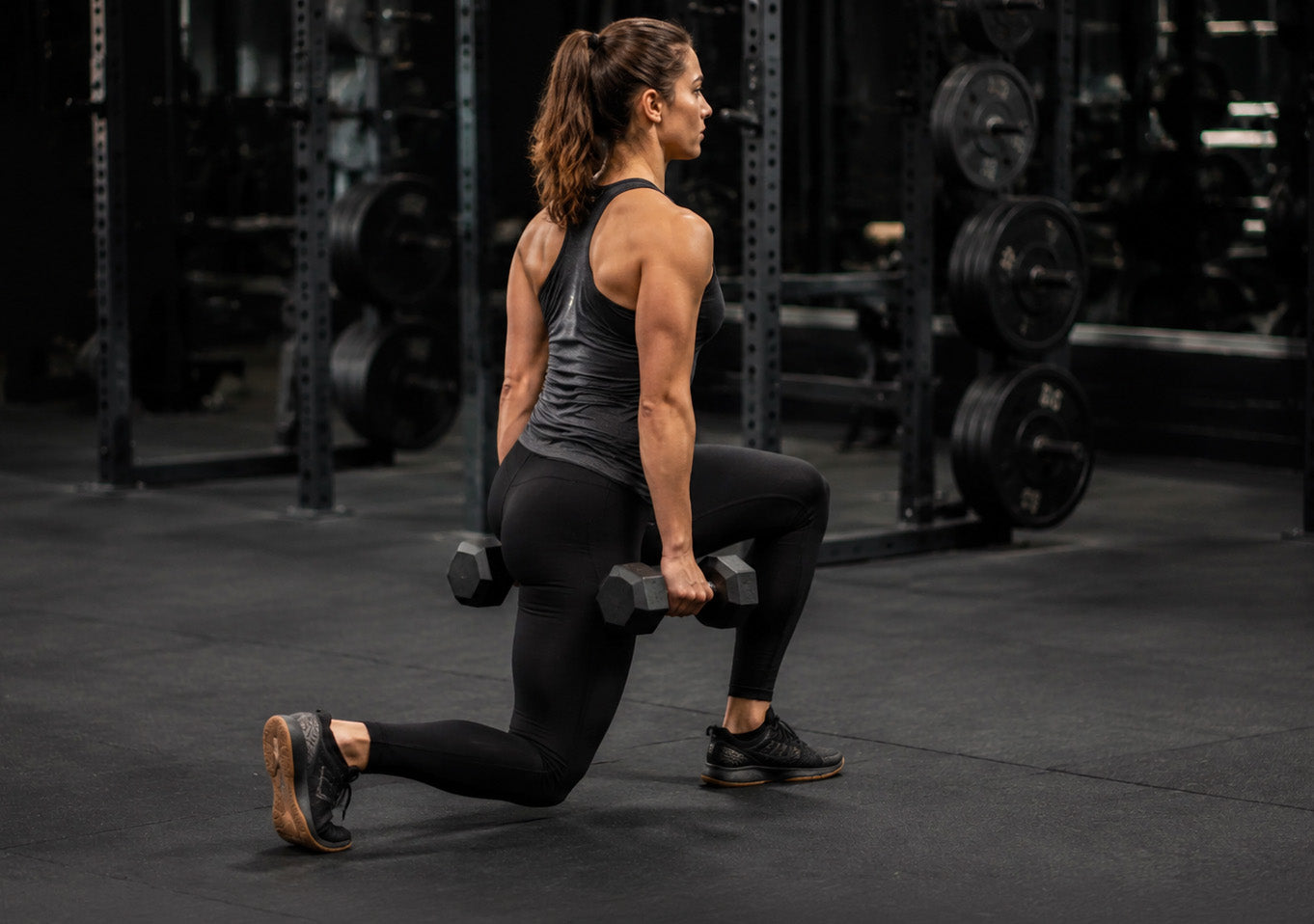
- Walking lunges: 3 sets of 10 to 12 reps per leg. Unilateral work to build each side and challenge stability.
- Glute bridge (bodyweight or banded): 2 sets of 15 to 20 reps as a finisher to accumulate volume.
Workout 2: Hinge Emphasis
This session leads with the hinge pattern for glute and posterior-chain strength.
- Conventional or trap-bar deadlift: 4 sets of 5 to 8 reps. A heavy hinge that loads the entire posterior chain and drives powerful hip extension.
- Barbell hip thrust: 3 sets of 8 to 12 reps. Keep the directly-loaded hip extension in the week.
- Bulgarian split squat: 3 sets of 8 to 12 reps per leg. A demanding unilateral movement with a big glute stretch on the rear-foot-elevated front leg.
- Cable pull-through: 3 sets of 12 to 15 reps. Reinforces the hinge with constant tension.
Workout 3: Unilateral and Volume Emphasis
This session builds each side individually and accumulates quality volume.
- Reverse lunges: 4 sets of 8 to 10 reps per leg. Stepping back biases the glute of the front leg.
- Single-leg Romanian deadlift: 3 sets of 8 to 12 reps per leg. Trains the hinge and balance one side at a time.
- Hip thrust: 3 sets of 10 to 15 reps. Higher reps here to accumulate volume in the primary pattern.
- Step-ups: 3 sets of 10 to 12 reps per leg onto a challenging height, driving through the heel of the working leg.
Separate these sessions by at least 48 hours, rest 90 seconds to 2 minutes between heavy sets, and progress the load or reps week over week. That progression is the entire point.
Fueling and Supporting the Work
Heavy glute training is genuinely demanding, and the right support helps you attack it and recover from it.
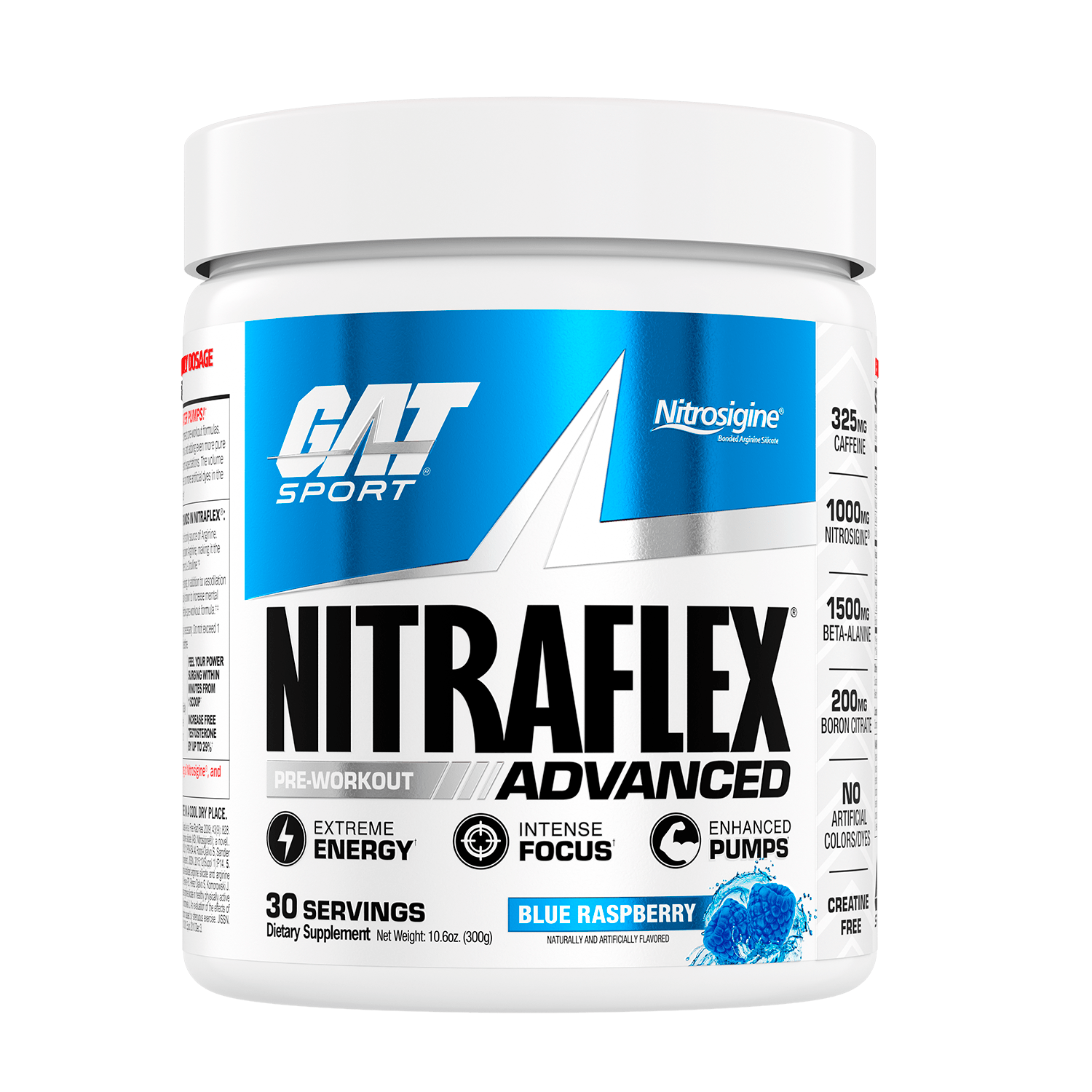
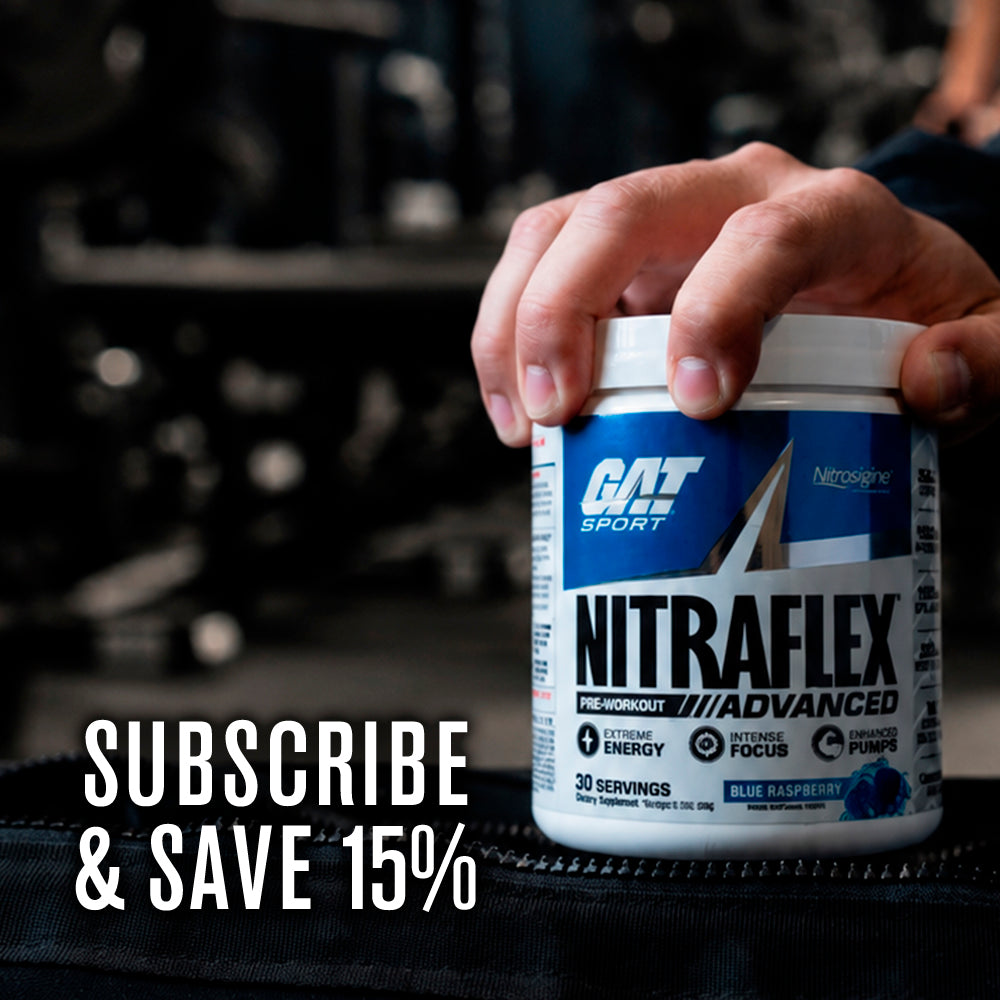
For these loaded, focused sessions, Nitraflex Advanced delivers the energy and drive to hit heavy hip thrusts, deadlifts, and split squats with real intensity rather than dragging through them. The ISSN position stand on caffeine confirms that pre-workout supplements containing caffeine enhance both anaerobic and aerobic performance at doses of 3 to 6 milligrams per kilogram of body mass [5], which is exactly the output a heavy lower-body session demands. Take it before your hardest glute days to make the session match the effort the protocol requires.
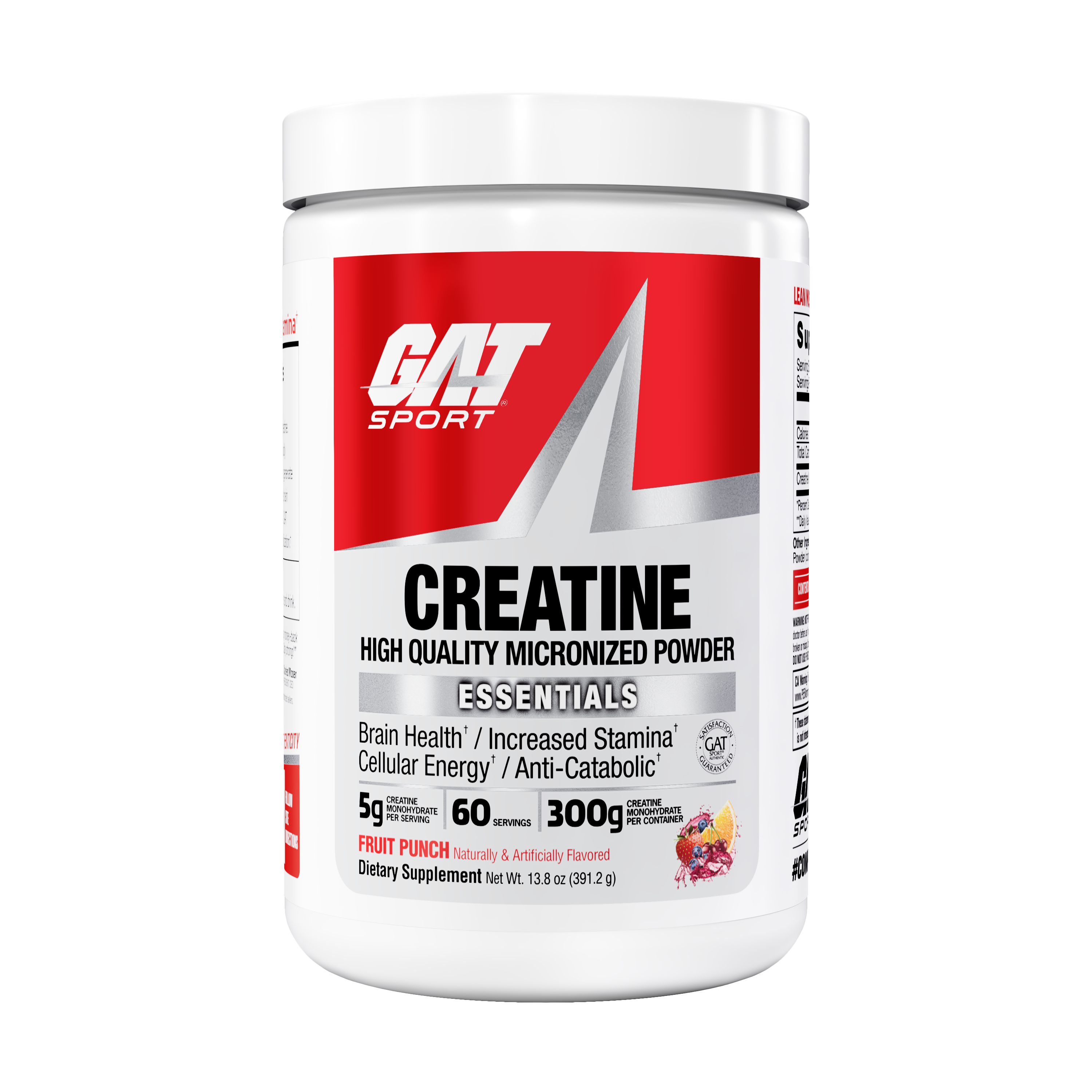
To support the growth itself, creatine is one of the best-established tools available. The ISSN position stand on creatine concludes that creatine monohydrate is the most effective ergogenic nutritional supplement available for increasing high-intensity exercise capacity and lean body mass during training [6]. More capacity across your working sets means more quality volume, and more quality volume builds glutes. Creatine Monohydrate works through daily saturation, so take a consistent daily dose and never skip it. Over six weeks of progressive glute work, that daily habit helps you push the load and volume that drive results.
Build the Engine Behind Everything
Your glutes are too important to leave to an afterthought of light bands. They power your biggest lifts, your fastest sprints, and they protect your lower back by doing the hip-extension work it would otherwise absorb. Building them takes real, progressive loading through hinges, bridges, and unilateral work, applied consistently and pushed hard, then supported with smart recovery and fueling.
Stop treating glute training like a warm-up. Load it, progress it, and watch your strength, your performance, and your resilience climb together.
Follow the glute protocol for six weeks and track your hip-hinge strength. Then go compete harder, powered by a stronger engine, with GAT Sport at gatsport.com.
Key Takeaways
- Strong glutes power your squat, sprint, and a healthy lower back; they are performance muscles, not a vanity project.
- The glutes are the prime movers of hip extension, so heavy hinges, bridges, and unilateral work train them best.
- Research using MRI confirms that progressively loaded hip thrusts and squats both build real gluteal muscle size.
- Progressive overload, sufficient weekly volume, and training close to failure drive growth; endless light bands do not.
- Support demanding glute sessions with a focused pre-workout and consistent daily creatine.
Frequently Asked Questions
How do you build stronger glutes?
You build stronger glutes by training them with heavy, progressively loaded hip extension movements, hinges like Romanian deadlifts, bridges like the barbell hip thrust, and unilateral work like lunges, then adding weight or reps over time. The glutes are the primary movers in hip extension, so loading that pattern hard and progressing it is what builds both strength and size. Light banded work alone does not provide enough stimulus to drive real growth.
What is the best exercise for glute growth?
The barbell hip thrust is one of the best because it loads the glutes heavily at full hip extension, where they generate the most force, and EMG research shows it produces very high gluteus maximus activation. That said, MRI training research found squats and hip thrusts build gluteal size similarly when load is progressed. The best approach uses several loaded hip-extension movements rather than relying on any single exercise.
Are banded exercises enough to build glutes?
No, not on their own. Banded exercises like kickbacks and clamshells are useful as warm-ups or finishers, but they provide little progressive load, which is what actually drives muscle growth. Building serious glutes requires heavy, progressively loaded movements like hip thrusts, Romanian deadlifts, and lunges. Use bands to supplement that loaded work, not to replace it.
How often should you train glutes?
Training the glutes two to three times per week works well for most people, with at least 48 hours between hard sessions to recover. Because the glutes are a large, resilient muscle involved in many lower-body movements, they respond well to being trained across multiple sessions with sufficient total weekly volume, progressive load, and hard, challenging sets.
Does creatine help build glutes?
Creatine supports glute growth indirectly by increasing your capacity for high-intensity training, letting you perform more quality volume over time. The ISSN position stand identifies creatine monohydrate as the most effective supplement for increasing exercise capacity and lean body mass during training. It works through daily saturation, so consistency matters more than timing, and creatine monohydrate is the well-studied form.
References
- Contreras, Bret, et al. "A Comparison of Gluteus Maximus, Biceps Femoris, and Vastus Lateralis Electromyographic Activity in the Back Squat and Barbell Hip Thrust Exercises." Journal of Applied Biomechanics, vol. 31, no. 6, 2015, pp. 452-458, doi:10.1123/jab.2014-0301.
- Plotkin, Daniel L., et al. "Hip Thrust and Back Squat Training Elicit Similar Gluteus Muscle Hypertrophy and Transfer Similarly to the Deadlift." Frontiers in Physiology, vol. 14, 2023, article 1279170, doi:10.3389/fphys.2023.1279170.
- Schoenfeld, Brad J., et al. "Calculating Set-Volume for the Limb Muscles with the Performance of Multi-Joint Exercises: Implications for Resistance Training Prescription." Sports, vol. 7, no. 7, 2019, article 177, doi:10.3390/sports7070177.
- Refalo, Martin C., et al. "Influence of Resistance Training Proximity-to-Failure on Skeletal Muscle Hypertrophy: A Systematic Review with Meta-Analysis." Sports Medicine, vol. 53, no. 3, 2023, pp. 649-665, doi:10.1007/s40279-022-01784-y.
- Guest, Nanci S., et al. "International Society of Sports Nutrition Position Stand: Caffeine and Exercise Performance." Journal of the International Society of Sports Nutrition, vol. 18, no. 1, 2021, article 1, doi:10.1186/s12970-020-00383-4.
- Kreider, Richard B., et al. "International Society of Sports Nutrition Position Stand: Safety and Efficacy of Creatine Supplementation in Exercise, Sport, and Medicine." Journal of the International Society of Sports Nutrition, vol. 14, no. 18, 2017, doi:10.1186/s12970-017-0173-z.