

If your summer schedule turned your training into chaos, do not punish yourself with a brutal comeback week. Rebuild like a professional. The heroic return, the one where you try to make up for lost time by throwing yourself into a punishing session that leaves you crippled for a week, is exactly how comebacks go wrong. It feels productive and virtuous, but it is a fast track to injury and burnout.
After an inconsistent summer, lifters tend to make one of two mistakes. Some jump back in far too aggressively, loading the bar like they never left, and end up hurt or so wrecked they quit again within days. Others, intimidated by how much they think they have lost, never restart at all, letting one missed month become three. Both mistakes come from the same place: misunderstanding what a layoff actually does and how to come back from it. The truth is more encouraging, and the right approach is a patient, structured ramp rather than a heroic sprint.
How Do You Get Back Into Training After a Break?
You get back into training after a break by easing in with a structured, progressive ramp rather than jumping straight back to your old weights. Start with reduced loads and volume, rebuild your base over a few weeks, and gradually increase the intensity as your body readapts. This protects you from injury, since rapid spikes in training load are what drive injury risk, and it lets your strength return efficiently. The good news is that thanks to muscle memory, your comeback will be much faster than building from scratch.
Here is how to rebuild the right way.
Why a Patient Return Beats a Heroic One
Two well-established pieces of exercise science explain why the gradual approach is not just safer but smarter: the reality of muscle memory, and the relationship between training load and injury.
Muscle Memory Is on Your Side
First, the reassuring part. You have not lost nearly as much as you fear, and what you have lost will come back quickly. Research on training, detraining, and retraining shows that strength and power are only partially lost during a break and return rapidly once you resume. In one controlled study, participants regained their pre-layoff one-rep max strength in less than eight weeks of retraining, far faster than it took to build initially [1]. This is the muscle memory effect: your body retains a cellular record of prior training, allowing a quicker return to form.
That fact should change your whole mindset about the comeback. You are not starting over. You are reawakening capacities that are still largely there, which is exactly why you do not need, and should not attempt, a brutal all-out return. A patient ramp is all it takes to bring your strength back.
Rapid Load Spikes Are What Get You Hurt
Second, the cautionary part. The single biggest injury risk in a comeback is doing too much too soon. Influential research on training load and injury shows that it is not high training loads themselves that cause injury, but rapid spikes in load relative to what your body is currently accustomed to [2]. After a summer layoff, your body's tolerance has dropped, so slamming it with your old training volume represents exactly the kind of spike that drives injury risk.
The same research highlights the flip side: training loads that are built up gradually actually develop the physical qualities that protect against injury [2]. In other words, a progressive ramp is not just avoiding harm; it is actively rebuilding your resilience. This is why the professional approach is always to increase load in a controlled, stepwise way rather than all at once.
The Three-Step Return Plan
Here is how to translate that science into a smart, structured return over roughly four to six weeks. Adjust the timeline to how long your layoff was: a couple of chaotic weeks needs less ramp than a lost couple of months.
Step 1: Rebuild the Base (Weeks 1 to 2)
Start deliberately light. Use loads well below your previous working weights, around 50 to 70 percent of what you were lifting before and keep the volume moderate. The goal here is not to chase progress but to reintroduce the movement patterns, wake up your nervous system, and let your muscles, joints, and connective tissue readapt to training. Focus on clean technique on the main compound lifts. You should finish these sessions feeling like you left plenty in the tank. Resist the urge to push; this base-building phase is what makes the rest of the ramp safe and productive.
Step 2: Progress the Load (Weeks 3 to 4)
Once the movements feel comfortable again, begin steadily increasing the load week over week. Add weight to the bar, add reps, and start pushing your working sets closer to a challenging effort, though still stopping short of grinding failure. This is where muscle memory really shows itself, as your strength climbs quickly back toward your prior level. The key word is steadily: you are increasing load in controlled steps that let your body keep pace, not leaping back to your old maxes in a single session.
Step 3: Return to Full Intensity (Weeks 5 and Beyond)
By now your base is rebuilt and your strength has largely returned, so you can resume training at full intensity and get back to chasing genuine progress. This is the point where you transition out of the comeback and back into normal, hard training, ready to set new goals for the fall. Because you ramped up patiently, you arrive here healthy and strong rather than injured and discouraged, which is the entire point.
Supporting Your Return
The right supplementation supports both the strength you are rebuilding and the quality of your comeback sessions.
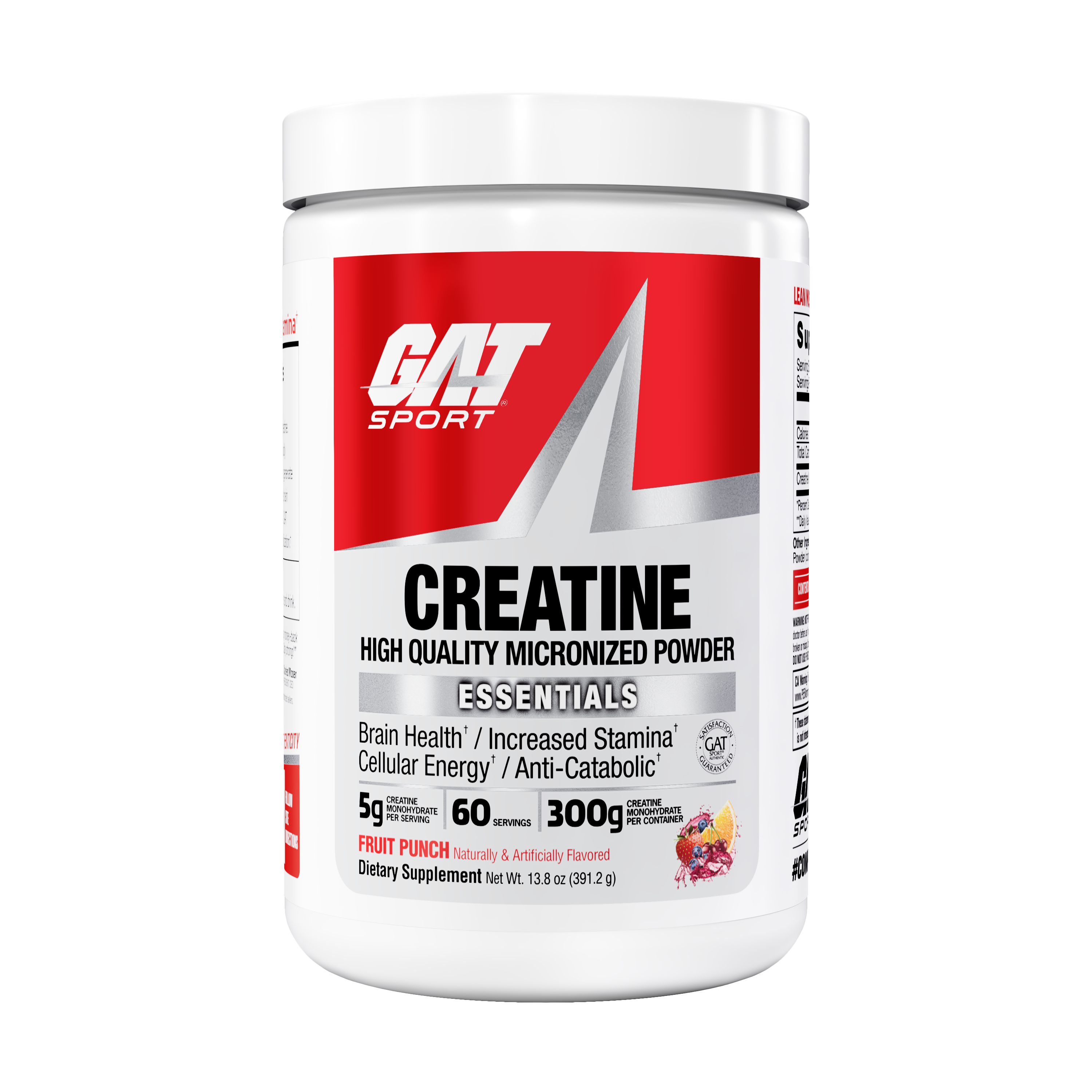
Creatine is the standout for a return to strength. The ISSN position stand on creatine concludes that creatine monohydrate is the most effective ergogenic nutritional supplement available for increasing high-intensity exercise capacity and lean body mass during training [3]. As you rebuild, that supported capacity helps you get more out of every session and supports the lean mass you are working to bring back. Creatine Monohydrate works through daily saturation, so start taking a consistent daily dose from day one of your return and keep it up. It is one of the simplest ways to support the entire rebuild.
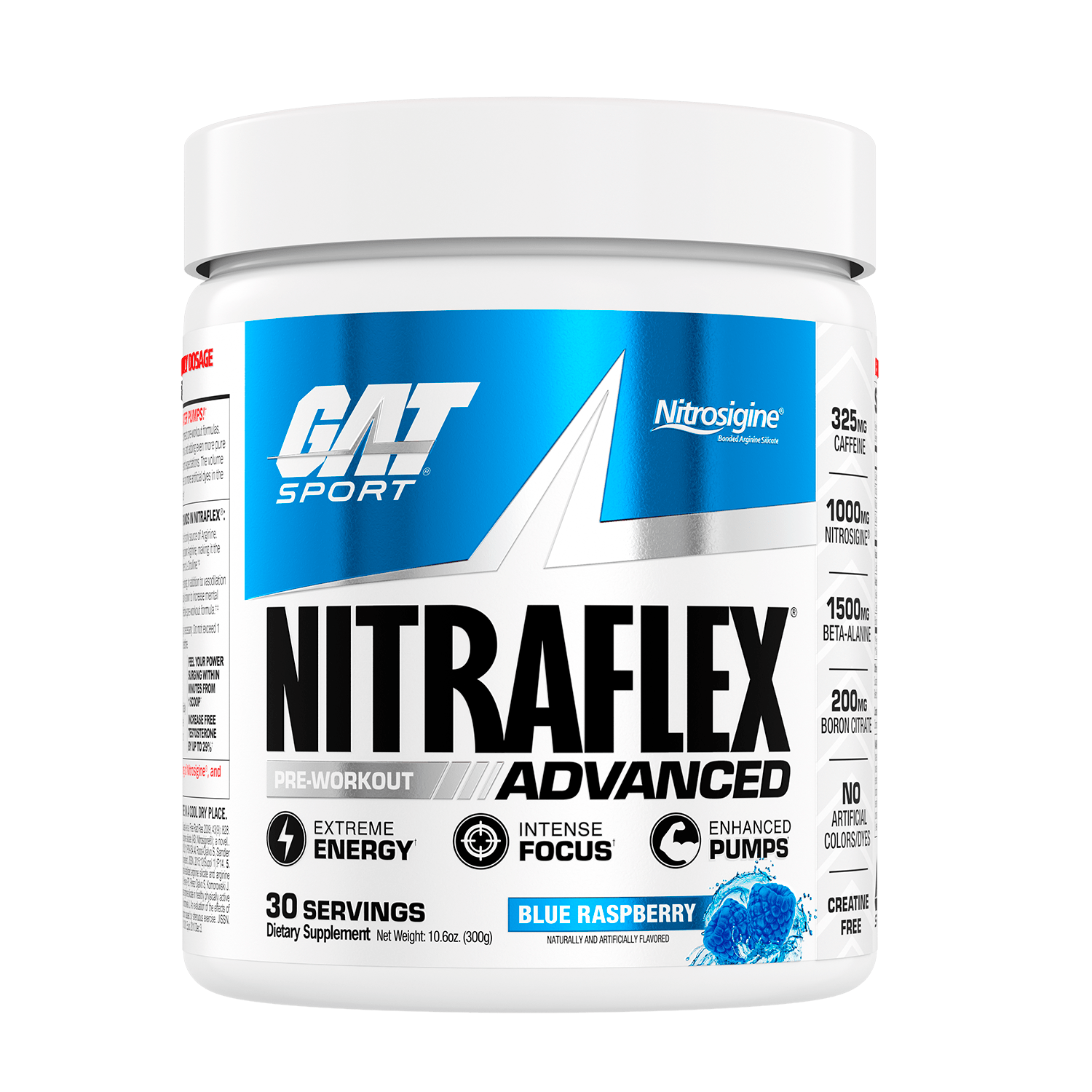
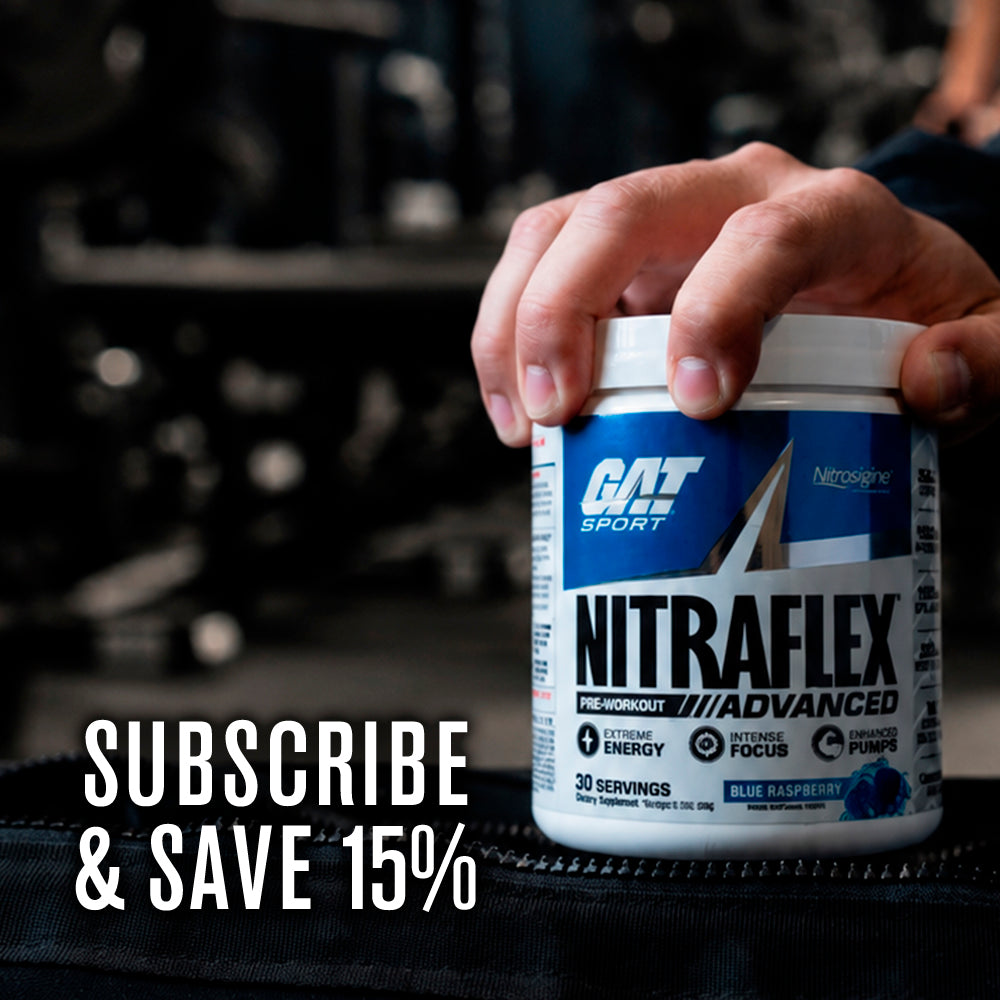
As you progress into the heavier sessions of steps 2 and 3, a focused pre-workout helps you bring real intent to the work. Nitraflex Advanced delivers the energy and focus to attack your heavier comeback sessions, and the ISSN position stand on caffeine confirms that pre-workout supplements containing caffeine enhance both anaerobic and aerobic performance at doses of 3 to 6 milligrams per kilogram of body mass [4]. Use it to pre-load your harder days once you have rebuilt your base, so your returning strength gets expressed with full focus.
Come Back Strong, Not Sore
The lifters who return successfully after a chaotic summer are not the ones who punished themselves with a heroic comeback week. They are the ones who understood that a layoff is recoverable, that muscle memory is on their side, and that a patient, progressive ramp is both safer and faster than an all-out sprint. They rebuilt their base, progressed their load in controlled steps, and returned to full intensity healthy and strong.
You do not need to prove anything in your first week back. You need to rebuild intelligently so that week ten finds you stronger than ever, not sidelined by an avoidable injury. Come back like a professional, and the summer's chaos becomes nothing more than a brief pause.
Use the return-to-training plan to ramp back without setbacks. Then go attack the fall, and compete harder, with GAT Sport at gatsport.com.
Key Takeaways
- After a layoff, ease back with a structured, progressive ramp rather than a brutal heroic comeback week.
- Muscle memory means strength returns fast: research shows lifters regained their pre-layoff max in under eight weeks of retraining.
- Rapid spikes in training load are what drive injury risk, while gradually built loads develop injury resilience.
- Follow a three-step return: rebuild the base with light loads, progress the load steadily, then return to full intensity.
- Support the rebuild with consistent daily creatine and a focused pre-workout on your heavier comeback sessions.
Frequently Asked Questions
How do you get back into training after a break?
Ease back in with a structured, progressive ramp instead of jumping straight to your old weights. Start with reduced loads and volume for a couple of weeks to rebuild your base, then steadily increase the intensity as your body readapts, returning to full intensity after roughly four to six weeks. This protects against injury, since rapid load spikes drive injury risk, while muscle memory ensures your strength returns much faster than it took to build.
How much strength do you lose after time off?
Less than most people fear, and it comes back quickly. Research on detraining shows strength and power are only partially lost during a break, and studies have found lifters can regain their pre-layoff one-rep max in under eight weeks of retraining. Strength is more durable than muscle size, and the muscle memory effect means your comeback is far faster than building from scratch, so a few weeks off is not the disaster it feels like.
Is it bad to go hard on your first workout back?
Yes, that is one of the most common comeback mistakes. After a layoff, your body's tolerance to training load has dropped, so slamming it with your old volume creates exactly the kind of rapid load spike that research links to increased injury risk. Starting light and progressing gradually is both safer and, because it avoids setbacks, ultimately faster. Save the heavy intensity for once you have rebuilt your base.
How long does it take to get back to your old strength?
For most people returning from a layoff of a few weeks to a couple of months, it takes roughly four to eight weeks of progressive retraining to return to previous strength levels, thanks to muscle memory. The exact timeline depends on how long and complete the break was. A structured ramp that rebuilds the base first, then progresses load steadily, is the most reliable way to get there without injury.
Does creatine help when returning to training?
Creatine supports a return to training by increasing your capacity for high-intensity work and supporting lean body mass, both of which help as you rebuild. The ISSN identifies creatine monohydrate as the most effective supplement for increasing exercise capacity and lean mass during training. It works through daily saturation, so starting a consistent daily dose from the beginning of your comeback supports the entire rebuild.
References
- Blocquiaux, Sara, et al. "The Effect of Resistance Training, Detraining and Retraining on Muscle Strength and Power, Myofibre Size, Satellite Cells and Myonuclei in Older Men." Experimental Gerontology, vol. 133, 2020, article 110860, doi:10.1016/j.exger.2020.110860.
- Gabbett, Tim J. "The Training-Injury Prevention Paradox: Should Athletes Be Training Smarter and Harder?" British Journal of Sports Medicine, vol. 50, no. 5, 2016, pp. 273-280, doi:10.1136/bjsports-2015-095788.
- Kreider, Richard B., et al. "International Society of Sports Nutrition Position Stand: Safety and Efficacy of Creatine Supplementation in Exercise, Sport, and Medicine." Journal of the International Society of Sports Nutrition, vol. 14, no. 18, 2017, doi:10.1186/s12970-017-0173-z.
- Guest, Nanci S., et al. "International Society of Sports Nutrition Position Stand: Caffeine and Exercise Performance." Journal of the International Society of Sports Nutrition, vol. 18, no. 1, 2021, article 1, doi:10.1186/s12970-020-00383-4.