


Months of work can be made or wasted in the final seven days. Peak week is a skill, not a guess. You have spent a whole training block building strength, capacity, and confidence for your fall competition, whether that is a powerlifting meet, a HYROX race, or a local throwdown. What you do in the last week decides how much of that work actually shows up on the platform or the course.
And this is exactly where so many athletes get it wrong, in one of two opposite directions. Some cannot let go of the grind, so they train hard right up to the event and arrive fried, carrying fatigue that buries the fitness underneath it. Others panic in the opposite direction, shut everything down for a week, and show up flat, stale, and out of rhythm. Both are guessing. The good news is that the final week does not have to be a guess, because the research on tapering gives you a clear playbook.
How Do You Taper for a Competition?
You taper by cutting your training volume significantly while keeping your intensity and frequency close to normal. Research on competitive athletes shows the most effective approach reduces training volume by roughly 41 to 60 percent over the taper while maintaining intensity, which sheds accumulated fatigue without losing fitness. In practice that means fewer sets and shorter sessions, but the weights stay relatively heavy, and you keep touching your key movements. Pair that with dialed-in fueling and hydration, and you arrive fresh, sharp, and ready to express everything you built.
Here is the full peak-week protocol.
The Science of Showing Up Fresh
One idea explains the entire taper: at any moment, your performance is your fitness minus your fatigue. Hard training builds fitness, but it also builds fatigue that masks it. The purpose of the final week is to strip the fatigue away while holding onto the fitness, so your true ability finally surfaces on the day it counts.
Cut Volume, Keep Intensity
The tapering research is unusually clear about how to do this. A meta-analysis of 27 studies in competitive athletes found that the most effective strategy reduces training volume by 41 to 60 percent while maintaining both training intensity and training frequency, with performance improving meaningfully as a result [1]. Read that carefully, because it contains both instructions. Volume comes down a lot. Intensity does not.
This is why both classic peak-week mistakes fail. The athlete who keeps grinding never sheds the fatigue, so their fitness stays buried. The athlete who stops entirely loses the sharpness and rhythm that regular, reasonably heavy exposure maintains. The taper threads the needle: dramatically less total work, performed at close to normal intensity, so your body recovers while your nervous system stays primed. Notably, the research found that dropping intensity during the taper did not improve performance, while maintaining it did [1].
Fuel and Hydrate Like It Matters
The second half of peak week is what goes in your body. The joint position stand of the American College of Sports Medicine, the Academy of Nutrition and Dietetics, and Dietitians of Canada is direct on this point: performance is enhanced by well-chosen nutrition strategies, including the appropriate type, amount, and timing of food and fluid around competition [2]. For most events, that means emphasizing carbohydrate in the final days to top off the glycogen your muscles will run on, eating familiar foods rather than experimenting, and not attempting a drastic diet change during the most important week of your season.
Hydration deserves the same discipline. The ACSM fluid replacement position stand recommends starting exercise well hydrated and replacing fluids and sodium lost to sweat [3]. Arriving at a competition even mildly dehydrated is a self-inflicted handicap. Drink consistently across peak week, include electrolytes if you are sweating in training or the venue will be hot, and never treat competition morning as the time to catch up. One honest caution: if your sport involves making a weight class, aggressive dehydration tactics carry real performance and health costs, so weight cuts should be planned with a qualified coach, not improvised during peak week.
The Peak-Week Protocol
Here is a practical day-by-day structure for a Saturday competition. Shift the days to match your event date and adapt the movements to your sport: main lifts for a powerlifting meet, race-pace touches for Hyrox or a fitness competition.
Seven to Five Days Out: The Last Real Work
Early in the week, take your final moderate session. Hit your key movements at close to normal weights but cut your usual sets roughly in half. For a lifter, that might mean working up to a heavy but crisp top set on the main lifts, well short of failure, then stopping. For a Hyrox or fitness athlete, a shortened session touching your race movements at intensity, without the full volume. Everything should feel strong and controlled. Nothing this week should leave you sore or wrecked.
Four to Three Days Out: Sharpen, Do Not Build
Volume drops further. Short sessions, a handful of quality sets at moderate-to-heavy loads, staying far from failure. The purpose now is purely neurological: keeping the movement patterns crisp and your body familiar with load, not building anything. Begin emphasizing carbohydrate at meals from about three days out, keep protein steady, and keep your hydration consistent [2, 3]. Sleep becomes a priority item this week, not an afterthought.
Two Days Out: Prime
One brief, light session. Think of it as a rehearsal: warm up fully, take a few easy-to-moderate reps on your competition movements, feel fast and snappy, and leave wanting more. Fifteen to thirty minutes is plenty. Some athletes prefer full rest here; if that is you and it has worked before, keep it. Peak week is not the time to change what works.
One Day Out: Rest and Set Up
No training beyond light movement or an easy walk. Eat familiar, carbohydrate-forward meals, hydrate steadily, and handle logistics so competition morning is calm: gear packed, timeline planned, food and fluids ready. The work is done. The best thing you can do now is nothing strenuous.
Competition Day: Execute
Wake early enough to eat a familiar pre-competition meal, drink fluids as normal, and warm up the way you have all block. Then trust the taper. The freshness you feel is not lost fitness; it is your fitness finally unmasked.
Fueling the Final Week and the Day
A few well-chosen supplements support the taper and the performance it sets up.
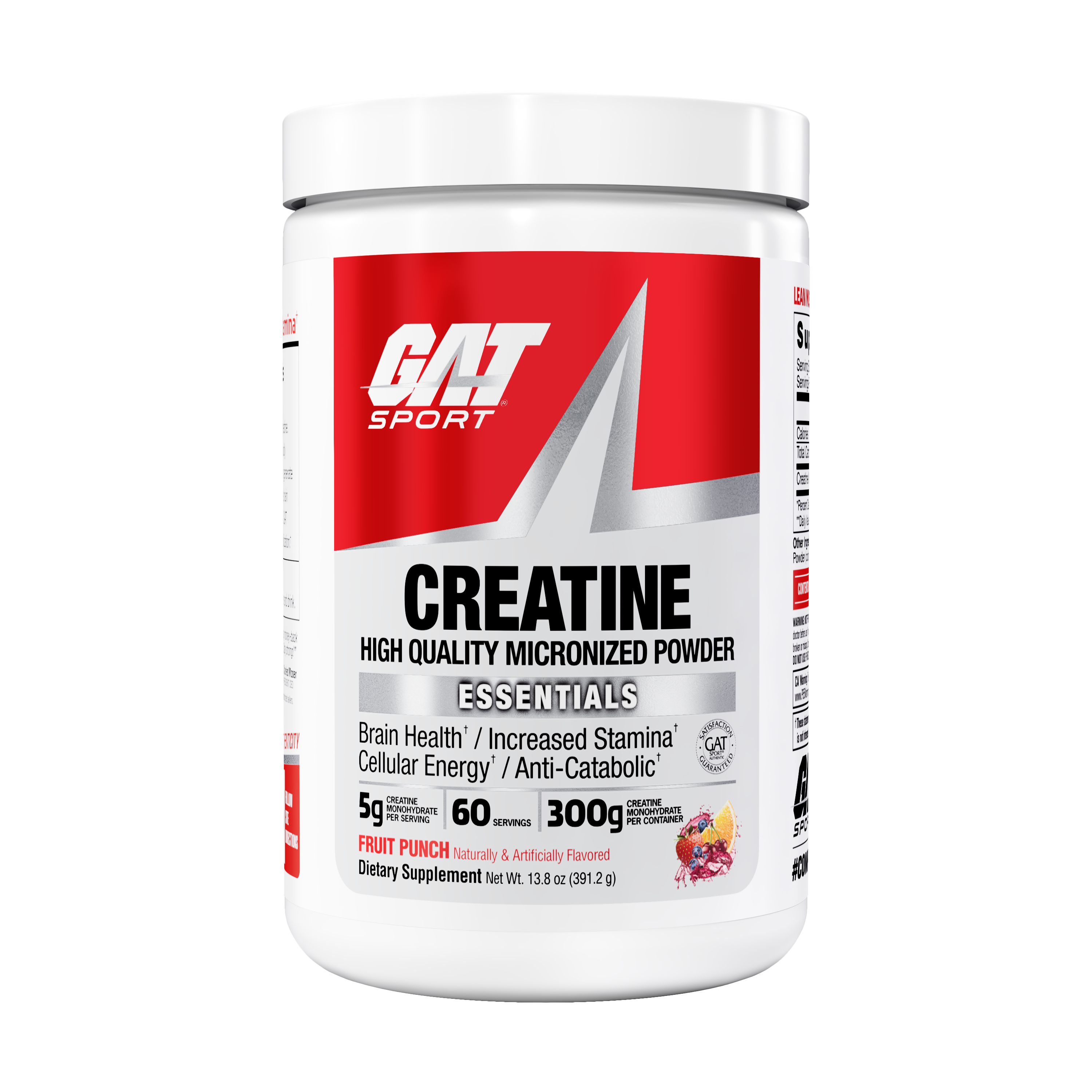
Keep your creatine exactly as it is. The ISSN position stand identifies creatine monohydrate as the most effective ergogenic nutritional supplement available for increasing high-intensity exercise capacity [4], and because it works through daily saturation, peak week is the worst possible time to stop. Creatine Monohydrate stays in the routine every day through competition, no changes.
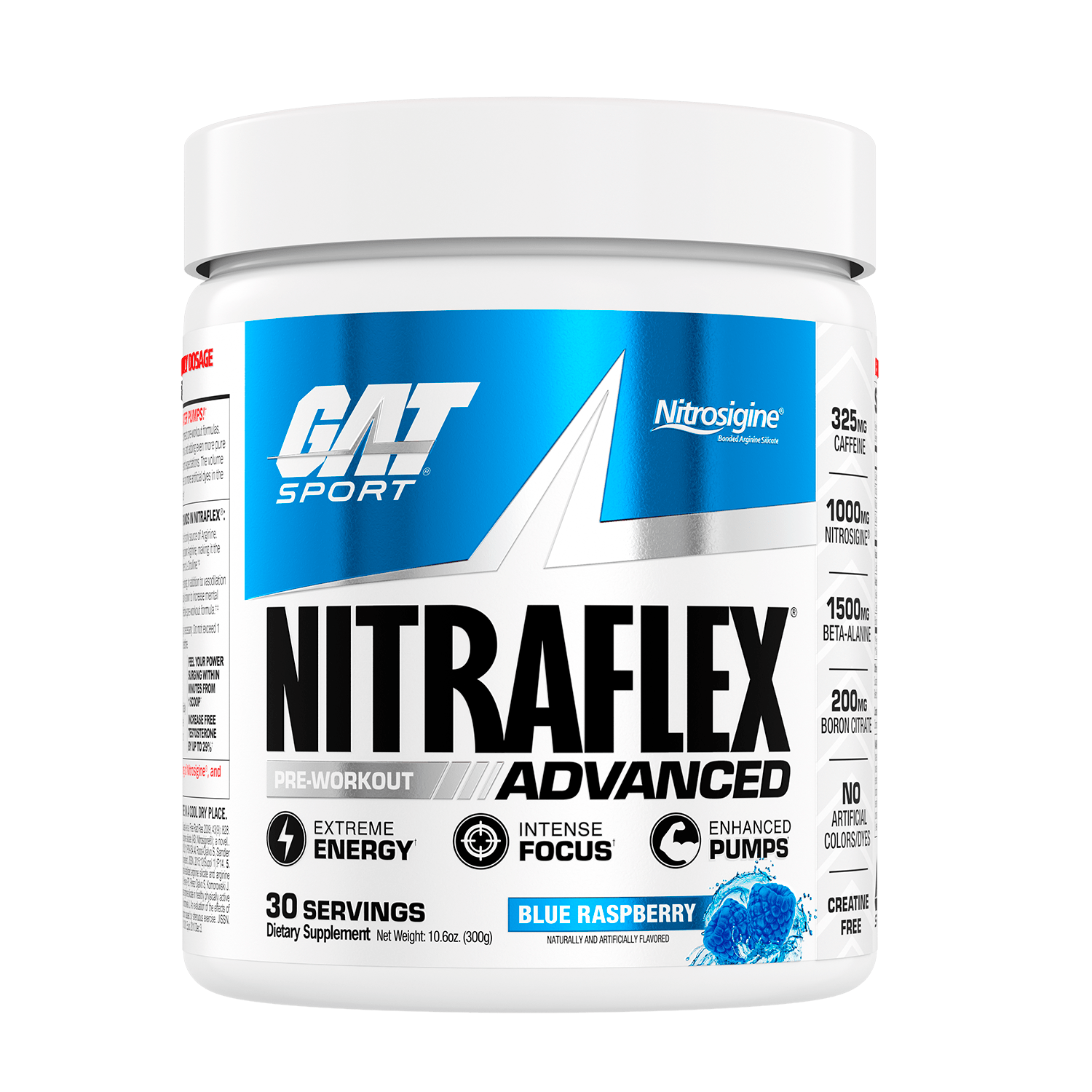
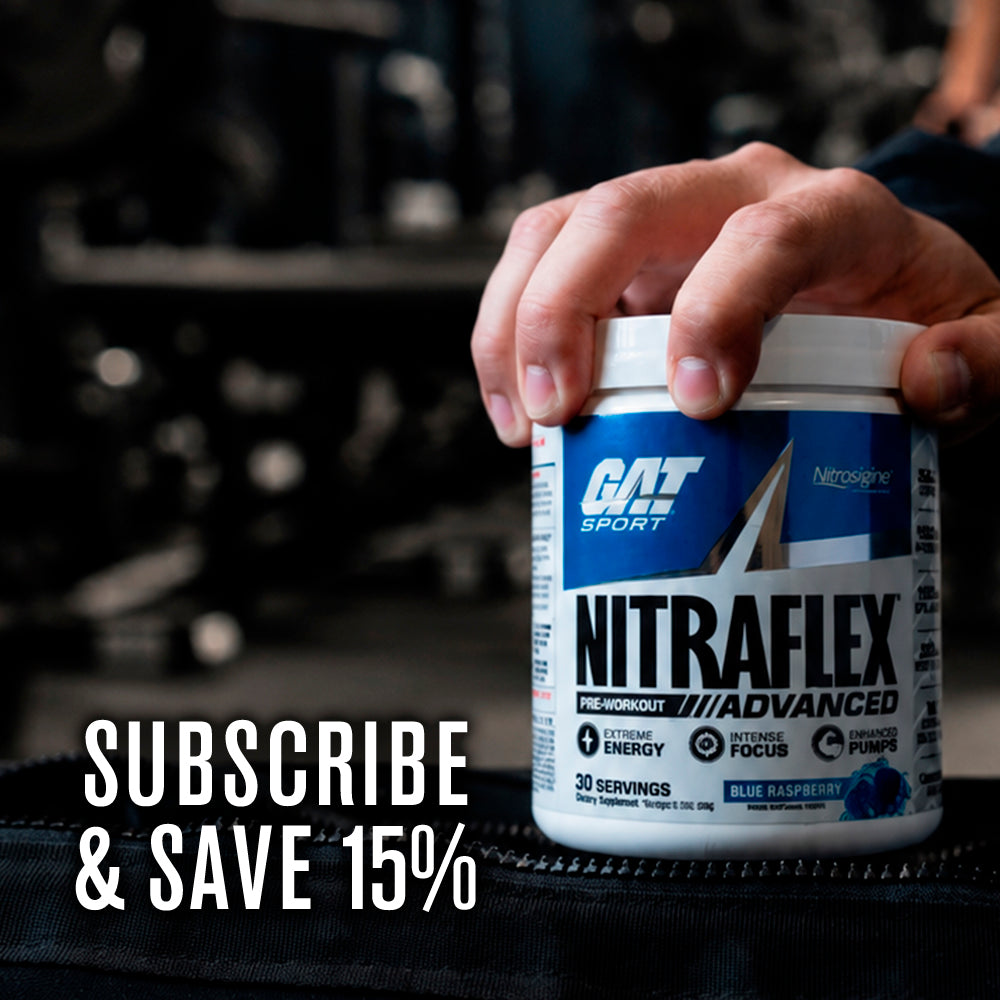
For your remaining training sessions, Nitraflex Advanced covers the pre-workout role it has all block, delivering the energy and focus for those short, sharp taper sessions. Caffeine remains the most reliable performance ingredient available, with the ISSN confirming benefits for both anaerobic and aerobic performance at 3 to 6 milligrams per kilogram of body mass [4, 5]. On competition day itself, that same evidence supports a sensible pre-event dose, timed 30 to 60 minutes before you compete, at the level you have already practiced with in training. Nothing new on game day.
One more thing matters enormously if your sport drug-tests. Many federations and events, including powerlifting federations and tested divisions, hold athletes strictly liable for what is in their system. This is exactly what Nitraflex Sport is for: it is Informed Sport certified, meaning every batch is tested for banned substances, giving tested athletes a pre-workout they can use with confidence through training and into competition. If you compete in a tested sport, make the certified product your default and remove that worry entirely.
Arrive Ready, Not Ruined
Peak week rewards restraint and punishes improvisation. Cut your volume roughly in half or more, hold your intensity, keep touching your key movements, fuel with carbohydrate and familiar foods, hydrate consistently, protect your sleep, and change nothing new on competition day. That is the entire skill, and it is the difference between expressing the strength you built and leaving it buried under fatigue or staleness.
You did the months of work. Spend the last seven days making sure it shows.
Follow the peak-week protocol and arrive ready to compete. Then go take what you trained for, and compete harder, with GAT Sport at gatsport.com.
Key Takeaways
- Performance equals fitness minus fatigue; the taper strips fatigue while preserving fitness so your ability surfaces on the day.
- Research supports cutting training volume 41 to 60 percent while maintaining intensity and frequency over the taper.
- Emphasize carbohydrate and familiar foods in the final days and hydrate consistently with attention to electrolytes.
- Keep daily creatine unchanged through peak week and never try anything new on competition day.
- Tested athletes should use an Informed Sport certified pre-workout like Nitraflex Sport for banned-substance confidence.
Frequently Asked Questions
How do you taper for a competition?
Cut your training volume significantly, by roughly 41 to 60 percent, while keeping your intensity and frequency close to normal. Research in competitive athletes shows this combination sheds accumulated fatigue without losing fitness, which is what allows performance to peak. In practice: fewer sets and shorter sessions across the final one to two weeks, with weights staying relatively heavy and regular light touches on your key movements.
How long should a taper last?
The research points to around two weeks as the most effective duration for a full taper, though shorter tapers of about a week also work well, particularly for strength events where a single peak week is common practice. The longer and harder your training block, the more accumulated fatigue you carry and the more useful a longer taper becomes. For most fall competitions, a focused final week with reduced volume is a practical minimum.
Should you lift heavy the week of a meet?
You should still touch relatively heavy weights, but in very small doses. Maintaining intensity is a key finding of the tapering research, because it keeps your nervous system primed and your movements sharp. What changes is volume: a few crisp sets well short of failure early in the week, tapering to a brief priming session a couple of days out. Grinding heavy sessions all week buries you in fatigue.
What should you eat the week before a competition?
Emphasize carbohydrate in the final few days to top off the muscle glycogen your event will run on, keep protein steady, and stick to familiar foods rather than experimenting. Position-stand guidance from the ACSM and Academy of Nutrition and Dietetics supports well-planned fueling and fluid intake around competition. Hydrate consistently across the week with attention to electrolytes and never treat competition morning as the time to catch up.
Should you take pre-workout on competition day?
If you have used it in training, yes, at your practiced dose, timed roughly 30 to 60 minutes before you compete. Caffeine reliably supports both anaerobic and aerobic performance at 3 to 6 milligrams per kilogram of body mass. The rule is to change nothing new on game day. If you compete in a drug-tested sport, use a third-party certified option like an Informed Sport certified pre-workout so every batch is verified free of banned substances.
References
- Bosquet, Laurent, et al. "Effects of Tapering on Performance: A Meta-Analysis." Medicine and Science in Sports and Exercise, vol. 39, no. 8, 2007, pp. 1358-1365, doi:10.1249/mss.0b013e31806010e0.
- Thomas, D. Travis, et al. "Position of the Academy of Nutrition and Dietetics, Dietitians of Canada, and the American College of Sports Medicine: Nutrition and Athletic Performance." Medicine and Science in Sports and Exercise, vol. 48, no. 3, 2016, pp. 543-568, doi:10.1249/MSS.0000000000000852.
- Sawka, Michael N., et al. "American College of Sports Medicine Position Stand: Exercise and Fluid Replacement." Medicine and Science in Sports and Exercise, vol. 39, no. 2, 2007, pp. 377-390, doi:10.1249/mss.0b013e31802ca597.
- Kreider, Richard B., et al. "International Society of Sports Nutrition Position Stand: Safety and Efficacy of Creatine Supplementation in Exercise, Sport, and Medicine." Journal of the International Society of Sports Nutrition, vol. 14, no. 18, 2017, doi:10.1186/s12970-017-0173-z.
- Guest, Nanci S., et al. "International Society of Sports Nutrition Position Stand: Caffeine and Exercise Performance." Journal of the International Society of Sports Nutrition, vol. 18, no. 1, 2021, article 1, doi:10.1186/s12970-020-00383-4.