

Labor Day is named after work. Honoring it with one focused session is more on-brand than the cookout, and it sets the tone for the entire fall. There is something fitting about marking a holiday built around labor with a bout of the productive, honest work you do in the gym. And beyond the symbolism, that single session does something valuable: it keeps your momentum rolling into the most productive training season of the year.
Here is the trap that long weekends set. The routine gets disrupted, the schedule fills with cookouts and travel and family, and training quietly falls off the calendar. The problem is rarely the one missed session itself; it is what that skipped session does to your momentum. One skipped workout becomes a skipped week, the skipped week becomes a broken habit, and suddenly the fall you meant to attack starts with you already behind. The fix is simple: a short, complete session that keeps the streak alive without eating your holiday.
What Is a Good Quick Full-Body Workout?
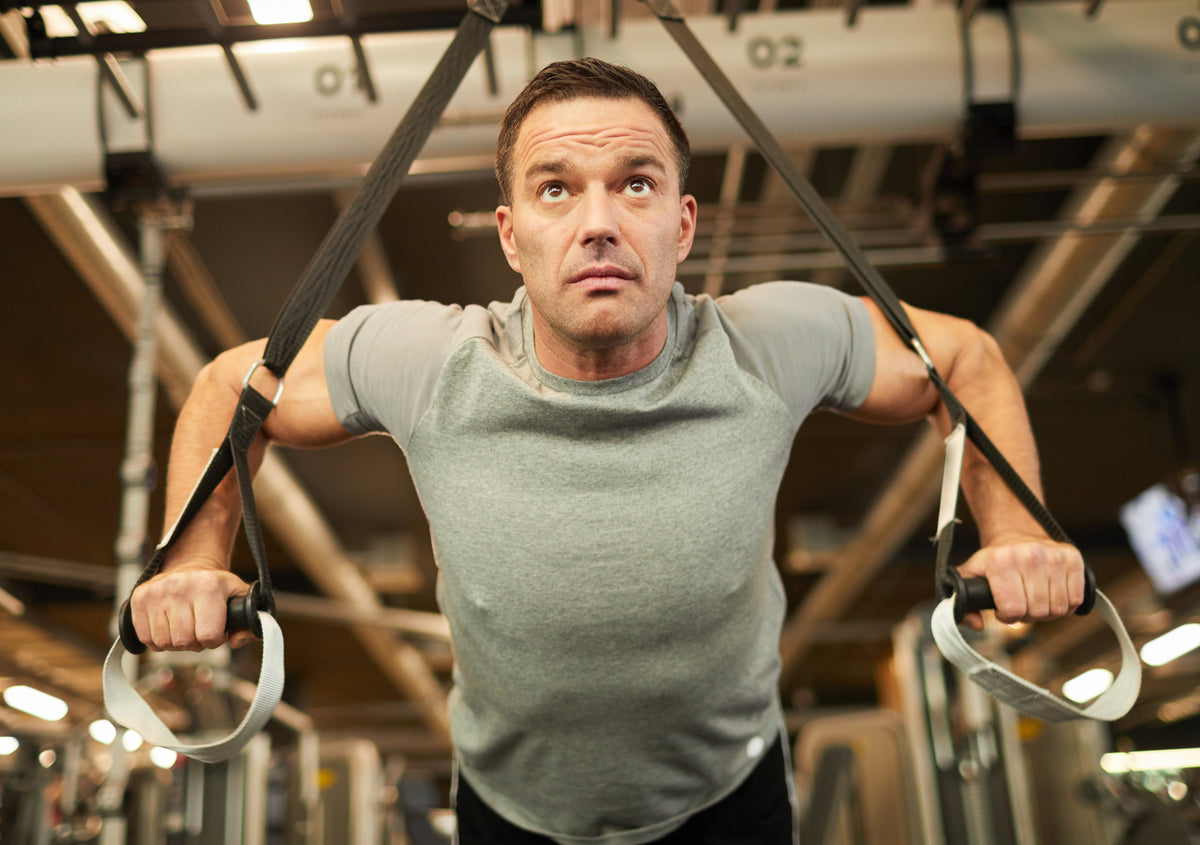
A good quick full-body workout hits all the major movement patterns, a squat, a hinge, a push, a pull, in a handful of compound exercises, done in 30 to 45 minutes. Because it trains the whole body at once, a single well-structured full-body session delivers a real training stimulus and keeps your momentum intact, even when your schedule is disrupted. You do not need a long or complicated workout to stay on track; you need an efficient one that covers the essentials. Here is exactly how to build and run it.
Why One Session Matters More Than You Think
Skipping a single workout will not undo your progress. But the decision to train or skip on a disrupted day is rarely just about that one session; it is about protecting the habit and momentum that drive your long-term results.
Consistency Is the Engine of Progress
Your results come from the accumulation of consistent training over months and years, which means protecting your consistency is one of the most important things you can do. Research on behavior change shows that building exercise into an automatic, cue-triggered habit meaningfully improves how consistently people stay active [1]. Every time you honor your commitment to train, even with a short session on an inconvenient day, you reinforce that habit. Every time you skip when it is merely inconvenient, you weaken it. The Labor Day session is not really about one workout; it is about keeping the identity of someone who trains consistently intact through a disruption.
One Good Session Delivers Real Stimulus
Here is the reassuring science for busy days: a single, well-structured full-body session does real work. Research on training frequency shows that when total weekly training volume is equated, training a muscle less frequently produces strength gains similar to spreading that work across more sessions [2]. In other words, what matters most is the total quality work you accumulate, not rigidly hitting a certain number of sessions. A focused full-body workout that trains everything at once is a legitimate, effective way to get your work in when a normal split will not fit.
And even if the holiday weekend does force a short break in your routine, the science of detraining is on your side. Strength and muscle are only partially lost during brief interruptions and return rapidly [3]. So, there is genuinely no need to stress or overcompensate. A single quality session keeps you rolling, and even a short gap is easily recovered. That takes the pressure off and makes the smart choice, a quick focused workout, feel as reasonable as it actually is.
The No-Excuses Labor Day Session
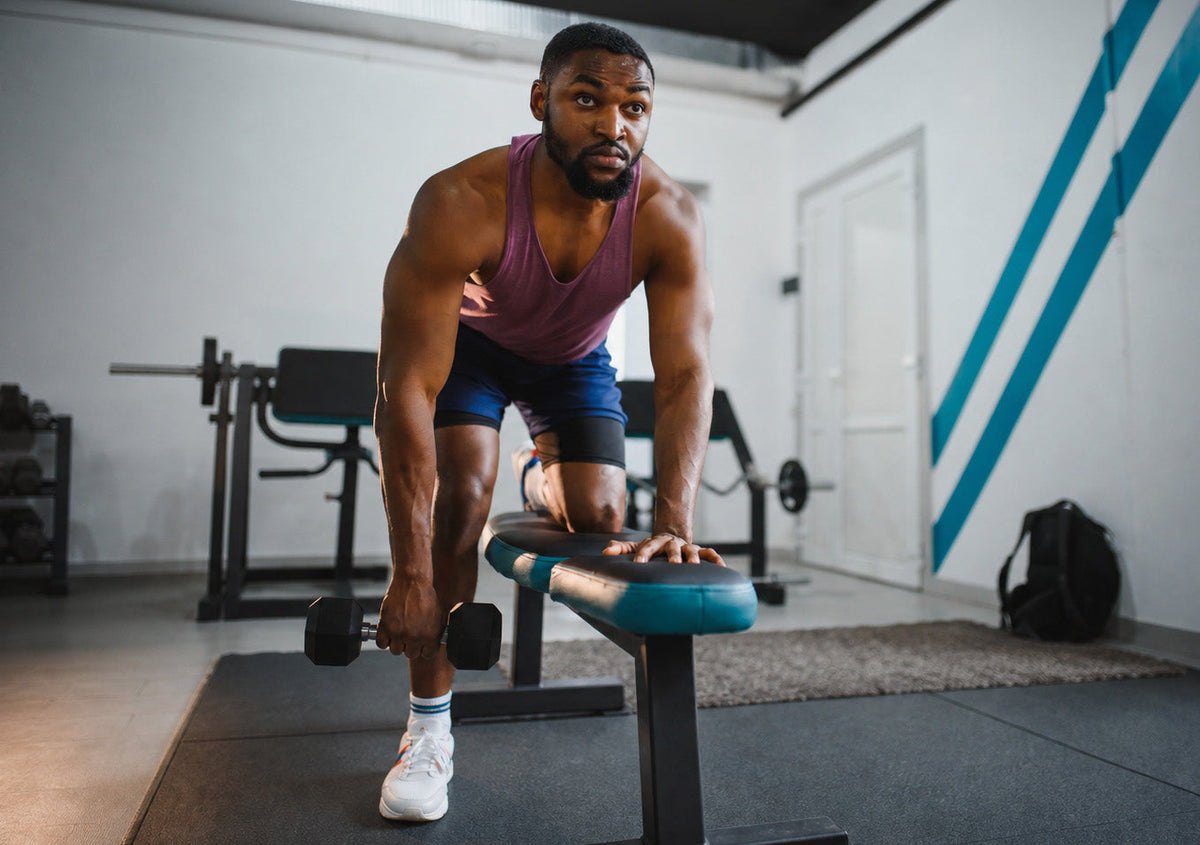
Here is a complete full-body workout you can finish in 30 to 45 minutes. It covers every major movement pattern with efficient compound lifts, so you train your whole body and get on with your holiday. Adjust the specific exercises to the equipment you have.
The Warm-Up (5 minutes)
Do not skip this even when short on time. Five minutes of easy cardio to raise your temperature, followed by a few dynamic movements like leg swings, arm circles, and bodyweight squats, prepares your body to train hard and safely.
The Main Session
Perform the following as a circuit or as straight sets, resting 60 to 90 seconds between sets. Aim for 3 sets of each, choosing a load that makes the target reps challenging.
- Squat pattern (goblet squat, back squat, or front squat): 3 sets of 8 to 10 reps. Trains the quads, glutes, and core.
- Hinge pattern (Romanian deadlift or kettlebell swing): 3 sets of 8 to 12 reps. Trains the hamstrings, glutes, and posterior chain.
- Push pattern (overhead press, push-up, or bench press): 3 sets of 8 to 12 reps. Trains the chest, shoulders, and triceps.
- Pull pattern (pull-up, dumbbell row, or cable row): 3 sets of 8 to 12 reps. Trains the back and biceps.
That is it. Four movements covering your whole body, plus an optional finisher if you have the time and energy, a set or two of carries, planks, or curls. In well under an hour, you have delivered a complete training stimulus.
The Cool-Down (3 to 5 minutes)
A few minutes of light stretching for the muscles you trained helps you transition out of the session and back into your day.
Fuel the Session, Keep the Streak
The right support makes showing up on a holiday easier and the session more productive.
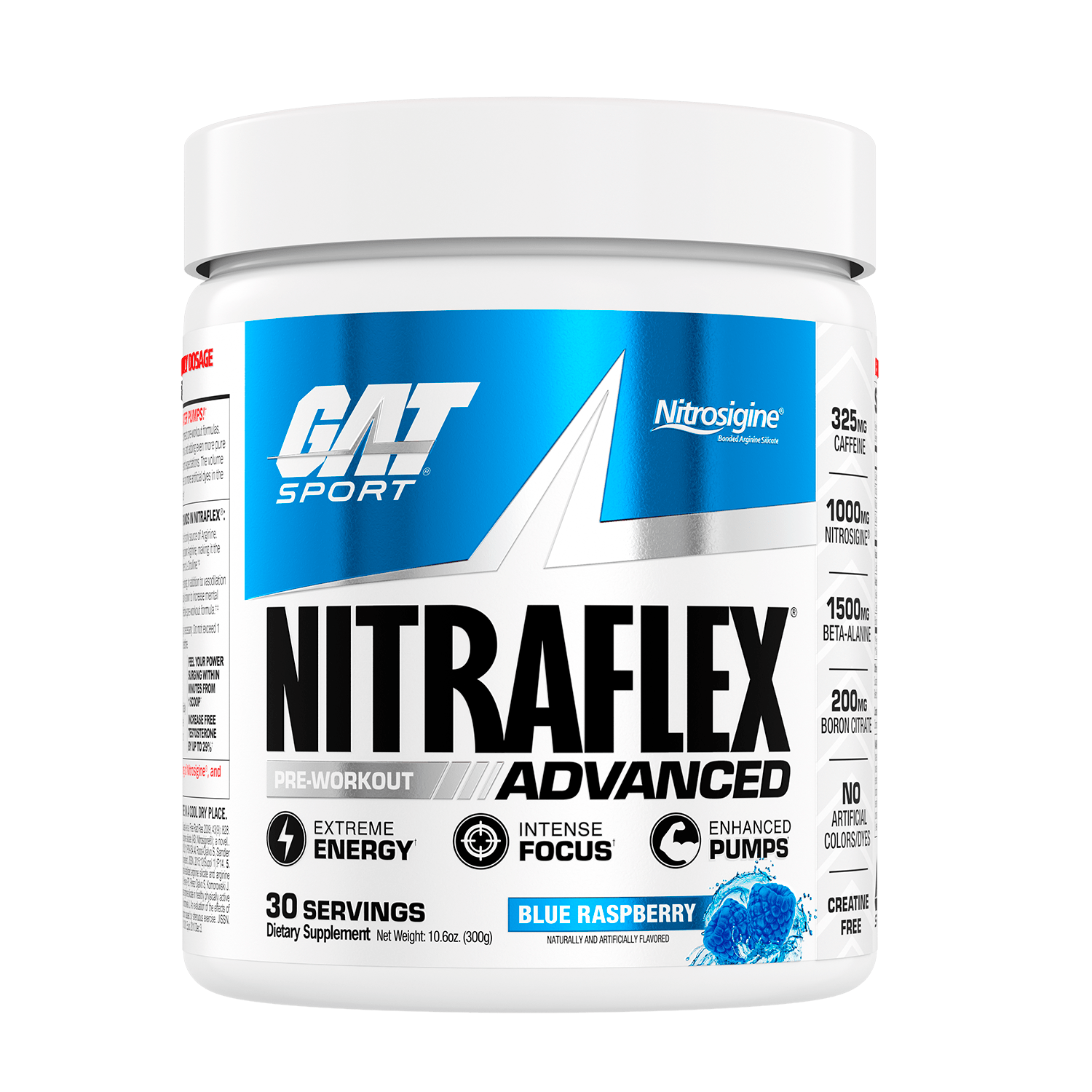
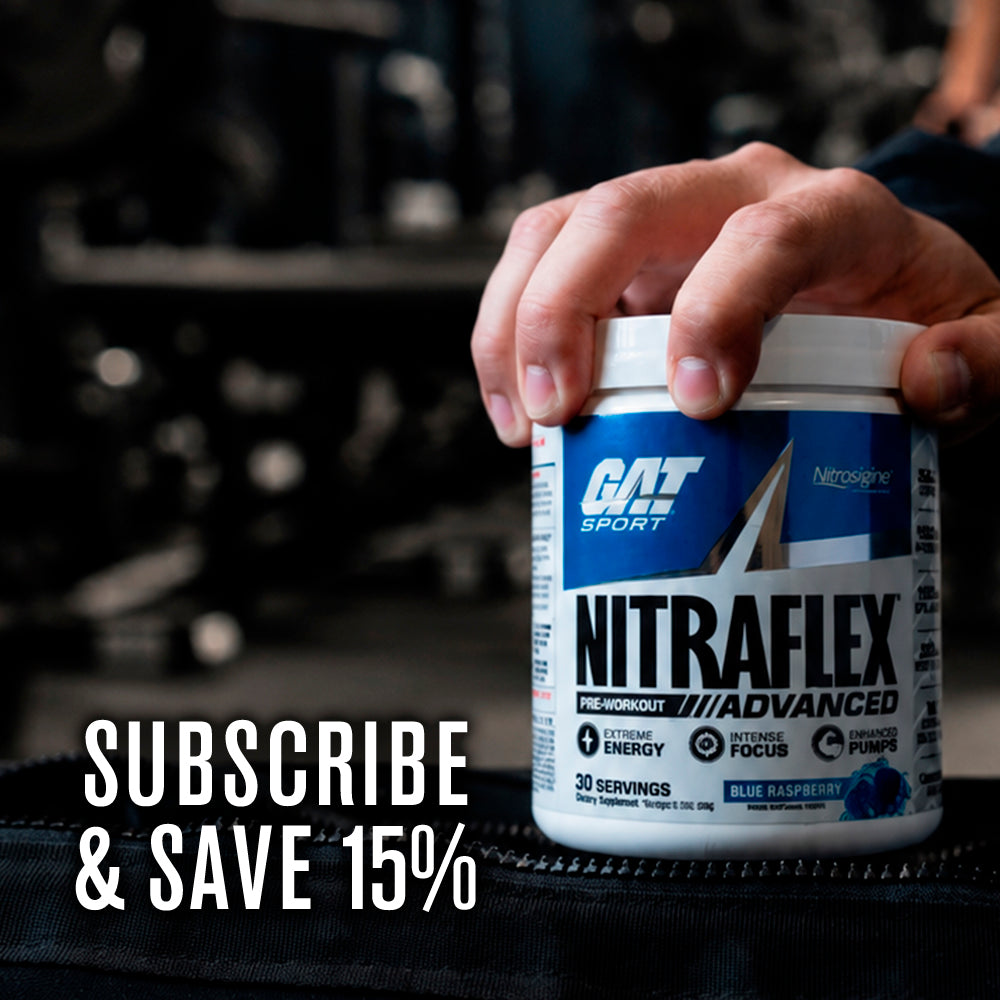
For a focused holiday session, especially when you would rather be relaxing, Nitraflex Advanced delivers the energy and drive to get it done with real intent rather than going through the motions. The ISSN position stand on caffeine confirms that pre-workout supplements containing caffeine enhance both anaerobic and aerobic performance at doses of 3 to 6 milligrams per kilogram of body mass [4]. A scoop before your Labor Day workout is often exactly the nudge that turns an intention into a completed session.
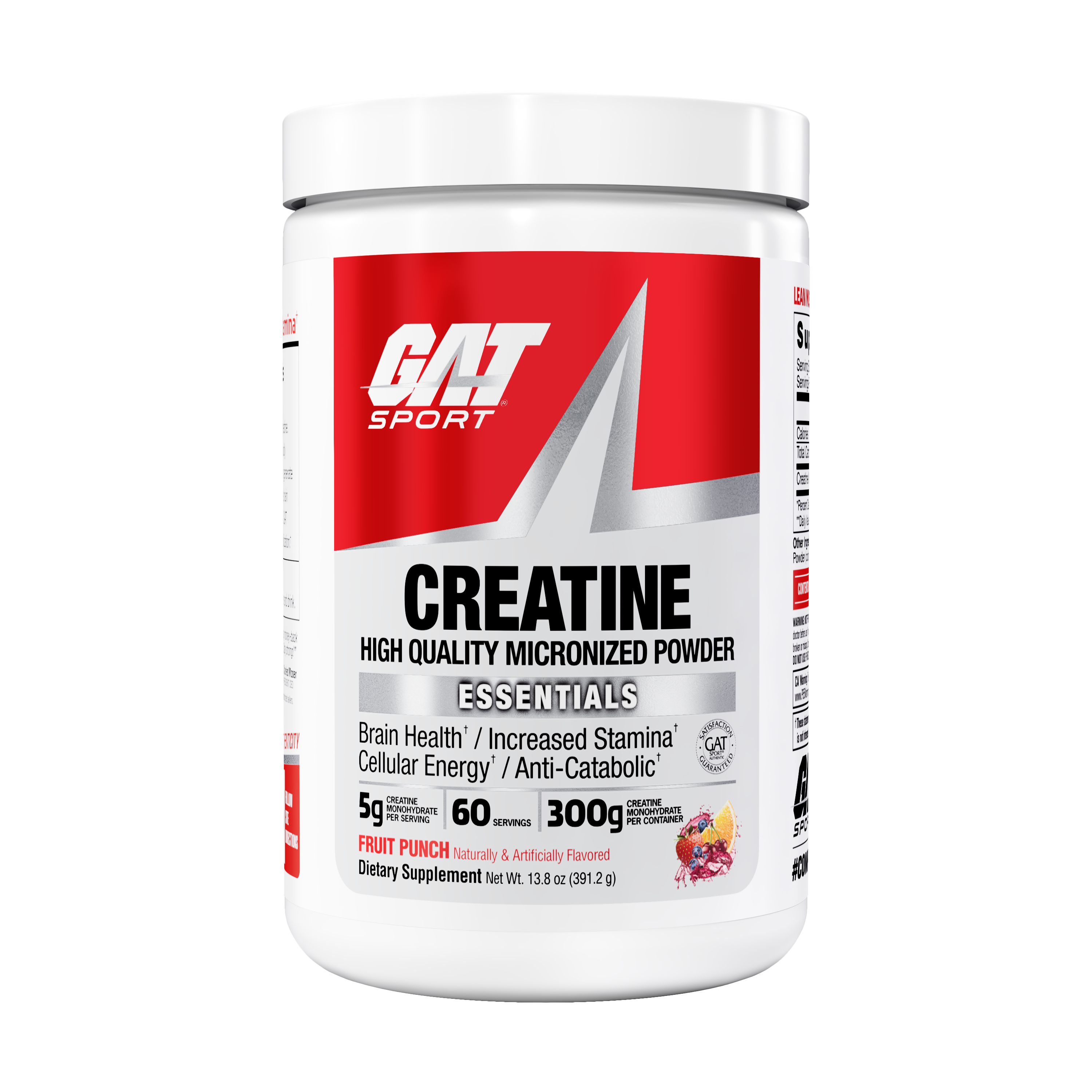
And no matter how your training week looks, keep creatine consistent. The ISSN position stand on creatine concludes that creatine monohydrate is the most effective ergogenic nutritional supplement available for increasing high-intensity exercise capacity and lean body mass during training [5]. Creatine Monohydrate works through daily saturation, which means consistency matters more than timing, so take your daily dose on the holiday just like any other day. Keeping it steady through disrupted weekends is exactly how you maintain the saturation that supports your training.
Honor the Day With Work
Long weekends do not have to cost you your momentum. The lifters who arrive at fall already rolling are the ones who protected their consistency through the disruptions, and a holiday is just another disruption you can handle with a smart, short session. You do not have to choose between your training and your holiday. Thirty to forty-five minutes of focused work leaves the whole rest of the day for the cookout, the family, and the relaxation, with your streak and your momentum fully intact.
Labor Day honors work. Honor it with yours, then go enjoy the day knowing you kept your fall on track.
Save the Labor Day session and keep your fall momentum intact. Then go compete harder all season long with GAT Sport at gatsport.com.
Key Takeaways
- A short, complete full-body session protects your training momentum through a holiday disruption without eating your day.
- Consistency drives long-term results, and honoring the habit through disruptions keeps it intact.
- When weekly volume is equated, less frequent training still delivers comparable strength gains, so one good session counts.
- A quick full-body workout hits the squat, hinge, push, and pull patterns in four compound lifts in 30 to 45 minutes.
- Fuel the session with a focused pre-workout and keep creatine consistent daily, even on the holiday.
Frequently Asked Questions
What is a good quick full-body workout?
A good quick full-body workout covers all the major movement patterns, a squat, a hinge, a push, and a pull, using a handful of compound exercises done in 30 to 45 minutes. For example: goblet squats, Romanian deadlifts, overhead presses, and rows, three sets each. Because it trains the whole body at once, it delivers a real training stimulus efficiently, making it ideal for busy or disrupted days when a longer split will not fit.
Is one full-body workout a week enough?
It depends on your goals, but one quality full-body session is far better than nothing and delivers a genuine training stimulus. Research shows that when total weekly volume is equated, lower training frequencies produce strength gains similar to higher frequencies. For maintaining momentum and progress through a busy stretch, a well-structured full-body workout is an effective and legitimate approach, though more sessions generally allow more total weekly volume.
Should you work out on a holiday?
If it helps protect your routine and momentum, yes, a short session is worthwhile, though rest days are also valuable. The main benefit of training on a disruptive holiday is preserving the consistency and habit that drive long-term results, since one skipped session can easily snowball into a lost week. A quick 30 to 45 minute full-body workout lets you stay on track while still enjoying most of your day.
Will skipping a few workouts ruin my progress?
No. Research on detraining shows that strength and muscle are only partially lost during brief interruptions and return quickly once you resume. A missed session or two will not undo your progress. The bigger risk is habit erosion, where one skip leads to another. That is why a short holiday session is valuable, not because one workout is make-or-break, but because it keeps your momentum going.
How long should a full-body workout take?
An efficient full-body workout can be completed in 30 to 45 minutes. By focusing on a few compound exercises that each train multiple muscle groups, you cover your whole body without needing a long session. Include a brief warm-up and cool-down, keep your rest periods reasonable at 60 to 90 seconds, and you get a complete, effective training stimulus in under an hour.
References
- Feng, Yiyang, et al. "Effects of Habit Formation Interventions on Physical Activity Habit Strength: Meta-Analysis and Meta-Regression." International Journal of Behavioral Nutrition and Physical Activity, vol. 20, no. 1, 2023, article 109, doi:10.1186/s12966-023-01493-3.
- Grgic, Jozo, et al. "Effect of Resistance Training Frequency on Gains in Muscular Strength: A Systematic Review and Meta-Analysis." Sports Medicine, vol. 48, no. 5, 2018, pp. 1207-1220, doi:10.1007/s40279-018-0872-x.
- Blocquiaux, Sara, et al. "The Effect of Resistance Training, Detraining and Retraining on Muscle Strength and Power, Myofibre Size, Satellite Cells and Myonuclei in Older Men." Experimental Gerontology, vol. 133, 2020, article 110860, doi:10.1016/j.exger.2020.110860.
- Guest, Nanci S., et al. "International Society of Sports Nutrition Position Stand: Caffeine and Exercise Performance." Journal of the International Society of Sports Nutrition, vol. 18, no. 1, 2021, article 1, doi:10.1186/s12970-020-00383-4.
- Kreider, Richard B., et al. "International Society of Sports Nutrition Position Stand: Safety and Efficacy of Creatine Supplementation in Exercise, Sport, and Medicine." Journal of the International Society of Sports Nutrition, vol. 14, no. 18, 2017, doi:10.1186/s12970-017-0173-z.