
The barbell is not a therapist.
Nobody should tell you otherwise, and this article will not. What the barbell turns out to be, according to a genuinely surprising body of randomized research, is one of the most reliable mood supports a stressed human being can schedule. And that matters right now, in October, because this is the season when her calendar fills, the daylight shrinks, work compresses toward year-end, and the first thing she cuts to cope is the exact hour that was quietly holding her together.
That trade deserves a second look. When life gets heavy, training feels optional, the responsible thing to sacrifice. The research argues the opposite: the gym hour is not a luxury spent on herself but infrastructure, load-bearing, and pulling it out mid-stress-season is like removing a support beam during a storm. Before this quarter takes its bite, it is worth knowing what the trials actually found.
Does Strength Training Help with Anxiety and Depression?
Yes. Randomized controlled trials show resistance training meaningfully reduces symptoms of depression and anxiety, in people with and without diagnosed conditions, and the effects do not depend on how strong you get. Training complements professional mental health care and never replaces it, but as a self-directed support for a stressful season, lifting has unusually strong evidence behind it.
What the Trials Actually Found
Depression: 33 Randomized Trials
Start with the largest synthesis. A meta-analysis of 33 randomized controlled trials in JAMA Psychiatry found that resistance exercise training significantly reduced depressive symptoms among adults, and here is the striking part, the benefit held regardless of participants' health status, the total volume of training prescribed, or whether they actually got significantly stronger [1]. Read that again. The mood benefit did not require becoming strong. It required showing up and lifting.
Newer evidence sharpens the picture further. A 2024 network meta-analysis in The BMJ, comparing exercise types across trials in people with depression, identified strength training among the most effective exercise modalities studied, alongside walking, jogging, and yoga, and found exercise well tolerated as part of care [2]. In plain terms: of all the ways researchers have tested moving your body for your mood, lifting sits near the top of the list.
Anxiety: The Trials Were Mostly Women
The anxiety research deserves particular attention from this article's reader, because she is who it studied. A meta-analysis of resistance training trials for anxiety covered 922 participants, 68 percent of them women, and found training significantly improved anxiety symptoms in both healthy participants and those with an illness, with effects that did not differ by sex [3]. The calm she may have noticed walking out of the gym is not imagined and not a fringe benefit reserved for someone else. It is one of the most consistent findings in this literature, measured mostly in women like her.
The Widest Lens
Zoom all the way out and the picture holds. An umbrella review spanning 97 systematic reviews, more than a thousand trials, found physical activity produced medium-sized improvements in depression, anxiety, and psychological distress across adult populations [4]. Effects of that size, that consistent, across that much evidence, are rare in any field.
One sentence in this article matters more than the rest, so here it is plainly. Training complements professional mental health care; it never replaces it, and none of this research says otherwise. If she is struggling, the strongest move is reaching out to a doctor, a therapist, or someone she trusts, and the training can stand alongside whatever support she builds. Strong people ask for help.
Protecting the Hour That Protects Her
Knowing the evidence is one thing. Keeping the sessions alive through a brutal stretch of calendar is another, and the strategy is smaller than she thinks.
Two to three full-body sessions per week, 30 to 40 minutes, built on a handful of compound lifts, is enough to keep the streak and the benefit alive through the worst of the season. Notably, the depression research found benefits did not depend on training volume [1], which means the shortened, imperfect Tuesday session still counts, fully. The goal for the next three months is not a training peak. It is unbroken presence: sessions booked like meetings, kept like promises, sized to fit the week she is actually having.
Around the sessions, recovery is what keeps a stressed body absorbing training instead of just enduring it, and a simple evening routine is where the next section earns its place.
The Recovery Routine She Keeps
A stressful quarter is a recovery problem as much as a training problem, and a few basics support the physical side of that equation.
Magnesium is the anchor, and the reasoning is nutritional, not magical. Magnesium is involved in processes central to how her body handles training, including muscle function, oxygen uptake, energy production, and electrolyte balance, and research shows marginal magnesium deficiency impairs exercise performance while strenuous training increases magnesium losses through sweat and urine, raising requirements by an estimated 10 to 20 percent [5]. Many active people simply do not get enough. That is the gap Pro Magnesium exists to close: a daily evening habit supporting normal muscle function and the recovery side of a demanding season. On sleep, honesty serves her better than hype: observational research links better magnesium status with better sleep quality, while randomized trials remain inconclusive [6], so consider the sleep connection promising rather than proven, and let the mineral's job be what the evidence supports, covering an intake her training raises the need for.
The Other Half of the Evening Stack
GAT Sport Omega-3 Purified Fish Oil sits alongside the magnesium for a different reason entirely: it is a fatty-acid foundation rather than a mineral, covering everyday recovery from another angle. Research in athletes reports some evidence that omega-3 supplementation aids recovery from muscle-damaging exercise [7], the kind of hard sessions a compressed schedule tends to produce, and most diets run short of these fats. Two capsules with dinner, next to the magnesium, and the evening routine is done in ten seconds.
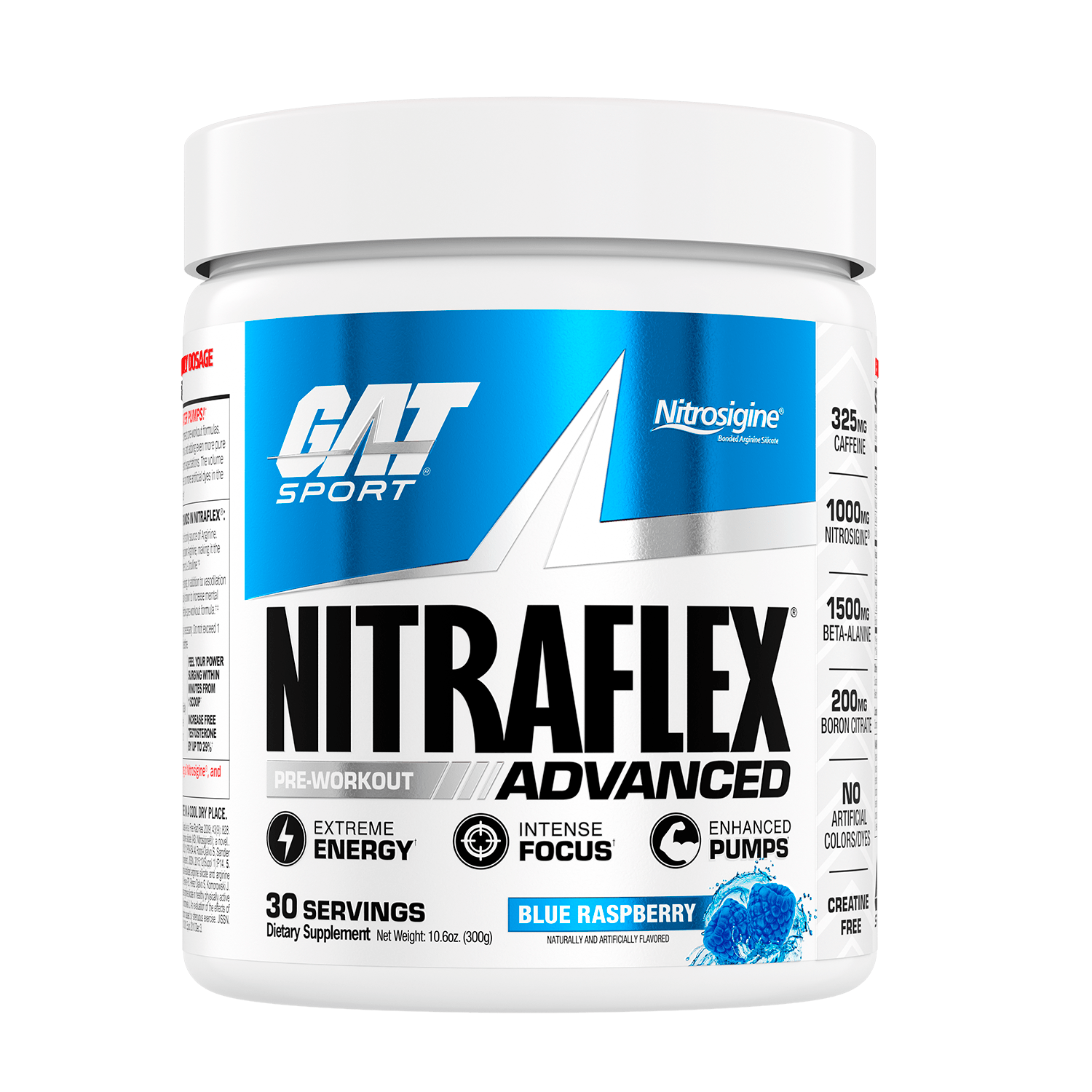
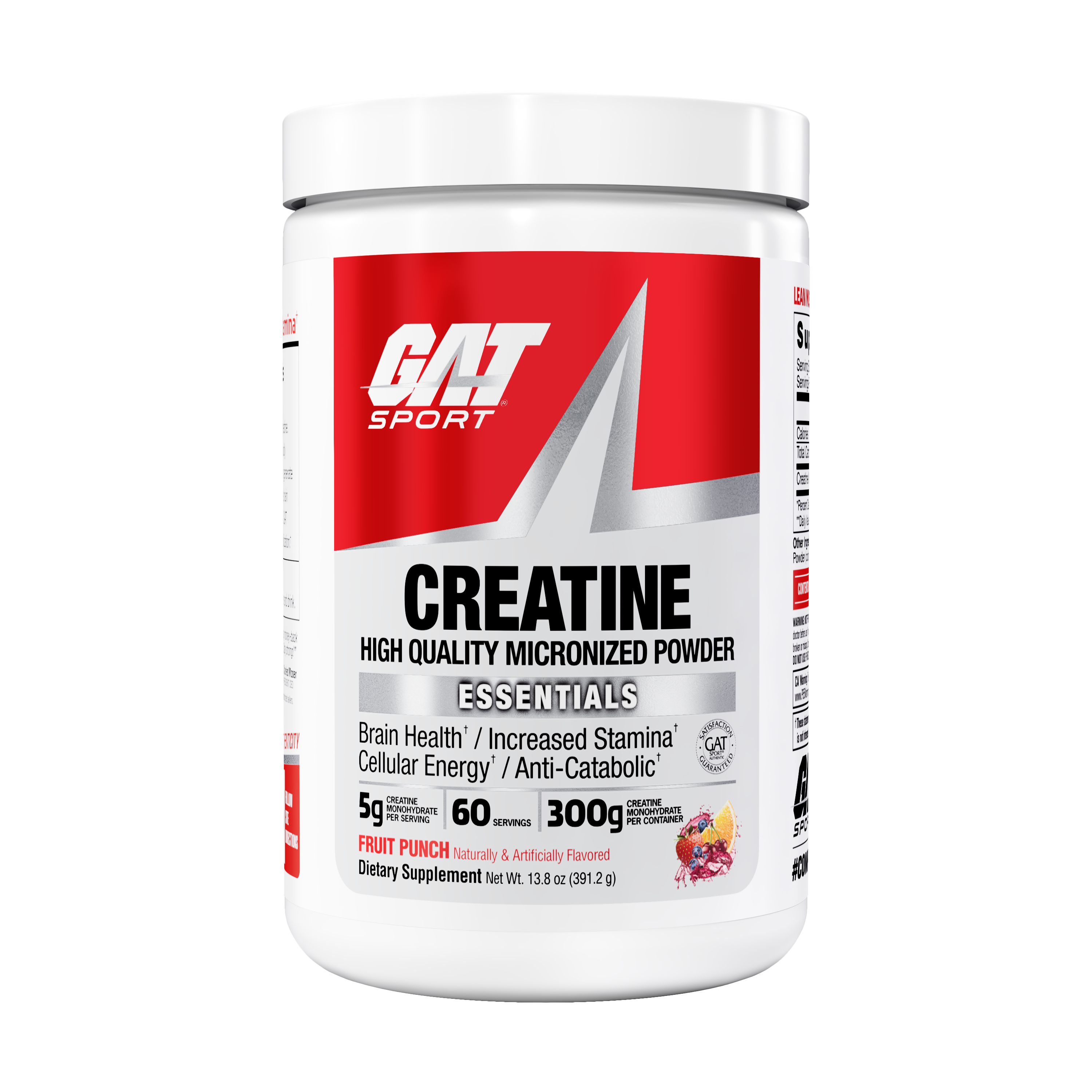
For the training itself, one steady constant: 3 to 5 grams of Creatine Monohydrate daily supports the high-intensity work at the center of her sessions [8], every day, through every week of the season.
Keep the Beam in Place
None of this makes the gym a substitute for anything. It makes the gym what the trials say it is: a measurable, repeatable support for her mood and her stress, sitting quietly inside an hour she already knows how to spend. The mistake of the season is treating that hour as the expendable one.
Protect the sessions that protect you. Book three this week, and build your recovery routine with GAT Sport Pro Magnesium, at gatsport.com.
Key Takeaways
- Across 33 randomized trials, resistance training significantly reduced depressive symptoms, regardless of health status, training volume, or strength gains.
- Anxiety trials, with participants who were 68 percent women, found training improved symptoms in healthy and clinical populations alike, with no difference by sex.
- A 2024 BMJ network meta-analysis ranked strength training among the most effective exercise types studied for depression.
- Training complements professional mental health care and never replaces it; anyone struggling should reach out for support.
- Protect two to three short full-body sessions weekly through stress season and keep a simple evening recovery routine of magnesium and omega-3s.
Frequently Asked Questions
Can lifting weights improve your mental health?
Randomized controlled trials say yes. Meta-analyses covering dozens of trials show resistance training significantly reduces symptoms of depression and anxiety in adults, both with and without diagnosed conditions, and a 2024 network meta-analysis found strength training among the most effective exercise types studied for depression. Training works as a complement to professional care, never a replacement, and the benefits do not require getting dramatically stronger.
Does strength training help with anxiety?
Yes. A meta-analysis of randomized trials, in which 68 percent of participants were women, found resistance training significantly improved anxiety symptoms among both healthy people and those with a physical or mental illness, and the improvement did not differ by sex. The effect showed up across different program lengths and intensities, suggesting the consistency of training matters more than any specific formula.
How much exercise do you need for mood benefits?
Less than most people assume. The depression meta-analysis found benefits did not depend on the total volume of training prescribed, meaning shorter programs delivered meaningful effects. Two to three full-body sessions of 30 to 40 minutes per week is a realistic, evidence-consistent target for a stressful season, and a shortened session still counts. Consistency across the weeks matters more than the size of any single workout.
Is exercise a substitute for therapy or medication?
No. The research shows training is a meaningful support for mood and stress, and exercise is increasingly recognized as a valuable part of care, but it complements professional treatment rather than replacing it. Anyone struggling with their mental health should reach out to a doctor, a therapist, or someone they trust. Training can stand alongside that support, and asking for help is a strength, not a failure.
Does magnesium help with sleep and recovery?
The recovery case is the solid one: magnesium supports muscle function and energy production, marginal deficiency impairs exercise performance, and hard training increases magnesium losses, raising needs by an estimated 10 to 20 percent. On sleep, observational studies link better magnesium status to better sleep quality, but randomized trials are inconclusive, so treat that connection as promising rather than proven while covering the intake your training demands.
References
- Gordon, Brett R., et al. "Association of Efficacy of Resistance Exercise Training with Depressive Symptoms: Meta-Analysis and Meta-Regression Analysis of Randomized Clinical Trials." JAMA Psychiatry, vol. 75, no. 6, 2018, pp. 566-576, doi:10.1001/jamapsychiatry.2018.0572.
- Noetel, Michael, et al. "Effect of Exercise for Depression: Systematic Review and Network Meta-Analysis of Randomised Controlled Trials." BMJ, vol. 384, 2024, article e075847, doi:10.1136/bmj-2023-075847.
- Gordon, Brett R., et al. "The Effects of Resistance Exercise Training on Anxiety: A Meta-Analysis and Meta-Regression Analysis of Randomized Controlled Trials." Sports Medicine, vol. 47, no. 12, 2017, pp. 2521-2532, doi:10.1007/s40279-017-0769-0.
- Singh, Ben, et al. "Effectiveness of Physical Activity Interventions for Improving Depression, Anxiety and Distress: An Overview of Systematic Reviews." British Journal of Sports Medicine, vol. 57, no. 18, 2023, pp. 1203-1209, doi:10.1136/bjsports-2022-106195.
- Nielsen, Forrest H., and Henry C. Lukaski. "Update on the Relationship between Magnesium and Exercise." Magnesium Research, vol. 19, no. 3, 2006, pp. 180-189.
- Arab, Arman, et al. "The Role of Magnesium in Sleep Health: A Systematic Review of Available Literature." Biological Trace Element Research, vol. 201, no. 1, 2023, pp. 121-128, doi:10.1007/s12011-022-03162-1.
- Philpott, Jordan D., et al. "Applications of Omega-3 Polyunsaturated Fatty Acid Supplementation for Sport Performance." Research in Sports Medicine, vol. 27, no. 2, 2019, pp. 219-237, doi:10.1080/15438627.2018.1550401.
- Kreider, Richard B., et al. "International Society of Sports Nutrition Position Stand: Safety and Efficacy of Creatine Supplementation in Exercise, Sport, and Medicine." Journal of the International Society of Sports Nutrition, vol. 14, 2017, article 18, doi:10.1186/s12970-017-0173-z.