



Most lifters treat October 1 as the start of the wind-down. The calendar says Q4, the ads say holidays, and the whole category quietly signals that real training resumes in January. Your body does not read any of that. Your body only knows whether the work kept showing up.
That is the problem with how this industry, and most of the lifters in it, handles the end of the year. The last ninety days get written off in advance. October gets distracted, November drifts, December surrenders, and January becomes a rebuilding project, spent buying back strength that was already paid for once. This is the FINISH STRONG position, stated plainly: the last ninety days of the year are a training block, not a holding pattern. Over the next three months we will walk it in three chapters. TRAIN HARD builds the block. STAY STRONG carries it through the holiday gauntlet. FINISH STRONG closes the year with something to show. This is chapter one.
Why Do the Last 90 Days of the Year Matter for Your Training?
The last 90 days decide whether you enter January stronger or starting over. Stopping training costs strength in proportion to how long the break runs, while even reduced training preserves nearly everything if intensity stays in the plan. Treat October through December as a 13-week block with a defined outcome, and the year compounds instead of resetting.
The Evidence: Stopping Is Expensive, Maintaining Is Cheap
Two findings from the detraining research frame the entire quarter, and together they remove both the fear and the excuse.
The Cost of Stopping Grows With the Break
Training cessation is not one price; it is a meter that runs. A meta-analysis of 103 studies found that stopping resistance training degrades every component of muscular performance, submaximal strength, maximal force, and maximal power, and that the losses grow with the duration of the layoff [1]. The classic detraining literature adds the timeline: breaks shorter than about four weeks cause limited strength loss, with strength generally well maintained across that window [2]. Read those together and the picture is clear. A rough week in November will not undo your year. Writing off the whole quarter absolutely will.
Maintenance Costs Less Than You Think
Here is the finding that should change how you plan the holidays. A review of minimal-dose research concluded that strength and muscle size can be maintained on dramatically reduced training, in some populations with as little as one session per week at a fraction of normal volume, provided one variable is protected: intensity [3]. Volume can flex with your schedule. The weight on the bar is the non-negotiable. That means the busiest week of December can still be a successful training week, as long as the sessions that happen are real ones.
And when time allows more than maintenance, structure multiplies the return: a meta-analysis found periodized training tends to produce greater maximal strength gains than non-periodized training [4]. Which is exactly why the quarter should be built as a block.
The Solution: A 13-Week Block, Not a Holding Pattern
October 1 to December 31 is thirteen weeks. Give it a defined outcome, a lift target, a rep milestone, a body composition marker for New Year's Day, and work backward. Structure it simply: build through October while the calendar is clean, hold through the holiday weeks by keeping intensity while volume flexes, and close hard in December. Plan for disruption before it arrives. Decide now what your minimum week looks like, two focused sessions, main lifts, heavy and crisp, so that when travel and family land on the schedule, you drop to the planned minimum instead of dropping to zero. The research above is the reassurance: the minimum, executed with intensity, holds the line [2, 3].
Anchoring the Block: The Finish Strong Stack
A thirteen-week commitment deserves fueling that matches it, and each piece has a distinct job.
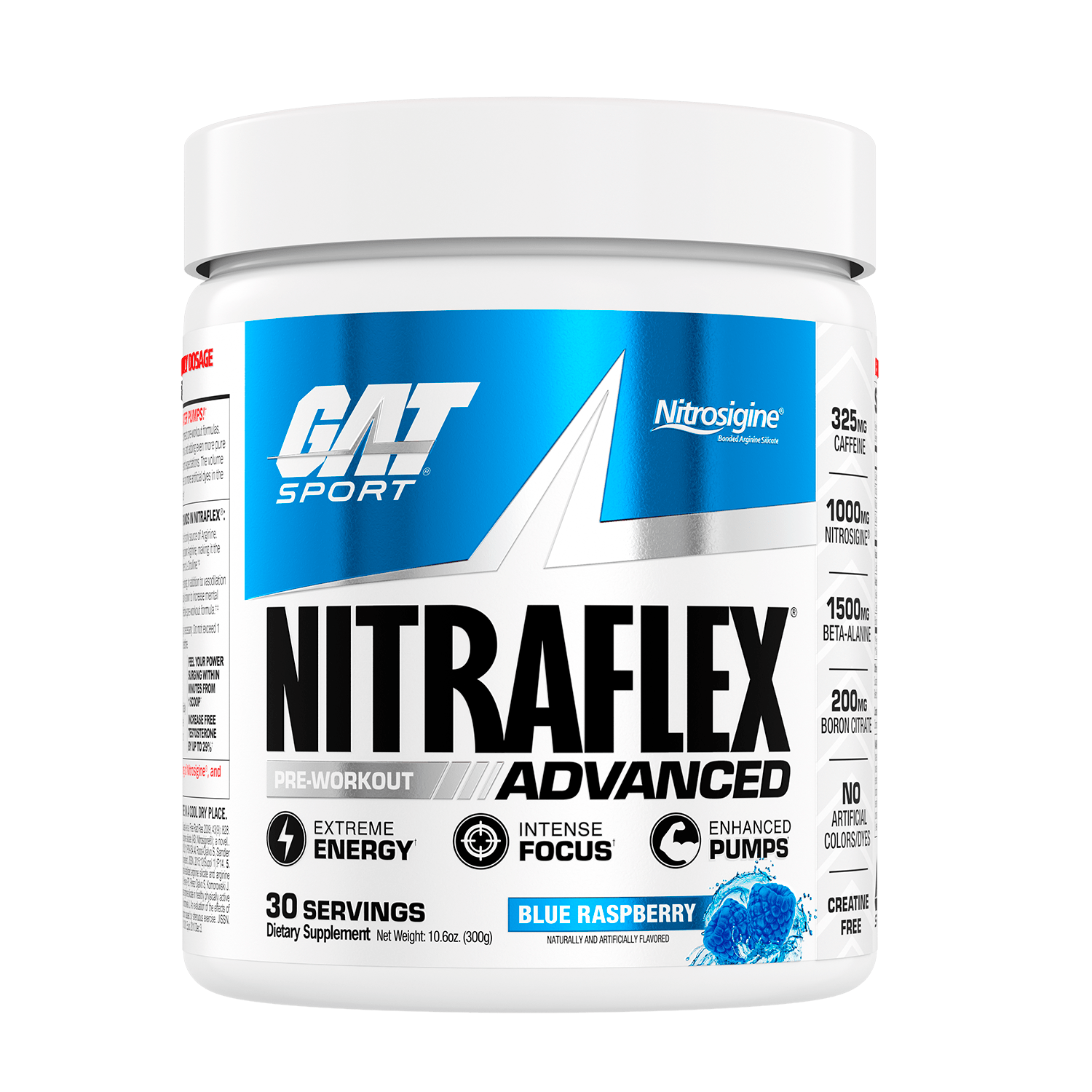
Nitraflex Advanced: The Session Anchor
Heavy sessions carry this block, and Nitraflex Advanced is built to anchor them. Each scoop delivers 325 mg of caffeine alongside a 3,700 mg vasoactive complex of L-Citrulline, Nitrosigine, resveratrol, and pterostilbene for blood flow and pumps, a 2,621 mg energy, focus, and endurance complex including beta-alanine, L-tyrosine, DMAE, and L-theanine, and 200 mg of boron citrate. The caffeine dose is the workhorse: the ISSN position stand confirms caffeine enhances both anaerobic and aerobic performance at 3 to 6 milligrams per kilogram of body mass, and 325 mg sits squarely in that effective range for most lifters [5]. Follow the label: take it within 30 minutes of training, one scoop maximum per day, and never within five hours of bedtime, because this block also runs on sleep.
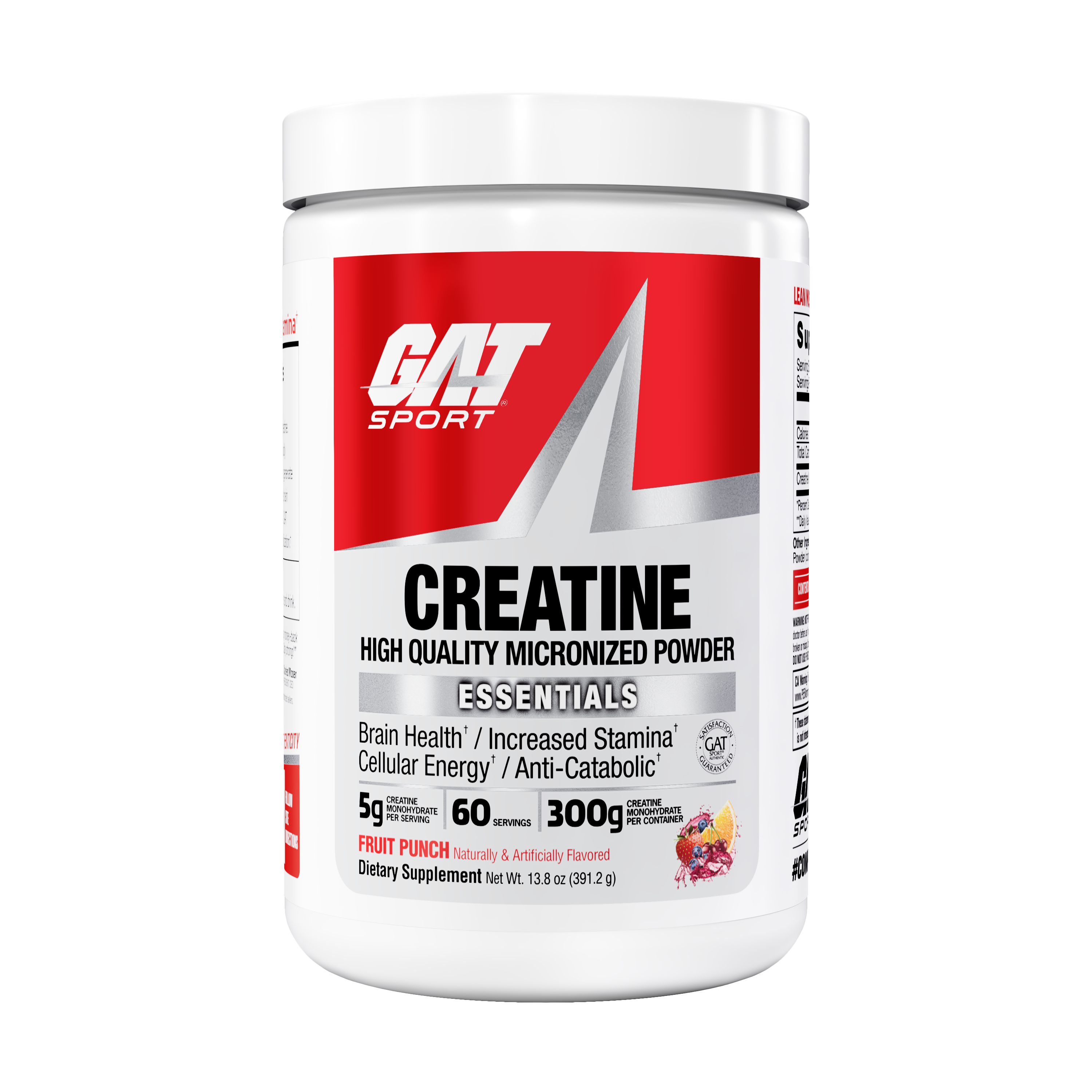
Creatine Monohydrate: The Daily Constant
If the pre-workout anchors sessions, creatine anchors the quarter, and the two do different jobs rather than competing. Caffeine is acute; it shows up for a session. Creatine is chronic; it works by saturating your muscles' stores through daily use, which is why the ISSN position stand names creatine monohydrate the most effective ergogenic nutritional supplement available for increasing high-intensity exercise capacity and lean body mass during training [6]. The dose is simple and safe for long-term daily use: 3 to 5 grams every day, training days and rest days, holidays included [7]. It is the cheapest, best-proven insurance that the block compounds, and stopping it mid-quarter drains the very saturation that makes it work. Make it as automatic as brushing your teeth.
Flexx EAAs: The Fallback for Broken Days
The quarter will hand you days when meals fall apart, airports, parties, deadlines, and protein is usually the first casualty. Most exercising adults do well at 1.4 to 2.0 grams of protein per kilogram per day [8], and on the days whole food cannot get you there, Flexx EAAs cover the gap, supplying the essential amino acids that drive muscle protein synthesis when a real meal is not an option [9]. One tool, one job: protect the recovery on the days the schedule breaks.
The Block Starts Now
Ninety days from now, two kinds of lifters will walk into January. One spent the quarter maintaining a story about being too busy and will spend winter rebuilding. The other treated these thirteen weeks as a block, kept intensity in the plan when volume had to bend, held the daily basics without interruption, and shows up to the new year already ahead. The gap between them was never talent or time. It was the decision made in the first week of October. The year is not over. Neither is the work. Build your Finish Strong stack and start week one today, at gatsport.com.
Key Takeaways
- The last 90 days are a 13-week training block with a defined outcome, not a holding pattern before January.
- Strength losses from stopping grow with the length of the break, while breaks under four weeks cost little.
- Strength can be maintained on dramatically reduced volume as long as training intensity is kept.
- Anchor heavy sessions with a pre-workout matched to the work and make 3 to 5 grams of daily creatine non-negotiable through the whole quarter.
- Plan your minimum week now and protect protein with EAAs on the days meals fall apart.
Frequently Asked Questions
Does training in the last three months of the year really matter?
Yes, because the alternative has a documented cost. Research shows strength losses from training cessation grow with the length of the layoff, so a written-off quarter means entering January measurably weaker and spending weeks buying back what you had. Treating October through December as a 13-week block, even one that flexes around the holidays, means the year compounds instead of resetting.
How much training does it take to keep your strength through the holidays?
Far less than most lifters assume. A review of minimal-dose research found strength and muscle can be maintained on substantially reduced frequency and volume, provided training intensity is preserved. In practice, even two focused sessions a week built around heavy, crisp work on the main lifts can hold the line through a chaotic stretch. The weight on the bar is the variable to protect.
Will one busy week off ruin my progress?
No. The detraining literature shows breaks shorter than about four weeks cause limited strength loss, so a single disrupted week is recoverable noise. The danger is the pattern, where one skipped week becomes a skipped month. Plan a defined minimum week in advance so disruptions drop you to the minimum rather than to zero.
Should you take creatine every day, even on rest days and holidays?
Yes. Creatine works by keeping your muscles' creatine stores saturated, which requires a consistent daily dose of 3 to 5 grams regardless of whether you train that day. The research base supports this dosage as effective and well tolerated for long-term daily use. Stopping over the holidays drains the saturation that produces the benefit, so consistency is the entire strategy.
What should you take before a heavy session in a Q4 block?
A caffeine-based pre-workout matched to the work. The ISSN supports caffeine at 3 to 6 milligrams per kilogram of body mass for enhancing anaerobic and aerobic performance, and a full-dose pre-workout like Nitraflex Advanced, at 325 mg of caffeine per scoop, sits in that range for most lifters. Follow the label timing, cap it at one serving a day, and keep it at least five hours from bedtime to protect the sleep the block depends on.
References
- Bosquet, Laurent, et al. "Effect of Training Cessation on Muscular Performance: A Meta-Analysis." Scandinavian Journal of Medicine and Science in Sports, vol. 23, no. 3, 2013, pp. e140-149, doi:10.1111/sms.12047.
- Mujika, Iñigo, and Sabino Padilla. "Detraining: Loss of Training-Induced Physiological and Performance Adaptations. Part I: Short Term Insufficient Training Stimulus." Sports Medicine, vol. 30, no. 2, 2000, pp. 79-87, doi:10.2165/00007256-200030020-00002.
- Spiering, Barry A., et al. "Maintaining Physical Performance: The Minimal Dose of Exercise Needed to Preserve Endurance and Strength over Time." Journal of Strength and Conditioning Research, vol. 35, no. 5, 2021, pp. 1449-1458, doi:10.1519/JSC.0000000000003964.
- Williams, Tyler D., et al. "Comparison of Periodized and Non-Periodized Resistance Training on Maximal Strength: A Meta-Analysis." Sports Medicine, vol. 47, no. 10, 2017, pp. 2083-2100, doi:10.1007/s40279-017-0734-y.
- Guest, Nanci S., et al. "International Society of Sports Nutrition Position Stand: Caffeine and Exercise Performance." Journal of the International Society of Sports Nutrition, vol. 18, no. 1, 2021, article 1, doi:10.1186/s12970-020-00383-4.
- Kreider, Richard B., et al. "International Society of Sports Nutrition Position Stand: Safety and Efficacy of Creatine Supplementation in Exercise, Sport, and Medicine." Journal of the International Society of Sports Nutrition, vol. 14, 2017, article 18, doi:10.1186/s12970-017-0173-z.
- Antonio, Jose, et al. "Common Questions and Misconceptions about Creatine Supplementation: What Does the Scientific Evidence Really Show?" Journal of the International Society of Sports Nutrition, vol. 18, no. 1, 2021, article 13, doi:10.1186/s12970-021-00412-w.
- Jäger, Ralf, et al. "International Society of Sports Nutrition Position Stand: Protein and Exercise." Journal of the International Society of Sports Nutrition, vol. 14, 2017, article 20, doi:10.1186/s12970-017-0177-8.
- Ferrando, Arny A., et al. "International Society of Sports Nutrition Position Stand: Effects of Essential Amino Acid Supplementation on Exercise and Performance." Journal of the International Society of Sports Nutrition, vol. 20, no. 1, 2023, article 2263409, doi:10.1080/15502783.2023.2263409.