


The warm-up you skip in week two sends its invoice in week eleven.
That is the cruel accounting of mobility work: it never bills you on the day you skip it. The lifter who blows off preparation feels fine right up until the heaviest session of the block, when a squat that should have been a grinder becomes a tweak, and a planned PR day becomes two weeks of careful rehab. Meanwhile the lifter who does address mobility often does it backward, twenty minutes of long, random static holds before training that the research says can leave heavy work feeling worse, not better.
The fix is neither skipping nor stretching marathons. It is six specific habits, most of them shorter than what you are doing now, all of them aimed at one goal: arriving at your heaviest days ready to express the strength you built. Here they are, in the order they happen.
What Mobility Work Should You Do Before Heavy Lifting?
Keep it dynamic and specific. Use progressively heavier warm-up sets of the lift itself, add short dynamic stretching rather than long static holds, and save stretches of a minute or more for after training. Research shows long pre-lift static holds can acutely reduce performance, while full-range strength work builds mobility on its own.
1. Warm Up With the Lift Itself
What: Progressively heavier sets of the exercise you are about to perform, from the empty bar to your first working weight.
Why: Exercise-specific warm-up sets are identified in the time-efficiency research as the smart default, preparing exactly the tissues, joints, and movement pattern the session demands without spending minutes on generic routines [1]. Nothing rehearses a heavy squat like a lighter squat.
Do this: ramp 3 to 5 progressively heavier sets of your first main lift, resting briefly, adding weight each set.
2. Go Dynamic Before Heavy, Not Long and Static
What: Short, moving stretches, leg swings, walking lunges, arm circles, in place of long pre-lift static holds.
Why: The stretching research found a clear dose-response: static holds of 60 seconds or more per muscle produced meaningfully larger acute performance deficits (about minus 4.6 percent) than holds under a minute (about minus 1.1 percent), while dynamic stretching produced small improvements [2]. Before maximal work, the long holds are the one version with a real cost.
Do this: cap any pre-lift stretch under 30 seconds and follow it with dynamic movement before touching heavy weight.
3. Let Full Range of Motion Do the Mobility Work
What: Training your main lifts through their complete, honest range: deep squats, full presses, long Romanian deadlifts.
Why: A meta-analysis of randomized trials found strength training improved range of motion as much as dedicated stretching programs [3]. Every full-range rep is a loaded mobility drill, which means the lifter who trains deep is doing mobility work for free, sixty times a session.
Do this: pick your stiffest lift and train it a notch deeper at lighter weight for the next month.
4. Put the Long Stretching After Training
What: The longer static holds, if you enjoy them or need specific range work, moved to after the session or a separate day entirely.
Why: The same research that flags long holds before lifting supports stretching within a warm-up when it is brief and followed by dynamic activity and finds the performance cost disappears when long stretching is separated from maximal work [2]. Timing, not stretching itself, is the variable that matters.
Do this: attach 5 to 10 minutes of static holds to the end of training or to an off-day evening, never the front of a heavy day.
5. Build Armor With Accessory Strength Work
What: Strength-based accessory training for the links that fail first: hamstrings, upper back, trunk, hips.
Why: This is the most misunderstood finding in the injury literature. A meta-analysis of 25 randomized trials covering more than 26,000 participants found strength training reduced sports injuries to less than one third, while stretching showed no protective effect at all [4]. The tissue that survives heavy days is built with load, not held positions.
Do this: add two hard sets each of a hamstring, upper-back, and trunk accessory to every session this week.
6. Keep the Recovery Basics Boring and Constant
What: Sleep on a schedule, daily hydration, and attention to magnesium intake, the unglamorous floor under every habit above.
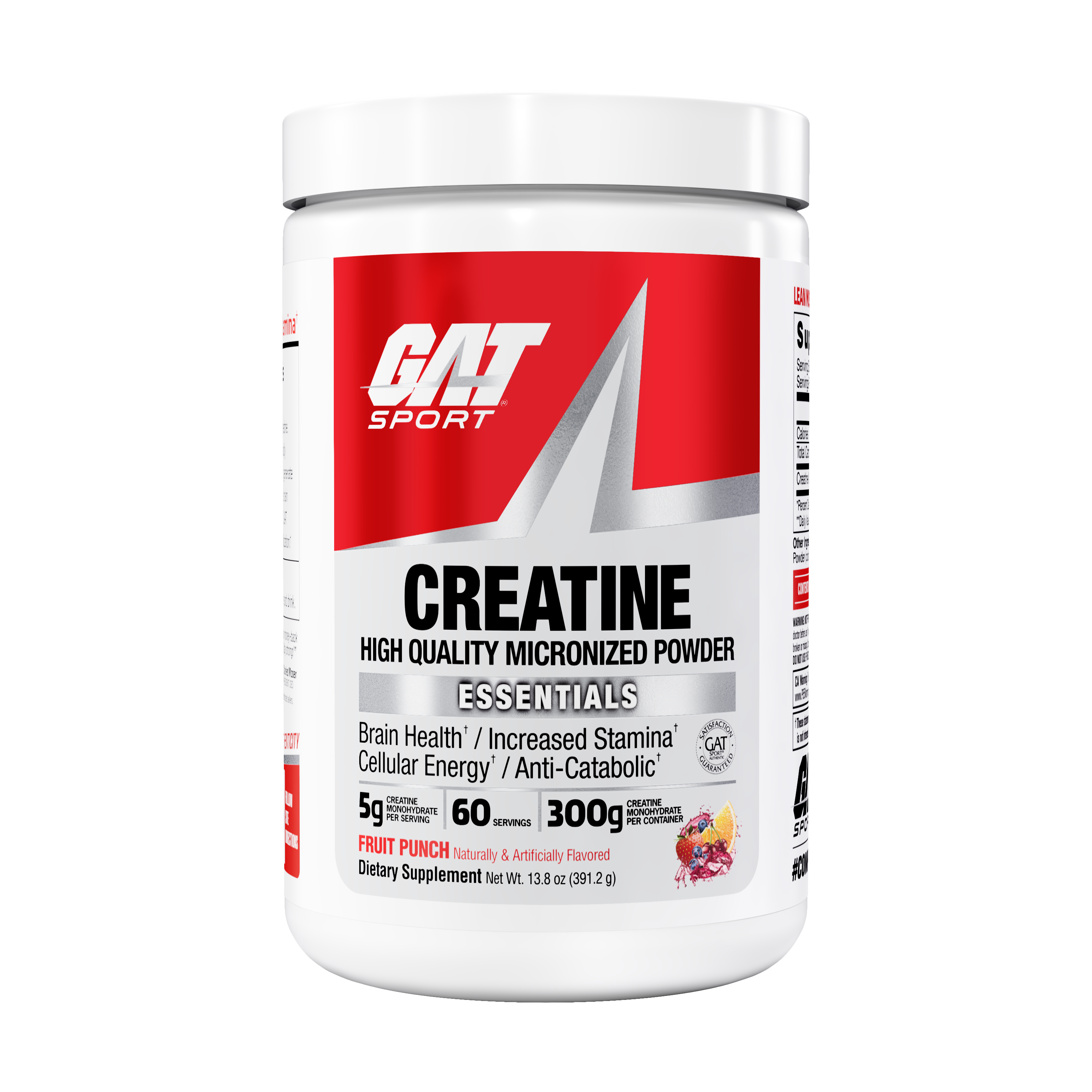
Why: Tissue quality on Thursday reflects recovery from Monday. Magnesium is involved in muscle function and energy production, marginal deficiency impairs exercise performance, and strenuous training raises magnesium losses and requirements by an estimated 10 to 20 percent [5], with supplementation helping mainly when intake falls short of needs. That gap is the honest job Pro Magnesium does: a daily evening habit supporting normal muscle function for a lifter whose training raises the bar on intake. Alongside it, if fatty fish rarely makes your plate, GAT Sport Omega-3 Purified Fish Oil covers the everyday fatty-acid side of the same recovery foundation.
Do this: set a fixed lights-out time and take your magnesium at the same moment every evening so neither requires a decision.
Arrive Hydrated, Because the Bar Can Tell
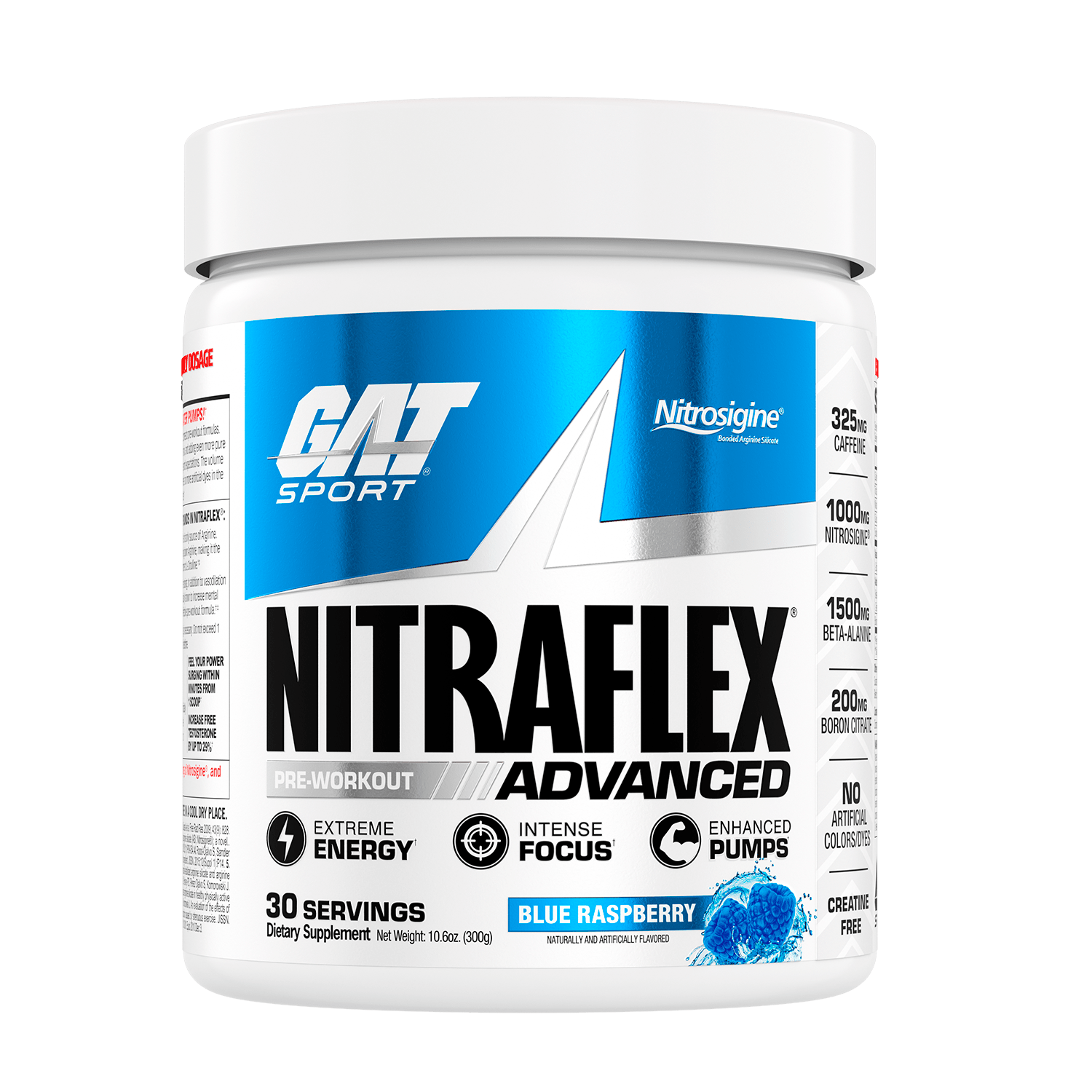
One more piece sits alongside the six habits rather than inside them: the state you walk in with. Dehydration beyond about 2 percent of body weight measurably impairs performance, and because sweat rates vary enormously between individuals, the fluid plan has to be yours rather than generic [6]. Nitraflex Hydration makes the session-day side of that plan simple: each serving carries 300 mg of sodium and 100 mg of potassium in a sweat-matched 3 to 1 ratio, with 25 mg of magnesium and 10 mg of calcium, plus 1,000 mg of taurine and 100 mg of L-theanine. It complements the daily magnesium habit rather than duplicating it, because the two work different clocks: Pro Magnesium is the steady daily intake foundation, while Nitraflex Hydration replaces what an individual sweaty session takes out, before and during the work. Heavy days deserve both clocks running.
The Invoice Never Comes Due
Six habits, none longer than ten minutes, most replacing something less effective you were already doing. Ramp with the lift, move instead of holding, train deep, stretch late, build the armor with load, and keep the boring basics constant. Do that, and the heaviest day of the block arrives as the day you planned instead of the day you get hurt.
Warm up like the lift matters. Build these six habits into this week, and back your recovery with GAT Sport Pro Magnesium, at gatsport.com.
Key Takeaways
- Warm up with progressively heavier sets of the lift itself, the time-efficient and movement-specific choice.
- Static holds of 60 seconds or more per muscle acutely reduce performance before heavy work, while short dynamic stretching slightly improves it.
- Full-range strength training improves range of motion as much as stretching, so deep, honest reps are mobility work.
- Strength training cut sports injuries to less than one third in randomized trials; stretching showed no protective effect.
- Keep recovery basics constant: scheduled sleep, an individualized hydration plan, and daily attention to magnesium intake.
Frequently Asked Questions
Should you stretch before lifting heavy weights?
Briefly and dynamically, yes; long static holds, no. Research shows static stretches of 60 seconds or more per muscle acutely reduce strength and power output, while holds under a minute cost little and dynamic stretching slightly improves performance. The evidence-supported pattern is a general warm-up, short stretches if desired, dynamic movement, then progressively heavier sets of the lift itself.
How long should a warm-up be before heavy lifting?
Usually 10 to 15 minutes, and specificity matters more than duration. Time-efficiency research points to exercise-specific warm-up sets as the essential component: three to five progressively heavier sets of your first main lift, with brief rests. Add a few minutes of dynamic movement beforehand for stiff areas and skip the long generic routines that delay the actual preparation.
Does stretching prevent injuries?
The best available evidence says no. A meta-analysis of 25 randomized trials found stretching programs showed no significant protective effect against sports injuries, while strength training reduced injuries to less than one third. Stretching still has a role for range of motion when placed after training, but injury resilience is built primarily through progressive strength work.
Is magnesium good for lifters?
Magnesium supports muscle function and energy production, and research shows marginal deficiency impairs exercise performance while hard training increases magnesium losses, raising requirements by an estimated 10 to 20 percent. Supplementation helps mainly when intake falls short of those needs, which is common in active people, making a consistent daily dose sensible insurance under a heavy training block.
What should you drink before a heavy training session?
Arrive hydrated and keep fluid loss during training under about 2 percent of body weight, the threshold where performance declines. Because sweat rates vary widely between individuals, weigh yourself before and after a typical session to learn your personal rate. For long or sweaty sessions, an electrolyte drink with a sodium-forward profile supports fluid retention better than water alone.
References
- Iversen, Vegard M., et al. "No Time to Lift? Designing Time-Efficient Training Programs for Strength and Hypertrophy: A Narrative Review." Sports Medicine, vol. 51, no. 10, 2021, pp. 2079-2095, doi:10.1007/s40279-021-01490-1.
- Behm, David G., et al. "Acute Effects of Muscle Stretching on Physical Performance, Range of Motion, and Injury Incidence in Healthy Active Individuals: A Systematic Review." Applied Physiology, Nutrition, and Metabolism, vol. 41, no. 1, 2016, pp. 1-11, doi:10.1139/apnm-2015-0235.
- Afonso, José, et al. "Strength Training versus Stretching for Improving Range of Motion: A Systematic Review and Meta-Analysis." Healthcare, vol. 9, no. 4, 2021, article 427, doi:10.3390/healthcare9040427.
- Lauersen, Jeppe Bo, et al. "The Effectiveness of Exercise Interventions to Prevent Sports Injuries: A Systematic Review and Meta-Analysis of Randomised Controlled Trials." British Journal of Sports Medicine, vol. 48, no. 11, 2014, pp. 871-877, doi:10.1136/bjsports-2013-092538.
- Nielsen, Forrest H., and Henry C. Lukaski. "Update on the Relationship between Magnesium and Exercise." Magnesium Research, vol. 19, no. 3, 2006, pp. 180-189.
- Sawka, Michael N., et al. "American College of Sports Medicine Position Stand: Exercise and Fluid Replacement." Medicine and Science in Sports and Exercise, vol. 39, no. 2, 2007, pp. 377-390, doi:10.1249/mss.0b013e31802ca597.
Frequently asked questions
What is the main takeaway from this article?
“6 Mobility Habits That Protect Your Heaviest Training Days” is designed to turn practical training and nutrition guidance into clear actions you can apply to your routine.
How should I put this advice into practice?
Start with one recommendation, apply it consistently, and adjust it to your goals, training experience, and recovery needs.