


Picture a Tuesday morning forty years from now. Someone is on the floor of a kitchen, maybe from a slip, maybe just playing with a grandchild, and the only question that matters is whether they can get up on their own. For some 75-year-olds that moment is nothing. For others it is the moment everything changes, the fall that starts the cascade. The difference between those two people was not decided that morning. It was decided across decades of Tuesdays, including this one.
The squat you do at 35 is a down payment on getting up off the floor at 75. That is the Long Game, the thread this campaign has carried since summer: strength is not a seasonal project or an aesthetic one, it is infrastructure for the next forty years. Most lifestyle lifters miss this because muscle gets marketed in twelve-week increments, so they never hear the quieter fact that muscle and strength are among the strongest markers researchers have found for how long and how capably people live.
Why Is Building Muscle Important as You Age?
Because strength and muscle mass are strongly associated with how long and how well you live. Research links muscle-strengthening activity with 10 to 17 percent lower risk of early death and major disease, links grip strength and muscle mass to mortality, and shows training plus creatine still builds muscle in older adults.
What the Mortality Research Shows
Three large bodies of evidence, and one honest rule for reading all of them: these are observational studies, so they show association, not proven cause and effect. With that said, the associations are remarkable.
A meta-analysis of sixteen cohort studies found muscle-strengthening activities associated with a 10 to 17 percent lower risk of all-cause mortality, cardiovascular disease, total cancer, and diabetes, with the maximum risk reduction appearing at roughly 30 to 60 minutes per week [1]. Read that dose again. The biggest statistical payoff sat at one to two short sessions weekly, a bar almost anyone can clear.
Strength itself tells the same story. In the PURE study of nearly 140,000 adults across 17 countries, each 5-kilogram reduction in grip strength was associated with a 16 percent higher risk of death from any cause, and grip predicted mortality better than systolic blood pressure did [2]. Muscle mass completes the picture: among older adults in a national cohort, those in the highest muscle mass quartile had significantly lower mortality than those in the lowest [3]. None of this proves the barbell causes the longevity. What it establishes is that strength and muscle sit among the most powerful markers of a capable later life that researchers can measure, and unlike your genes, they are markers you can move.
Sarcopenia Is a Lifetime Account
The clinical name for running out of muscle is sarcopenia, and the revised European consensus defines it first by low muscle strength, with low muscle quantity or quality confirming the diagnosis [4]. Two things about that definition matter for a 35-year-old or a 55-year-old reading this. First, strength, the thing training builds most directly, is the headline criterion. Second, the condition is not an event that happens at 70; it is the visible end of a decline that accrues across a lifetime, which means every training year now is a deposit, and every untrained decade is a withdrawal made quietly in advance.
It Still Works Late, and It Works for Her
Here is the genuinely encouraging part of the literature: the machinery responds at every age. A meta-analysis of 22 randomized trials in older adults found creatine supplementation during resistance training produced greater gains in lean tissue mass and strength than resistance training alone [5]. And the lifespan research on women specifically shows creatine benefits for muscle in post-menopausal women, with bone benefits appearing when supplementation is paired with resistance training [6]. The 58-year-old woman starting her first program after menopause is not late. She is exactly the population a meaningful slice of this research was run on.
One warning rounds out the picture, and it comes from the detraining literature: across 103 studies, the losses from stopping training grew with the length of the layoff, and the effect of cessation was larger in people over 65 [7]. The older the account, the faster the balance drains when deposits stop. Which is simply the Long Game's rule stated in reverse: never fully stop.
The Long-Game Protocol
Strip the research down to behavior and the protocol is almost embarrassingly simple. Two strength sessions per week, every week, built around squats, hinges, presses, and pulls, right in the zone where the mortality associations peaked [1]. Protein at every meal, treated as permanent rather than seasonal. Daily creatine. And the long view: judged over decades, a merely consistent program beats a perfect abandoned one by every measure this article has cited.
The Daily Deposit
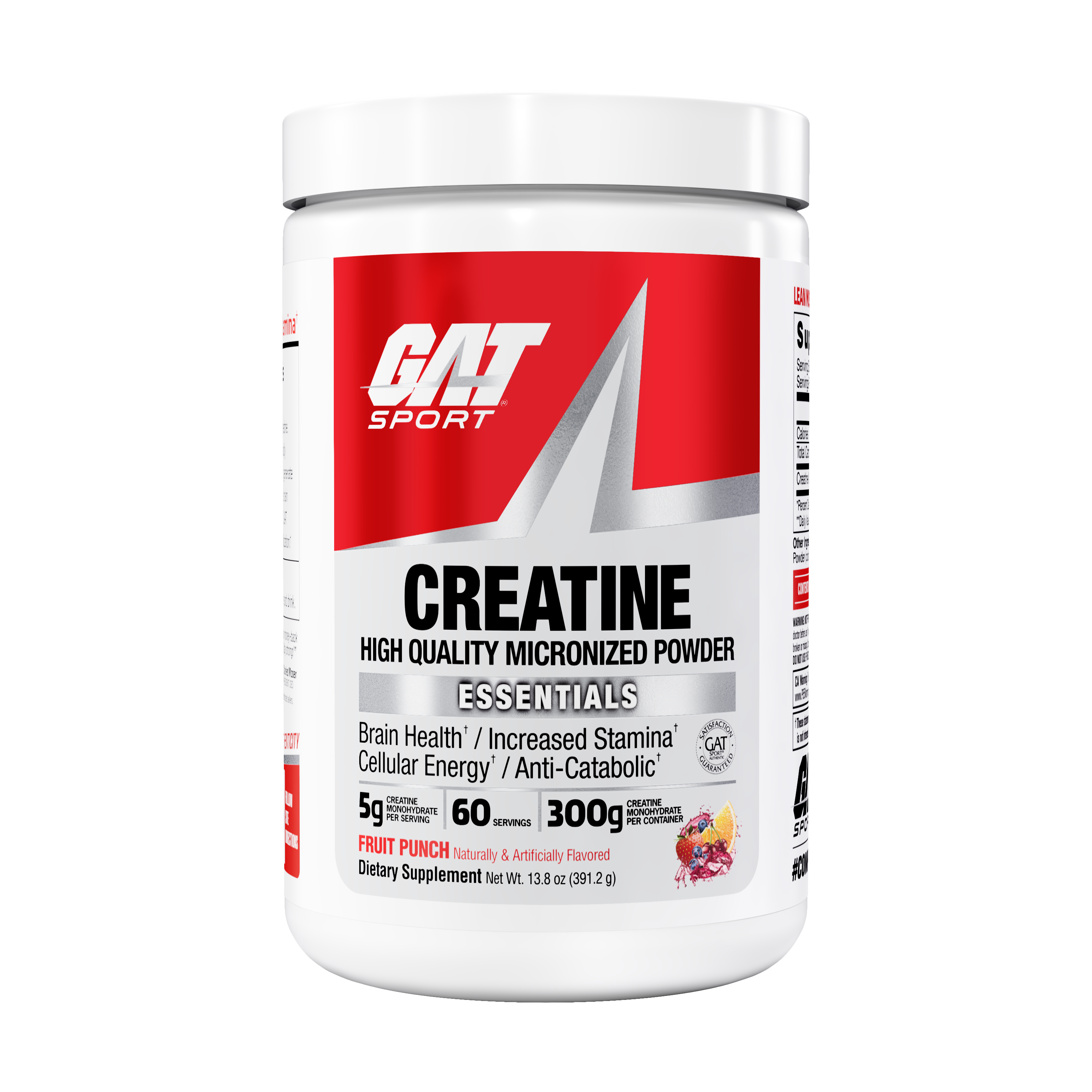
Creatine Monohydrate earns the hero slot in a longevity article on the strength of the aging evidence itself: greater lean mass and strength when added to resistance training in older adults [5], documented benefits for post-menopausal women training with weights [6], at the standard 3 to 5 grams daily the research literature describes as the maintenance dose [6]. It is the cheapest line item in the entire forty-year plan, and like the training, it compounds through daily repetition rather than heroics.
The Rest of the Daily Routine
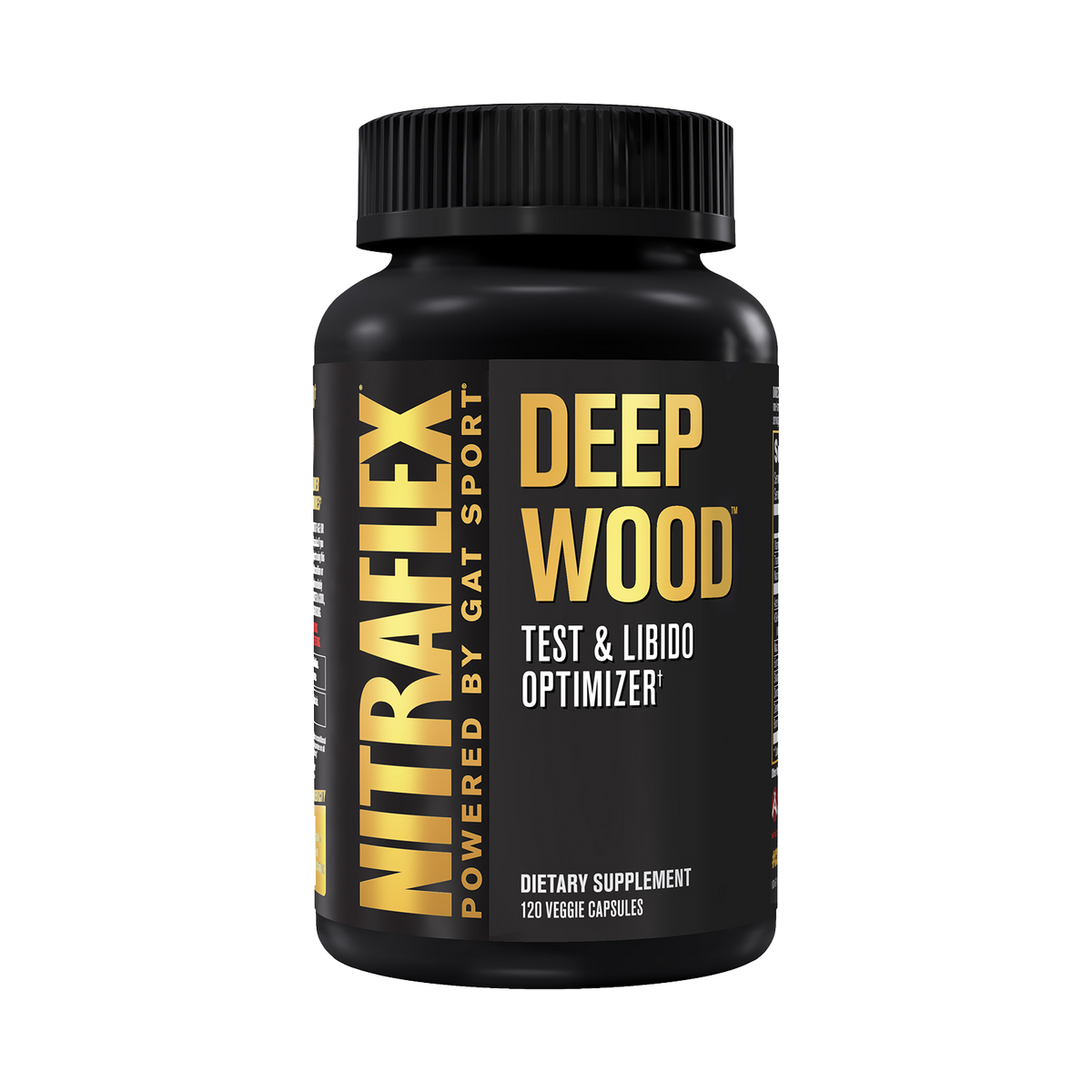
Deep Wood sits in the same evening lineup as a daily botanical supplement for men, formulated per its label as part of a long-term daily routine. It runs alongside creatine rather than overlapping it because the two occupy different lanes entirely: creatine carries the training-performance evidence above, while Deep Wood is simply the men's daily-routine component of the stack, taken on the same schedule-driven consistency this whole chapter is about. And one targeted piece for the bone side of the long game: Vitamin D3 + K2 supports bone health per its label, grounded in the finding that vitamins D and K work together in calcium metabolism, with research noting that joint supplementation might be more effective for bone than either alone, and that most of those trials were conducted in postmenopausal women [8].
Forty Years of Tuesdays
The person who gets up off that kitchen floor at 75 is not lucky. She is the compound interest on thousands of unremarkable sessions, the two-a-week habit that never looked impressive and never stopped. The research cannot promise you, her outcome. It can tell you, with unusual consistency, which markers her kind of outcome travels with, and that every one of them is trainable starting this week.
Train for the version of you at 60. Make two strength sessions a week and daily GAT Sport Creatine Monohydrate non-negotiable, starting today, at gatsport.com.
Key Takeaways
- Muscle-strengthening activity is associated with 10 to 17 percent lower risk of all-cause mortality, cardiovascular disease, cancer, and diabetes, with the largest reduction at roughly 30 to 60 minutes per week.
- Each 5-kilogram lower grip strength was associated with 16 percent higher all-cause mortality, and higher muscle mass in older adults was associated with lower mortality; these are associations from observational research, and they are markers you can train.
- Sarcopenia is defined first by low strength and builds across a lifetime, making every training year a deposit.
- Creatine plus resistance training increased lean mass and strength in older adults and benefits post-menopausal women training with weights.
- Detraining losses grow with layoff length and hit harder after 65, so the rule is two weekly sessions, held for decades.
Frequently Asked Questions
Does strength training help you live longer?
The honest answer is that strength training is strongly associated with living longer, though the studies are observational and show association rather than proven cause. A meta-analysis of sixteen cohort studies linked muscle-strengthening activity with 10 to 17 percent lower risk of death from any cause, cardiovascular disease, cancer, and diabetes. Combined with the grip strength and muscle mass mortality data, strength is among the best longevity markers you can actually change.
How much strength training do I need for longevity benefits?
Less than you would guess. The cohort research found maximum risk reductions at approximately 30 to 60 minutes of muscle-strengthening activity per week, which translates to one or two focused sessions. Two weekly sessions covering squats, hinges, presses, and pulls comfortably clears that bar while also building the strength and muscle the rest of the longevity literature tracks.
Is it too late to start lifting at 50 or 60?
No, and the research on this is direct. A meta-analysis of 22 trials in older adults found resistance training built lean mass and strength, with creatine supplementation amplifying both, and studies in post-menopausal women show benefits for muscle, plus bone when training is involved. Starting later means starting from a lower account balance, which makes the deposits more valuable, not less.
Does creatine work for older adults and post-menopausal women?
Yes, when paired with resistance training. The older-adult meta-analysis found creatine plus training produced greater lean mass and strength gains than training alone, and the women's lifespan research reports muscle benefits in post-menopausal women, with bone benefits appearing when creatine accompanies resistance training. The standard dose is 3 to 5 grams daily, taken every day rather than timed around workouts.
What happens to muscle if I stop training as I get older?
It declines, and faster than it would have earlier in life. A meta-analysis of 103 studies found performance losses from training cessation grow with the length of the break, and the effect was larger in people over 65. The practical defense is never fully stopping. Even one to two maintenance sessions per week preserves far more than restarting ever recovers cheaply.
References
- Momma, Haruki, et al. "Muscle-Strengthening Activities Are Associated with Lower Risk and Mortality in Major Non-Communicable Diseases: A Systematic Review and Meta-Analysis of Cohort Studies." British Journal of Sports Medicine, vol. 56, no. 13, 2022, pp. 755-763, doi:10.1136/bjsports-2021-105061.
- Leong, Darryl P., et al. "Prognostic Value of Grip Strength: Findings from the Prospective Urban Rural Epidemiology (PURE) Study." The Lancet, vol. 386, no. 9990, 2015, pp. 266-273, doi:10.1016/S0140-6736(14)62000-6.
- Srikanthan, Preethi, and Arun S. Karlamangla. "Muscle Mass Index as a Predictor of Longevity in Older Adults." The American Journal of Medicine, vol. 127, no. 6, 2014, pp. 547-553, doi:10.1016/j.amjmed.2014.02.007.
- Cruz-Jentoft, Alfonso J., et al. "Sarcopenia: Revised European Consensus on Definition and Diagnosis." Age and Ageing, vol. 48, no. 1, 2019, pp. 16-31, doi:10.1093/ageing/afy169.
- Chilibeck, Philip D., et al. "Effect of Creatine Supplementation during Resistance Training on Lean Tissue Mass and Muscular Strength in Older Adults: A Meta-Analysis." Open Access Journal of Sports Medicine, vol. 8, 2017, pp. 213-226, doi:10.2147/OAJSM.S123529.
- Smith-Ryan, Abbie E., et al. "Creatine Supplementation in Women's Health: A Lifespan Perspective." Nutrients, vol. 13, no. 3, 2021, article 877, doi:10.3390/nu13030877.
- Bosquet, Laurent, et al. "Effect of Training Cessation on Muscular Performance: A Meta-Analysis." Scandinavian Journal of Medicine and Science in Sports, vol. 23, no. 3, 2013, pp. e140-e149, doi:10.1111/sms.12047.
- van Ballegooijen, Adriana J., et al. "The Synergistic Interplay between Vitamins D and K for Bone and Cardiovascular Health: A Narrative Review." International Journal of Endocrinology, vol. 2017, 2017, article 7454376, doi:10.1155/2017/7454376.
Frequently asked questions
What is the main takeaway from this article?
“The Long Game: What Muscle Is Really Buying You at 60” is designed to turn practical training and nutrition guidance into clear actions you can apply to your routine.
How should I put this advice into practice?
Start with one recommendation, apply it consistently, and adjust it to your goals, training experience, and recovery needs.