
One holiday party will not erase a training block. Twelve drinks and a 5 a.m. flight might.
Somewhere between those two sentences lives the truth about alcohol and training, and almost nobody camps there. Lifters split into two tribes every November: the catastrophizers, who treat a single beer like a deleted deadlift session and spiral about it for days, and the deniers, who insist the body "burns it off" and wonder why Saturday's session felt like moving furniture. Both tribes share a problem. Neither has a plan for the next morning, because neither has looked at what the research actually measured.
So, let's run the audit. Five myths, each with a number attached, and a plan at the end. No lecture about whether you should drink; that decision is yours. Just the honest accounting for when you do.
Does One Night of Drinking Ruin Your Gains?
No, a single moderate night does not erase a training block, because the research shows alcohol's effects on recovery depend heavily on dose. Around 0.5 grams per kilogram, roughly three drinks for an 80-kilogram lifter, is unlikely to affect most aspects of recovery, while very large doses measurably impair muscle protein synthesis and sleep.
Myth 1: One Drink Wipes Out Your Workout
The truth: The research on alcohol and recovery is a dose story, not an on-off switch. A review of the evidence concluded that about 0.5 grams of alcohol per kilogram of body weight is unlikely to affect most aspects of recovery.
For an 80-kilogram lifter, 0.5 g/kg works out to roughly 40 grams of alcohol, in the neighborhood of three standard drinks [1]. Below that line, the available evidence shows little measurable cost to recovery, which is why the catastrophizer's spiral after a single toast is wasted suffering. One caveat worth carrying, in keeping with this campaign's habit of reading the fine print: that review focused on male athletes [1], so the research owes women better data here too, and a lighter lifter's threshold is proportionally lower because the math runs on body weight.
Myth 2: Protein Cancels Out the Alcohol
The truth: At large doses, it does not. In a study of 8 active men, 1.5 grams of alcohol per kilogram, about 12 standard drinks, reduced post-exercise muscle protein synthesis by 24 percent even when protein was consumed alongside it.
This is the study the deniers need to sit with. Researchers had physically active men complete a hard concurrent training session, then measured muscle protein synthesis with protein alone versus protein plus a 1.5 g/kg dose of alcohol, and the heavy dose cut the response by 24 percent despite the protein, with a 37 percent reduction when alcohol came with carbohydrate instead [2]. Keep the dose attached to that number, because it is the whole point: 12 drinks is not a night out, it is a bender, and the post-bar protein shake does not buy back what it costs. Smaller study, men only, one night measured [2], but the direction is unambiguous: at the top of the dose curve, the recovery bill is real, and protein does not void it.
Myth 3: Alcohol Helps You Sleep
The truth: Alcohol helps you fall asleep faster and then charges for it. The sleep research shows disruption increases in the second half of the night at all doses, and REM sleep is reduced at moderate and high doses.
The nightcap myth survives because its first act is genuinely convincing: sleep onset comes quicker and the first half of the night consolidates [3]. Then the second half arrives, fragmented at every dose studied, with total-night REM sleep reduced at moderate and high doses and the first REM period delayed at all of them [3]. For a lifter, that matters because the sleep after a night out is also the recovery window for whatever you trained that day. You did not sleep well after the party. You were sedated, briefly, and then you paid.
Myth 4: You Can Sweat It Out Tomorrow Morning
The truth: There is no sweating out alcohol; your body clears it on its own fixed schedule, and a punishing session on top of a dehydrated, under-slept morning compounds the cost rather than refunding it.
The morning-after hero workout gets the physiology backward twice. Sweat does not accelerate alcohol clearance, and the state you wake up in, fluid down, sleep fragmented [3], is exactly the state the hydration research warns about, since performance measurably suffers once fluid losses pass about 2 percent of body weight [4]. The smarter sequence is rehydrate first, then train at whatever quality the day honestly supports. Easy movement helps you feel human. Penance cardio just adds a withdrawal to an account already overdrawn.
Myth 5: One Night Out Means Skipping Training for Days
The truth: A moderate night costs little, and even a heavy one is a one-day event, not a one-week one. The expensive mistake is the multi-day spiral where shame cancels sessions the alcohol never touched.
This is the catastrophizer's myth, and the dose research dismantles it from the other direction: if moderate intake is unlikely to affect most aspects of recovery [1], then the Saturday party does not justify writing off Monday, Tuesday, and Wednesday. The next scheduled session is the plan. Show up to it, scale it if the night was heavy, and let the training week absorb one imperfect data point the way it absorbs every other.
The Plan: Before, During, and the Morning After
Before: Eat a real meal, decide your drink count while sober, and drink water through the afternoon. Decisions made at the party are not decisions; they are momentum.
During: Pace to your number, alternate in water, and stop when the count says stop. Dose is the entire game, so the counting is the training.
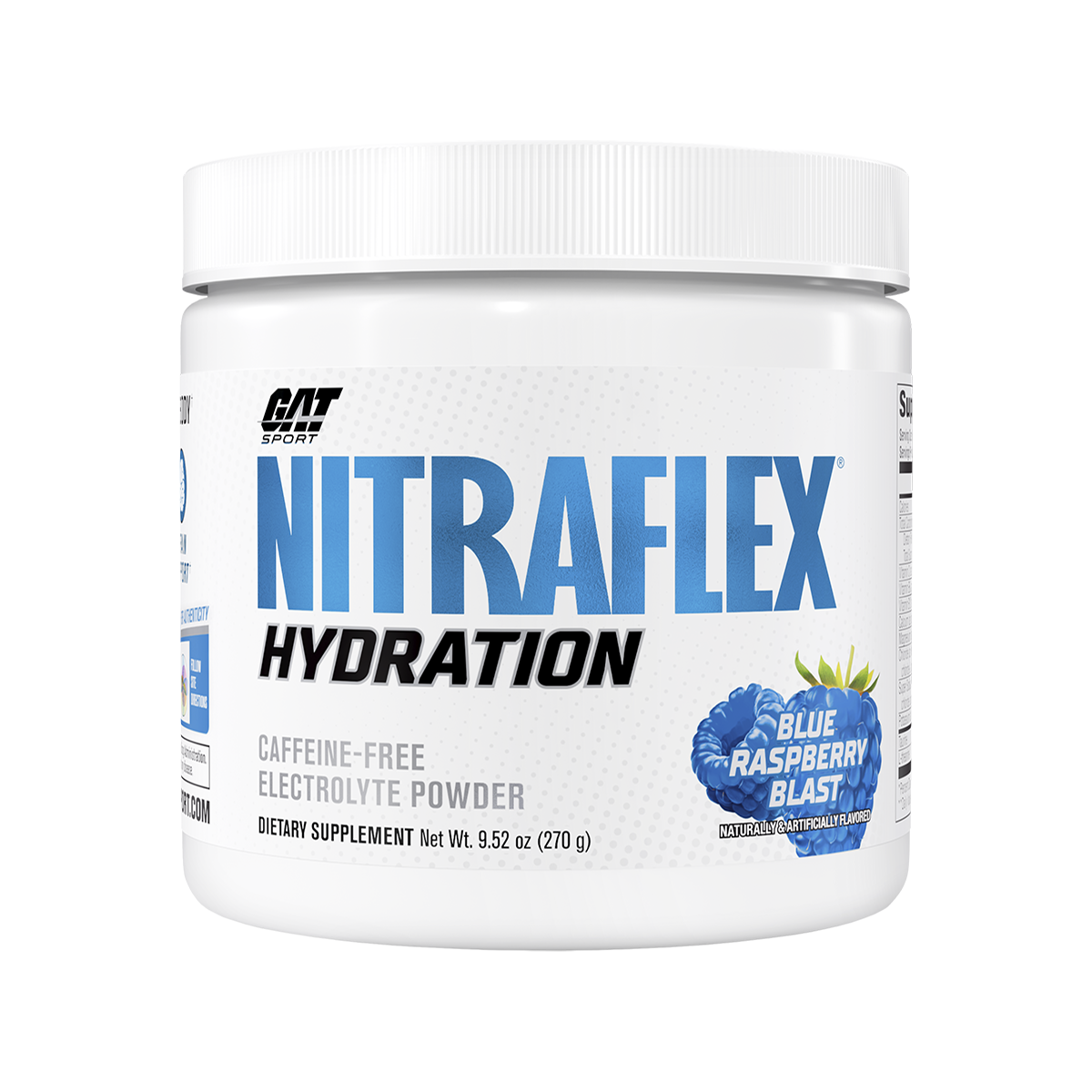
The morning after: Rehydration leads, and because sweat and fluid needs vary person to person, the plan should be yours rather than generic [4]. This is the job GAT Sport Hydration is built for, and one line of honesty before the label numbers: it is a hydration product, not a hangover remedy, and nothing un-drinks last night. What it does is make the fluid-and-electrolyte side of the morning systematic: 300 mg of sodium and 100 mg of potassium in a 3 to 1 ratio, 25 mg of magnesium, 10 mg of calcium, plus 1,000 mg of taurine and 100 mg of L-theanine per serving, in a bottle you sip through the morning instead of guessing at. Then the next scheduled session, at honest intensity, and the week moves on.
The Routine the Weekend Does Not Touch
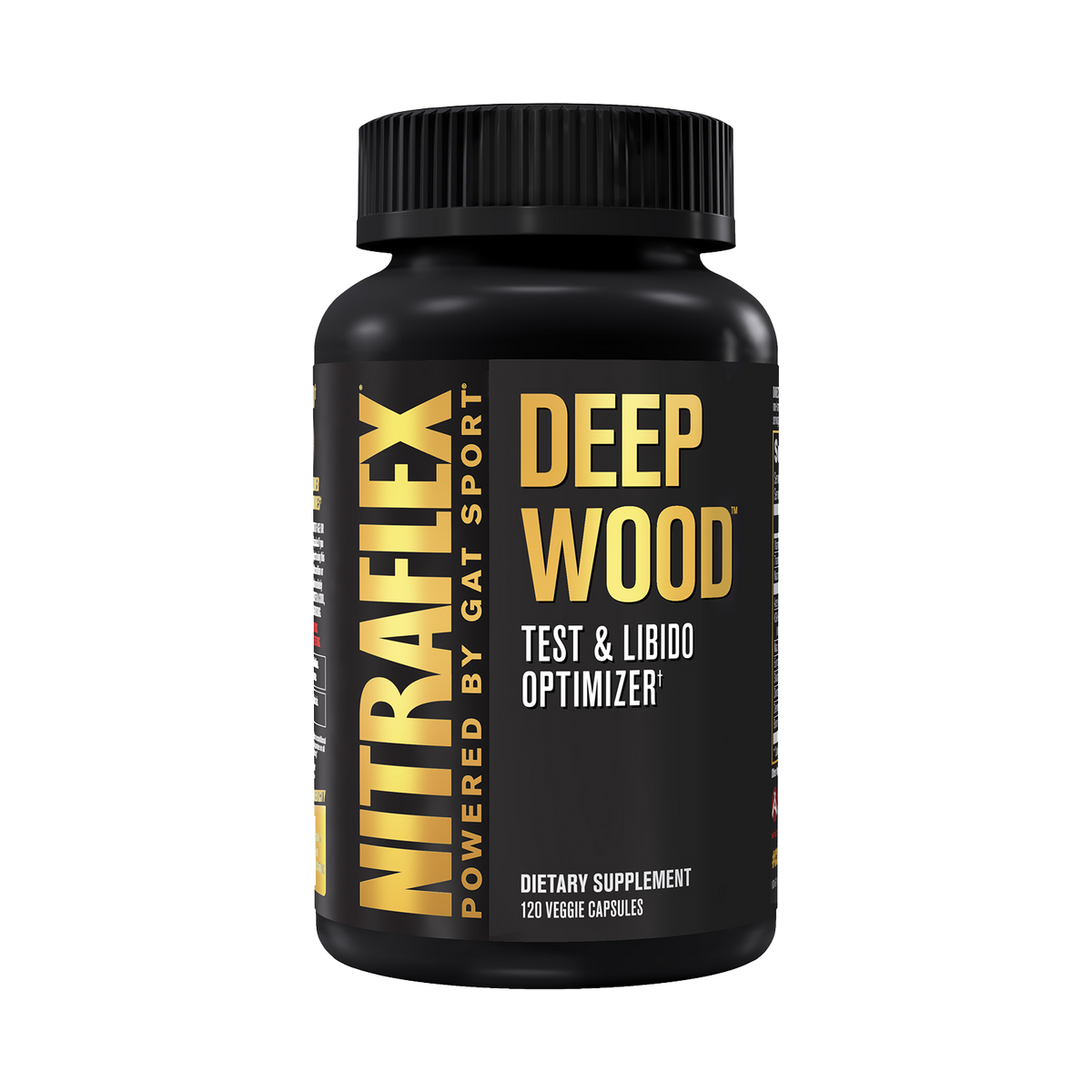
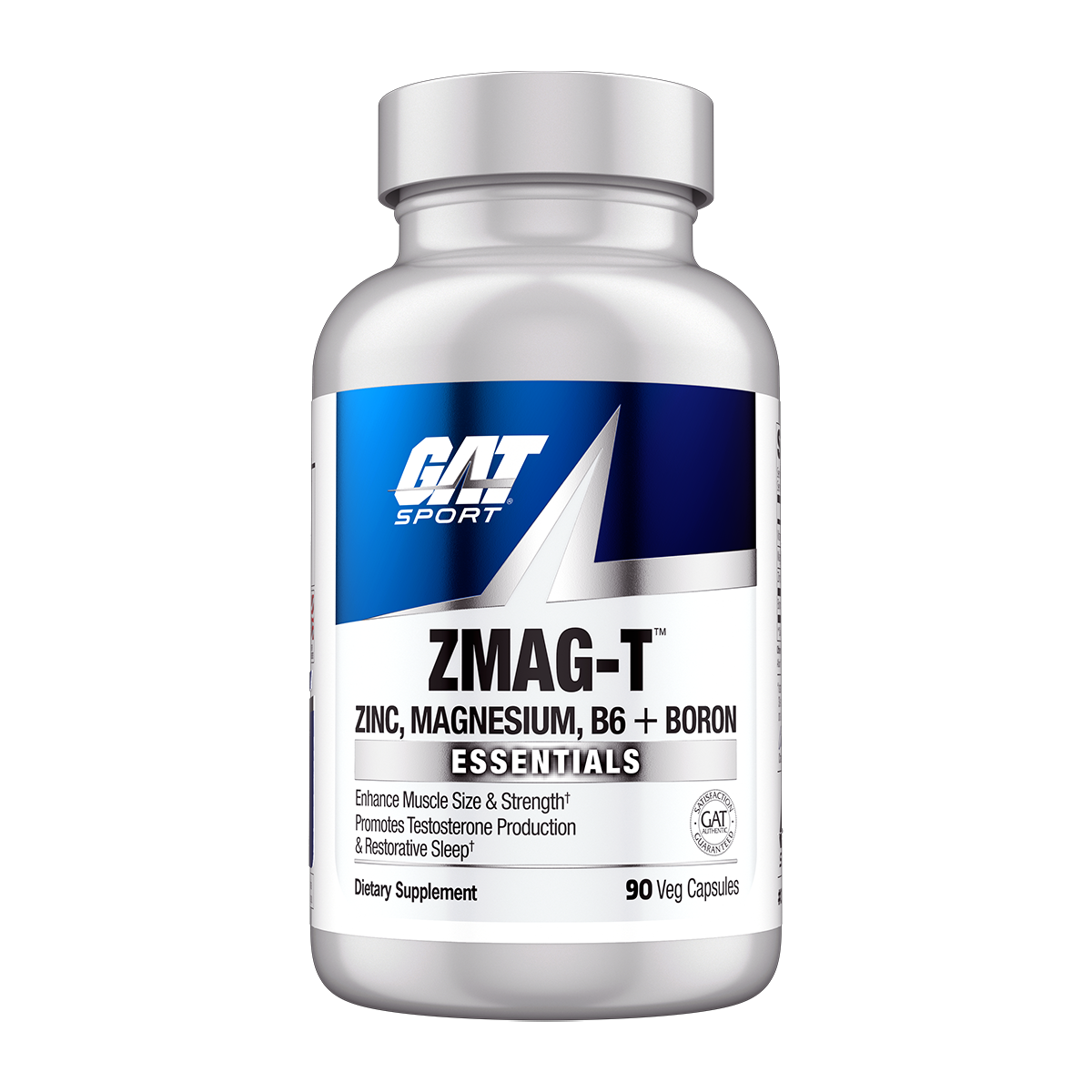
The quieter half of damage control is everything that stays constant. Deep Wood belongs to that category: a daily botanical supplement for men, taken per its label as part of a consistent long-term routine, on party weeks and quiet ones alike. It makes no claims about offsetting a night out, and none are being made here; its entire role in this article is the consistency itself, the daily habit that does not negotiate with the calendar. Same logic on the nights you stay in: ZMag in the evening routine keeps daily zinc and magnesium intake covered, worth minding since hard training raises magnesium requirements and supplementation matters mainly when intake runs short [5].
Close the Tab, Keep the Block
The accounting comes out simpler than either tribe believes. Dose decides nearly everything, moderate nights cost little, heavy nights cost real recovery and real sleep, and no supplement, shake, or sweat session changes the math after the fact. What you control is the number, the water, the morning plan, and the next session on the calendar.
Plan the night, protect the morning. Keep GAT Sport Hydration ready for the day after, at gatsport.com.
Key Takeaways
- Alcohol's effect on recovery is dose-dependent, and about 0.5 grams per kilogram, roughly three drinks for an 80-kilogram lifter, is unlikely to affect most aspects of recovery.
- At 1.5 grams per kilogram, about 12 standard drinks, muscle protein synthesis after training dropped 24 percent even with protein consumed alongside.
- Alcohol shortens time to fall asleep but fragments the second half of the night at all doses and reduces REM sleep at moderate and high doses.
- You cannot sweat alcohol out; rehydrate first, keep fluid losses under about 2 percent of body weight, and train at honest intensity.
- One night is a one-day event: the next scheduled session, not a multi-day spiral, is the plan.
Frequently Asked Questions
How much does drinking affect muscle recovery?
It depends almost entirely on dose. Research on male athletes concluded that around 0.5 grams of alcohol per kilogram of body weight, about three standard drinks for an 80-kilogram person, is unlikely to affect most aspects of recovery. At very large doses, the picture changes sharply: 1.5 grams per kilogram, roughly 12 standard drinks, cut post-exercise muscle protein synthesis by 24 percent in a controlled study, even with protein.
Can I train the day after drinking?
Usually, yes, with adjustments matched to the night. After a moderate evening, rehydrate and run your scheduled session normally. After a heavy one, lead with fluids and electrolytes, expect reduced quality from fragmented sleep, and scale the session down rather than skipping it or punishing yourself with extra volume. Hard training does not clear alcohol faster and stacking it on dehydration compounds the cost.
Does alcohol affect sleep quality even if I fall asleep fast?
Yes, and the fast part is the trap. The sleep research shows alcohol shortens sleep onset and consolidates the first half of the night, then increases disruption in the second half at all doses studied, with REM sleep reduced at moderate and high doses. You wake having been sedated rather than rested, which is why the morning after rarely matches the ease of falling asleep.
What is the best way to rehydrate after a night of drinking?
Start early and make it systematic rather than heroic. Fluid guidance centers on avoiding dehydration beyond about 2 percent of body weight and emphasizes that needs vary by individual, so sip steadily through the morning instead of chugging once. An electrolyte drink with a sodium-forward profile supports fluid retention better than plain water, and eating a normal meal helps complete the job.
Should I skip my workout if I went out last night?
Not by default. A moderate night leaves most of recovery intact, so the scheduled session stands. After a heavier night, the evidence-based move is to rehydrate, lower the load or volume to what the day honestly supports, and complete something rather than nothing, because the real damage to training blocks comes from the multi-day spiral after a night out, not from the night itself.
References
- Barnes, Matthew J. "Alcohol: Impact on Sports Performance and Recovery in Male Athletes." Sports Medicine, vol. 44, no. 7, 2014, pp. 909-919, doi:10.1007/s40279-014-0192-8.
- Parr, Evelyn B., et al. "Alcohol Ingestion Impairs Maximal Post-Exercise Rates of Myofibrillar Protein Synthesis Following a Single Bout of Concurrent Training." PLoS ONE, vol. 9, no. 2, 2014, article e88384, doi:10.1371/journal.pone.0088384.
- Ebrahim, Irshaad O., et al. "Alcohol and Sleep I: Effects on Normal Sleep." Alcoholism: Clinical and Experimental Research, vol. 37, no. 4, 2013, pp. 539-549, doi:10.1111/acer.12006.
- Sawka, Michael N., et al. "American College of Sports Medicine Position Stand: Exercise and Fluid Replacement." Medicine and Science in Sports and Exercise, vol. 39, no. 2, 2007, pp. 377-390, doi:10.1249/mss.0b013e31802ca597.
- Nielsen, Forrest H., and Henry C. Lukaski. "Update on the Relationship between Magnesium and Exercise." Magnesium Research, vol. 19, no. 3, 2006, pp. 180-189.
Frequently asked questions
What is the main takeaway from this article?
“What One Night Out Actually Costs Your Training” is designed to turn practical training and nutrition guidance into clear actions you can apply to your routine.
How should I put this advice into practice?
Start with one recommendation, apply it consistently, and adjust it to your goals, training experience, and recovery needs.