
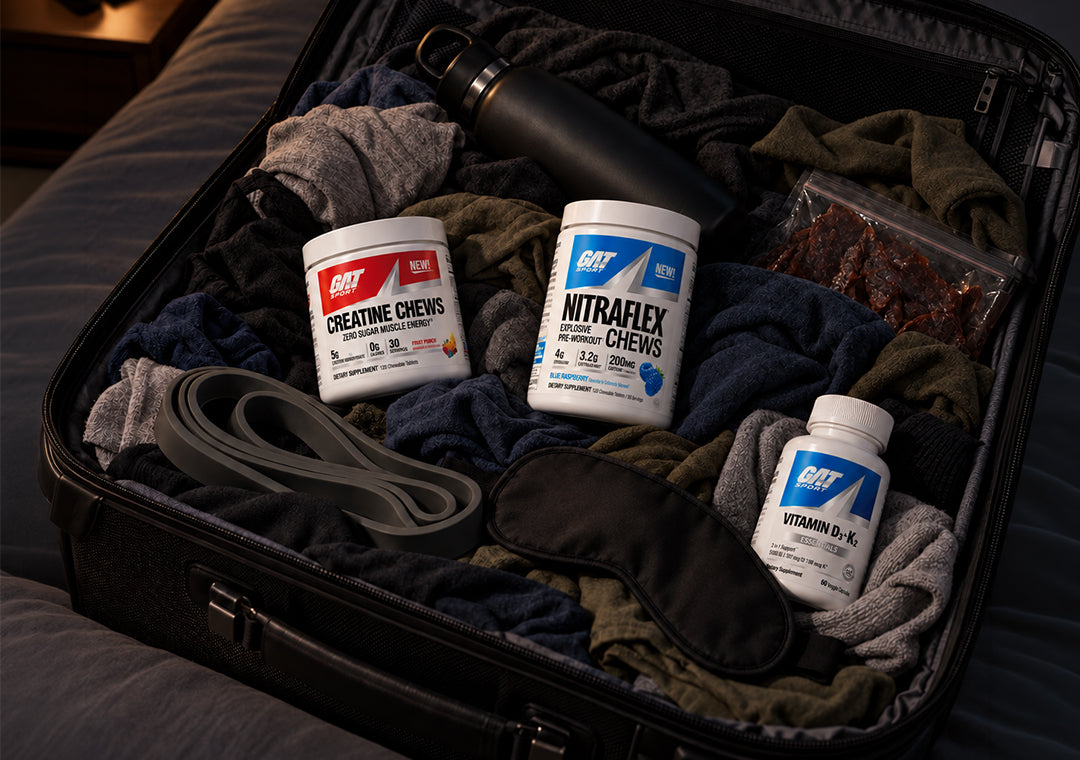
The suitcase is open on the bed, and the suitcase does not lie. Whatever you believe about your commitment to training, the next ten minutes of packing decisions are the actual vote, because holiday travel season is where routines go to disappear. Different beds, different kitchens, a gym that is two dumbbells and an ambitious mirror, and a supplement shelf sitting at home doing nothing.
Here is the useful reframe: carry-on space is the most honest supplement audit there is. When every item has to earn cubic inches, the marketing evaporates and only the things that actually hold a routine together make the cut. So, this is that audit, run for you: seven things, some ours, some not, each with the reason it earns the space and the way to use it. Pack once, and the week away stops being an interruption.
What Supplements and Gear Should You Pack for Holiday Travel?
Pack the things that keep daily habits and minimum training intact: a daily creatine you can take without mixing, a protein option you trust, vitamin D3 with K2 for the low-sunlight months, a resistance band, a portable pre-workout for real sessions, a water bottle, and a simple sleep kit.
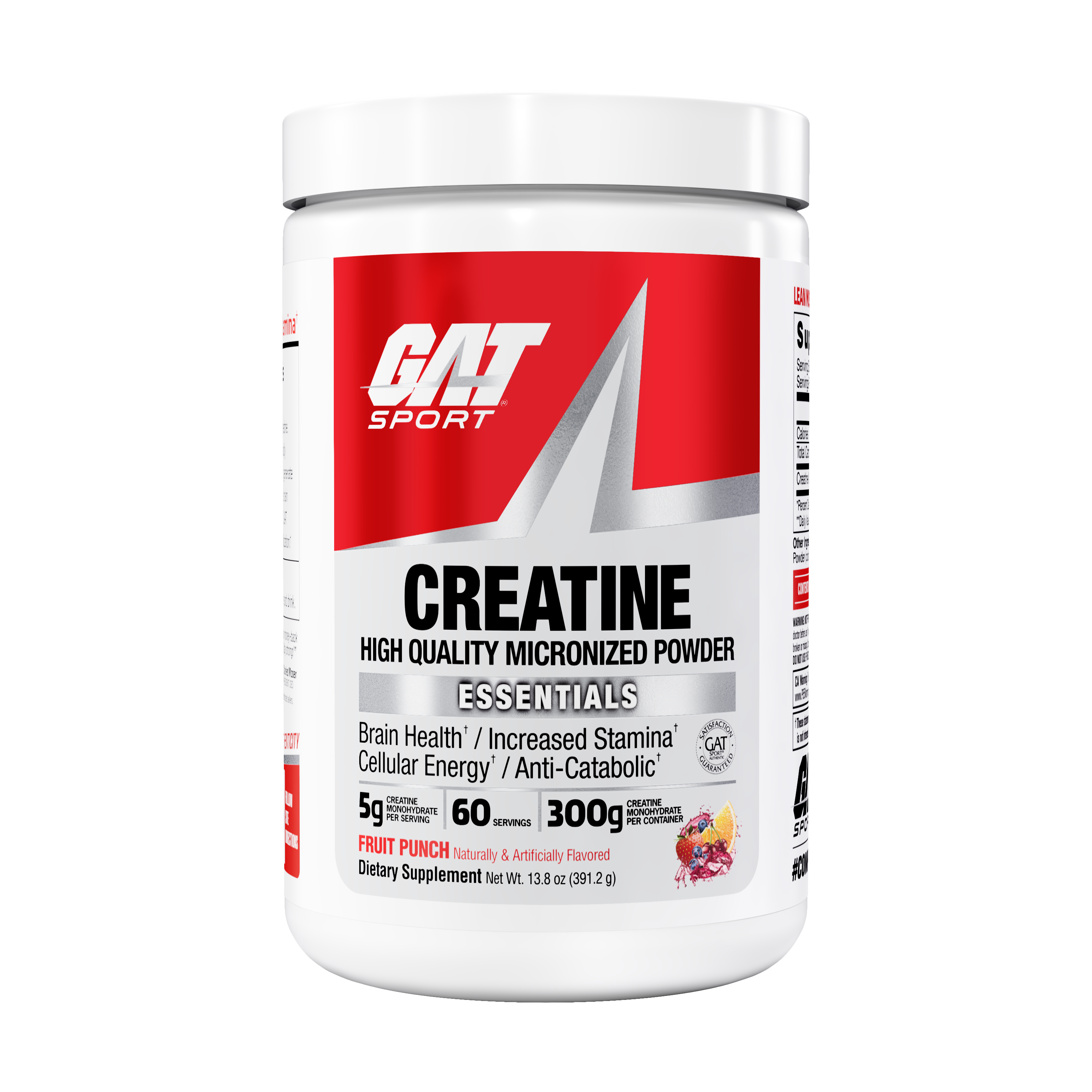
1. Creatine Chews
The first slot goes to the habit with the most to lose from a week of chaos. Creatine works through daily consistency, 3 to 5 grams keeping muscle stores saturated, supporting high-intensity performance and training adaptations, safe for long-term daily use [1], and the chew format strips every excuse travel usually supplies: no powder, no shaker, no mixing, no counter space. A sleeve in the side pocket, the label's serving at the same time every day, done.
And the honest version of the stakes, because this campaign does not do panic: the classic research shows creatine stores built by 3 grams daily over about 28 days drift back toward baseline over roughly a month once supplementation stops [2]. One missed trip is not a disaster. The point of packing them is that the daily habit never has to find out, and the slow four-week climb never has to restart.
2. A Protein Option You Trust
Not a product pitch, just physics: holiday travel is where protein intake quietly collapses, between airport food, other people's menus, and meals on other people's schedules. Pack whichever portable protein you will actually eat, single-serve packets, bars, jerky, anything shelf-stable with real grams, and treat it as the bridge between uncertain meals rather than a replacement for them. The brand matters less than the presence.
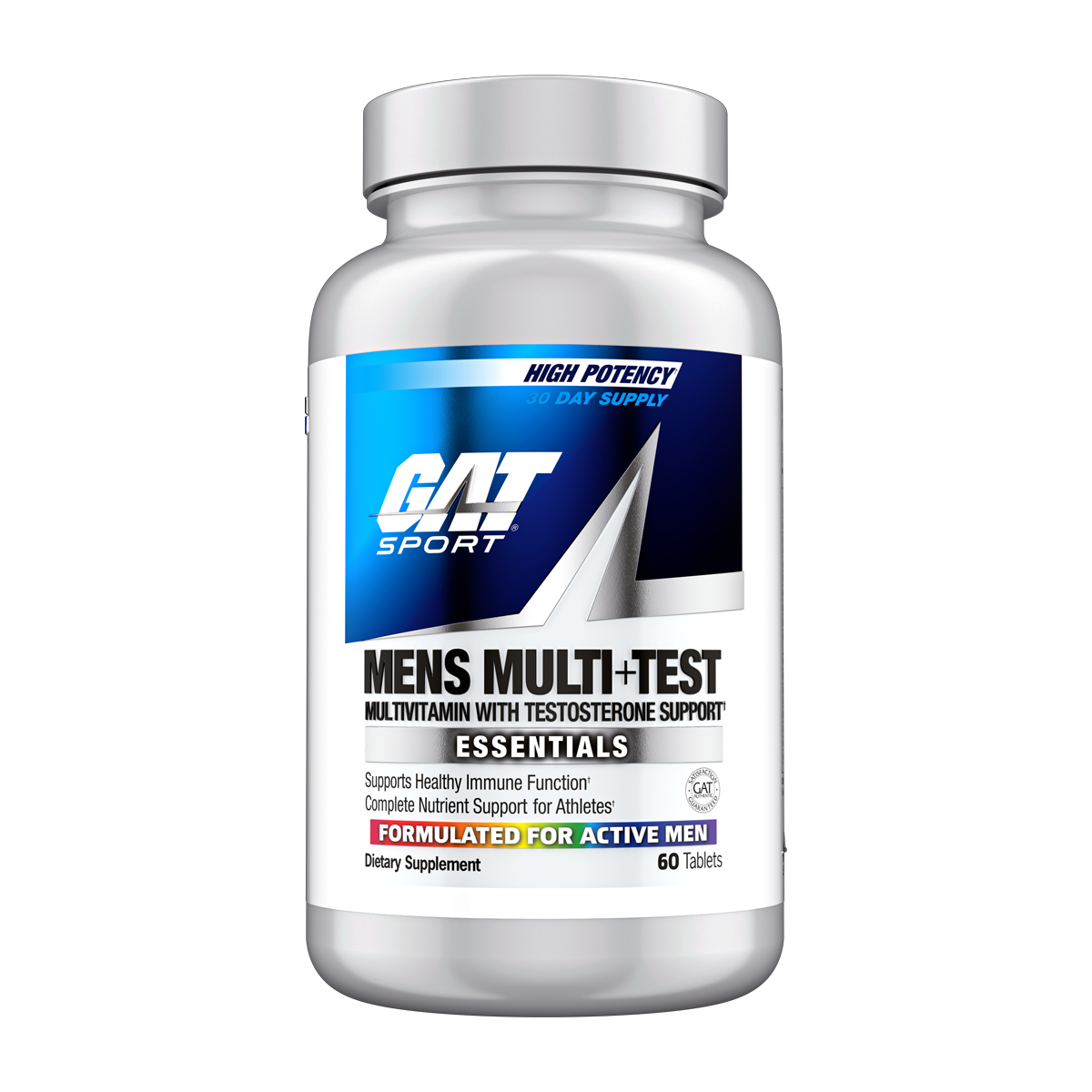
3. Vitamin D3 + K2
This one earns its slot from a 1988 study with a title that gives away the ending: winter sunlight in Boston produced no vitamin D3 synthesis in human skin from November through February, with the dead window stretching October through March further north [3], a stretch the researchers called the "vitamin D winter" and flagged as the period when dietary supplementation may be advisable [3]. Holiday travel season sits squarely inside it, and a trip rarely relocates you to a latitude that fixes the problem.
Two notes keep this recommendation honest. First, the athlete-focused review on vitamin D cautions directly against the mega-dose approach, favoring sensible supplementation aimed at avoiding deficiency rather than chasing extreme blood levels, with decisions ideally built on measured status [4], so if you want to know where you actually stand, a simple blood test through your doctor answers it. Second, the K2 pairing has a specific rationale: vitamins D and K work together in calcium metabolism, and the research notes joint supplementation might be more effective for bone health than either alone, with most of those trials conducted in postmenopausal women [5]. Vitamin D3 + K2 covers both in one capsule, per its label, as the winter-months piece of the daily routine, and it rides alongside the creatine because the two are the same behavior with different jobs: one daily swallow for training support, one for the micronutrient the season stops making.
4. A Resistance Band
Four dollars of latex that converts any hotel room into a training floor. Rows, pull-aparts, face pulls, banded squats, hip hinges, pressdowns off a door anchor, enough to cover a full-body maintenance session when the hotel "fitness center" disappoints, and enough to warm up properly when it does not. It weighs nothing. There is no audit under which it fails to make the bag.
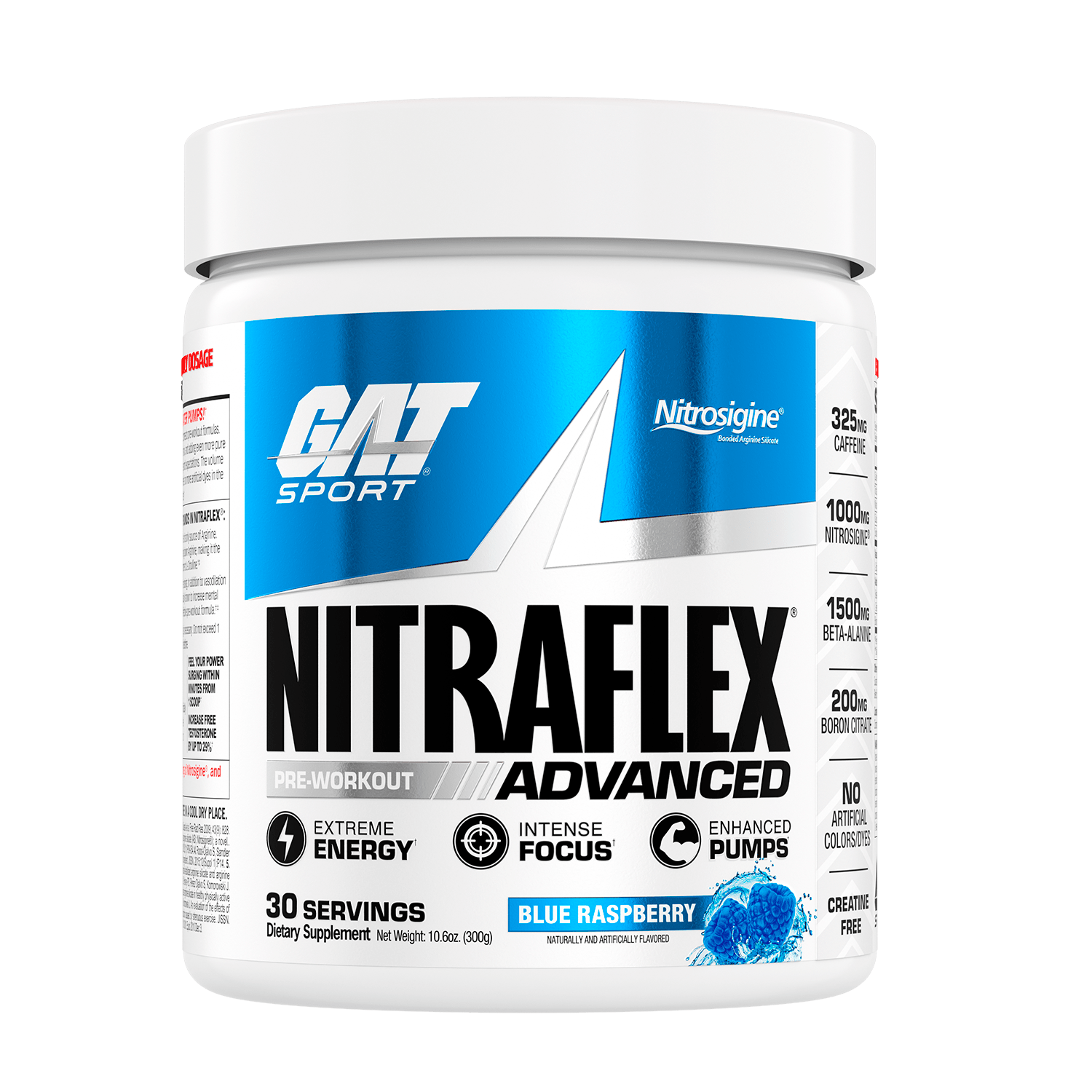
5. Nitraflex Chews
For the trip's one or two real sessions, the days you actually find a gym worth using, Nitraflex Chews carry the pre-workout routine in the same zero-logistics format as the creatine: 200 milligrams of caffeine per serving, taken shortly before training, no bottle, no powder, no prep. One serving, one session, and never stacked with any other stimulant product the same day.
6. An Empty Water Bottle
The least glamorous item does the most frequent work. Travel days run dry, flights, coffee, walking, forgetting, and the fluid research is clear that performance suffers once losses pass about 2 percent of body weight, with needs varying enough between individuals that your hydration habits should be your own rather than borrowed [6]. An empty bottle costs no weight, fills anywhere, and turns hydration from an intention into an object in your hand. Carry it, fill it, sip it on the schedule you already know works for you.
7. A Sleep Kit: Eye Mask and Earplugs
Last slot, and it comes with the series' trademark honesty. The systematic review on travel fatigue and jet lag in athletes found no studies at all on managing travel fatigue and graded the evidence for jet-lag interventions as low quality [7]. So, no protocol is being sold here, because the research does not support selling one. What survives that honesty is the boring, robust bet: sleep itself drives recovery, and the mask-and-earplugs kit protects your opportunity to sleep in rooms you do not control, hallway noise, streetlight, a relative's couch, a red-eye. Twenty grams of gear, and the one variable every recovery conversation eventually returns to gets defended wherever you land.
Zip It Shut
Seven items, maybe a pound and a half of total weight, and together they carry the entire architecture of a training life through its most hostile season: the daily habits (creatine, D3 + K2), the fuel (protein, water), the sessions (band, pre-workout), and the recovery (the sleep kit). The suitcase vote comes out in your favor, and the lifter who lands back home in late November is still mid-program instead of starting over.
Pack the kit once, train anywhere. Start with GAT Sport Creatine Chews in the side pocket, at gatsport.com.
Key Takeaways
- Travel breaks routines through logistics, so pack for the habits: daily creatine, protein you will actually eat, and vitamin D3 + K2 for the low-sunlight months.
- Creatine works through daily 3-to-5-gram consistency, and stores built over about 28 days drift back toward baseline over roughly a month off, so the habit matters more than any single trip.
- Winter sunlight at northern latitudes produces no vitamin D3 in skin from roughly November through February, the "vitamin D winter" when supplementation may be advisable; avoid mega-doses and check levels with your doctor.
- A resistance band, a water bottle, and portable pre-workout cover the training side of any hotel week.
- Jet-lag intervention evidence in athletes is low quality, so skip the elaborate protocols and protect the sleep opportunity itself with a mask and earplugs.
Frequently Asked Questions
How do I keep taking supplements while traveling?
Pack formats that remove every step between you and the habit. Chewable creatine and pre-workout eliminate powders, shakers, and mixing entirely, capsules like vitamin D3 + K2 travel in any pill case, and single-serve protein options bridge unpredictable meals. Anchor each to something you already do daily, with breakfast, before bed, and the routine survives any kitchen, time zone, or schedule the trip throws at it.
Does missing creatine for a week ruin my progress?
No. Muscle creatine stores built through daily supplementation decline gradually, drifting back toward baseline over roughly a month after stopping, so a single missed week costs only a fraction of your saturation. The practical takeaway runs both directions: one trip is not a disaster, and packing a zero-effort format means the slow rebuild never has to happen at all.
Should I take vitamin D in the winter?
It is worth considering seriously. Research shows winter sunlight at latitudes like Boston's produces no vitamin D3 in skin from November through February, a window researchers called the vitamin D winter and flagged as the period when dietary supplementation may be advisable. The athlete-focused guidance favors sensible daily doses over mega-doses and recommends basing decisions on measured blood levels, so ask your doctor for a vitamin D test if you want certainty.
How do I sleep better in hotels and after flights?
Honestly, the research on jet-lag interventions in athletes is of low quality, so be skeptical of elaborate protocols. The defensible approach is protecting the basics: bring an eye mask and earplugs to control light and noise in rooms you cannot control, keep your wake time as consistent as the trip allows, get daylight exposure after arrival, and watch late caffeine. Protecting the opportunity to sleep is the intervention with the least to prove.
What is a minimal travel workout setup?
A single resistance band and whatever the hotel offers. The band covers rows, pull-aparts, squats, hinges, presses, and warm-up work in any room, and even a sparse dumbbell rack supports a full maintenance session of goblet squats, presses, rows, and carries. Two such sessions in a travel week, with a portable pre-workout for the days you want real intensity, keeps the program alive until you are home.
References
- Kreider, Richard B., et al. "International Society of Sports Nutrition Position Stand: Safety and Efficacy of Creatine Supplementation in Exercise, Sport, and Medicine." Journal of the International Society of Sports Nutrition, vol. 14, 2017, article 18, doi:10.1186/s12970-017-0173-z.
- Hultman, Eric, et al. "Muscle Creatine Loading in Men." Journal of Applied Physiology, vol. 81, no. 1, 1996, pp. 232-237, doi:10.1152/jappl.1996.81.1.232.
- Webb, Ann R., et al. "Influence of Season and Latitude on the Cutaneous Synthesis of Vitamin D3: Exposure to Winter Sunlight in Boston and Edmonton Will Not Promote Vitamin D3 Synthesis in Human Skin." The Journal of Clinical Endocrinology and Metabolism, vol. 67, no. 2, 1988, pp. 373-378, doi:10.1210/jcem-67-2-373.
- Owens, Daniel J., et al. "Vitamin D and the Athlete: Current Perspectives and New Challenges." Sports Medicine, vol. 48, suppl. 1, 2018, pp. 3-16, doi:10.1007/s40279-017-0841-9.
- van Ballegooijen, Adriana J., et al. "The Synergistic Interplay between Vitamins D and K for Bone and Cardiovascular Health: A Narrative Review." International Journal of Endocrinology, vol. 2017, 2017, article 7454376, doi:10.1155/2017/7454376.
- Sawka, Michael N., et al. "American College of Sports Medicine Position Stand: Exercise and Fluid Replacement." Medicine and Science in Sports and Exercise, vol. 39, no. 2, 2007, pp. 377-390, doi:10.1249/mss.0b013e31802ca597.
- Janse van Rensburg, Dina C., et al. "How to Manage Travel Fatigue and Jet Lag in Athletes? A Systematic Review of Interventions." British Journal of Sports Medicine, vol. 54, no. 16, 2020, pp. 960-968, doi:10.1136/bjsports-2019-101635.
Frequently asked questions
What is the main takeaway from this article?
“The Travel Kit: 7 Things That Fit in a Carry-On and Save Your Training” is designed to turn practical training and nutrition guidance into clear actions you can apply to your routine.
How should I put this advice into practice?
Start with one recommendation, apply it consistently, and adjust it to your goals, training experience, and recovery needs.