

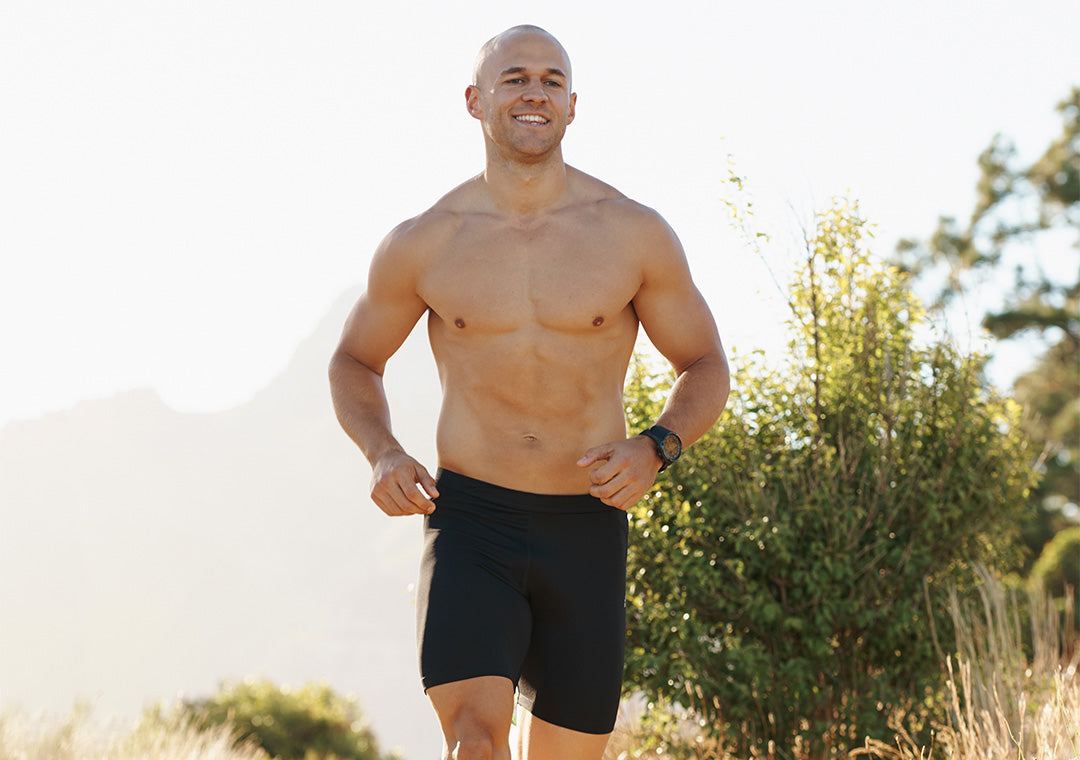
Hybrid athletes guard their engine the way a chef guards a knife roll. Years of intervals, tempo runs, and lactate went into building it, so when someone suggests a hypertrophy block, they do not hear "muscle." They hear slower splits, heavier miles, and a race photo they will not post.
The result is a strange self-imposed ceiling. Athletes who will happily suffer through any conditioning session you can invent go quietly timid around the idea of getting bigger, convinced that size and engine are enemies. Tuesday's post walked the road in one direction, the physique athlete adding conditioning without losing muscle. Today runs the road the other way, and the evidence is just as generous. Five myths keep functional athletes smaller than they want to be. None of them survive contact with the research.
Does Building Muscle Hurt Endurance Performance?
No, not when the block is structured sensibly. Research shows aerobic capacity can be maintained on as little as two conditioning sessions per week when intensity is preserved, and concurrent training studies show lifting and endurance work coexist without compromising muscle growth. A hypertrophy block trades some conditioning volume, not your engine.
Myth 1: Adding Muscle Kills Your Aerobic Engine
The truth: An aerobic engine built over years does not vanish during a hypertrophy block. Research shows endurance performance can be maintained with as few as two sessions per week, provided the intensity of those sessions is kept high.
The fear treats fitness like sand slipping through fingers, but the maintenance research says the opposite: the engine is remarkably cheap to keep once built [1]. Two genuinely hard conditioning sessions per week, one interval-based, one longer, hold the line while the rest of your training week feeds the muscle. What actually kills engines is not hypertrophy training. It is quitting conditioning entirely, which no sane block requires.
Myth 2: You Have to Stop Conditioning to Grow
The truth: Muscle grows fine alongside aerobic training. Across 43 studies, concurrent aerobic and strength training did not compromise hypertrophy or maximal strength compared with lifting alone.
This is the same 43-study meta-analysis that reassured Tuesday's physique athlete, and it cuts both ways [2]. Growth does not demand a monastic lifting-only existence; it demands sufficient lifting stimulus and enough recovery to absorb it. Keep the two maintenance conditioning sessions from myth 1, place them away from your hardest lifting as Tuesday's scheduling rules laid out, and the muscle-building signal comes through clean. The athletes who "cannot grow while conditioning" are almost always under-lifting or under-eating, not over-conditioning.
Myth 3: Bigger Means Less Mobile
The truth: Strength training through a full range of motion improves flexibility. A meta-analysis of randomized trials found strength training improved range of motion as much as dedicated stretching did.
Here is the finding that surprises everyone at the gym: eleven randomized controlled trials, pooled, showed no difference between strength training and stretching for improving range of motion [3]. A deep squat is a loaded mobility drill. A full Romanian deadlift stretches the hamstrings under control better than most people's stretching routines ever will. The stiff bodybuilder stereotype comes from partial-range pump work, not from muscle itself, so the practical rule for the hybrid athlete is simple: train every lift through its full honest range, and the size you add arrives mobile.
Myth 4: Lifting Heavy Makes You Slow
The truth: Stronger athletes sprint faster, jump higher, and change direction better. Reviews of the strength and performance literature consistently associate greater muscular strength with superior speed and power qualities, not worse.
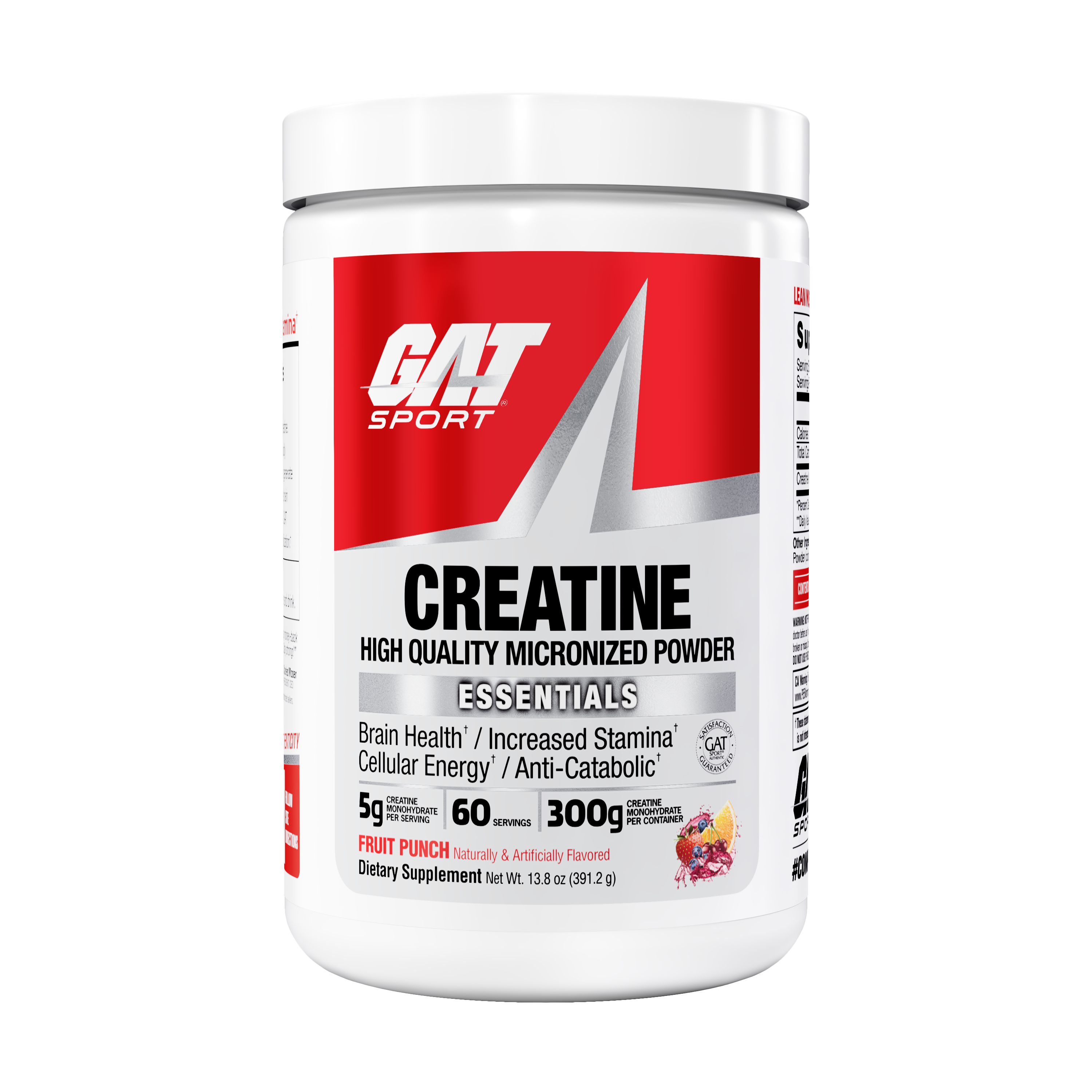
Slow is not built under a barbell. The evidence runs firmly in the other direction: greater strength underpins better sprinting, jumping, and change-of-direction performance, along with greater potential for power development [4]. Force is the currency every fast movement spends, and a stronger athlete simply has more of it. One honest nuance deserves its place, though, because this campaign does not sand off inconvenient findings: the concurrent-training research found explosive strength gains may be blunted when aerobic and strength work share a session [2]. The fix is scheduling, not avoidance, so keep hypertrophy and power work away from your hard intervals and let each quality train in its own window. And since myth 4 lives on the size-and-speed border, add the least glamorous speed support there is: 3 to 5 grams of Creatine Monohydrate daily, the most researched supplement for high-intensity performance and training adaptations, safe for long-term daily use [5].
Myth 5: Hybrid Athletes Cannot Eat Enough to Grow
The truth: Growth on a hybrid schedule is an arithmetic problem, not an impossibility. Hitting 1.4 to 2.0 grams of protein per kilogram daily and enough weekly lifting volume produces hypertrophy even with conditioning in the week.
The concern is real, two demanding modalities burn serious fuel, but the conclusion does not follow. The protein target for growth is the same well-established 1.4 to 2.0 grams per kilogram per day that governs everyone else [6], and the hypertrophy driver is weekly set volume, which shows a clear dose-response relationship with muscle growth [7]. The hybrid athlete's move is efficiency: anchor the protein at every meal, let carbohydrate scale up and down with conditioning load, and count weekly lifting sets like they are money, because in this equation they are. Athletes fail to grow on hybrid schedules the same way everyone else fails to grow, by guessing instead of counting.
Bringing Real Output to the Second Session
Every myth above dissolves into the same practical picture: two quality conditioning sessions, hypertrophy work scheduled away from hard intervals, full-range lifting, and food that matches two jobs. What that picture quietly demands is output on days when output is expensive, because the hypertrophy session often lands on legs that already ran.
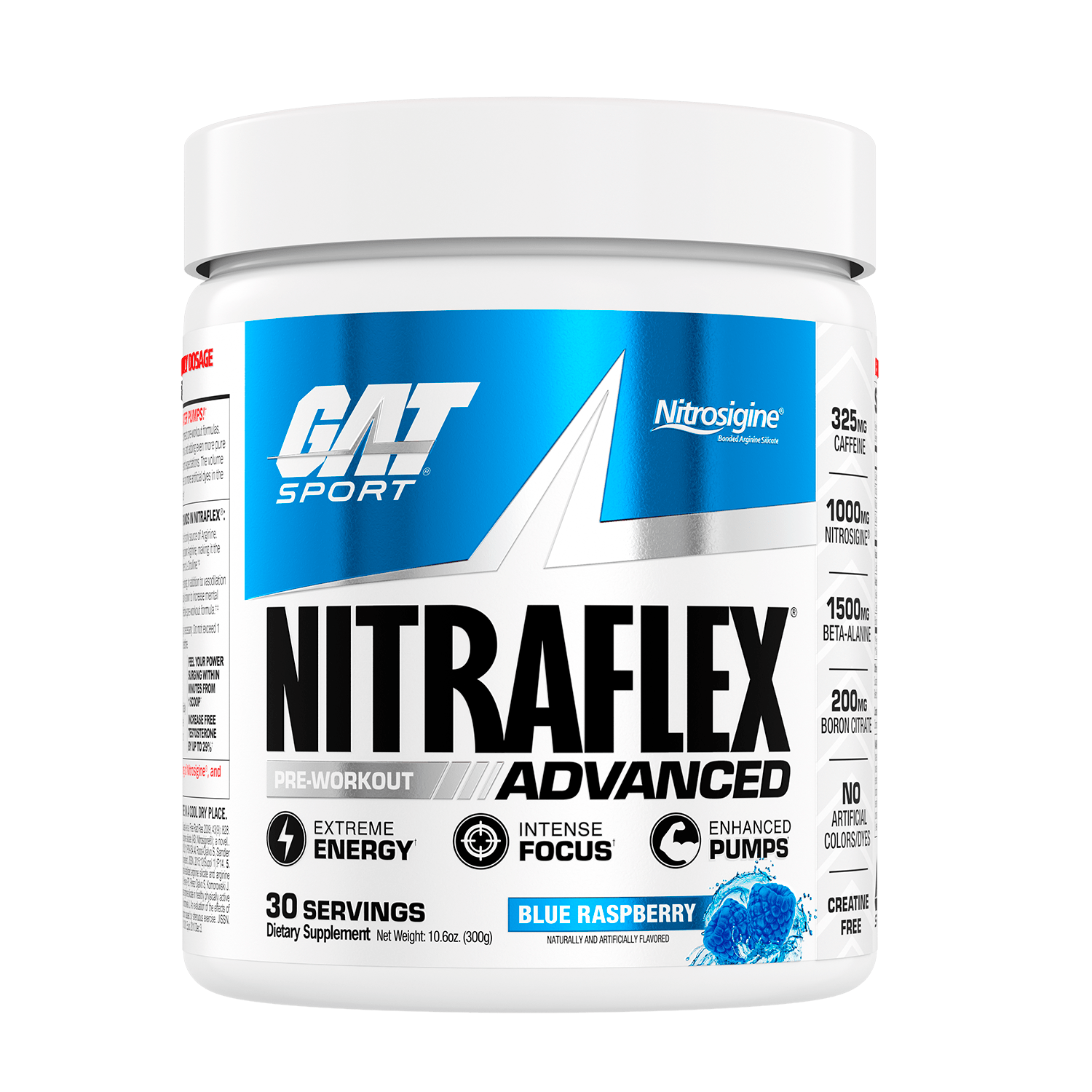
That is the specific job Nitraflex Advanced holds in a hybrid week: showing up to the lifting session with something left to give. Each scoop carries 325 mg of caffeine, squarely inside the 3 to 6 milligrams per kilogram range the ISSN identifies as performance-enhancing [8], alongside a 3,700 mg vasoactive complex of L-Citrulline, Nitrosigine, resveratrol, and pterostilbene, a 2,621 mg energy and focus complex including beta-alanine, L-tyrosine, and L-theanine, and 200 mg of boron citrate. The timing rules matter double for a hybrid athlete juggling two-a-days: one scoop per day maximum, within 30 minutes of training, and never within five hours of bed, because caffeine taken late costs the sleep that both modalities are billing against [8].
Covering the Amino Gap Between Sessions
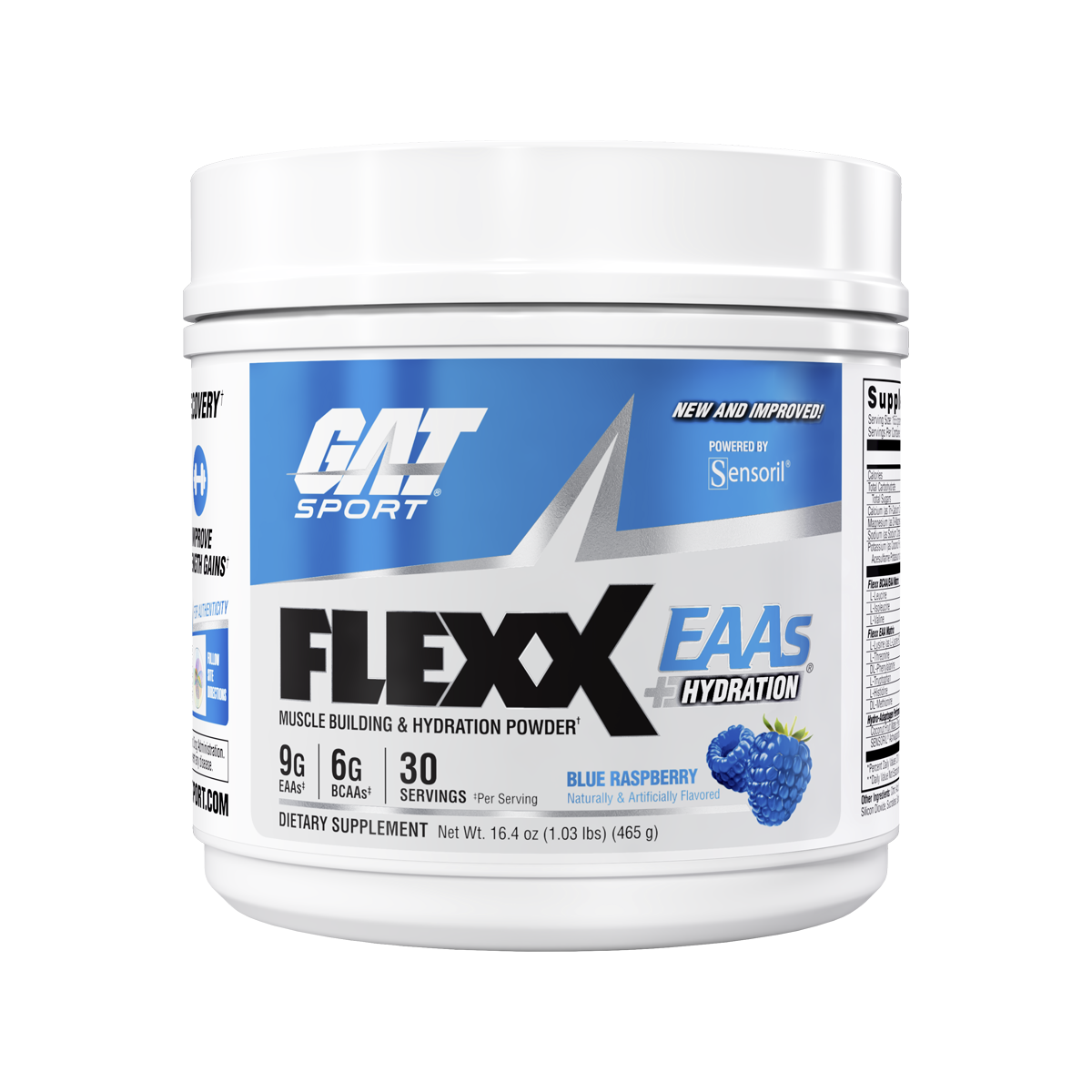
Flexx EAAs support the hero rather than competing with it, because they work opposite sides of the same day. The pre-workout buys output inside the session; the EAAs defend the building material between sessions, which is exactly where two-a-day schedules spring leaks, the post-run appetite crash, the lunch that becomes a snack, the dinner pushed late. Free-form essential amino acids stimulate muscle protein synthesis at modest doses [9], making a serving between sessions the cheapest insurance that the morning's conditioning does not quietly tax the afternoon's growth.
Keep the Engine. Add the Armor.
Read the five myths again and notice what they have in common: everyone assumes the body can only be good at one thing. The research disagrees at every checkpoint. The engine survives on two hard sessions. The muscle grows alongside the miles. The range of motion improves under load. The strength makes you faster, not slower. And the eating is a math problem you can solve with a food scale and a protein target.
The hybrid athlete who stays small is not protecting an engine. They are obeying a myth.
Keep the engine. Add the armor. Fuel your hypertrophy block with GAT Sport Nitraflex Advanced, at gatsport.com.
Key Takeaways
- Aerobic capacity can be maintained on as few as two conditioning sessions per week when intensity stays high, so a hypertrophy block never requires abandoning the engine.
- Across 43 studies, concurrent aerobic and strength training did not compromise muscle growth or maximal strength.
- Full-range strength training improved range of motion as much as stretching in randomized trials, so added size arrives mobile when lifts are trained honestly.
- Greater strength is associated with better sprinting, jumping, and change of direction; schedule power and hypertrophy work away from hard intervals to protect explosive gains.
- Growth on a hybrid schedule is arithmetic: 1.4 to 2.0 grams of protein per kilogram daily plus counted weekly lifting sets.
Frequently Asked Questions
Does building muscle make you slower at running?
No. The strength and performance literature consistently associates greater muscular strength with better sprinting, jumping, and change-of-direction ability, because force production underpins fast movement. The genuine nuance is scheduling: explosive strength gains can be blunted when hard aerobic and strength work share a session, so separate them. Added muscle carried by a stronger athlete tends to show up as speed, not slowness.
Can hybrid athletes build muscle while still doing cardio?
Yes. A meta-analysis of 43 studies found concurrent aerobic and strength training did not compromise hypertrophy or maximal strength compared with lifting alone. The practical requirements are the same as for anyone: enough weekly lifting volume, adequate protein, and recovery between hard efforts. Most hybrid athletes who struggle to grow are under-lifting or under-eating rather than doing too much conditioning.
How much cardio do I need to keep my endurance during a muscle-building phase?
Research on training maintenance shows endurance performance can be held with as few as two sessions per week, provided intensity is preserved. A practical pattern is one interval or threshold session and one longer steady effort, both done with real quality. Volume is the flexible variable during a hypertrophy block; intensity is the one to protect.
Will lifting weights make me less flexible?
The evidence says the opposite of the stereotype. A meta-analysis of randomized controlled trials found strength training improved range of motion as much as dedicated stretching programs. The key is training lifts through their full range of motion, since deep squats, Romanian deadlifts, and full presses load muscles at long lengths. Size built that way comes with its mobility included.
How much protein does a hybrid athlete need to build muscle?
The evidence-based range for exercising adults is 1.4 to 2.0 grams per kilogram of body weight daily, and hybrid training does not change the target so much as raise the stakes on hitting it. Spread protein across meals, scale carbohydrate with conditioning load, and use essential amino acids to cover the gaps two-a-day schedules create when appetite or timing breaks down.
References
- Spiering, Barry A., et al. "Maintaining Physical Performance: The Minimal Dose of Exercise Needed to Preserve Endurance and Strength over Time." Journal of Strength and Conditioning Research, vol. 35, no. 5, 2021, pp. 1449-1458, doi:10.1519/JSC.0000000000003964.
- Schumann, Moritz, et al. "Compatibility of Concurrent Aerobic and Strength Training for Skeletal Muscle Size and Function: An Updated Systematic Review and Meta-Analysis." Sports Medicine, vol. 52, no. 3, 2022, pp. 601-612, doi:10.1007/s40279-021-01587-7.
- Afonso, José, et al. "Strength Training versus Stretching for Improving Range of Motion: A Systematic Review and Meta-Analysis." Healthcare, vol. 9, no. 4, 2021, article 427, doi:10.3390/healthcare9040427.
- Suchomel, Timothy J., et al. "The Importance of Muscular Strength in Athletic Performance." Sports Medicine, vol. 46, no. 10, 2016, pp. 1419-1449, doi:10.1007/s40279-016-0486-0.
- Kreider, Richard B., et al. "International Society of Sports Nutrition Position Stand: Safety and Efficacy of Creatine Supplementation in Exercise, Sport, and Medicine." Journal of the International Society of Sports Nutrition, vol. 14, 2017, article 18, doi:10.1186/s12970-017-0173-z.
- Jäger, Ralf, et al. "International Society of Sports Nutrition Position Stand: Protein and Exercise." Journal of the International Society of Sports Nutrition, vol. 14, 2017, article 20, doi:10.1186/s12970-017-0177-8.
- Schoenfeld, Brad J., et al. "Dose-Response Relationship between Weekly Resistance Training Volume and Increases in Muscle Mass: A Systematic Review and Meta-Analysis." Journal of Sports Sciences, vol. 35, no. 11, 2017, pp. 1073-1082, doi:10.1080/02640414.2016.1210197.
- Guest, Nanci S., et al. "International Society of Sports Nutrition Position Stand: Caffeine and Exercise Performance." Journal of the International Society of Sports Nutrition, vol. 18, no. 1, 2021, article 1, doi:10.1186/s12970-020-00383-4.
- Ferrando, Arny A., et al. "International Society of Sports Nutrition Position Stand: Effects of Essential Amino Acid Supplementation on Exercise and Performance." Journal of the International Society of Sports Nutrition, vol. 20, no. 1, 2023, article 2263409, doi:10.1080/15502783.2023.2263409.
Frequently asked questions
What is the main takeaway from this article?
“You Will Not Lose Your Engine: 5 Myths About Building Size as a Hybrid Athlete” is designed to turn practical training and nutrition guidance into clear actions you can apply to your routine.
How should I put this advice into practice?
Start with one recommendation, apply it consistently, and adjust it to your goals, training experience, and recovery needs.