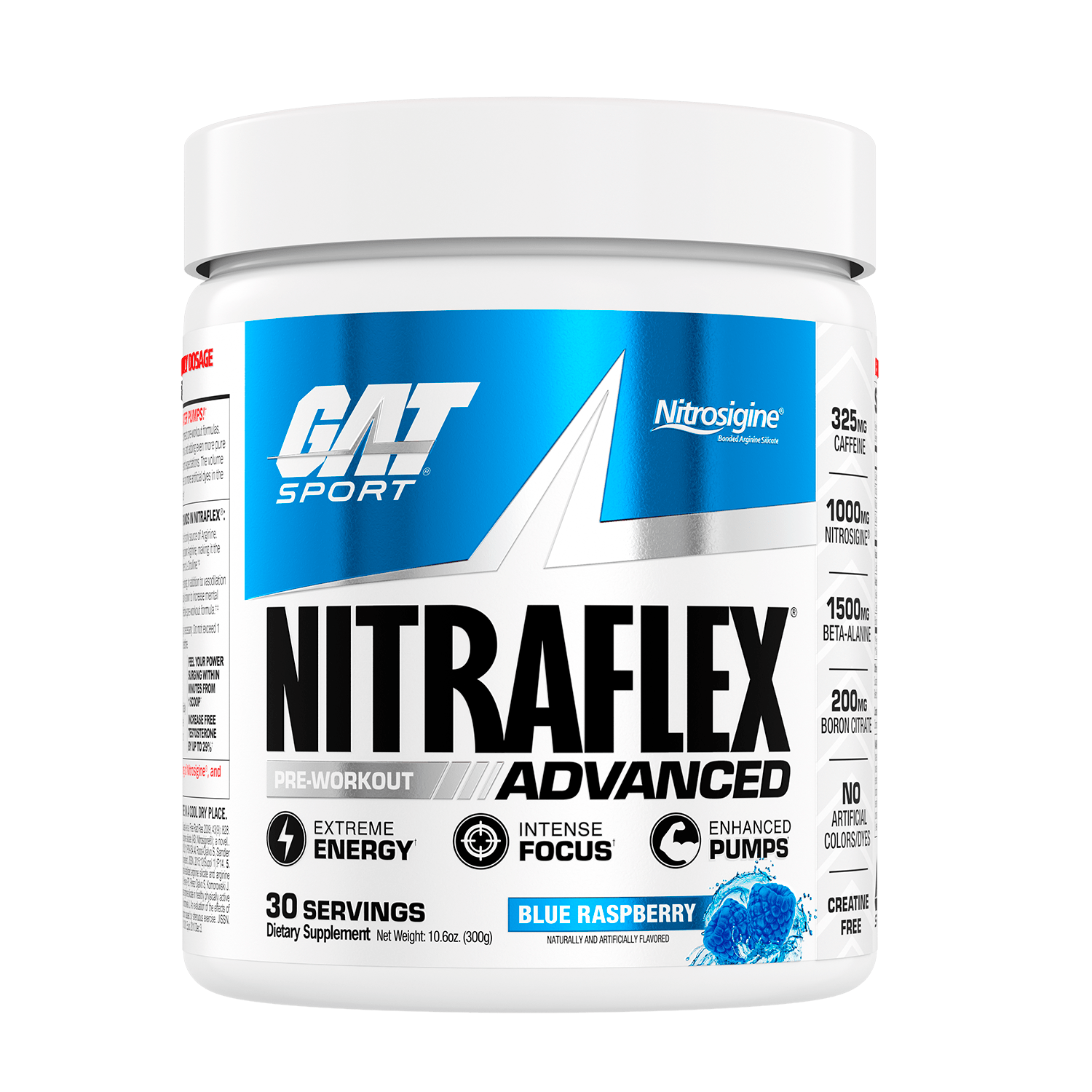



We sell supplements. This article is going to tell you to buy groceries first.
That sounds like terrible business, and honestly, from a certain angle it is. But it is also the only version of this advice that respects the science, because supplements are named with unusual accuracy: they supplement. They sit on top of a foundation, and when there is no foundation, there is nothing for them to work on.
Here is the pattern we watch play out every January, and increasingly every October: a lifter stacks four or five products on top of a diet that cannot support their training, eats 1,600 haphazard calories against a muscle-building goal, sleeps six hours, skips vegetables for days at a time, and then concludes, reasonably enough from their vantage point, that supplements do not work. The products were never the problem. The order of operations was.
So, this is the order of operations, from the ground up, and it ends with the shortest supplement list this industry will ever print.
Should You Fix Your Diet Before Taking Supplements?
Yes. Sports nutrition's most authoritative consensus statement says a complete nutritional assessment should come before any supplement decision, because supplements can only add to what food already provides. Build energy intake, protein, carbohydrate, produce, hydration, and sleep first. Then add the few supplements with genuine evidence, starting with creatine.
The Foundation, In Order
The world's major sports nutrition bodies agree on the architecture: well-chosen food, fluid, and supplement strategies enhance performance and recovery, in that order of importance [2], and the IOC's consensus on supplements states flatly that a complete nutritional assessment should be undertaken before decisions about supplement use are made [1]. Here is that assessment, turned into a checklist you can run this week.
- Match Energy to the Goal
Everything downstream depends on this. Eating too little against a building goal, or vaguely "clean" against no goal at all, undermines training adaptations and recovery
before any product enters the picture [2]. Pick the goal, estimate the intake honestly, and track it for two normal weeks. Most lifters have never actually measured the thing they are trying to change.
- Set a Daily Protein Target
The evidence-based range for exercising adults is 1.4 to 2.0 grams per kilogram of body weight daily, delivered in servings of roughly 20 to 40 grams spread across the day [3]. For a 145-pound woman lifting three times a week, that is about 92 to 132 grams a day, four palm-sized protein servings, and it is the single highest-leverage fix on this list. No supplement purchase outperforms hitting this number for a month.
- Put Carbohydrate Around Training
Carbohydrate is the fuel for the high-intensity work that drives progress and positioning it around sessions supports both performance and recovery [2]. This does not require a spreadsheet. A carb-containing meal in the hours before training and again after covers most lifestyle lifters completely.
- Eat the Produce
Fruit, vegetables, and variety are the micronutrient system working the way it was designed, and food comes packaged with fiber and compounds no capsule replicates [2]. The practical bar is lower than the influencer version: a fruit or vegetable at every meal, in different colors across the week, closes most gaps that lifters try to solve at the supplement counter.
- Sleep and Water, the Free Ones
Hydration is part of every major performance nutrition framework [2], and sleep is the recovery window everything else depends on. Neither costs a dollar. Both get skipped while the cart fills up.
Run that five-point assessment honestly and something clarifying happens: the supplement question shrinks. Which brings us to the short list.
Then, and Only Then: The First Supplement
Once the plate is built, the evidence gets refreshingly blunt about what deserves your money. The IOC consensus reviewed the enormous universe of performance supplements and found only a few with good evidence of benefit, a short list that includes caffeine and creatine [1]. Not fifty products. A handful.
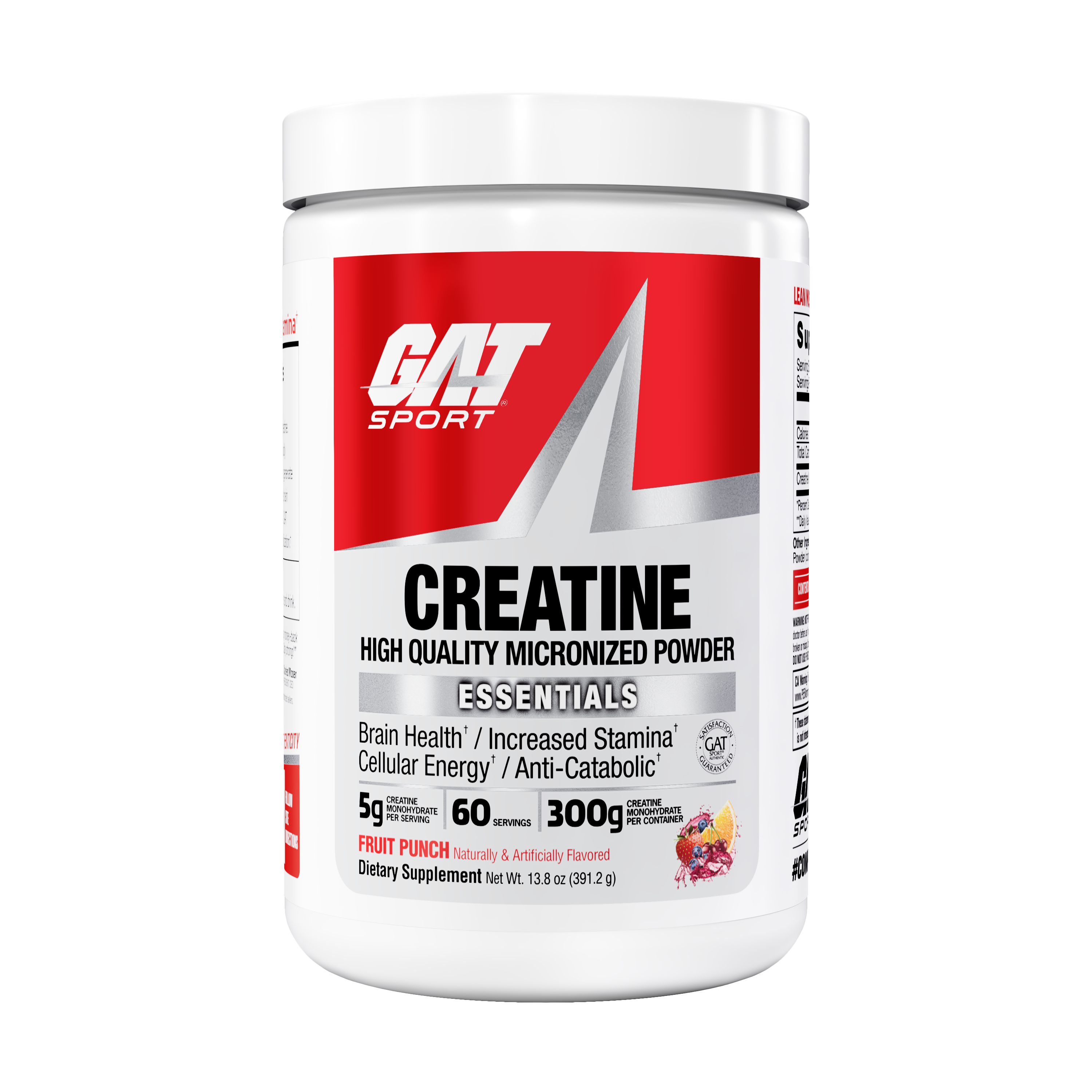
And at the top of that handful sits the first supplement that earns a spot on a finished foundation: Creatine Monohydrate. The ISSN position stand identifies it as the most
effective ergogenic nutritional supplement available for increasing high-intensity exercise capacity and lean body mass during training, safe for long-term daily use in healthy people [5]. Three to five grams daily, every day, stirred into anything. It is inexpensive, exhaustively studied, and it works on the training your new foundation now supports. That is what a supplement is supposed to look like.
Worth knowing as a consumer, and the reason the foundation-first order matters so much: in the United States, supplements are regulated as food products rather than drugs, with no requirement for FDA approval before sale [4]. The evidence filter is yours to apply, and the honest filter reads like this article: food first, then the short list.
Micronutrient Insurance, Where the Diet Still Falls Short
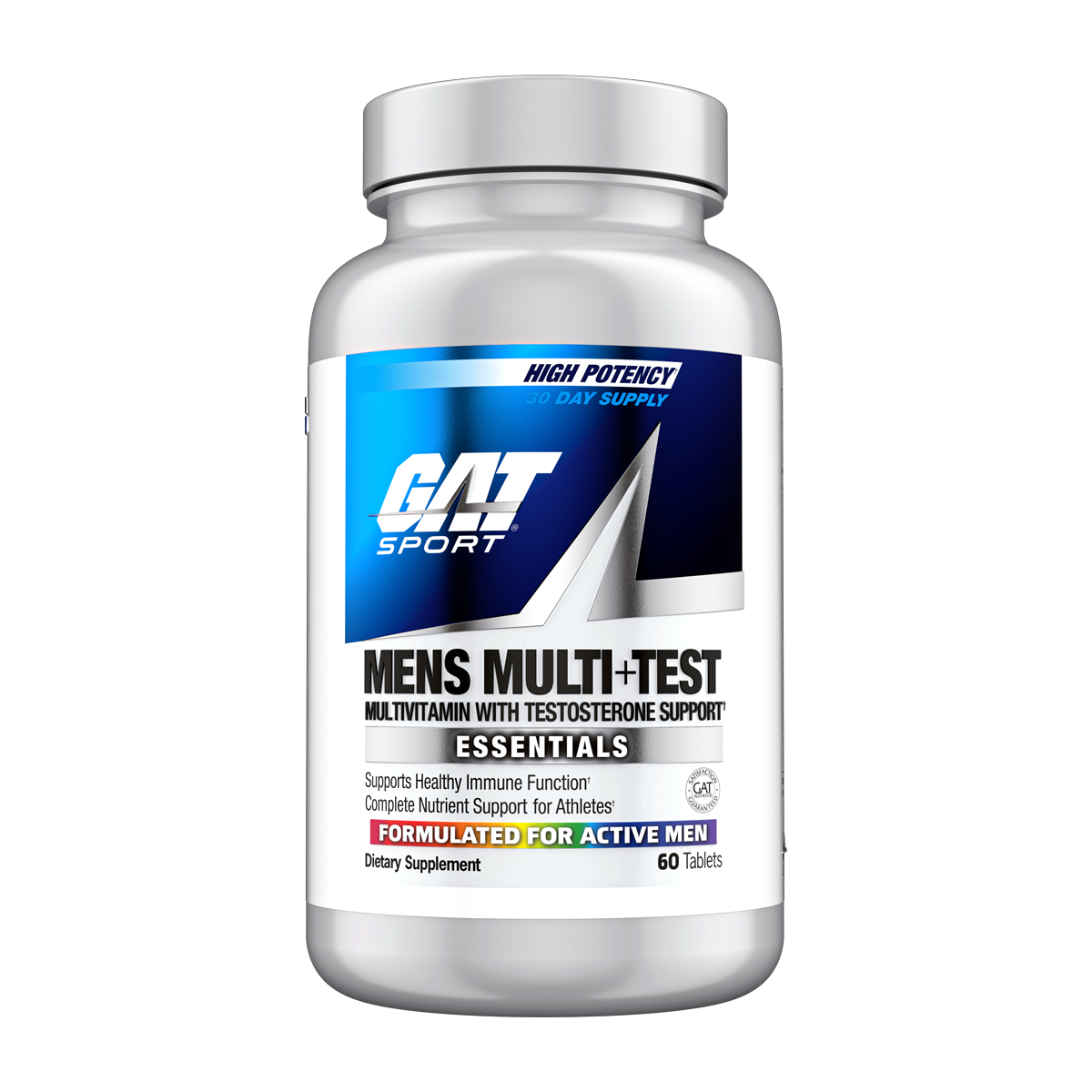
Even a good foundation can have stubborn gaps. Travel weeks, picky eating, a produce drawer that loses to a busy schedule. The IOC framework explicitly recognizes managing micronutrient shortfalls as one legitimate job supplements can do [1], and that is the lane Men's Multi + Test occupies: a daily men's multivitamin formula providing broad vitamin and mineral coverage as insurance for the days and weeks the plate falls short of the plan. It sits alongside creatine rather than competing with it because the two answer different questions entirely, creatine supports the performance side of training with the deepest evidence in the category, while the multi backstops the micronutrient side of a diet that is good but not perfect. Coverage is not a license to skip the produce; it is a floor under it.
And one targeted example of the same gap-filling logic: if fatty fish almost never makes it onto your plate, GAT Sport Omega-3 Purified Fish Oil covers the omega-3 intake your diet is not delivering. Notice the pattern in all three products: each one maps to a specific, honest gap, not a hope.
The Shortest Stack We Will Ever Recommend
Count what this article actually asked you to buy: groceries, one tub of creatine, and, only where your real diet leaves real gaps, targeted coverage. That is it. That is the whole stack, and it will outperform any five-product pile sitting on a broken foundation, because the research has been consistent about the hierarchy for years: food does the heavy lifting, a small number of supplements add real margins on top, and everything else is expensive optimism [1, 2].
A supplement brand telling you this is not bad business after all. It is the only honest way to sell the products that actually work.
Build the plate first. Then add the one supplement with the deepest evidence behind it: GAT Sport Creatine Monohydrate, at gatsport.com.
Key Takeaways
- Sports nutrition's authoritative consensus calls for a complete nutritional assessment before any supplement decision, because supplements only add to what food provides.
- Build in order: energy matched to the goal, 1.4 to 2.0 grams of protein per kilogram daily in 20-to-40-gram servings, carbohydrate around training, daily produce variety, hydration, and sleep.
- Only a few performance supplements, including creatine and caffeine, carry good evidence, and creatine monohydrate is the first purchase a finished foundation justifies.
- Supplements are regulated as foods, not drugs, so the evidence filter is the consumers to apply.
- Use a multivitamin or omega-3 as targeted insurance for genuine dietary gaps, not as a substitute for fixing the plate.
Frequently Asked Questions
What should I fix in my diet before taking supplements?
Run the foundation in order: match total energy intake to your goal, hit a daily protein target of 1.4 to 2.0 grams per kilogram spread across meals, place carbohydrate around your training sessions, eat fruit and vegetables daily for micronutrient variety, and handle hydration and sleep. Sports nutrition consensus guidance recommends exactly this kind of complete nutritional assessment before any supplement purchase, because each fix outperforms a product bought to compensate for it.
Do I need supplements to build muscle?
No. Muscle is built by progressive training, sufficient protein, adequate calories, and recovery, all achievable through food and sleep. Supplements add margins on top of that system rather than replacing any part of it. Creatine monohydrate is the one with the deepest evidence for supporting high-intensity training and lean mass gains, which is why it is the first sensible purchase once the foundation is genuinely in place.
Which supplements actually have evidence behind them?
Far fewer than the shelf suggests. The IOC consensus on dietary supplements concluded that among the huge category of performance products, only a few have good evidence of benefit, including caffeine and creatine. Everything else ranges from situationally useful to unproven. A practical rule: if a product does not map to a specific gap in your diet or a specific documented performance mechanism, it is not a foundation piece.
Is a multivitamin worth taking if I eat well?
If your diet consistently delivers produce, variety, and adequate calories, a multivitamin adds little. Its honest role is insurance for the gaps real life creates, travel stretches, appetite dips, weeks when the plate does not match the plan. Supplement frameworks
recognize managing micronutrient shortfalls as a legitimate use case, so treat a multi as a floor under an imperfect diet rather than a replacement for fixing it.
When should I add creatine to my routine?
As soon as your foundation is honestly in place: energy matched to your goal, protein target hit most days, training consistent. From there, 3 to 5 grams of creatine monohydrate daily, taken every day rather than timed around workouts, is the evidence-backed protocol. It is safe for long-term daily use in healthy people and inexpensive enough that consistency, not budget, is the only real requirement.
References
- Maughan, Ronald J., et al. "IOC Consensus Statement: Dietary Supplements and the High-Performance Athlete." British Journal of Sports Medicine, vol. 52, no. 7, 2018, pp. 439-455, doi:10.1136/bjsports-2018-099027.
- Thomas, D. Travis, et al. "American College of Sports Medicine Joint Position Statement: Nutrition and Athletic Performance." Medicine and Science in Sports and Exercise, vol. 48, no. 3, 2016, pp. 543-568, doi:10.1249/MSS.0000000000000852.
- Jäger, Ralf, et al. "International Society of Sports Nutrition Position Stand: Protein and Exercise." Journal of the International Society of Sports Nutrition, vol. 14, 2017, article 20, doi:10.1186/s12970-017-0177-8.
- Kerksick, Chad M., et al. "ISSN Exercise & Sports Nutrition Review Update: Research & Recommendations." Journal of the International Society of Sports Nutrition, vol. 15, no. 1, 2018, article 38, doi:10.1186/s12970-018-0242-y.
- Kreider, Richard B., et al. "International Society of Sports Nutrition Position Stand: Safety and Efficacy of Creatine Supplementation in Exercise, Sport, and Medicine." Journal of the International Society of Sports Nutrition, vol. 14, 2017, article 18, doi:10.1186/s12970-017-0173-z.
Frequently asked questions
What is the main takeaway from this article?
“Food First: Build the Nutrition Foundation Before You Buy a Single Supplement” is designed to turn practical training and nutrition guidance into clear actions you can apply to your routine.
How should I put this advice into practice?
Start with one recommendation, apply it consistently, and adjust it to your goals, training experience, and recovery needs.