


You can buy a lot of things to feel younger. Creams, gadgets, retreats, exotic supplements, entire shelves of products promising vitality. Almost none of them work as well as being strong. Strength is unglamorous, it cannot be purchased outright, and it never goes on sale, which is probably why so many people overlook it while spending freely on shortcuts.
That is the quiet mistake at the center of the longevity industry. People hunt for something to take or buy, when the most reliable investment in how long and how well you live is the muscle you build and keep. Unlike almost everything else sold in the name of aging well, strength has decades of research behind it, from cohort studies tracking hundreds of thousands of people to Cochrane reviews and cardiology statements. Think of it the way you would think of a retirement account: the earlier and more consistently you invest, the more the returns compound. Here are five reasons strength is the ultimate longevity investment.
Why Is Strength Important for Longevity?
Strength is important for longevity because muscle mass and muscular strength are consistently linked to living longer and aging better. Stronger people have a lower risk of death from all causes, better metabolic and heart health, fewer falls when strength work is part of their exercise, and greater odds of staying independent late in life. Muscle naturally declines with age unless you train to keep it, which makes building strength now one of the most reliable investments you can make in your future self.
Here are the five returns on that investment.
1. Strength Itself Predicts How Long You Live
The strength you can express is one of the most powerful health markers researchers have found. In a study that followed 8,762 men for nearly two decades, higher muscular strength was associated with a significantly lower risk of death from all causes and from cancer, and the association held even after accounting for cardiorespiratory fitness [1]. Grip strength tells the same story at global scale: in the PURE study of nearly 140,000 people across 17 countries, every meaningful decrease in grip strength was associated with a higher risk of death from any cause, making grip a stronger predictor of mortality than systolic blood pressure [2]. Strength is not just gym currency; it is one of the clearest signals of a body built to last.
2. The Muscle You Carry Is Protective on Its Own
It is not only what you can lift; the tissue itself matters. In an analysis of 3,659 older adults from a nationally representative U.S. cohort, people in the highest quartile of muscle mass relative to their height had significantly lower all-cause mortality than those in the lowest quartile [3]. The authors' conclusion was blunt: rather than obsessing over weight or BMI, we should be working to maximize and maintain muscle mass. Muscle is metabolically active, stores the protein reserves your body draws on in illness and injury, and gives you a physical buffer against the frailty that aging tries to impose. Every pound you build now is savings in that account.
3. The Training Habit Lowers Your Risk of Dying Early
The act of strength training, independent of the muscle it produces, is linked to a longer life. A meta-analysis in the British Journal of Sports Medicine found that muscle-strengthening activities were associated with a 10 to 17 percent lower risk of all-cause mortality, cardiovascular disease, cancer, and diabetes [4]. Just as striking is how affordable the investment is: the maximum risk reduction appeared at roughly 30 to 60 minutes of strength work per week [4]. That is two or three modest sessions. Few investments in any domain of life offer that kind of return on that little capital.
4. Strength Work Helps Keep You on Your Feet
Falls are one of the great underestimated threats of later life, and exercise is the best-proven defense. A Cochrane review covering 108 trials and more than 23,000 older adults found, with high certainty, that exercise reduces the rate of falls by 23 percent, and that programs combining balance and functional training with resistance exercises probably cut the fall rate by around 34 percent [5]. The strength you build is a key ingredient in that protective mix, powering the legs and hips that catch you when balance fails. Fewer falls mean fewer fractures, fewer hospitalizations, and fewer of the downward spirals that so often follow them.
5. Strength Training Protects Your Heart and Metabolism
The longevity benefits run deeper than muscle and bone. In its 2023 scientific statement, the American Heart Association concluded that resistance training improves blood pressure, blood sugar, lipids, and body composition, and is associated with roughly 15 percent lower all-cause mortality and 17 percent lower cardiovascular disease risk [6]. Muscle acts as your metabolic engine, disposing of blood glucose and supporting the healthy body composition that protects your heart over decades. The physique benefits of lifting are what people see; the cardiometabolic benefits are what help you stay alive to enjoy them.
Protecting the Investment
An investment this valuable deserves protecting, and two evidence-backed basics support the muscle you are building for the decades ahead.
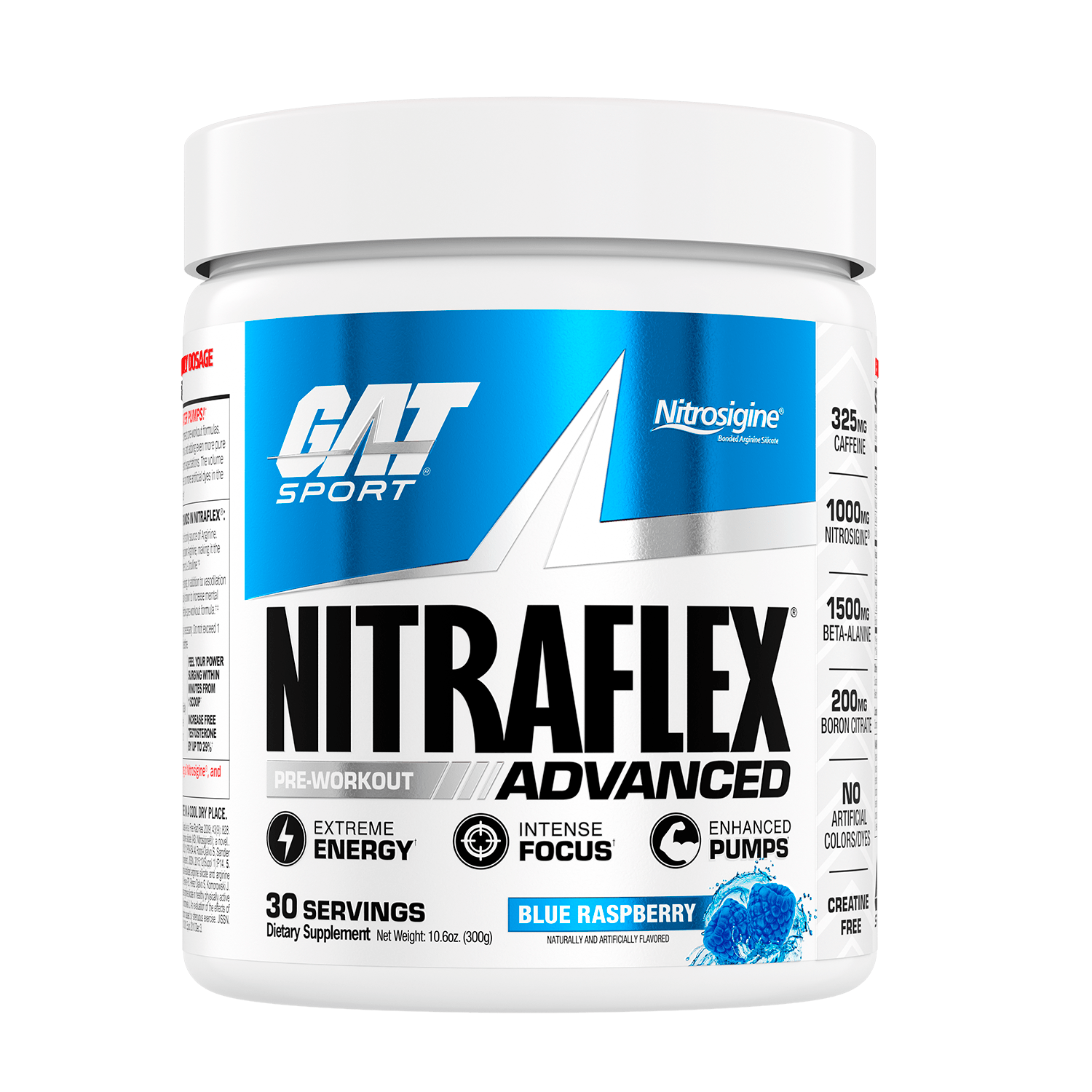
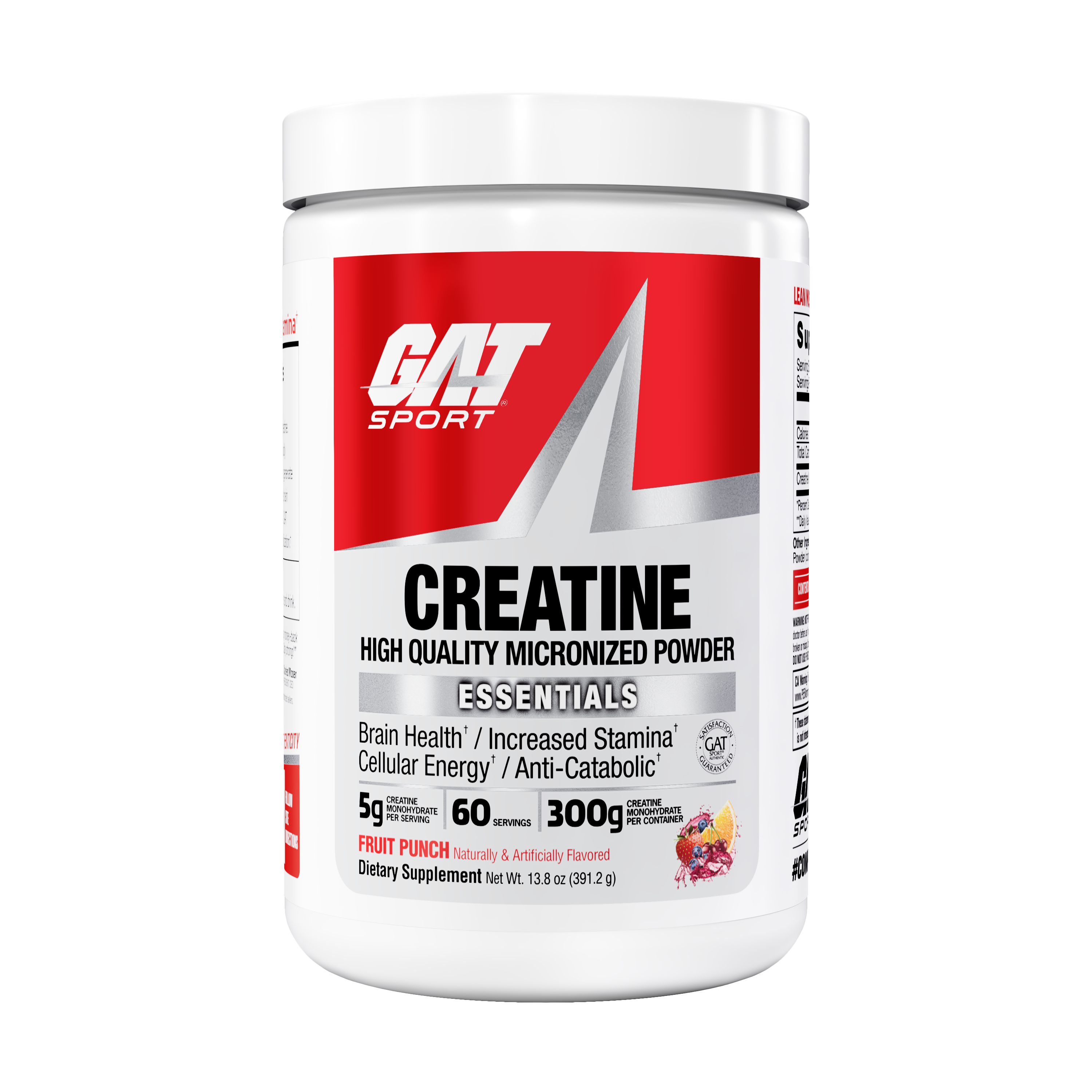
Creatine is the first. The ISSN position stand on creatine concludes that creatine monohydrate is the most effective ergogenic nutritional supplement available for increasing high-intensity exercise capacity and lean body mass during training [7]. That matters more, not less, as the years pass, because it supports the very training capacity and muscle that this whole investment thesis rests on. Creatine Monohydrate works through daily saturation, so the habit is simple: a consistent daily dose, every day, for the long haul.
Omega-3s are the second. The American Heart Association recognizes that omega-3 fatty acids support cardiovascular health, and most people do not get enough through diet alone [8]. Since heart health and health span travel together, GAT Sport Omega-3 Purified Fish Oil is a clean, convenient way to cover that gap while your training handles the rest. Neither product replaces the work; they protect the asset the work is building.
Start Compounding Now
Look back at what the research actually shows. Stronger people live longer. People with more muscle live longer. People who strength train just 30 to 60 minutes a week have a meaningfully lower risk of dying from the biggest killers. Exercise that includes strength work keeps older adults on their feet, and the training itself protects the heart and metabolism underneath everything. No cream, gadget, or miracle powder can match that portfolio.
And like any compounding investment, the two things that matter most are starting and not stopping. You do not need heroic sessions; you need consistent deposits, week after week, year after year. The strength you build in your 30s and 40s is the independence you will spend in your 70s and 80s.
See all five reasons and start investing in the long game today. Then keep making deposits, and compete harder for decades, with GAT Sport at gatsport.com.
Key Takeaways
- Muscular strength is one of the most powerful predictors of a long life, with grip strength outperforming blood pressure as a mortality signal.
- Muscle mass itself is protective: older adults with the most muscle relative to height show significantly lower all-cause mortality.
- Just 30 to 60 minutes of strength training per week is associated with a 10 to 17 percent lower risk of death, heart disease, cancer, and diabetes.
- Exercise programs that include strength work alongside balance training cut fall rates substantially in older adults.
- Protect the investment with consistent training, daily creatine, and omega-3s; the returns compound for life.
Frequently Asked Questions
Why is strength important for longevity?
Strength is important for longevity because muscle mass and muscular strength are consistently linked to lower mortality and better aging. Research shows stronger people have a lower risk of death from all causes, better heart and metabolic health, fewer falls when strength work is part of their exercise, and greater independence late in life. Because muscle declines with age unless you train it, building strength now is a direct investment in your future health.
How much strength training do you need to live longer?
Less than most people think. A large meta-analysis found the maximum reduction in mortality risk, roughly 10 to 17 percent lower risk of death, heart disease, cancer, and diabetes, was associated with about 30 to 60 minutes of muscle-strengthening activity per week. That is two or three focused sessions. Consistency over years matters far more than marathon workouts, which makes the habit remarkably achievable.
Is muscle mass or strength more important for aging?
Both matter, and they reinforce each other. Studies link higher muscle mass to lower all-cause mortality in older adults, while muscular strength, including simple grip strength, independently predicts survival. Strength reflects how well your nervous system and muscle work together, while mass provides metabolic and physical reserve. Training builds both at once, which is why resistance training is the single best tool for aging well.
Does strength training prevent falls in older adults?
It helps as part of the right program. A Cochrane review found with high certainty that exercise reduces the rate of falls in older adults by 23 percent, and programs combining balance and functional exercises with resistance training probably reduce falls by around 34 percent. Strength powers the legs and hips that keep you upright, so pairing it with balance work offers the best-proven protection.
Is it too late to start strength training at 50 or 60?
No. Research on resistance training in older adults consistently shows significant gains in strength, muscle, and function at any starting age, including well into the 70s and beyond. The body remains adaptable to training for life. Starting later simply means the investment matters more, because you are building reserve at exactly the stage when muscle loss otherwise accelerates.
References
- Ruiz, Jonatan R., et al. "Association Between Muscular Strength and Mortality in Men: Prospective Cohort Study." BMJ, vol. 337, 2008, article a439, doi:10.1136/bmj.a439.
- Leong, Darryl P., et al. "Prognostic Value of Grip Strength: Findings from the Prospective Urban Rural Epidemiology (PURE) Study." The Lancet, vol. 386, no. 9990, 2015, pp. 266-273, doi:10.1016/S0140-6736(14)62000-6.
- Srikanthan, Preethi, and Arun S. Karlamangla. "Muscle Mass Index as a Predictor of Longevity in Older Adults." The American Journal of Medicine, vol. 127, no. 6, 2014, pp. 547-553, doi:10.1016/j.amjmed.2014.02.007.
- Momma, Haruki, et al. "Muscle-Strengthening Activities Are Associated with Lower Risk and Mortality in Major Non-Communicable Diseases: A Systematic Review and Meta-Analysis of Cohort Studies." British Journal of Sports Medicine, vol. 56, no. 13, 2022, pp. 755-763, doi:10.1136/bjsports-2021-105061.
- Sherrington, Catherine, et al. "Exercise for Preventing Falls in Older People Living in the Community." Cochrane Database of Systematic Reviews, no. 1, 2019, article CD012424, doi:10.1002/14651858.CD012424.pub2.
- Paluch, Amanda E., et al. "Resistance Exercise Training in Individuals With and Without Cardiovascular Disease: 2023 Update: A Scientific Statement From the American Heart Association." Circulation, vol. 149, no. 3, 2024, pp. e217-e231, doi:10.1161/CIR.0000000000001189.
- Kreider, Richard B., et al. "International Society of Sports Nutrition Position Stand: Safety and Efficacy of Creatine Supplementation in Exercise, Sport, and Medicine." Journal of the International Society of Sports Nutrition, vol. 14, no. 18, 2017, doi:10.1186/s12970-017-0173-z.
- Siscovick, David S., et al. "Omega-3 Polyunsaturated Fatty Acid (Fish Oil) Supplementation and the Prevention of Clinical Cardiovascular Disease: A Science Advisory from the American Heart Association." Circulation, vol. 135, no. 15, 2017, pp. e867-e884, doi:10.1161/CIR.0000000000000482.