



Random training gets random results. A real block turns three good months into a measurable jump in strength. The lifter who walks into the gym and decides what to do based on how they feel that day will always be outperformed by the one following a deliberate plan, even if they train equally hard. Effort without structure is just exercise. Effort with structure is a program, and a program is what produces predictable, repeatable progress.
Here is the problem that holds most lifters back. They train hard, genuinely hard, but with no overarching structure. There is no plan for how the weight on the bar should progress week to week, no strategy for managing the fatigue that inevitably accumulates, and no clear target to build toward. As a result, their progress is inconsistent, and when a personal record does happen, it is a matter of luck rather than design. This fall, replace luck with a plan. Here is how to program a complete 12-week strength block from scratch.
How Do You Program a Strength Block?
You program a strength block by choosing a clear strength goal, then organizing 12 weeks into progressive phases that systematically increase the demand on your body while building in planned recovery. You start with higher-volume work to build a base, progress to heavier loads to build strength, insert a deload to manage fatigue, then peak toward your target. This structured, progressive approach, known as periodization, reliably builds more strength than training without a plan. Here is the full template.
Why Structure Beats Random Training
Before the template, it helps to understand why a structured block works so much better than hard but haphazard training. Two principles do the heavy lifting: progressive overload organized through periodization, and planned fatigue management.
Periodized Progressive Overload
The foundation of all strength gain is progressive overload: systematically increasing the demand on your muscles over time so they are continually forced to adapt. But how you organize that progression matters. Structuring it into planned, progressive phases, which is what periodization means, produces better results than doing the same thing session after session. A meta-analysis comparing the two approaches found that periodized resistance training tends to produce greater gains in maximal strength than non-periodized training [1]. A block is simply the vehicle that organizes progressive overload into a deliberate path toward your goal.
Underpinning every phase is the requirement to train hard enough to drive adaptation. Research on training proximity to failure confirms that taking your working sets reasonably close to failure is what maximizes the training stimulus [2]. Structure tells you how to progress; effort close to failure is what makes each session count.
Planned Fatigue Management
Here is the piece most self-directed lifters miss entirely: you cannot push progressively harder forever without accumulating fatigue that eventually stalls you. A well-designed block plans for this with a deload, a short period of reduced training demand that lets accumulated fatigue dissipate so you can keep progressing. This is not guesswork; it is standard practice among serious strength athletes. Survey research of competitive strength and physique athletes found that essentially all of them deload, using it as a proactive, pre-planned strategy for energy and fatigue management, typically for around 5 to 7 days integrated into the program every 4 to 6 weeks [3]. A deload is not lost time; it is what allows the hard work on either side of it to pay off.
The 12-Week Fall Strength Block
Here is a complete template any performance lifter can apply to their main lifts, whether your goal is a bigger squat, bench press, deadlift, overhead press, or a combination. It organizes 12 weeks into four phases. Fill in your specific exercises but follow the structure and the progression.
Phase 1: Volume Accumulation (Weeks 1 to 4)
The block opens by building a base of muscle and work capacity. Train your main lifts with moderate loads, around 65 to 75 percent of your one-rep max and prioritize higher volume in the range of 8 to 12 reps per set for a good number of total sets. This phase accumulates the training volume that builds muscle and prepares your body and connective tissue for the heavier loads to come. Keep 1 to 2 reps in reserve on most sets. Add a small amount of weight or a rep or two each week where you can. You should finish this phase feeling worked but with a solid foundation laid.
Phase 2: Strength Development (Weeks 5 to 7)
Now the focus shifts toward strength. Increase the load on your main lifts to roughly 75 to 85 percent of your max while dropping the rep ranges into the 4 to 6 zone and slightly reducing total volume to manage the higher intensity. This phase teaches your body to express the muscle and work capacity you built in phase one as raw strength. The weights get heavier, the sets get more focused, and your main lifts start climbing. Continue progressing the load week over week, pushing your final sets closer to a challenging effort.
Phase 3: Deload (Week 8)
After seven weeks of progressively harder training, fatigue has accumulated, so week eight is a planned deload. Reduce your training volume significantly, cutting your sets roughly in half, and pull the intensity back to comfortable, submaximal weights. The goal is not to chase progress this week but to actively recover, letting accumulated fatigue dissipate so you arrive at the final phase fresh and ready to peak. Resist the urge to skip this or push through it; the deload is exactly what makes the final phase productive [3]. Keep the movements, drop the demand.
Phase 4: Peaking and PRs (Weeks 9 to 12)
The final phase sharpens everything to a point. Load climbs to 85 percent and beyond on your main lifts, reps drop into the 1 to 3 range, and total volume comes down further to shed fatigue and let your strength surface. You spend these weeks working up toward heavy, confident singles and, in the last week or two, attacking the personal records this whole block was built for. Because you accumulated volume, built strength, deloaded to clear fatigue, and are now peaking on fresh legs, you arrive at these PR attempts primed to hit numbers that were out of reach twelve weeks earlier. Do not grind through excessive fatigue here; the goal is freshness and strong, successful lifts.
This four-phase arc, base, strength, deload, peak, is exactly why a structured block outperforms random training. Every phase has a purpose, and each one sets up the next.
Fueling the Full Block
A 12-week block is a serious commitment, and consistent fueling supports both the work and the recovery it demands.
For your heaviest sessions, particularly the strength and peaking phases, Nitraflex Advanced delivers the energy and focus to attack demanding work with real intent. The ISSN position stand on caffeine confirms that pre-workout supplements containing caffeine enhance both anaerobic and aerobic performance at doses of 3 to 6 milligrams per kilogram of body mass [4], which is exactly what heavy, PR-focused training demands. Pre-load your hardest days so your working weights get your full focus and drive.
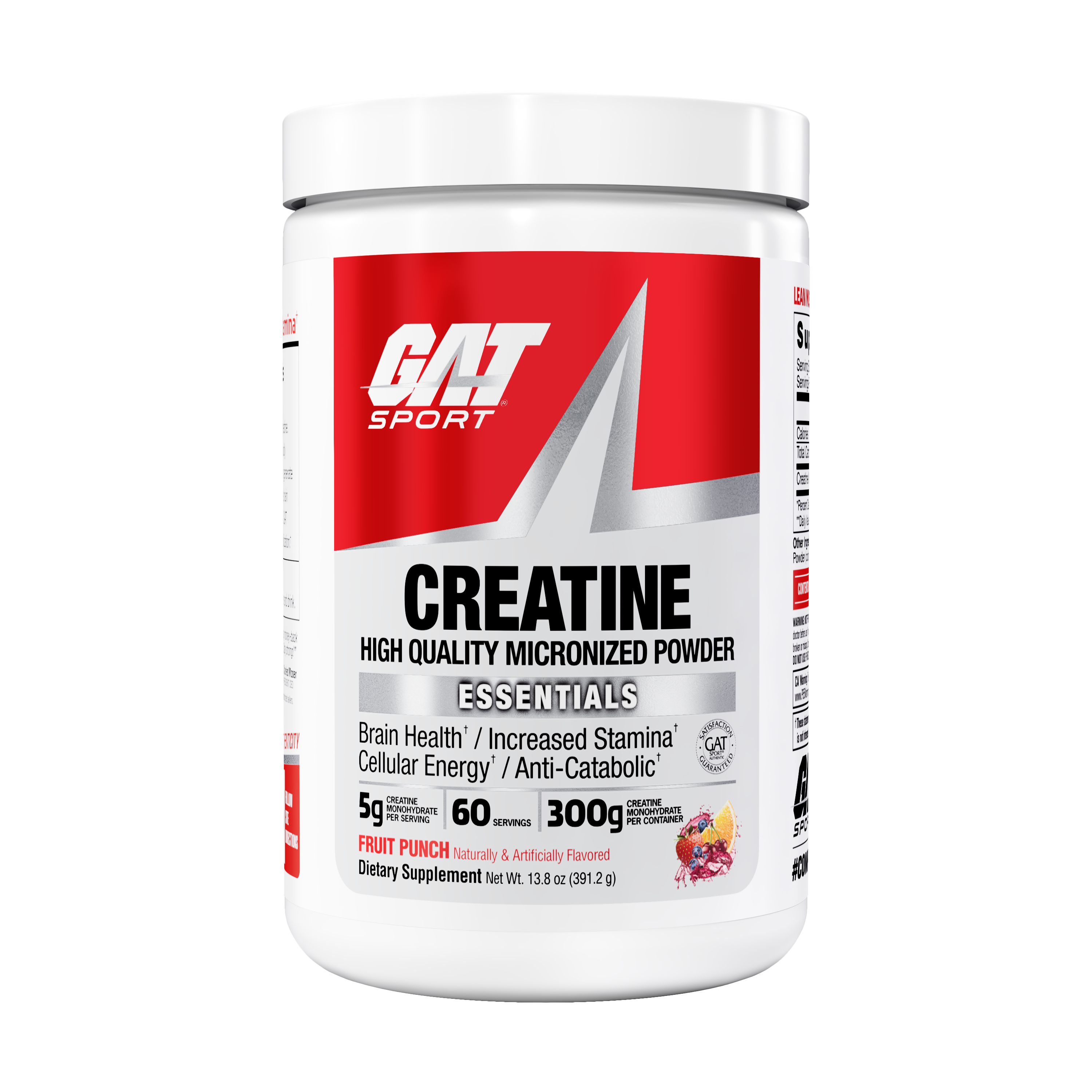
To support the entire block, keep two nutritional basics consistent. Creatine is foundational: the ISSN position stand on creatine concludes that creatine monohydrate is the most effective ergogenic nutritional supplement available for increasing high-intensity exercise capacity and lean body mass during training [5]. Creatine Monohydrate works through daily saturation, so a daily dose across all 12 weeks supports the training capacity that drives your progress. And because your muscles rebuild from adequate protein, the ISSN position stand on protein confirms that sufficient protein intake combined with training drives the muscle protein synthesis that builds and maintains muscle [6]. Flexx EAAs offer a convenient way to supply essential amino acids around your training when a full meal is not practical, supporting the recovery that turns twelve weeks of hard work into real strength.
Commit to the Full Block
The difference between lifters who make steady, measurable progress and those who spin their wheels is rarely effort. It is structure. A 12-week block gives your hard work direction, organizes your progression, manages your fatigue, and points everything toward a clear goal. It transforms three months of training from a series of random hard sessions into a deliberate campaign that ends with a genuine, earned personal record.
The plan only works if you commit to the whole thing, including the less glamorous volume phase and the deload week that your ego will want to skip. Trust the structure, execute each phase, and let twelve weeks of progressive, organized work deliver the strength that random training never could.
Follow the 12-week template and commit to the full block. Then go attack your fall PRs, and compete harder, with GAT Sport at gatsport.com.
Key Takeaways
- A structured 12-week block turns hard training into measurable strength gains, while random training produces inconsistent results.
- Periodized progressive overload tends to build more strength than training without a plan, and sets should be taken close to failure.
- The block runs through four phases: volume accumulation, strength development, a deload, and peaking toward PRs.
- A planned deload is standard practice among strength athletes and is what lets the hard phases around it pay off.
- Support the full block with a focused pre-workout on heavy days and consistent daily creatine and adequate protein.
Frequently Asked Questions
How do you program a strength block?
You program a strength block by choosing a clear strength goal, then organizing your training into progressive phases over several weeks. A proven 12-week structure runs from a higher-volume base-building phase to a heavier strength phase, to a planned deload for recovery, and finally a peaking phase where you attempt your personal records. This periodized, progressive approach systematically increases demand while managing fatigue, which reliably builds more strength than unstructured training.
What is periodization in strength training?
Periodization is the practice of organizing training into planned, progressive phases rather than doing the same thing every session. Each phase emphasizes different qualities, such as building volume, developing strength, or peaking, and they build on one another toward a goal. Research shows periodized training tends to produce greater maximal strength gains than non-periodized training, because it structures progressive overload and manages fatigue deliberately.
Do you need a deload week?
For a demanding multi-week block, yes, a planned deload is highly valuable. As you progressively increase training demand, fatigue accumulates and eventually limits progress. A deload, a short period of reduced volume and intensity, lets that fatigue dissipate so you can keep progressing and peak effectively. Survey research shows essentially all competitive strength athletes deload as a proactive strategy, typically for about a week every four to six weeks.
How long should a strength program be?
Twelve weeks is an excellent length for a focused strength block. It is long enough to progress through distinct phases, base building, strength development, a deload, and peaking, while remaining short enough to stay motivated toward a specific goal. This structure lets you accumulate volume early, convert it to strength, manage fatigue with a deload, then express your best numbers at the end.
How do you peak for a strength PR?
You peak by gradually increasing load while cutting training volume in the final weeks, which sheds accumulated fatigue and lets your built-up strength surface. After a deload clears fatigue, you work up toward heavy, confident singles at 85 percent of your max and beyond, then attempt your PRs once you feel fresh and sharp. The goal in the peaking phase is freshness and successful lifts, not grinding through fatigue.
References
- Williams, Tyler D., et al. "Comparison of Periodized and Non-Periodized Resistance Training on Maximal Strength: A Meta-Analysis." Sports Medicine, vol. 47, no. 10, 2017, pp. 2083-2100, doi:10.1007/s40279-017-0734-y.
- Refalo, Martin C., et al. "Influence of Resistance Training Proximity-to-Failure on Skeletal Muscle Hypertrophy: A Systematic Review with Meta-Analysis." Sports Medicine, vol. 53, no. 3, 2023, pp. 649-665, doi:10.1007/s40279-022-01784-y.
- Rogerson, David, et al. "Deloading Practices in Strength and Physique Sports: A Cross-sectional Survey." Sports Medicine - Open, vol. 10, no. 1, 2024, article 26, doi:10.1186/s40798-024-00691-y.
- Guest, Nanci S., et al. "International Society of Sports Nutrition Position Stand: Caffeine and Exercise Performance." Journal of the International Society of Sports Nutrition, vol. 18, no. 1, 2021, article 1, doi:10.1186/s12970-020-00383-4.
- Kreider, Richard B., et al. "International Society of Sports Nutrition Position Stand: Safety and Efficacy of Creatine Supplementation in Exercise, Sport, and Medicine." Journal of the International Society of Sports Nutrition, vol. 14, no. 18, 2017, doi:10.1186/s12970-017-0173-z.
- Jäger, Ralf, et al. "International Society of Sports Nutrition Position Stand: Protein and Exercise." Journal of the International Society of Sports Nutrition, vol. 14, no. 20, 2017, doi:10.1186/s12970-017-0177-8.